
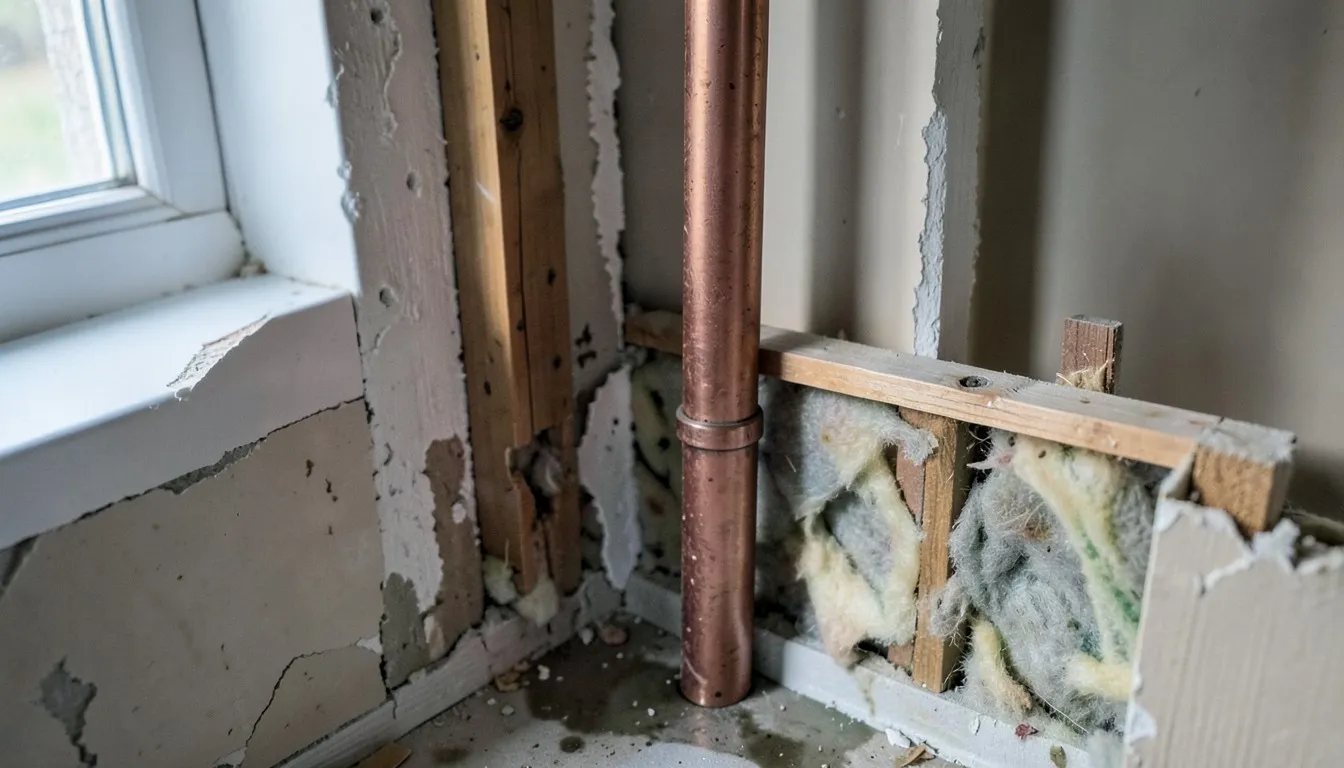
Emergency Burst Pipe Repair in St. Louis, Missouri
Burst Pipe Repair in St. Louis, Missouri is emergency repair for burst, cracked, or split pipes. Local conditions in St. Louis: water measured at 8 gpg, a 22 in frost line and a median home age of 75 years.
Active water damage compounds by the hour — the 24/7 line connects calls to independent local plumbers serving St. Louis in our partner's network.
Who do I call for a burst pipe in St. Louis?
A plumber. A burst pipe in St. Louis is a plumbing repair, and it is an emergency while water is still running or has reached ceilings, walls or anything electrical. The call line on this page takes calls 24/7 and connects them to independent local plumbers in our partner's network. Drying out floors and drywall is a separate job for a water-damage restoration company.
What does the local plumbing data show for St. Louis, MO?
Seeing these conditions at your place in St. Louis? Describe them on the call to a state-licensed local plumber — free, no obligation.
What are the pipe conditions in St. Louis, MO?
A burst pipe can release 100+ gallons per minute before the main shutoff is closed — structural and water damage accumulates in the first hour. St. Louis homes with supply lines past their service life face the highest burst risk: galvanized steel corrodes from the inside out; polybutylene fittings fail at the acetal collar; copper pinhole failures escalate when the wall is disturbed. AlertPlumber routes your call to an independent Missouri-licensed plumber — ask whether they carry mobile pipe inventory (couplings, push-fit fittings, and copper stock) for a same-visit repair without an overnight parts run. Freeze events and frost-depth requirements add pipe insulation, exterior faucet winterization, and burst-risk assessment to service calls in this climate.
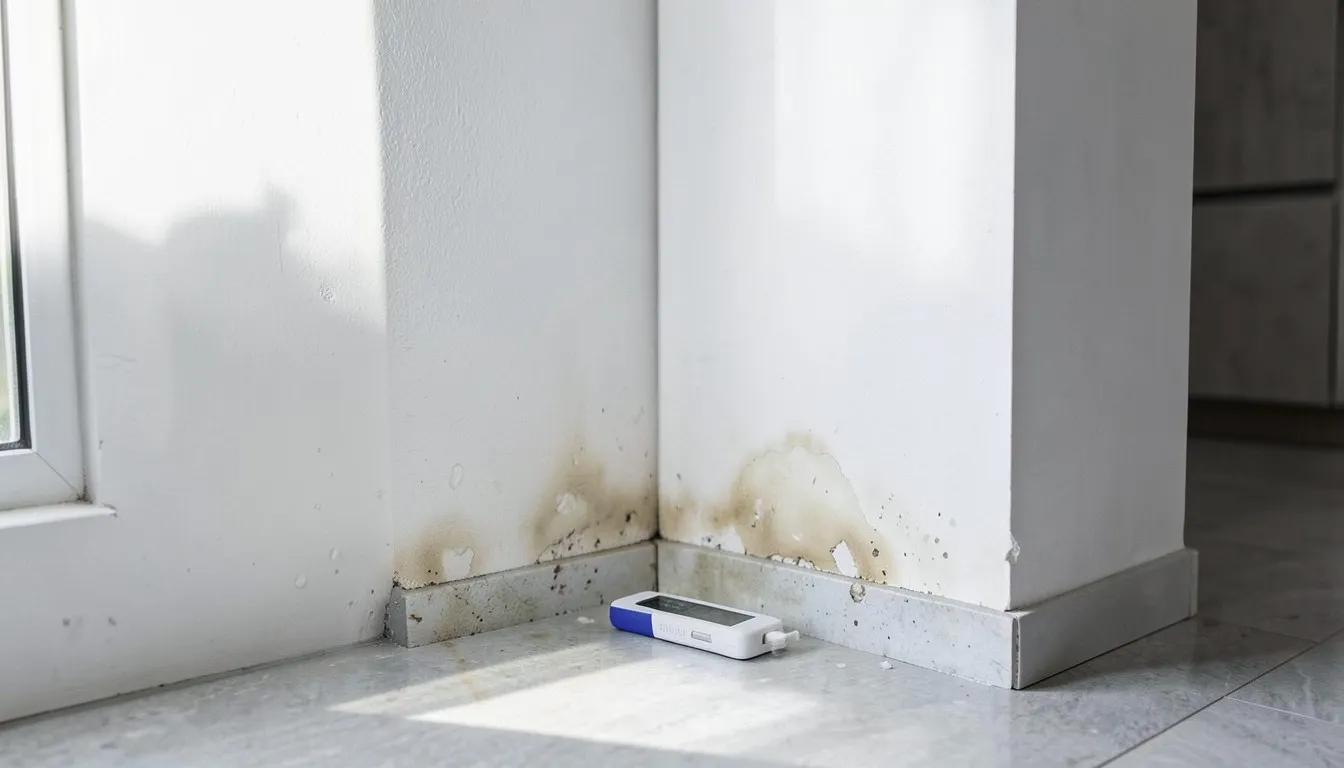
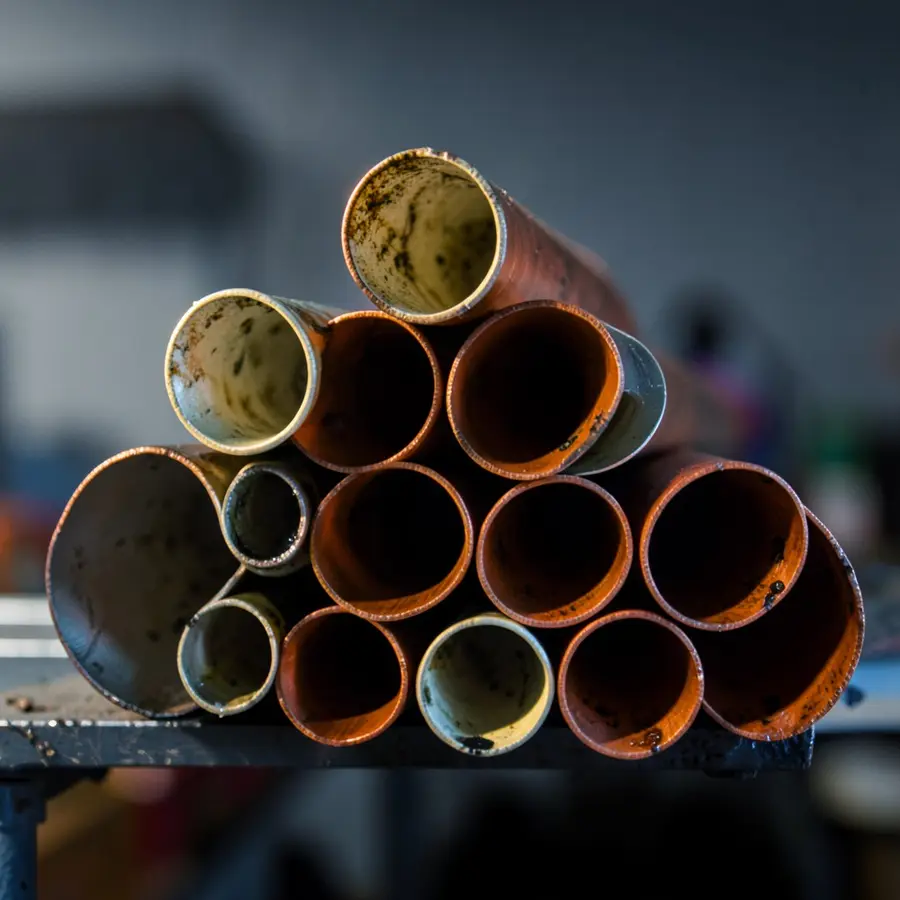
Pre-war housing in St. Louis — median home age 75 years — may still carry galvanized steel supply lines installed before the copper era. Galvanized pipe corrodes from the inside out: internal oxidation gradually narrows bore diameter, reduces water pressure, and eventually results in pinhole failure at corroded sections. Inspection confirms whether scale and corrosion warrant section replacement or full repipe. Homes of other eras in St. Louis may have copper pipe or polybutylene supply lines instead; ask the plumber which your home has.
Hard water in St. Louis accelerates scale buildup inside water heater tanks, on heating elements, and at fixture connections. Sediment accumulation in tank heaters reduces efficiency and shortens element life; visible deposits at aerators and showerheads are an early indicator. Ask a licensed plumber to assess whether a water softener or conditioner is appropriate for the home's service configuration.
Frost line depth in St. Louis means supply lines and outdoor plumbing must be installed below the freeze threshold — typically 22 in — to prevent pipe burst during cold events. Exterior hose bibs, irrigation shutoffs, and any exposed pipe runs are the most common winterization service points in freeze-risk markets.
- Median home age
- 75 yrs
- Water hardness
- 8 gpg
- Frost line
- 22 in
- Permit
- City fee schedule
Census housing age, St. Louis city, Missouri: median year built 1939 or earlier; 75.5% of homes built before 1960, 86.2% before 1980. Source: U.S. Census Bureau, ACS 2020–2024 5-year estimates, tables B25034 and B25035, read 2026-09-30.
Mention these conditions when you describe the symptom to the MO plumber you reach.
What shapes plumbing demand in St. Louis, MO?
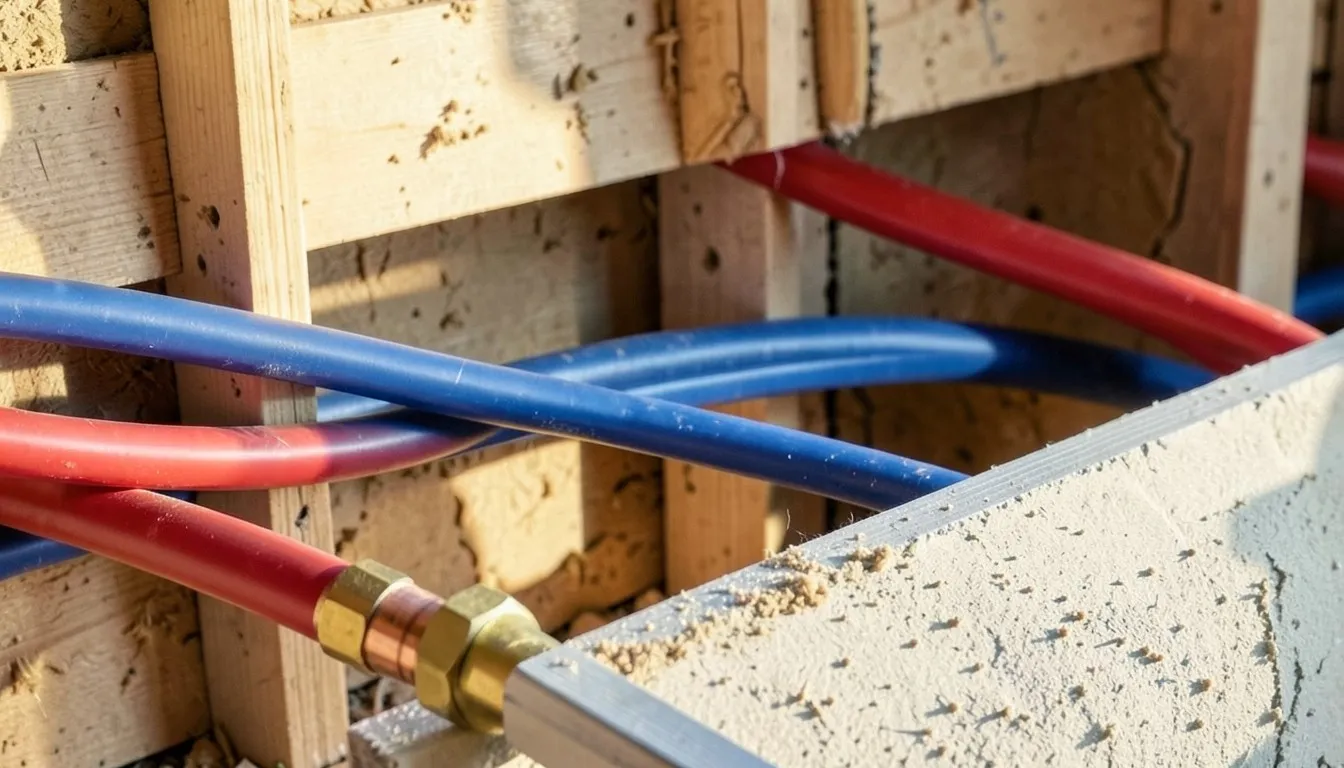
Galvanized supply lines and cast iron drain systems from the 1880s–1940s are past their 40–70-year design life across much of St. Louis. Interior rust scale progressively narrows pipe bore. Plumbers here routinely scope supply lines before quoting any repair — the underlying pipe condition often makes full replacement more cost-effective than patching.
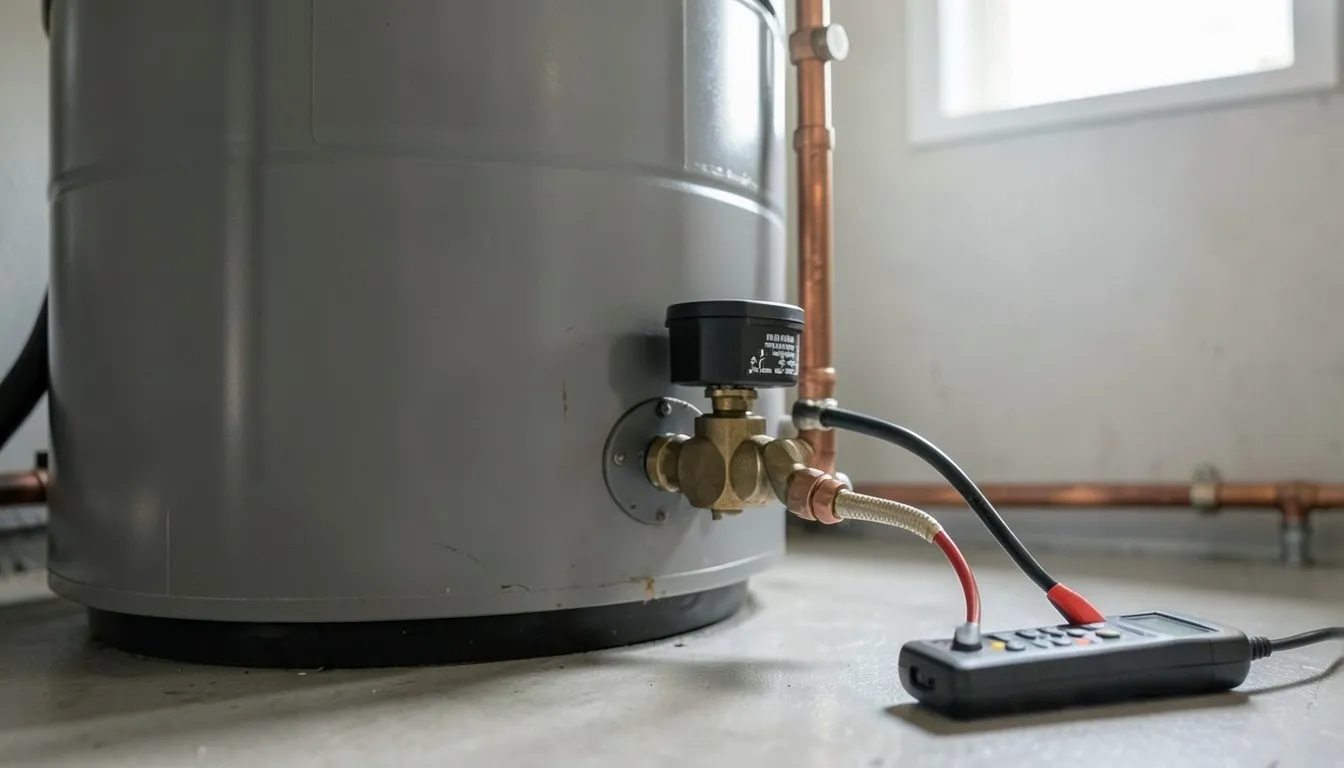
8–14 GPG shortens water heater service life to 8–11 years in St. Louis and drives rolling maintenance demand at aerators, shower cartridges, and heat exchanger ports. Annual flushing prevents premature failure; skipped maintenance cycles push units toward early replacement. Scale-related calls represent a significant share of the annual service workload here.
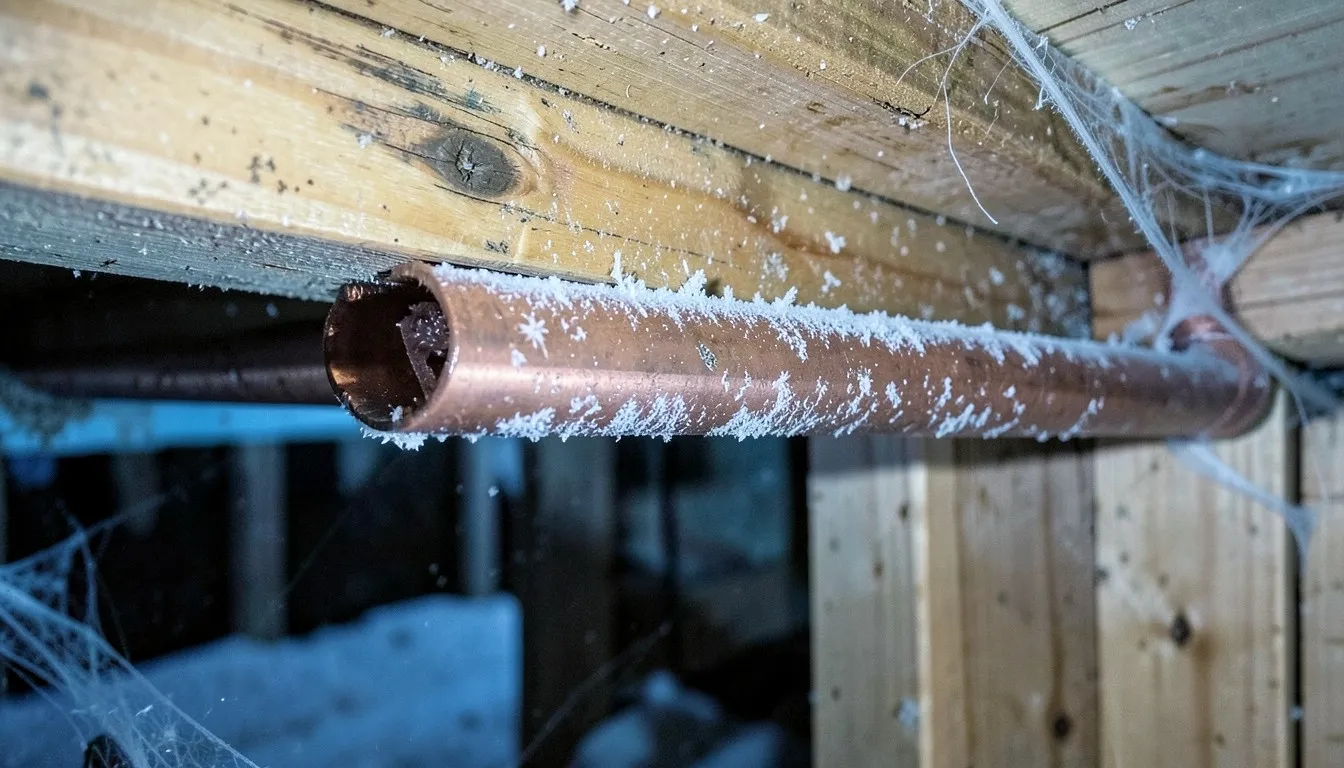
The primary surge in St. Louis runs January–March, with a secondary wave at the spring thaw — when pipes that held through the freeze rupture as pressure is restored above 32°F. Scheduling competition peaks exactly when emergency calls are highest. Homeowners who wait for visible damage compete for the same limited plumber slots at the worst possible time.
Active damage in St. Louis — how is it contained, assessed and restored?
Submit your St. Louis address and describe the active damage — flooding, failed shutoff, burst or frozen line. AlertPlumber passes the request to an independent MO-licensed plumber in its partner's network — ask them to confirm receipt and give you an arrival window.
On arrival, ask the plumber to locate the nearest shutoff and map the damage boundary — affected lines, access points, material condition — and to tell you what requires immediate containment and what can wait until the full repair scope is confirmed.
Ask for a written containment and repair scope to approve before any work begins, with temporary isolation priced separately from full restoration. Give your explicit sign-off before each phase proceeds.
Burst Pipe Repair cost calculator — St. Louis
Pre-filled for burst pipe repair in St. Louis. Adjust the ZIP for a neighboring area, or change the service to compare. Calculator pulls from the city's scraped permit-fee + state plumber-density data.
Burst Pipe Repair emergency in St. Louis?
Every hour without a repair increases structural risk and remediation cost. Calls connect to independent local plumbers in our partner's network — ask for an arrival time and a written estimate.
What else do people ask about burst pipe repair in St. Louis?
How much does burst pipe repair cost in St. Louis, MO?
Burst pipe repair in St. Louis typically runs roughly 12% below the national average. After-hours emergency call-out can add a separate charge on top of parts and labor. Price ranges: emergency plumber cost guide.
How fast can a St. Louis emergency plumber respond to a burst pipe?
AlertPlumber-matched emergency plumbers in St. Louis aim for a 1–2 hour on-site window. Response stretches during severe freeze or storm events when call volume spikes. The emergency line routes to the fastest available crew in the metro.
What should I do immediately when a pipe bursts in St. Louis?
For the main shutoff valve, the Clayton County Water Authority (read 2026-09-29) advises: "If you have a pipe burst in your home, immediately close this valve to shut off the water supply to your home and help prevent further water damage." The American Red Cross (read 2026-09-29) warns: "Do not touch electrical equipment if it is wet or if you are standing in water because you could get electrocuted." Ask the plumber whether to open a faucet to drain the lines, and document with photos for the insurance claim. Active flooding causes thousands of dollars in damage per hour — shutting the main immediately limits the loss.
What causes pipes to burst in St. Louis?
The most common cause is freeze-thaw: 90 sub-32°F days/yr with 22" frost depth stresses uninsulated crawlspace and exterior-wall pipe runs.
Can a burst pipe be patched or does the full section need replacing?
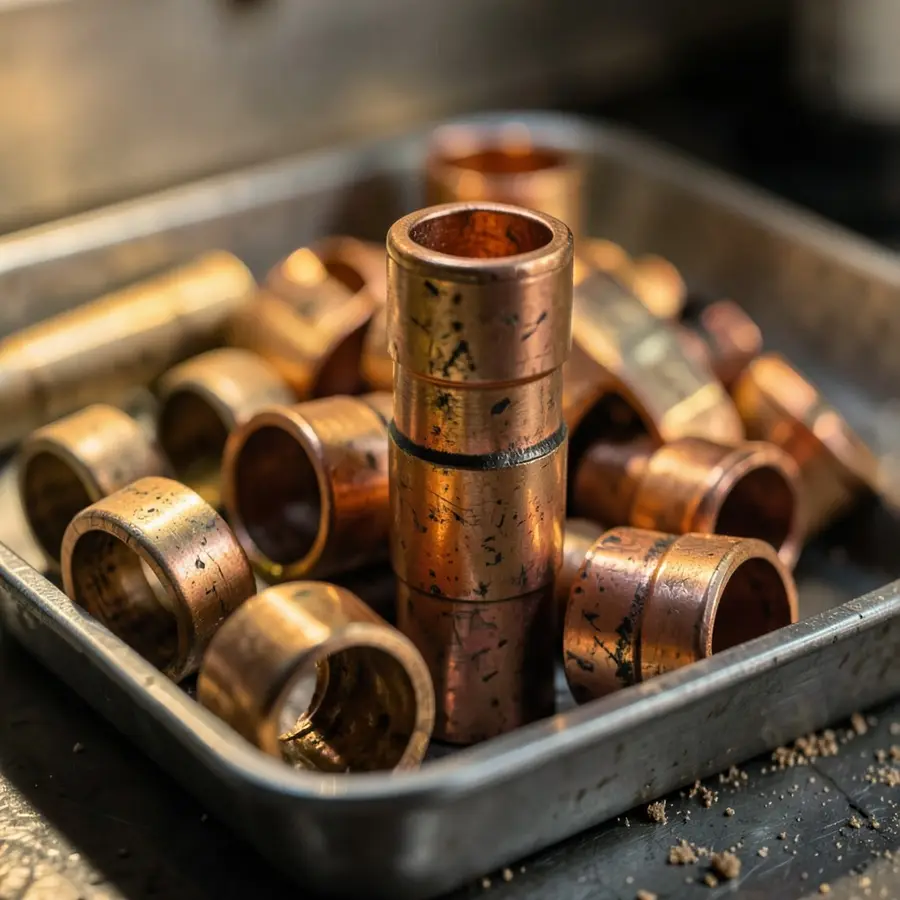
A clean burst on sound pipe takes a push-fit sleeve coupling — under an hour. If surrounding pipe shows corrosion or the burst is at a joint in 1880s-1930s lead/cast-iron material, the plumber replaces the run from fitting to fitting.
Does homeowners insurance cover a burst pipe in St. Louis?
Standard Missouri policies cover sudden-and-accidental water damage from a burst pipe — structural drying, flooring, drywall — subject to your deductible. They typically don't cover the broken pipe itself.
Which pipes burst most often in St. Louis homes?
St. Louis's 75-year median home age means 1880s-1930s lead/cast-iron supply lines are most common. Galvanized steel in pre-1960s homes rusts internally until walls thin and rupture. Crawlspace and exterior-wall runs are highest risk in St. Louis winters.
How long does burst pipe repair take in St. Louis?
Accessible pipe repair takes 1–3 hours. Wall or slab access adds 2–4 hours for opening, patching, and re-testing. Drywall patching is a separate visit or trade.
How do I prevent future burst pipes in St. Louis?
Insulate all crawlspace and exterior-wall runs, maintain interior heat above 55°F, and install heat tape on exposed pipe in St. Louis's 22" frost zone. A leak-detection shutoff sensor auto-closes the main valve when unchecked flow is detected. Price ranges: emergency plumber cost guide.
How do I check the license of burst-pipe plumbers in MO?
Yes. Every plumber reached through AlertPlumber in St. Louis holds an active MO DPR license, and ask whether they carry mobile burst-repair inventory for same-visit completion.
One call puts your problem in front of a local plumber.
Call the number, or put your number in the form below — the request goes to an independent Missouri plumber in our partner's network; ask about the burst pipe repair and for a written estimate.
Need a burst pipe repair callback in St. Louis?
In a meeting, with the kids, or just prefer not to call? Drop your ZIP and number below. AlertPlumber sends your request to our routing partner — if a participating plumber serves your area, they may call you back directly. For anything urgent, call the number on this page.
- 1 Submit your info. ZIP, phone, and what kind of work you need.
- 2 AlertPlumber passes it on to our routing partner for your area.
- 3 If a participating plumber serves your area, they may call you back. Ask for a written estimate before work starts.
Burst Pipe Repair in St. Louis — when to call
Acute plumbing failures cannot wait. AlertPlumber routes calls about burst pipe repair in St. Louis to independent Missouri plumbers in our partner's network — call now or submit the form above for a callback.