
Pipe Insulation
Foam, fiberglass, or rubber sleeve wrapped around pipes to prevent freezing in cold weather, reduce heat loss from hot water lines, and prevent condensation on cold pipes.
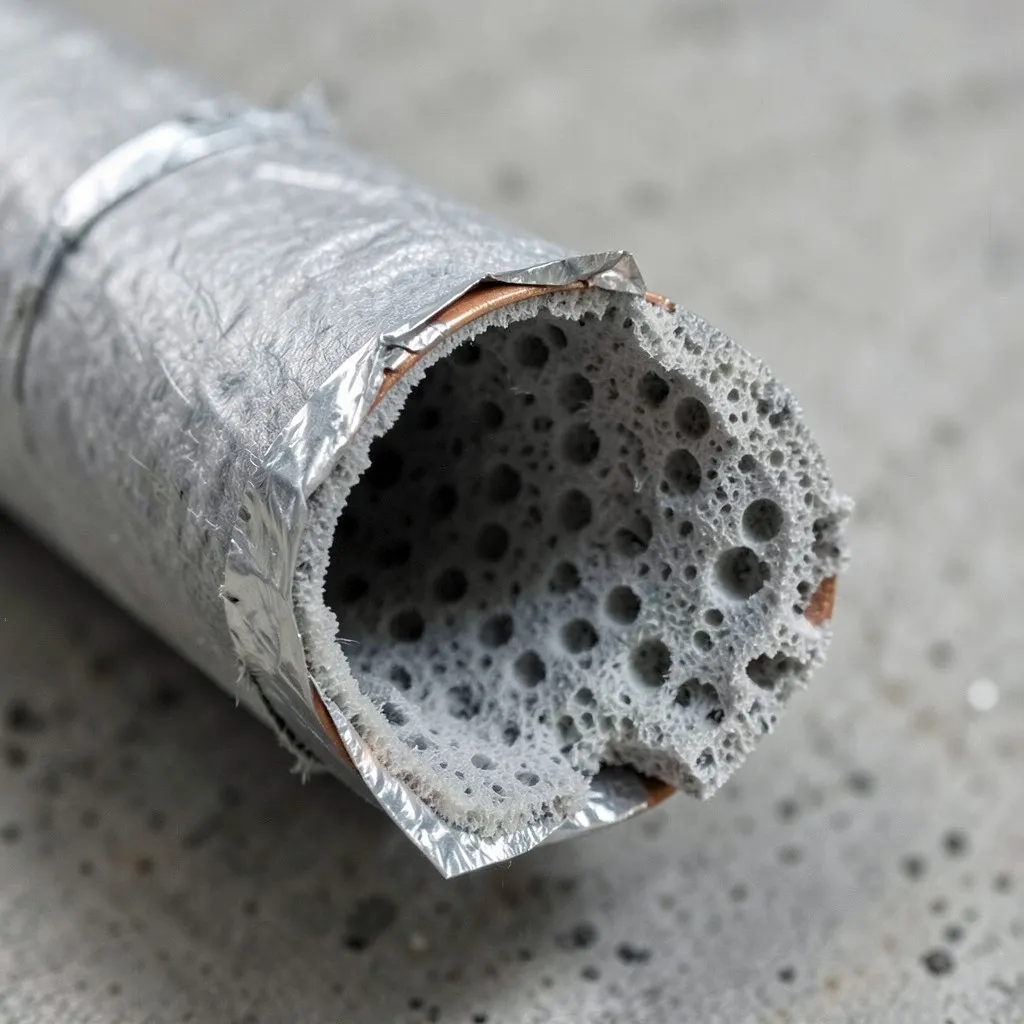
Pipe insulation is a sleeve of foam, fiberglass, rubber, or mineral wool material wrapped around pipes to control heat transfer. Depending on the pipe and the problem being solved, insulation can prevent frozen pipes in winter, maintain hot water temperature in long supply runs, prevent condensation on cold pipes in humid spaces, or reduce noise from water flowing through pipes.
What types of pipe insulation are there?
- Polyethylene foam (most common): pre-slit foam tubes in standard pipe diameters. Easy to install, inexpensive ($0.50–$2/linear foot), R-value of about 2–4 depending on thickness. Best for freeze protection and hot water heat retention.
- Rubber (EPDM or neoprene): more flexible than foam, better moisture resistance, higher R-value. Common on refrigerant lines, HVAC, and cold-water pipes in humid spaces where condensation is a concern.
- Fiberglass with vapor barrier: higher R-value (R-3 to R-7), used on steam lines and high-temperature hot water distribution in commercial applications.
- Pipe wrap tape: spiral-wrapped foam or fiberglass tape; useful for irregular shapes and fittings that pre-slit tubes don't cover.
How does pipe insulation protect against freezing?
Insulation slows heat loss but doesn't add heat — a pipe in an unheated crawl space at 10°F will eventually freeze no matter how well insulated. For pipes in exposed crawl spaces, exterior walls, or unheated garages, insulation buys time during brief cold snaps but may need to be combined with heat tape (thermostatically controlled electric cable) for reliable freeze protection below 20°F.
How does insulation improve hot water efficiency?
Insulating hot water supply pipes reduces standby heat loss, meaning hot water arrives at fixtures faster and the water heater cycles less. The DOE estimates this can reduce water heating costs by 3–4% and shorten wait time for hot water at distant fixtures by up to 1 minute.
How do you install pipe insulation?
Split-sleeve foam insulation fits over pipes by opening along the pre-slit seam. Secure with pipe insulation tape at seams and at each fitting. Total cost for insulating all accessible pipes in a typical home: $50–$200 in materials; 2–4 hours DIY labor.
Researching the term is one thing — hiring for it is another. See frozen pipe repair services for scope, timelines, and what drives the price, or call (888) 530-4445 for a no-cost estimate.
For the full picture — materials, process, timelines and what drives the cost — read Frozen Pipe Repair: Complete Guide.
What related terms should you know?
What sources back this up?
Need a verified plumber for frozen pipe repair?
AlertPlumber matches you with a licensed plumber for frozen pipe repair. Written estimate before any work begins.