
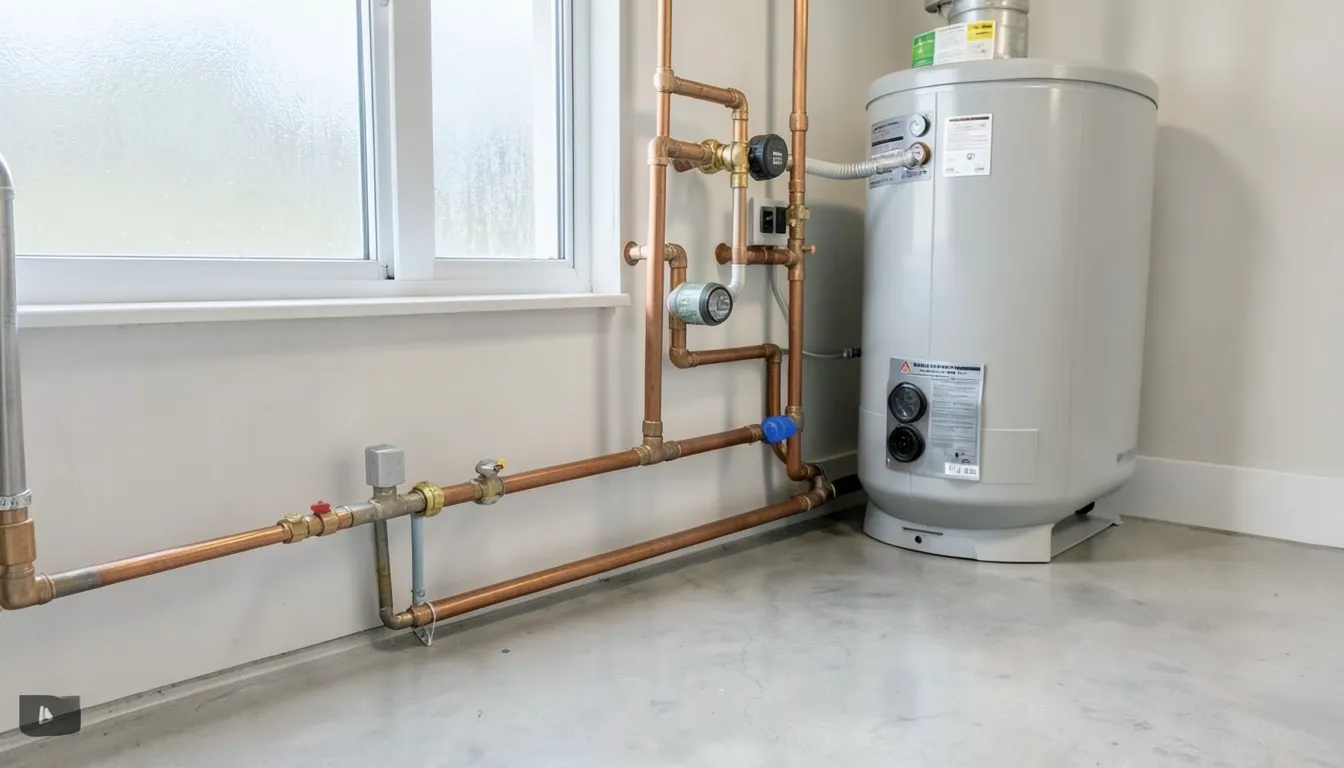
Water Softener Installation in St. Louis, Missouri
Book it this week — a licensed MO plumber quotes it by phone before anyone rolls a truck.
Local plumbing data for St. Louis, MO
Seeing these conditions at your place in St. Louis? A state-licensed plumber can confirm it over the phone — free, no obligation.
Pipe conditions in St. Louis, MO
Water softener installation in St. Louis is calibrated to the local water hardness — GPG level determines the resin tank size, regeneration cycle frequency, and salt type required. An undersized softener in a hard-water market regenerates too frequently and passes hard water during peak demand. Drain line placement and brine tank position require planning; older homes may need the softener positioned before the water heater but after the main shutoff. AlertPlumber connects you with a Missouri-licensed plumber who specifies the unit based on your actual hardness reading.
Pre-war housing in St. Louis — median home age 75 years — commonly carries galvanized steel supply lines installed before the copper era. Galvanized pipe corrodes from the inside out: internal oxidation gradually narrows bore diameter, reduces water pressure, and eventually results in pinhole failure at corroded sections. Inspection confirms whether scale and corrosion warrant section replacement or full repipe.
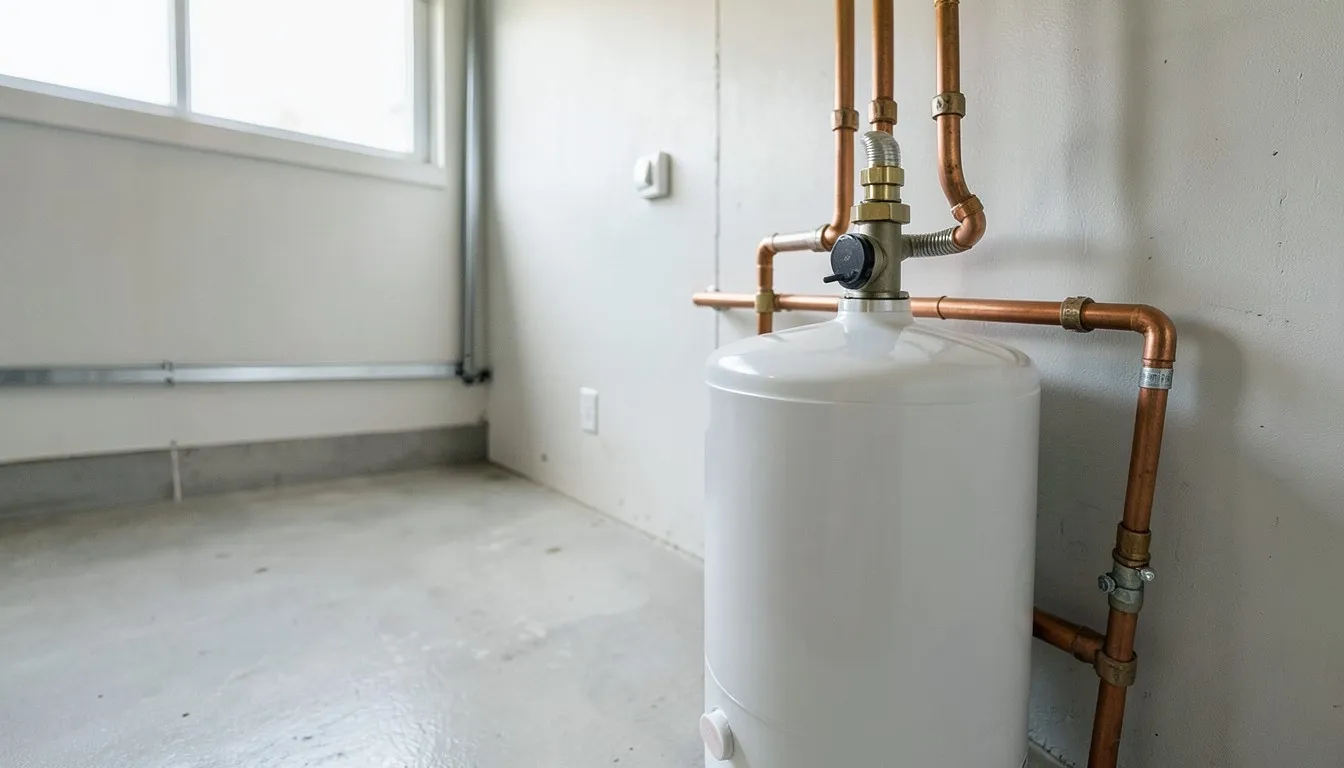
Hard water in St. Louis accelerates scale buildup inside water heater tanks, on heating elements, and at fixture connections. Sediment accumulation in tank heaters reduces efficiency and shortens element life; visible deposits at aerators and showerheads are an early indicator. A licensed plumber can assess whether a water softener or conditioner is appropriate for the home's service configuration.
Frost line depth in St. Louis means supply lines and outdoor plumbing must be installed below the freeze threshold — typically 22 in — to prevent pipe burst during cold events. Exterior hose bibs, irrigation shutoffs, and any exposed pipe runs are the most common winterization service points in freeze-risk markets.
- Median home age
- 75 yrs
- Water hardness
- 8 gpg gpg
- Frost line
- 22 in
- Permit
- $100
A licensed MO plumber reads these conditions the moment you describe the symptom.
What shapes plumbing demand in St. Louis, MO
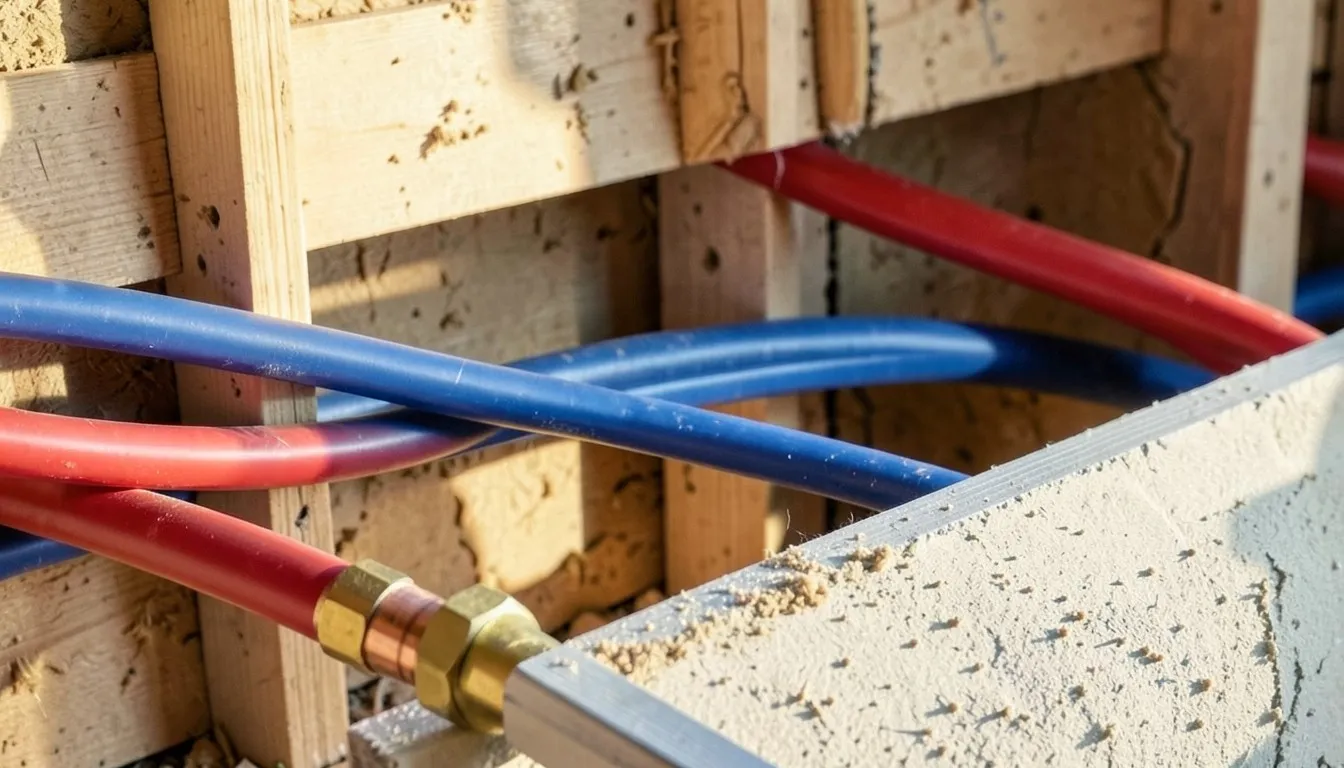
Galvanized supply lines and cast iron drain systems from the 1880s–1940s are past their 40–70-year design life across much of St. Louis. Interior rust scale progressively narrows pipe bore. Plumbers here routinely scope supply lines before quoting any repair — the underlying pipe condition often makes full replacement more cost-effective than patching.
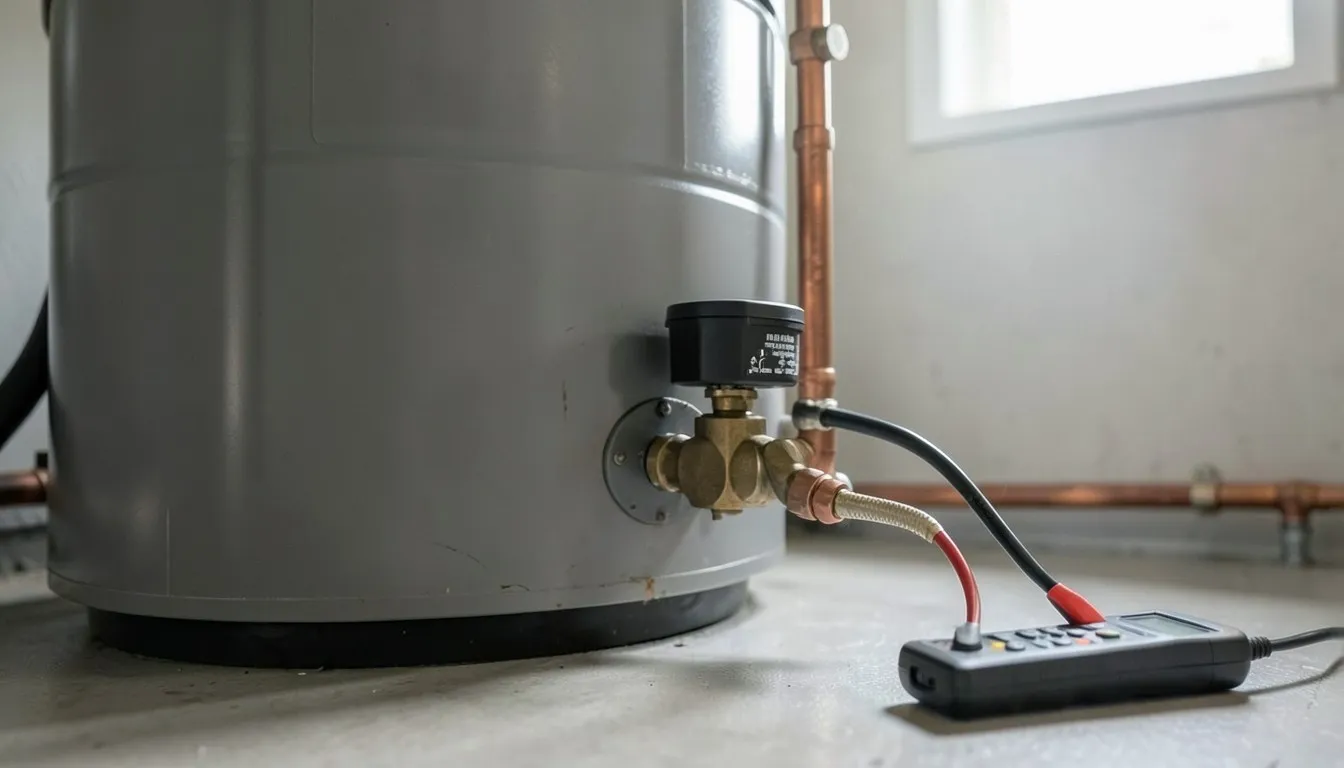
8–14 GPG shortens water heater service life to 8–11 years in St. Louis and drives rolling maintenance demand at aerators, shower cartridges, and heat exchanger ports. Annual flushing prevents premature failure; skipped maintenance cycles push units toward early replacement. Scale-related calls represent a significant share of the annual service workload here.
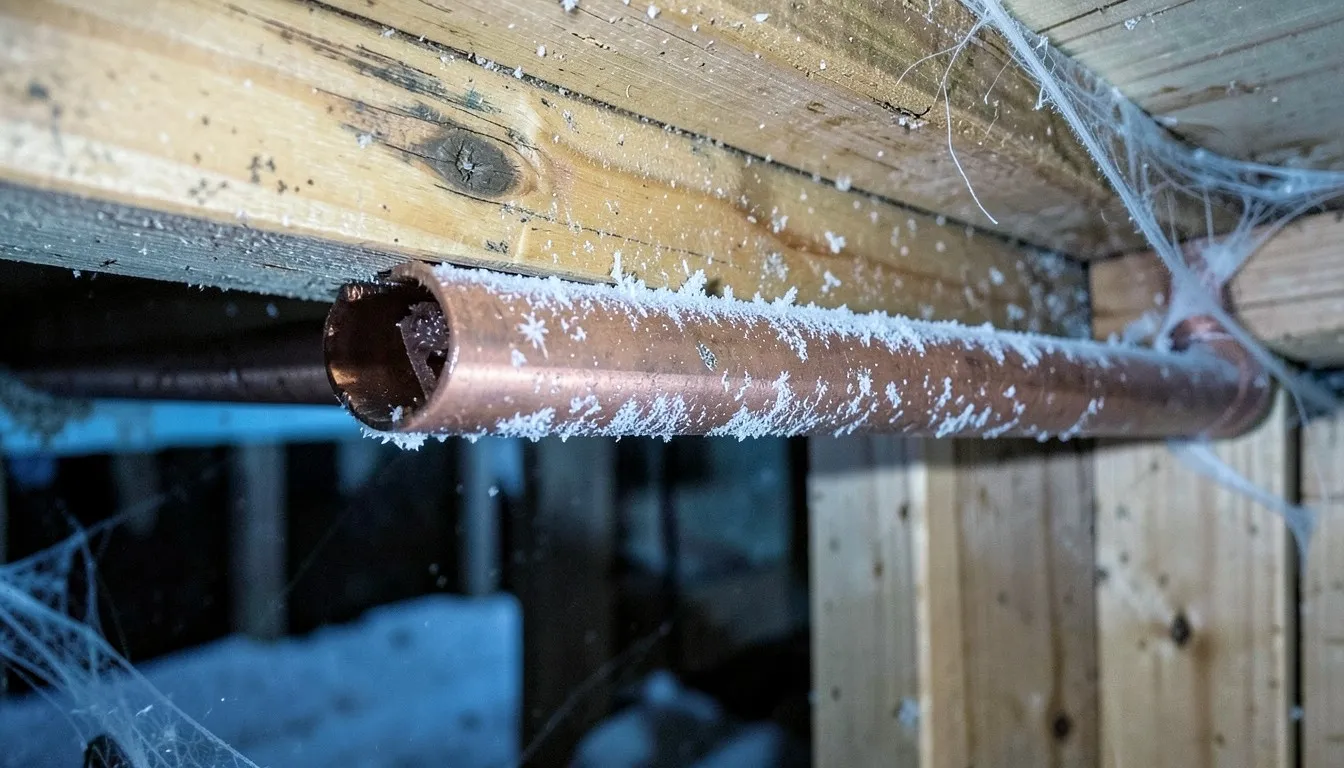
The primary surge in St. Louis runs January–March, with a secondary wave at the spring thaw — when pipes that held through the freeze rupture as pressure is restored above 32°F. Scheduling competition peaks exactly when emergency calls are highest. Homeowners who wait for visible damage compete for the same limited plumber slots at the worst possible time.
St. Louis plumber: estimate first, commitment second
Submit the service type and your St. Louis address. A Missouri-licensed plumber reviews the description and schedules a site visit — typically within 24–48 hours. There is no financial commitment or obligation at this stage.
At the appointment, the plumber inspects the installation point, confirms the project approach, and delivers a written estimate: fixed price, material breakdown, and project timeline for St. Louis. Review it at your pace before deciding.
Once you approve the estimate, the plumber coordinates the start date. Required permits for St. Louis are pulled before the job starts. A final walkthrough after completion confirms every item in the agreed scope was delivered.
Water Softener Installation cost calculator — St. Louis
Pre-filled for water softener installation in St. Louis. Adjust the ZIP for a neighboring area, or change the service to compare. Calculator pulls from the city's scraped permit-fee + state plumber-density data.
Ready to move forward on water softener installation in St. Louis?
Lead times for equipment and scheduling vary by season. A verified plumber calls back with availability and a written estimate — locking in timing before demand peaks.
Water Softener Installation in St. Louis — frequently asked
How much does water softener installation cost in St. Louis, MO?
Water softener installation in St. Louis runs $704–$2,640 (national $800–$3,000 adjusted roughly 12% below national average). A 32,000-grain salt-based system for a 2-bath home is at the low end; a 48,000-grain dual-tank unit with professional install is at the high end.
Does St. Louis water need a softener?
St. Louis water at 8 gpg is hard — scale accumulation in water heaters and fixtures is noticeable; a softener reduces maintenance costs and extends appliance life.
Salt-based vs salt-free softener in St. Louis?
Salt-free (TAC/template crystallization) prevents scale attachment without removing minerals — works well in the 8 gpg range and avoids softened-water corrosion risk in copper-piped homes.
How do I size a softener for my St. Louis home?
Formula: (people × 75 gal/day × 8 gpg × 7 days) = grain capacity needed. For 4 people in St. Louis: 4 × 75 × 8 × 7 = 16,800 grains — round up to the next standard size (32K, 48K, or 64K grain).
What does softener installation require in St. Louis?
Requires: a nearby floor drain or utility sink for brine discharge, a bypass valve on inlet/outlet, and in some jurisdictions a MO DPR permit. The unit installs on the main supply line before heaters and fixtures.
How does a softener affect St. Louis plumbing materials?
Soft water slightly increases copper corrosivity — set the softener output to 5–7 gpg (not 0) to avoid the issue while still preventing scale. PEX and CPVC are unaffected. Galvanized steel benefits most — softened water slows internal rusting.
Is brine discharge allowed in St. Louis?
Most St. Louis utilities allow standard brine discharge (50–75 gal per regeneration cycle) to the sanitary sewer.
What maintenance does a St. Louis water softener need?
Refill salt every 4–8 weeks (50-lb bags, $8–$15). Annual check for salt bridges. Sanitize the resin tank every 5 years. Replace resin bed every 10–15 years.
Will a water softener protect my St. Louis water heater?
Yes — softened water prevents scale that shortens heater life in St. Louis. The investment often pays back in extended appliance life within 3–5 years.
Are AlertPlumber-matched softener installers verified in MO?
Yes. Every plumber matched through AlertPlumber for water softener installation in St. Louis holds an active MO DPR license. Installers test water hardness on-site before recommending a system.
A written quote costs you nothing. Guessing costs you the job.
The form below takes under a minute — a licensed Missouri plumber calls back, scopes the water softener installation, and quotes it in writing before anyone rolls a truck.
Request a water softener installation callback in St. Louis
In a meeting, with the kids, or just prefer not to hold? Drop your ZIP and number below. AlertPlumber routes your request to a verified plumber in your area — they’ll call you back directly.
- 1 Submit your info. ZIP, phone, and what kind of work you need.
- 2 AlertPlumber matches you with a verified plumber serving your area.
- 3 The plumber calls you back with a written estimate, no obligation.
Water Softener Installation in St. Louis — scope and schedule
AlertPlumber connects you with a verified MO plumber for water softener installation in St. Louis. Written estimate, permit coordination, and no obligation until you approve the quote.