
Emergency Plumber: What to Expect
How to triage a plumbing emergency, what to do before the plumber arrives, how emergency pricing works, and red flags to avoid. Complete homeowner guide.
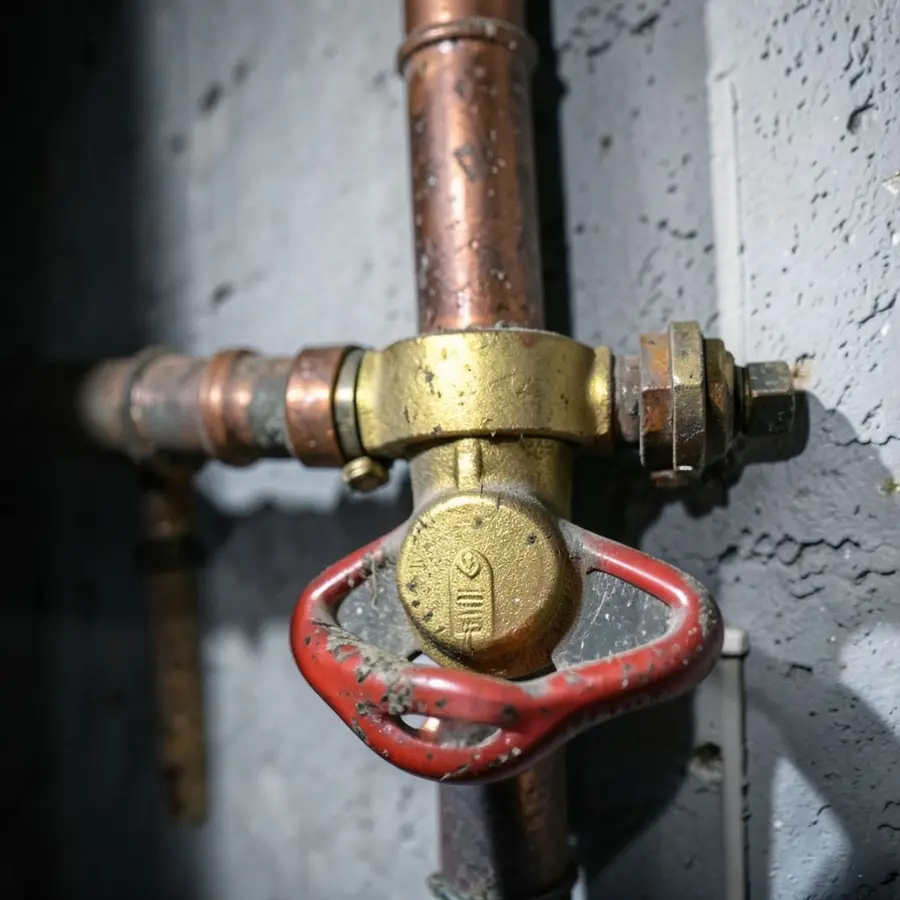
A plumbing emergency requiring an immediate call is one where water is actively discharging uncontrolled, a gas smell is present, or sewage is backing up into living spaces. Shut off the water supply or gas as the first action — before calling anyone. Emergency plumber rates include an after-hours surcharge of $75–$250 on top of the base service call per BuildZoom emergency plumbing rate data, and written estimates are required before work begins in most states per CSLB contractor estimate requirements. A plumber who won't provide a written estimate before starting work is a red flag regardless of the urgency.
What counts as a plumbing emergency, and what can wait?
Not every plumbing problem warrants paying emergency-service rates. Correctly triaging whether a situation is an immediate emergency (call now, 2am) versus an urgent but manageable problem (call first thing in the morning) versus a scheduled service need (book for this week) saves significant money and reduces the risk of making reactive decisions under pressure.
True plumbing emergencies: call immediately
These situations require action now, regardless of hour:
- Active uncontrolled water discharge — A burst pipe, failed fitting, or ruptured supply line that is actively releasing water into the home. Every minute of discharge increases structural damage. If you can shut off the main water supply, do so immediately — this may convert the situation from "emergency now" to "urgent first-thing morning" depending on the amount of water that entered.
- Gas smell or suspected gas leak — This is a gas utility emergency first, not a plumbing emergency. Exit the building immediately, do not operate any electrical switches or light switches (spark ignition risk), call your gas utility's emergency line or 911 from outside or a neighbor's location, and do not re-enter until the utility has inspected and cleared the premises. A licensed gas plumber handles the repair after the utility confirms safety. Gas leaks are the highest-risk plumbing-adjacent emergency and require a different response chain than water emergencies per IFGC § 403 gas leak emergency procedures.
- Sewage backup into living spaces — Sewage backing up into floor drains, toilets, or tub drains is both a health emergency (Category 3 contaminated water with pathogenic organisms) and a structural damage risk. Stop using all water-consuming fixtures in the home (flushing, running faucets, running appliances) to prevent additional sewage input from the system.
- No water at all in the home — If water service has stopped entirely and you've confirmed the main shutoff is open and the utility hasn't shut off service, a main supply failure, broken meter connection, or pressure issue may require emergency attention — particularly in freezing temperatures where the absence of water may indicate a frozen/burst main line.
- Water heater failure near a gas appliance — A water heater that has failed and is producing unusual sounds (rumbling, popping, pressure release), has a T&P valve that won't stop discharging, or shows signs of structural failure near a gas connection warrants immediate attention per CPSC water heater failure and gas connection safety data.
| Situation | Why It's Immediate |
|---|---|
| Active uncontrolled water discharge | Every minute of discharge increases structural damage; shut off the main immediately |
| Gas smell or suspected leak | Spark ignition risk — treat as a gas utility emergency, evacuate first |
| Sewage backup into living spaces | Category 3 contaminated water carries pathogen risk plus structural damage |
| No water at all in the home | May indicate a frozen or burst main line, especially in freezing temperatures |
| Water heater failure near a gas appliance | Unusual sounds, a stuck T&P valve, or structural failure near a gas connection is a safety risk |
Urgent (but not 2am emergency) plumbing situations
These situations should be addressed within 24 hours but don't justify emergency-rate service calls at 2am if they can be managed with temporary measures until morning:
- Slow drip or small leak at a fixture — Turn off the supply stop valve under the sink or toilet (the small oval valve below the fixture) to stop the leak. The fixture is out of service, but the rest of the home has water. Call in the morning.
- Single clogged drain (toilet, sink, or tub) — Inconvenient, but not a structural risk. Don't use that fixture. If multiple fixtures are backing up simultaneously, this escalates to emergency status (main sewer line blockage).
- Water heater producing no hot water (not heating) — Inconvenient, but not a safety or structural risk. Call for same-day service but not 2am emergency service.
- Running toilet — Wastes water, but no structural risk. Turn off the toilet supply stop valve to stop running. Schedule a morning service call.
Scheduled service (book within a week)
Dripping faucet, low water pressure at one fixture, slow-draining sink (no backup), garbage disposal that won't reset, faucet cartridge replacement — all can wait for a scheduled appointment. These do not warrant even a same-day call-out fee if your week is flexible.
What should you do before the plumber arrives?
The actions you take in the time between calling and the plumber's arrival directly affect the total cost — both of the repair and any secondary damage. Addressing each item in this sequence is worth doing before making the call if the situation allows even a few minutes.
For water emergencies
- Shut off the main water supply — The single most impactful action. Every gallon of water that doesn't enter the home is damage that doesn't happen. For a burst pipe discharging 3 gallons per minute, a 30-minute delay in locating the shutoff means 90 additional gallons of water in your structure. Know where the main shutoff is before an emergency — per EPA WaterSense emergency preparedness guidance, locating the main shutoff is the most impactful pre-event preparedness step a homeowner can take.
- Shut off electricity to affected areas — Water and live electrical circuits are immediately dangerous. If water has reached an area near outlets, panels, or appliances, turn off the breakers for that zone before entering. Do not walk through standing water with live circuits per CPSC electrical hazards in water damage emergencies.
- Document with photos before cleanup — Your insurance claim depends on documentation of original damage. Take photos of all wet areas, the source of the water, and any damaged property before moving anything. Dated phone photos with visible timestamps are the most defensible per Insurance Information Institute water damage claim documentation guidance.
- Begin water removal — Wet/dry vacuums, mops, towels — start moving water out of the structure immediately. Every hour of sustained wetness increases the probability of structural damage and mold risk per CDC mold growth timeline in water-damaged materials. Open windows and doors for ventilation.
- Locate any fixture-level shutoffs for continuing leaks — Supply stop valves (under sinks, behind toilets, at appliance connections) can isolate fixtures when the main shutoff would affect the whole home.
For gas emergencies
Gas leaks are a different response chain entirely. Do not attempt to locate or stop a gas leak yourself:
- Exit the building immediately — do not operate any electrical switches (including light switches) on the way out. Even a small spark can ignite gas in sufficient concentration per IFGC gas leak emergency procedures.
- Do not use your cell phone inside the building or in the immediate vicinity of the building.
- Call the gas utility emergency line (printed on your gas bill, or call 811 for utility locates per Call 811 utility emergency contact guidance) or 911 from a safe distance or a neighbor's location.
- Do not re-enter until the utility has inspected and cleared the premises.
- The plumber handles the gas line repair after the utility confirms it's safe to enter and the meter is re-lit.
For sewage backup emergencies
- Stop all water use in the home immediately — every flush, running tap, and appliance cycle sends more water through a backed-up sewer system, increasing the backup.
- Do not try to clear a sewage backup yourself if it involves multiple fixtures — this is a main sewer blockage, not a branch clog, and requires professional mechanical clearing or hydro jetting.
- Per CDC sewage contamination and health risk data, Category 3 (sewage) water contact carries pathogen risk — wear rubber gloves and boots, avoid skin contact with backed-up water, and keep children and pets away from the affected area.
- Document with photos and note when the backup first appeared. Insurance coverage for sewer backup depends on whether you have a sewer backup rider (not standard on HO-3 policies).
How do you find and vet an emergency plumber quickly?
A 2am plumbing emergency is not the moment to thoroughly vet five contractors. Knowing in advance which plumber you would call — before an emergency — is the most reliable strategy. Here's how to approach both scenarios.
Before an emergency: build your plumber relationship
The best emergency plumber is one you've already used for a scheduled service. A plumber who has been in your home, knows your system, and is already licensed in your jurisdiction provides the fastest and most reliable emergency service. Annual or biennial water heater inspections, occasional drain servicing, or any needed fixture work creates this relationship at low cost. Ask at the conclusion of any service call: "Do you offer emergency service?" and save their number.
During an emergency: rapid vetting checklist
When you need a plumber immediately and don't have a relationship, here's what to confirm in the first 90 seconds of the call:
- License number — Ask directly: "What is your state plumbing license number?" A legitimate licensed plumber knows this immediately. Verify it in 30 seconds after the call on your state board's website per CSLB license verification (California), TSBE license verification (Texas), DBPR license verification (Florida).
- Written estimate — "Will you provide a written estimate before starting any work?" The answer must be yes. In most states, licensed contractors are required to provide a written estimate for work above a minimum threshold. A plumber who says "I'll assess first and tell you the price after I start" is a red flag.
- Insurance — Ask if they carry general liability and workers' compensation. A plumber working in your home without these leaves you potentially liable for on-site injuries and property damage caused by their work.
- Arrival time — Get a specific arrival window (not "soon" or "within a few hours"). For an active water discharge situation, 2 hours is the maximum reasonable wait — anything longer and you should call a second contractor.
| What to Verify | Why It Matters |
|---|---|
| State license number | A legitimate licensed plumber knows it immediately and it can be verified on the state board's website in 30 seconds |
| Written estimate | Required before any billable work begins in most states; a verbal-only quote leaves you without price protection |
| General liability and workers' comp insurance | Without it you are potentially liable for on-site injuries and property damage |
| Specific arrival window | Anything beyond 2 hours for an active water discharge situation warrants calling a second contractor |
Red flags in emergency plumber searches
- Phone is answered by a third-party call center rather than the plumbing company directly — some emergency dispatch services route calls to the first available contractor without vetting, and quality is inconsistent.
- Refusal to give a license number or "we'll show you the license when we arrive."
- Quote given over the phone for work they haven't seen — this often becomes the entry point for price escalation once on site.
- High-pressure urgency on additional work discovered on site: "I can't guarantee anything unless we fix X, Y, and Z right now tonight." Legitimate plumbers identify additional issues and quote them separately — they don't create pressure to authorize work that wasn't in the original scope at 2am.
How does emergency plumber pricing work?
Emergency plumbing costs follow a consistent structure: a base service call fee, an after-hours premium, and labor/materials for the work performed. Understanding each component helps you evaluate whether a quote is reasonable.
Base service call fee
Most plumbing companies charge a service call fee of $75–$200 to dispatch a plumber to your location during business hours per BuildZoom plumbing service call fee data. This covers dispatch, travel, and the initial diagnosis. In some markets, the service call fee is credited toward the repair cost if you proceed with the job; in others, it's a flat dispatch fee regardless. Ask explicitly when booking.
After-hours / emergency premium
Emergency service — nights (typically after 5pm or 6pm), weekends, and holidays — adds a premium of $75–$250 per BuildZoom after-hours premium data on top of the base call. This reflects the actual cost of having on-call plumbers available at 2am: those plumbers are paid standby pay, and emergency dispatching operations have overhead. Per BLS plumber wage and overtime data, skilled trade emergency premiums are a documented labor cost, not arbitrary markup. A $150–$200 after-hours premium is standard and legitimate — premiums exceeding $400 for the call alone warrant skepticism.
Labor rate — diagnosis and repair
Beyond the call fee, emergency plumbers typically charge per hour or per job. Hourly rates during emergency hours: $125–$250 per hour for a licensed journeyman plumber per BLS plumber hourly wage data. Most emergency repairs are 1–3 hours of on-site work once the plumber has materials. Common emergency repair jobs and typical total costs:
- Burst pipe spot repair — $400–$1,200 including emergency call fee
- Frozen pipe thaw — $250–$600 (often shorter job, but with after-hours premium)
- Main sewer line snaking (single backup) — $300–$700
- Water heater emergency (thermocouple or element failure, same-night) — $200–$500 for part + labor; full replacement same night runs $900–$2,500 depending on unit
- Gas line shutoff and temporary isolation — $200–$600; full leak repair quoted separately after utility clearance
All figures per BuildZoom emergency plumbing repair cost compilation.
Materials markup
Licensed plumbers mark up materials, typically 20–50% over list price. This is standard across the trades and reflects inventory carrying cost, van stocking, and the liability of warranting the parts they supply. If a plumber arrives at 2am with a common repair coupling that costs $8 at a hardware store and charges $20 for it, that's a normal materials markup. If they're charging $150 for a $10 fitting, that's not. Requesting a breakdown of parts and labor on the written estimate lets you verify the markup is reasonable.
When the plumber finds additional problems
A licensed plumber should identify and disclose any additional issues discovered during the repair — but they should not pressure you to authorize additional work in the moment. The correct protocol: the plumber describes the additional issue, explains why it's a concern, and provides a separate written estimate. You decide whether to authorize the additional work now or schedule it separately. Feeling pressured to approve thousands of dollars of additional scope at 2am while a pipe is gushing is a situation where it's always appropriate to say "let's fix the emergency tonight and I'll call you tomorrow about the rest."
What happens when the emergency plumber arrives?
Knowing what to expect from the service call helps you participate effectively, ask the right questions, and make informed decisions quickly.
Dispatch and arrival
After your call, a legitimate emergency plumbing company should give you a technician's name and a specific arrival window — ideally confirmed by a text or call when the plumber is en route. Arrival windows of 1–3 hours are standard for emergency calls in most markets; under 1 hour is exceptional; over 3 hours is unreasonable for an active water emergency. If the dispatch company says 4+ hours, call a second company.
Initial diagnosis
The plumber's first step on arrival is diagnosis — identifying the source and extent of the problem. For water emergencies: they'll confirm the main is off (or shut it off if not already done), trace the water source, and assess the visible damage. For sewer backups: they'll confirm which fixtures are affected and likely run a short diagnostic with a camera or snake to locate the blockage. Expect 15–30 minutes of diagnosis before work begins.
Written estimate before work begins
After diagnosis, a licensed contractor in most states is required to provide a written estimate that you sign before any billable work begins per CSLB written estimate requirement for licensed contractors. The estimate should include: a description of the work, itemized parts and labor, total cost, and any warranty terms. Do not authorize verbal estimates — "it'll be around $X" is not enforceable. If a plumber starts work without a written estimate and the price later increases, you have limited recourse.
The repair
Once you've signed the estimate, work begins. Common emergency repairs and what they involve:
- Burst pipe patch — Cutting out damaged section, installing coupling and new pipe, pressure testing under flow before closing the wall.
- Sewer line snaking — Mechanical cable auger driven through the main line cleanout, located either in the yard or at a clean access inside the basement or crawlspace. The blockage (roots, grease, debris) is broken up or extracted. A camera inspection is often recommended after to confirm clearance and assess pipe condition.
- Water heater emergency repair — Thermocouple or gas valve replacement (gas), heating element replacement (electric), or T&P valve replacement. Full replacement if the unit has failed structurally.
After the repair: questions to ask
- "Was a permit required for this repair?" — A legitimate plumber will answer honestly. If a permit was required and not pulled, that's a compliance issue you may face at resale.
- "Is there anything else you saw that should be addressed?" — Ask for a written quote on any additional items identified so you can evaluate them on a non-emergency timeline.
- "What is the warranty on the parts and labor?" — Industry standard: 1 year on labor, manufacturer warranty on parts (typically 1–5 years).
- "Do you recommend a follow-up inspection?" — After a sewer backup, a camera inspection within 30 days is common practice to assess pipe condition before the next blockage event.
Emergency plumber red flags and scam patterns
Emergency plumbing is a sector with documented fraud patterns — homeowners under stress, at 2am, with water running, are vulnerable to high-pressure tactics. These are the specific patterns to recognize.
The "find the problem, quote the solution" escalation
Pattern: Plumber is called for a specific problem (burst pipe), arrives and discovers "extensive damage" requiring a much larger scope of work (full repipe, sewer replacement, slab repair) that must be authorized immediately tonight or "we can't turn your water back on." The escalation is designed to use the urgency of the situation — no water — to force authorization of work that would normally be evaluated over days with multiple quotes.
Response: Authorize only the minimum work needed to restore safe occupancy (fix the immediate burst, get water back on). Ask for a written quote for any additional recommended work and tell the plumber you'll be getting comparison quotes in the next 48 hours. A legitimate plumber will respect this. A fraudulent one will increase pressure — which itself confirms the red flag.
Refusal to provide license number or written estimate
Any plumber who cannot provide their state license number on request or who refuses to provide a written estimate before starting work is operating outside standard licensed contractor practice. Per CSLB contractor requirements: license and estimate disclosure, licensed contractors in California (and most states) are legally required to provide written estimates above a threshold amount. This is not a formality — it's your primary protection against post-work price escalation.
Cash-only, no invoice, suspiciously low initial quote
A plumber who quotes a very low price to get in the door and then finds reasons to escalate once work has begun is a documented fraud pattern per state contractor licensing boards. The initial low quote creates a sunk cost — you've already let them in, the repair is partially disassembled — and the real price appears only mid-job. Request itemized written estimates before any disassembly begins.
Unnecessary parts shown as evidence of damage
Pattern: Plumber shows you a "failed" part (valve, fitting, section of pipe) as evidence that additional repair is needed. Without technical knowledge, it's difficult to evaluate whether the shown part was actually installed in your system or sourced from a truck full of old parts. This is documented in contractor fraud investigations. If a plumber removes a part and claims it caused the problem, ask to keep the part for independent inspection before authorizing additional scope.
After-the-fact price increase
If the final invoice significantly exceeds the signed written estimate — without a documented and agreed change order for additional scope — this is potentially a breach of your contractor agreement. Document the original signed estimate, document the work performed, and dispute any invoice that materially exceeds it. Most state contractor licensing boards have complaint processes that address this pattern specifically.
What is the protocol for a gas leak emergency?
A gas leak is the only scenario where the correct first action is leaving the building before doing anything else — before shutting off water, before making calls, before doing anything. Gas emergencies have a separate response chain from water emergencies.
What gas leaks smell like
Natural gas and propane are odorless in their natural state. Gas utilities add mercaptan — a sulfur-containing compound — to create the characteristic "rotten egg" smell that signals a leak. Per IFGC § 403 gas detection and emergency procedures, any smell of gas in a residential space should be treated as a potential leak requiring immediate evacuation. Don't try to locate the source. Don't turn on or off any electrical switches. The spark from a standard light switch is sufficient to ignite gas at the right concentration.
The gas emergency response chain
- Exit the building immediately — Everyone out, including pets. Leave doors open as you exit (better ventilation) but don't stop to open windows.
- Call the gas utility from outside — From the street, a neighbor's home, or after driving a safe distance. The gas utility emergency number is printed on your gas bill. Alternatively, call 911 who will dispatch both the utility and fire department.
- Do not re-enter — Wait for the utility and/or fire department to clear the premises. This may take 30–90 minutes.
- After utility clearance: call a licensed gas plumber — Once the utility has identified and isolated the leak location, they will shut off service at the meter. A licensed plumber (who must hold a gas-specific certification in most states) repairs or replaces the failed gas line per IFGC gas piping installation and repair standards.
- Utility re-inspection before relighting — After the plumber completes the repair, the utility typically re-inspects before relighting the meter. Do not attempt to relight gas appliances yourself after any gas leak event.
Common causes of residential gas leaks
- Flexible gas connector failure at appliances (range, dryer, water heater) — connectors have a finite lifespan and can fail at corrugated flex sections
- Loose or improperly sealed threaded connections
- Earthquake or settling damage to gas lines (common in seismically active markets)
- Aging black iron pipe with corroded thread connections
- Accidental damage during renovation (hitting a gas line in a wall)
Gas line repair always requires a permit and inspection per IFGC permit requirements for gas piping — a licensed plumber should pull the permit as part of any gas line repair scope.
What causes a sewer backup, and how do you respond?
A sewage backup — sewage water coming up through floor drains, toilets, or tub drains — is both a health emergency and a property damage event. The response sequence for sewer backups is different from water supply emergencies.
Main line vs. branch clog: how to tell the difference
Before calling an emergency plumber, identifying whether this is a main line or branch clog affects the urgency and scope:
- Single fixture backup — Only one toilet, one sink, or one tub is slow or backing up, and all other fixtures drain normally. This is likely a branch clog — a blockage in the waste line serving just that fixture. Less urgent; in most cases can wait until morning for a standard drain cleaning call.
- Multiple fixtures backing up simultaneously — Two or more fixtures on different branches (a toilet AND the bathroom sink AND the tub) are backing up at the same time. This is a main sewer line blockage. A main line backup is an emergency — if the home has any functional toilet, using it can cause sewage to back up through lower fixtures.
- Sewage coming up through floor drains — Floor drains (in basements, garages, utility rooms) are the lowest point in the drain system. When the main is backed up, floor drains are the first overflow point. Sewage visible in a floor drain is a confirmed main line blockage.
Health risks from sewage backup
Sewage is classified as Category 3 water per IICRC S500 — grossly contaminated water containing pathogenic bacteria, viruses, and protozoa. Contact with sewage backup water carries documented risk of Hepatitis A, E. coli, salmonella, and other enteric pathogens per CDC sewage contamination health risk data. Minimize contact: wear rubber boots and gloves if you must be in the area; keep children and immunocompromised individuals away from the affected area; don't eat or drink in the space; wash hands thoroughly after any contact.
What a sewer backup service call involves
- Stop all water use in the home — Until the plumber arrives and clears the line.
- Locate the main cleanout — The main sewer cleanout is typically a 4-inch diameter pipe with a threaded cap in the yard, near the foundation, or in the basement. The plumber will use this access point to insert cable or jetting equipment. Showing the plumber where it is speeds up the job.
- Mechanical clearing — The plumber runs a cable auger through the main cleanout to break up the blockage — typically roots, accumulated grease/debris, or a displaced pipe joint. For root intrusion blockages, cable clearing provides temporary relief — the roots grow back. Hydro jetting provides a more complete cleaning and slows regrowth. See the hydro jetting guide.
- Camera inspection (recommended) — After clearing, a camera inspection of the lateral identifies the structural cause — root infiltration, pipe offset, collapsed section — so you know whether this is a one-time event or a recurring symptom of a failing sewer line. See the sewer line repair guide for the full diagnosis-to-repair framework.
Does homeowner's insurance cover sewer backup?
Standard HO-3 homeowner's insurance does NOT cover sewer backup by default per Insurance Information Institute: sewer backup coverage explanation. Sewer backup coverage is a separate rider that must be explicitly added to the policy. If you have a basement or any below-grade drains, this rider is strongly recommended — sewer backup cleanup and remediation runs $3,000–$25,000+ depending on the area and depth of contamination. Verify your coverage before an event, not after.
Does homeowners insurance cover plumbing emergencies?
Insurance coverage for plumbing emergencies depends on the type of event, the cause, and the specific policy. Understanding this before the event prevents post-claim surprises.
What standard HO-3 typically covers
- Sudden and accidental water damage from a burst supply pipe — Damage to walls, floors, ceilings, and personal property caused by the burst. The plumbing repair itself is excluded — only the damage the burst caused is covered.
- Water damage from sudden appliance failure — Washing machine that unexpectedly discharged, water heater that failed catastrophically — if sudden and accidental, the resulting water damage is typically covered.
What standard HO-3 does NOT cover
- Gradual leaks and maintenance failures — A slow drip that was visible for months before it caused damage is excluded as a failure to maintain the property. Insurance covers sudden, unexpected events — not deferred maintenance.
- Sewer backup — Requires a separate rider, as noted above.
- The pipe repair itself — Almost always excluded. Insurance pays for damage caused by the pipe failure, not the plumbing fix.
- Negligence — Freeze bursts in a home where the heat was left off, or damage from a known issue that was not addressed.
- Flood (ground water) — Rising water from a storm or flood requires separate NFIP flood insurance per Insurance Information Institute: flood vs. water damage coverage.
Documentation protocol for insurance claims
For any water damage event, document before cleanup:
- Photos and video of all wet areas, the source of the water, and all affected property — before any water is removed
- A written estimate from the plumber for the repair
- All plumber and remediation contractor invoices
- Date and time the damage was discovered (phone photo metadata)
Notify your insurer within 24–48 hours of discovery per III prompt claim notification guidance. You don't have to wait for the repair to be complete — open the claim early so the adjuster can inspect before remediation is fully complete.
What should you budget for an emergency plumber call?
Costs below represent the combined emergency service call fee + after-hours premium + repair labor and materials for each scenario. All figures per BuildZoom emergency plumbing repair cost database and BLS plumber wage and labor market data.
Water emergencies
- Burst pipe spot repair (accessible location) — $400–$1,200
- Burst pipe requiring wall access — $600–$1,500 (wall patching is additional)
- Frozen pipe thaw (no burst) — $250–$600
- Frozen pipe thaw + repair (one burst) — $500–$1,200
- Water heater emergency repair (part replacement same night) — $200–$500
- Water heater emergency replacement (same night, tank unit) — $900–$2,500
- Main shutoff valve replacement (failed or stuck valve) — $250–$600
Sewer and drain emergencies
- Main line snaking (cable auger, emergency hours) — $300–$700
- Main line hydro jetting (same-night) — $500–$1,000 after-hours
- Camera inspection (post-clearing) — $200–$400 (often discounted when combined with clearing service)
Gas emergencies
- Gas leak repair (appliance connector replacement) — $200–$600 including permit
- Gas line section replacement (after utility clearance) — $500–$2,000 depending on length and access
After-hours premium: what's normal vs. excessive
A legitimate after-hours premium: $75–$250 flat surcharge on top of standard service call fee. Standard service call: $100–$200. Normal emergency total before repairs: $175–$450. Premiums that significantly exceed $250 flat (not hourly labor) or rates structured to obscure the emergency charge deserve scrutiny. Ask for the cost breakdown before authorizing: "Can you break out the dispatch fee, after-hours premium, and hourly labor rate?"
Do emergency repairs still need a license and permit?
Emergency conditions do not waive licensing or permit requirements. A burst pipe at 2am still requires a licensed plumber and, in some cases, a permit for the repair.
License requirements
Most states require a licensed journeyman or master plumber to perform supply pipe repair, gas line work, or drain system repair. The key difference in an emergency: you may not have time for thorough vetting before the plumber arrives. Verify license status immediately after the emergency call by using the state board's online license lookup:
- California: CSLB license verification
- Texas: TSBPE license verification
- Florida: DBPR license search
- Arizona: Arizona ROC search
- Minnesota: Minnesota DLI license lookup
- Massachusetts: Massachusetts Board of State Examiners of Plumbers
Permit requirements in emergency repairs
Per IPC § 106.2 emergency repair provision, most plumbing codes have emergency provisions allowing repair work to begin without a permit in cases of immediate danger to life, health, or property — with the requirement that the permit be applied for on the next business day. A licensed plumber doing emergency pipe repair on a Saturday night should file for a permit on Monday morning. Ask: "Will you be pulling a permit for this repair?" This question also serves as a license-check shortcut — unlicensed contractors typically don't pull permits because they can't.
Need a burst pipe repair callback?
ZIP, phone, kind of work. AlertPlumber routes to a verified plumber for an over-phone estimate.
Burst Pipe Repair by city
City-specific pricing, code references, climate-driven pathology, and frequently-asked questions for the 12 cities where AlertPlumber ships burst pipe repair pages today.
- Burst Pipe Repair in Boston, MA →
- Burst Pipe Repair in New York, NY →
- Burst Pipe Repair in Phoenix, AZ →
- Burst Pipe Repair in Minneapolis, MN →
- Burst Pipe Repair in Atlanta, GA →
- Burst Pipe Repair in Seattle, WA →
- Burst Pipe Repair in Los Angeles, CA →
- Burst Pipe Repair in Chicago, IL →
- Burst Pipe Repair in Dallas, TX →
- Burst Pipe Repair in Houston, TX →
- Burst Pipe Repair in Philadelphia, PA →
- Burst Pipe Repair in San Jose, CA →
What else do people ask about emergency plumber?
What counts as a plumbing emergency?
What is the first thing I should do in a plumbing emergency?
How much does an emergency plumber cost?
How do I find a trustworthy emergency plumber at 2am?
Is a written estimate required before an emergency plumber starts work?
What should I do if I smell gas?
What if the plumber finds additional problems during the emergency repair?
Will insurance cover an emergency plumber call?
How do I stop sewage from backing up while waiting for the plumber?
What is the difference between an emergency plumber and a regular plumber?
How do I know if a plumbing company is legitimate?
Sources
- BuildZoom — Emergency Plumbing Rate and Cost Data 2024
- BuildZoom — After-Hours Service Premium: Plumbing Market Data
- BuildZoom — Emergency Plumbing Repair Cost by Scenario
- BLS — Plumber Hourly Wage and Overtime Data
- BLS — Skilled Trade Labor Market: Emergency Wage Premiums
- CSLB — California Licensed Contractor: Estimate and Disclosure Requirements
- CSLB — License Verification: C-36 Plumbing Contractor
- Texas State Board of Plumbing Examiners — License Verification
- Florida DBPR — Plumbing License Verification
- Arizona ROC — Contractor Search and License Verification
- Minnesota DLI — Plumber License Lookup
- Massachusetts Board of State Examiners of Plumbers and Gas Fitters
- International Plumbing Code (IPC) — § 106.2: Emergency Repair Provision
- International Fuel Gas Code (IFGC) — § 403: Gas Leak Detection and Emergency Procedures
- International Fuel Gas Code (IFGC) — Gas Piping Installation and Repair Standards
- International Fuel Gas Code (IFGC) — Permit Requirements for Gas Piping Work
- EPA WaterSense — Emergency Preparedness: Water Shutoff Location
- CPSC — Electrical Hazards in Water Damage Emergencies
- CPSC — Water Heater Failure and Gas Connection Safety Data
- CDC — Sewage Contamination Health Risk: Category 3 Water Pathogens
- CDC — Mold Growth Timeline in Water-Damaged Materials
- Insurance Information Institute — HO-3 Policy: Covered Water Damage Events
- Insurance Information Institute — Sewer Backup Coverage: Why a Rider is Required
- Insurance Information Institute — Flood vs. Water Damage Coverage Distinction
- Insurance Information Institute — Water Damage Claim Documentation Protocol
- Insurance Information Institute — Prompt Claim Notification Requirements
- Call 811 — Utility Emergency Contact and Dig-Safe Guidance
- AWWA — Residential Service Line Shutoff: Curb Valve Guidance