
Heat Tape
Electrically heated cable wrapped around vulnerable pipes to prevent freezing in unheated spaces. Essential for pipes in exterior walls, crawl spaces, and garages in cold climates.
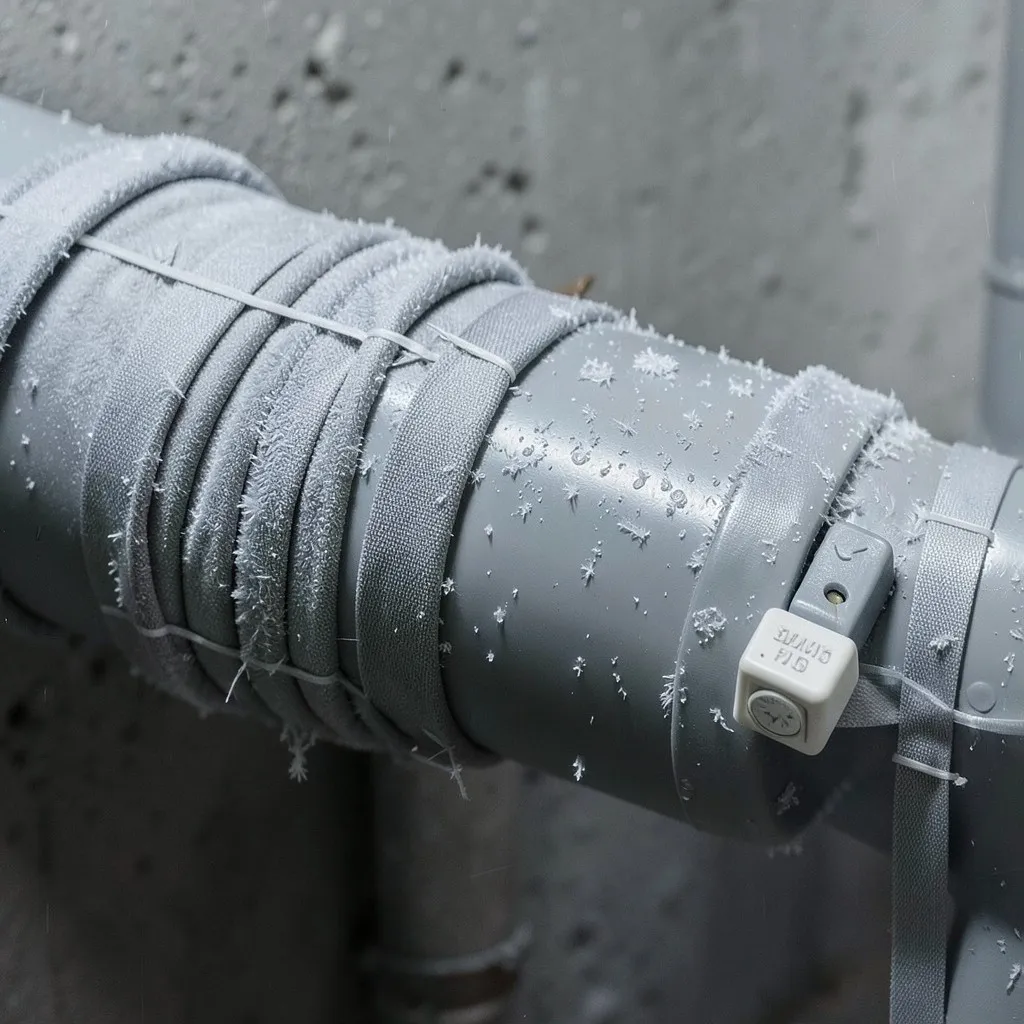
Heat tape (also called pipe heating cable or heat cable) is an electrically resistive cable wrapped around water pipes to add enough warmth to prevent freezing during cold weather. Unlike pipe insulation (which only slows heat loss), heat tape actively generates heat — making it the reliable solution for pipes in truly exposed, unheated spaces like crawl spaces, exterior walls, garages, and pump houses in cold climates.
What types of heat tape are there?
- Self-regulating heat cable (preferred): uses a conductive polymer core that automatically increases heat output as temperature drops and reduces it as temperature rises. Energy-efficient, can be overlapped without overheating, runs continuously without a thermostat needed. Cost: $1–$3 per linear foot.
- Constant-wattage heat cable: older technology — outputs a fixed wattage regardless of temperature. Should never be overlapped. Requires a thermostat to prevent overheating and reduce energy use. Less expensive upfront but more costly to operate.
- Thermostat-controlled heat tape: either type above with an integrated or external thermostat that activates only when temperatures approach freezing (typically set to 35–40°F). Reduces energy consumption significantly.
How do you install heat tape?
Wrap heat cable in a spiral pattern around the pipe (self-regulating) or in a single pass alongside the pipe (constant-wattage). Cover with pipe insulation over the tape to trap the heat close to the pipe. Plug into a standard 120V GFCI outlet (heat tape in damp locations requires GFCI protection). Inspect cables annually for damage — cracked insulation on heat tape is a fire hazard.
What are the limitations of heat tape?
Heat tape fails eventually — most products are rated for 3–5 years. Cracked or damaged heat tape is a leading cause of pipe-area fires. Replace proactively on a schedule, and always use UL-listed products. For pipes with continuous freeze risk, a better long-term solution may be repiping to move supply lines to conditioned space.
Researching the term is one thing — hiring for it is another. See frozen pipe repair services for scope, timelines, and what drives the price, or call (888) 530-4445 for a no-cost estimate.
For the full picture — materials, process, timelines and what drives the cost — read Frozen Pipe Repair: Complete Guide.
What related terms should you know?
What sources back this up?
Need a verified plumber for frozen pipe repair?
AlertPlumber matches you with a licensed plumber for frozen pipe repair. Written estimate before any work begins.