
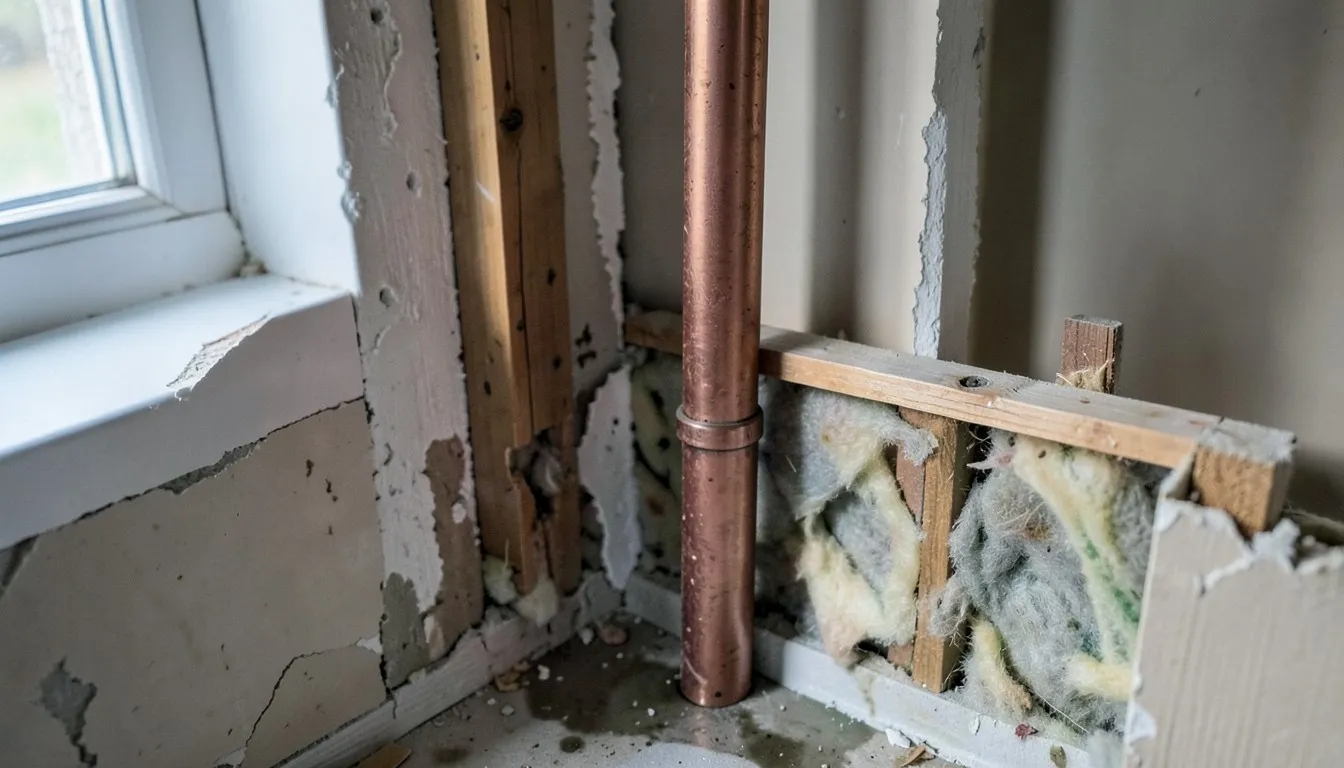
Emergency Burst Pipe Repair in Springfield, Illinois
Burst Pipe Repair in Springfield, Illinois is emergency repair for burst, cracked, or split pipes. Local conditions in Springfield: water measured at 15 gpg, a 28 in frost line and a median home age of 60 years.
Active water damage compounds by the hour — the 24/7 line connects calls to independent local plumbers serving Springfield in our partner's network.
Who do I call for a burst pipe in Springfield?
A plumber. A burst pipe in Springfield is a plumbing repair, and it is an emergency while water is still running or has reached ceilings, walls or anything electrical. The call line on this page takes calls 24/7 and connects them to independent local plumbers in our partner's network. Drying out floors and drywall is a separate job for a water-damage restoration company.
What does the local plumbing data show for Springfield, IL?
Seeing these conditions at your place in Springfield? Describe them on the call to a state-licensed local plumber — free, no obligation.
What are the pipe conditions in Springfield, IL?
A burst pipe can release 100+ gallons per minute before the main shutoff is closed — structural and water damage accumulates in the first hour. Springfield homes with supply lines past their service life face the highest burst risk: galvanized steel corrodes from the inside out; polybutylene fittings fail at the acetal collar; copper pinhole failures escalate when the wall is disturbed. AlertPlumber routes your call to an independent Illinois-licensed plumber — ask whether they carry mobile pipe inventory (couplings, push-fit fittings, and copper stock) for a same-visit repair without an overnight parts run. Freeze events and frost-depth requirements add pipe insulation, exterior faucet winterization, and burst-risk assessment to service calls in this climate.
Springfield's housing stock spans multiple construction eras — median home age 60 years — meaning pipe materials and failure modes vary significantly by neighborhood and building vintage. An inspection-led approach that confirms pipe material before recommending a service path is standard practice for mixed housing profiles. Homes of other eras in Springfield may have galvanized pipe, copper pipe or polybutylene supply lines instead; ask the plumber which your home has.
Very hard water in Springfield is a primary driver of accelerated appliance failure: water heater anode rods exhaust in 2–3 years instead of 6–8, scale deposits at fixture connections form within months of installation, and tankless heat exchangers accumulate mineral buildup that can reduce lifespan by half without regular descaling. A softener or whole-house conditioner is strongly recommended alongside any appliance service call.
Frost line depth in Springfield means supply lines and outdoor plumbing must be installed below the freeze threshold — typically 28 in — to prevent pipe burst during cold events. Exterior hose bibs, irrigation shutoffs, and any exposed pipe runs are the most common winterization service points in freeze-risk markets.
- Median home age
- 60 yrs
- Water hardness
- 15 gpg
- Frost line
- 28 in
- Permit
- City fee schedule
Census housing age, Springfield city, Illinois: median year built 1972; 34.2% of homes built before 1960, 65% before 1980. Source: U.S. Census Bureau, ACS 2020–2024 5-year estimates, tables B25034 and B25035, read 2026-09-30.
Mention these conditions when you describe the symptom to the IL plumber you reach.
What shapes plumbing demand in Springfield, IL?
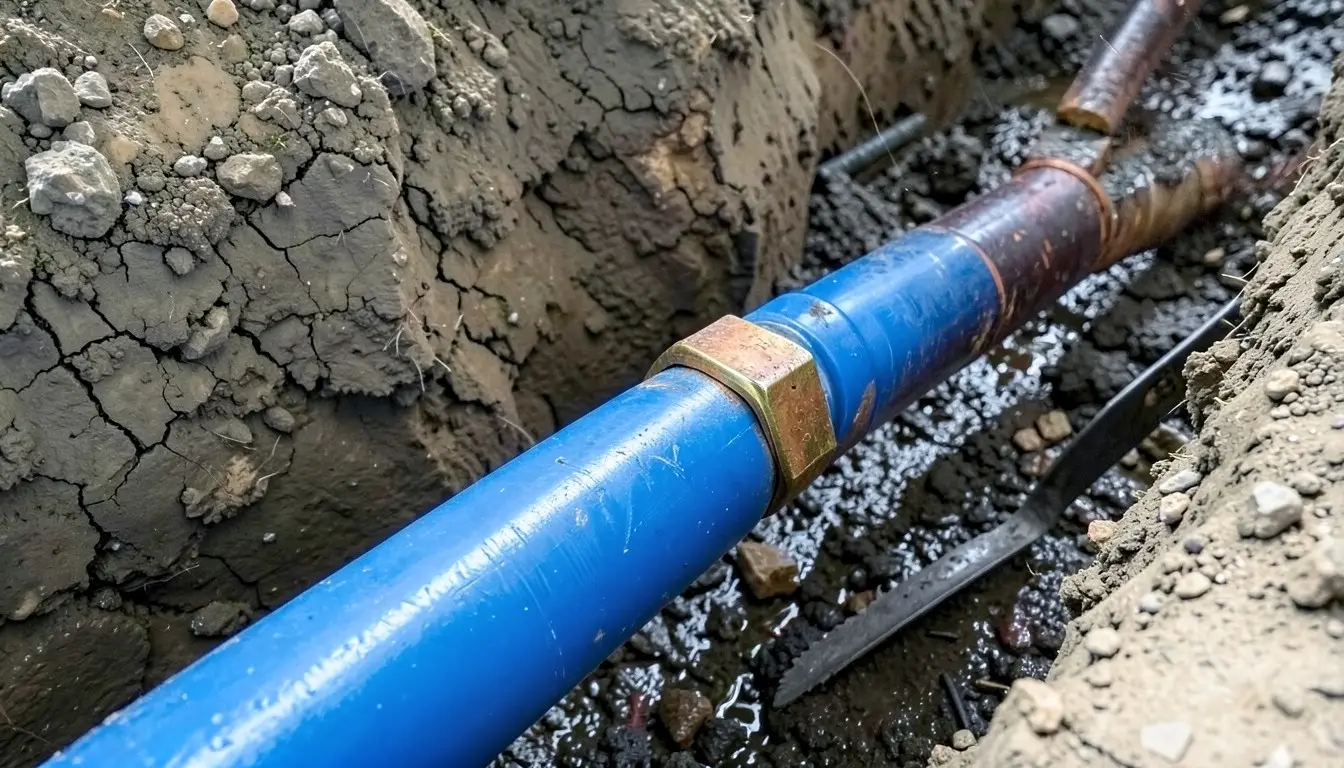
1950s–70s copper supply is now 50–70 years into its service cycle in Springfield. Thermal fatigue at fittings and slab-on-grade access complexity — common in Sun Belt construction — make repair vs. replacement a live decision on most jobs. This housing cohort is the active primary replacement wave in this market.
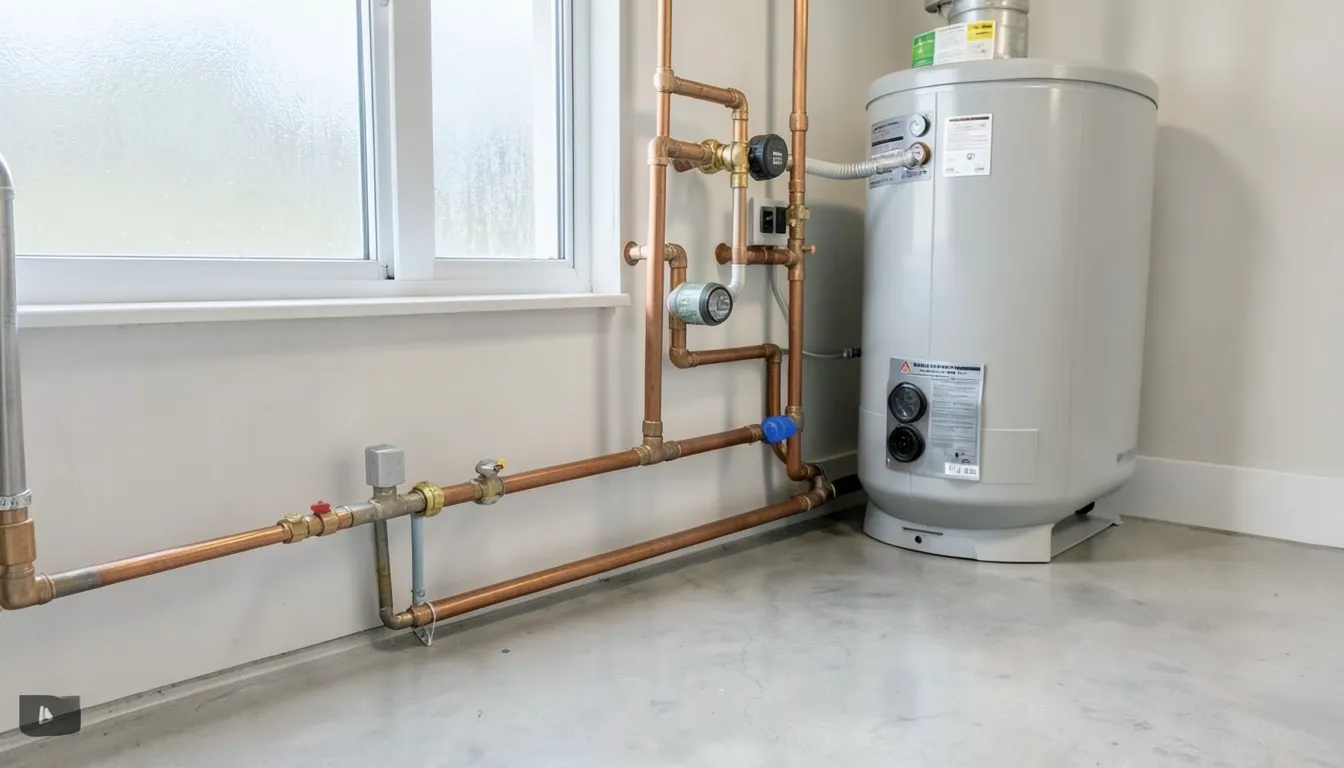
At 15–20+ GPG, calcium scale forces compressed equipment cycles in Springfield: tank heaters average 6–9 years vs. the 10–12-year national benchmark, and tankless units require annual descaling. Anode rods calcify within 12–18 months. Most plumbers here assess heater age against the local scale timeline — not the manufacturer's service life.

The primary surge in Springfield runs January–March, with a secondary wave at the spring thaw — when pipes that held through the freeze rupture as pressure is restored above 32°F. Scheduling competition peaks exactly when emergency calls are highest. Homeowners who wait for visible damage compete for the same limited plumber slots at the worst possible time.
Active damage in Springfield — how is it contained, assessed and restored?
Submit your Springfield address and describe the active damage — flooding, failed shutoff, burst or frozen line. AlertPlumber passes the request to an independent IL-licensed plumber in its partner's network — ask them to confirm receipt and give you an arrival window.
On arrival, ask the plumber to locate the nearest shutoff and map the damage boundary — affected lines, access points, material condition — and to tell you what requires immediate containment and what can wait until the full repair scope is confirmed.
Ask for a written containment and repair scope to approve before any work begins, with temporary isolation priced separately from full restoration. Give your explicit sign-off before each phase proceeds.
Burst Pipe Repair cost calculator — Springfield
Pre-filled for burst pipe repair in Springfield. Adjust the ZIP for a neighboring area, or change the service to compare. Calculator pulls from the city's scraped permit-fee + state plumber-density data.
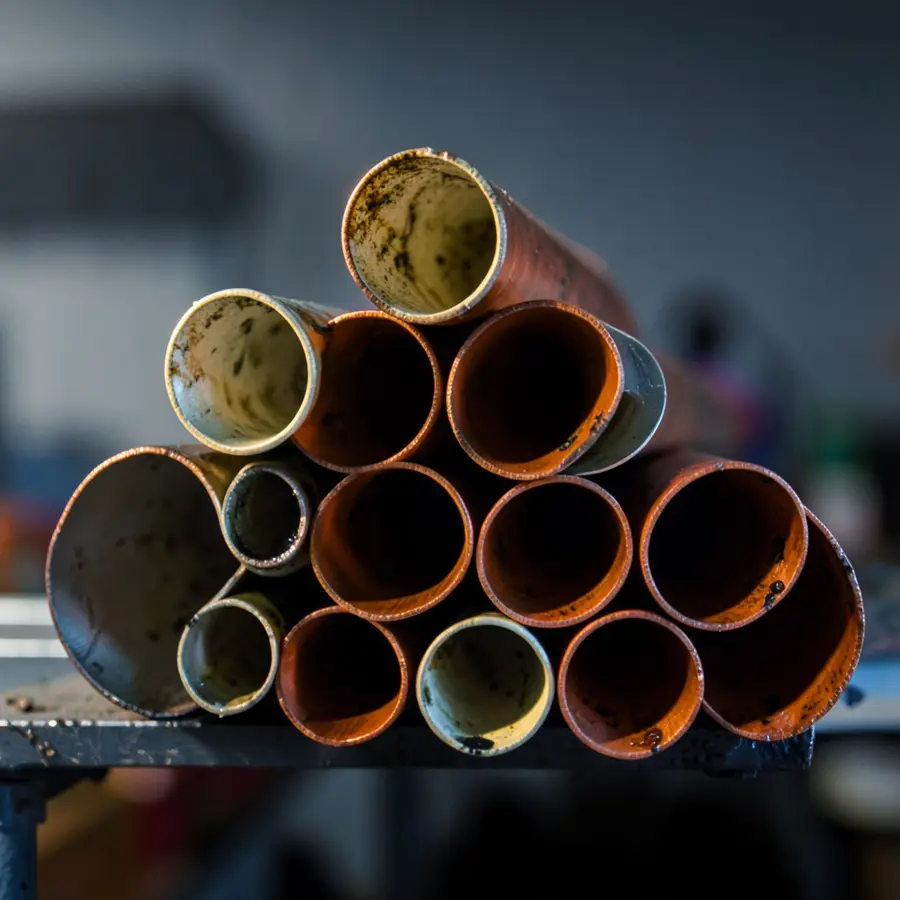
Burst Pipe Repair emergency in Springfield?
Every hour without a repair increases structural risk and remediation cost. Calls connect to independent local plumbers in our partner's network — ask for an arrival time and a written estimate.
What else do people ask about burst pipe repair in Springfield?
How much does burst pipe repair cost in Springfield, IL?
The Springfield range for burst-pipe work sits at a scope-based price, about 12% under the national figure. Where a specific job lands inside that band comes down to two things: how easily the plumber can reach the failed section, and whether the pipe around it is sound enough for a spot repair or needs a longer run swapped out. A call placed outside normal business hours carries a separate charge layered onto the parts-and-labor total, since it pulls a crew off a scheduled route to respond. Sangamon County's Capitol Complex and the surrounding state office buildings keep a steady base of commercial plumbing work moving through IL IDFPR-registered crews here year-round, which tends to shorten the wait for a residential call-out compared with smaller Illinois markets that don't have as many standing crews on the road. Price ranges: emergency plumber cost guide.
How fast does an emergency plumber reach a burst pipe in Springfield?
Arrival times in Springfield depend on which independent plumber takes the call, the time of day and the season — ask for an arrival window on the call. Waits tend to stretch during a hard freeze, when Sangamon County's 75 annual sub-32°F nights concentrate demand into a handful of overnight windows and many crews in the metro are already busy at another address. The call line connects each call to an independent plumber in the partner network rather than promising a set arrival time, and timing can vary on a high-volume night. If you're told the wait is long, ask whether it's freeze-related — that usually means every call ahead of yours is also active flooding, not a routine job.
What's the first thing to do when a pipe bursts in a Springfield home?
For the main shutoff valve, the Clayton County Water Authority (read 2026-09-29) advises: "If you have a pipe burst in your home, immediately close this valve to shut off the water supply to your home and help prevent further water damage." The American Red Cross (read 2026-09-29) warns: "Do not touch electrical equipment if it is wet or if you are standing in water because you could get electrocuted." Ask the plumber whether to open a faucet to relieve line pressure, and start photographing the damage as it happens for the insurance file. Springfield's 1880s–1950s housing stock in neighborhoods like Iles Park and Lincoln Park often still runs original galvanized supply lines nearing the end of their service life, so a burst there can release pressure from a longer, more corroded run than a newer subdivision would. Every minute of active flow before that shutoff is closed adds to the drywall, flooring, and subfloor work a crew will need to do once the leak itself is stopped.
What typically triggers a pipe rupture in Springfield?
Freeze-thaw cycling is the main driver locally. Sangamon County logs roughly 75 nights a year below 32°F, and FEMA's frost-depth data puts the local frost line at 28 inches — deep enough that any uninsulated crawlspace run or exterior-wall pipe sitting above that line takes repeated freeze stress every winter. Water expands as it turns to ice, and a section of pipe with no room to relieve that pressure eventually splits at its weakest point, usually a joint or a spot where corrosion has already thinned the wall. Outside of freeze season, age is the other common driver: Springfield's median home age of 60 years means a meaningful share of the housing stock still carries original supply lines installed decades before current material standards, and those fail from the inside out long before an obvious symptom shows up.
Does a burst section get patched, or does the whole run need replacing in Springfield?
A clean split in an otherwise sound section of pipe is usually a fast fix — a push-fit sleeve closes the gap without soldering, done in under an hour once the section is exposed. The math changes when the pipe nearby has already thinned from corrosion, or when the failure sits at a joint in the galvanized or cast-iron material common to Springfield's pre-1950s housing stock, particularly in the Iles Park and Lincoln Park historic districts. In that case, replacing the full run between fittings is the more durable move rather than patching a section likely to fail again a few feet away within a year or two. The on-site inspection after the water is off drives that call — the plumber checks wall thickness and joint condition on the exposed section before recommending one path over the other, and explains the reasoning either way.
Will my homeowners insurance cover a burst pipe in Springfield?
Illinois homeowners policies generally treat a burst pipe as two separate things: the water damage it causes, and the failed pipe itself. The first — drying out the structure, replacing flooring, repairing drywall — is typically covered up to your deductible when the break was sudden and accidental. The second almost never is; insurers treat a worn-out or corroded pipe as a maintenance issue the homeowner was responsible for, not a covered loss. That distinction is also part of why freeze damage gets denied more often than a random pipe failure: if an adjuster can show the home went without adequate heat, the claim can get classified as neglect rather than an accident. Ask the responding plumber for written notes on the likely cause and the conditions found on arrival — that documentation is frequently what separates an approved claim from a denied one.
Which pipe material tends to fail first in Springfield homes?
With a median home age of 60 years, a large share of Springfield's housing stock still carries galvanized steel or early cast-iron supply lines, and that material is commonly behind a burst call in this market. Those pipes corrode from the inside, and the corrosion narrows the interior diameter over decades until a weak point finally gives out — often with no warning beyond a gradual drop in water pressure that homeowners tend to write off as normal. The 1880s–1950s residential stock concentrated in Iles Park and Lincoln Park carries an outsized share of this original galvanized supply, much of which is now past the point where a plumber would recommend anything short of replacement. Newer additions and remodeled sections of older homes are more likely to run copper or PEX, both of which handle freeze stress and internal corrosion better than the galvanized material they replaced.
How long does a burst pipe repair take once the plumber arrives in Springfield?
An accessible section of pipe — one that isn't buried in a wall or slab — typically takes 1–3 hours from arrival to a tested, working repair. Add 2–4 hours when the burst sits behind a wall or under a slab, since that time covers opening access, making the repair, and pressure-testing the line before closing it back up; drywall or flooring patching afterward is usually a separate visit or a different trade entirely. Springfield's older housing stock adds a variable here too — a burst in a 1940s galvanized run in an Iles Park bungalow often takes longer to access than the same repair in a newer subdivision, simply because the original wall framing and pipe routing weren't built with future serviceability in mind. Ask the sent plumber for a time estimate once they've seen the specific location in person.
How can Springfield homeowners cut down on future burst pipes?
Start with insulation on every exposed crawlspace and exterior-wall run — it's a direct answer to Sangamon County's 75 annual sub-32°F nights and 28-inch frost depth, both of which put uninsulated pipe well inside the seasonal freeze zone. Hold interior heat above 55°F even in rooms you don't use often, and run heat tape on any section that's still exposed after insulating, particularly in older Iles Park or Lincoln Park homes. A flow-sensing shutoff device, a scope-based price installed, closes the main automatically the instant it picks up water moving when nothing in the house should be drawing it — that limits damage from a burst while you're away rather than stopping the burst from happening in the first place. For a home built before the 1950s, a plumber's inspection can flag which supply runs are close enough to end-of-life that replacing them ahead of a freeze is worth the cost. Price ranges: emergency plumber cost guide.
How do I check the license of burst-pipe plumbers in IL?
AlertPlumber does not vet plumbers: for burst-pipe calls in Springfield, ask for the Illinois IDFPR license number and check it with the state board and current mobile inventory for common repair materials — sleeve couplings, fittings, and shutoff hardware — so the visit that diagnoses the burst is usually the same visit that fixes it. IDFPR registration means the crew has met the state's plumbing exam and continuing-education requirements, which matters for a repair category where a bad joint or an improperly sized replacement section can trigger a second failure within months. Springfield's plumbing permit fee runs the scheduled fee for work that requires one, and the matched plumber handles that paperwork directly rather than leaving it for the homeowner to file. If a repair touches more than a spot patch — a full run replacement in an older Iles Park home, for example — ask the technician to confirm the permit was pulled before any opened wall section gets closed up. Permit fee ranges: permit fee estimator.
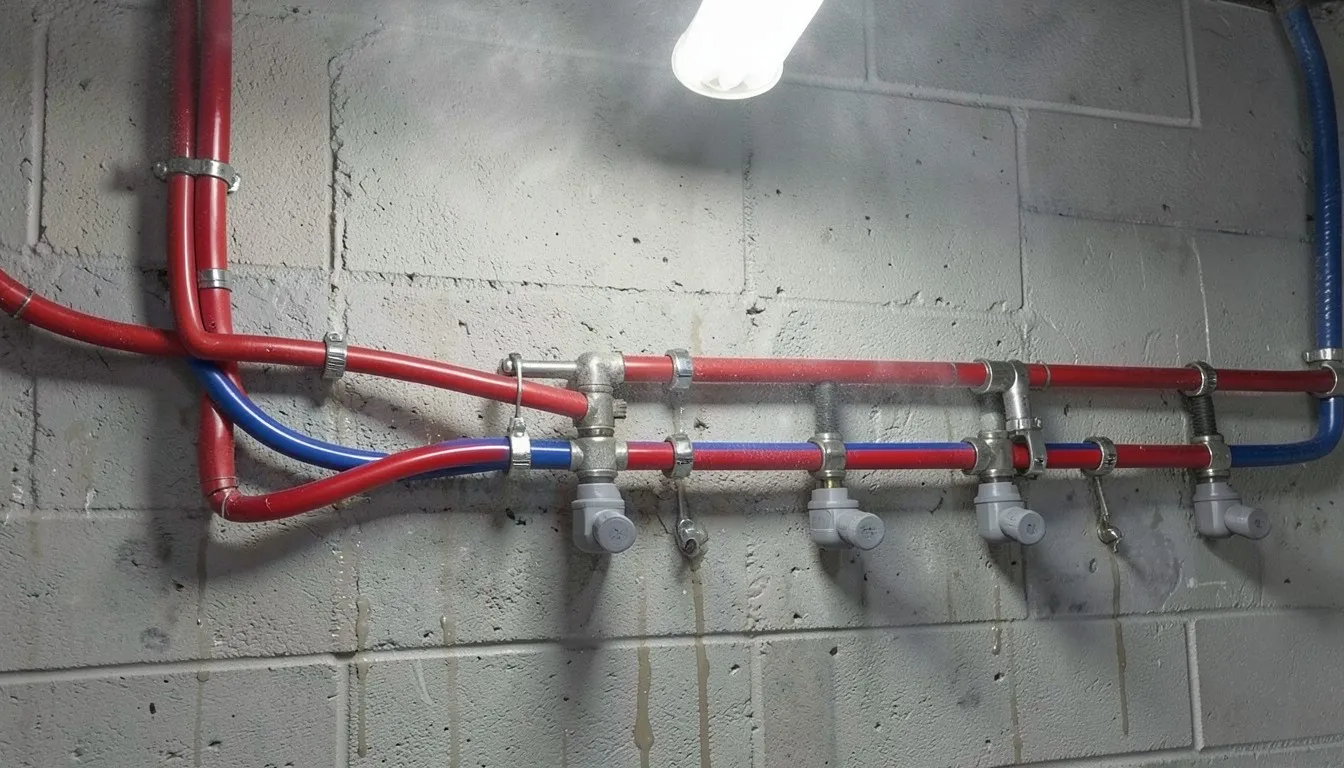
One call puts your problem in front of a local plumber.
Call the number, or put your number in the form below — the request goes to an independent Illinois plumber in our partner's network; ask about the burst pipe repair and for a written estimate.
Need a burst pipe repair callback in Springfield?
In a meeting, with the kids, or just prefer not to call? Drop your ZIP and number below. AlertPlumber sends your request to our routing partner — if a participating plumber serves your area, they may call you back directly. For anything urgent, call the number on this page.
- 1 Submit your info. ZIP, phone, and what kind of work you need.
- 2 AlertPlumber passes it on to our routing partner for your area.
- 3 If a participating plumber serves your area, they may call you back. Ask for a written estimate before work starts.
Burst Pipe Repair in Springfield — when to call
Acute plumbing failures cannot wait. AlertPlumber routes calls about burst pipe repair in Springfield to independent Illinois plumbers in our partner's network — call now or submit the form above for a callback.