
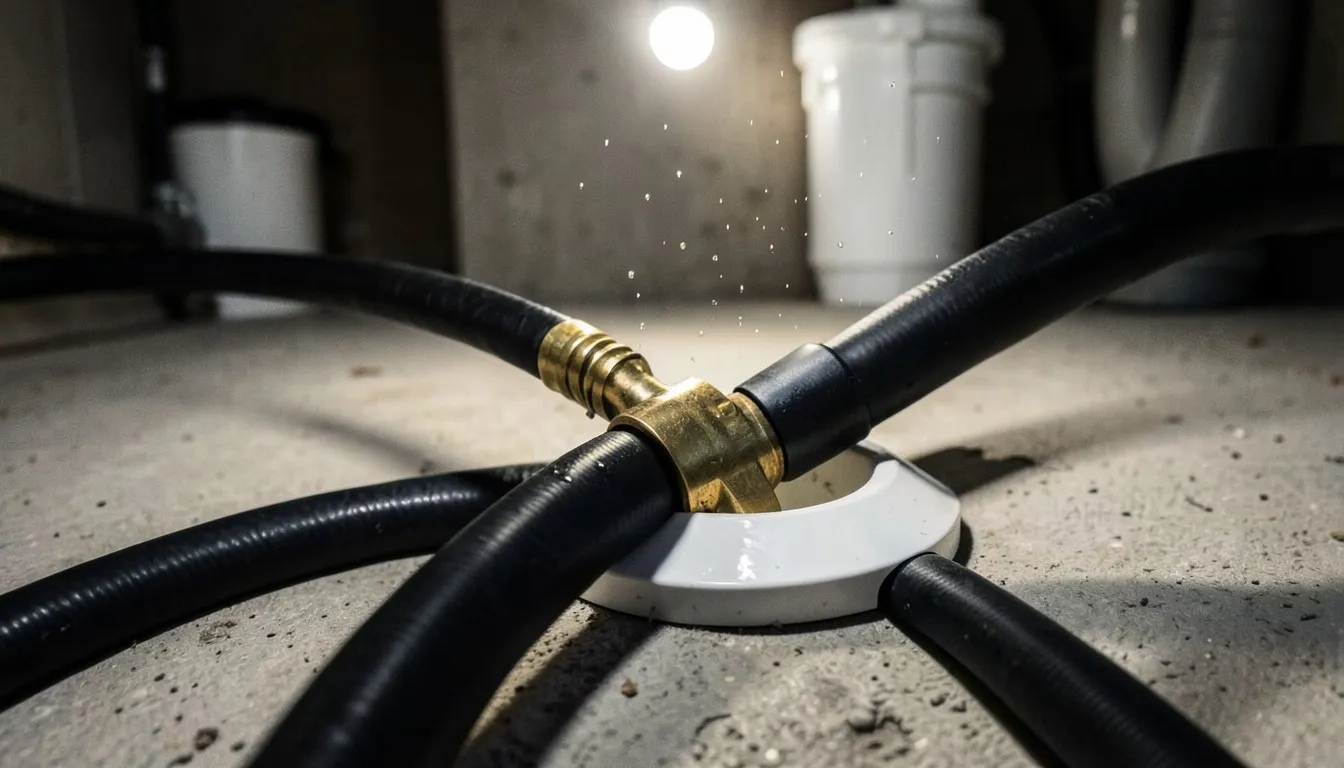
Emergency Hydro Jetting in Seattle, Washington
Hydro Jetting in Seattle, Washington is high-pressure water jetting to clear severe clogs and grease in main lines. Local conditions in Seattle: water measured at 1.8, a 12 frost line and a median home age of 65 years.
Camera first, quote second — know exactly what's wrong in your Seattle home before you approve a dollar.
What does the local plumbing data show for Seattle, WA?
Seeing these conditions at your place in Seattle? A state-licensed plumber can confirm it over the phone — free, no obligation.
What are the pipe conditions in Seattle, WA?
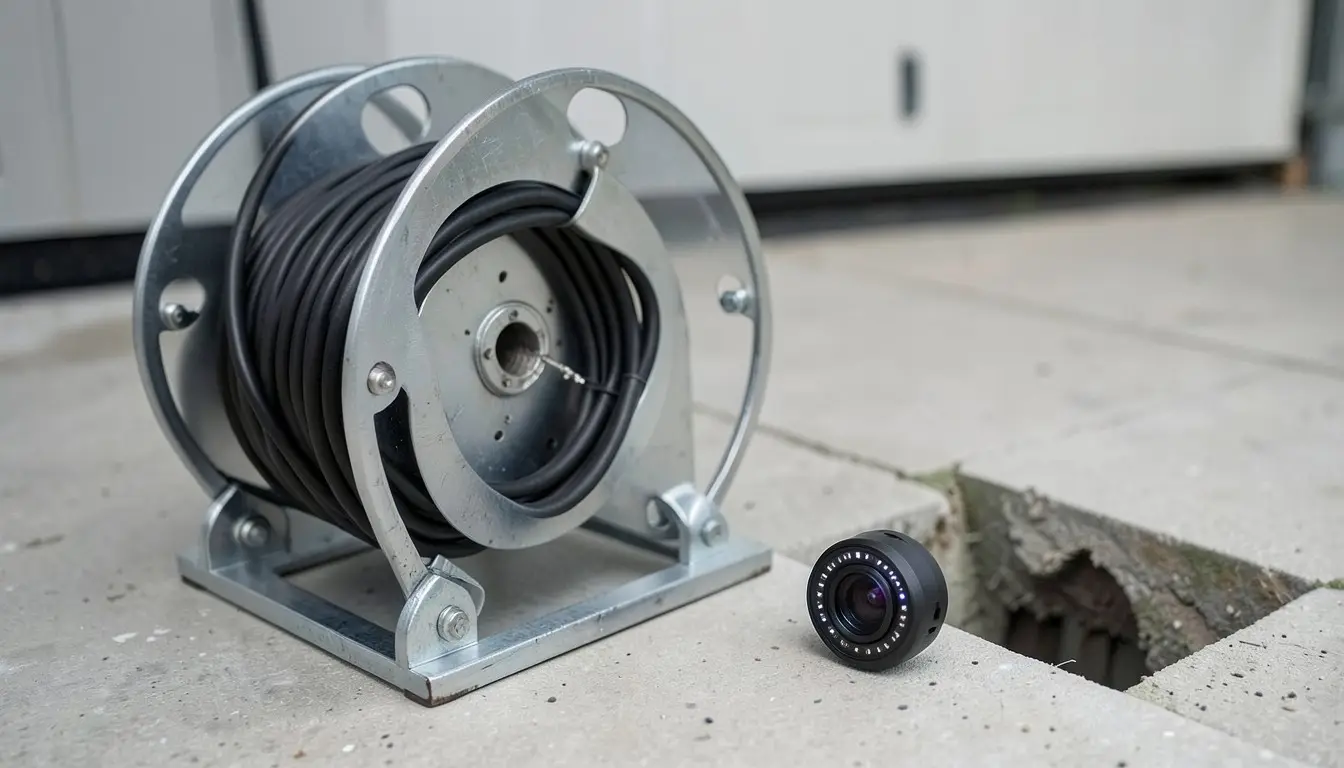
Hydro-jetting in Seattle clears what drain snaking leaves behind: scale buildup from hard water, grease layers coating pipe walls, and root tendrils that regrow from fragments left by a cable machine. The process uses 3,000–4,000 PSI water pressure through a rotating nozzle that scrubs the pipe wall — not just punches through the blockage. A camera scope before jetting confirms the pipe can withstand high pressure and identifies any structural defects that jetting would worsen. AlertPlumber connects you with a Washington-licensed plumber who scopes before jetting as a standard practice.
Seattle's housing stock spans multiple construction eras — median home age 65 years — meaning pipe materials and failure modes vary significantly by neighborhood and building vintage. An inspection-led approach that confirms pipe material before recommending a service path is standard practice for mixed housing profiles.
- Median home age
- 65 yrs
- Water hardness
- 1.8 gpg
- Frost line
- 12 in.
- Permit
- $165
A licensed WA plumber reads these conditions the moment you describe the symptom.
What local infrastructure shapes Hydro Jetting in Seattle?
Mixed cast-iron and early PVC laterals from post-war construction at a 65-year median home age define Seattle's residential drain and sewer profile. Soft Cedar River and Tolt River supply water at 1.8 grains per gallon means mineral scale does not accumulate — organic debris is the dominant obstruction driver. Douglas fir needles, cedar debris, and broadleaf leaf drop in Seattle's wet climate enter downspout-connected drain lines at high volumes from October through April, compacting at horizontal transitions and low-slope runs in cast-iron and early PVC.
Seattle Public Utilities operates a combined sewer system in older residential districts, requiring utility coordination for mainline lateral jetting to prevent surcharging during high-rainfall periods from November through March. Camera inspection before jetting on cast-iron sections from the 1950s and 1960s confirms whether interior corrosion from chronic moisture exposure has compromised wall integrity. Organic debris and soft-water grease deposits in intact cast iron respond to 1,500–2,500 PSI with a flushing nozzle; root incursion at early PVC joint seams in established planting areas requires a cutting nozzle at higher pressure.
Seattle DCI permits for sewer lateral work run $165. Approximately 98% of Seattle addresses connect to the municipal sewer system. Interior drain cleaning through existing cleanouts does not require a permit from DCI. Combined sewer areas require SPU coordination for mainline lateral scheduling, particularly during the November-through-April wet season when system flows are at peak capacity and surcharge risk during jetting operations is highest.
What shapes plumbing demand in Seattle, WA?
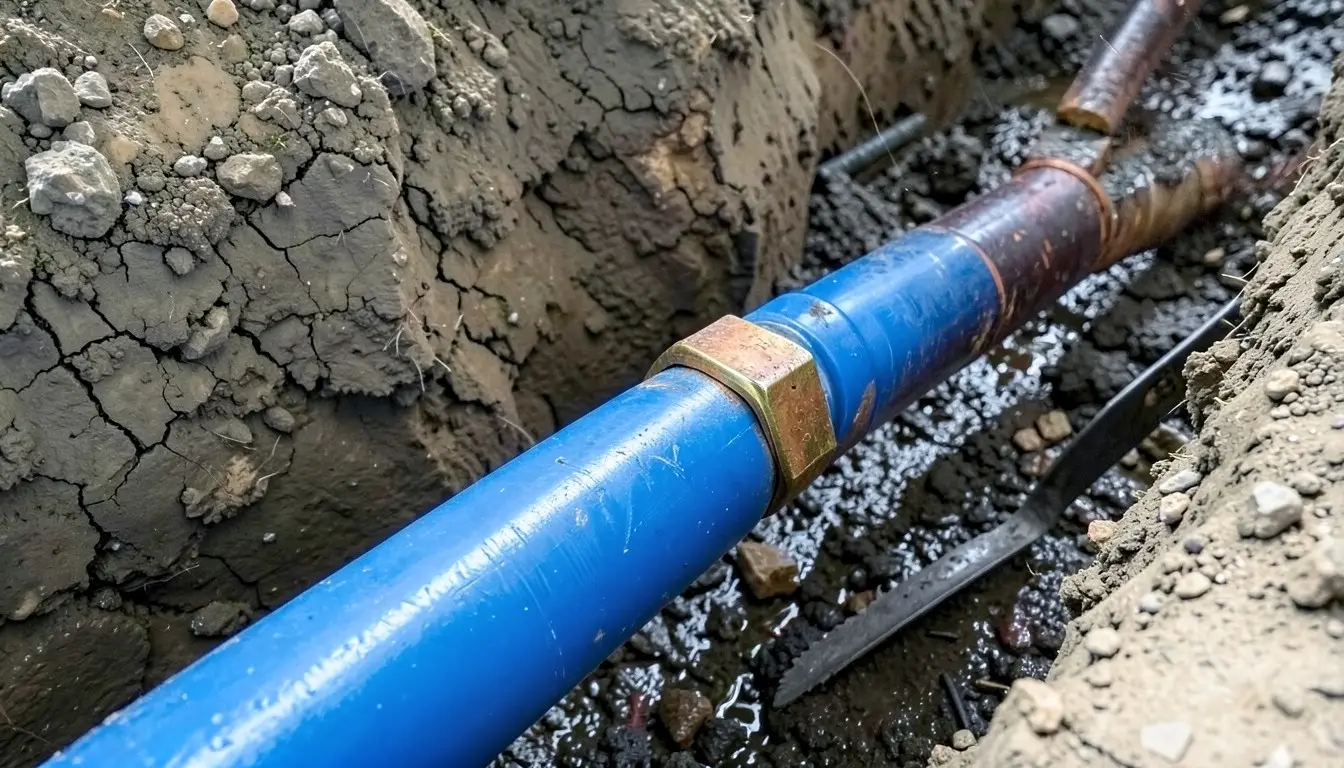
1950s–70s copper supply is now 50–70 years into its service cycle in Seattle. Thermal fatigue at fittings and slab-on-grade access complexity — common in Sun Belt construction — make repair vs. replacement a live decision on most jobs. This housing cohort is the active primary replacement wave in this market.
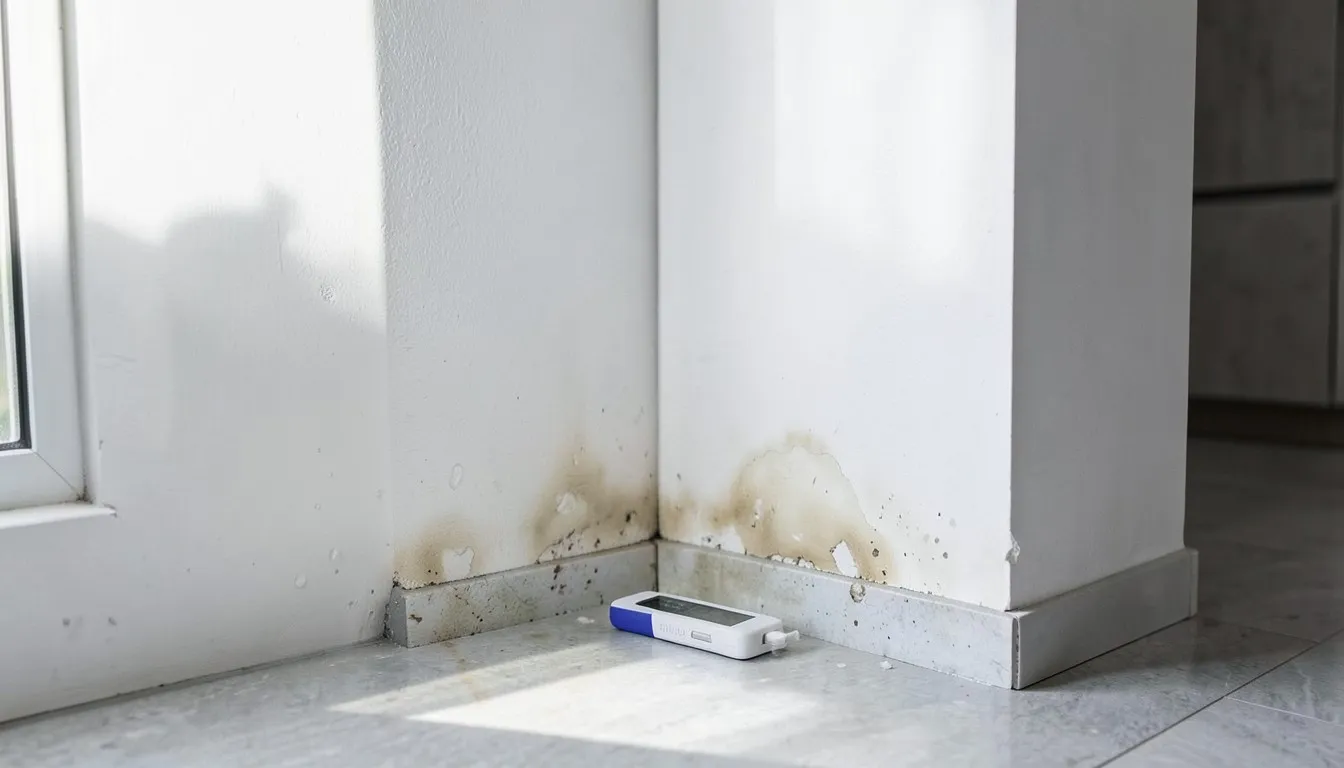
Soft, slightly acidic water in Seattle is corrosive to copper pipe and solder joints — the opposite failure pattern from hard-water markets. Pinhole failure at fittings and elbows is the dominant non-emergency repair category. Anode rods also deplete faster in soft water, shortening effective tank life without timely replacement.
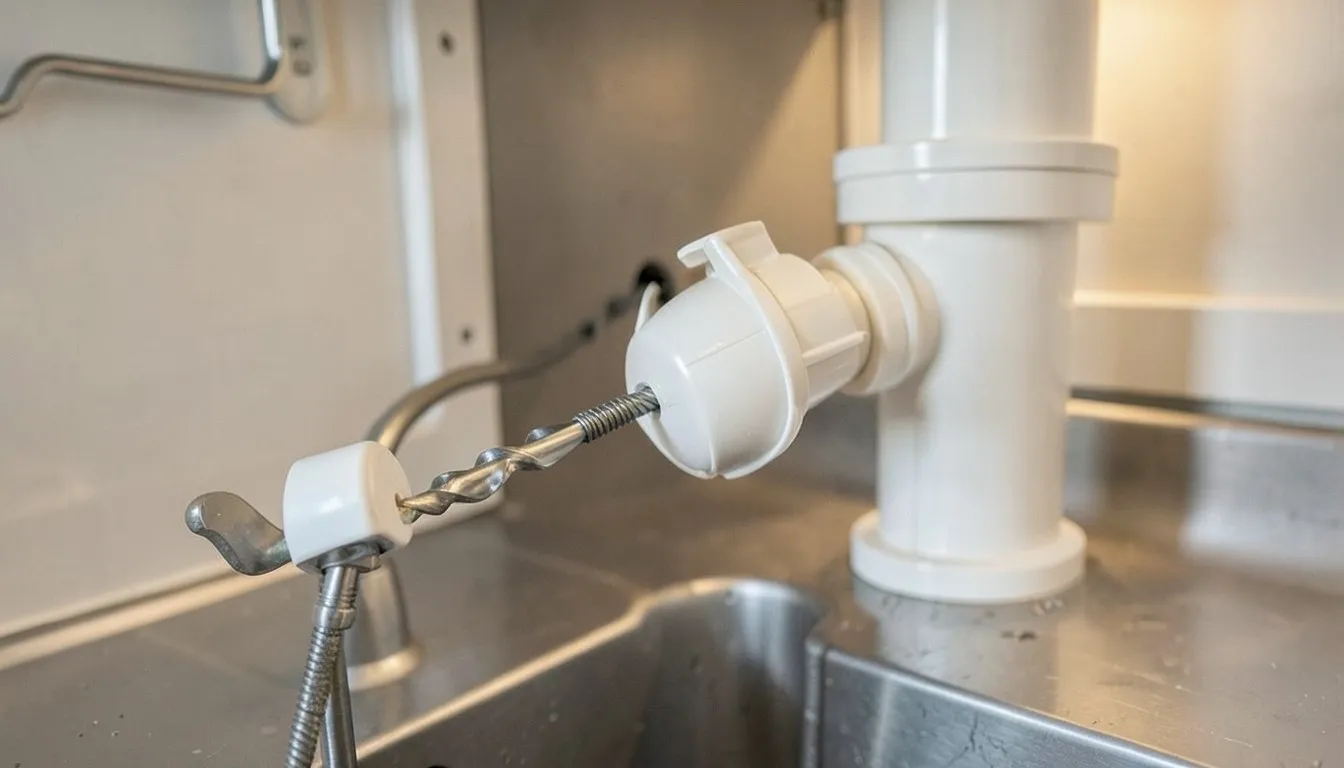
Without a hard freeze season, demand in Seattle distributes evenly through the year. Maintenance-driven categories dominate: end-of-life water heater replacement, root intrusion clearing, and fixture repair. Deferred maintenance surfaces gradually as partial failures rather than acute winter emergencies — which means issues compound silently until they become a larger job.
Why diagnose before repairing in Seattle?
Describe the symptom — not the repair. AlertPlumber routes to a WA-licensed plumber trained in diagnostics. The site visit uses camera tracing, acoustic detection, or hydrostatic pressure testing — matched to the reported failure type.
The plumber delivers a written diagnostic report: confirmed failure location, available repair methods, and tradeoffs — disruption level, material durability, long-term cost, and whether a Seattle building permit applies to the selected method.
You select the repair path. The Washington-licensed plumber proceeds on the authorized method with a fixed scope and price. Where required, the permit application to Seattle is handled by the contractor.
Hydro Jetting cost calculator — Seattle
Pre-filled for hydro jetting in Seattle. Adjust the ZIP for a neighboring area, or change the service to compare. Calculator pulls from the city's scraped permit-fee + state plumber-density data.
Hydro Jetting in Seattle — the longer it runs, the more it costs.
Slow failures compound: soft pipe walls, root penetration, mineral buildup. A verified plumber calls back with a scope-first estimate before anything is dug up.
What else do people ask about hydro jetting in Seattle?
How much does hydro jetting cost in Seattle?
Hydro jetting in Seattle typically runs $415–$945 for a residential 4-inch lateral, with the pre-jet camera scope adding $175–$350. Seattle pricing trends slightly higher than the national midpoint because the city's housing stock (median 1959 build year) frequently has vitrified clay laterals 60+ years old, and the cedar/fir/maple root infiltration through these joints often needs a root-cutter pass plus a follow-up flushing pass. The $165 City of Seattle plumbing repair permit is NOT triggered by jetting alone — the work classes as maintenance, not construction.
Hydro jet vs snake — which does my Seattle home need?
For a single fixture clog, a $225–$450 cable snake handles it. Jetting is the right tool for Seattle's chronic causes:
- Cedar, Douglas fir, big-leaf maple, and madrona tap-roots into vitrified clay lateral joints — Seattle's 37 inches of annual rainfall keeps trees actively growing root systems toward sewer moisture year-round
- Biofilm and soft scale on long-damp drain interiors — Seattle's sustained humidity means drain interiors rarely fully dry between flow events
- Storm-drain crossover debris in pre-1980s homes where sanitary and storm laterals run close enough for cross-contamination during heavy rain
When is hydro jetting the wrong choice for a Seattle home?
Camera footage that shows cracked clay laterals, joints separated more than 1/4 inch, or active soil ingress disqualifies full-pressure jetting until repair happens. Seattle's clay-lateral inventory is extensive (most pre-1970 homes), and decades of root growth have separated many bell-and-spigot joints; the jet stream washes out the surrounding bedding through any breach. Orangeburg lateral pipe (1948–72 vintage) is less common in Seattle than in some Sun Belt cities but still appears — same rule, do not jet. Heavily corroded galvanized branch waste in pre-1960 homes can perforate under 4,000 PSI; reduced-pressure passes only with the camera live.
Why does my Seattle home keep having drain backups?
Two pathologies dominate Seattle recurring backups. First, root infiltration: the city's Douglas fir, cedar, big-leaf maple, and madrona canopy is aggressive and Seattle's 37-inch annual rainfall provides constant moisture migration toward sewer joints — root masses establish at every clay-lateral joint within a decade. Second, sustained-dampness biofilm: Seattle drains rarely fully dry, allowing biofilm and soft mineral scale to accumulate on interior walls even with the soft 1.8 gpg water. Camera footage from Seattle laterals frequently shows both at once — root mats at the joints, biofilm coating the runs in between.
Will hydro jetting damage my Seattle pipes?
On sound clay, cast-iron, ABS, or PVC pipe, no — properly spec'd jetting at 3,500 PSI is well within working pressure rating. The Seattle-specific risks the camera looks for: clay laterals where root growth has spread joints beyond the 1/4-inch threshold, paper-thin galvanized branches in pre-1960 homes, and any visible cracks or fractures in clay where bedding washout would create a yard sinkhole. AlertPlumber-matched plumbers run the pre-jet camera scope per NASSCO standard practice on every job — the inspection is documented as a required step, not an upsell.
How often should I have my Seattle home jetted preventatively?
Seattle homes with mature Douglas fir, cedar, big-leaf maple, or madrona over the lateral path benefit from annual root-cutter passes — root growth is essentially year-round in Seattle's mild climate. Homes without mature trees on the lateral path can stretch to 36–48 month intervals. Properties already re-piped to modern PVC with gasketed joints (rather than legacy clay bell-and-spigot) see far fewer root intrusions and run on longer schedules. Some Seattle property managers schedule a preventative jet in late summer (August–September) before fall leaf drop and winter rain compound any partial obstruction.
Does insurance cover hydro jetting in Seattle?
Washington State homeowners policies treat hydro jetting as routine maintenance and do not cover the service. Backup damage from a clog is a separate question — standard HO-3 policies exclude sewer backup unless you've added the endorsement (typically $45–$95/year). Given Seattle's combination of finished basements, mature root infiltration risk, and the heavy October–March rainy season that compounds any partial obstruction, the sewer-backup rider is worth adding on renewal. The jetting itself is out of pocket; keep the camera footage and invoice as documentation for any future claim.
Does my Seattle plumber use a camera before jetting?
Yes — per NASSCO drain-cleaning standard practice the pre-jet camera scope is a documented required step on every job. In Seattle the camera is especially important because the housing stock has extensive vitrified clay laterals where root infiltration has separated joints, and the camera identifies which sections are sound enough for full-pressure jetting versus which need reduced-pressure passes or repair-first treatment. AlertPlumber-matched Seattle plumbers from the 9,860-plumber WA pool carry the camera as standard equipment; refuse any contractor wanting to jet without scoping first.
How does AlertPlumber verify hydro jetting contractors in WA?
Yes. Hydro jetting in Washington State requires an active Plumber Specialty (PL01 or PL02) certification from the WA Department of Labor and Industries, plus the contractor-level registration. AlertPlumber verifies every matched contractor against the active WA L&I license database (9,860 active plumbing licenses statewide), not just on signup. The matched Seattle plumber provides both certification and contractor numbers on the call back; verify it at the WA L&I public license lookup before the appointment.
Can I rent a jetter and DIY hydro jetting in Seattle?
Not advisable for a Seattle 4-inch lateral with the kind of cedar or fir root mass these laterals collect. Rental jetters from Seattle-area home centers run 1,500 PSI / 2 GPM — well under the 3,500 PSI / 4 GPM minimum for lateral cleaning, and they don't include a root-cutter nozzle. The realistic DIY outcome on a Seattle clay lateral: zero diagnostic data, no ability to cut established root mass, and a $85–$140/day rental that didn't move the buildup. Booking a matched plumber with proper equipment plus camera scope is typically $200–$300 more for a job that actually clears the line.
The fix gets cheaper the sooner a plumber sees it.
Degradation problems compound quietly. Call now, or use the form below and a licensed Washington plumber calls you back with a no-obligation estimate for the hydro jetting.
Need a hydro jetting callback in Seattle?
In a meeting, with the kids, or just prefer not to hold? Drop your ZIP and number below. AlertPlumber routes your request to a verified plumber in your area — they’ll call you back directly.
- 1 Submit your info. ZIP, phone, and what kind of work you need.
- 2 AlertPlumber matches you with a verified plumber serving your area.
- 3 The plumber calls you back with a written estimate, no obligation.
Hydro Jetting in Seattle — catch it early
Degradation-driven failures worsen over time and cost more to fix the longer they run. A verified WA plumber in Seattle diagnoses your specific condition and provides a written scope before any work begins.