
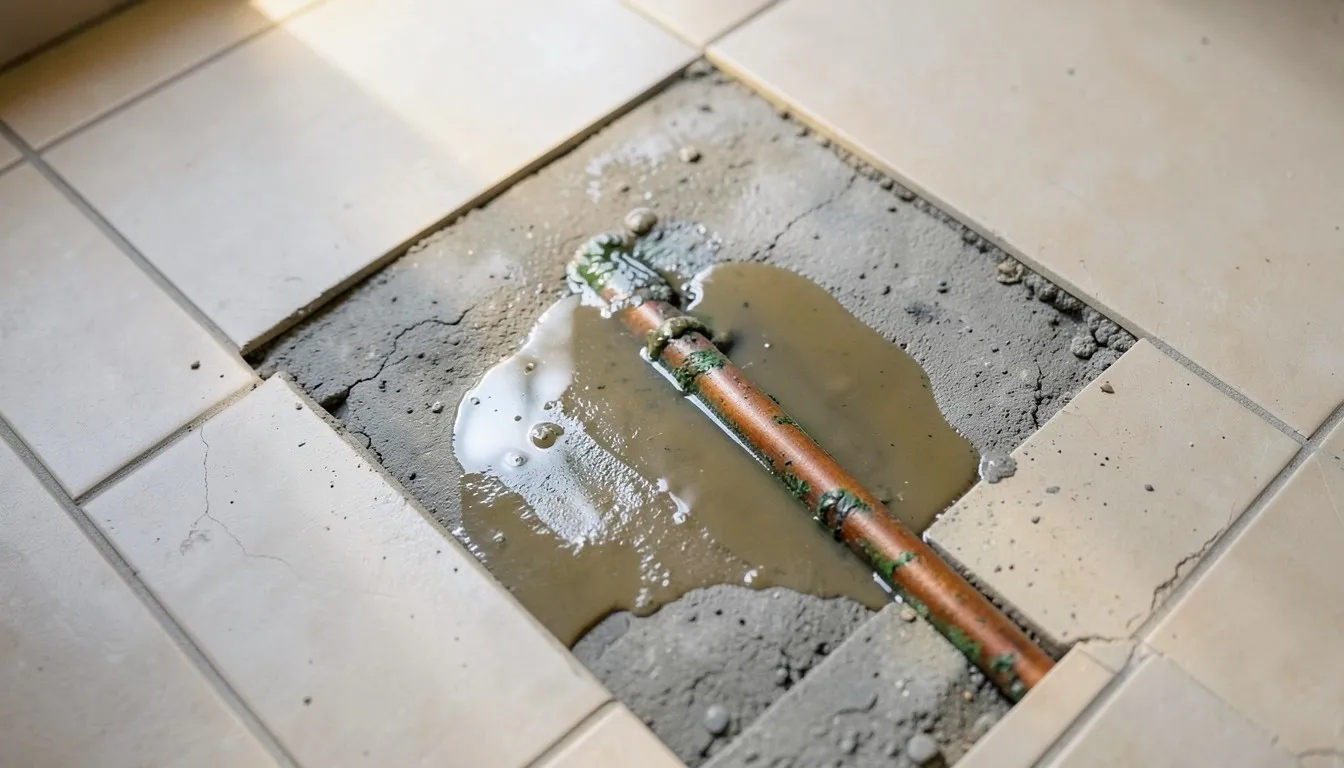
Emergency Slab Leak Repair in Seattle, Washington
Slab Leak Repair in Seattle, Washington detects and repairs leaks in pipes beneath the concrete slab foundation. Local conditions in Seattle: water measured at 1.8, a 12 frost line and a median home age of 50 years.
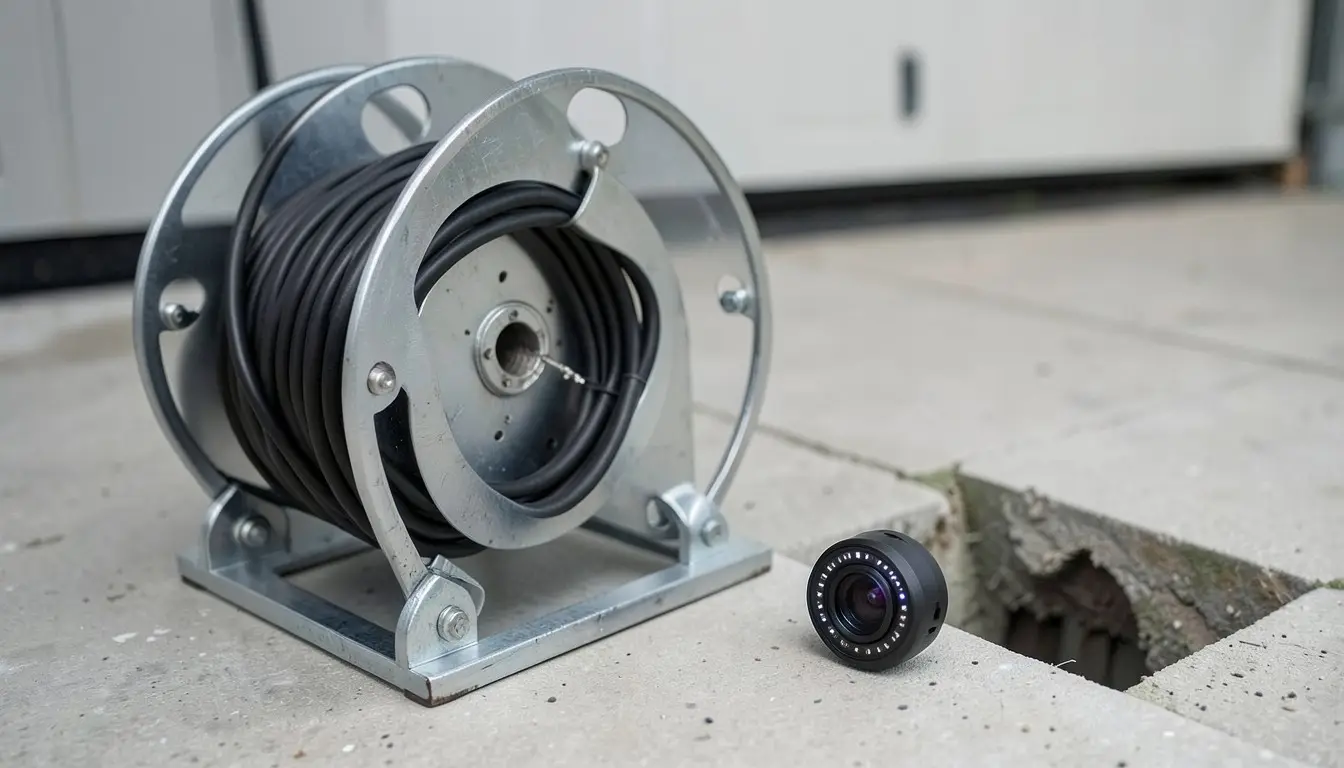
Camera first, quote second — know exactly what's wrong in your Seattle home before you approve a dollar.
Who do I call for a slab leak in Seattle?
A plumber who does leak detection and slab leak repair. In Seattle, as anywhere, ask whether they locate the leak with detection equipment before any concrete is opened. It is urgent when water is coming up through the floor or the leak is near electrical outlets or appliances.
What does the local plumbing data show for Seattle, WA?
Seeing these conditions at your place in Seattle? Describe them on the call to a state-licensed local plumber — free, no obligation.
What are the pipe conditions in Seattle, WA?
Slab leaks form when copper supply lines embedded in the concrete foundation develop pinholes from electrochemical corrosion, high-velocity water erosion, or slab movement. Seattle homes built during the 1960s–1980s on post-tensioned slabs face the highest slab-leak risk — copper installed at original construction is approaching or past the 50-year corrosion window. Early signs include warm or wet spots on the floor, unexplained water bill spikes, and the sound of running water when all fixtures are closed. AlertPlumber routes your call to an independent Washington-licensed plumber — ask for acoustic leak location before any slab cutting begins. Persistent marine moisture and seasonal dampness drive above-average demand for leak detection and sump pump service in this region.
Seattle's housing stock spans multiple construction eras — median home age 50 years — meaning pipe materials and failure modes vary significantly by neighborhood and building vintage. An inspection-led approach that confirms pipe material before recommending a service path is standard practice for mixed housing profiles. Homes of other eras in Seattle may have galvanized pipe, copper pipe or polybutylene supply lines instead; ask the plumber which your home has.
- Median home age
- 50 yrs
- Water hardness
- 1.8 gpg
- Frost line
- 12 in.
- Permit
- City fee schedule
Census housing age, Seattle city, Washington: median year built 1976; 38.4% of homes built before 1960, 52.8% before 1980. Source: U.S. Census Bureau, ACS 2020–2024 5-year estimates, tables B25034 and B25035, read 2026-09-30.
Mention these conditions when you describe the symptom to the WA plumber you reach.
What local infrastructure shapes Slab Leak Repair in Seattle?
Seattle slab-on-grade homes from the post-war era — 1950s through 1970s in Rainier Valley, White Center, Beacon Hill, and South King County suburbs including Renton and Federal Way — placed copper supply in concrete at 50 years median age. Cedar River and Tolt River watershed supply delivers approximately 1.8 grains per gallon — one of the softest municipal supplies in any major US metro.
Soft water is aggressive water. At 1.8 GPG, Seattle supply lacks the calcium carbonate buffer that passivates copper in harder markets — the Langelier Saturation Index for Cedar/Tolt finished water runs consistently negative, indicating water that dissolves mineral content from pipe surfaces rather than depositing it. In 60-year-old copper, the result is uniform wall thinning from electrochemical attack rather than the localized pit-edge formation characteristic of hard-water markets. The failure mode looks different: pinhole failures that migrate along the pipe run rather than concentrating at heat-exchange points or fittings.
The 65 permit covers detection and repair access. Acoustic detection in soft-water failure patterns is technically similar to other markets but the failure signature differs — the sound of uniform wall thinning and pinhole formation is subtler than the explosive joint-crack signature of thermal-stress markets. Above-slab rerouting is standard protocol for end-of-service-life soft-water copper in slab, replacing the wall-thinned segment with PEX that is immune to the soft-water corrosion mechanism.
What shapes plumbing demand in Seattle, WA?
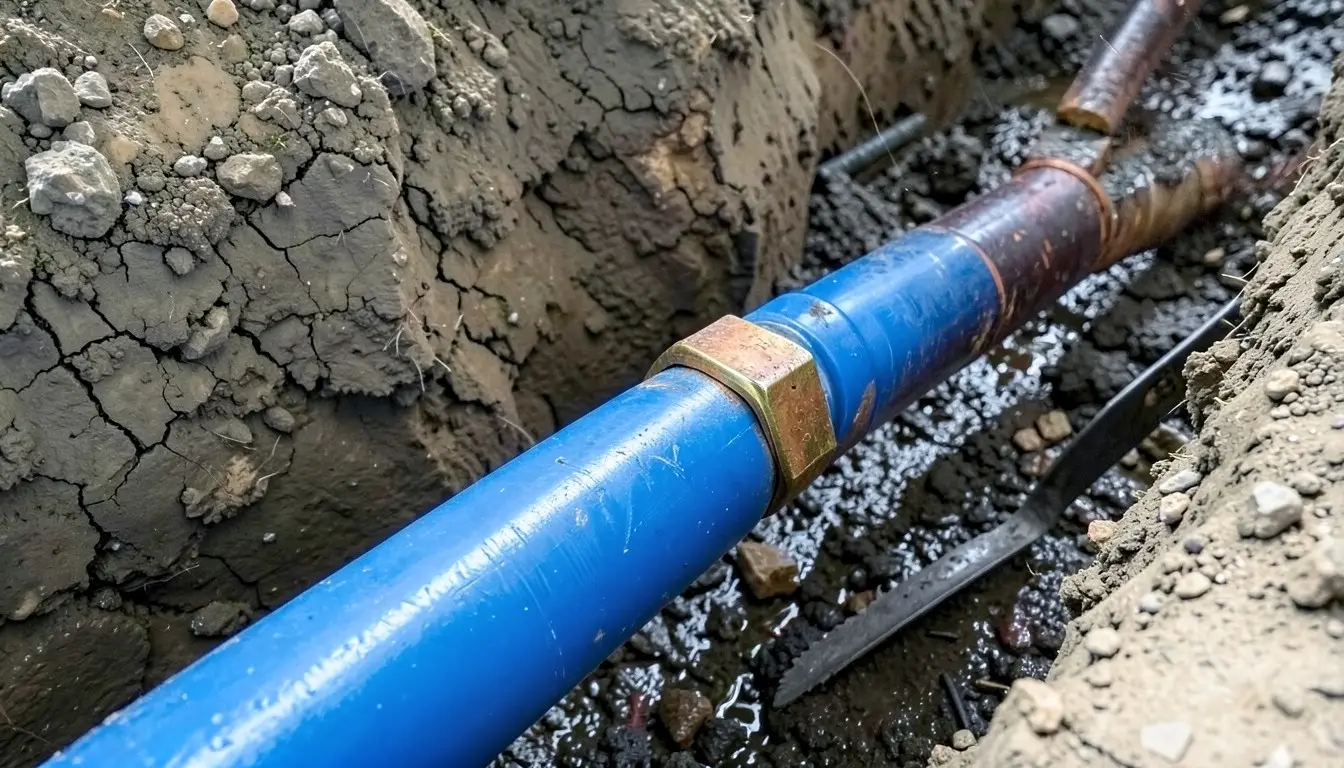
1950s–70s copper supply is now 50–70 years into its service cycle in Seattle. Thermal fatigue at fittings and slab-on-grade access complexity — common in Sun Belt construction — make repair vs. replacement a live decision on most jobs. This housing cohort is the active primary replacement wave in this market.
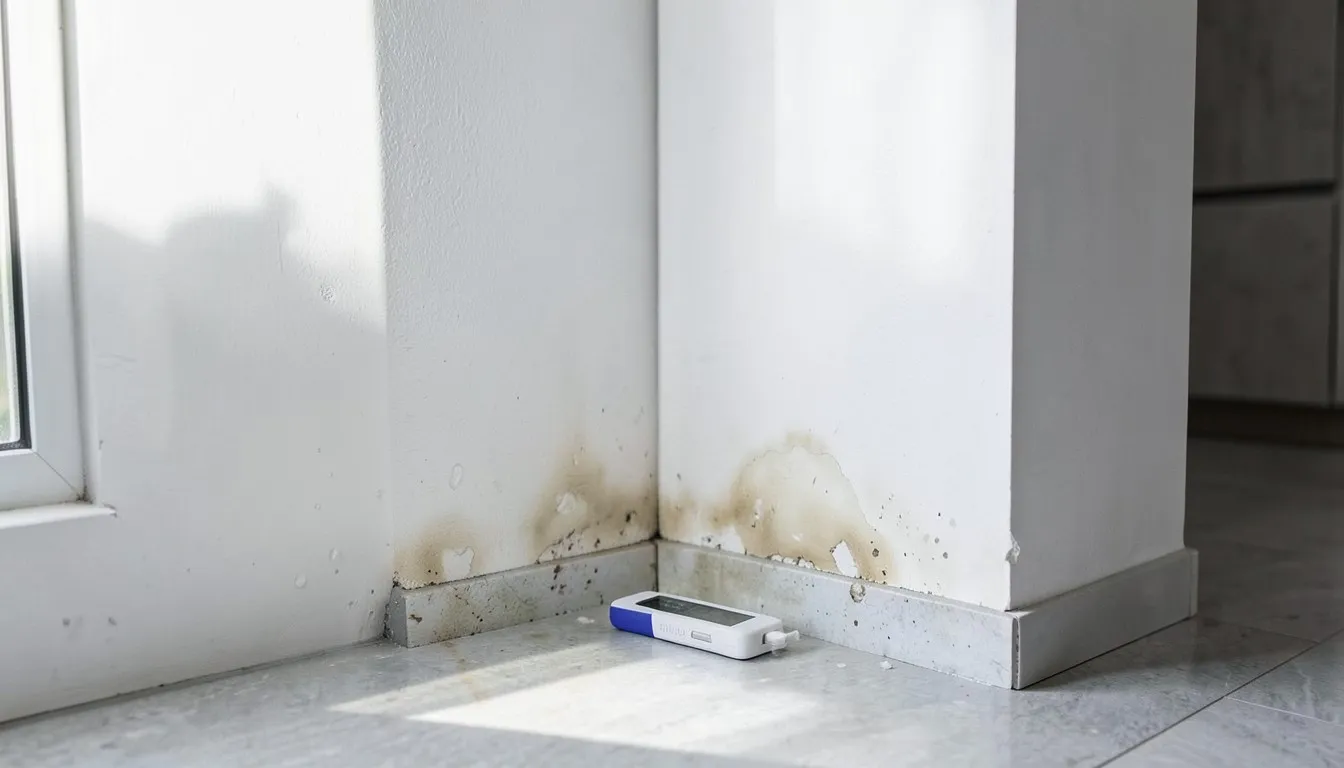
Soft, slightly acidic water in Seattle is corrosive to copper pipe and solder joints — the opposite failure pattern from hard-water markets. Pinhole failure at fittings and elbows is the dominant non-emergency repair category. Anode rods also deplete faster in soft water, shortening effective tank life without timely replacement.
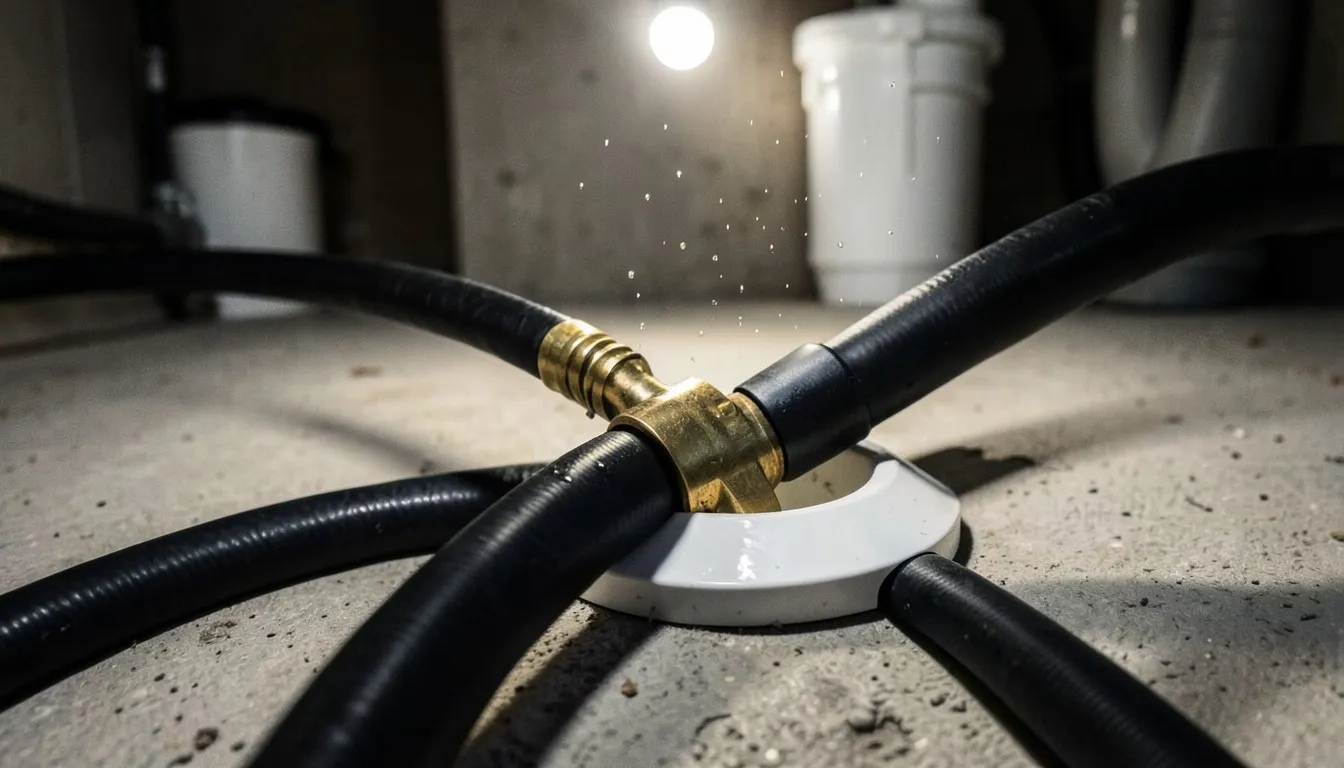
Without a hard freeze season, demand in Seattle distributes evenly through the year. Maintenance-driven categories dominate: end-of-life water heater replacement, root intrusion clearing, and fixture repair. Deferred maintenance surfaces gradually as partial failures rather than acute winter emergencies — which means issues compound silently until they become a larger job.
Why diagnose before repairing in Seattle?
Describe the symptom — not the repair. AlertPlumber routes the call to an independent WA-licensed plumber in its partner's network — ask whether the site visit will use camera tracing, acoustic detection, or hydrostatic pressure testing matched to the reported failure type.
Ask the plumber for a written diagnostic report: confirmed failure location, available repair methods, and tradeoffs — disruption level, material durability, long-term cost, and whether a Seattle building permit applies to the selected method.
You select the repair path. Ask for a fixed scope and price on the authorized method before the Washington-licensed plumber proceeds and, where required, who files the permit application to Seattle.
Slab Leak Repair cost calculator — Seattle
Pre-filled for slab leak repair in Seattle. Adjust the ZIP for a neighboring area, or change the service to compare. Calculator pulls from the city's scraped permit-fee + state plumber-density data.
Slab Leak Repair emergency in Seattle?
Every hour without a repair increases structural risk and remediation cost. Calls connect to independent local plumbers in our partner's network — ask for an arrival time and a written estimate.
What else do people ask about slab leak repair in Seattle?
How much does slab leak repair cost in Seattle?
Seattle slab leak repair runs a scope-based price for a spot repair, a scope-based price for a reroute, and a scope-based price for a full repipe. Seattle SDCI charges a permit fee for slab work. Seattle labor rates trend high because Washington is a union plumber market with 9,860 active state-credentialed plumbers and the rare Seattle slab-leak case often involves hydronic radiant-heat coil work that requires both plumbing and HVAC skills. For a typical Bellevue or Renton ranch with a confirmed potable-supply slab leak, expect all-in. Hydronic-coil failures (which most Seattle "slab leaks" turn out to be) can run a scope-based price to convert to above-slab heat. Price ranges: slab leak repair cost guide.
Are slab leaks common in Seattle?
No — Seattle slab leaks are rare. Most Seattle homes have basements or crawlspaces with accessible plumbing, and the soft 1.8 gpg water (among the softest in the country per USGS) means in-slab copper rarely develops the pinhole corrosion that drives Phoenix or Houston slab-leak volumes. The Seattle slab homes that do exist are concentrated in suburban Bellevue, Renton, and parts of Kent — typically 1960s-70s ranch tracts that adopted slab-on-grade specifically to install hydronic radiant heating. When a Seattle slab home reports a "slab leak," the matched plumber's first diagnostic question is whether the home has radiant heat — if yes, the failure is almost always in the radiant coils, not the potable supply.
Why are most Seattle 'slab leaks" actually radiant-heat failures?
1960s-70s Bellevue and Renton ranches that adopted slab-on-grade did so primarily to install hydronic radiant heat — copper coils embedded in the slab carrying heated water for warm-floor comfort against Pacific Northwest dampness. Those copper coils are now 55-65 years old and corroding internally despite the soft 1.8 gpg potable supply (the heating loop chemistry is different — it's a closed-loop system that develops dissolved-oxygen corrosion over time). The failure looks identical to a potable-supply slab leak (warm spot, audible flow, water bill spike if the heating loop is fed from the potable supply), but the repair scope is different: either patch the failed coil section or abandon the under-slab radiant entirely and convert to ductless heat pumps or baseboard heat.
Spot repair vs reroute vs repipe — which fits a Seattle home?
For a confirmed potable-supply slab leak in a Bellevue or Renton ranch, spot repair is the right answer because Seattle's 1.8 gpg water means the rest of the supply system is in good condition — the failure was localized, not a sign of system-wide pinhole corrosion. Reroute through crawlspace where applicable. Full repipe is rarely necessary in Seattle proper. For radiant-coil failures (the more common case), the answer is usually radiant abandonment plus heat-pump conversion — different scope, a scope-based price, sometimes eligible for utility rebates through Puget Sound Energy or Seattle City Light. Price ranges: slab leak repair cost guide.
Will my Washington homeowners insurance cover the slab leak?
Washington HO-3 policies cover sudden water damage to flooring, drywall, and personal property but exclude the plumbing repair itself. The Washington-specific complication: if the leak is actually in a hydronic radiant coil rather than a potable supply line, some carriers classify it under "heating system" with a different deductible and lower limit. Mold remediation up to a sublimit is usually covered, which matters in damp Pacific Northwest homes where mold colonizes quickly. The matched plumber documents the leak source carefully — radiant vs potable — so the claim files correctly the first time and avoids reclassification denials. Price ranges: slab leak repair cost guide.
Does Pacific Northwest soil contribute to slab leaks?
Seattle soil is mostly glacial till — dense, well-drained, and stable. Unlike Atlanta clay or Houston gumbo, Seattle soil does not shrink-swell with seasonal moisture cycles, so mechanical pipe-shear failures are rare. The Seattle environmental factor that does matter is groundwater: 37 inches of annual rainfall keeps the soil moist year-round, which means any slab leak quickly produces saturated soil under the home and rapid mold development above. The 23 freeze days per year per NOAA are not enough to cause freeze-burst events; Seattle is a thermal-stable slab environment with neither the chemical aggression of Phoenix nor the soil dynamics of Atlanta.
How long does slab leak repair take in Seattle?
For a confirmed potable-supply slab leak in a Bellevue ranch, plan on a full day for spot repair: morning detection (acoustic plus pressure isolation since hot-water leaks are less common in soft-water Seattle), midday slab cut, afternoon splice and patch. Hydronic-coil failures (the more common Seattle case) take significantly longer — typically 2-3 days for partial coil bypass, or a full week for under-slab radiant abandonment plus above-slab heat-pump installation. Seattle's lower case volume means matched plumbers may need to schedule detection a day or two out rather than right away, but actual repair lead time is usually within a week of the call.
Will the plumber damage my flooring during repair?
1960s-70s Bellevue and Renton flooring is typically replaceable carpet, vinyl, or ceramic — none are irreplaceable. For potable-supply slab leaks, AlertPlumber-matched Seattle plumbers default to crawlspace reroute where the home has a crawl section, avoiding any floor cuts. For radiant-coil failures, the better answer is usually under-slab radiant abandonment (no floor cut needed; old coils stay in place capped) plus installation of ductless mini-split heat pumps that mount on walls. The mini-split conversion eliminates future under-slab failure risk and is often eligible for utility rebates through PSE or Seattle City Light. Price ranges: slab leak repair cost guide.
Does Seattle building code require permits for slab leak repair?
Yes. Seattle SDCI requires a plumbing permit for supply-line work, and the plumber must hold an active WA state Specialty (06A) or General plumbing license per L&I records — Washington has 9,860 active licensees in the database. For radiant-heat coil work, a separate mechanical permit is required, and ductless heat-pump conversions need both a mechanical permit and an electrical permit. Seattle inspectors verify pre-cover before any slab patch and final at completion. PEX must be NSF-certified and rated for in-slab use; brass fittings must be lead-free per Safe Drinking Water Act. Un-permitted work voids insurance claims. Permit fee ranges: permit fee estimator.
What detection method works best on a Seattle slab home?
The first Seattle detection question is differentiation: is the leak in the potable supply or in a hydronic radiant coil? Pressure isolation tests both systems separately — if pressure holds on the potable side but drops on the heating loop, the leak is in the radiant. For confirmed potable-supply leaks, acoustic listening is the workhorse method because Seattle's soft water means the leak is usually a localized one-off rather than a corrosion-grade pinhole, and acoustic finds the burst within inches. FLIR thermal works on the rare hot-water leak. Electronic line tracing for branch-line ambiguity. Total detection workup a scope-based price, often less in Seattle than Phoenix because the leak count per home is typically just one. Price ranges: slab leak repair cost guide.
One call puts your problem in front of a local plumber.
Call the number, or put your number in the form below — the request goes to an independent Washington plumber in our partner's network; ask about the slab leak repair and for a written estimate.
Need a slab leak repair callback in Seattle?
In a meeting, with the kids, or just prefer not to call? Drop your ZIP and number below. AlertPlumber sends your request to our routing partner — if a participating plumber serves your area, they may call you back directly. For anything urgent, call the number on this page.
- 1 Submit your info. ZIP, phone, and what kind of work you need.
- 2 AlertPlumber passes it on to our routing partner for your area.
- 3 If a participating plumber serves your area, they may call you back. Ask for a written estimate before work starts.
Slab Leak Repair in Seattle — when to call
Acute plumbing failures cannot wait. AlertPlumber routes calls about slab leak repair in Seattle to independent Washington plumbers in our partner's network — call now or submit the form above for a callback.