
Emergency Sewer Line Repair in Seattle, Washington
Sewer Line Repair in Seattle, Washington repairs broken or root-invaded sewer lines via spot repair, lining, or trenchless methods. Local conditions in Seattle: water measured at 1.8, a 12 frost line and a median home age of 65 years.
Camera first, quote second — know exactly what's wrong in your Seattle home before you approve a dollar.
What does the local plumbing data show for Seattle, WA?
Seeing these conditions at your place in Seattle? A state-licensed plumber can confirm it over the phone — free, no obligation.
What are the pipe conditions in Seattle, WA?
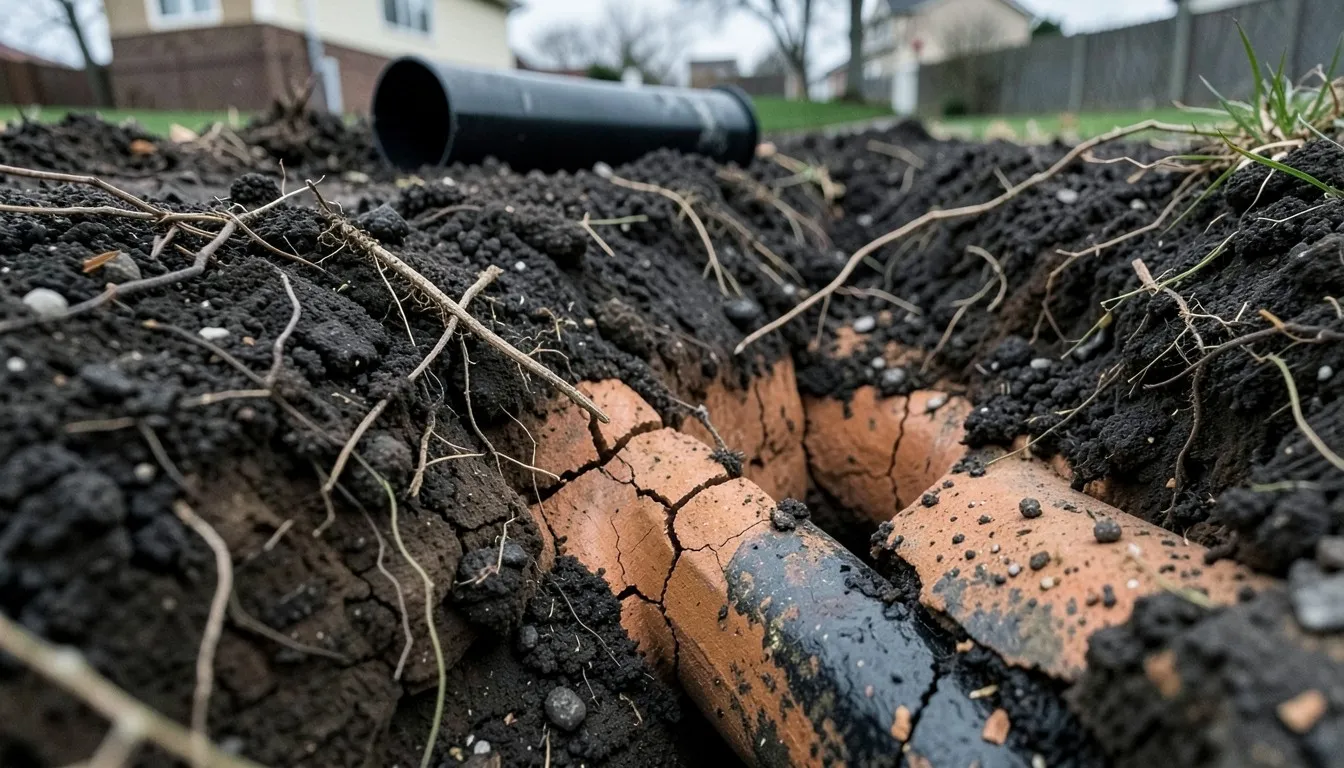
Sewer line failures in Seattle follow predictable patterns by pipe material and installation era: clay tile joints separate and admit root intrusion; Orangeburg pipe (1940s–1960s) compresses under soil load; cast iron corrodes at horizontal runs where standing water accelerates deterioration. A camera scope before excavation is critical — it confirms whether a spot repair is viable or whether replacement of the full lateral is the smarter investment. AlertPlumber routes your request to a Washington-licensed plumber who completes the scope before quoting the repair.
Seattle's housing stock spans multiple construction eras — median home age 65 years — meaning pipe materials and failure modes vary significantly by neighborhood and building vintage. An inspection-led approach that confirms pipe material before recommending a service path is standard practice for mixed housing profiles.
- Median home age
- 65 yrs
- Water hardness
- 1.8 gpg
- Frost line
- 12 in.
- Permit
- $165
A licensed WA plumber reads these conditions the moment you describe the symptom.
What local infrastructure shapes Sewer Line Repair in Seattle?
At 65 years median housing age, Seattle's residential lateral stock spans clay tile in pre-1950 construction across Capitol Hill, Wallingford, and Green Lake, cast iron in postwar construction across Rainier Valley and Beacon Hill, and PVC in the post-1980 infill and hillside development that expanded housing density throughout the city. Root intrusion at clay tile joints is the dominant failure mode in the substantial pre-war stock.
Seattle's glacially deposited soils — a mix of Vashon till, advance outwash sands, and recessional lake clays — provide variable lateral support depending on elevation and position on the glacial landform. The 1.8 GPG very-soft Cedar River and South Fork Tolt watershed supply does not deposit protective scale in cast iron, leaving those surfaces exposed to accelerated internal corrosion and tuberculation that reduces bore diameter over decades. Steep-slope lateral runs in hillside neighborhoods create high flow velocity that accelerates pipe wall erosion in weakened cast iron sections.
Seattle Public Utilities requires permits for lateral excavation, with fees at $165. SPU's Side Sewer Inspection program requires inspection for property transactions in targeted areas — many repair scopes are identified through required pre-sale camera inspections rather than active blockage events. CIPP lining is viable where bore geometry meets NASSCO criteria; steep-grade laterals require hydraulic calculation to confirm liner flow capacity meets minimum drain requirements.
What shapes plumbing demand in Seattle, WA?
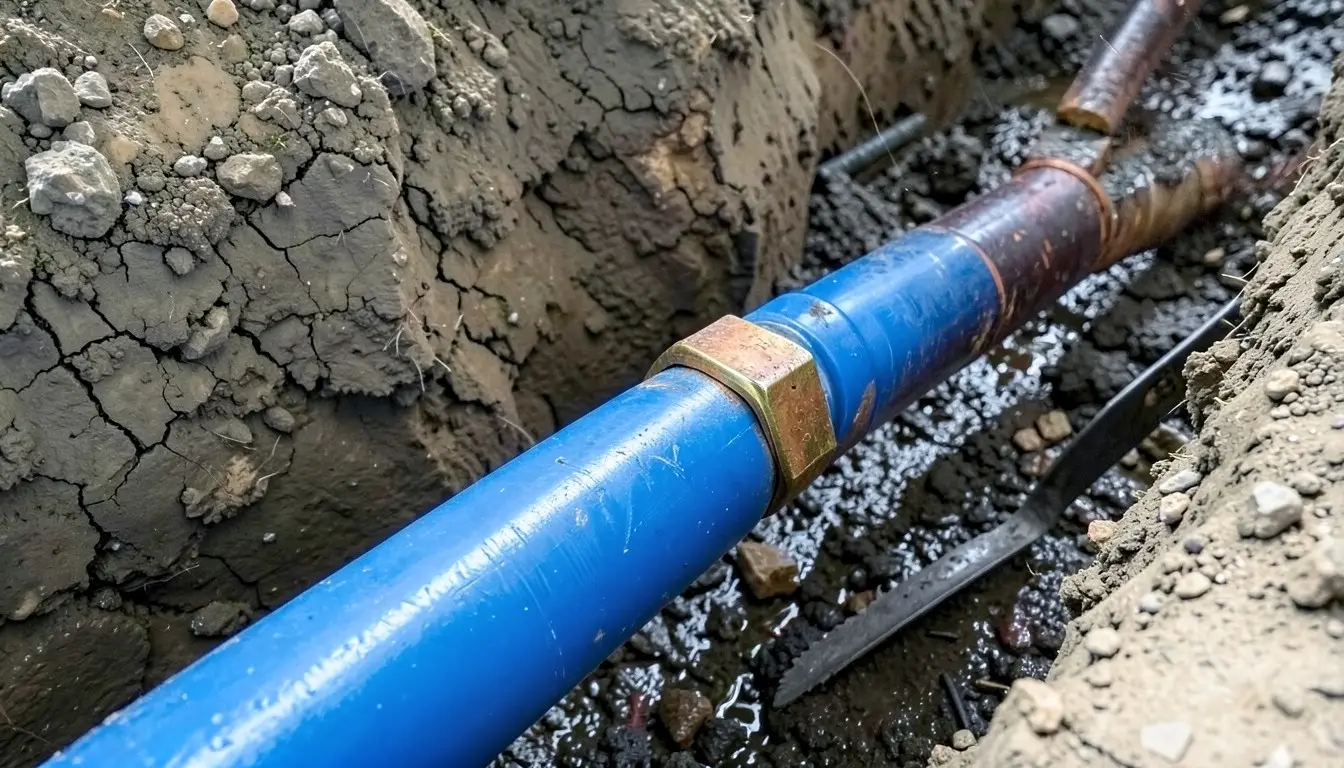
1950s–70s copper supply is now 50–70 years into its service cycle in Seattle. Thermal fatigue at fittings and slab-on-grade access complexity — common in Sun Belt construction — make repair vs. replacement a live decision on most jobs. This housing cohort is the active primary replacement wave in this market.

Soft, slightly acidic water in Seattle is corrosive to copper pipe and solder joints — the opposite failure pattern from hard-water markets. Pinhole failure at fittings and elbows is the dominant non-emergency repair category. Anode rods also deplete faster in soft water, shortening effective tank life without timely replacement.
Without a hard freeze season, demand in Seattle distributes evenly through the year. Maintenance-driven categories dominate: end-of-life water heater replacement, root intrusion clearing, and fixture repair. Deferred maintenance surfaces gradually as partial failures rather than acute winter emergencies — which means issues compound silently until they become a larger job.
Why diagnose before repairing in Seattle?
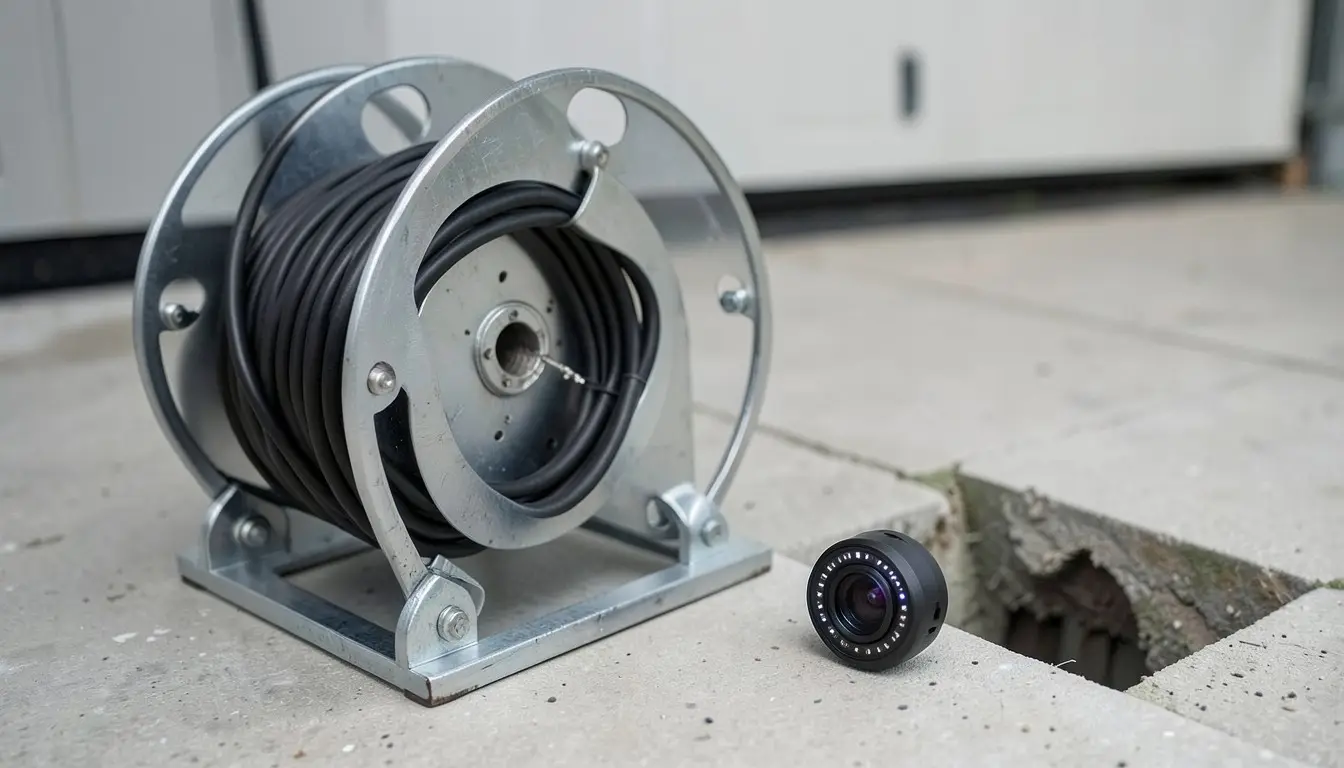
Describe the symptom — not the repair. AlertPlumber routes to a WA-licensed plumber trained in diagnostics. The site visit uses camera tracing, acoustic detection, or hydrostatic pressure testing — matched to the reported failure type.
The plumber delivers a written diagnostic report: confirmed failure location, available repair methods, and tradeoffs — disruption level, material durability, long-term cost, and whether a Seattle building permit applies to the selected method.
You select the repair path. The Washington-licensed plumber proceeds on the authorized method with a fixed scope and price. Where required, the permit application to Seattle is handled by the contractor.
Sewer Line Repair cost calculator — Seattle
Pre-filled for sewer line repair in Seattle. Adjust the ZIP for a neighboring area, or change the service to compare. Calculator pulls from the city's scraped permit-fee + state plumber-density data.
Sewer Line Repair in Seattle — the longer it runs, the more it costs.
Slow failures compound: soft pipe walls, root penetration, mineral buildup. A verified plumber calls back with a scope-first estimate before anything is dug up.
What else do people ask about sewer line repair in Seattle?
How much does sewer line repair cost in Seattle?
Seattle spot repairs typically run $5,800-$13,500 because cedar and Douglas-fir root masses require extended hand excavation around the pipe. Full lateral replacement lands at $7,500-$16,500. Capitol Hill, Wallingford, and Ballard bungalows from the 1950s-60s push to the higher end because of cast-iron-to-clay transitions and steep-slope access. AlertPlumber routes work to Washington Labor and Industries-certified plumbers (9,860 statewide) who provide written quotes broken into excavation, materials, and the surface restoration that Seattle SDCI inspectors will review.
How long does sewer repair take in Seattle?
Seattle spot repairs typically take 2-4 days because root masses must be cut by hand to avoid damaging adjacent utilities and the trench requires shoring on most lots. Full lateral replacement runs 4-7 days. Seattle SDCI issues the $165 permit within 5-10 business days for sewer side-sewer work. AlertPlumber-matched contractors schedule excavation around the rain forecast because Pacific Northwest rain can flood an open trench in hours and trigger erosion-control violations from the city.
What permit do I need for sewer line repair in Seattle?
Seattle Department of Construction and Inspections (SDCI) requires a Side Sewer permit for any lateral repair, replacement, or capping. The base fee is $165 plus inspection charges. The contractor must hold a Seattle side-sewer endorsement on top of the Washington L&I plumbing certification. AlertPlumber-matched plumbers handle SDCI permit submittal, including the plot plan and the slope/grade calculations that SDCI requires. Side sewer work without a permit triggers stop-work orders and double-fee penalties.
Trenchless vs full excavation in Seattle — which works?
Seattle tilts toward trenchless because most lots have established landscaping, mature trees, and steep grades that make excavation costly. Pipe bursting and CIPP work well on:
- Cast iron from the 1950s-60s with intact alignment
- Straight runs without belly-sag from saturated soil settling
Full excavation is required when the line crosses a city right-of-way that needs grade verification or when cedar root pressure has visibly deformed the host pipe. AlertPlumber contractors camera-scope first.
How do I know my Seattle sewer line is failing?
Seattle tells include moss patches that stay greener than surrounding lawn over the lateral path, slow drains that worsen during winter rain when groundwater rises, and recurring root masses pulled out during routine cabling. Cedar-fir root invasion shows up as fibrous root balls in the cleanout. Cast-iron pitting from the inside (sustained dampness accelerates iron loss) shows up as rust-tinged backwater. AlertPlumber arranges side-sewer camera scoping (typically $250-$500) that meets SDCI documentation standards.
Will my Seattle homeowners insurance cover sewer line repair?
Washington homeowners policies exclude lateral failure from gradual wear, root damage, or ground movement, which covers most Seattle scenarios. Sewer backup endorsements cover interior cleanup but not the pipe itself. Service line endorsements run $50-$90 annually and pay $10,000-$25,000 for buried lateral repair. PEMCO, Mutual of Enumclaw, and other Pacific Northwest carriers commonly offer the endorsement. AlertPlumber contractors provide cause-of-failure documentation and itemized invoices in the format the carriers require for endorsement claims.
What's the most common cause of sewer line failure in Seattle?
Cedar and Douglas-fir root invasion is the dominant cause. Pacific Northwest conifer root systems aggressively seek moisture seeping from joints in cast-iron and clay laterals from the 1950s-60s neighborhoods. Sustained soil dampness accelerates cast-iron interior corrosion, and the 12-inch frost depth produces minor seasonal heave that opens joints over decades. Soft water at 1.8 grains per gallon is not a factor. AlertPlumber contractors document the failure mode on the invoice for warranty and any insurance follow-up.
How does AlertPlumber verify sewer work contractors in WA?
Yes. AlertPlumber routes Seattle side-sewer jobs only to contractors holding active Washington State Department of Labor and Industries (L&I) plumber certification (PL01 or PL02) plus the City of Seattle Side Sewer Contractor endorsement. Washington has 9,860 L&I-certified plumbers statewide. The Seattle endorsement is non-transferable and required for any side-sewer permit. Each contractor carries the L&I-mandated bonding and workers compensation coverage.
Do I need to call 811 before sewer work in Seattle?
Yes. Washington 811 requires a locate request at least two full business days before excavation. Seattle is dense with Puget Sound Energy gas, Seattle City Light, CenturyLink, and water mains, so the locate is essential. SDCI verifies the 811 ticket as part of the side-sewer permit workflow. AlertPlumber-matched plumbers file the locate ticket and wait for marks before mobilizing. Damage to a PSE gas main triggers strict-liability fines and emergency response that the property owner ultimately pays.
How long should the new sewer line last in Seattle?
A new SDR-35 PVC or HDPE side sewer installed to SDCI spec carries a service life of 75-100 years. CIPP liners warranty for 50 years. The variable in Seattle is tree placement: a Western red cedar or Douglas-fir within 20 feet of the line can shorten functional life through repeated root pressure even on PVC. AlertPlumber contractors offer 5-25 year workmanship warranties and recommend root-barrier fabric or copper-sulfate maintenance schedules when major conifers sit near the run.
The fix gets cheaper the sooner a plumber sees it.
Degradation problems compound quietly. Call now, or use the form below and a licensed Washington plumber calls you back with a no-obligation estimate for the sewer line repair.
Need a sewer line repair callback in Seattle?
In a meeting, with the kids, or just prefer not to hold? Drop your ZIP and number below. AlertPlumber routes your request to a verified plumber in your area — they’ll call you back directly.
- 1 Submit your info. ZIP, phone, and what kind of work you need.
- 2 AlertPlumber matches you with a verified plumber serving your area.
- 3 The plumber calls you back with a written estimate, no obligation.
Sewer Line Repair in Seattle — catch it early
Degradation-driven failures worsen over time and cost more to fix the longer they run. A verified WA plumber in Seattle diagnoses your specific condition and provides a written scope before any work begins.