
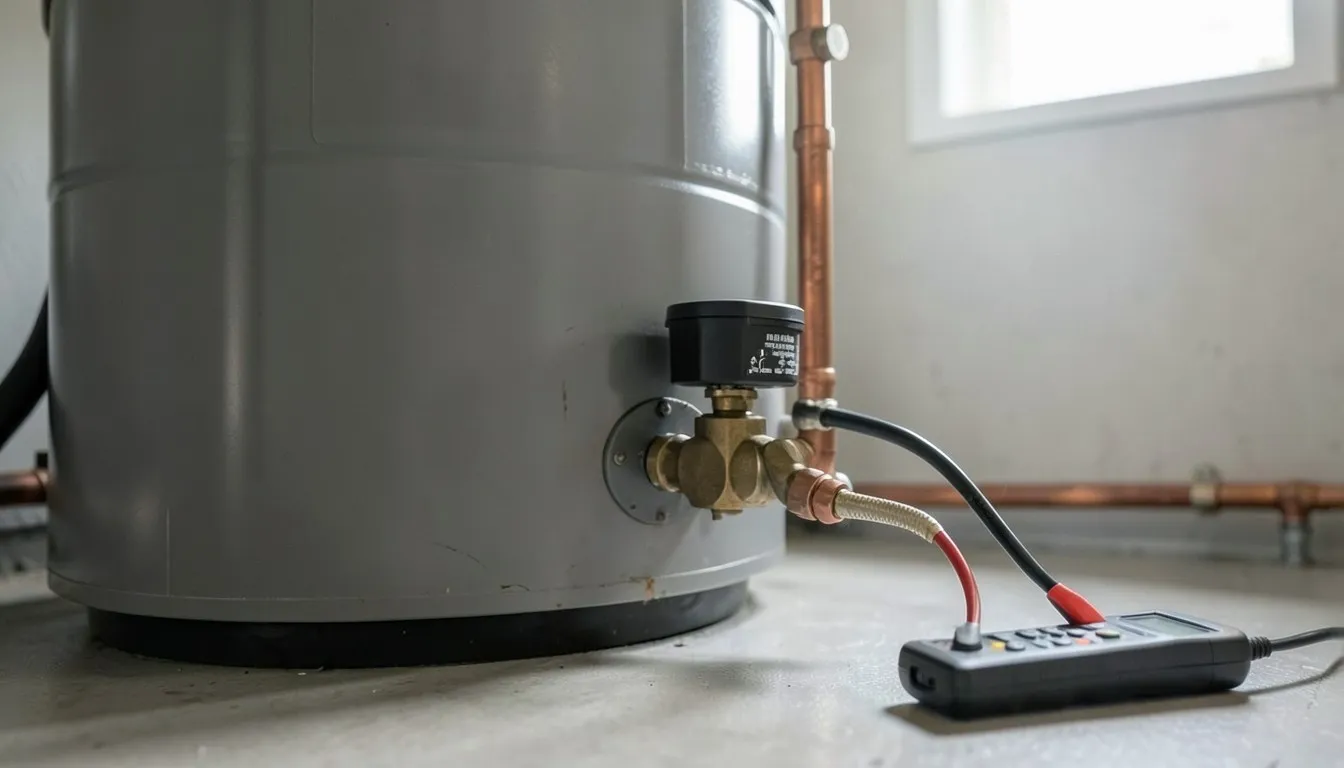
Emergency Water Heater Repair in Seattle, Washington
Water Heater Repair in Seattle, Washington fixes no-hot-water, leaking tank, pilot light, and thermostat issues. Local conditions in Seattle: water measured at 1.8, a 12 frost line and a median home age of 50 years.
Active water damage compounds by the hour — the 24/7 line connects calls to independent local plumbers serving Seattle in our partner's network.
Who do I call for a water heater problem in Seattle?
A plumber handles water heater repair and replacement in Seattle. It is urgent when water is leaking around the tank or there is no hot water at all. If you smell gas near a gas water heater, follow the gas-safety order at the top of this page before anything else.
What does the local plumbing data show for Seattle, WA?
Seeing these conditions at your place in Seattle? Describe them on the call to a state-licensed local plumber — free, no obligation.
What are the pipe conditions in Seattle, WA?
Water heater repair in Seattle starts with isolating the failure mode: a unit producing no hot water usually has a failed heating element or thermostat (electric) or a pilot or gas valve issue (gas); a unit leaking at the base has a failed tank — a repair is not possible and replacement is immediate. Sediment flushing and anode rod replacement extend the life of units under 10 years significantly; units over 12 years are typically beyond economic repair. AlertPlumber routes your call to an independent Washington-licensed plumber — ask them to diagnose before recommending repair vs. replacement.
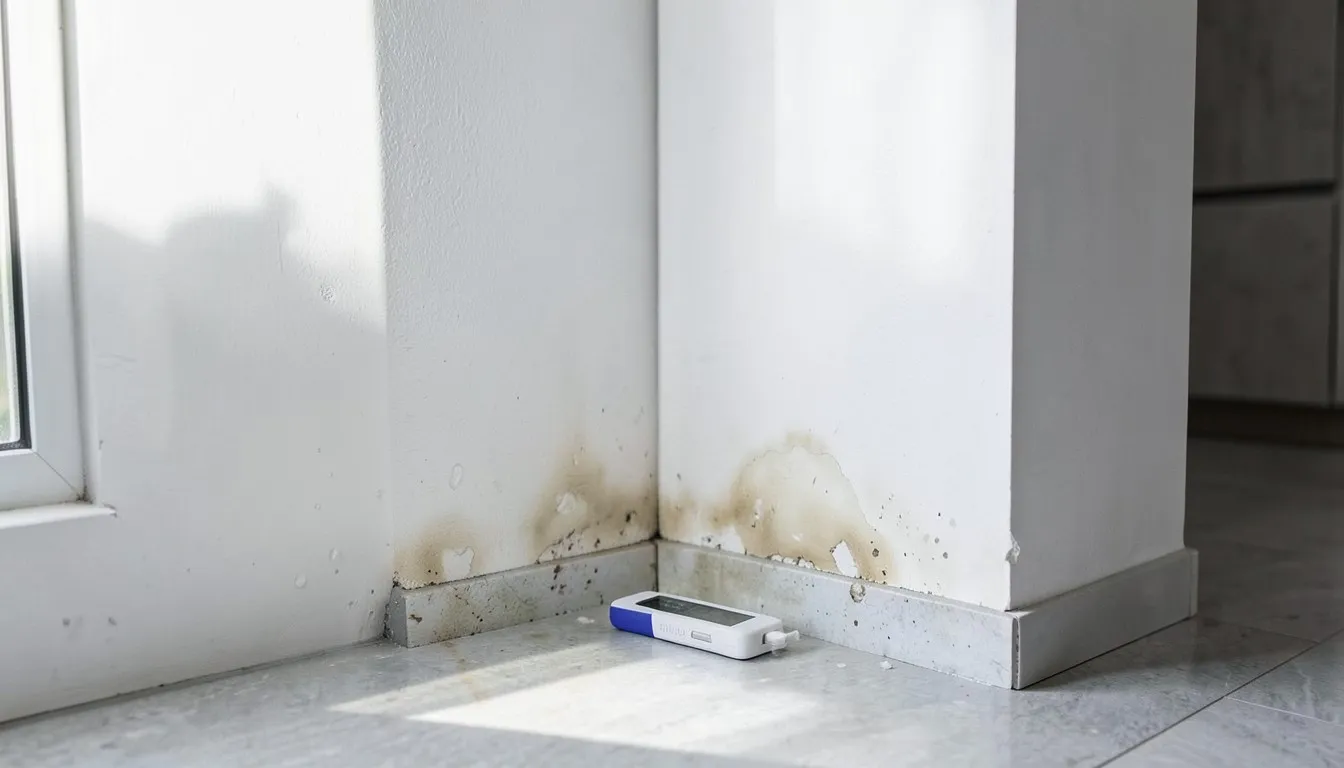
Seattle's housing stock spans multiple construction eras — median home age 50 years — meaning pipe materials and failure modes vary significantly by neighborhood and building vintage. An inspection-led approach that confirms pipe material before recommending a service path is standard practice for mixed housing profiles. Homes of other eras in Seattle may have galvanized pipe, copper pipe or polybutylene supply lines instead; ask the plumber which your home has.
- Median home age
- 50 yrs
- Water hardness
- 1.8 gpg
- Frost line
- 12 in.
- Permit
- City fee schedule
Census housing age, Seattle city, Washington: median year built 1976; 38.4% of homes built before 1960, 52.8% before 1980. Source: U.S. Census Bureau, ACS 2020–2024 5-year estimates, tables B25034 and B25035, read 2026-09-30.
Mention these conditions when you describe the symptom to the WA plumber you reach.
What local infrastructure shapes Water Heater Repair in Seattle?
Seattle water heater repair in post-war residential construction shares the soft-water anode depletion dynamic of Portland but in a slightly larger distribution system: Seattle Public Utilities Cedar River and Tolt River supply delivers approximately 1.8 grains per gallon — soft water that runs through tank units without depositing the mineral scale that buffers the electrochemical anode reaction in harder-water markets. Anode rod service life in Seattle is shortened relative to the national median, and units in 65-year-median-age post-war housing often have never had an anode rod inspection or replacement.
Seattle post-war housing at 50 years median age includes galvanized steel supply lines in original construction and copper branch connections in mid-century additions — the same mixed-material profile as Portland. At 1.8 GPG, dissimilar metal joints at galvanized-to-copper transitions operate without mineral passivation, producing galvanic corrosion that concentrates at fitting junctions including those at the water heater inlet. The 1,800 confirmed lead service lateral connections in the Seattle distribution area, combined with soft water that accelerates lead leaching, affect inlet supply chemistry for units in older neighborhoods.
The permit covers water heater repair and replacement scope. Washington reports 9,860 licensed plumbing contractors serving the King County market. Anode inspection and soft-water corrosion assessment of supply connections at the inlet fitting are standard first steps in the Seattle water heater repair evaluation. Permit fee ranges: permit fee estimator.
What shapes plumbing demand in Seattle, WA?
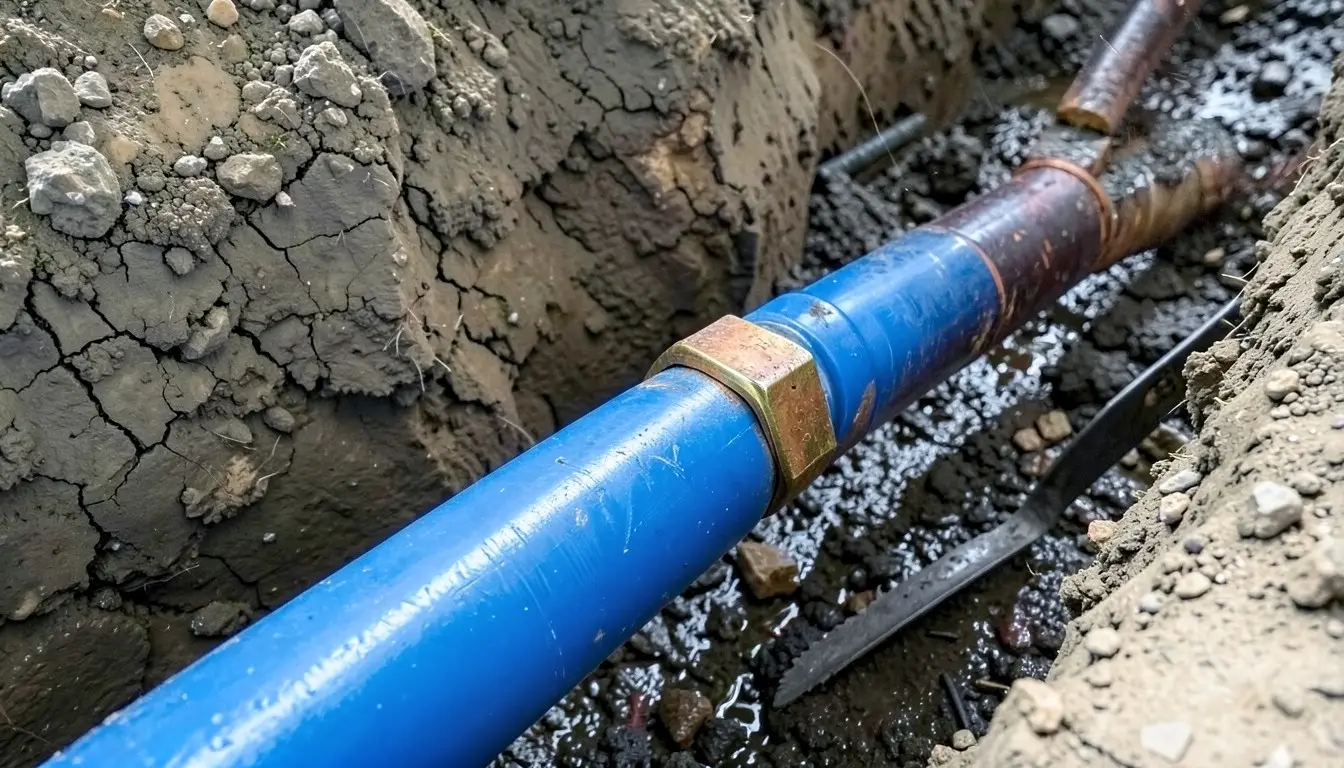
1950s–70s copper supply is now 50–70 years into its service cycle in Seattle. Thermal fatigue at fittings and slab-on-grade access complexity — common in Sun Belt construction — make repair vs. replacement a live decision on most jobs. This housing cohort is the active primary replacement wave in this market.
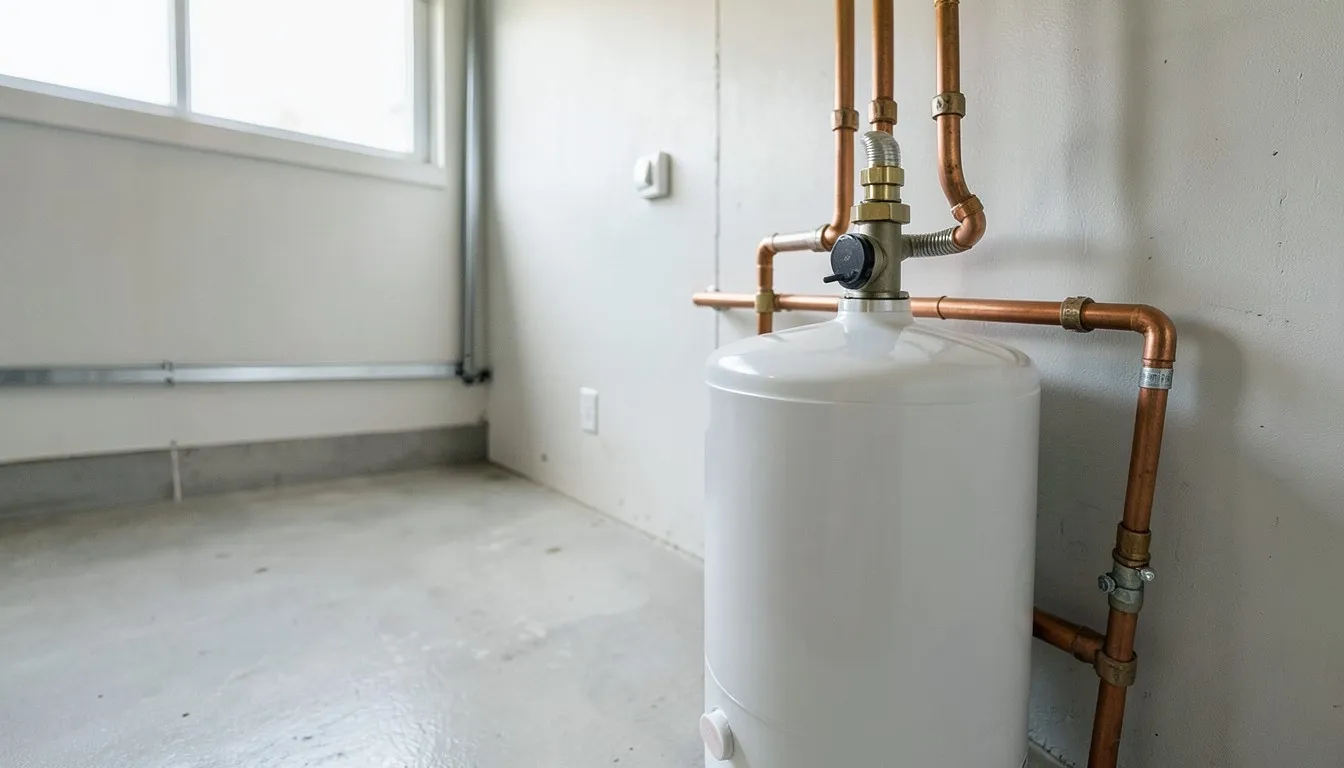
Soft, slightly acidic water in Seattle is corrosive to copper pipe and solder joints — the opposite failure pattern from hard-water markets. Pinhole failure at fittings and elbows is the dominant non-emergency repair category. Anode rods also deplete faster in soft water, shortening effective tank life without timely replacement.
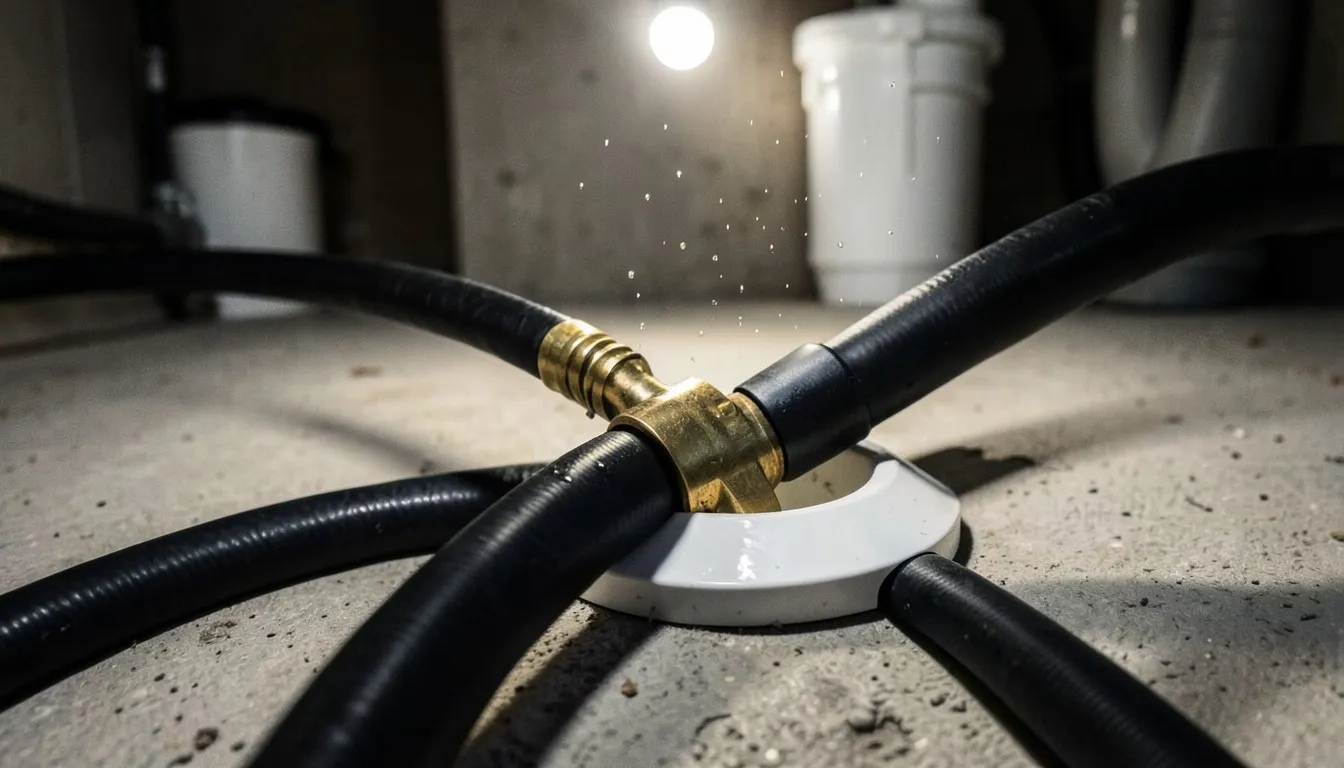
Without a hard freeze season, demand in Seattle distributes evenly through the year. Maintenance-driven categories dominate: end-of-life water heater replacement, root intrusion clearing, and fixture repair. Deferred maintenance surfaces gradually as partial failures rather than acute winter emergencies — which means issues compound silently until they become a larger job.
Should you repair or replace a water heater in Seattle?
- Where the water is coming from: ask whether a leak is at a replaceable part (a valve, fitting or drain valve) or the tank itself — the answer usually decides repair versus replacement.
- Age: the rating plate or serial number shows when the unit was made. Ask the plumber how old yours is and how that changes the advice.
- Symptom: no hot water, not enough hot water, rusty water or rumbling each point to different parts. Ask which part has failed and whether the rest of the unit is sound.
- Fit: if the size and fuel type have suited your household, a like-for-like replacement keeps the job simple.
52.8% of Seattle homes were built before 1980 and the median home was built in 1976 (U.S. Census Bureau, ACS 2020–2024). In an older home, ask the plumber to look at the shutoff valve and supply connections at the same visit.
“If your current water heater meets your needs most of the time, you can probably replace it with one the same size.”
— ENERGY STAR (U.S. EPA), read 2026-10-01
“To make your life easier, plan ahead for your next water heater replacement and you will have time to research and select the best technology for your situation before it's an emergency.”
— ENERGY STAR (U.S. EPA), read 2026-10-01
Price ranges live on the cost guides: water heater repair cost → · water heater replacement cost → · signs a water heater needs replacing →
Tank or tankless: which water heater fits a Seattle home?
- Sizing works differently: ask the plumber to size a tankless unit from the fixtures you run at the same time, not from the old tank’s gallons.
- For a gas tankless unit, ask whether the gas line and venting need changes; for an electric one, whether the electrical panel can carry it.
- Replacing like for like is usually the simpler job; switching type changes the installation, so ask for both options in writing.
“While the capacity of gas storage water heaters is based on the number of gallons that will fit in the tank, tankless models are rated by how many gallons of hot water they produce per minute (GPM).”
— ENERGY STAR (U.S. EPA), read 2026-10-01
“By heating water only when it's needed, ENERGY STAR certified gas tankless water heaters cut water heating expenses, while also providing continuous hot water delivery.”
— ENERGY STAR (U.S. EPA), read 2026-10-01
Gas water heaters: if you smell gas, the Public Service Commission of Wisconsin says:
“If you smell natural gas leave the area immediately and, from a safe distance outdoors, call the local gas utility's emergency number or 911.”
— Public Service Commission of Wisconsin, read 2026-09-29
Tankless vs tank water heater compared → · tankless installation cost → · tankless sizing guide → · Water Heater Installation in Seattle → · Tankless Water Heater Installation in Seattle →
Active damage in Seattle — how is it contained, assessed and restored?
Submit your Seattle address and describe the active damage — flooding, failed shutoff, burst or frozen line. AlertPlumber passes the request to an independent WA-licensed plumber in its partner's network — ask them to confirm receipt and give you an arrival window.
On arrival, ask the plumber to locate the nearest shutoff and map the damage boundary — affected lines, access points, material condition — and to tell you what requires immediate containment and what can wait until the full repair scope is confirmed.
Ask for a written containment and repair scope to approve before any work begins, with temporary isolation priced separately from full restoration. Give your explicit sign-off before each phase proceeds.
Water Heater Repair cost calculator — Seattle
Pre-filled for water heater repair in Seattle. Adjust the ZIP for a neighboring area, or change the service to compare. Calculator pulls from the city's scraped permit-fee + state plumber-density data.
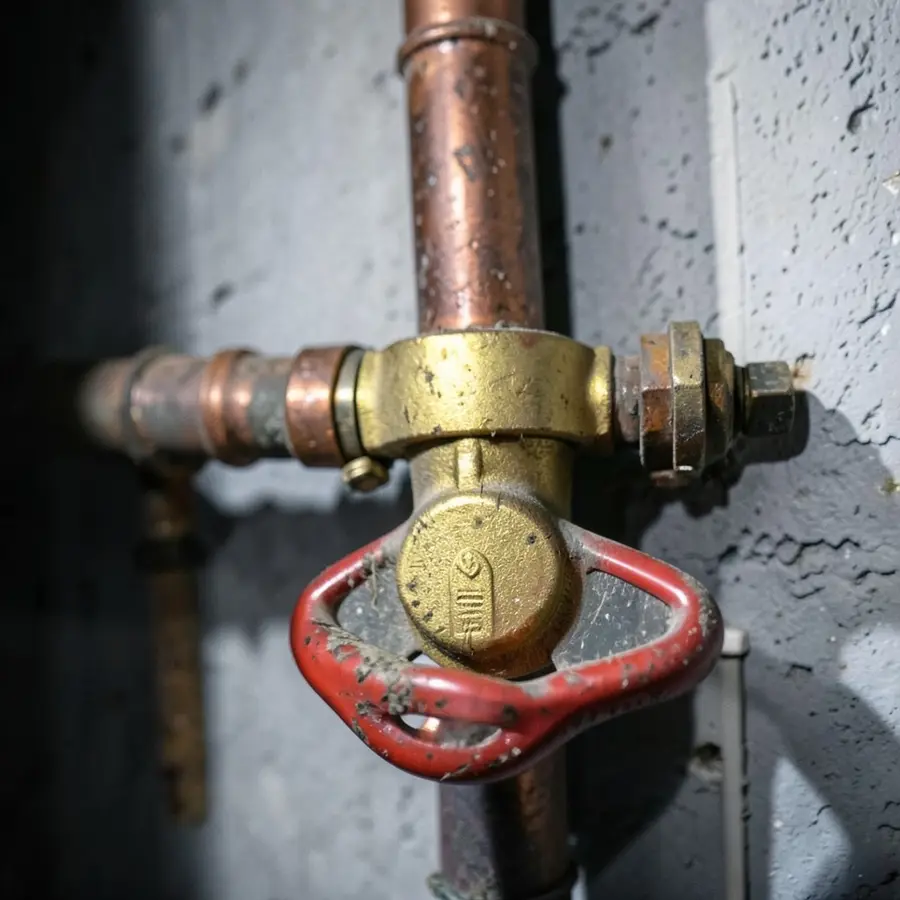
Water Heater Repair emergency in Seattle?
Every hour without a repair increases structural risk and remediation cost. Calls connect to independent local plumbers in our partner's network — ask for an arrival time and a written estimate.
What else do people ask about water heater repair in Seattle?
How much does water heater repair cost in Seattle?
Seattle water-heater repair quotes typically run a scope-based price for a component repair (element, thermostat, T&P valve, anode rod swap) and a scope-based price for a full 40–50 gallon tank replacement installed. The Seattle Department of Construction & Inspections permit fee is bundled into replacement quotes. Seattle's tankless conversion rate is among the highest in the country because mid-century mechanical rooms in 1959-era homes are tight on floor space. Price ranges: water heater repair cost guide.
How fast can a Seattle plumber arrive for no hot water?
Arrival times depend on which independent plumber takes the call, the time of day and the season — ask for an arrival window on the call. With only 23 freeze days a year, Seattle call-out loads stay relatively flat through winter — there is no January spike like Boston or Minneapolis. The matched plumber gives a firm ETA on the callback before rolling out.
Do I need a permit for water heater repair in Seattle?
No permit is required for component repair (element, thermostat, T&P valve, anode rod). A full tank or tankless replacement requires a Seattle Department of Construction & Inspections permit at the scheduled fee plus inspection. Washington state requires a licensed plumber on every water-heater install — there are 9,860 licensed WA plumbers statewide registered with the Department of Labor & Industries. Ask whether the plumber will pull the permit through Seattle Public Utilities. Permit fee ranges: permit fee estimator.
Why is my Seattle water heater leaking from the bottom?
Seattle bottom-tank leaks are most often from anode-rod failure — Cedar River source water has a pH of 8.0+ and is very soft (1.8 gpg), which corrodes magnesium and aluminum anode rods faster than scale-prone water markets. Once the anode is consumed (often in 3–5 years on Seattle water vs 5–7 nationally), the steel tank corrodes from the inside and perforates. If your tank is over 6 years and leaking from the base, the inner tank is likely compromised — replacement, not repair.
How long should a water heater last in Seattle?
Seattle tanks average 8–11 years, slightly under the 12–15 year national average — counter-intuitive given the soft 1.8 gpg water. The cause is the high-pH (8.0+) Cedar River supply, which aggressively corrodes the sacrificial anode rod. Seattle plumbers commonly recommend swapping the anode at year 3 and again at year 6 to extend tank life to 13–15 years. Tankless units, which lack a sacrificial anode, often outlast tanks here — one reason for Seattle's high tankless conversion rate.
My Seattle tank is 9 years old — repair or replace?
If you have replaced the anode rod twice and the tank is sound, repair is reasonable until age 11. If the anode has never been replaced and the tank is at year 9 on Seattle's pH 8.0+ water, the inner tank is likely thin — replace before it perforates. Many Seattle homeowners use the replacement window to convert to tankless, freeing up the cramped 1959-era mechanical room. A tankless conversion runs a scope-based price vs a scope-based price for a like-for-like tank. Price ranges: water heater repair cost guide.
Will Washington homeowners insurance cover water heater damage?
Washington homeowners policies cover sudden, accidental discharge from a tank rupture but exclude wear-related failures. Seattle-area insurers are particularly strict on water-heater claims because the soft, high-pH water shortens tank life — claims filed on a 12+ year tank are routinely denied as wear-and-tear. Document anode-rod replacements and any service work; a service-history file makes claim approval much easier.
Why does my Seattle water heater make a buzzing or humming noise?
Buzzing on a Seattle electric water heater is usually a loose heating-element connection or a failing element rattling from vibration in soft water (1.8 gpg leaves no mineral cushion in the tank). Humming on a gas unit can be the burner blower bearing or a failing gas valve. A independent plumber can isolate in 20 minutes. Sediment-rumble is rare in Seattle compared to hard-water markets like Phoenix or Dallas.
Should I switch to tankless in Seattle instead?
Tankless makes more sense in Seattle than in most U.S. markets for two reasons: (1) the soft 1.8 gpg water means almost no scale buildup in the heat exchanger (annual descaling, not quarterly), and (2) the cramped 1959-era mechanical rooms benefit from the wall-mounted footprint. Gas tankless install runs a scope-based price; electric whole-home runs a scope-based price. With Seattle's short tank life (8–11 years), the tankless 18–22 year lifespan often pays back twice. Price ranges: water heater repair cost guide.
How do I check the license of a plumber in Washington?
Yes. Every plumber reached through AlertPlumber for water-heater work in Seattle holds an active Washington plumber certificate issued by the WA Department of Labor & Industries. Check the plumber's license against the state L&I database yourself (9,860 licensed WA plumbers statewide). Seattle Public Utilities and the Seattle Department of Construction & Inspections require a Washington-licensed plumber for every permitted water-heater install.
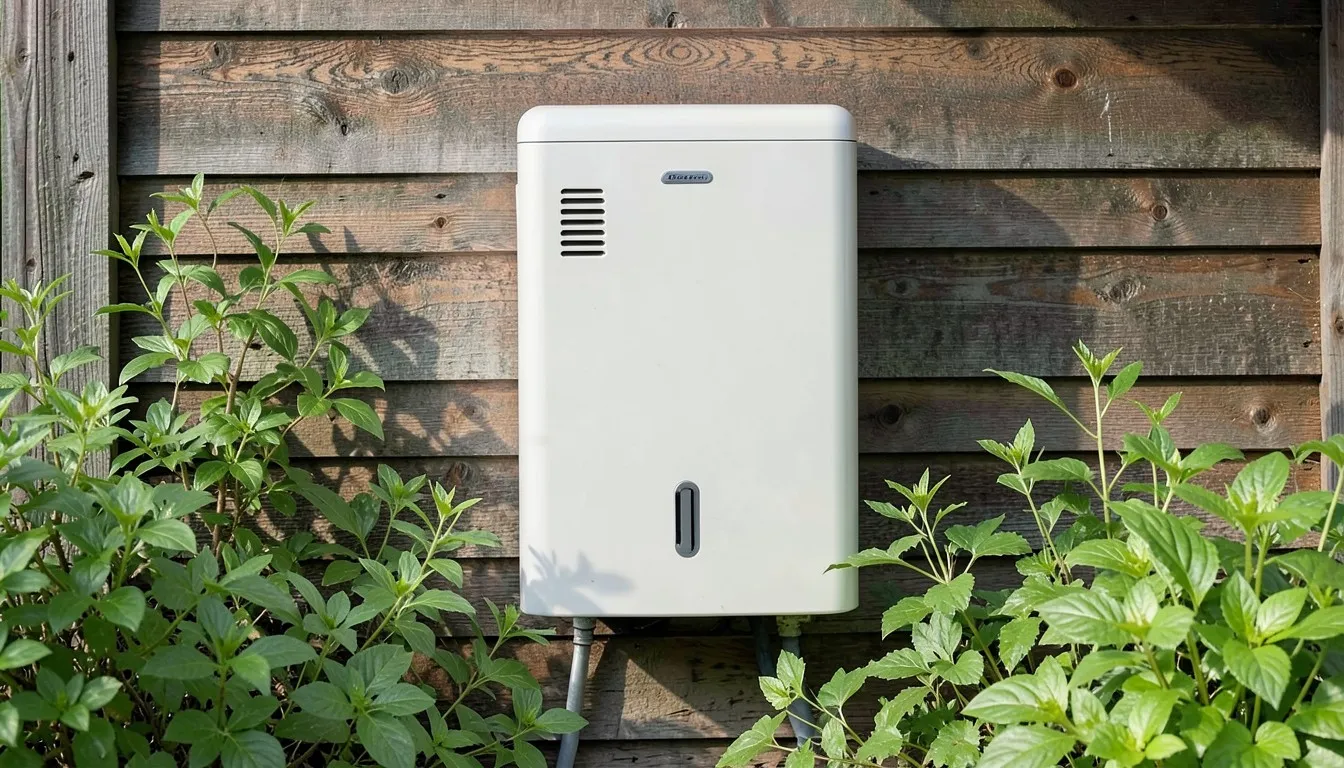
One call puts your problem in front of a local plumber.
Call the number, or put your number in the form below — the request goes to an independent Washington plumber in our partner's network; ask about the water heater repair and for a written estimate.
Need a water heater repair callback in Seattle?
In a meeting, with the kids, or just prefer not to call? Drop your ZIP and number below. AlertPlumber sends your request to our routing partner — if a participating plumber serves your area, they may call you back directly. For anything urgent, call the number on this page.
- 1 Submit your info. ZIP, phone, and what kind of work you need.
- 2 AlertPlumber passes it on to our routing partner for your area.
- 3 If a participating plumber serves your area, they may call you back. Ask for a written estimate before work starts.
Water Heater Repair in Seattle — when to call
Acute plumbing failures cannot wait. AlertPlumber routes calls about water heater repair in Seattle to independent Washington plumbers in our partner's network — call now or submit the form above for a callback.