
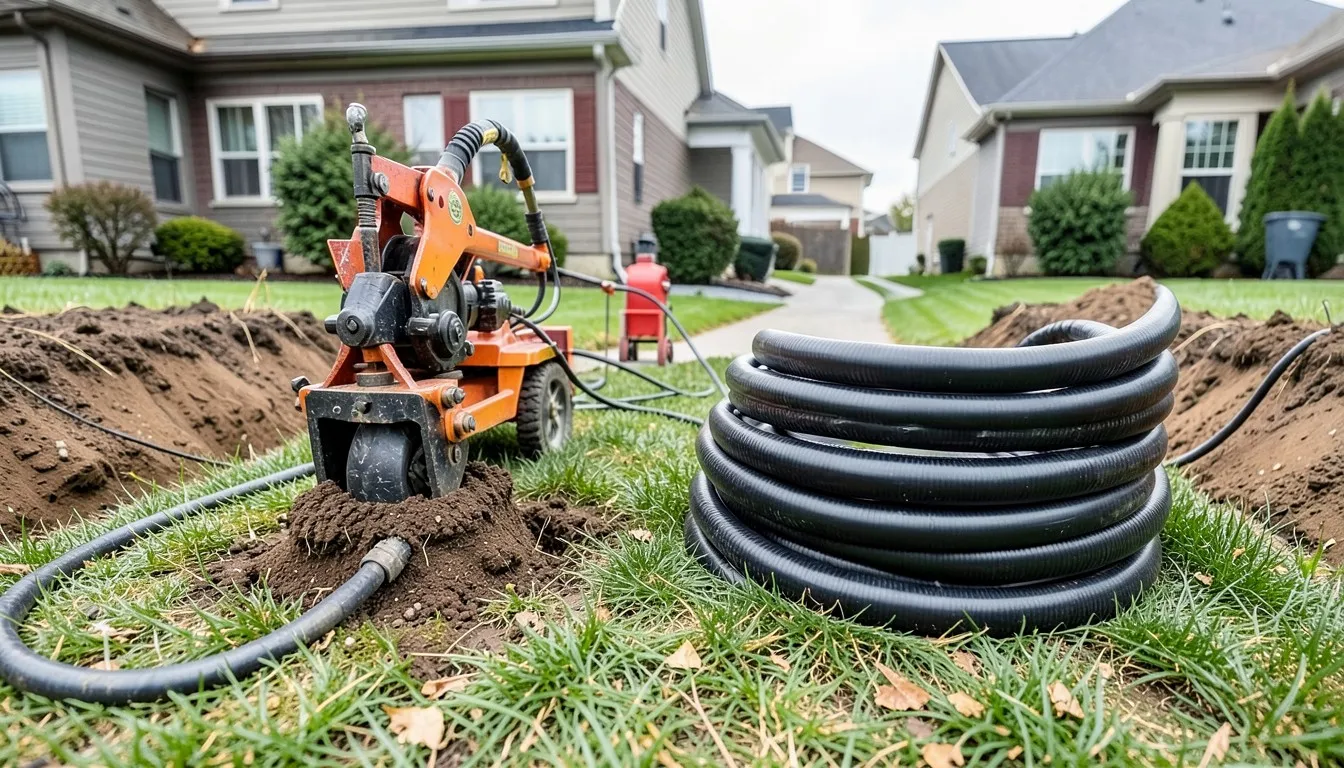
Sewer Line Replacement in Seattle, Washington
Sewer Line Replacement in Seattle, Washington is full sewer line replacement (trenched or trenchless pipe bursting). Local conditions in Seattle: water measured at 1.8, a 12 frost line and a median home age of 65 years.
Permitted, inspected, documented — Seattle work done right the first time by a licensed WA plumber.
What does the local plumbing data show for Seattle, WA?
Seeing these conditions at your place in Seattle? A state-licensed plumber can confirm it over the phone — free, no obligation.
What are the pipe conditions in Seattle, WA?
Full sewer line replacement in Seattle involves a trench or trenchless decision that depends on pipe depth, surface conditions, and access constraints. Traditional open-cut excavation costs less per foot but requires restoration of landscaping, concrete, or asphalt. CIPP (cured-in-place pipe lining) and pipe bursting are trenchless alternatives for pipes 4 inches and larger where the host pipe has sufficient structural integrity to guide the liner. AlertPlumber connects you with a Washington-licensed plumber who assesses both methods and provides a written comparison before work begins.
Seattle's housing stock spans multiple construction eras — median home age 65 years — meaning pipe materials and failure modes vary significantly by neighborhood and building vintage. An inspection-led approach that confirms pipe material before recommending a service path is standard practice for mixed housing profiles.
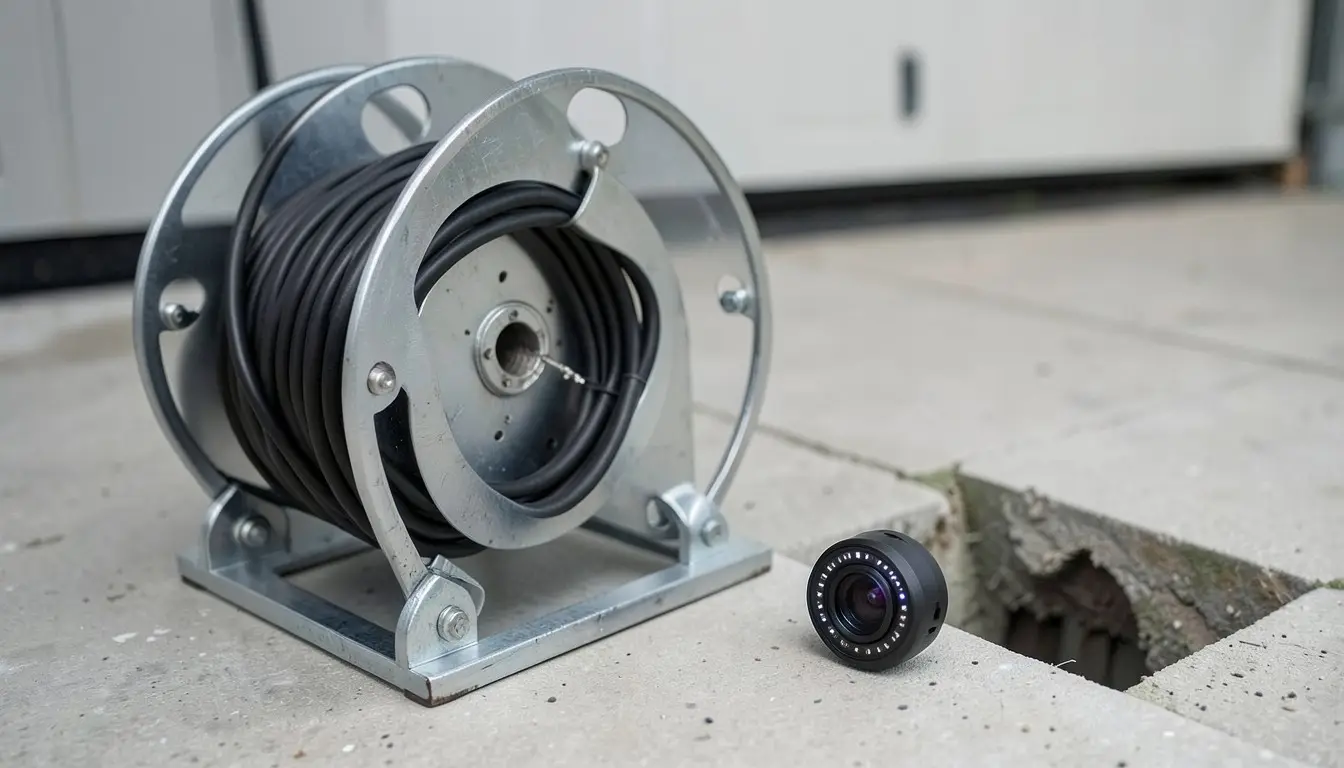
- Median home age
- 65 yrs
- Water hardness
- 1.8 gpg
- Frost line
- 12 in.
- Permit
- $165
A licensed WA plumber reads these conditions the moment you describe the symptom.
What local infrastructure shapes Sewer Line Replacement in Seattle?
Post-war vitrified clay laterals from the late 1940s through 1960s are the dominant replacement stock in Wallingford, Fremont, and Capitol Hill, where 65-year median home age places original clay pipe well into root infiltration and joint displacement cycles. Big-leaf maple and red alder roots throughout Seattle's residential canopy are particularly aggressive lateral infiltrators, with root masses in 4-inch and 6-inch clay laterals capable of reducing bore by 90 percent before any indoor symptom appears.
Seattle's glacially deposited soils include hardpan till in the upland neighborhoods and soft marine sediments in the lower elevations near Elliott Bay and Lake Union, creating variable trench stability profiles that affect excavation cost by neighborhood. Hillside lateral runs may require shoring in soft marine clay neighborhoods to stabilize open trench walls during replacement scope. Seattle Public Utilities operates a combined sewer system in most older residential neighborhoods, requiring lateral replacement near the main connection to coordinate with SPU to avoid storm-surge backpressure during open-trench periods.
Lateral replacement requires a $165 permit from Seattle Public Utilities. Homeowners own the lateral from the building to the sanitary main. CIPP lining is well-suited to Seattle's clay stock where bore deflection is within NASSCO structural limits; pipe bursting is preferred for offset joints in hillside neighborhoods where open excavation through hardpan till would be prohibitively expensive.
What shapes plumbing demand in Seattle, WA?
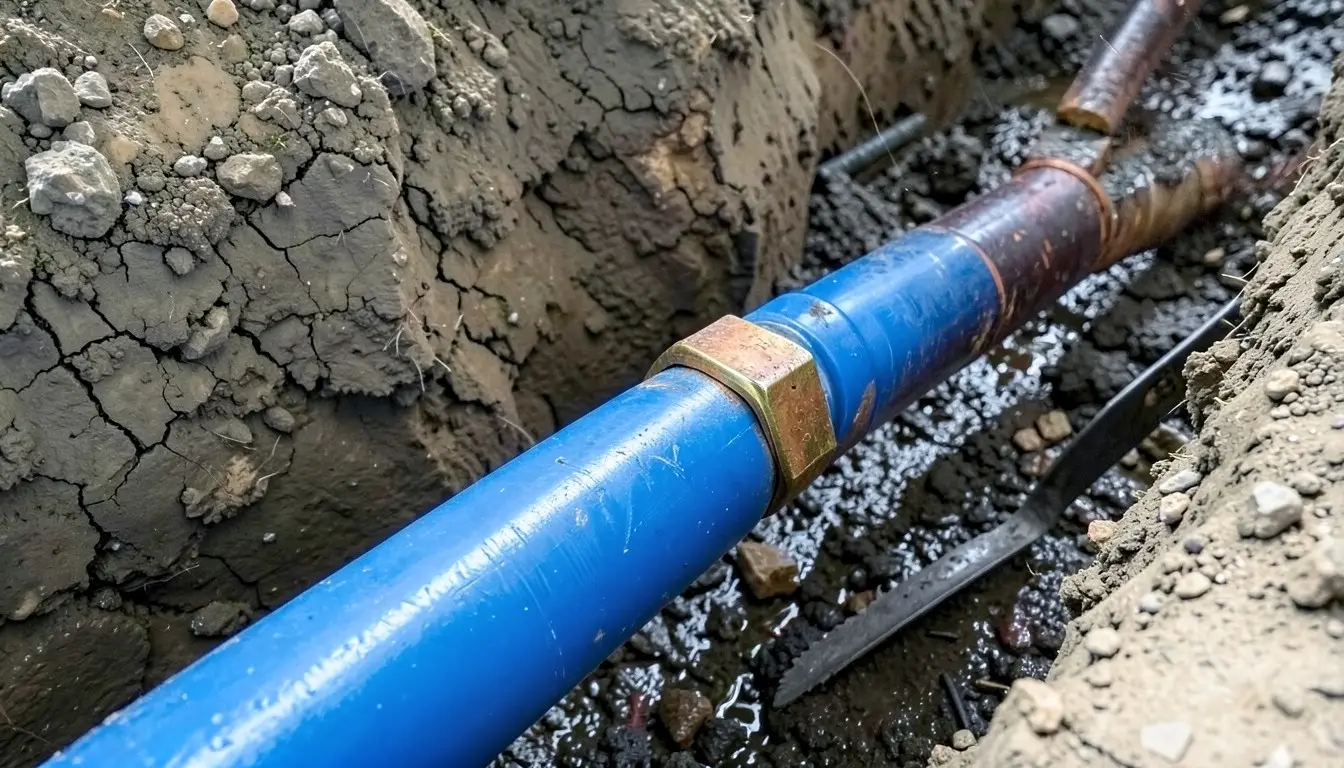
1950s–70s copper supply is now 50–70 years into its service cycle in Seattle. Thermal fatigue at fittings and slab-on-grade access complexity — common in Sun Belt construction — make repair vs. replacement a live decision on most jobs. This housing cohort is the active primary replacement wave in this market.
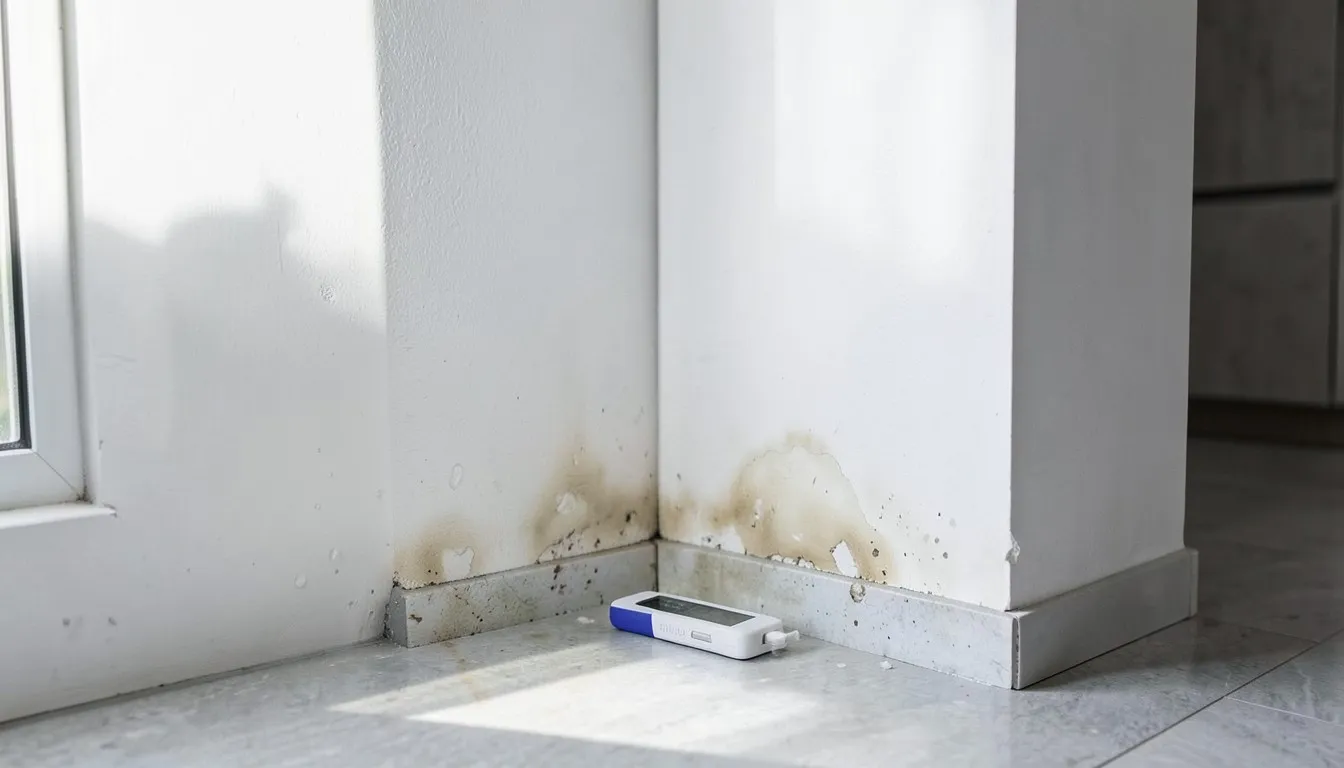
Soft, slightly acidic water in Seattle is corrosive to copper pipe and solder joints — the opposite failure pattern from hard-water markets. Pinhole failure at fittings and elbows is the dominant non-emergency repair category. Anode rods also deplete faster in soft water, shortening effective tank life without timely replacement.
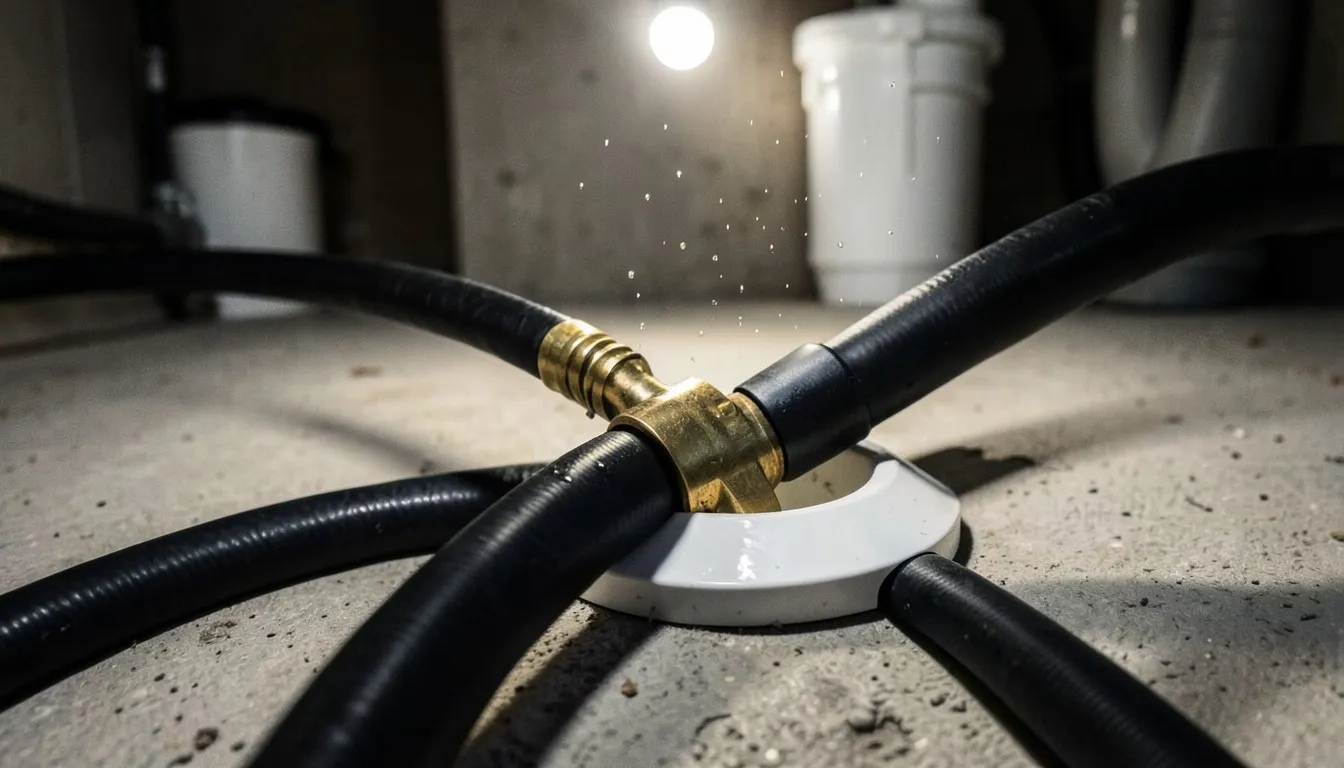
Without a hard freeze season, demand in Seattle distributes evenly through the year. Maintenance-driven categories dominate: end-of-life water heater replacement, root intrusion clearing, and fixture repair. Deferred maintenance surfaces gradually as partial failures rather than acute winter emergencies — which means issues compound silently until they become a larger job.
How does permit-required work run in Seattle, application through certificate?
A Washington-licensed contractor prepares the permit application — drawings, specifications, contractor license number — and submits it to the Seattle building department. Issuance typically takes 3–10 business days. No construction begins until the permit is in hand.
Once Seattle issues the permit, the contractor notifies affected utilities — gas, water, electrical — as required by the permit scope. Work follows the approved drawings; any scope change requires an amended permit before that portion starts.
The contractor schedules the final inspection with the Seattle building department inspector. After sign-off, a certificate of completion is issued. All permit documentation is filed with the city; you receive copies for home records and future property disclosure.
Sewer Line Replacement cost calculator — Seattle
Pre-filled for sewer line replacement in Seattle. Adjust the ZIP for a neighboring area, or change the service to compare. Calculator pulls from the city's scraped permit-fee + state plumber-density data.
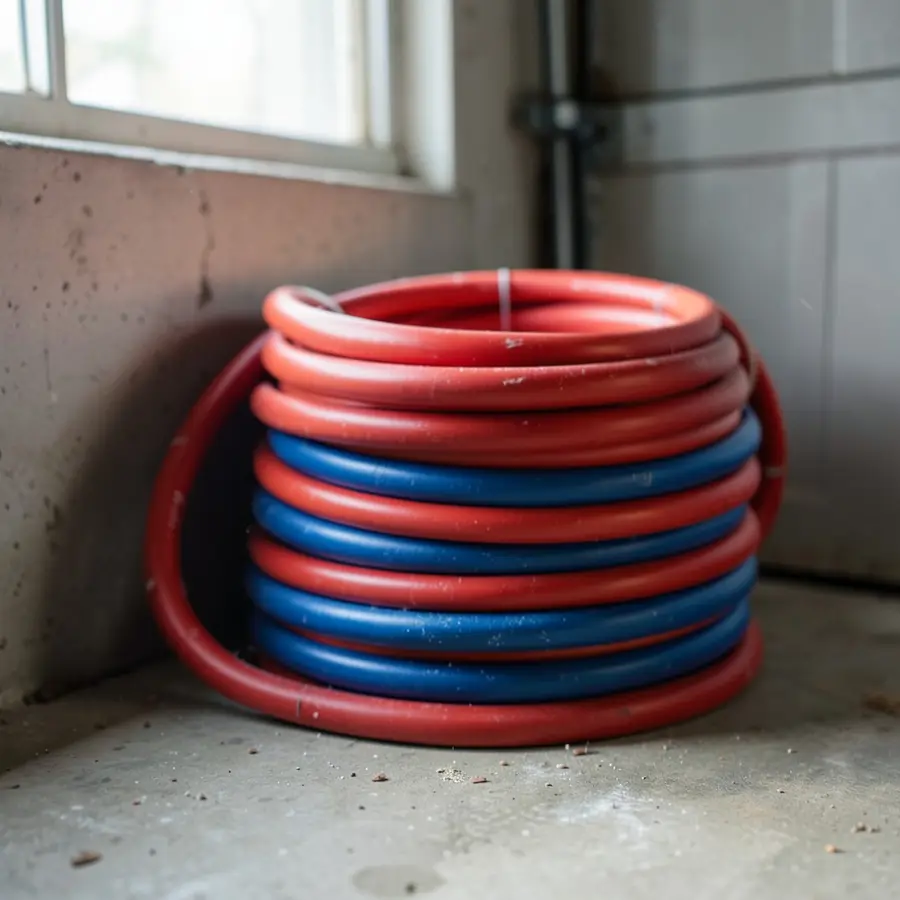
Sewer Line Replacement in Seattle — permitted work protects your home’s value.
Unpermitted plumbing affects insurance claims and resale disclosures in Washington. A licensed Washington plumber calls back and confirms permit requirements for your address.
What else do people ask about sewer line replacement in Seattle?
How much does sewer line replacement cost in Seattle, WA?
Sewer line replacement in Seattle runs $4,025–$13,800 for trenched work and roughly 15–25% more for trenchless pipe bursting (national $3,500–$12,000 adjusted roughly 15% above national average). The Seattle plumbing permit minimum is $165 (WA L&I). Final cost varies with lateral length, depth, and whether the run goes under driveways or mature landscaping.
Trenchless or trenched in Seattle — which method is right?
Seattle's glacial clay/sandy loam soil makes excavation expensive, so trenchless pipe bursting is the dominant method — especially under driveways, mature trees, and hardscape. Trenchless pulls a new HDPE liner through the existing pipe footprint with minimal yard disruption. The verified plumber runs a camera inspection first to confirm method.
Do I need a permit for sewer line replacement in Seattle?
Yes — any work on the sewer lateral requires a WA L&I plumbing permit ($165 minimum in Seattle) plus a city sewer-tap inspection. The connection at the property line typically requires a separate utility permit. The matched plumber pulls both permits and coordinates the inspection schedule so the trench isn't reopened.
How much of my Seattle sewer problem is root intrusion?
Seattle's glacial clay/sandy loam soil holds moisture that attracts tree roots through joints in old clay pipe — this is the #1 cause of lateral failures in Seattle's pre-1980 housing stock. A camera inspection identifies whether you have offsets, root mass, or a full collapse — that determines spot repair vs full replacement.
How long does sewer replacement take in Seattle?
Trenchless pipe bursting typically wraps in one day for a residential lateral (40–80 ft). Traditional trenched replacement takes 2–3 days including backfill, permit inspection, and surface restoration. Seattle's shallow frost makes year-round scheduling easy. Surface restoration (concrete, landscaping) can add another 1–2 weeks.
What's underground at my Seattle home — clay, Orangeburg, or PVC?
Seattle's median home age is 55 years, so most laterals are 1940s-70s Orangeburg. Newer Seattle stock typically has ABS or PVC, which lasts 50+ years but can still fail at joints or under settling soil. The camera inspection identifies the material on sight.
When should I replace vs repair my Seattle sewer line?
Replace if the camera shows: multiple offset joints, more than 30% pipe wall loss, a belly that holds standing water, or Orangeburg material. Spot repair works for: a single root intrusion at one joint, or a localized crack in otherwise sound pipe. The verified Washington plumber walks you through the camera footage before you commit either way.
Will my Seattle homeowners insurance cover sewer line replacement?
Standard Washington homeowners policies typically do NOT cover sewer-lateral replacement unless you've added a service-line endorsement (often $50–$80/yr). They may cover water damage from a sewer-backup event, subject to your deductible and a separate sewer-backup endorsement. Confirm with your carrier before assuming coverage — the matched plumber can document the failure for the claim.
Is Seattle on combined or separate sewers — does it matter for my lateral?
Seattle runs a separate sewer system — your sanitary lateral is independent from storm drainage. Replacement work only touches the sanitary side and doesn't trigger storm-drain inspection. Permit scope is simpler than combined-sewer cities.
Are AlertPlumber-matched sewer contractors verified in WA?
Yes. Every contractor matched through AlertPlumber for Seattle sewer-replacement work holds an active WA L&I license. Sewer-replacement plumbers in the network also carry the supplemental excavation/utility-locator certifications required to legally cut into the public right-of-way and tie back to the city main.
A written quote costs you nothing. Guessing costs you the job.
The form below takes under a minute — a licensed Washington plumber calls back, scopes the sewer line replacement, and quotes it in writing before anyone rolls a truck.
Need a sewer line replacement callback in Seattle?
In a meeting, with the kids, or just prefer not to hold? Drop your ZIP and number below. AlertPlumber routes your request to a verified plumber in your area — they’ll call you back directly.
- 1 Submit your info. ZIP, phone, and what kind of work you need.
- 2 AlertPlumber matches you with a verified plumber serving your area.
- 3 The plumber calls you back with a written estimate, no obligation.
Sewer Line Replacement in Seattle — compliant installation
Permitted sewer line replacement protects your home's resale value and keeps insurance claims defensible in Washington. A licensed plumber pulls the required permits and provides a written scope before work starts.