
Clog
A partial or complete blockage inside a drain pipe that restricts or stops water flow. Clogs are caused by buildup of hair, grease, soap, food particles, or non-flushable materials.
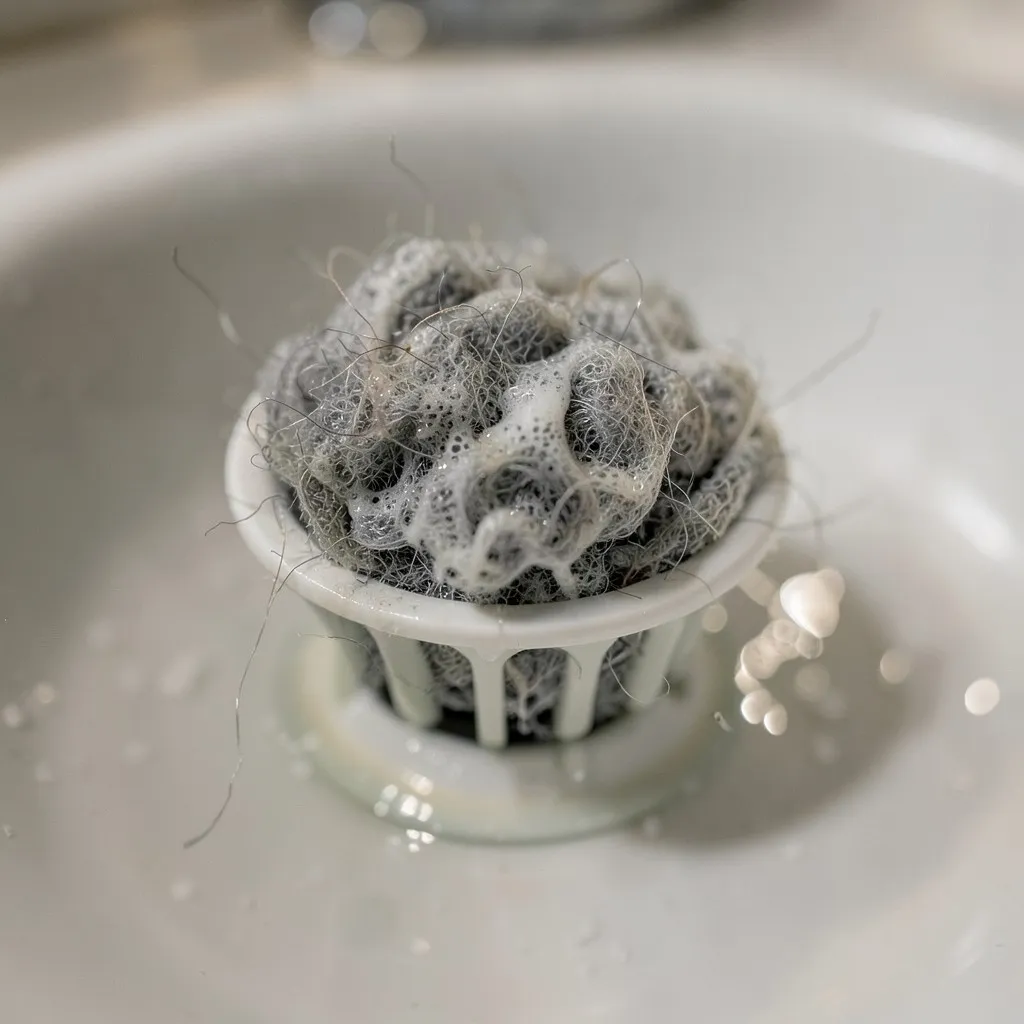
A clog (also called a blockage or stoppage) is a partial or complete obstruction inside a drain or sewer pipe that restricts or stops the flow of wastewater. Clogs are the most common plumbing service call — the American Society of Plumbing Engineers estimates that drain stoppages account for more than 40% of all emergency plumbing calls. Understanding what causes clogs and where they form is the key to preventing them and choosing the right remedy.
What causes clogs?
- Hair and soap scum: the #1 cause of bathroom sink and tub drain clogs. Hair binds with soap residue to form a dense, matted mass at the P-trap or stopper. Prevented by a drain screen over the stopper.
- Grease and food: the leading cause of kitchen sink clogs. Grease enters the drain warm (liquid), cools on the pipe walls, and accumulates over time. Amplified by foods like coffee grounds, pasta, and rice that expand in the pipe.
- Non-flushable wipes: "flushable" wipes, paper towels, and feminine hygiene products are the leading cause of toilet and main-drain clogs. Unlike toilet paper, they don't disintegrate in water.
- Tree roots: roots infiltrate sewer laterals through cracks and joints, gradually filling the pipe — a common cause of recurrent drain backups in older homes with mature trees.
- Mineral buildup: scale from hard water can accumulate inside drain pipes (and especially hot water supply pipes) over decades, reducing diameter.
DIY or professional — how should you clear a clog?
A plunger clears soft, close-in clogs. A drain snake (hand auger or electric) reaches deeper blockages. Chemical drain cleaners work on organic clogs (hair, grease) but damage pipes over time and are ineffective on objects or roots. Professional hydrojetting removes everything — grease, scale, roots — and is the most thorough solution for recurring clogs. A plumber with a sewer camera can diagnose exactly where and why clogs keep recurring.
Researching the term is one thing — hiring for it is another. See drain cleaning services for scope, timelines, and what drives the price, or call (888) 530-4445 for a no-cost estimate.
For the full picture — materials, process, timelines and what drives the cost — read Drain Cleaning: The Complete Guide.
What related terms should you know?
What sources back this up?
Need a verified plumber for drain cleaning?
AlertPlumber matches you with a licensed plumber for drain cleaning. Written estimate before any work begins.