
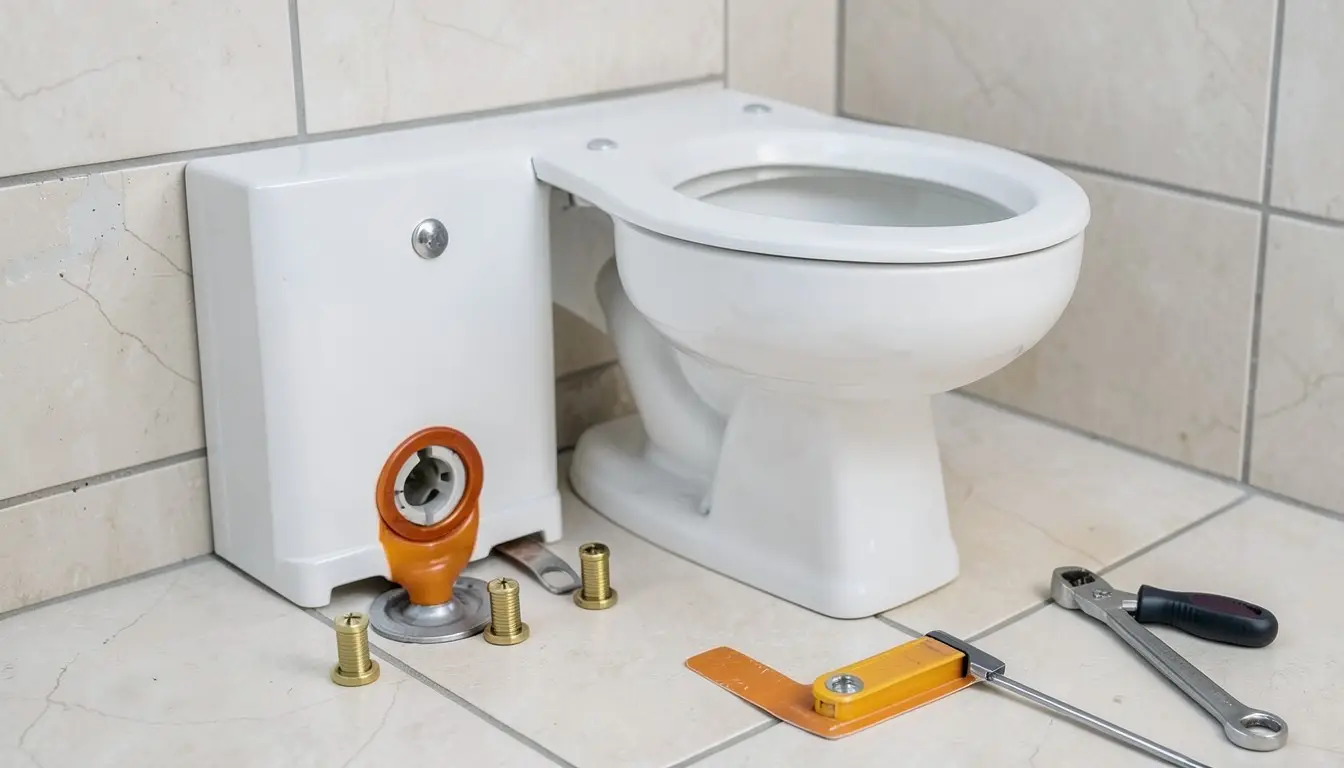
Toilet Installation in Seattle, Washington
Toilet Installation in Seattle, Washington is professional toilet installation for remodels, new construction, or replacement of cracked, leaking, or inefficient units. Local conditions in Seattle: water measured at 1.8, a 12 frost line and a median home age of 50 years.
Book it this week — ask the independent WA plumber you reach for a quote by phone before anyone comes out.
What does the local plumbing data show for Seattle, WA?
Seeing these conditions at your place in Seattle? Describe them on the call to a state-licensed local plumber — free, no obligation.
What are the pipe conditions in Seattle, WA?
Toilet installation varies more than most homeowners expect: rough-in distances that don't match standard 12-inch spec require an offset flange or special-order fixture, and a wax ring that's been leaking at the floor seal can mean subfloor rot beneath the tile. Seattle's housing stock includes homes from multiple construction eras — pre-war and post-war bathrooms frequently have non-standard rough-ins, aged cast-iron flanges, and corroded supply stop valves that need replacement during the same appointment. AlertPlumber connects your call with an independent Washington-licensed plumber — ask them to confirm the rough-in, inspect the flange and subfloor condition, and give a written estimate before any fixture is ordered.
Seattle's housing stock spans multiple construction eras — median home age 50 years — meaning pipe materials and failure modes vary significantly by neighborhood and building vintage. An inspection-led approach that confirms pipe material before recommending a service path is standard practice for mixed housing profiles. Homes of other eras in Seattle may have galvanized pipe, copper pipe or polybutylene supply lines instead; ask the plumber which your home has.
- Median home age
- 50 yrs
- Water hardness
- 1.8 gpg
- Frost line
- 12 in.
- Permit
- City fee schedule
Census housing age, Seattle city, Washington: median year built 1976; 38.4% of homes built before 1960, 52.8% before 1980. Source: U.S. Census Bureau, ACS 2020–2024 5-year estimates, tables B25034 and B25035, read 2026-09-30.
Mention these conditions when you describe the symptom to the WA plumber you reach.
What local infrastructure shapes Toilet Installation in Seattle?
Post-war housing stock at a median age of 50 years carries a substantial share of 10-inch rough-in distances rather than the current 12-inch standard — a discrepancy that prevents standard toilet models from sitting flush against the wall and requires either a specialty 10-inch rough-in fixture or an offset flange adapter before a toilet can be set. Cast-iron flanges at this age frequently show corrosion at the collar where decades of subfloor moisture penetration — amplified by the region's persistent marine dampness — has degraded the ring surface, often requiring flange extender installation or full flange replacement rather than a direct fixture swap. Original angle stop shutoff valves from the 1950s and 1960s construction window are commonly calcium-seized despite the municipal supply running at only 1.8 GPG; the low hardness prevents mineral buildup on the flapper seat but does not protect an idle brass valve that may never have been fully cycled.
Braided flex supply lines installed during previous fixture replacements should be evaluated at the 20-year mark, when the inner rubber core begins to degrade independent of water chemistry. At 1.8 GPG, tank and flush valve components face minimal scaling compared to hard-water markets, extending flapper service life — though WaterSense-certified 1.28 GPF fixtures remain the standard efficiency benchmark for any utility conservation rebate program. A city permit at the scheduled fee is required for new toilet installations, and inspections conducted during that process frequently surface additional code items in bathrooms retaining original plumbing rough-in from mid-century construction. Permit fee ranges: permit fee estimator.
What shapes plumbing demand in Seattle, WA?
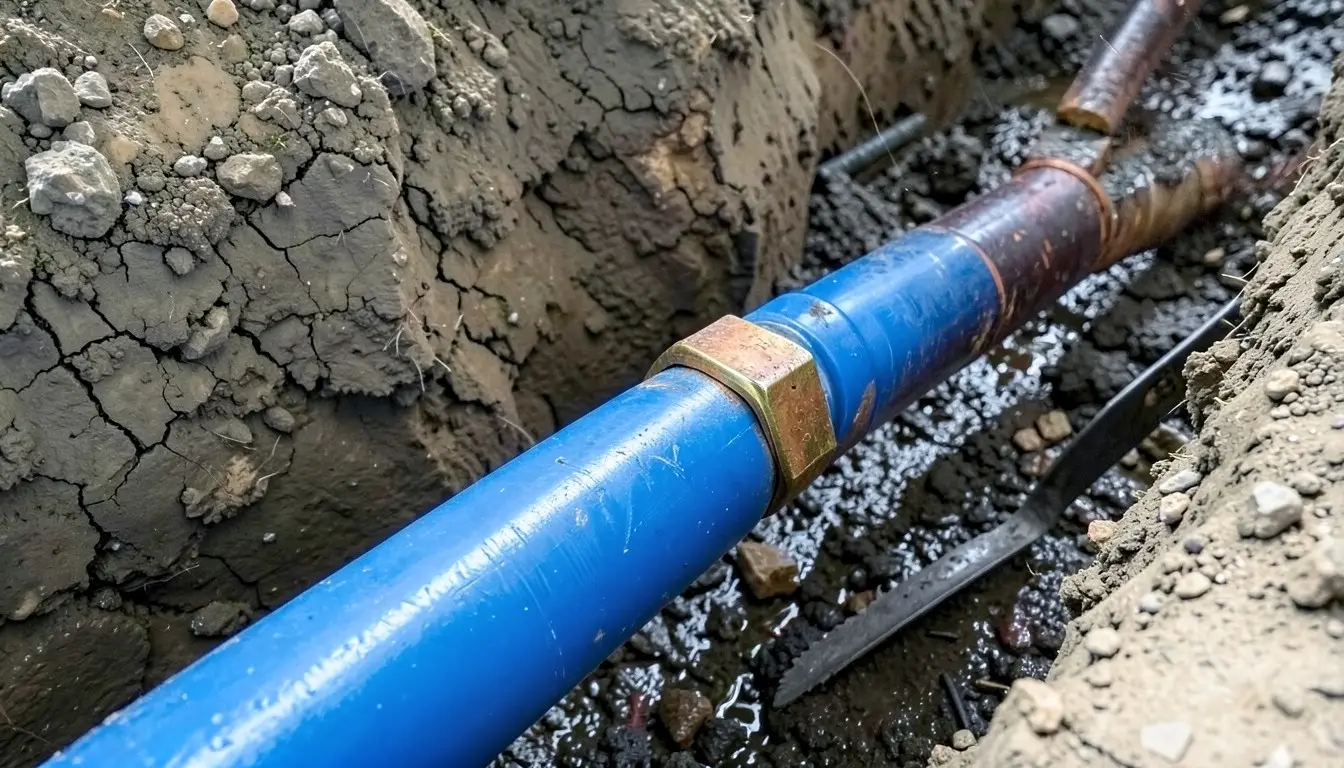
1950s–70s copper supply is now 50–70 years into its service cycle in Seattle. Thermal fatigue at fittings and slab-on-grade access complexity — common in Sun Belt construction — make repair vs. replacement a live decision on most jobs. This housing cohort is the active primary replacement wave in this market.

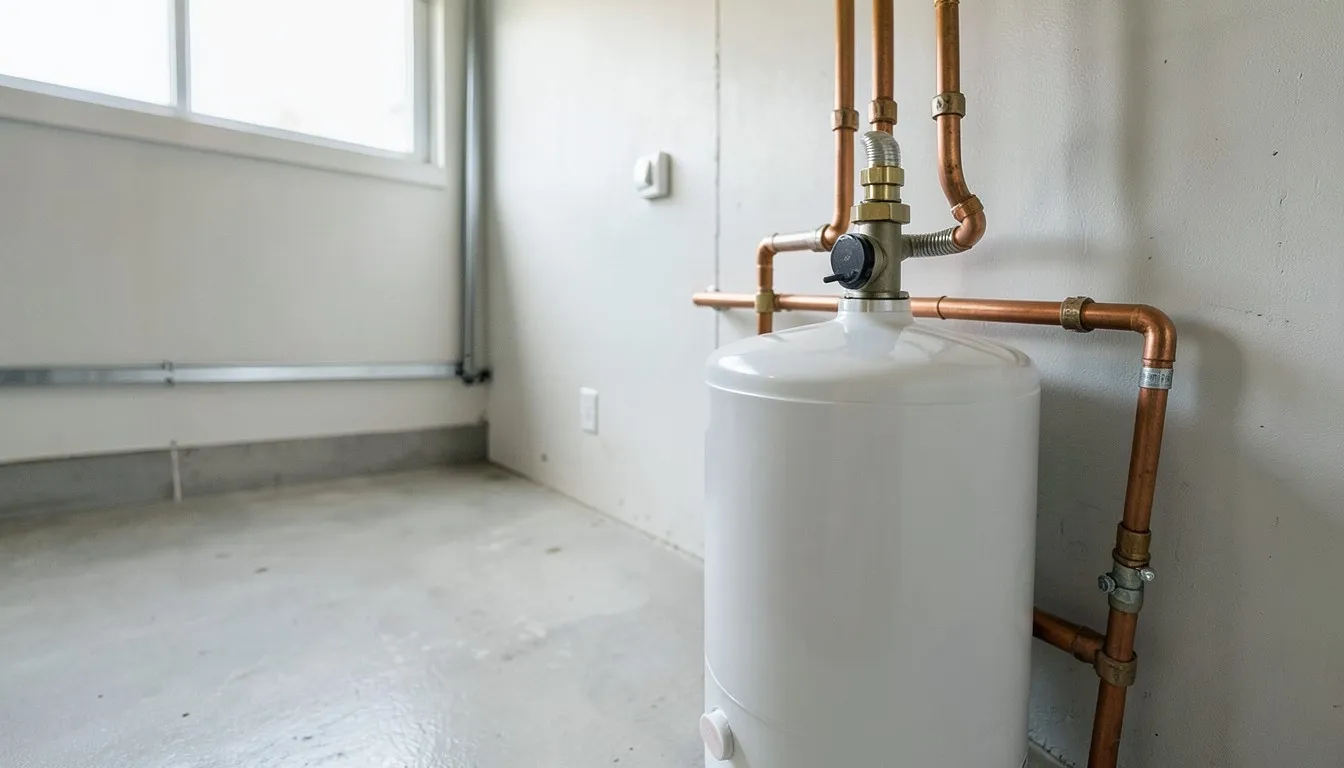
Soft, slightly acidic water in Seattle is corrosive to copper pipe and solder joints — the opposite failure pattern from hard-water markets. Pinhole failure at fittings and elbows is the dominant non-emergency repair category. Anode rods also deplete faster in soft water, shortening effective tank life without timely replacement.
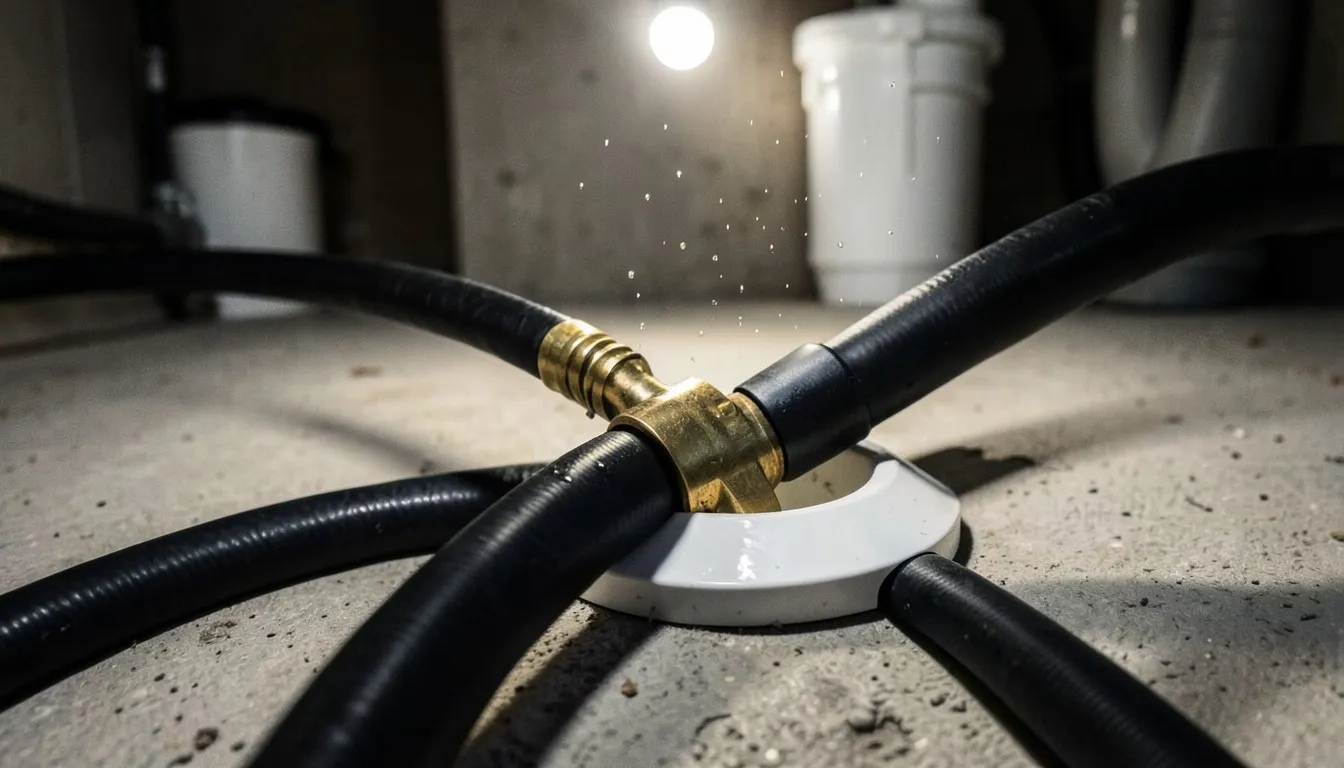
Without a hard freeze season, demand in Seattle distributes evenly through the year. Maintenance-driven categories dominate: end-of-life water heater replacement, root intrusion clearing, and fixture repair. Deferred maintenance surfaces gradually as partial failures rather than acute winter emergencies — which means issues compound silently until they become a larger job.
Why does a Seattle plumber estimate first and commit second?
Submit the service type and your Seattle address. The request goes to an independent Washington plumber in our partner's network — ask when a site visit can be scheduled. There is no financial commitment or obligation at this stage.
At the appointment, ask the plumber to inspect the installation point, confirm the project approach, and put the estimate in writing: fixed price, material breakdown, and project timeline for Seattle. Review it at your pace before deciding.
Once you approve the estimate, agree the start date. Ask that required permits for Seattle are pulled before the job starts, and for a final walkthrough confirming every item in the agreed scope was delivered.
Toilet Installation cost calculator — Seattle
Pre-filled for toilet installation in Seattle. Adjust the ZIP for a neighboring area, or change the service to compare. Calculator pulls from the city's scraped permit-fee + state plumber-density data.
Ready to move forward on toilet installation in Seattle?
Lead times for equipment and scheduling vary by season. Ask the plumber you reach about availability and a written estimate — and settle timing before demand peaks.
What else do people ask about toilet installation in Seattle?
How do I know if my Seattle home has a 10, 12, or 14-inch rough-in?
Measure from the finished wall behind the toilet to the center of the floor bolts (not the back of the tank, not the bowl edge — the floor bolt center). Standard is 12 inches. If your measurement is 10 or 14 inches, you need a toilet specified for that rough-in, or a compatible offset flange. Most big-box store fixtures assume 12-inch standard; 10-inch and 14-inch toilets are special-order or contractor-supply items. Seattle homes built before 1950 occasionally have non-standard rough-ins due to cast-iron flange placement at original construction.
What is included in professional toilet installation in Seattle?
The plumber removes and hauls away the existing toilet, inspects the flange and subfloor for rot or damage (common in homes where a toilet has been leaking at the base), resets or replaces the wax ring, installs the new toilet with fresh supply line and shutoff valve inspection, and verifies the water supply, fill cycle, and flush function. If the flange is cracked, corroded, or below floor level (raised tile floors sometimes create this problem), flange repair or extension is added to the scope. Most installations complete in 1–2 hours.
What toilet features reduce water bills in Seattle?
WaterSense-labeled toilets use 1.28 gallons per flush (GPF) or less, compared to 3.5–7 GPF for pre-1994 toilets and 1.6 GPF for standard post-1994 models. Dual-flush models (0.8 GPF liquid / 1.28 GPF solid) are available in all rough-in sizes. At Seattle residential water rates, replacing a 3.5 GPF toilet with a 1.28 GPF model saves roughly 8,000–10,000 gallons per person per year. Some water utilities offer rebates for WaterSense toilet upgrades — the plumber can confirm whether a rebate program is currently active in your area.
How much does toilet installation cost in Seattle?
Labor for a standard toilet swap in Seattle runs a scope-based price when the homeowner supplies the fixture. When the plumber supplies the toilet, add a separate charge for a builder-grade WaterSense model, or a scope-based price for a comfort-height elongated or dual-flush model. Flange repair, if needed, can add a separate charge. Subfloor repair for rot can add a separate charge depending on extent. A complete removal-and-install with plumber-supplied WaterSense toilet and new supply line typically totals a scope-based price. Ask for a written estimate that separates labor, fixture cost, and any rough-in corrections. Price ranges: toilet repair cost guide.
Does toilet installation in Seattle require a permit?
A like-for-like toilet replacement at an existing rough-in does not require a permit in most Seattle jurisdictions — it is a fixture swap, not a new rough-in. A permit is required if the rough-in location changes, a new drain line is cut, or a toilet is added to a space that previously had none. Bidet toilet seats, heated seats, and flush actuator upgrades do not require permits. If you are unsure, the plumber can confirm permit requirements during the estimate — pulling a permit when not required adds cost; skipping one when required creates a sale or refinance disclosure problem later.
How long does toilet installation take in Seattle?
A straightforward replacement takes 1–2 hours: shut off water, remove old toilet, inspect flange, set wax ring, set new toilet, connect supply line, verify fill and flush. Add 30–60 minutes if the flange needs adjustment or the supply valve is corroded and requires replacement. If subfloor damage is discovered, same-day completion may not be possible — the plumber may need to return after materials are sourced. Plan for 2 hours when booking to allow for minor contingencies without extending the appointment window.
What's the seasonal plumbing risk profile for toilet installation in Seattle?
Mild marine climate keeps freeze events brief but persistent dampness drives leak-detection + sump-pump demand. 1950s–60s housing stock has aging galvanized supply lines + cast-iron drains; roots from cedar/fir invade sewer laterals. Understanding the local call pattern helps set realistic expectations for plumber availability and response time during peak periods — during high-demand weeks, advance scheduling is advisable for non-emergency work.
What affects the cost of toilet installation in Seattle, WA?
Toilet type (standard, comfort-height, or wall-hung), rough-in dimension (10, 12, or 14 inches), and whether an offset flange or new supply valve is needed are the main variables. Wall-hung units require an in-wall carrier frame anchored to structural framing — a separate scope item. Rough-in distance and valve condition are measured before installation begins. Ask the plumber for a written estimate covering price, scope, and permit requirements before any work begins.
How do I check a plumber's license in Washington?
AlertPlumber does not license, vet or employ plumbers; calls are connected to independent local plumbers in our partner's network. Before work begins, ask the plumber for their Washington license number and look it up on the Washington licensing board's public database — it shows current standing, including any recent disciplinary actions, renewals, or lapses. Bonding, liability-coverage and continuing-education rules vary by state; ask for proof of insurance as well.
Does AlertPlumber charge a fee for connecting me with a plumber in Seattle?
AlertPlumber does not charge homeowners. AlertPlumber is paid a referral fee by its routing partner for qualifying calls — it is not an added charge to you. Ask the plumber for a written price before any work begins; if the quote doesn't fit your situation, you can decline at any point.
Asking for a written quote costs you nothing. Guessing costs you the job.
The form below takes under a minute — it goes to an independent Washington plumber in our partner's network; ask them to scope the toilet installation and put the quote in writing.
Need a toilet installation callback in Seattle?
In a meeting, with the kids, or just prefer not to call? Drop your ZIP and number below. AlertPlumber sends your request to our routing partner — if a participating plumber serves your area, they may call you back directly. For anything urgent, call the number on this page.
- 1 Submit your info. ZIP, phone, and what kind of work you need.
- 2 AlertPlumber passes it on to our routing partner for your area.
- 3 If a participating plumber serves your area, they may call you back. Ask for a written estimate before work starts.
Toilet Installation in Seattle — scope and schedule
AlertPlumber connects your call with an independent WA plumber for toilet installation in Seattle. Ask for a written estimate and permit coordination; you are under no obligation until you approve a quote.