
Hydro Jetting
A drain-cleaning method using a high-pressure water stream (2,000–4,000 PSI) delivered through a specialized nozzle to scour pipe walls clean of grease, scale, roots, and debris.
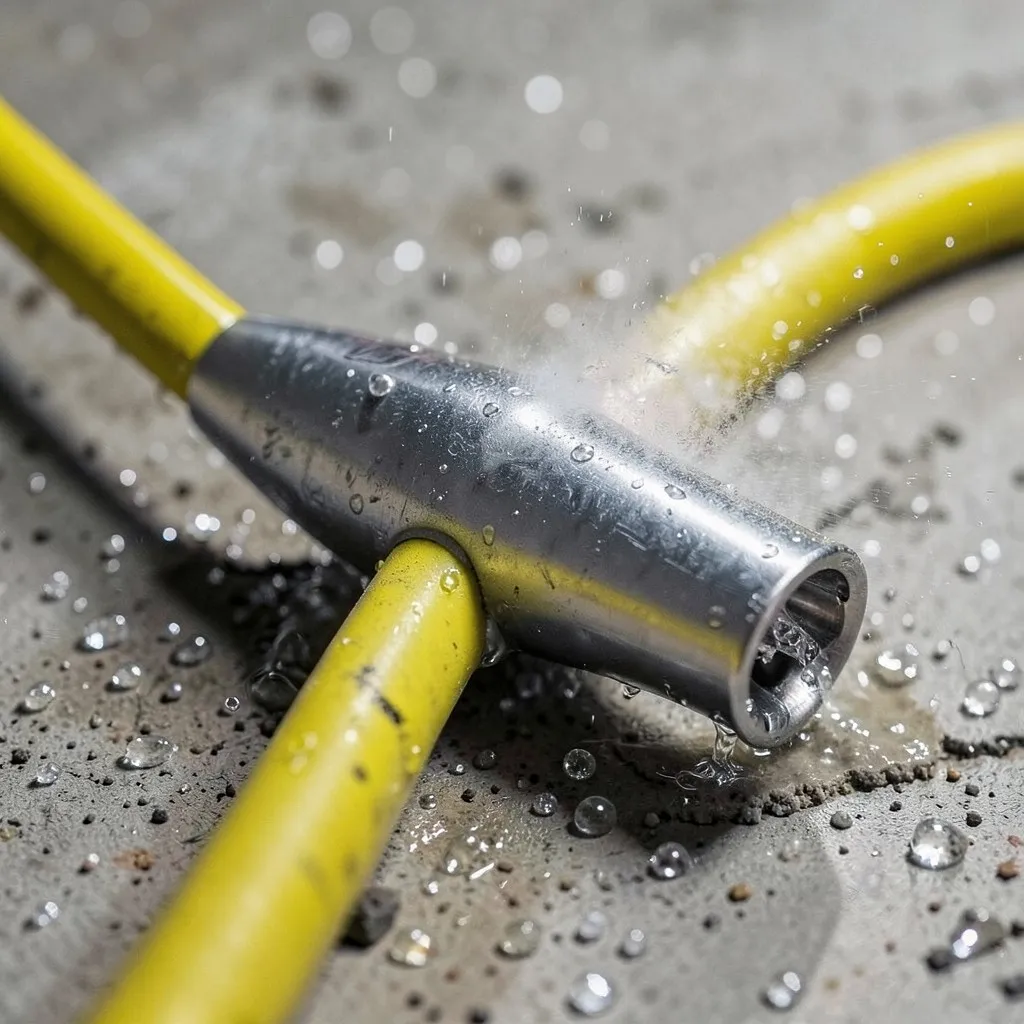
Hydro jetting (also written hydrojetting or water jetting) is a drain-cleaning method that uses a high-pressure stream of water — typically 2,000–4,000 PSI — to scour the interior walls of sewer laterals, main drains, and commercial grease lines. Unlike a drain snake, which only punches a hole through a clog, hydro jetting removes the clog entirely and cleans the pipe walls back to near-original condition.
How does hydro jetting work?
A plumber feeds a flexible hose with a specialized omnidirectional nozzle into the pipe. The nozzle sprays water both forward (to break up blockages) and backward at an angle (to propel the hose forward and blast the pipe walls clean). A downstream cleanout or catch basin captures the dislodged material.
What does hydro jetting remove?
- Grease and soap scum buildup (the most common application)
- Scale and mineral deposits in hard-water areas
- Light root intrusions (cuts roots at the pipe wall; doesn't remove root mass in the soil)
- Sand, silt, and debris accumulation
- Recurring clogs that snaking repeatedly fails to resolve
When should you not hydro jet?
Older clay tile pipes, cracked cast iron, or pipes with existing structural damage may not withstand hydrojetting pressure. A sewer camera inspection before jetting is best practice — running 4,000 PSI through a pipe that's already compromised can cause a collapse.
What does hydro jetting cost in 2026?
$350–$900 for residential drain lines; $600–$1,800 for main sewer laterals; commercial grease trap lines run $800–$3,500. Hydrojetting costs more than snaking but delivers results that last 1–3 years vs. snaking which may only provide 3–12 months of relief on a recurring problem.
Researching the term is one thing — hiring for it is another. See hydro jetting services for scope, timelines, and what drives the price, or call (888) 530-4445 for a no-cost estimate.
For the full picture — materials, process, timelines and what drives the cost — read Hydro Jetting: The Complete Guide.
What related terms should you know?
What sources back this up?
Need a verified plumber for hydro jetting?
AlertPlumber matches you with a licensed plumber for hydro jetting. Written estimate before any work begins.