
PVC Pipe (Polyvinyl Chloride)
White rigid plastic pipe for drain, waste, vent, and cold supply only; never approved for hot potable water.
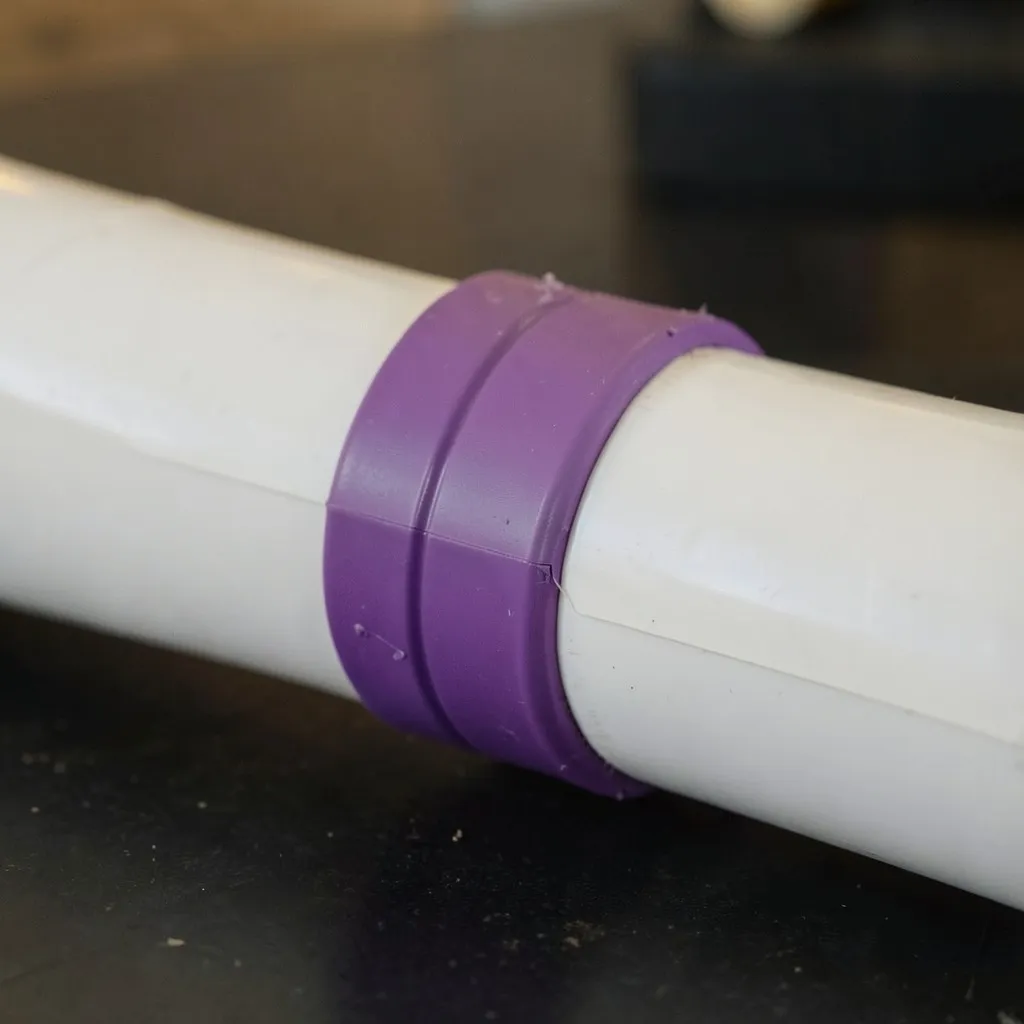
PVC (Polyvinyl Chloride) is the most common rigid plastic plumbing material in U.S. residential and light-commercial construction. Standard PVC is white, rigid, and produced in two wall-thickness schedules for plumbing use: Schedule 40 and Schedule 80. PVC is rated for cold water and non-pressurized drain, waste, and vent (DWV) service. It is not approved for hot potable water distribution; the chlorinated variant CPVC is required for hot lines.
How do you identify PVC pipe?
PVC is white (occasionally light gray for some Schedule 80) with a glossy surface and is stamped with the manufacturer, nominal size, schedule, ASTM standard, and pressure or DWV rating. The two main standards are ASTM D1785 for pressure-rated Schedule 40 and 80 pipe and ASTM D2665 for DWV pipe and fittings. NSF-pw or NSF-61 markings indicate potable-water suitability for cold service. Schedule 80 has a thicker wall and is often gray for visual distinction; it is used where higher pressure ratings or impact resistance are needed.
What is PVC pipe used for?
Schedule 40 is the workhorse for residential drain lines, vent stacks, sewer laterals from the building drain to the property line, sprinkler mains, and pool plumbing. Schedule 80 is specified for cold supply mains, well-pump discharge, irrigation pump piping, and industrial process lines where pressure is higher. Both are joined with a two-step primer-and-solvent-cement process: purple primer to soften and clean the surface, then PVC cement (typically clear, blue, or gray) for the chemical weld. Threaded fittings are available but reduce the pressure rating by roughly half.
How long does PVC pipe last and how does it fail?
Buried PVC has a documented service life of 50 to 100 years. Above-grade DWV is similar when protected from UV. Failures cluster at joints (under-cured cement, dry-fit joints, or improper primer use), at points of mechanical impact, and where pipe is exposed to long-term sunlight without paint or jacket. UV degradation turns the surface chalky and brittle. Hot water exposure (above the rated 73 degrees F for pressure pipe, 140 degrees F for DWV) causes deformation and joint failure; this is the most common reason DIY hot-water installs leak.
What does PVC pipe replacement involve?
Cut-and-replace repairs use a coupling or repair coupling (no-stop fitting) plus a section of new pipe. Full DWV stack replacements are scoped from the building drain through the roof vent terminal. Sewer-lateral PVC replacement involves excavation or trenchless pull-in-place from the cleanout to the city tap.
Code reference: IPC Section 702 (DWV materials) and Section 605 (water service) recognize PVC for the uses listed above. UPC Section 701 mirrors this. ASTM D1785, D2665, F656 (primer), and D2564 (cement) are the controlling standards. Schedule 80 is required by some AHJs for water service entering the building.
Researching the term is one thing — hiring for it is another. See sewer line repair services for scope, timelines, and what drives the price, or call (888) 530-4445 for a no-cost estimate.
For the full picture — materials, process, timelines and what drives the cost — read Sewer Line Repair: The Complete Guide.
What related terms should you know?
What sources back this up?
Need a verified plumber for sewer line repair?
AlertPlumber matches you with a licensed plumber for sewer line repair. Written estimate before any work begins.