
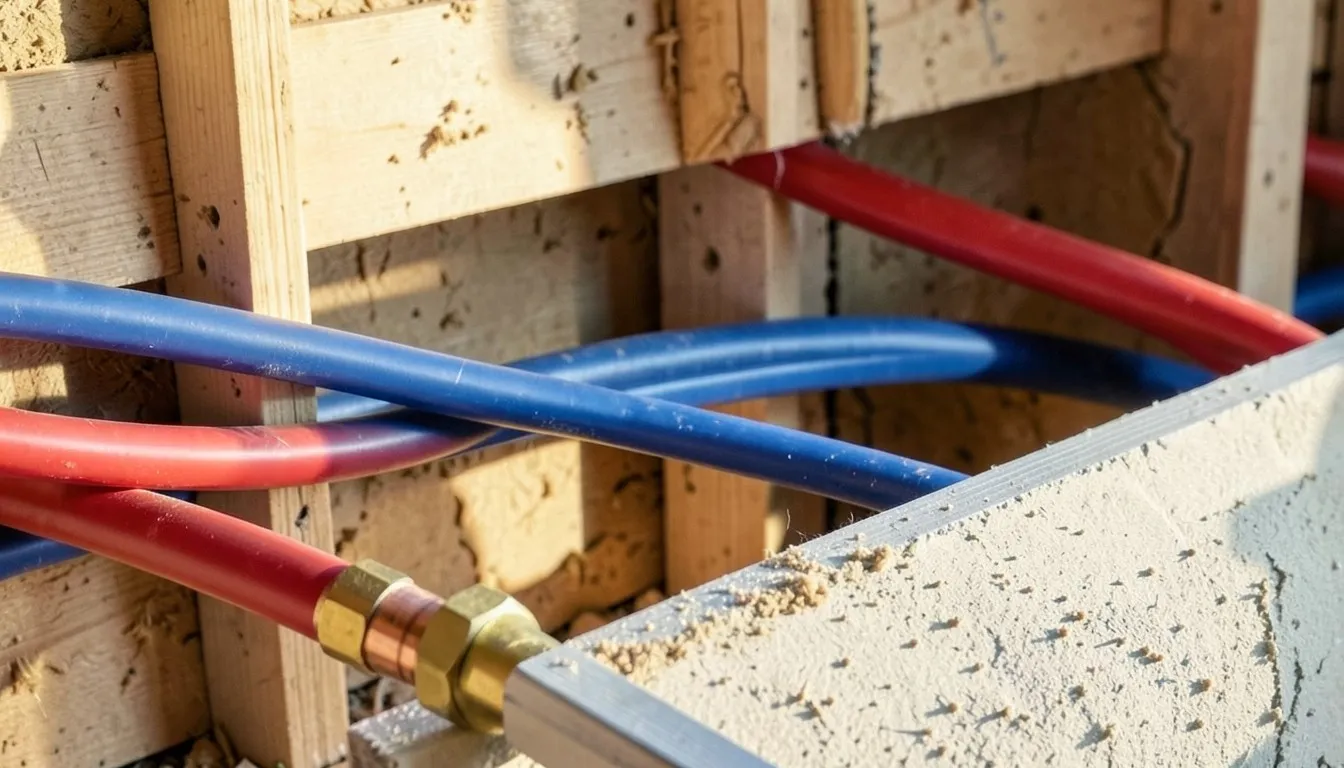
Whole-Home Repipe in Seattle, Washington
Whole-Home Repipe in Seattle, Washington replaces old galvanized or polybutylene plumbing with PEX or copper. Local conditions in Seattle: water measured at 1.8, a 12 frost line and a median home age of 65 years.
Permitted, inspected, documented — Seattle work done right the first time by a licensed WA plumber.
What does the local plumbing data show for Seattle, WA?
Seeing these conditions at your place in Seattle? A state-licensed plumber can confirm it over the phone — free, no obligation.
What are the pipe conditions in Seattle, WA?
Whole-house repipe in Seattle typically takes 2–4 days: the plumber runs new lines through wall cavities, connects at fixtures, and performs a pressure test before drywall is patched. The primary decision is material — copper is the long-term standard for durability and water chemistry compatibility; PEX is faster to install, flexible in tight cavities, and resistant to freeze-thaw stress. Seattle's housing stock age and local water chemistry should drive the material choice, not cost alone. AlertPlumber routes your request to a Washington-licensed plumber for a full pipe assessment before any materials are ordered.
Seattle's housing stock spans multiple construction eras — median home age 65 years — meaning pipe materials and failure modes vary significantly by neighborhood and building vintage. An inspection-led approach that confirms pipe material before recommending a service path is standard practice for mixed housing profiles.
- Median home age
- 65 yrs
- Water hardness
- 1.8 gpg
- Frost line
- 12 in.
- Lead lines
- Active replacement
- Permit
- $165
A licensed WA plumber reads these conditions the moment you describe the symptom.
What local infrastructure shapes Whole-Home Repipe in Seattle?
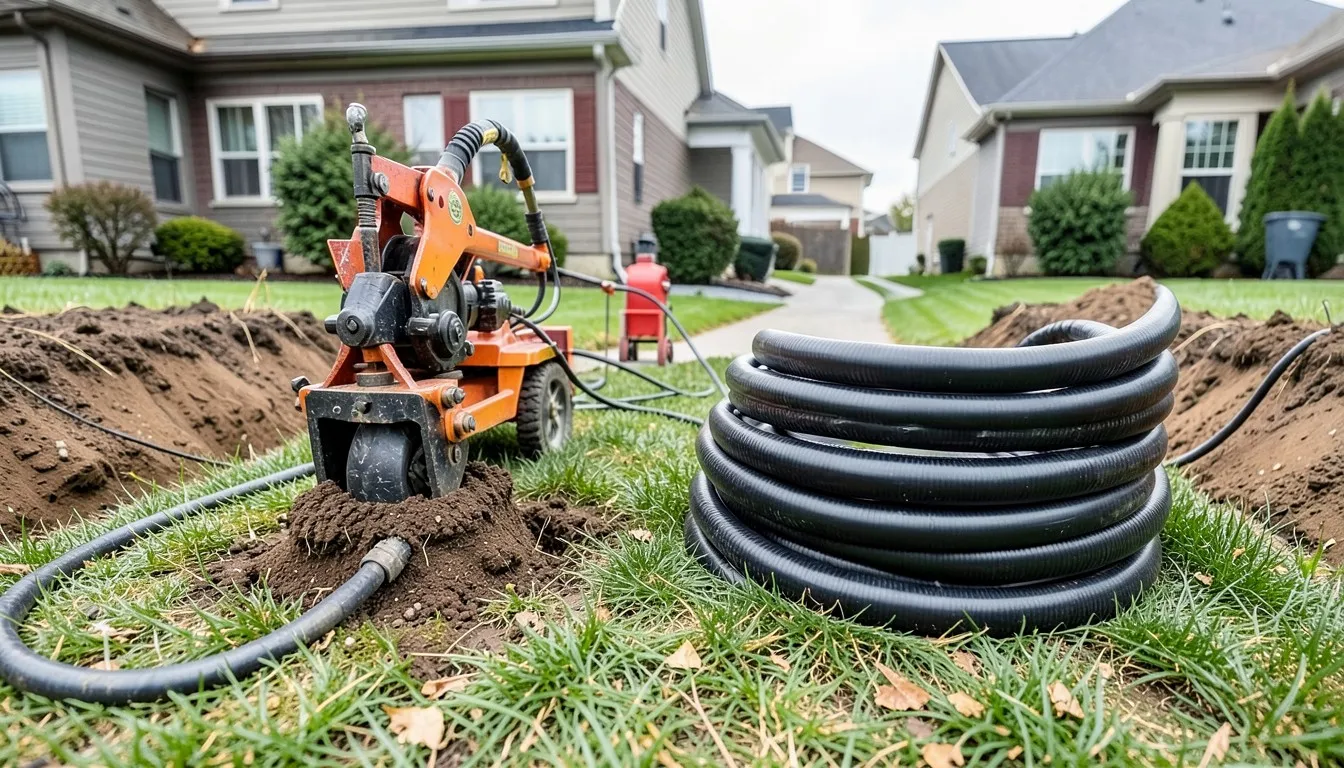
Seattle post-war bungalows and Cape Cods from the 1950s and 1960s on Capitol Hill, First Hill, and the Eastside suburbs of Bellevue and Kirkland, along with South End neighborhoods from Rainier Valley to Georgetown, reached 65 years median age under Cedar River watershed supply at 1.8 grains per gallon. Unlike the copper-in-slab failure pattern that drives Sun Belt repipe demand, Seattle repipe volume concentrates in above-grade distribution where the soft-water corrosion mechanism attacks lateral copper runs through wall cavities and under fixtures. Galvanized steel supply lines in the oldest 1940s-1950s stock are at or past end of service life independently of the water chemistry.
Cedar River water at 1.8 GPG and a consistently negative Langelier Saturation Index creates electrochemical conditions that dissolve copper ions from pipe interiors rather than passivating them. After 60-70 years, Seattle post-war copper shows uniform wall thinning along lateral runs rather than the localized pit formation at heat-exchange points characteristic of hard-water markets. Fittings and elbows are the primary failure concentration points in soft-water copper — turbulence at direction changes accelerates the metal dissolution rate, producing scattered pinholes that make per-event spot repair progressively less economical as the run deteriorates uniformly.
The $165 permit covers rough-in inspection before walls close. Seattle repipes into PEX eliminate the soft-water corrosion mechanism entirely since PEX has no metallic surface for electrochemical attack. Washington state plumbing contractors must hold a current license through L&I — the L&I contractor lookup verifies registration before work begins.
What shapes plumbing demand in Seattle, WA?
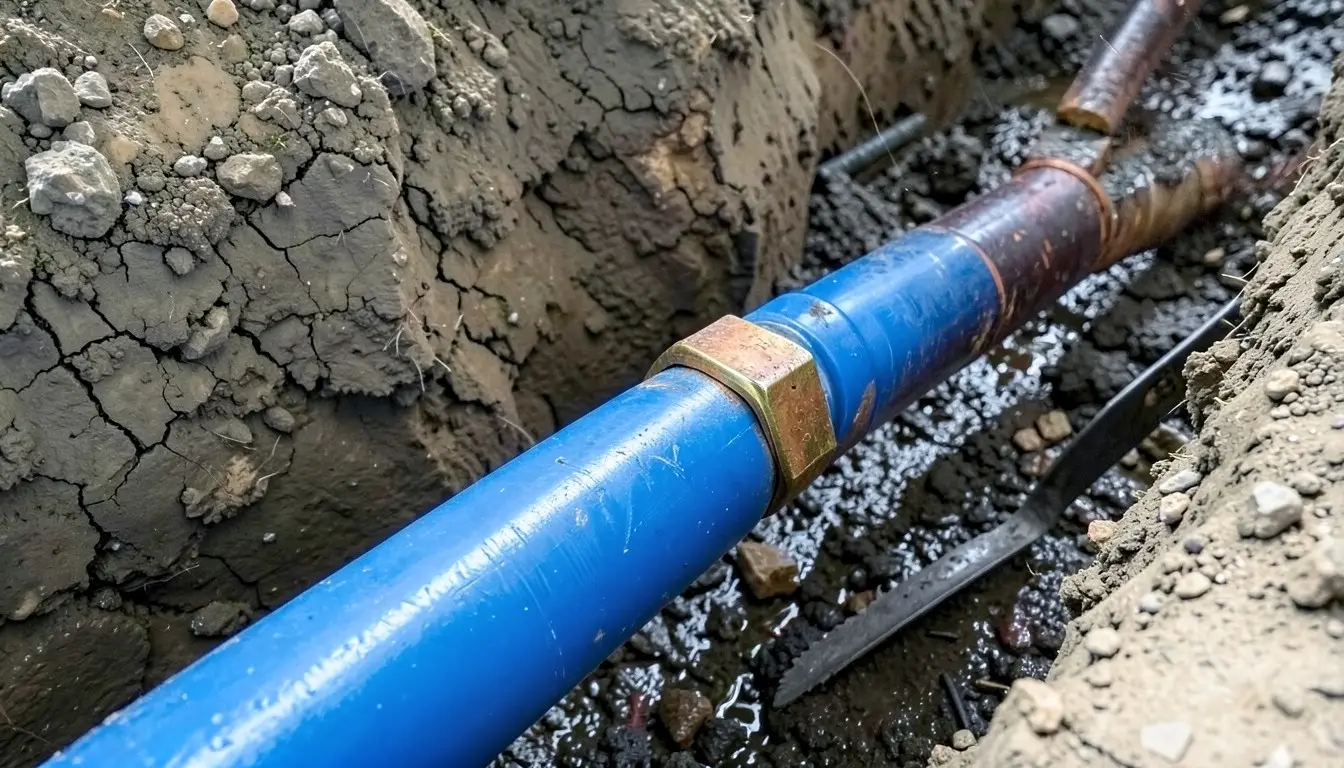
1950s–70s copper supply is now 50–70 years into its service cycle in Seattle. Thermal fatigue at fittings and slab-on-grade access complexity — common in Sun Belt construction — make repair vs. replacement a live decision on most jobs. This housing cohort is the active primary replacement wave in this market.
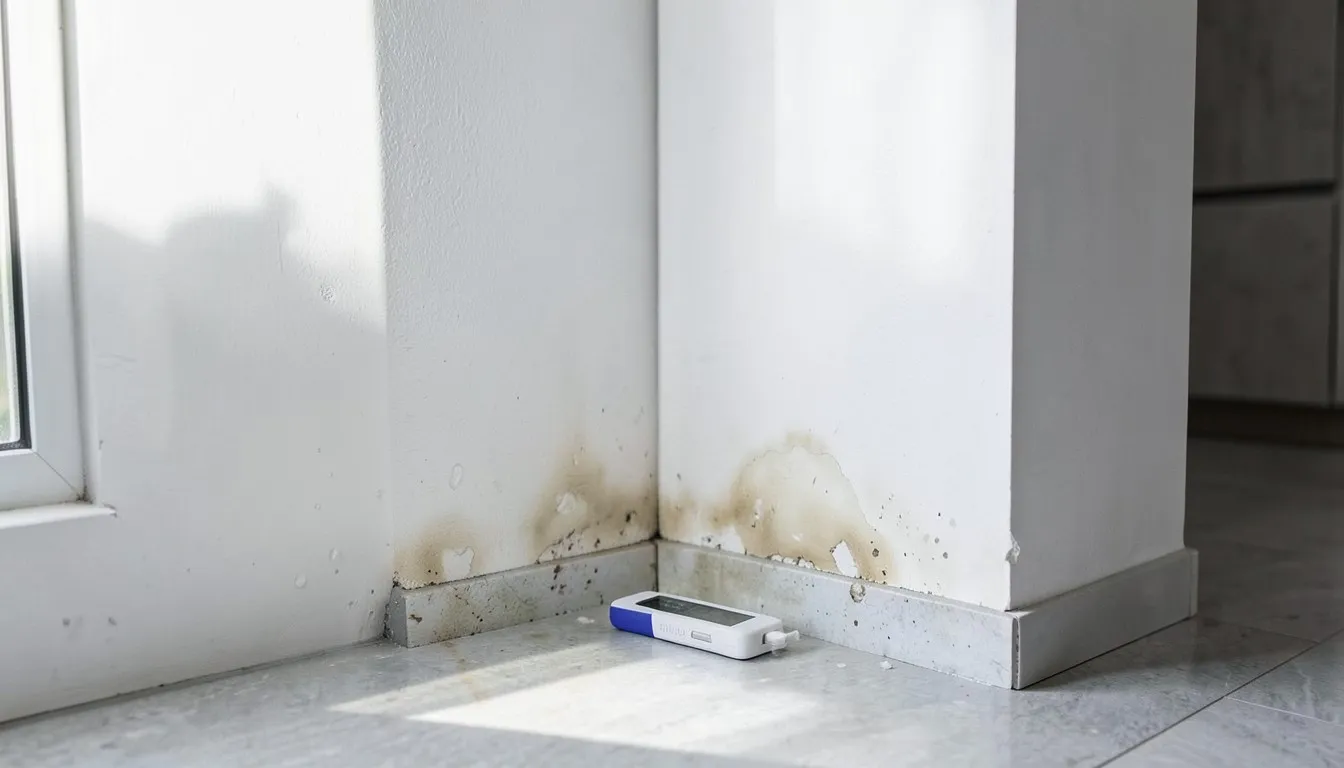
Soft, slightly acidic water in Seattle is corrosive to copper pipe and solder joints — the opposite failure pattern from hard-water markets. Pinhole failure at fittings and elbows is the dominant non-emergency repair category. Anode rods also deplete faster in soft water, shortening effective tank life without timely replacement.
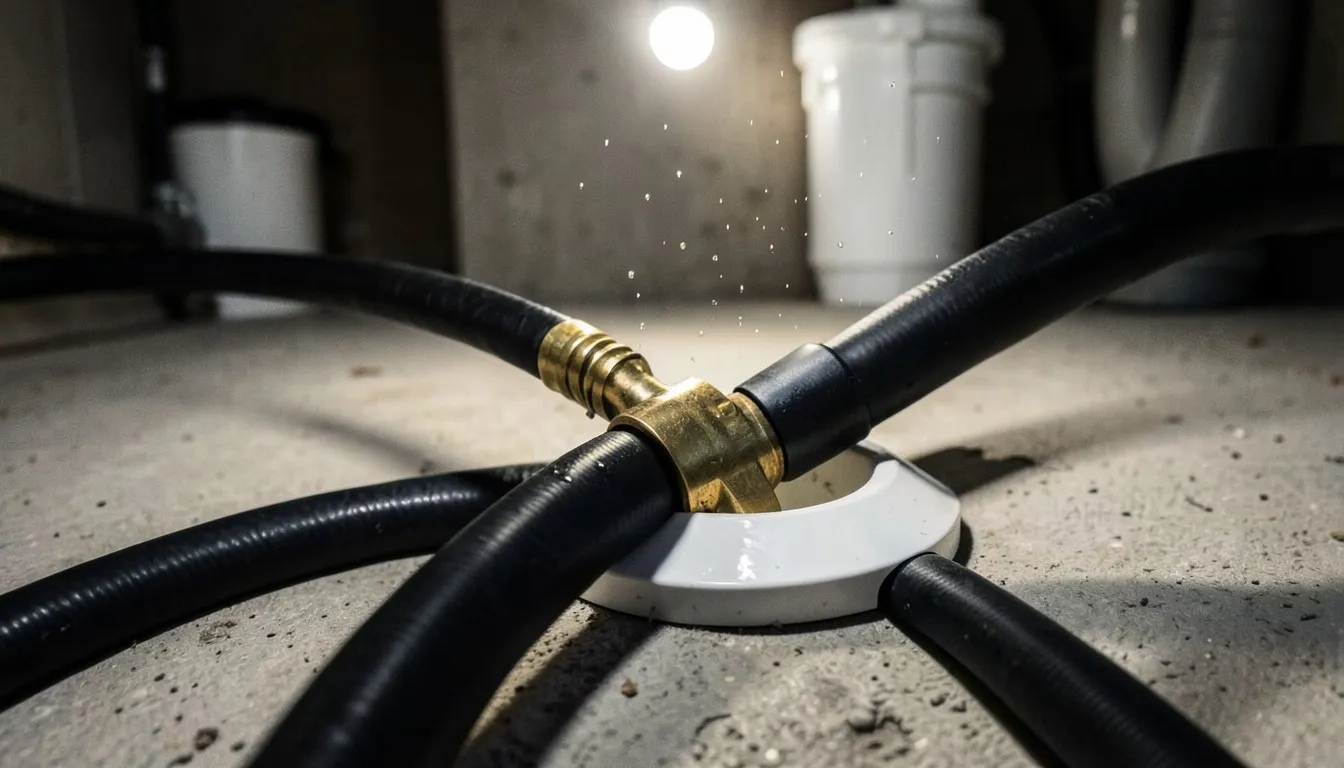
Without a hard freeze season, demand in Seattle distributes evenly through the year. Maintenance-driven categories dominate: end-of-life water heater replacement, root intrusion clearing, and fixture repair. Deferred maintenance surfaces gradually as partial failures rather than acute winter emergencies — which means issues compound silently until they become a larger job.
How does permit-required work run in Seattle, application through certificate?
A Washington-licensed contractor prepares the permit application — drawings, specifications, contractor license number — and submits it to the Seattle building department. Issuance typically takes 3–10 business days. No construction begins until the permit is in hand.
Once Seattle issues the permit, the contractor notifies affected utilities — gas, water, electrical — as required by the permit scope. Work follows the approved drawings; any scope change requires an amended permit before that portion starts.
The contractor schedules the final inspection with the Seattle building department inspector. After sign-off, a certificate of completion is issued. All permit documentation is filed with the city; you receive copies for home records and future property disclosure.
Whole-Home Repipe cost calculator — Seattle
Pre-filled for whole-home repipe in Seattle. Adjust the ZIP for a neighboring area, or change the service to compare. Calculator pulls from the city's scraped permit-fee + state plumber-density data.
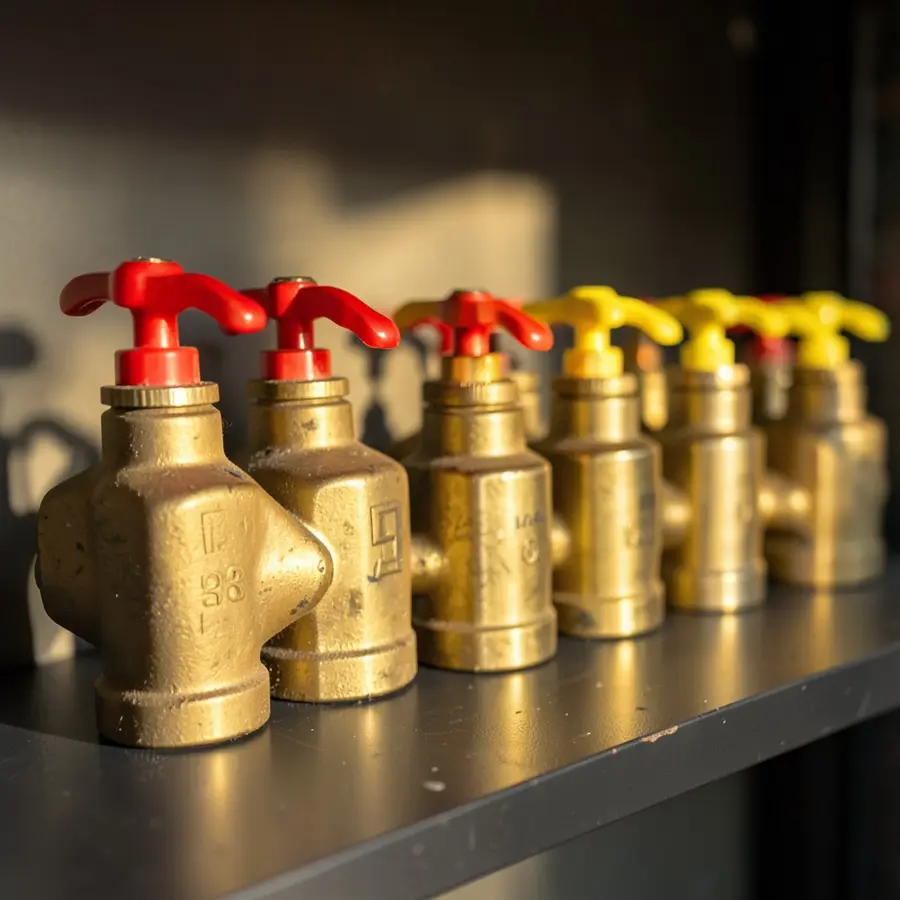
Whole-Home Repipe in Seattle — permitted work protects your home’s value.
Unpermitted plumbing affects insurance claims and resale disclosures in Washington. A licensed Washington plumber calls back and confirms permit requirements for your address.
What else do people ask about whole-home repipe in Seattle?
How much does a whole-home repipe cost in Seattle, WA?
Whole-home repipe in Seattle runs $5,175–$20,700 depending on square footage, fixture count, and whether the home is single-story or multi-story (national $4,500–$18,000 adjusted roughly 15% above national average). The WA L&I permit floor is $165. PEX runs roughly 30–40% cheaper than copper for the same scope.
What triggers a repipe in Seattle — galvanized, polybutylene, or lead?
Seattle's 55-year median home age means a mix of galvanized in older neighborhoods and polybutylene (PB, 1978–1995 install era) in newer subdivisions.
Should I repipe with PEX or copper in Seattle?
Seattle's 1.8 gpg very soft water is mildly acidic and historically chews through copper, producing pinhole leaks at 25–40 years in. PEX is the safer long-term repipe choice in soft-water markets like Seattle.
Do I need a permit for a repipe in Seattle?
Yes — any whole-home repipe requires a WA L&I permit, a rough-in inspection (before drywall closes), and a final inspection (after fixtures are reconnected). The Seattle permit floor is $165 but a whole-home repipe typically lands at $300–$600 in permit fees because the per-fixture surcharge adds up. The matched plumber pulls the permit on your behalf.
How long does a whole-home repipe take in Seattle?
2–5 days for the actual pipe work, plus 1–2 days for drywall patching and final inspection — typical Seattle repipe wraps in a week. PEX is faster (manifold + home-run topology, fewer joints) than copper (each joint sweat-soldered). You usually have water shut off only during the day; most crews restore water by evening so you can stay in the home.
Is there a lead service line risk in Seattle?
Seattle's very soft water (1.8 gpg) is mildly corrosive, so any pre-1986 lead solder at copper joints can leach into water — a repipe removes that risk entirely. Check the WA L&I inventory if your home was built before 1986.
What changes about my Seattle water quality after a repipe?
Most Seattle repipes off polybutylene fix sudden-failure risk (PB tends to fail catastrophically at fittings) and eliminate the slight plastic taste that PB can produce over time. Hot-water recovery also improves because new supply lines have full ID rather than scale-narrowed bore.
Will Washington homeowners insurance cover a repipe?
Standard Washington policies do NOT cover proactive repipes. They may cover damage from a sudden failure (a burst polybutylene fitting, for example) subject to your deductible — but they typically do not cover the replacement pipe itself, only the damage cleanup. Some carriers offer a service-line endorsement; confirm with your carrier before assuming coverage.
How do I know if my Seattle home has polybutylene?
Polybutylene is gray (sometimes silver or black) flexible plastic, 1/2" or 3/4" diameter, with copper or acetal crimp fittings. Look at the supply lines coming into your water heater, behind toilets, and at the meter. Pipes stamped "PB2110" are polybutylene. Homes built or repiped 1978–1995 have the highest probability — this matches Seattle's post-1978 subdivision builds.
Are AlertPlumber-matched repipe contractors verified in WA?
Yes. Every repipe contractor matched through AlertPlumber in Seattle holds an active WA L&I license. Repipe-specialty crews in the network also carry manufacturer certifications (Uponor, SharkBite, NIBCO) required for full warranty coverage on PEX and PEX-A systems.
A written quote costs you nothing. Guessing costs you the job.
The form below takes under a minute — a licensed Washington plumber calls back, scopes the whole-home repipe, and quotes it in writing before anyone rolls a truck.
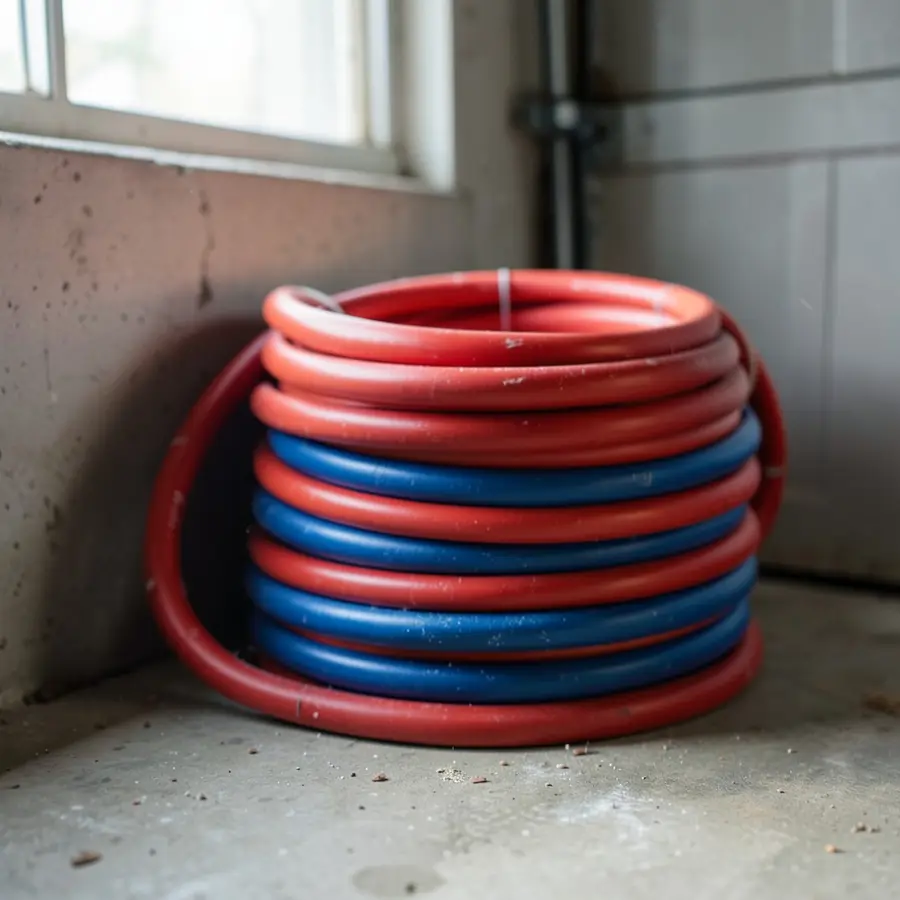
Need a whole-home repipe callback in Seattle?
In a meeting, with the kids, or just prefer not to hold? Drop your ZIP and number below. AlertPlumber routes your request to a verified plumber in your area — they’ll call you back directly.
- 1 Submit your info. ZIP, phone, and what kind of work you need.
- 2 AlertPlumber matches you with a verified plumber serving your area.
- 3 The plumber calls you back with a written estimate, no obligation.
Whole-Home Repipe in Seattle — compliant installation
Permitted whole-home repipe protects your home's resale value and keeps insurance claims defensible in Washington. A licensed plumber pulls the required permits and provides a written scope before work starts.