
PEX (Cross-Linked Polyethylene)
Flexible plastic plumbing pipe that has largely replaced copper and galvanized steel in residential supply lines since 2000. Less expensive, freeze-resistant, and faster to install.
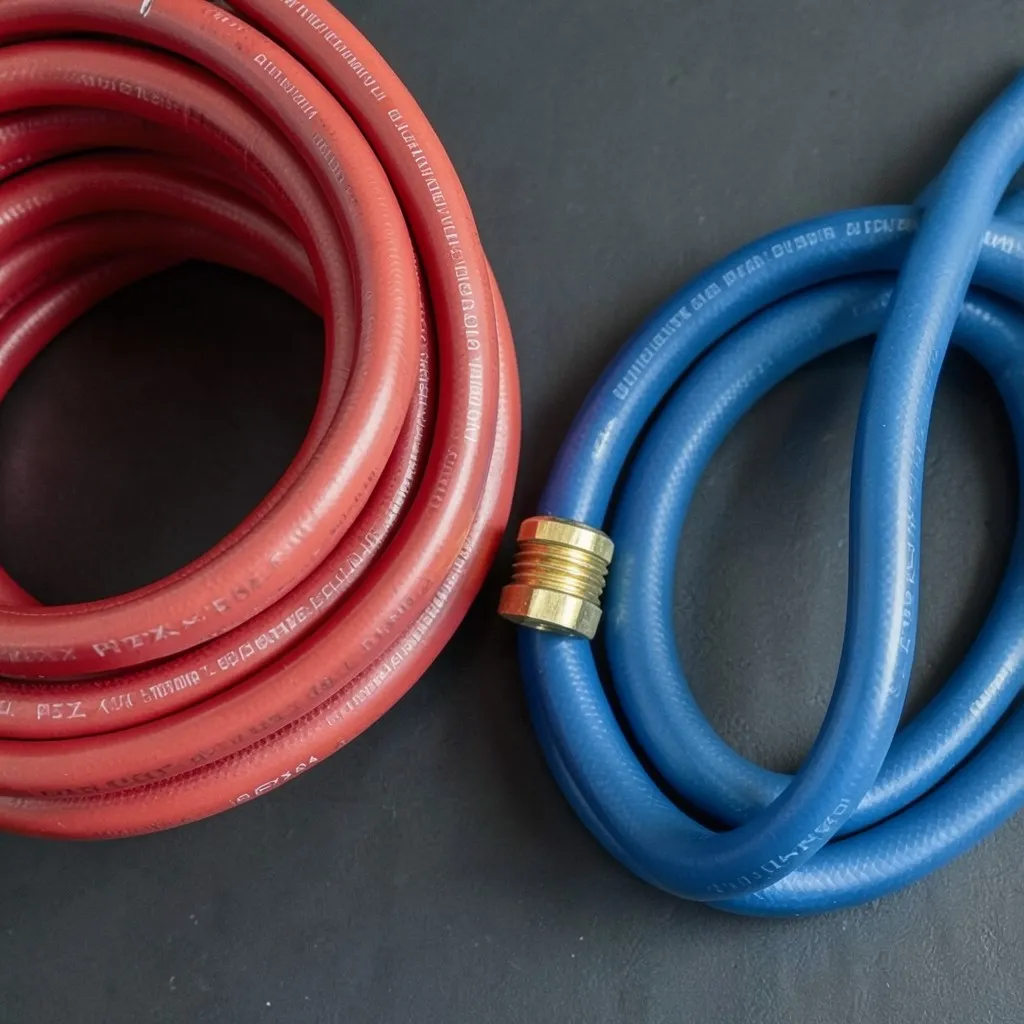
PEX (cross-linked polyethylene) is a flexible plastic pipe used for residential water supply lines. It has largely replaced copper and galvanized steel in new construction and repipes since 2000 due to lower cost, faster installation, freeze resistance, and corrosion immunity.
What are the three types of PEX?
- PEX-A — most flexible, allows expansion fittings; freezes-and-thaws best without bursting
- PEX-B — slightly less flexible; uses crimp or clamp fittings; most common in residential
- PEX-C — least flexible; less common
What are the advantages of PEX over copper?
30–50% lower-cost materials, 50% faster installation (fewer fittings), expands ~3% before bursting (vs copper which bursts immediately when frozen), no corrosion in hard water or acidic water.
What are the disadvantages of PEX?
Degrades in UV light (must be inside walls), can taste plastic for first few weeks of use, some early PEX-A fittings (Kitec) had high failure rates and triggered class-action lawsuits — modern fittings are reliable.
How is PEX joined?
Four systems dominate, and they are not interchangeable. Expansion fittings stretch PEX-A and let it shrink back onto the fitting, leaving full flow through the joint. Copper crimp rings and stainless clamp rings both compress the pipe onto a barbed insert, which narrows the bore slightly at every joint. Push-to-connect fittings need no tool at all and are the usual choice for a repair inside a wall cavity. Each system has its own go/no-go gauge, and a joint made with the wrong ring for the fitting will not pass inspection.
How long does PEX last, and what shortens it?
Manufacturers warrant residential PEX for 25 years and the material is expected to run longer than that inside conditioned walls. Three things cut it short: sunlight, since UV degrades the polymer and even a few weeks stacked outdoors on a job site counts; sustained high water temperature above the rated limit, usually traced to a water heater set too hot; and high free-chlorine levels, which is why chlorine resistance is a rated property worth checking on well water treated by shock chlorination.
What does a PEX repipe cost in 2026?
$4,500–$12,000 for a 2-bath PEX repipe, vs $7,500–$18,000 for the same scope in copper.
Researching the term is one thing — hiring for it is another. See whole-home repipe services for scope, timelines, and what drives the price, or call (888) 530-4445 for a no-cost estimate.
For the full picture — materials, process, timelines and what drives the cost — read Whole-Home Repipe: The Complete Guide.
What related terms should you know?
What sources back this up?
Need a verified plumber for whole-home repipe?
AlertPlumber matches you with a licensed plumber for whole-home repipe. Written estimate before any work begins.