
Floor Drain
A drain set flush with the floor in basements, laundry rooms, garages, and utility areas that removes overflow water, equipment discharge, and flooding.
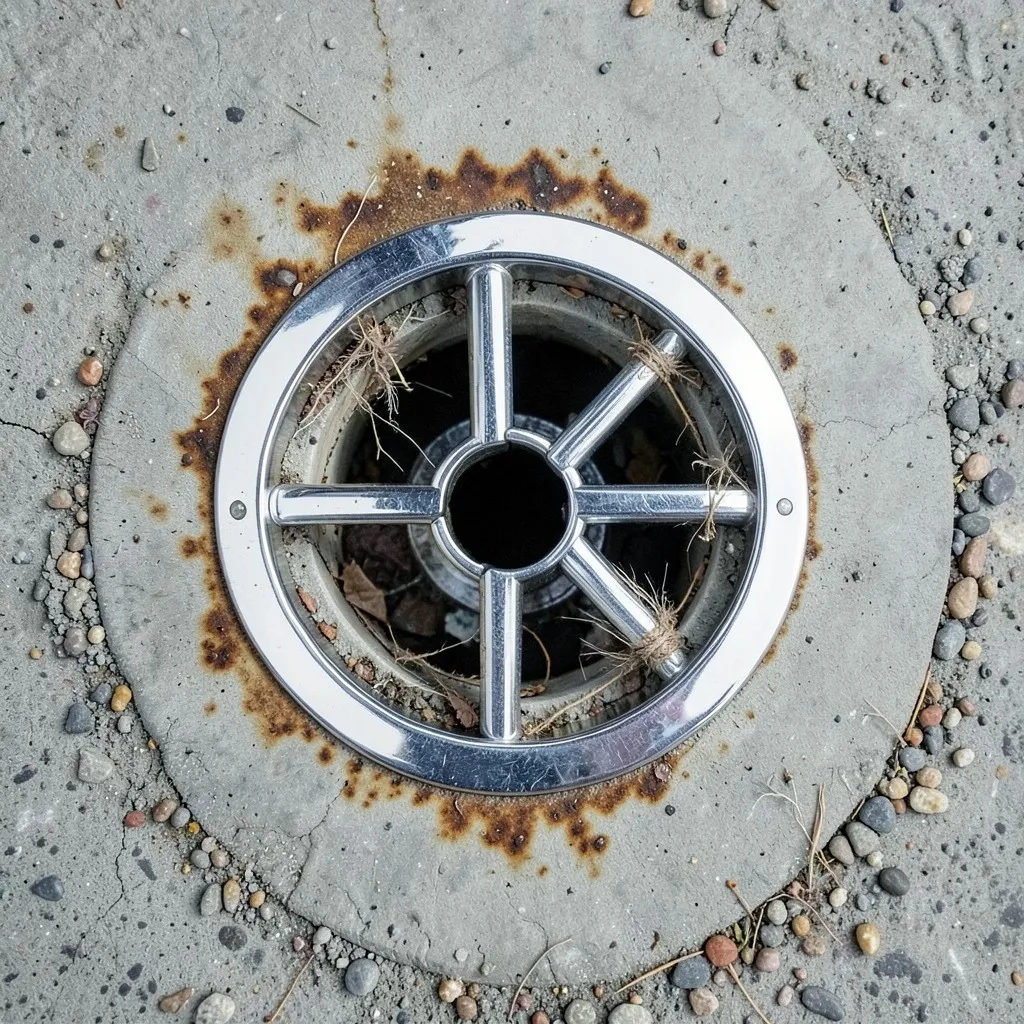
A floor drain is a plumbing fixture set into a floor that channels water away from the surface and into the drain-waste-vent system. Floor drains are standard in basements, laundry rooms, utility rooms, mechanical rooms, garages, and commercial spaces. They serve as overflow protection (water heater discharge, washing machine overflow, pipe leak), direct drainage for equipment, and stormwater management in some configurations.
What are the parts of a floor drain?
A typical floor drain consists of a cast-iron or PVC body with a removable strainer (the grate on top) and a built-in trap (a P-trap or drum trap set below floor level). The trap holds standing water — the same water-seal principle as any other plumbing trap — to block sewer gas from entering through the floor. Some floor drains include a sediment bucket (cleanout bucket) to catch debris before it reaches the trap.
What causes the dry trap problem?
Floor drains in infrequently used spaces (storage basements, mechanical rooms) are notorious sources of sewer gas odors. The trap water evaporates over months of non-use, removing the sewer gas barrier. Fixes: pour a gallon of water down the drain monthly; add a small amount of mineral oil to slow evaporation; or install a trap primer — an automatic device that injects a small amount of water whenever nearby supply valves are used.
What are common floor drain issues?
- Slow drain: debris accumulation in the sediment bucket or trap; clean annually
- Sewer odor: dry trap — see above
- Flooding during heavy rain: a sign the floor drain connects to a storm sewer that's backing up; a backwater valve upstream prevents sewage from entering through the floor drain
- Gurgling sounds: venting issue in the drain system; the floor drain trap is being siphoned
What maintenance does a floor drain need?
Remove the grate and clean the sediment bucket annually. Pour water in the drain monthly in seldom-used areas. A plumber can hydrojet a clogged floor drain line for $150–$400.
Researching the term is one thing — hiring for it is another. See drain cleaning services for scope, timelines, and what drives the price, or call (888) 530-4445 for a no-cost estimate.
For the full picture — materials, process, timelines and what drives the cost — read Drain Cleaning: The Complete Guide.
What related terms should you know?
What sources back this up?
Need a verified plumber for drain cleaning?
AlertPlumber matches you with a licensed plumber for drain cleaning. Written estimate before any work begins.