
Emergency Water Heater Repair in Dayton, Ohio
Active water damage compounds by the hour — a licensed OH plumber is on call for Dayton right now.
Local plumbing data for Dayton, OH
Seeing these conditions at your place in Dayton? A state-licensed plumber can confirm it over the phone — free, no obligation.
Pipe conditions in Dayton, OH
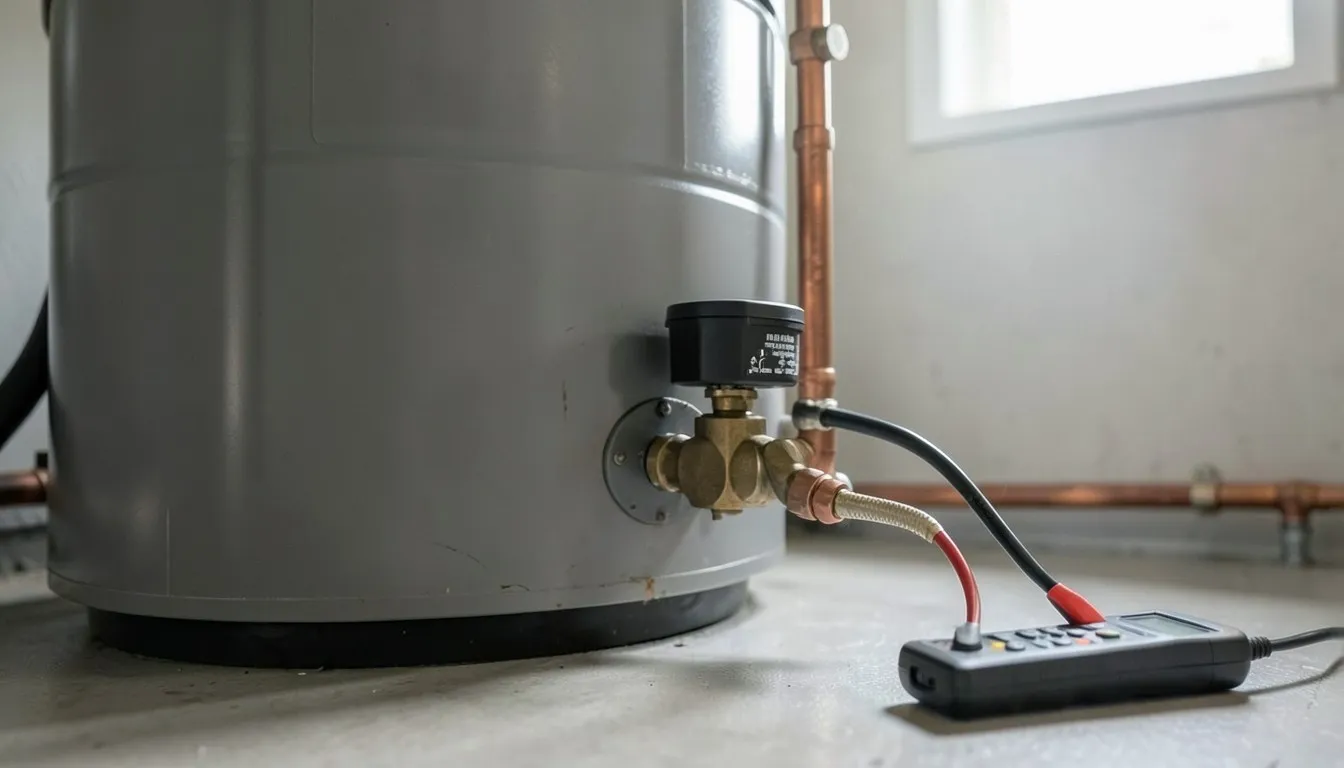
Water heater repair in Dayton starts with isolating the failure mode: a unit producing no hot water usually has a failed heating element or thermostat (electric) or a pilot or gas valve issue (gas); a unit leaking at the base has a failed tank — a repair is not possible and replacement is immediate. Sediment flushing and anode rod replacement extend the life of units under 10 years significantly; units over 12 years are typically beyond economic repair. AlertPlumber routes your request to an Ohio-licensed plumber who diagnoses before recommending repair vs. replacement. Freeze events and frost-depth requirements add pipe insulation, exterior faucet winterization, and burst-risk assessment to service calls in this climate.
Dayton's water utility maintains an active lead service line (LSL) replacement program. With a median home age of 79 years, a portion of the housing stock may still have lead service laterals connecting the water main to interior supply — a consideration during any work near the service entry point. A licensed plumber can confirm whether supply-side work requires utility coordination.
Very hard water in Dayton is a primary driver of accelerated appliance failure: water heater anode rods exhaust in 2–3 years instead of 6–8, scale deposits at fixture connections form within months of installation, and tankless heat exchangers accumulate mineral buildup that can reduce lifespan by half without regular descaling. A softener or whole-house conditioner is strongly recommended alongside any appliance service call.
Frost line depth in Dayton means supply lines and outdoor plumbing must be installed below the freeze threshold — typically 32 — to prevent pipe burst during cold events. Exterior hose bibs, irrigation shutoffs, and any exposed pipe runs are the most common winterization service points in freeze-risk markets.
- Median home age
- 79 yrs
- Water hardness
- 15 gpg
- Frost line
- 32 in.
- Permit
- $75
A licensed OH plumber reads these conditions the moment you describe the symptom.
What shapes plumbing demand in Dayton, OH
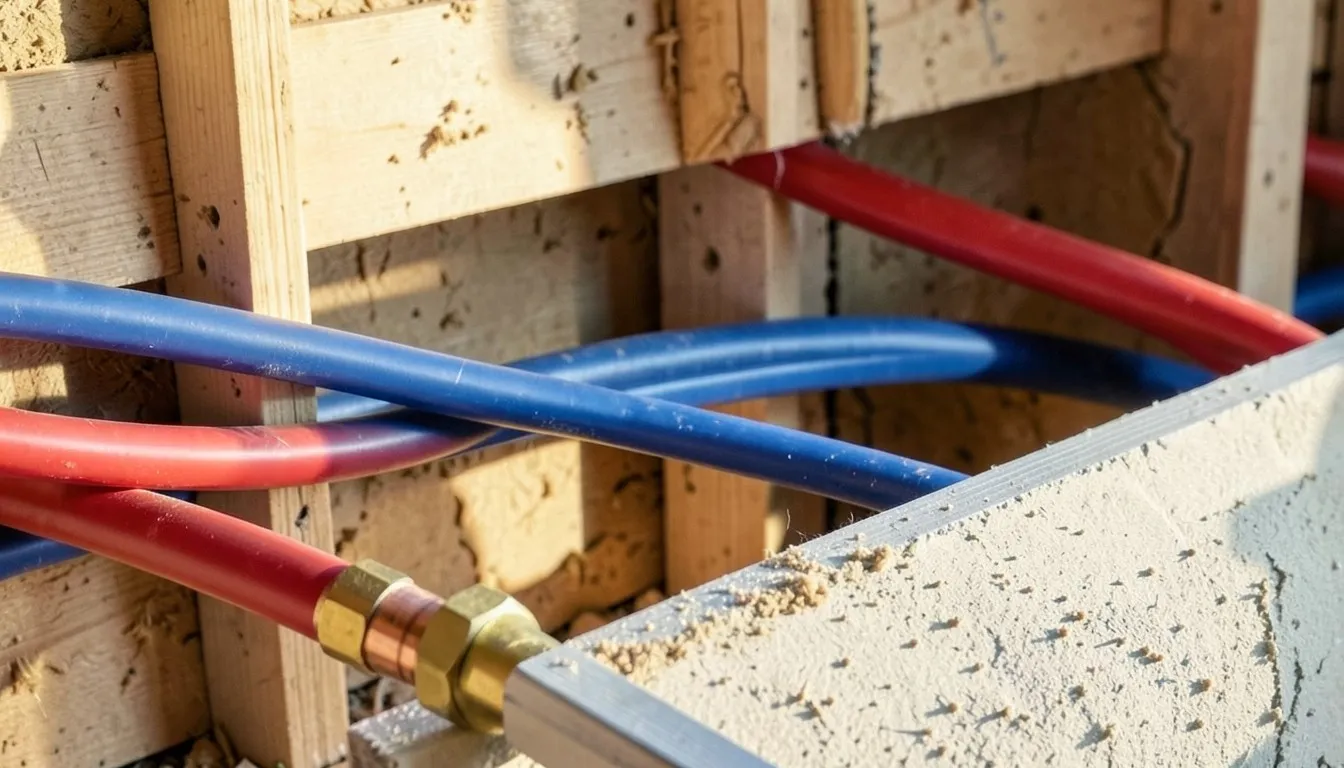
Galvanized supply lines and cast iron drain systems from the 1880s–1940s are past their 40–70-year design life across much of Dayton. Interior rust scale progressively narrows pipe bore. Plumbers here routinely scope supply lines before quoting any repair — the underlying pipe condition often makes full replacement more cost-effective than patching.
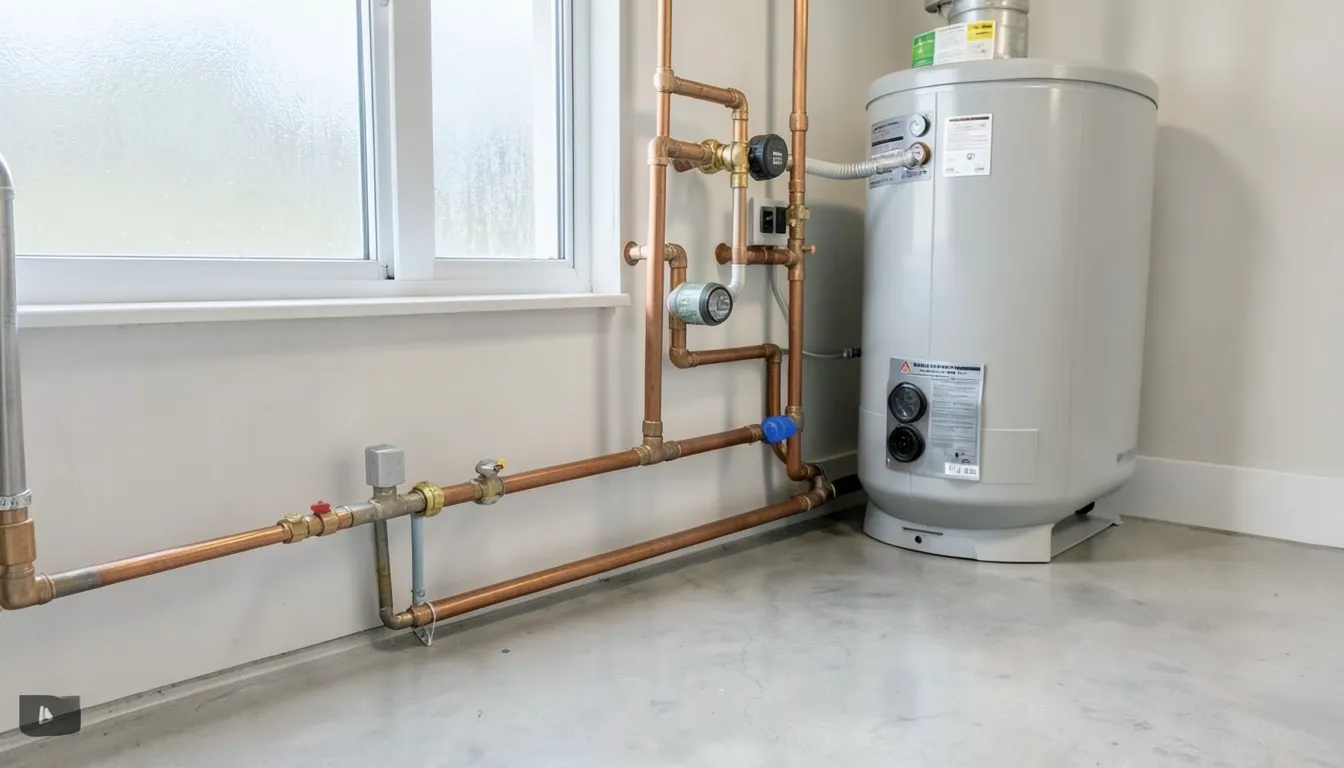
At 15–20+ GPG, calcium scale forces compressed equipment cycles in Dayton: tank heaters average 6–9 years vs. the 10–12-year national benchmark, and tankless units require annual descaling. Anode rods calcify within 12–18 months. Most plumbers here assess heater age against the local scale timeline — not the manufacturer's service life.

The primary surge in Dayton runs January–March, with a secondary wave at the spring thaw — when pipes that held through the freeze rupture as pressure is restored above 32°F. Scheduling competition peaks exactly when emergency calls are highest. Homeowners who wait for visible damage compete for the same limited plumber slots at the worst possible time.
Active damage in Dayton: contain, assess, restore
Submit your Dayton address and describe the active damage — flooding, failed shutoff, burst or frozen line. AlertPlumber marks the request as priority and an OH-licensed plumber confirms receipt within 15 minutes, without routing through a national call center.
The plumber arrives with a confirmed ETA, locates the nearest shutoff, and maps the damage boundary — affected lines, access points, material condition. You receive a verbal assessment of what requires immediate containment and what can wait until the full repair scope is confirmed.
You approve a written containment and repair scope before any work begins. Temporary isolation is priced separately from full restoration. No phase proceeds without your explicit sign-off.
Water Heater Repair cost calculator — Dayton
Pre-filled for water heater repair in Dayton. Adjust the ZIP for a neighboring area, or change the service to compare. Calculator pulls from the city's scraped permit-fee + state plumber-density data.
Water Heater Repair emergency in Dayton?
Every hour without a repair increases structural risk and remediation cost. A verified plumber calls back with an ETA and a written estimate before any work begins.
Water Heater Repair in Dayton — frequently asked
What does water-heater repair or replacement cost in Dayton on a basement-install standard?
Dayton water-heater pricing reflects two anchors: 15 gpg very hard sole-source aquifer water that accelerates tank lifecycle to 4–6 years on standard 6-year warranty units, and the universal basement-install standard across Miami Valley housing stock that simplifies access and venting. Standard 40-gallon natural-gas tank replacement runs $1,485–$2,285 including basement removal of the failed unit, new tank, ANSI Z21.10.1-rated installation, and code-compliant venting. 50-gallon gas runs $1,685–$2,585. Electric 50-gallon runs $1,385–$2,185 — common in all-electric Belmont, Westwood, and post-1980 Kettering tract homes. Tankless gas conversion (Rinnai, Navien, Rheem) runs $3,985–$6,485 including the gas-line upsizing the 15 gpg precipitate-loaded source water demands. Hybrid heat-pump water heaters (Rheem Performance Platinum, AO Smith Voltex) run $2,985–$4,485 — viable in conditioned basements but not crawlspaces. Anode-rod-only service (the cheapest preventive intervention) runs $185–$345. Element or thermostat replacement on electric tanks runs $245–$445. Gas-valve or thermocouple service runs $285–$525. The $75 City of Dayton Building Services permit plus $50 inspection apply to tank replacement, gas-line modification, and tankless conversion. AlertPlumber routes to an OH OCILB plumber with active Dayton municipal residential authorization.
How fast can a Dayton plumber arrive when the water heater fails in February?
February water-heater failures are the most common Dayton emergency call pattern — the 120 freeze days drive both inlet-water temperature drops (from ~55°F summer to ~38°F winter) that stress tank elements and gas-valve cold-failure events. Realistic Miami Valley response by ZIP. Inside-city Dayton 45402, 45403, 45404, 45405, 45406, 45410, 45417: 95–155 minutes weekday business hours for a diagnostic visit, 145–225 minutes 2 a.m.–5 a.m. Replacement work (if the diagnostic confirms tank failure) typically follows in 6–24 hours depending on tank model and gas-line work needed. Outer Montgomery County 45414, 45415, 45419, 45420, 45424, 45426, 45429, 45439, 45449, 45458 (Kettering, Centerville, Huber Heights, Trotwood, West Carrollton, Riverside): 125–195 minutes weekday for diagnostic. Wright-Patterson region 45431, 45432, 45433, 45434 (Beavercreek, Fairborn, base housing): 145–225 minutes — Greene County dispatch overlap with Montgomery County affiliates is thinner. February emergency calls run 35–55 minutes longer dispatch ETA across the grid due to call volume. AlertPlumber confirms model availability on the callback so you know which tank is arriving.
Do I need a Dayton permit for water-heater work and what's the City of Dayton process?
Yes for replacement and tankless conversion; no for service work on existing units. The $75 City of Dayton Building Services plumbing permit plus the $50 inspection fee attach to: tank-to-tank replacement (gas or electric), tankless gas conversion, heat-pump water-heater installation, gas-line modification serving the water heater, and any work that crosses into code-altering installs. Anode-rod replacement, element or thermostat replacement on electric tanks, gas-valve or thermocouple service, and tank flushing for scale removal are all permit-exempt maintenance under IPC § 504. The verified plumber pulls the permit through City of Dayton Building Services Division on West Third Street and itemizes both the $75 permit and $50 inspection separately on the written quote. Inspection confirms T&P relief valve discharge location, gas line sizing per IFGC § 402, draft-hood or power-vent termination compliance, and seismic strapping where required. Of the 3,420 residential permits Dayton issued in 2024, water-heater permits run a typical 3–7 business day cycle. Greene County addresses follow a parallel county-level process.
Why do Dayton tanks fail at 4-6 years when the manufacturer says 10-12?
The gap between manufacturer life expectancy and actual Dayton failure cadence comes down to one variable: 15 gpg very hard sole-source aquifer water. The Great Miami Buried Valley Aquifer (EPA-designated sole-source under SDWA § 1424(e)) delivers unblended groundwater with calcium and magnesium carbonate concentrations well above the 7 gpg "hard water" threshold per USGS hardness classification. Inside a tank-style water heater, three failure mechanisms compound. (1) Aggressive anode-rod consumption. The sacrificial magnesium or aluminum anode rod that's supposed to corrode preferentially to protect the tank steel consumes 2–3x faster on 15 gpg water than on soft-water markets. Once consumed (typically 3–5 years on Dayton water without replacement), the tank steel itself begins to corrode from the inside out. (2) Bottom-of-tank scale layer. Calcium carbonate precipitates and settles on the tank bottom, insulating the burner or lower element from the water column — gas burners over-fire and dry-rot the flue tube, electric lower elements scale-fail and the upper element cycles continuously. (3) Dip-tube degradation. The plastic dip tube that delivers cold inlet water to the tank bottom degrades faster in scale-rich water. Manufacturer warranty often doesn't apply because Dayton water exceeds the warranty's hardness specification. Annual anode-rod inspection and replacement every 2–3 years is the highest-payback maintenance for Dayton tanks.
Anode-rod replacement, full tank swap, tankless, or heat-pump — how does the Dayton plumber decide?
Decision tree the matched plumber follows on a Dayton water-heater service call. Anode-rod replacement when (a) the tank is under 6 years old, (b) the diagnostic visit shows the existing anode-rod is more than 50% consumed but tank steel is sound on visual inspection, and (c) there's no visible rust on the supply or T&P discharge. Runs $185–$345 and adds 3–5 years to typical Dayton tank life. Element or thermostat replacement on electric tanks when there's no hot water but the tank shell is sound — runs $245–$445. Full tank-to-tank replacement when (a) the tank is past 8 years on 15 gpg water, (b) there's visible rust at the T&P discharge or supply connections, (c) the bottom-of-tank scale layer has caused burner damage on gas units, or (d) the tank is leaking from the shell itself. Tankless conversion for homes with two or more bathrooms and gas service where the homeowner wants endless hot water and 50% lower standby loss — requires gas-line upsizing and venting work that adds $1,500–$2,800 to the install. Hybrid heat-pump for conditioned basements where the heat-pump can extract heat from basement ambient air — most efficient option but adds 6–10 dB noise to the basement and pulls 4–7°F from the surrounding air. The 15 gpg sole-source aquifer water requires water-softener pretreatment for any tankless install to maintain warranty.
Will my Ohio HO-3 cover water-heater damage in Dayton?
Standard Ohio HO-3 policies don't cover the water heater itself (it's appliance equipment, not building structure) but typically cover consequential water damage to drywall, finished-basement contents, flooring, and adjacent contents when the tank fails suddenly — subject to your deductible. Three coverage-specific considerations for Dayton owners. (1) Sudden vs gradual classification. A tank that ruptures and floods a finished basement in February presents as clear sudden-and-accidental and triggers coverage. A tank that's been slowly weeping from the T&P discharge for months may be classified as gradual seepage and denied. The matched plumber's diagnostic invoice with photographs establishes the discovery date. (2) Equipment-breakdown endorsement. Many Ohio HO-3 carriers offer an equipment-breakdown rider ($30–$80/year) that covers the water heater itself plus the consequential damage. Particularly relevant for Dayton owners on 15 gpg water where 4–6 year tank lifecycles are common. (3) Finished-basement coverage caps. Many Ohio HO-3 policies cap finished-basement coverage separately from main-floor structure — read the schedule because caps run from $5k–$25k and finished basement remodels in Five Oaks, Belmont, and Kettering often exceed the standard cap. Documentation: itemized repair invoice, before-and-after photographs of basement damage, and submission within the 14–30 day window your carrier mandates.
Why is annual anode-rod inspection the highest-payback Dayton water-heater maintenance?
Anode-rod inspection is the single intervention that most extends tank life on Dayton's 15 gpg sole-source aquifer water. The mechanism: a sacrificial magnesium or aluminum anode rod threaded into the top of the tank is intentionally more reactive than the tank's steel shell, so dissolved-oxygen attack consumes the anode preferentially while the tank steel stays intact. On 15 gpg Great Miami Buried Valley Aquifer water, the anode-rod consumption rate runs 2–3x faster than soft-water markets — a typical magnesium anode that lasts 8–10 years in Seattle (1 gpg) or Boston (2 gpg) consumes in 3–5 years in Dayton. Once the anode is fully consumed (or fully passivated by scale that prevents further reaction), the tank steel itself begins to corrode from the inside out and the leak appears within 12–24 months. The matched plumber inspects the anode by unscrewing the access plug at the top of the tank — if the visible portion is more than 50% consumed, the rod is replaced. Replacement cost is $185–$345 and adds 3–5 years to tank life on Dayton water. Per ENERGY STAR water-heater guidance, anode-rod maintenance combined with annual tank flushing can extend hard-water tank life by 50%+ over the manufacturer base case.
When should I attempt DIY water-heater work versus call a verified Dayton plumber?
DIY makes sense for: lighting a gas pilot per the manufacturer's labeled procedure (assuming a standing-pilot, not electronic-ignition unit); adjusting the thermostat dial on a gas unit; resetting the high-temperature limit switch on an electric unit after a single trip event; draining sediment from the tank bottom via the tank drain valve (an annual maintenance routine). Stop and call the verified plumber when: (1) the T&P relief valve is discharging continuously — that's a sign of over-temperature or over-pressure that requires diagnostic, never plug or cap the T&P valve, (2) you smell natural gas anywhere near the unit — leave the building and call the gas utility before any plumber, (3) the tank itself is leaking from the shell or bottom — replacement is the only fix and DIY tank swaps in Dayton basements without permit and inspection violate code, (4) the gas burner won't stay lit after multiple ignition attempts — gas-valve or thermocouple failure that needs verified diagnosis, (5) you live in a pre-1920 South Park, St. Anne's Hill, McPherson Town, or Oregon District home where the basement gas-line and venting configuration is original 1900s-1920s installation that requires careful diagnostic before any service work, or (6) the unit is over 8 years old on Dayton's 15 gpg water — that tank is in failure window and incremental DIY repair extends the risk window rather than addressing the underlying age. Per CPSC water-heater safety guidance, water heaters are the second-most-common appliance source of residential injury after stoves — credentialed work is the conservative choice.
How does AlertPlumber confirm a Dayton plumber holds the right credentials for water-heater work?
Water-heater work crosses both plumbing (water connections, T&P discharge, condensate handling) and gas-fitting (gas valve, burner, venting per IFGC § 402). Ohio's split credential framework requires: state-level Ohio OCILB Construction Industry Licensing Board commercial plumbing credential (roughly 5,800 active statewide) for commercial work, plus active City of Dayton municipal residential registration for the work address. Gas-fitting work on residential water heaters is included in the residential plumbing scope under Dayton municipal authority. Greene County (Beavercreek, Fairborn, Wright-Patterson region) operates a parallel residential registration. AlertPlumber routes water-heater calls to plumbers holding both OH OCILB commercial standing where applicable and the appropriate Dayton or Montgomery County residential authorization with gas-fitting privileges. Confirm OH OCILB status through the Ohio Department of Commerce industrial compliance lookup and Dayton municipal registration through City of Dayton Building Services before authorizing tank replacement, gas-line work, or tankless conversion. The matched plumber provides both credentials on the callback.
What Dayton ZIP codes does AlertPlumber cover for water-heater calls?
AlertPlumber's Miami Valley water-heater dispatch grid covers the full 137,644-resident City of Dayton footprint plus the Montgomery County and Greene County suburban rings. Inside-city ZIPs: 45402, 45403, 45404, 45405, 45406, 45410, 45417 (downtown core, Oregon District, McPherson Town, St. Anne's Hill, South Park, Five Oaks, Belmont, west-side). Montgomery County ring: 45414, 45415, 45419, 45420, 45424, 45426, 45429, 45439, 45449, 45458 (Kettering, Centerville, Huber Heights, Trotwood, West Carrollton, Riverside, Moraine, Oakwood). Wright-Patterson region in Greene County: 45431, 45432, 45433, 45434 (Beavercreek, Fairborn, base housing). Basement-install standard applies across the full grid — slab-on-grade water-heater closets are limited to the Belmont, Westwood, and Madden Hills mid-century pockets. Tank replacement on 15 gpg water averages a 4–6 year lifecycle on standard 6-year warranty units. Local context. Miami Valley atop the Great Miami Buried Valley Aquifer (EPA-designated sole-source under SDWA § 1424(e)), 15 gpg very hard water at $3.85 per 1,000 gallons driving 4–6 year tank lifecycle and aggressive anode-rod consumption, 120 freeze days driving cold-inlet stress, 32" frost line. City of Dayton Department of Water is the operating utility for inside-city addresses with Montgomery County and Greene County districts handling suburban service.
Sixty seconds from now, a plumber can be working your problem.
Call and talk to dispatch, or put your number in the form below — a licensed Ohio plumber calls you back about the water heater repair and gives a written estimate by phone.
Request a water heater repair callback in Dayton
In a meeting, with the kids, or just prefer not to hold? Drop your ZIP and number below. AlertPlumber routes your request to a verified plumber in your area — they’ll call you back directly.
- 1 Submit your info. ZIP, phone, and what kind of work you need.
- 2 AlertPlumber matches you with a verified plumber serving your area.
- 3 The plumber calls you back with a written estimate, no obligation.
Water Heater Repair in Dayton — fast response
Acute plumbing failures cannot wait. AlertPlumber has verified Ohio plumbers available for water heater repair in Dayton — call now or submit the form above for rapid callback.