
Thermocouple
A safety device in gas water heaters and furnaces that detects whether the pilot light is burning and shuts off gas flow if the flame goes out.
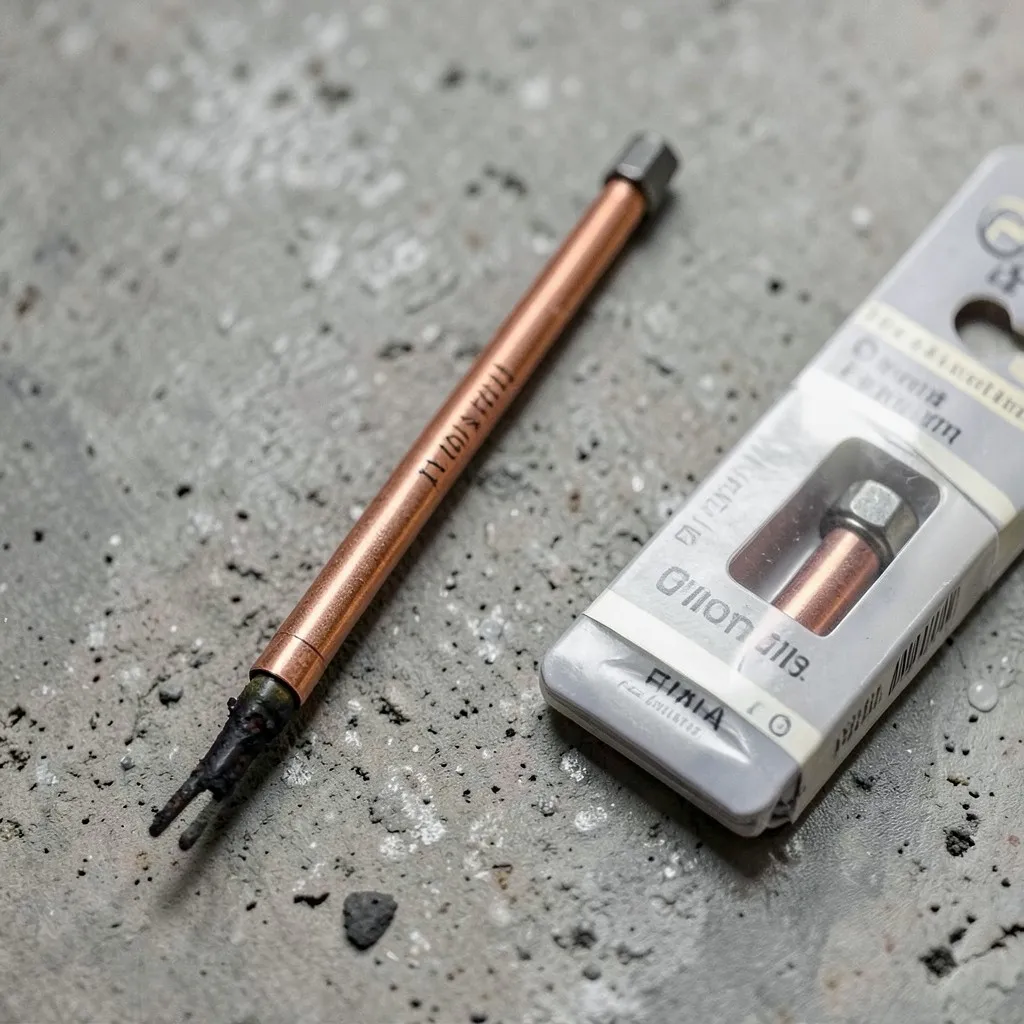
A thermocouple is a safety sensor used in gas water heaters, boilers, and furnaces. It consists of two dissimilar metals joined at one end (the hot junction) and connected to a gas valve at the other. When the pilot flame heats the junction, it generates a small electrical voltage (typically 15–30 millivolts) that holds the gas valve open. If the pilot goes out and the junction cools, the voltage drops, and a spring in the gas valve snaps it shut — stopping all gas flow to the burner.
Why does the thermocouple matter?
Without a working thermocouple, a gas water heater would release unburned gas into your home every time the pilot blew out. The thermocouple is what makes standing-pilot appliances safe. It's a simple, passive device with no power source — pure physics keeps the gas valve in check.
What are the signs of thermocouple failure?
- Pilot lights but won't stay lit after releasing the control knob
- Appliance works for a few minutes then shuts off
- Water heater produces no hot water despite the pilot appearing to light
How do you test and replace a thermocouple?
A multimeter set to DC millivolts can test a thermocouple: a good one reads 25–35 mV when the tip is in flame. Under 20 mV means the thermocouple is weak and should be replaced. Replacement thermocouples are inexpensive at hardware stores and take 20–30 minutes to swap — shut off gas, disconnect the lead from the gas valve, unscrew the bracket, insert the new unit, reconnect, and relight the pilot.
Thermopile or thermocouple — what's the difference?
Some appliances use a thermopile — a series of thermocouples wired in series, generating more voltage (250–750 mV). Thermopiles can power electronic controls and remote thermostats, while a single thermocouple only produces enough current to hold open a simple gas valve. Both devices fail the same way and are diagnosed similarly.
Researching the term is one thing — hiring for it is another. See water heater repair services for scope, timelines, and what drives the price, or call (888) 530-4445 to talk to a local plumber about the job.
What related terms should you know?
What sources back this up?
Need a plumber for water heater repair?
Calls are connected to independent licensed local plumbers in our partner's network for water heater repair. Ask for the license number and a written estimate before any work begins.