
Emergency Slab Leak Repair in Dayton, Ohio
Camera first, quote second — know exactly what's wrong in your Dayton home before you approve a dollar.
Local plumbing data for Dayton, OH
Seeing these conditions at your place in Dayton? A state-licensed plumber can confirm it over the phone — free, no obligation.
Pipe conditions in Dayton, OH
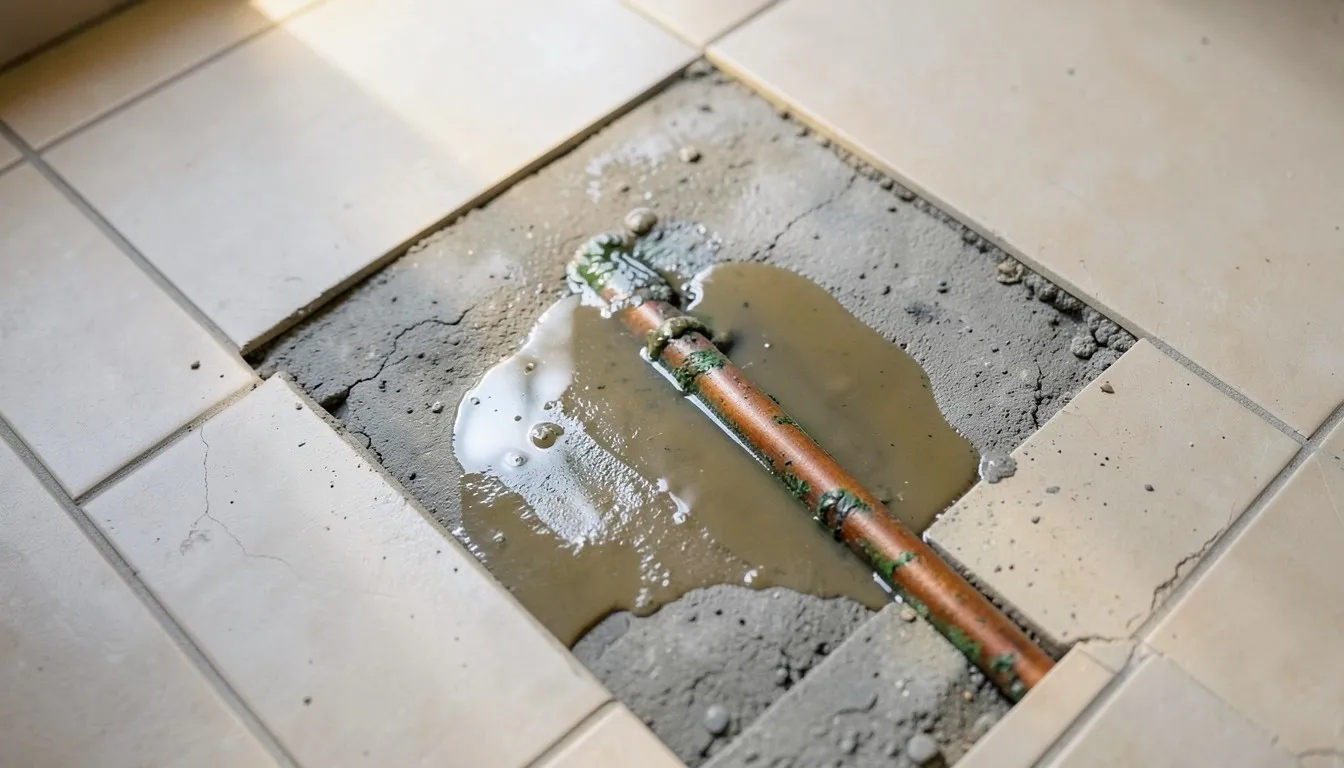
Slab leaks form when copper supply lines embedded in the concrete foundation develop pinholes from electrochemical corrosion, high-velocity water erosion, or slab movement. Dayton homes built during the 1960s–1980s on post-tensioned slabs face the highest slab-leak risk — copper installed at original construction is approaching or past the 50-year corrosion window. Early signs include warm or wet spots on the floor, unexplained water bill spikes, and the sound of running water when all fixtures are closed. AlertPlumber routes your request to an Ohio-licensed plumber for acoustic leak location before any slab cutting begins.
Dayton's water utility maintains an active lead service line (LSL) replacement program. With a median home age of 79 years, a portion of the housing stock may still have lead service laterals connecting the water main to interior supply — a consideration during any work near the service entry point. A licensed plumber can confirm whether supply-side work requires utility coordination.
Very hard water in Dayton is a primary driver of accelerated appliance failure: water heater anode rods exhaust in 2–3 years instead of 6–8, scale deposits at fixture connections form within months of installation, and tankless heat exchangers accumulate mineral buildup that can reduce lifespan by half without regular descaling. A softener or whole-house conditioner is strongly recommended alongside any appliance service call.
Frost line depth in Dayton means supply lines and outdoor plumbing must be installed below the freeze threshold — typically 32 — to prevent pipe burst during cold events. Exterior hose bibs, irrigation shutoffs, and any exposed pipe runs are the most common winterization service points in freeze-risk markets.

- Median home age
- 79 yrs
- Water hardness
- 15 gpg
- Frost line
- 32 in.
- Permit
- $75
A licensed OH plumber reads these conditions the moment you describe the symptom.
What shapes plumbing demand in Dayton, OH
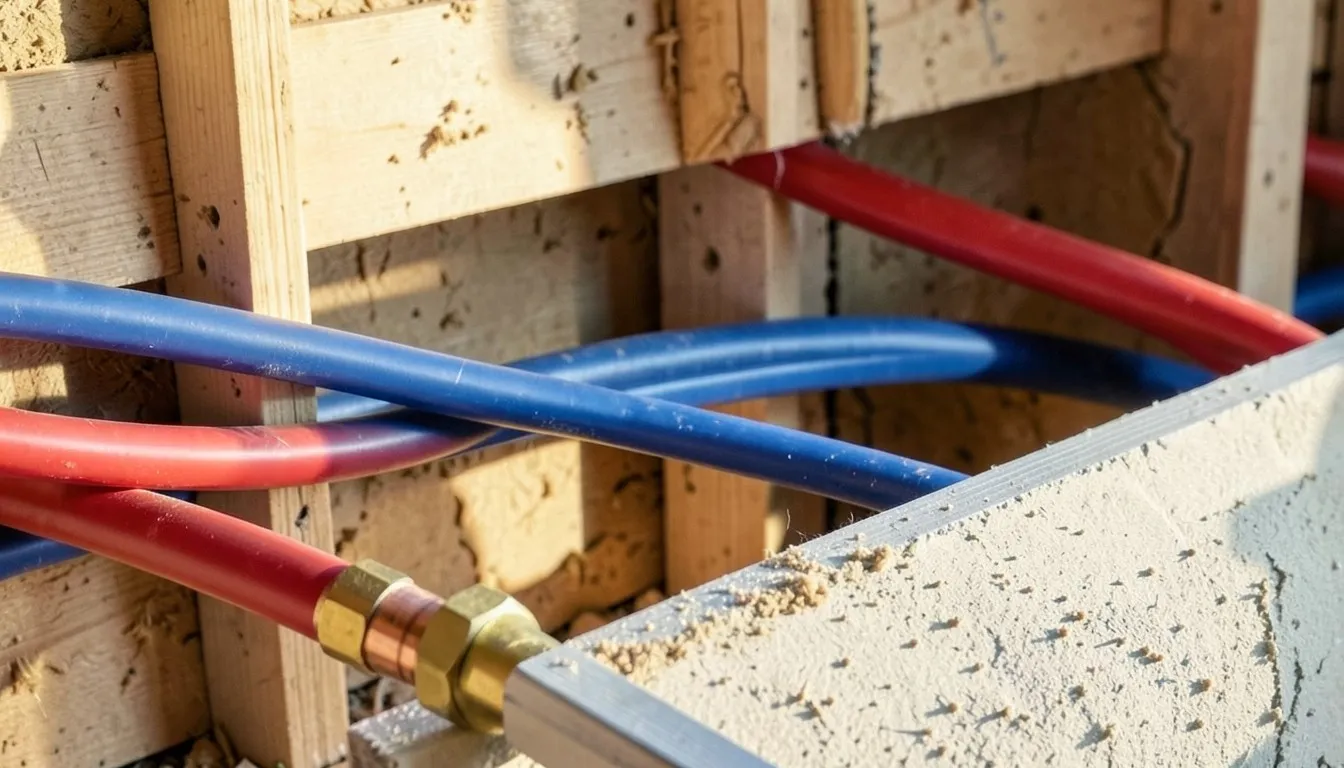
Galvanized supply lines and cast iron drain systems from the 1880s–1940s are past their 40–70-year design life across much of Dayton. Interior rust scale progressively narrows pipe bore. Plumbers here routinely scope supply lines before quoting any repair — the underlying pipe condition often makes full replacement more cost-effective than patching.
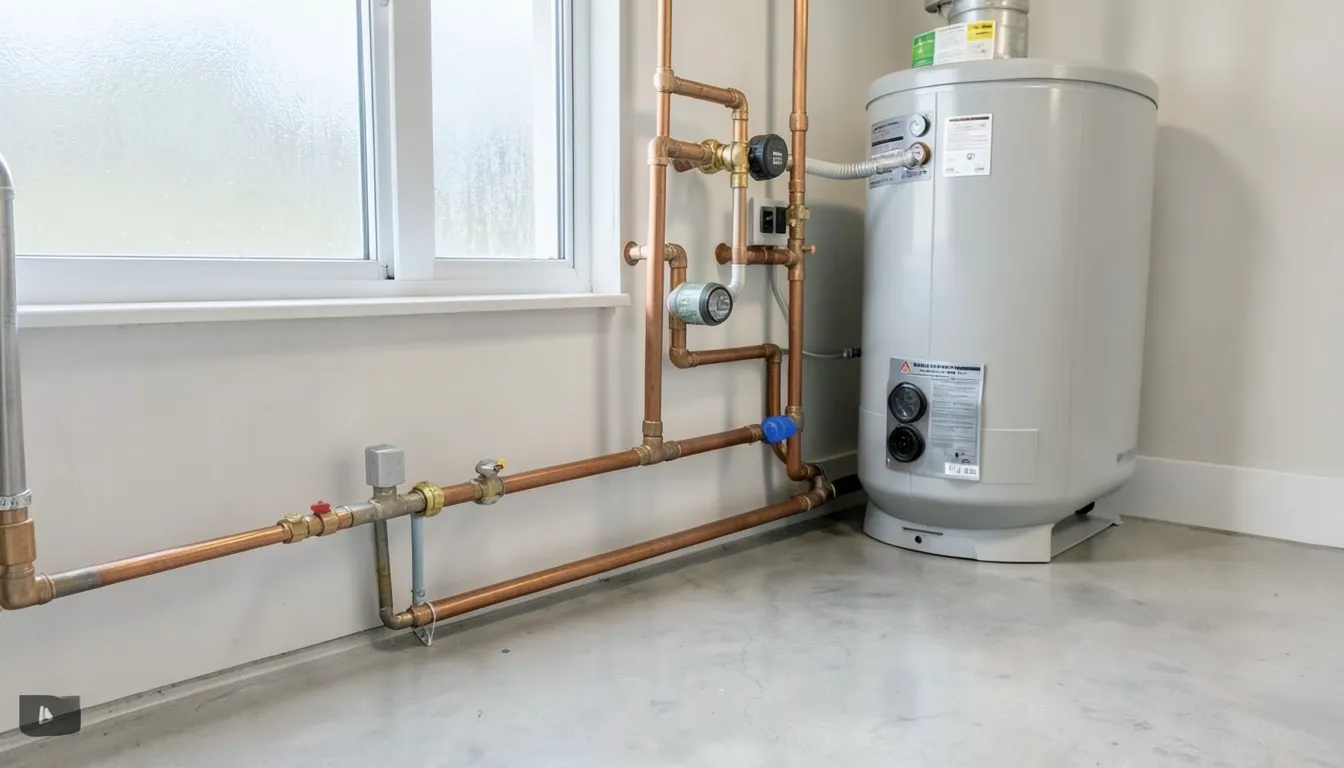
At 15–20+ GPG, calcium scale forces compressed equipment cycles in Dayton: tank heaters average 6–9 years vs. the 10–12-year national benchmark, and tankless units require annual descaling. Anode rods calcify within 12–18 months. Most plumbers here assess heater age against the local scale timeline — not the manufacturer's service life.
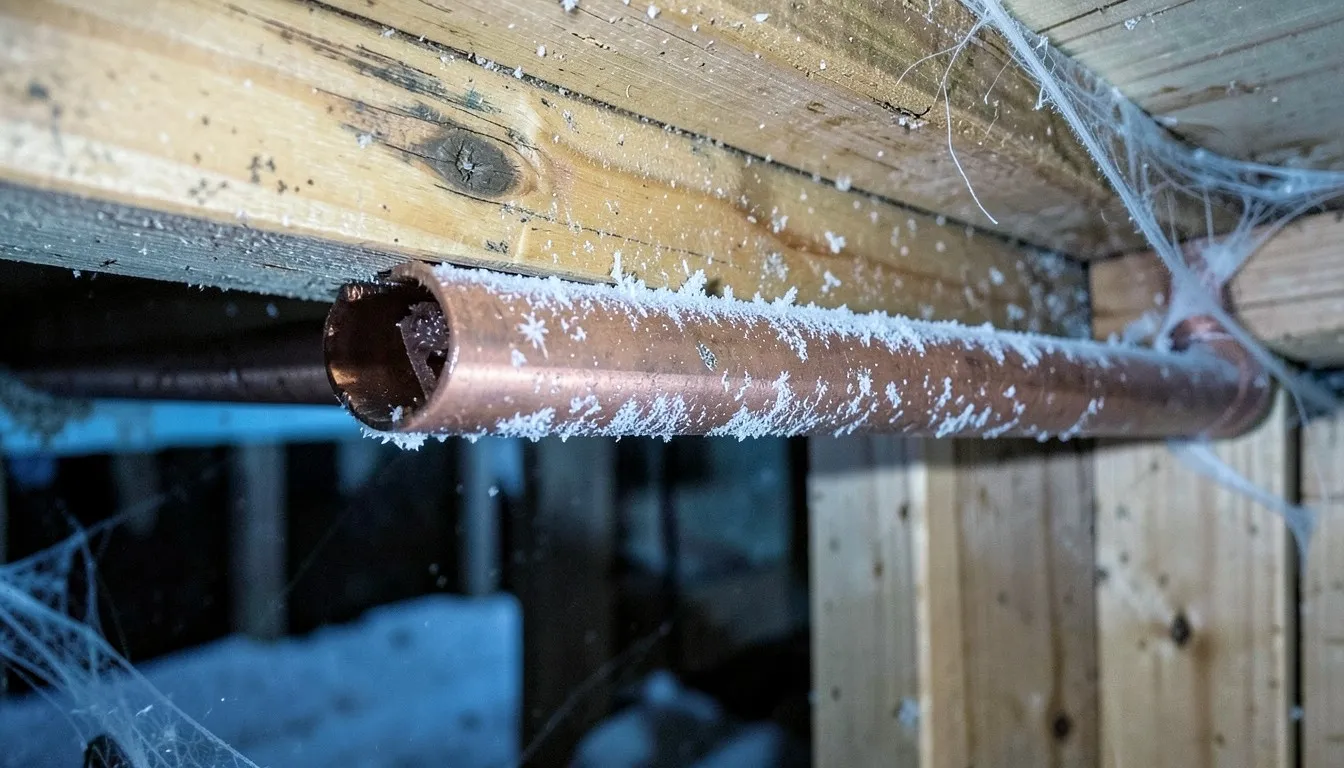
The primary surge in Dayton runs January–March, with a secondary wave at the spring thaw — when pipes that held through the freeze rupture as pressure is restored above 32°F. Scheduling competition peaks exactly when emergency calls are highest. Homeowners who wait for visible damage compete for the same limited plumber slots at the worst possible time.
Dayton: diagnose first, repair second
Describe the symptom — not the repair. AlertPlumber routes to an OH-licensed plumber trained in diagnostics. The site visit uses camera tracing, acoustic detection, or hydrostatic pressure testing — matched to the reported failure type.
The plumber delivers a written diagnostic report: confirmed failure location, available repair methods, and tradeoffs — disruption level, material durability, long-term cost, and whether a Dayton building permit applies to the selected method.
You select the repair path. The Ohio-licensed plumber proceeds on the authorized method with a fixed scope and price. Where required, the permit application to Dayton is handled by the contractor.
Slab Leak Repair cost calculator — Dayton
Pre-filled for slab leak repair in Dayton. Adjust the ZIP for a neighboring area, or change the service to compare. Calculator pulls from the city's scraped permit-fee + state plumber-density data.
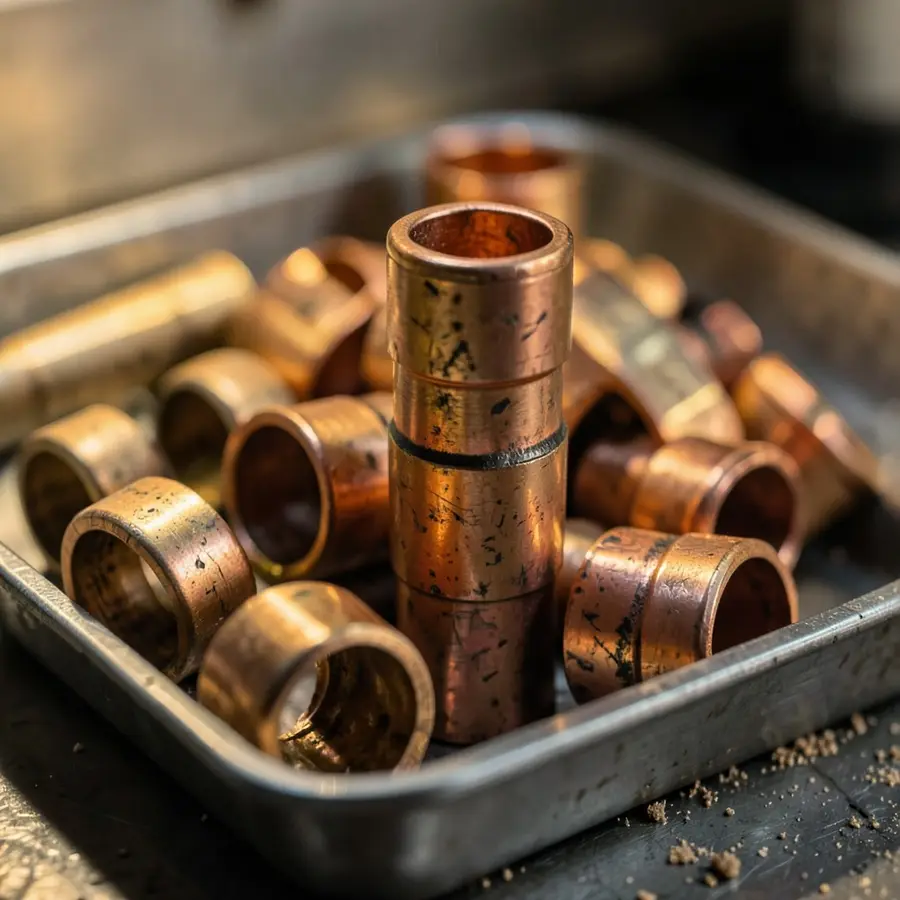
Slab Leak Repair emergency in Dayton?
Every hour without a repair increases structural risk and remediation cost. A verified plumber calls back with an ETA and a written estimate before any work begins.
Slab Leak Repair in Dayton — frequently asked
Is slab-leak repair even common in Dayton given the Miami Valley basement standard?
Slab-leak calls in Dayton are a minority of the leak-detection mix because basements are the architectural standard across the Miami Valley housing stock — Oregon District 1820s-1860s stone-foundation construction, St. Anne's Hill and South Park 1880s-1910s brick Victorians, Five Oaks 1910s craftsman, and the bulk of pre-1950 stock all build over full basements with the supply and waste runs in the basement ceiling or accessible. The slab-on-grade subset that drives slab-leak calls concentrates in two specific Dayton segments. (1) Mid-century 1950s-1960s ranch additions in Belmont, Westwood, Madden Hills, and similar inner-ring neighborhoods where post-war single-story builds went up on slab-on-grade foundations with copper supply lines run through the slab pour. (2) Post-1913 flood-rebuild slab pockets downtown where reconstruction after the Great Miami flood used slab-on-grade for some commercial and adapted-residential structures. Outside those two segments, plumbers more often deal with basement-ceiling supply leaks than true slab leaks. The matched plumber confirms the foundation type on the callback before quoting because the detection and repair approach differs entirely.
What does Dayton slab-leak repair cost on a Belmont 1950s ranch addition?
Pricing reflects the two-step nature of slab-leak work — detection, then repair scope selection. Detection across acoustic, thermal-imaging, and tracer-gas methods runs $385–$745 for the diagnostic visit. Spot-repair with surgical slab penetration (cut a 12–18 inch section of slab over the localized leak, repair the copper section, patch slab) runs $2,485–$4,985 on a typical Belmont ranch supply line. Re-route around the slab (abandon the failed slab-section run, install a new copper or PEX-A line through accessible wall and ceiling cavities) runs $1,985–$4,485 — often the preferred path on Westwood and Madden Hills mid-century slab homes where a single failed copper section signals more failures coming. Full repipe to PEX-A running overhead through walls and attic (never back through the slab) runs $7,485–$14,485 on a Dayton-typical 3-bedroom 1950s ranch and is the durable answer when detection finds multiple at-risk hot-side copper branches in the slab. The $75 City of Dayton Building Services permit plus $50 inspection apply to all repair scope beyond surgical spot work. AlertPlumber routes to an OH OCILB plumber with active Dayton municipal residential authorization.
How fast can a Dayton slab-leak detection crew arrive for an active slab-leak warm-spot?
An active slab leak presents distinct symptoms — a warm spot on flooring where the hot-water line runs through the slab, an unexplained water-meter spin with all fixtures off, or a damp baseboard along an exterior wall. Realistic Miami Valley response by ZIP for an active slab-leak call. Inside-city Dayton (45402, 45403, 45404, 45405, 45406, 45410, 45417): 95–165 minutes weekday business hours, 145–225 minutes 2 a.m.–5 a.m. Outer Montgomery County 45414, 45415, 45419, 45420, 45424, 45426, 45429, 45439, 45449, 45458 (Belmont, Kettering, Centerville, Huber Heights, Trotwood, West Carrollton, Westwood): 125–195 minutes weekday — the highest concentration of slab-on-grade Dayton stock is in these ZIPs so detection equipment is regularly deployed here. Wright-Patterson region 45431, 45432, 45433, 45434 (Beavercreek, Fairborn, base housing): 145–225 minutes. December–February 120-freeze-day window stretches every ETA by 25–45 minutes since the cold-weather hot-water-line stress pattern drives slab-leak symptom emergence. AlertPlumber confirms the detection method on the callback so you can clear furniture from the suspect slab zone.
Do I need a Dayton permit for slab-leak repair and what's the City of Dayton process?
The detection portion of slab-leak work is permit-exempt. Repair work requires the $75 City of Dayton Building Services plumbing permit plus the $50 inspection fee for any of the following: spot-repair with slab penetration, re-route around the slab through walls and ceiling, partial or full repipe to PEX-A, or replacement of failed copper supply sections. The verified plumber pulls the permit through City of Dayton Building Services Division on West Third Street and itemizes both the $75 permit and $50 inspection separately on the written quote. Inspection is scheduled before slab patching closes off any work that needs to be visible at inspection — the inspector confirms pipe material (copper Type L or PEX-A SDR-9 acceptable), joint method (sweat soldered, press-fit, or PEX-A cold-expansion), and supply pressure (working pressure under 80 PSI per IPC § 604.8). Of the 3,420 residential permits Dayton issued in 2024, slab-leak repair permits average a 5–9 business day cycle from filing to final inspection. Greene County addresses route through Greene County Building Department on a parallel schedule.
Why does the Great Miami Buried Valley Aquifer's 15 gpg water drive copper-in-slab pinholes?
Mid-century 1950s-1960s Belmont, Westwood, and Madden Hills ranch additions used copper Type M tubing run through the slab pour on the hot-water supply side — that copper has been exposed to 15 gpg very hard Great Miami Buried Valley Aquifer water for 65–75 years now. The sole-source aquifer (EPA-designated under SDWA § 1424(e)) delivers unblended groundwater with elevated calcium, magnesium, and dissolved-oxygen concentrations. Two corrosion mechanisms drive slab-leak pinholes. (1) Type 1 hot-side pitting corrosion. The hot-water side (130–140°F typical Dayton setpoint) accelerates dissolved-oxygen attack at copper grain boundaries — small pits form and gradually penetrate the pipe wall, with hot-side pinholes appearing 30–50% more frequently than cold-side. (2) External slab-contact corrosion. Direct copper-to-concrete contact in the slab pour creates an electrochemical cell where alkaline concrete pH attacks the copper exterior — the failure presents as a leak from the outside-in rather than the inside-out. Both mechanisms cluster around the 60–80 year mark on Dayton mid-century slab-on-grade stock, which means the 1950s-1960s Belmont and Westwood ranch additions are now in peak slab-leak window. The matched plumber's recommendation typically shifts from spot-repair to re-route or full PEX-A repipe once the second slab leak appears within 24 months.
Acoustic, thermal, tracer-gas, or pressure-decay — which Dayton slab-leak detection method?
Method selection follows a slab-specific decision tree. Thermal imaging (FLIR or equivalent) is the first-line method for hot-side slab leaks in Belmont and Westwood mid-century ranch additions — the warm-spot on flooring above the leak reads cleanly on the thermal image when the hot-water side has been recently used, and the matched plumber localizes the leak to within 12–18 inches without any slab penetration. Acoustic detection (200–800 Hz contact microphone on the slab surface) for cold-side slab leaks where thermal contrast is unavailable — picks up the characteristic high-frequency hiss of a pressurized pinhole. Tracer-gas detection (hydrogen-nitrogen 95/5 blend introduced into the isolated supply line) for slab leaks where the slab construction (post-tension cable layout, dense reinforcement, finished flooring) blocks both thermal and acoustic signals. Pressure-decay testing to confirm the leak is in fact in the slab versus a basement-ceiling run that's gravity-draining onto the slab from above — a common Dayton false-positive on partial-basement homes. The matched plumber asks foundation type, suspected leak side (hot vs cold), and observable symptoms on the callback to load the right detection kit for the visit.
Will my Ohio HO-3 cover Dayton slab-leak repair?
Standard Ohio HO-3 policies typically cover sudden-and-accidental slab-leak events — the burst pipe itself plus the consequential damage to flooring, baseboard, drywall, and contents — subject to your deductible. The coverage nuances specific to Dayton's mid-century slab stock: (1) Sudden vs gradual classification. A pinhole that's been slowly seeping for months before discovery may be classified as gradual seepage and denied as preventable. The matched plumber's detection invoice with timestamp helps establish the sudden-discovery date for claim purposes. (2) Access-and-repair coverage caps. Many Ohio HO-3 policies cover the flooring tear-out and slab cutting to access the leak (often called "tear-out coverage") with a separate cap from the leak repair itself — read the schedule because caps run from $5k–$15k. (3) Pre-1980 hot-side copper exclusions. Newer endorsement language on some Ohio carriers excludes coverage for chronic-corrosion-driven failures on hot-side copper systems older than 60 years — this affects Belmont and Westwood 1955–1965 ranch additions specifically. (4) Aquifer-water-corrosion exclusions. A small number of carriers exclude hard-water-driven pinhole failures regardless of age. Documentation requirements: detection method invoice, repair invoice, before-and-after photos, and submission within the 14–30 day window your carrier mandates.
When is full PEX-A repipe the right answer versus spot-repair in a Dayton mid-century ranch?
Full repipe is the durable answer for Belmont, Westwood, Madden Hills, and similar Dayton mid-century slab-on-grade stock when one or more of the following applies. (1) Second slab leak within 24 months. Once Type 1 pitting corrosion appears on one hot-side branch, neighboring branches are typically within 12–36 months of failure on the same corrosion timeline. (2) Home is past the 60-year mark on original hot-side copper (built 1965 or earlier on 15 gpg sole-source aquifer water). (3) Detection identifies multiple at-risk slab-pass copper sections via acoustic or thermal survey of all hot-side runs. (4) Insurance carrier signals exclusion for the next claim — a common warning that full repipe is the only path forward. PEX-A run overhead through walls and ceilings (and where necessary through the attic) — never back through the slab — is the standard Dayton repipe approach. Per PEX Association, PEX-A in 2026 carries a 25-year manufacturer warranty when installed per spec, and the cross-linked polyethylene is immune to the dissolved-oxygen pitting that drove the original copper failures. The matched plumber documents the as-built repipe routing for both inspection and future homeowner reference.
How does AlertPlumber confirm a Dayton plumber holds the right credentials for slab-leak repair?
Slab-leak work crosses both detection (non-invasive, no permit required) and repair (regulated under City of Dayton Building Services Division). Ohio's split credential framework requires: state-level Ohio OCILB Construction Industry Licensing Board commercial plumbing credential (roughly 5,800 active statewide) for commercial work, plus active City of Dayton municipal residential registration for the work address. Greene County (Beavercreek, Fairborn, Wright-Patterson region) operates a parallel residential registration. AlertPlumber routes slab-leak detection and repair calls to plumbers holding both OH OCILB commercial standing where applicable and the appropriate Dayton or Montgomery County residential authorization. Slab-leak detection equipment proficiency — thermal imager, contact-acoustic geophone, tracer-gas equipment — is not a separate Ohio credential but a contractor-level training matter, and AlertPlumber prioritizes affiliates with documented manufacturer training on at least two detection methods. Confirm OH OCILB status through the Ohio Department of Commerce industrial compliance lookup and Dayton municipal registration through City of Dayton Building Services before authorizing slab penetration or repipe work. The matched plumber provides both credentials on the callback.
What Dayton ZIP codes does AlertPlumber cover for slab-leak repair calls?
AlertPlumber's Miami Valley slab-leak dispatch grid covers the full 137,644-resident City of Dayton footprint plus the Montgomery County and Greene County rings, with concentrated coverage of the mid-century slab-on-grade subset. Inside-city ZIPs with slab-on-grade pockets: 45402 (post-1913 flood-rebuild downtown slab pockets), 45405, 45406, 45417 (west-side and Belmont edges). The highest-density slab-on-grade ZIPs are in the Montgomery County ring: 45417, 45418, 45420, 45424, 45429, 45439, 45449, 45458 (Belmont, Westwood, Kettering, Centerville, Huber Heights, West Carrollton, Madden Hills). Wright-Patterson region in Greene County: 45431, 45432, 45433, 45434 (Beavercreek, Fairborn, base housing — including 1960s-1970s base-housing slab construction). Per City of Dayton building stock records, the 1955–1975 mid-century build cohort is concentrated in these outer-ring ZIPs and the slab-leak emergence pattern follows that cohort tightly. Local context. Miami Valley atop the Great Miami Buried Valley Aquifer (EPA-designated sole-source under SDWA § 1424(e)), 15 gpg very hard water at $3.85 per 1,000 gallons, 120 freeze days, 32" frost line. City of Dayton Department of Water is the operating utility for inside-city addresses with Montgomery County and Greene County districts handling suburban service. Basements remain the Dayton architectural standard so slab-leak calls are a minority of the overall leak-repair mix.
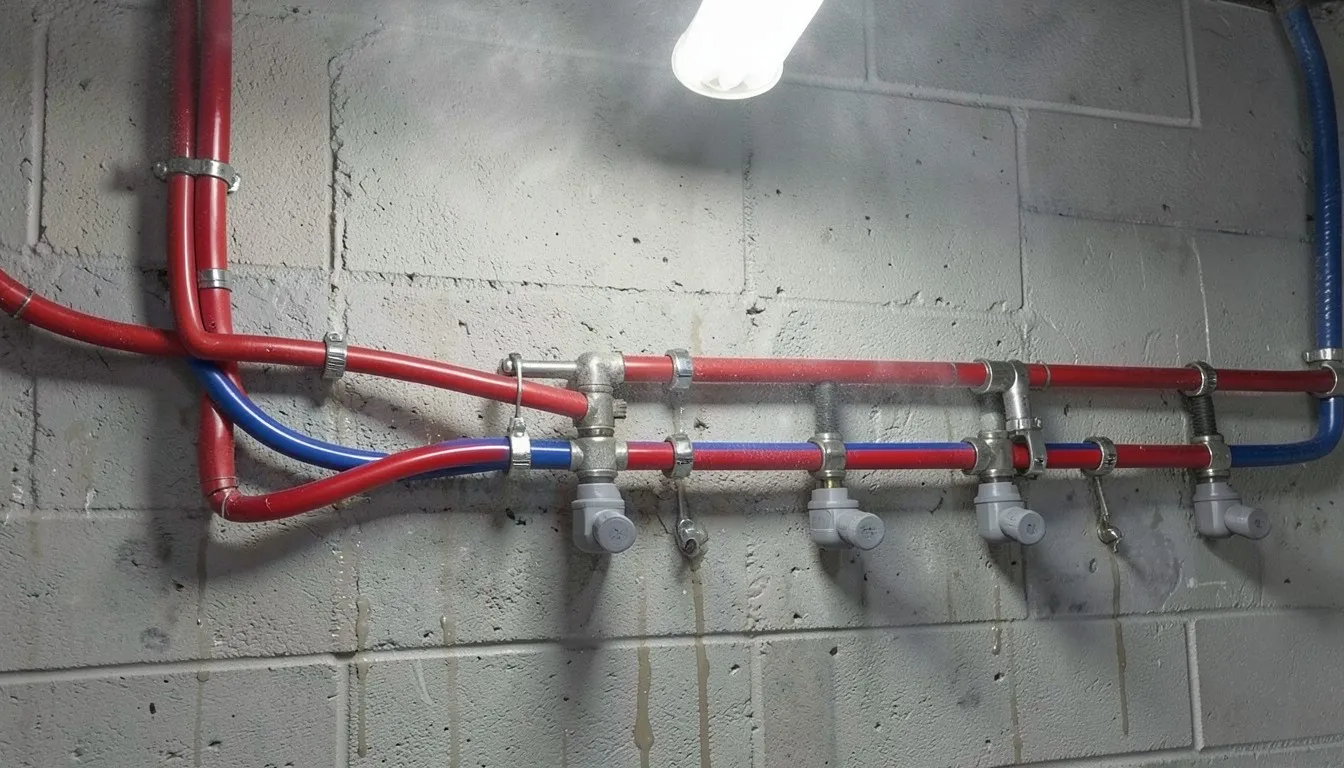
Sixty seconds from now, a plumber can be working your problem.
Call and talk to dispatch, or put your number in the form below — a licensed Ohio plumber calls you back about the slab leak repair and gives a written estimate by phone.
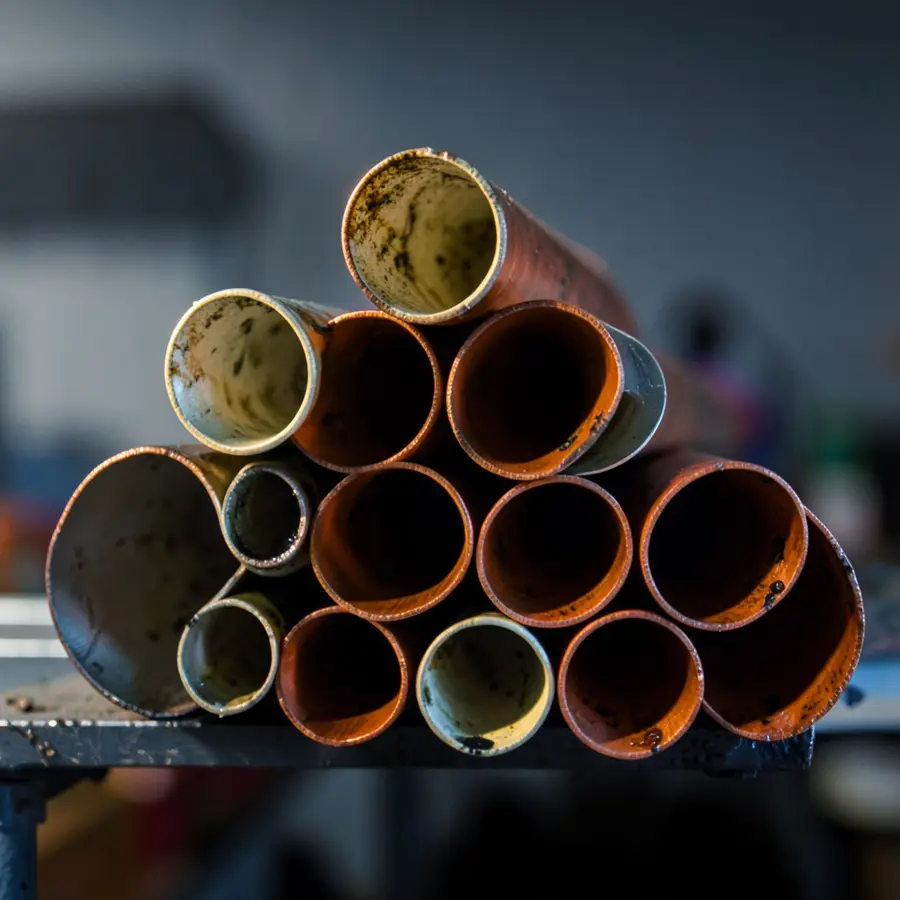
Request a slab leak repair callback in Dayton
In a meeting, with the kids, or just prefer not to hold? Drop your ZIP and number below. AlertPlumber routes your request to a verified plumber in your area — they’ll call you back directly.
- 1 Submit your info. ZIP, phone, and what kind of work you need.
- 2 AlertPlumber matches you with a verified plumber serving your area.
- 3 The plumber calls you back with a written estimate, no obligation.
Slab Leak Repair in Dayton — fast response
Acute plumbing failures cannot wait. AlertPlumber has verified Ohio plumbers available for slab leak repair in Dayton — call now or submit the form above for rapid callback.