
Gas Line
The piping that carries natural gas or propane from the utility meter or tank to appliances like water heaters, furnaces, stoves, and dryers.
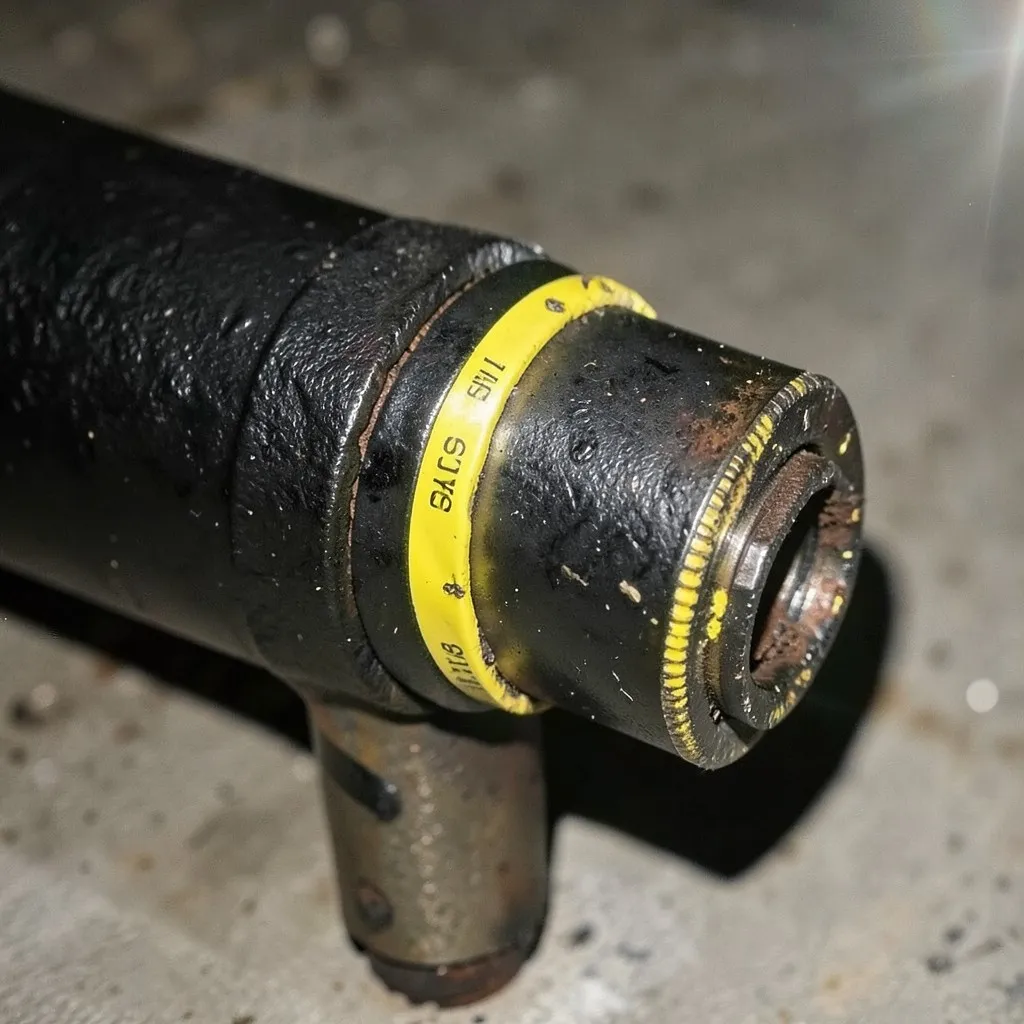
A gas line is the system of pipes and fittings that delivers natural gas or liquid propane (LP) from the utility meter or propane tank to individual appliances in a home — water heaters, furnaces, boilers, gas ranges, dryers, fireplaces, and outdoor grills. Because gas is flammable and can displace oxygen in an enclosed space, gas line work is among the most regulated and potentially hazardous tasks in residential plumbing.
What materials are used for gas lines?
- Black steel pipe with threaded fittings: the traditional standard inside walls and for buried mains. Durable, code-approved everywhere, but requires threading tools and joint compound (pipe dope rated for gas).
- CSST (corrugated stainless steel tubing): flexible stainless tubing used for runs inside finished walls and attics. Faster to install than black pipe but must be properly bonded to the electrical ground to prevent lightning-induced arc damage.
- Copper: accepted in some jurisdictions for LP (propane) but prohibited in many areas for natural gas (sulfur compounds in natural gas corrode copper).
- Black polyethylene: underground distribution only.
What code requirements apply to gas line work?
Gas line work requires a permit in virtually every jurisdiction. The rough-in is inspected by the building department before walls close, and the final connection is inspected after appliances are installed. Many localities require a licensed plumber or gas fitter — homeowners are generally prohibited from making gas connections themselves beyond attaching appliance connectors.
How do you detect a gas leak?
Natural gas is odorless; utilities add mercaptan (a sulfur compound) that smells like rotten eggs. If you smell gas: don't operate any switches or flames, leave the building immediately, and call 911 or your gas utility from outside. Ask the gas utility or plumber how a suspected leak at a fitting will be tested — leak testing at gas fittings is their job, not a homeowner task.
What does it cost to add a gas appliance?
Adding a gas dryer, generator hookup, or outdoor grill line means a plumber runs a new branch, priced by distance from the main and complexity. A whole-house gas line replacement costs several times a single branch, depending on home size and material choice (planning ranges in the plumbing cost calculator).
Researching the term is one thing — hiring for it is another. See water heater installation services for scope, timelines, and what drives the price, or call (888) 530-4445 to talk to a local plumber about the job.
For the full picture — materials, process, timelines and what drives the cost — read Water Heater Replacement: The Complete Guide.
What related terms should you know?
What sources back this up?
Need a plumber for water heater installation?
Calls are connected to independent licensed local plumbers in our partner's network for water heater installation. Ask for the license number and a written estimate before any work begins.