
Anode Rod
Sacrificial magnesium or aluminum rod inside a water heater tank that corrodes in place of the steel tank lining.
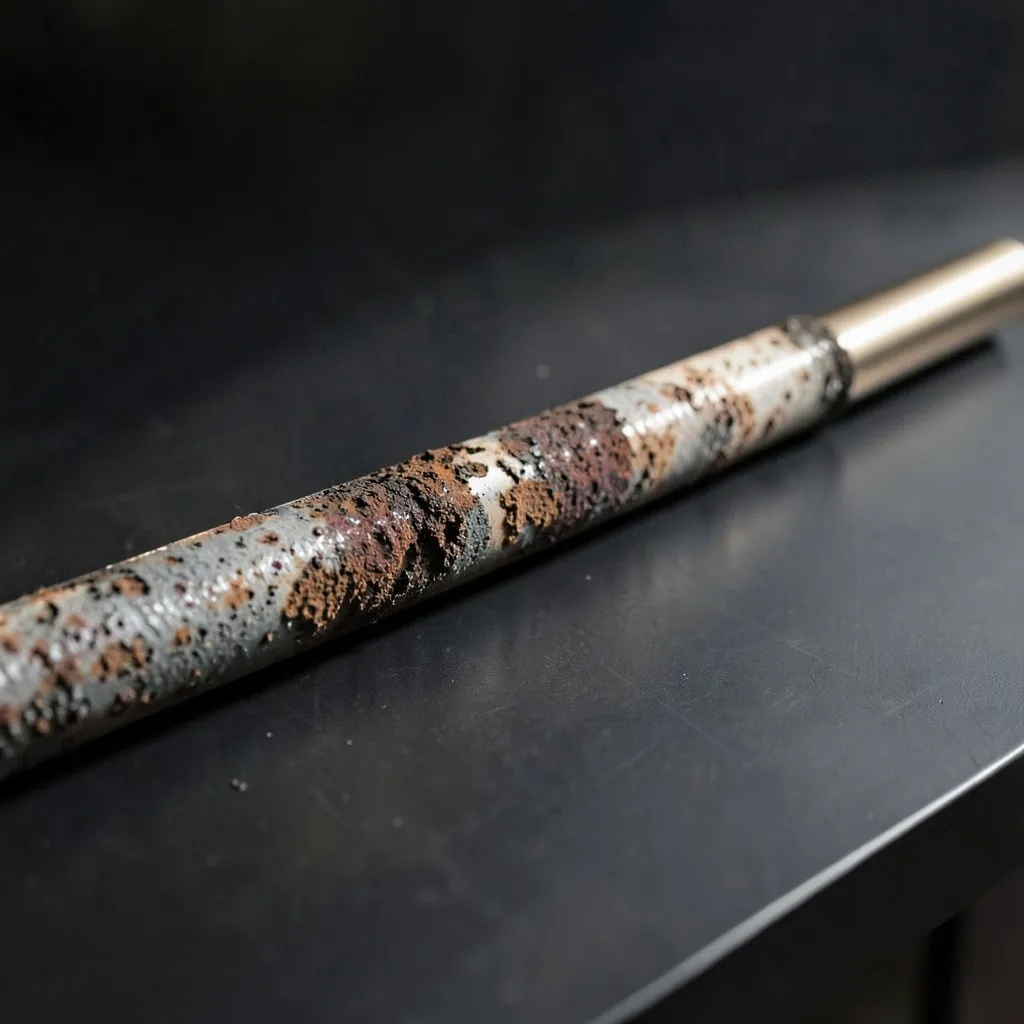
An anode rod is a long metal rod, typically made of magnesium, aluminum, or an aluminum/zinc alloy, that threads into the top of a residential storage water heater. Its purpose is electrochemical: the rod is more reactive than the steel tank, so dissolved minerals and oxygen attack the rod first, sparing the tank lining from rust. Without a functioning anode, a glass-lined steel tank will typically perforate within 6 to 8 years; with timely replacement, the same tank can last 15 years or longer.
When does an anode rod need to be replaced?
Most manufacturers and the U.S. Department of Energy recommend inspecting the anode every 2 to 3 years and replacing it once it is consumed below roughly 6 inches of remaining magnesium core or coated in heavy calcium scale. Homes with hard water (above 7 grains per gallon) or with a water softener exhaust the rod faster, often in 3 to 5 years. Aluminum rods are common in soft-water regions; magnesium gives stronger protection but reacts faster.
What are the signs of anode rod failure?
- Rotten-egg sulfur smell in hot water (bacterial reaction with a depleted magnesium rod)
- Rusty or discolored hot water at fixtures
- Visible corrosion or weeping at the tank seams
- Popping or rumbling from sediment buildup at the tank bottom
- Hot water that runs out faster than it used to
What does anode rod replacement cost in 2026?
A standard anode-rod replacement runs $150 to $280, including the rod ($30 to $90), labor (about an hour), and disposal. Flexible segmented rods used in tight closet installs add roughly $50. Powered titanium anodes, which do not deplete, cost $300 to $500 installed and are useful in well-water or recirculation systems where standard rods burn out quickly.
What code applies to anode rod replacement?
Anode rods are addressed indirectly in the International Residential Code (IRC) Chapter 28 and in ANSI Z21.10.1 (gas) and UL 174 (electric) water-heater standards, which require corrosion protection adequate for the tank's rated service life. Replacing the rod is a homeowner-permitted maintenance item in most jurisdictions and does not require a plumbing permit, but draining and refilling the tank should follow the manufacturer's instructions to avoid scalding and dry-fire damage on electric units.
Researching the term is one thing — hiring for it is another. See water heater repair services for scope, timelines, and what drives the price, or call (888) 530-4445 for a no-cost estimate.
What related terms should you know?
What sources back this up?
Need a verified plumber for water heater repair?
AlertPlumber matches you with a licensed plumber for water heater repair. Written estimate before any work begins.