
Plumbing Code
The body of regulations governing how plumbing systems must be designed, installed, and maintained — adopted at the state or local level, primarily based on the IPC or UPC model codes.
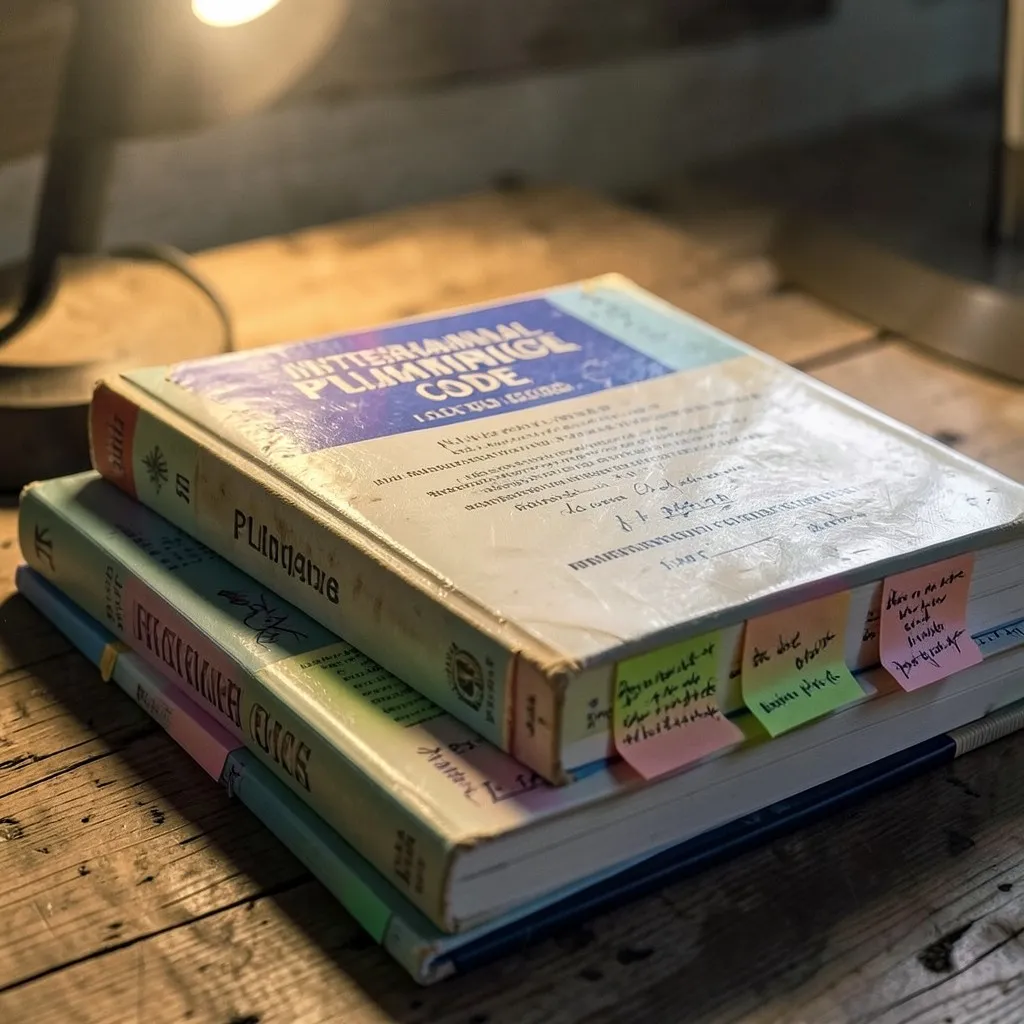
Plumbing code refers to the legally enforceable regulations that govern how plumbing systems must be designed, installed, inspected, and maintained in a given jurisdiction. These codes exist to protect public health by ensuring that potable water is protected from contamination, drainage systems function safely, and gas systems don't create fire or explosion hazards.
What are the two main model codes?
In the U.S., local governments adopt and amend one of two primary model codes published by standards organizations:
- International Plumbing Code (IPC): published by the International Code Council (ICC), adopted by most states east of the Rockies and widely used in commercial construction. Updated on a 3-year cycle.
- Uniform Plumbing Code (UPC): published by the International Association of Plumbing and Mechanical Officials (IAPMO), predominant in California, western states, and some Pacific Rim markets.
Most states amend their adopted model code with state-specific amendments — so the "plumbing code" in Florida differs in specifics from the "plumbing code" in Texas, even if both are based on the IPC.
What do plumbing codes regulate?
- Pipe materials and sizing requirements for supply, drain, and vent systems
- Trap and vent configurations for each fixture type
- Minimum fixture counts for occupancy types (number of toilets required per person)
- Backflow prevention requirements
- Anti-scald protection (shower valve requirements)
- Water heater installation, pressure relief, and venting
- Gas piping materials, sizing, and leak testing
What permits and inspections are required?
Most plumbing work beyond minor repairs (replacing a faucet or toilet) requires a permit and inspection. The permit process ensures a licensed inspector verifies code compliance before walls are closed and before the system is put in service. Unpermitted plumbing work can cause problems when selling a home, may void homeowner's insurance in a claim, and may need to be redone at your expense.
Researching the term is one thing — hiring for it is another. See whole-home repipe services for scope, timelines, and what drives the price, or call (888) 530-4445 to talk to a local plumber about the job.
For the full picture — materials, process, timelines and what drives the cost — read Whole-Home Repipe: The Complete Guide.
What related terms should you know?
What sources back this up?
Need a plumber for whole-home repipe?
Calls are connected to independent licensed local plumbers in our partner's network for whole-home repipe. Ask for the license number and a written estimate before any work begins.