
Emergency Sewer Line Repair in Dearborn, Michigan
Sewer Line Repair in Dearborn, Michigan repairs broken or root-invaded sewer lines via spot repair, lining, or trenchless methods. Local conditions in Dearborn: water measured at 12 gpg, a 28 in frost line and a median home age of 70 years.
Camera first, quote second — know exactly what's wrong in your Dearborn home before you approve a dollar.
Who do I call for a sewer line problem in Dearborn?
A plumber who does sewer line work. It is urgent when sewage backs up into a floor drain, tub or toilet in your Dearborn home, or several fixtures back up at once. Ask whether they camera-inspect the line before quoting a repair or a replacement.
What does the local plumbing data show for Dearborn, MI?
Seeing these conditions at your place in Dearborn? Describe them on the call to a state-licensed local plumber — free, no obligation.
What are the pipe conditions in Dearborn, MI?
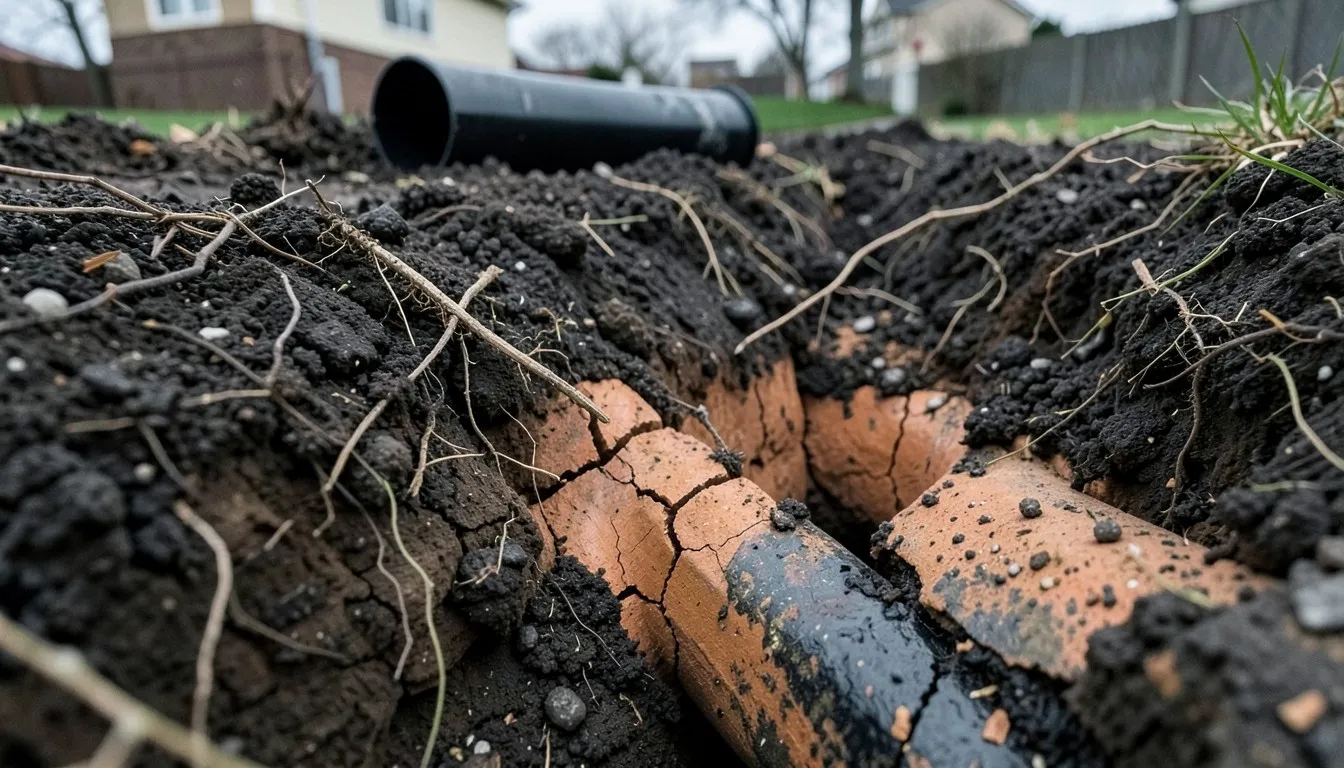
Sewer line failures in Dearborn follow predictable patterns by pipe material and installation era: clay tile joints separate and admit root intrusion; Orangeburg pipe (1940s–1960s) compresses under soil load; cast iron corrodes at horizontal runs where standing water accelerates deterioration. A camera scope before excavation is critical — it confirms whether a spot repair is viable or whether replacement of the full lateral is the smarter investment. AlertPlumber routes your call to an independent Michigan-licensed plumber — ask for the camera scope before they quote the repair. Freeze events and frost-depth requirements add pipe insulation, exterior faucet winterization, and burst-risk assessment to service calls in this climate.
Pre-war housing in Dearborn — median home age 70 years — may still carry galvanized steel supply lines installed before the copper era. Galvanized pipe corrodes from the inside out: internal oxidation gradually narrows bore diameter, reduces water pressure, and eventually results in pinhole failure at corroded sections. Inspection confirms whether scale and corrosion warrant section replacement or full repipe. Homes of other eras in Dearborn may have copper pipe or polybutylene supply lines instead; ask the plumber which your home has.
Very hard water in Dearborn is a primary driver of accelerated appliance failure: water heater anode rods exhaust in 2–3 years instead of 6–8, scale deposits at fixture connections form within months of installation, and tankless heat exchangers accumulate mineral buildup that can reduce lifespan by half without regular descaling. A softener or whole-house conditioner is strongly recommended alongside any appliance service call.
Frost line depth in Dearborn means supply lines and outdoor plumbing must be installed below the freeze threshold — typically 28 in — to prevent pipe burst during cold events. Exterior hose bibs, irrigation shutoffs, and any exposed pipe runs are the most common winterization service points in freeze-risk markets.
- Median home age
- 70 yrs
- Water hardness
- 12 gpg
- Frost line
- 28 in
- Permit
- City fee schedule
Census housing age, Dearborn city, Michigan: median year built 1952; 70.7% of homes built before 1960, 83.8% before 1980. Source: U.S. Census Bureau, ACS 2020–2024 5-year estimates, tables B25034 and B25035, read 2026-09-30.
Mention these conditions when you describe the symptom to the MI plumber you reach.
What shapes plumbing demand in Dearborn, MI?
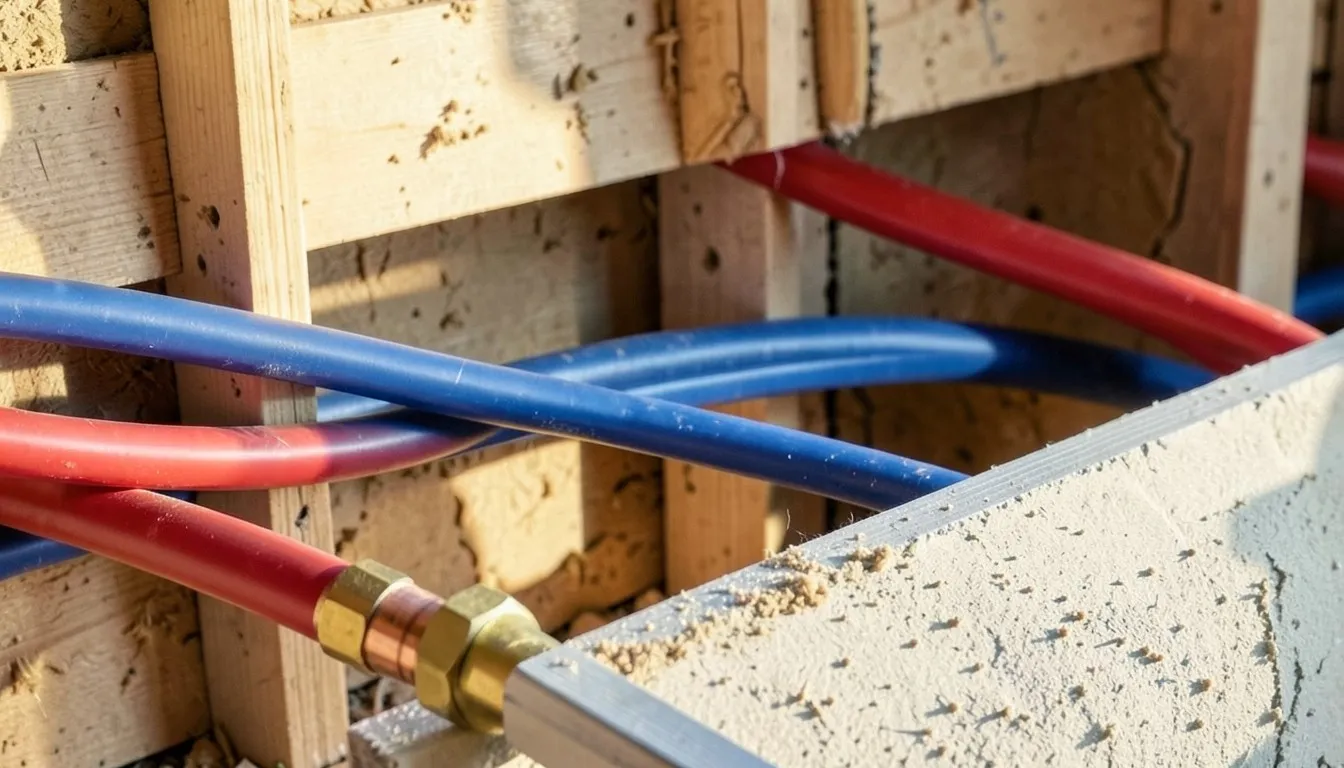
Galvanized supply lines and cast iron drain systems from the 1880s–1940s are past their 40–70-year design life across much of Dearborn. Interior rust scale progressively narrows pipe bore. Plumbers here routinely scope supply lines before quoting any repair — the underlying pipe condition often makes full replacement more cost-effective than patching.
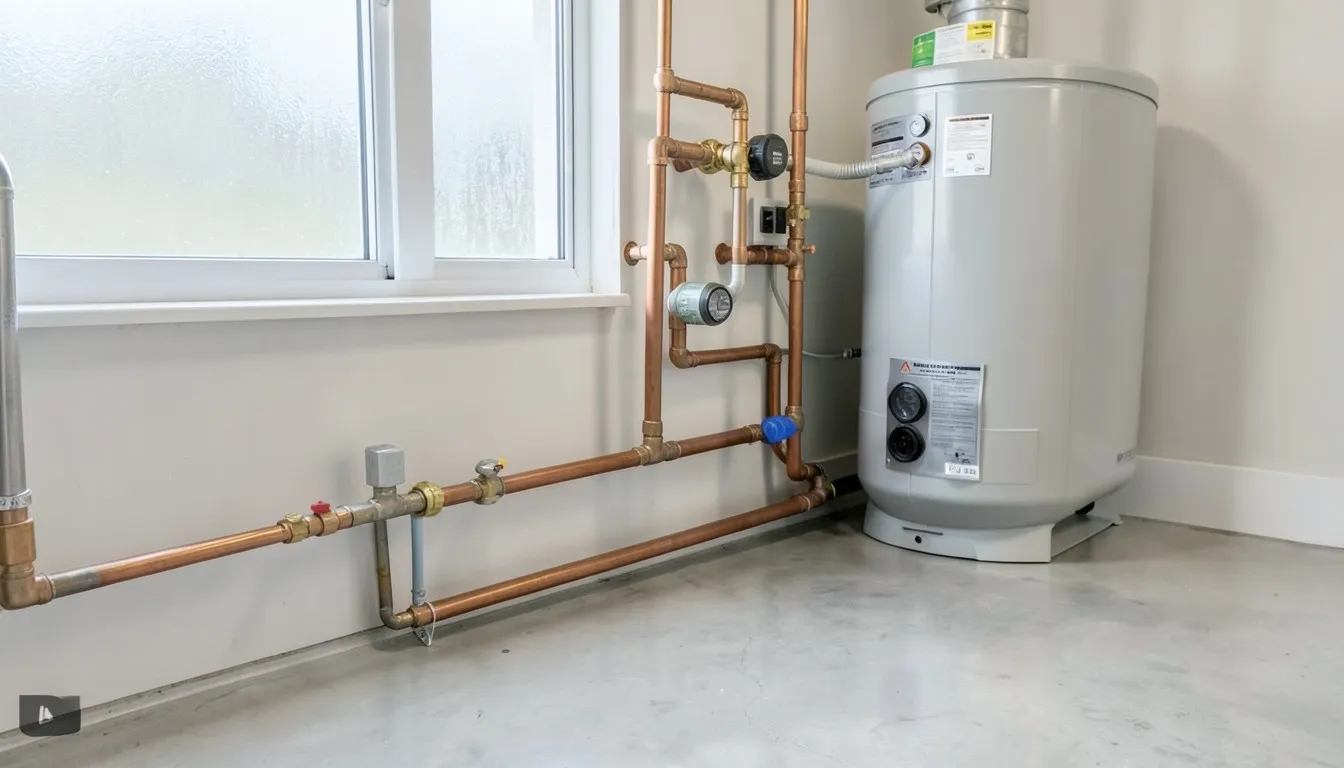
At 15–20+ GPG, calcium scale forces compressed equipment cycles in Dearborn: tank heaters average 6–9 years vs. the 10–12-year national benchmark, and tankless units require annual descaling. Anode rods calcify within 12–18 months. Most plumbers here assess heater age against the local scale timeline — not the manufacturer's service life.
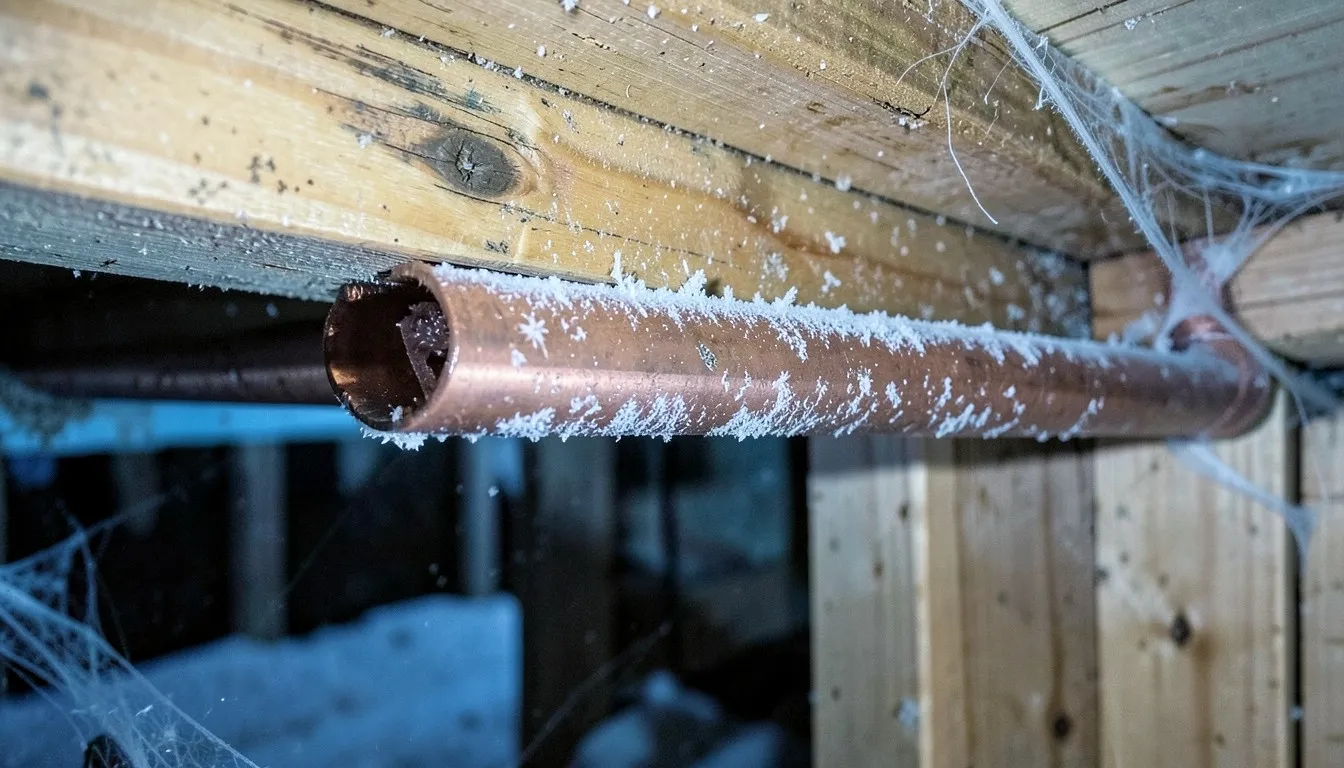
The primary surge in Dearborn runs January–March, with a secondary wave at the spring thaw — when pipes that held through the freeze rupture as pressure is restored above 32°F. Scheduling competition peaks exactly when emergency calls are highest. Homeowners who wait for visible damage compete for the same limited plumber slots at the worst possible time.
Why diagnose before repairing in Dearborn?
Describe the symptom — not the repair. AlertPlumber routes the call to an independent MI-licensed plumber in its partner's network — ask whether the site visit will use camera tracing, acoustic detection, or hydrostatic pressure testing matched to the reported failure type.
Ask the plumber for a written diagnostic report: confirmed failure location, available repair methods, and tradeoffs — disruption level, material durability, long-term cost, and whether a Dearborn building permit applies to the selected method.
You select the repair path. Ask for a fixed scope and price on the authorized method before the Michigan-licensed plumber proceeds and, where required, who files the permit application to Dearborn.
Sewer Line Repair cost calculator — Dearborn
Pre-filled for sewer line repair in Dearborn. Adjust the ZIP for a neighboring area, or change the service to compare. Calculator pulls from the city's scraped permit-fee + state plumber-density data.
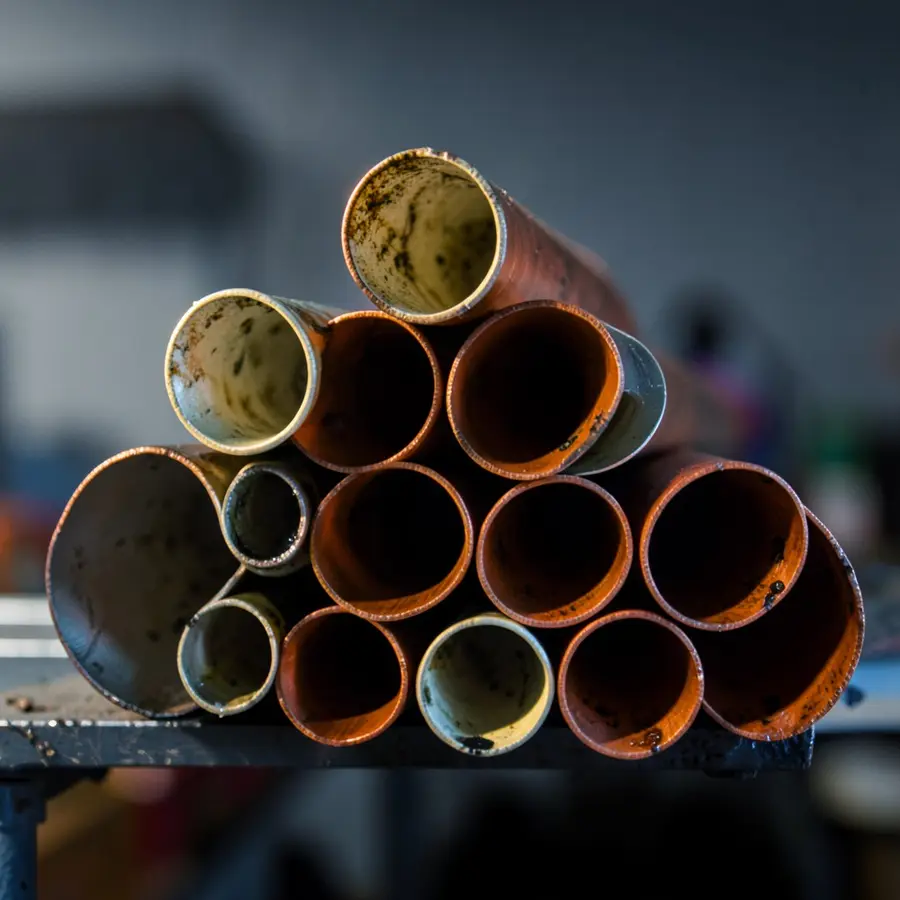
Sewer Line Repair in Dearborn — the longer it runs, the more it costs.
Slow failures compound: soft pipe walls, root penetration, mineral buildup. Ask the plumber you reach for a scope-first estimate before anything is dug up.
What else do people ask about sewer line repair in Dearborn?
How much does sewer line repair cost in Dearborn, MI?
Spot sewer line repair in Dearborn runs roughly 10% below the national average. Full replacement escalates to a higher price bracket. The MI LARA permit minimum is set by the local fee schedule. Price ranges: sewer line repair cost guide.
Should I get a camera inspection before sewer line repair in Dearborn?
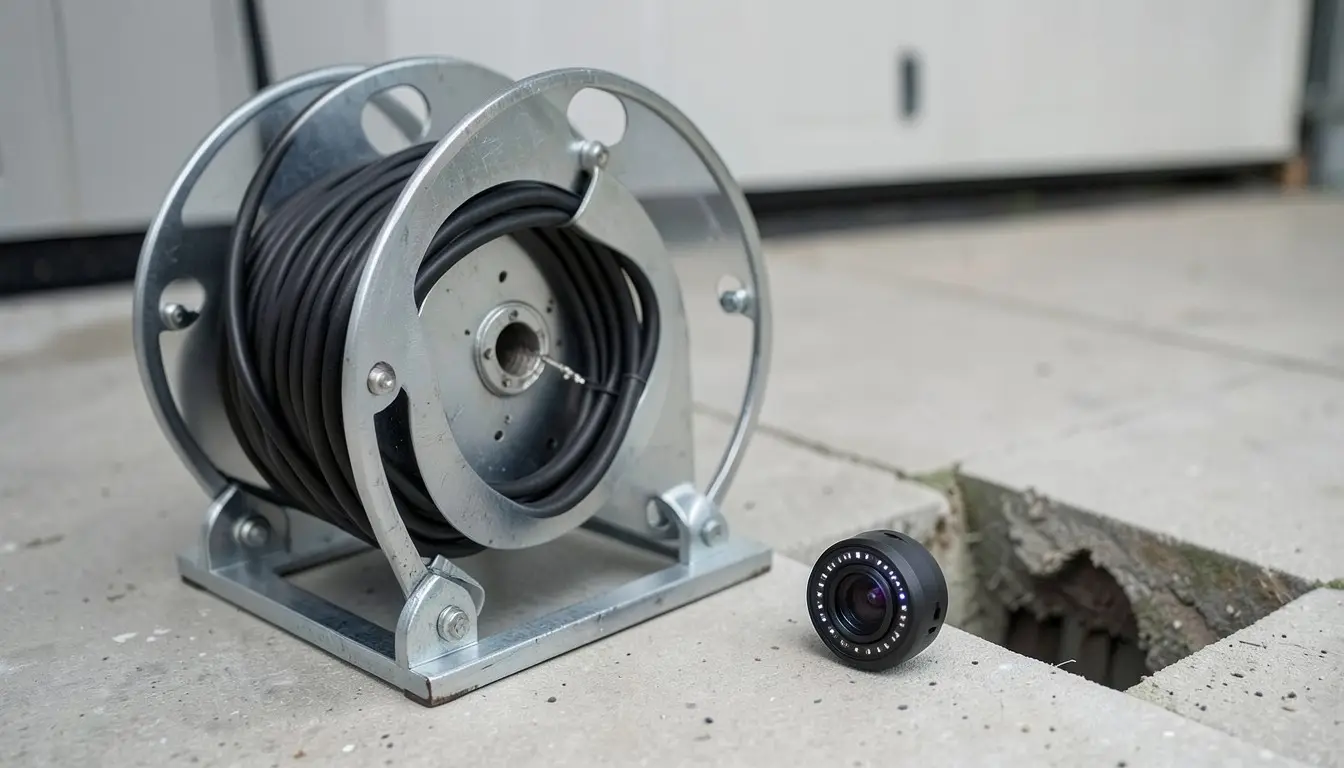
Always — a camera inspection is the only reliable way to determine whether you need a spot repair, full replacement, or just a cleaning. The matched plumber includes camera in the diagnostic visit and shows you the footage before recommending a scope of work. Price ranges: sewer line repair cost guide.
What causes sewer line failures in Dearborn?
Dearborn's 70-year median home age means most laterals are 1930s-50s galvanized/cast-iron. Dearborn's alluvial/glacial till (Wayne County, Rouge River, Detroit River) allows steady root growth through lateral joints.
Can I repair just one section of sewer line in Dearborn or does the whole lateral need to go?
A spot repair works when: the camera shows isolated damage in otherwise structurally sound pipe, the pipe material isn't Orangeburg or severely corroded clay, and there are no belly sections holding standing water. Replace the whole lateral if: camera shows systemic damage or the pipe material is Orangeburg.
Do I need a permit for sewer line repair in Dearborn?
Yes — any work on the sewer lateral requires an MI LARA plumbing permit plus a city sewer-tap inspection. The matched plumber pulls all permits and coordinates inspections. Permit fee ranges: permit fee estimator.
Can a Dearborn sewer line be repaired without digging?
In many cases yes — cured-in-place pipe (CIPP) lining pulls a resin-saturated liner through the existing pipe and cures it in place. Pipe bursting works when the existing pipe is too damaged for lining. Both trenchless methods cost 15–30% more than open trench but avoid landscape and hardscape restoration costs.
How long does sewer line repair take in Dearborn?
A spot repair on an accessible lateral: 2–4 hours. Trenchless CIPP lining: 4–8 hours. Full lateral replacement by trenching: 1–3 days. Dearborn's 28" frost depth adds excavation time in winter.
Will homeowners insurance cover sewer line repair in Dearborn?
Standard Michigan homeowners policies typically do NOT cover sewer lateral repair — it's treated as maintenance. A service-line endorsement specifically covers lateral repair and is worth adding if your home has an aging 1930s-50s galvanized/cast-iron lateral. Price ranges: sewer line repair cost guide.
Does Dearborn's combined sewer affect my repair?
Dearborn runs a combined sewer system in older districts — storm runoff and sanitary sewage share the same trunk mains. Repairs in combined-sewer districts often require an additional MI LARA sign-off and a backwater valve to prevent backflow during heavy storms.
How do I check the license of sewer repair plumbers in MI?
AlertPlumber does not vet plumbers: for sewer repair in Dearborn, ask for the MI LARA license number and check it with the state board. Sewer-specialty crews carry camera equipment and can perform both trenchless and traditional repair on the same visit.
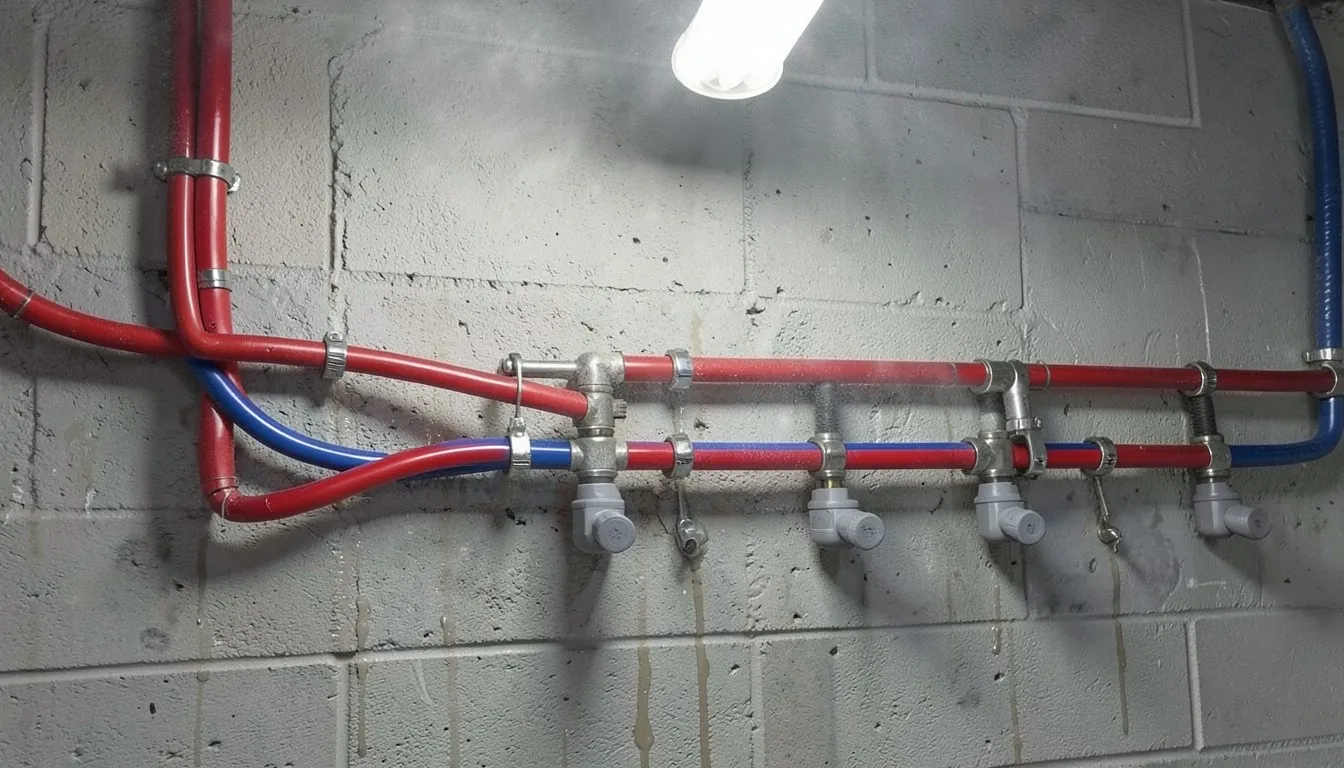
The fix gets cheaper the sooner a plumber sees it.
Degradation problems compound quietly. Call now, or use the form below to reach an independent Michigan plumber, and ask for an estimate for the sewer line repair — you are under no obligation.
Need a sewer line repair callback in Dearborn?
In a meeting, with the kids, or just prefer not to call? Drop your ZIP and number below. AlertPlumber sends your request to our routing partner — if a participating plumber serves your area, they may call you back directly. For anything urgent, call the number on this page.
- 1 Submit your info. ZIP, phone, and what kind of work you need.
- 2 AlertPlumber passes it on to our routing partner for your area.
- 3 If a participating plumber serves your area, they may call you back. Ask for a written estimate before work starts.
Sewer Line Repair in Dearborn — catch it early
Degradation-driven failures worsen over time and cost more to fix the longer they run. Ask the independent MI plumber you reach in Dearborn to diagnose your specific condition and put the scope in writing before any work begins.