
CIPP (Cured-In-Place Pipe)
Trenchless sewer-lining technology that installs an epoxy-saturated felt liner inside an existing damaged pipe and cures it in place to form a new seamless pipe within the old.
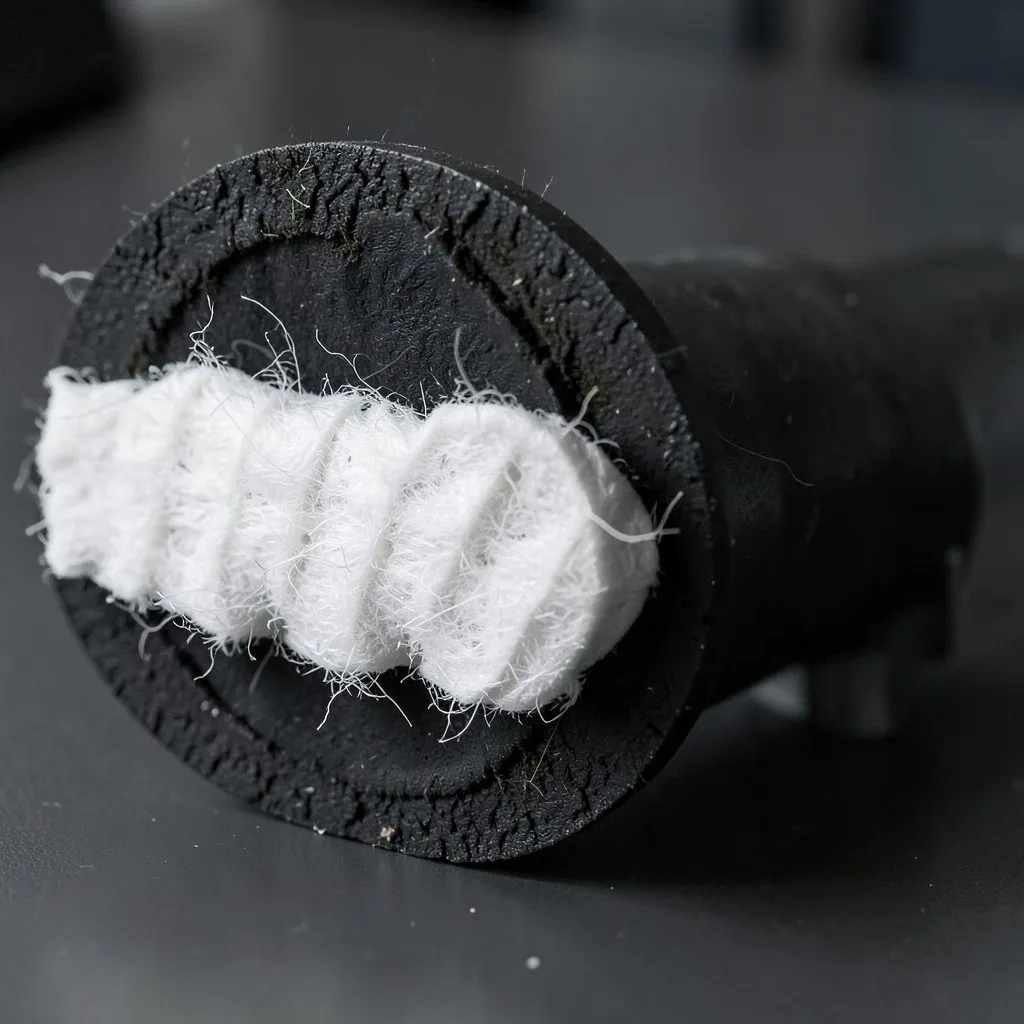
CIPP stands for Cured-In-Place Pipe. It's a trenchless rehabilitation method used to repair damaged sewer laterals, storm drains, and water pipes without excavating the ground above.
The process: a felt liner saturated with thermosetting epoxy resin is pulled or inverted into the existing pipe, then cured (typically with hot water, steam, or UV light) until the resin hardens. The result is a continuous, joint-free pipe inside the old one — adding 20–40 years of life to a deteriorated sewer lateral.
When does CIPP make sense?
The host pipe must still be structurally sound enough to hold the liner during installation. CIPP can fix cracks, joint separations, light root intrusions, and minor ovalization. It cannot fix a fully collapsed pipe — that requires pipe bursting or trenched replacement.
What does CIPP cost in 2026?
$4,500–$12,000 for a residential lateral, depending on length, depth, and access. Generally 10–30% more expensive than spot-repair excavation but far less disruptive (no lawn or driveway to restore).
How long does a CIPP lining take?
A residential lateral is usually a one-day job. Cleaning and camera inspection take the first few hours, the liner is inverted or pulled in, and cure time runs from about 30 minutes with UV light to several hours with hot water or ambient cure, depending on liner thickness and resin chemistry. Water service to the house is interrupted only while the liner sets, and reinstating any branch connections with a cutter adds an hour or two.
How is a CIPP job verified?
Two camera passes are the standard of care: one before lining, to confirm the host pipe is intact enough to hold a liner and to locate every branch, and one after cure, to confirm the liner is fully seated, wrinkle-free, and that every reinstated connection is open. Ask for both recordings — they are the only durable evidence that the work was done correctly, and they matter later when the house is sold.
What can shorten a CIPP liner's life?
Under-cleaning is the usual culprit. Scale, hardened grease, or protruding roots left in the host pipe stop the liner bonding evenly and leave voids behind it. Sharp offsets and severe bellies also concentrate stress on the cured liner. A pipe that has already lost its shape is a pipe-bursting candidate, not a lining candidate.
Researching the term is one thing — hiring for it is another. See sewer line repair services for scope, timelines, and what drives the price, or call (888) 530-4445 for a no-cost estimate.
For the full picture — materials, process, timelines and what drives the cost — read Sewer Line Repair: The Complete Guide.
What related terms should you know?
What sources back this up?
Need a verified plumber for sewer line repair?
AlertPlumber matches you with a licensed plumber for sewer line repair. Written estimate before any work begins.