
Emergency Hydro Jetting in Spokane, Washington
Camera first, quote second — know exactly what's wrong in your Spokane home before you approve a dollar.
Local plumbing data for Spokane, WA
Seeing these conditions at your place in Spokane? A state-licensed plumber can confirm it over the phone — free, no obligation.
Pipe conditions in Spokane, WA
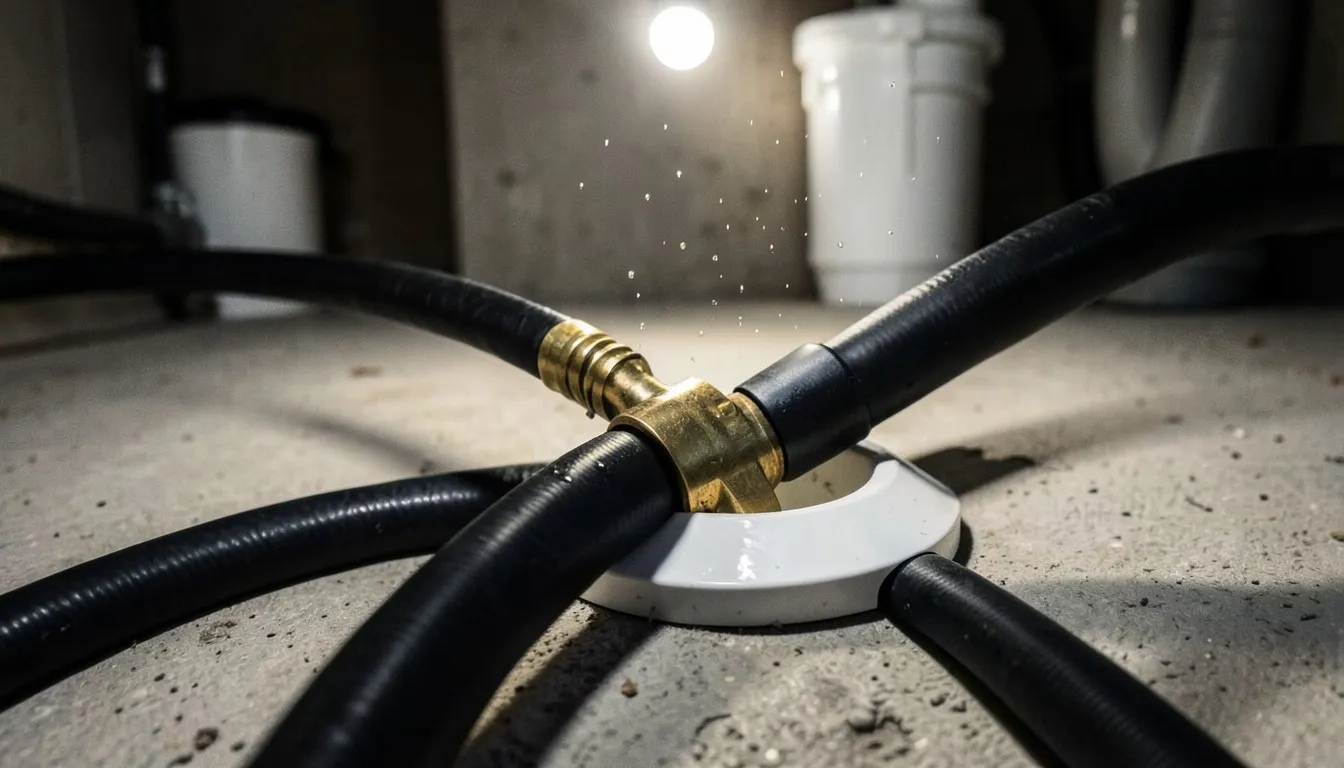
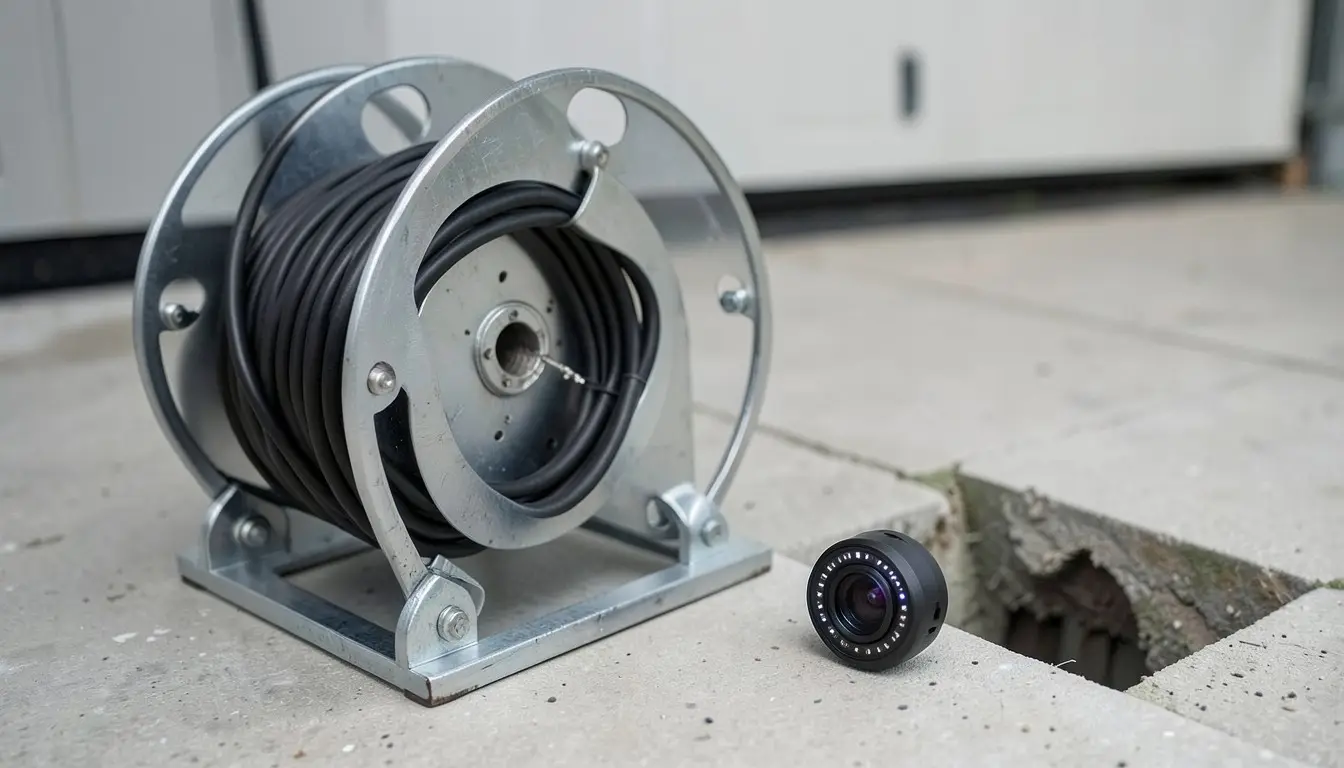
Hydro-jetting in Spokane clears what drain snaking leaves behind: scale buildup from hard water, grease layers coating pipe walls, and root tendrils that regrow from fragments left by a cable machine. The process uses 3,000–4,000 PSI water pressure through a rotating nozzle that scrubs the pipe wall — not just punches through the blockage. A camera scope before jetting confirms the pipe can withstand high pressure and identifies any structural defects that jetting would worsen. AlertPlumber connects you with a Washington-licensed plumber who scopes before jetting as a standard practice.
Spokane's water utility maintains an active lead service line (LSL) replacement program. With a median home age of 71 years, a portion of the housing stock may still have lead service laterals connecting the water main to interior supply — a consideration during any work near the service entry point. A licensed plumber can confirm whether supply-side work requires utility coordination.
Hard water in Spokane accelerates scale buildup inside water heater tanks, on heating elements, and at fixture connections. Sediment accumulation in tank heaters reduces efficiency and shortens element life; visible deposits at aerators and showerheads are an early indicator. A licensed plumber can assess whether a water softener or conditioner is appropriate for the home's service configuration.
Frost line depth in Spokane means supply lines and outdoor plumbing must be installed below the freeze threshold — typically 36 — to prevent pipe burst during cold events. Exterior hose bibs, irrigation shutoffs, and any exposed pipe runs are the most common winterization service points in freeze-risk markets.
- Median home age
- 71 yrs
- Water hardness
- 8 gpg
- Frost line
- 36 in.
- Permit
- $48
A licensed WA plumber reads these conditions the moment you describe the symptom.
What shapes plumbing demand in Spokane, WA
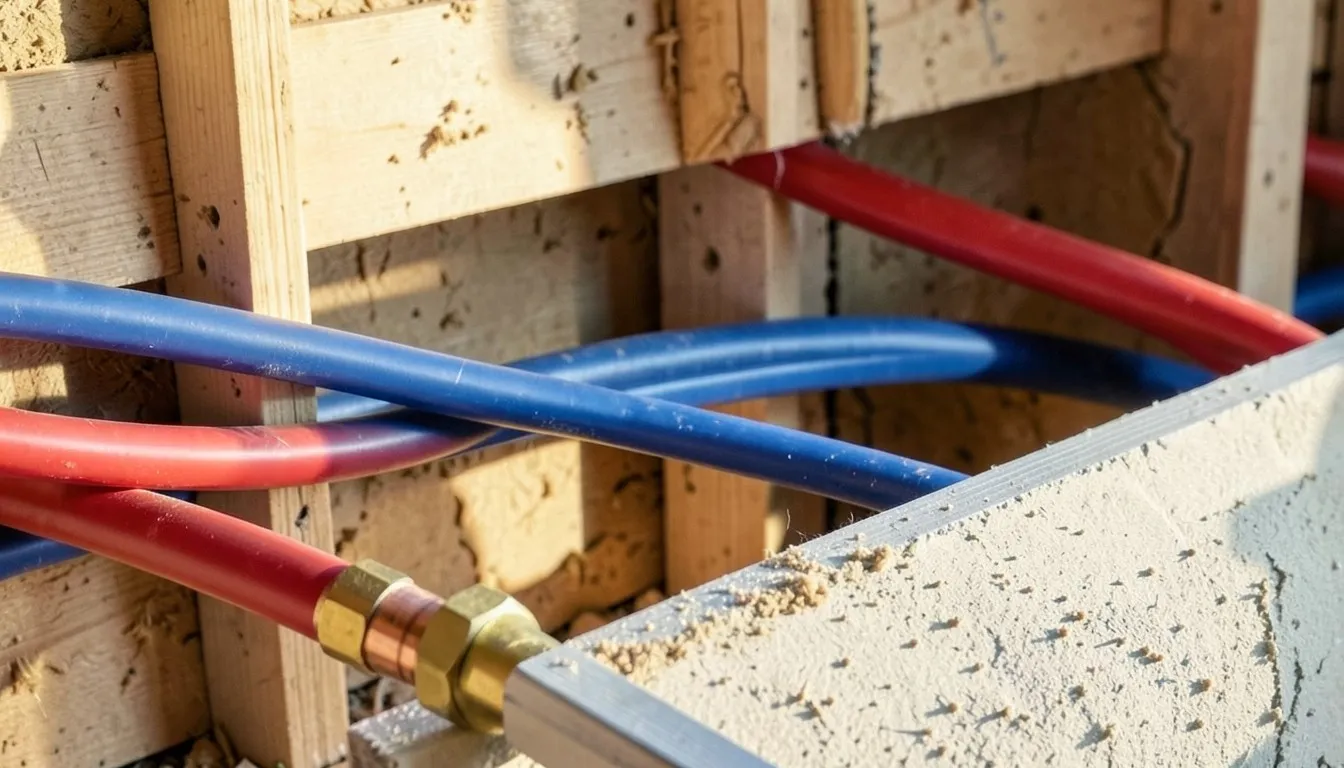
Galvanized supply lines and cast iron drain systems from the 1880s–1940s are past their 40–70-year design life across much of Spokane. Interior rust scale progressively narrows pipe bore. Plumbers here routinely scope supply lines before quoting any repair — the underlying pipe condition often makes full replacement more cost-effective than patching.
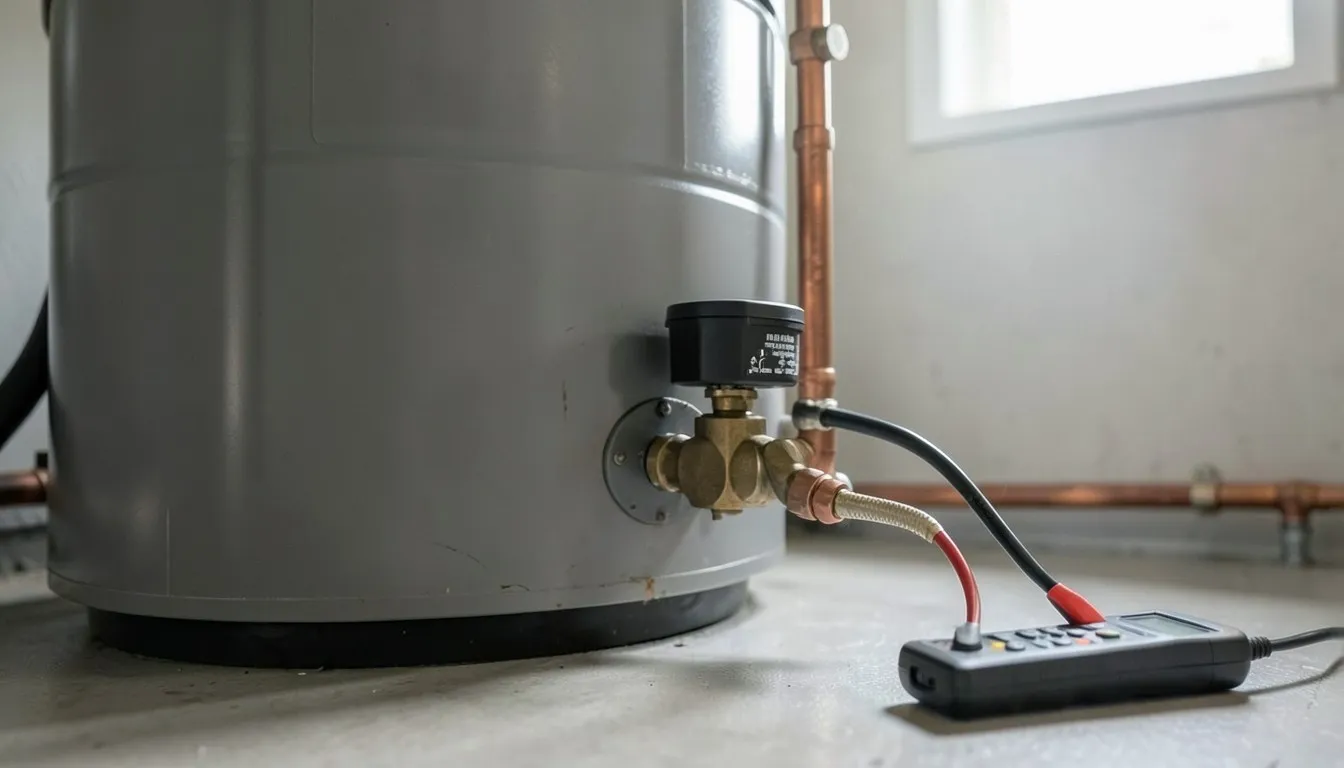
8–14 GPG shortens water heater service life to 8–11 years in Spokane and drives rolling maintenance demand at aerators, shower cartridges, and heat exchanger ports. Annual flushing prevents premature failure; skipped maintenance cycles push units toward early replacement. Scale-related calls represent a significant share of the annual service workload here.
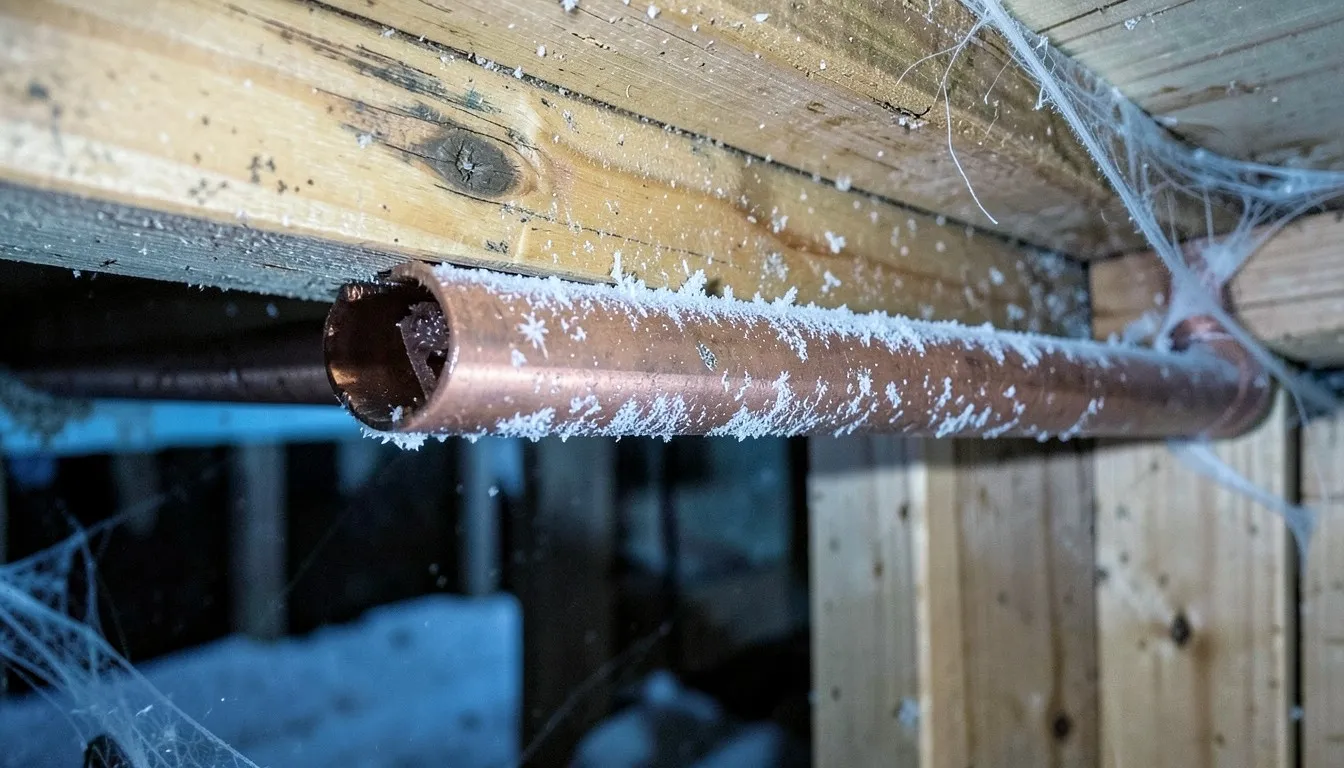
The primary surge in Spokane runs January–March, with a secondary wave at the spring thaw — when pipes that held through the freeze rupture as pressure is restored above 32°F. Scheduling competition peaks exactly when emergency calls are highest. Homeowners who wait for visible damage compete for the same limited plumber slots at the worst possible time.
Spokane: diagnose first, repair second
Describe the symptom — not the repair. AlertPlumber routes to a WA-licensed plumber trained in diagnostics. The site visit uses camera tracing, acoustic detection, or hydrostatic pressure testing — matched to the reported failure type.
The plumber delivers a written diagnostic report: confirmed failure location, available repair methods, and tradeoffs — disruption level, material durability, long-term cost, and whether a Spokane building permit applies to the selected method.
You select the repair path. The Washington-licensed plumber proceeds on the authorized method with a fixed scope and price. Where required, the permit application to Spokane is handled by the contractor.
Hydro Jetting cost calculator — Spokane
Pre-filled for hydro jetting in Spokane. Adjust the ZIP for a neighboring area, or change the service to compare. Calculator pulls from the city's scraped permit-fee + state plumber-density data.
Hydro Jetting in Spokane — the longer it runs, the more it costs.
Slow failures compound: soft pipe walls, root penetration, mineral buildup. A verified plumber calls back with a scope-first estimate before anything is dug up.
Hydro Jetting in Spokane — frequently asked
How much does hydro jetting cost in Spokane, WA?
Hydro jetting in Spokane typically runs $385-$795 for a residential main line and $695-$1,485 for commercial or multifamily stack jetting. Pricing reflects the City of Spokane $48 plumbing permit floor plus the labor profile for cast-iron stack work in Browne's Addition mansions and brick waste lines around the Hillyard railroad-era corridor. Per-foot jetting on a clean PVC lateral runs lower; full Browne's Addition cast-iron stack work runs higher.
What PSI does a Spokane hydro jetter actually use?
PSI is tuned to pipe age and material, not to a single fixed setting. For Browne's Addition mansion stacks (1880s-1910 cast-iron with thin remaining wall), Spokane plumbers run 1,800-2,800 PSI — high enough to scour scale, low enough to avoid breaking through corroded lead-and-oakum joints. For modern PVC laterals in Kendall Yards or newer Mead infill, 3,500-4,000 PSI is standard. For Hillyard / Logan railroad-era brick or terracotta runs, 2,200-3,000 PSI clears scale and root intrusion without disturbing fragile joints. Ask the matched plumber to confirm PSI before the truck arrives.
Do I need a permit for hydro jetting in Spokane?
No permit is required for routine hydro jetting of an existing line. A permit IS required if the jetting work involves replacing pipe, repairing a sewer lateral, or any excavation crossing the 36-inch frost depth code. City of Spokane Permitting charges $48 for the plumbing permit, and inspection is scheduled through the city portal. The state-credentialed plumber pulls it on your behalf when required.
Why does hydro jetting matter more in Spokane than in Seattle?
Two reasons. First, the Spokane Valley-Rathdrum Prairie Aquifer delivers water at 8 grains per gallon (moderately hard) versus the soft surface-water sources typical west of the Cascades — mineral scale builds inside waste lines and only jetting actually removes it. Second, Spokane housing stock includes a much higher proportion of pre-1920 cast-iron (Browne's Addition Queen Annes, Hillyard railroad housing) where decades of scale and grease have narrowed the bore. Snaking opens a tunnel through the buildup; jetting restores the full diameter.
Will hydro jetting damage my Browne's Addition cast-iron stack?
Not if PSI is matched correctly. The risk on 1880s-1910 cast-iron is breaking through brittle joints, NOT the pipe wall itself. Spokane plumbers experienced with Browne's Addition Queen Anne and Shingle-style stock run 1,800-2,800 PSI with a soft-cone nozzle that focuses on scale rather than joint sealant. A camera inspection before and after is standard practice. If your plumber proposes 4,000 PSI on a 130-year-old stack, decline and request a second opinion through AlertPlumber.
Snake versus hydro jet — which does my Spokane line actually need?
Snaking handles a single localized clog: a fixture trap, a wad of wipes, a hairball at a P-trap. Jetting handles distributed buildup: cast-iron stack scale, grease film, mineral deposit from the Rathdrum aquifer source, or root intrusion along a clay lateral on the South Hill downhill grade. If your drain has clogged twice in 12 months, jetting is the durable fix. If a single fixture suddenly stopped draining, snaking is faster and lower-cost.
Can hydro jetting clear tree roots from a South Hill clay lateral?
Yes, with the right approach. The standard Spokane sequence on a South Hill clay lateral choked with maple, pine, or fir roots is mechanical cutting first ($265-$485) to break up the root mass, then jetting at 2,500-3,500 PSI with a root-cutting nozzle to flush debris and scour the pipe wall. The downhill grade toward the Spokane River works in your favor — flushed material exits cleanly. A camera inspection afterward confirms the lateral is fully cleared.
How often should Spokane homeowners hydro jet a main line?
For Browne's Addition mansion stacks with documented scale history, a 24-36 month preventive jet cycle is reasonable. For South Hill craftsman homes with mature evergreen over the clay lateral path, annual root-cutting plus a 3-5 year jetting cycle keeps the line clear. For Hillyard / Logan brick-era stock with shared sewer easements, coordinate with adjacent property owners — a jet that pushes debris downstream into a neighbor's lateral is poor practice.
Does the City of Spokane water hardness justify routine jetting?
The City of Spokane Water Department sources entirely from the Rathdrum Prairie sole-source aquifer at 8 gpg. That mineral profile drives modest but real scale accumulation in pre-1980 galvanized branches and cast-iron stacks. The 96% sewer-served city footprint means almost all Spokane homes feed municipal collection rather than on-site systems, so jetting actually removes material rather than just relocating it. The water rate of $2.18 per 1,000 gallons is among the lower municipal rates in the Pacific Northwest.
Are AlertPlumber-matched hydro jetting crews state-credentialed in Spokane?
Yes. Every plumber matched through AlertPlumber in Spokane holds an active Washington L&I plumber certificate (PL01 or PL02 specialty). Spokane County hosts the largest concentration of credentialed plumbers east of the Cascades — roughly 9,800 active statewide, with a disproportionate share in the Inland Northwest. AlertPlumber verifies certification against the state database.
What nozzle does a Spokane jetting crew use on cast-iron versus PVC?
For Browne's Addition cast-iron stacks, a soft-cone or chisel-tip nozzle running 1,800-2,800 PSI focuses energy on scale rather than joint sealant. For Hillyard / Logan terracotta or brick laterals, a forward-facing chisel head at 2,200-3,000 PSI cuts through root intrusion. For modern PVC in Kendall Yards or post-2000 Spokane Valley infill, a rotating nozzle at 3,500-4,000 PSI gives full circumferential coverage. The matched plumber should describe nozzle selection during the over-phone diagnostic.
Can hydro jetting be done in winter in Spokane?
Yes, but with conditions. Spokane records roughly 131 freeze days per year per NCEI climate normals and the local NWS Spokane forecast office. The line must be thawed before jetting — pumping high-pressure water into a frozen drain can crack the pipe. Spokane plumbers typically use warm-water flushing or steam thawing first ($165-$385) before any jet work between November and March. Plan exterior cleanout work for the October shoulder window when possible.
Will the Spokane plumber show me before-and-after camera footage?
Yes — that is standard practice on any Spokane jetting job over $400. The matched plumber runs a sewer camera before quoting the work (identifying scale, root intrusion, or pipe damage), then re-cameras after jetting to verify the line is fully cleared. Footage should be provided as a video file or USB drive. If the crew refuses to camera the line before quoting, that is a signal to request a second opinion through AlertPlumber.
The fix gets cheaper the sooner a plumber sees it.
Degradation problems compound quietly. Call now, or use the form below and a licensed Washington plumber calls you back with a no-obligation estimate for the hydro jetting.
Request a hydro jetting callback in Spokane
In a meeting, with the kids, or just prefer not to hold? Drop your ZIP and number below. AlertPlumber routes your request to a verified plumber in your area — they’ll call you back directly.
- 1 Submit your info. ZIP, phone, and what kind of work you need.
- 2 AlertPlumber matches you with a verified plumber serving your area.
- 3 The plumber calls you back with a written estimate, no obligation.
Hydro Jetting in Spokane — catch it early
Degradation-driven failures worsen over time and cost more to fix the longer they run. A verified WA plumber in Spokane diagnoses your specific condition and provides a written scope before any work begins.