
Emergency Water Heater Repair in Spokane, Washington
Water Heater Repair in Spokane, Washington fixes no-hot-water, leaking tank, pilot light, and thermostat issues. Local conditions in Spokane: water measured at 8, a 36 frost line and a median home age of 71 years.
Active water damage compounds by the hour — a licensed WA plumber is on call for Spokane right now.
What does the local plumbing data show for Spokane, WA?
Seeing these conditions at your place in Spokane? A state-licensed plumber can confirm it over the phone — free, no obligation.
What are the pipe conditions in Spokane, WA?
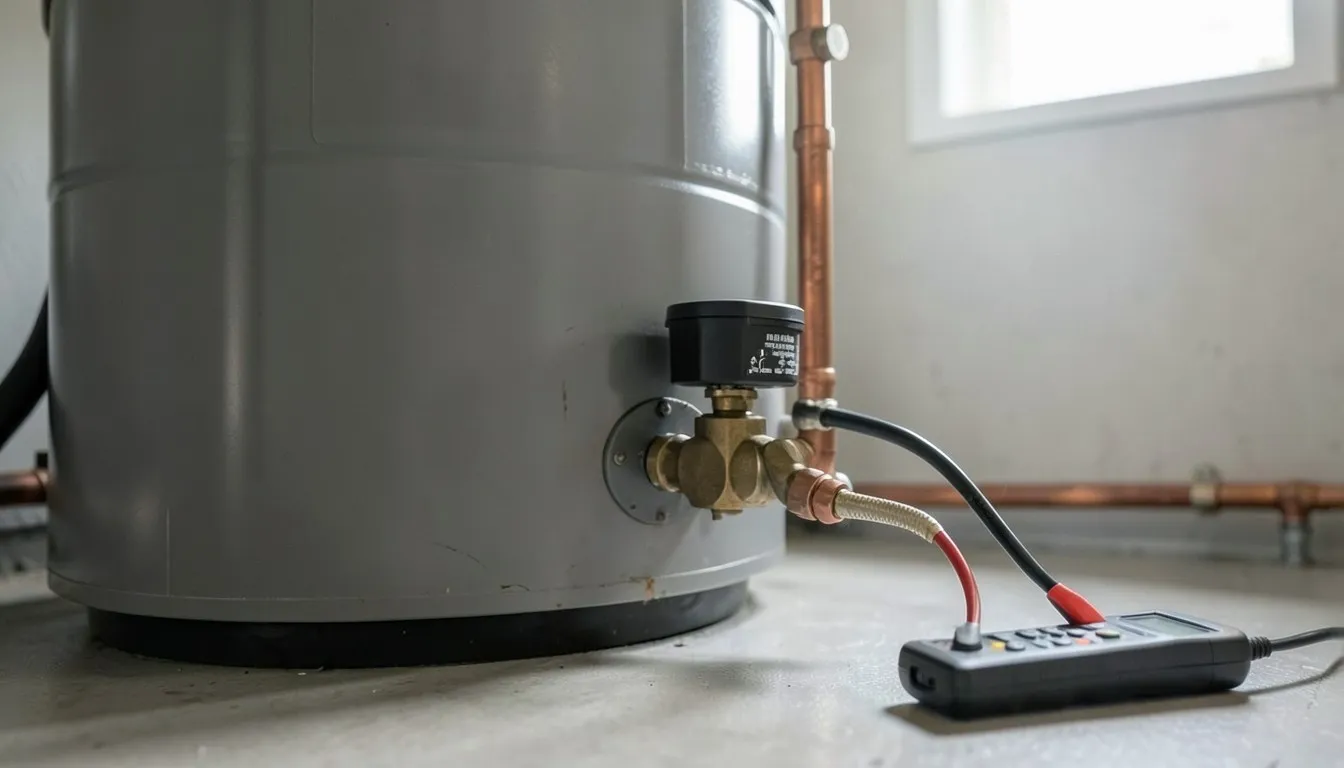
Water heater repair in Spokane starts with isolating the failure mode: a unit producing no hot water usually has a failed heating element or thermostat (electric) or a pilot or gas valve issue (gas); a unit leaking at the base has a failed tank — a repair is not possible and replacement is immediate. Sediment flushing and anode rod replacement extend the life of units under 10 years significantly; units over 12 years are typically beyond economic repair. AlertPlumber routes your request to a Washington-licensed plumber who diagnoses before recommending repair vs. replacement. Freeze events and frost-depth requirements add pipe insulation, exterior faucet winterization, and burst-risk assessment to service calls in this climate.
Spokane's water utility maintains an active lead service line (LSL) replacement program. With a median home age of 71 years, a portion of the housing stock may still have lead service laterals connecting the water main to interior supply — a consideration during any work near the service entry point. A licensed plumber can confirm whether supply-side work requires utility coordination.
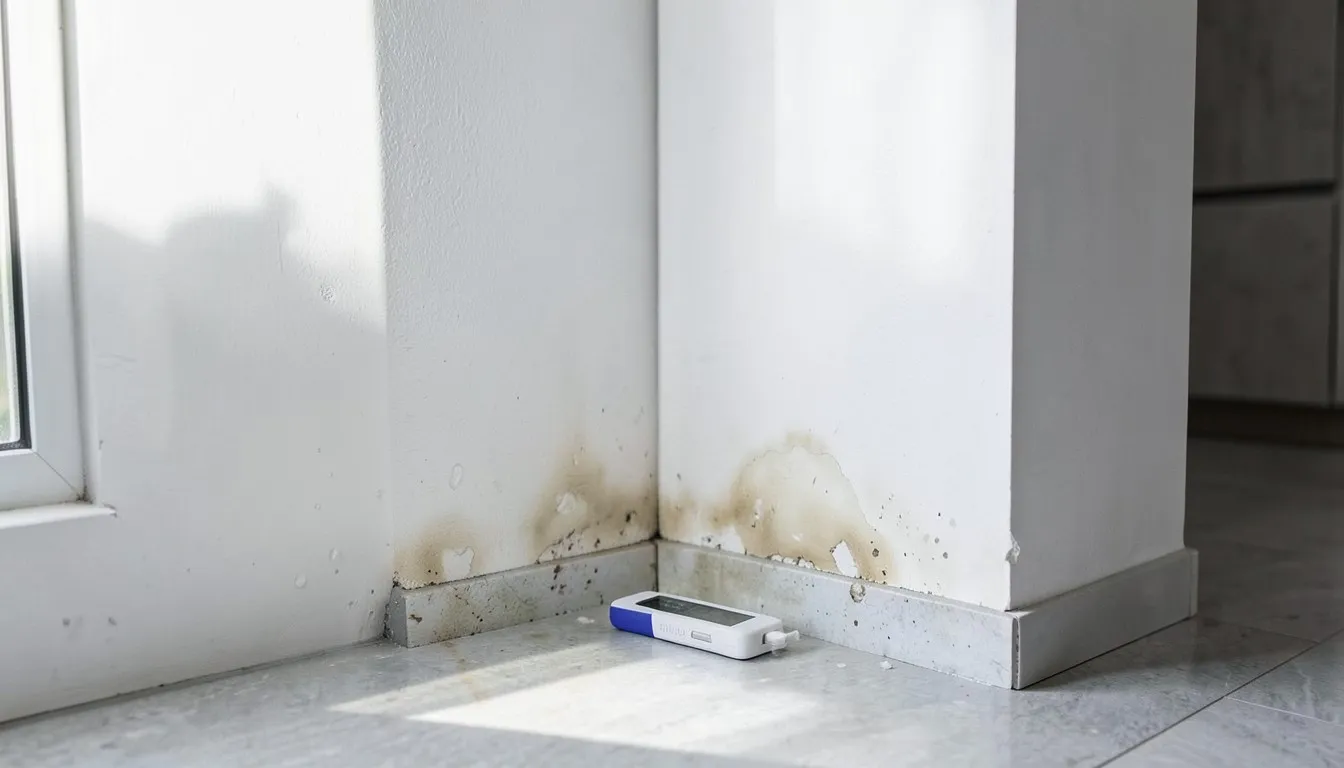
Hard water in Spokane accelerates scale buildup inside water heater tanks, on heating elements, and at fixture connections. Sediment accumulation in tank heaters reduces efficiency and shortens element life; visible deposits at aerators and showerheads are an early indicator. A licensed plumber can assess whether a water softener or conditioner is appropriate for the home's service configuration.
Frost line depth in Spokane means supply lines and outdoor plumbing must be installed below the freeze threshold — typically 36 — to prevent pipe burst during cold events. Exterior hose bibs, irrigation shutoffs, and any exposed pipe runs are the most common winterization service points in freeze-risk markets.
- Median home age
- 71 yrs
- Water hardness
- 8 gpg
- Frost line
- 36 in.
- Permit
- $48
A licensed WA plumber reads these conditions the moment you describe the symptom.
What shapes plumbing demand in Spokane, WA?
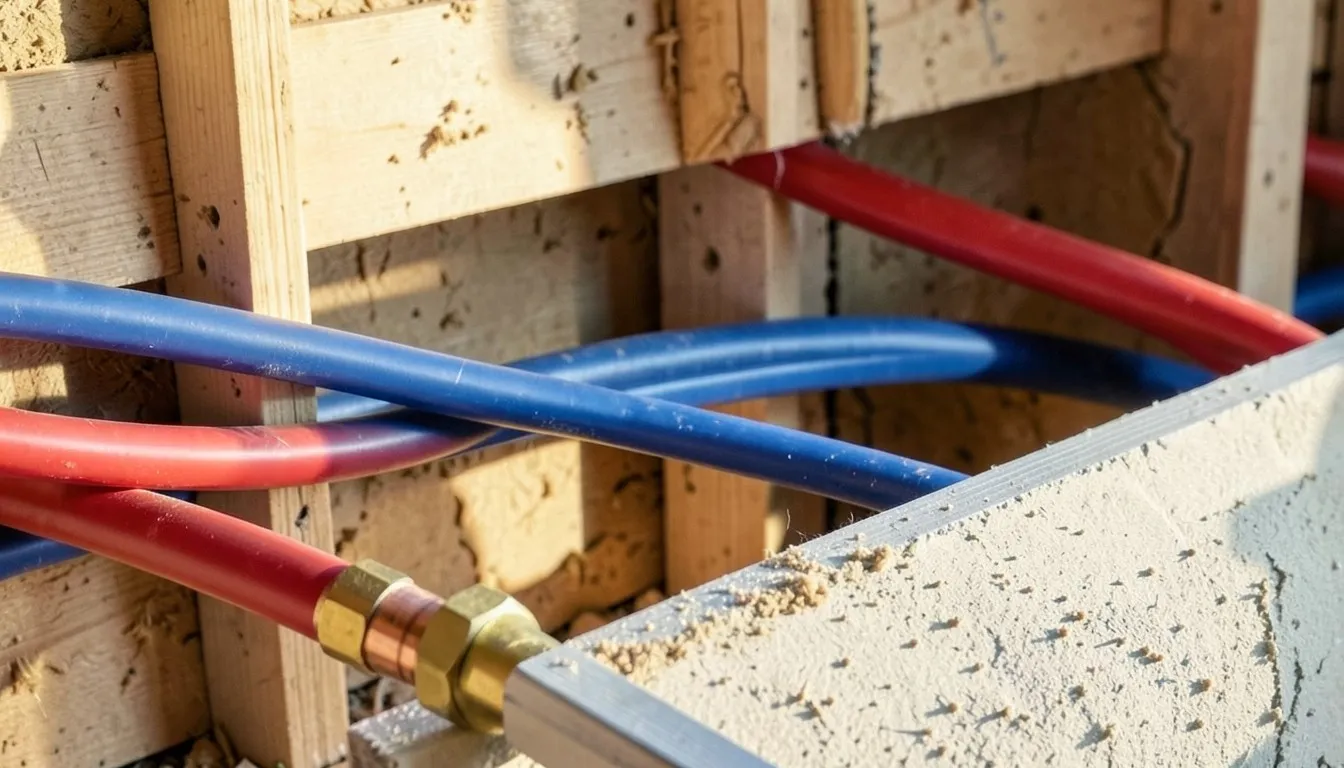
Galvanized supply lines and cast iron drain systems from the 1880s–1940s are past their 40–70-year design life across much of Spokane. Interior rust scale progressively narrows pipe bore. Plumbers here routinely scope supply lines before quoting any repair — the underlying pipe condition often makes full replacement more cost-effective than patching.
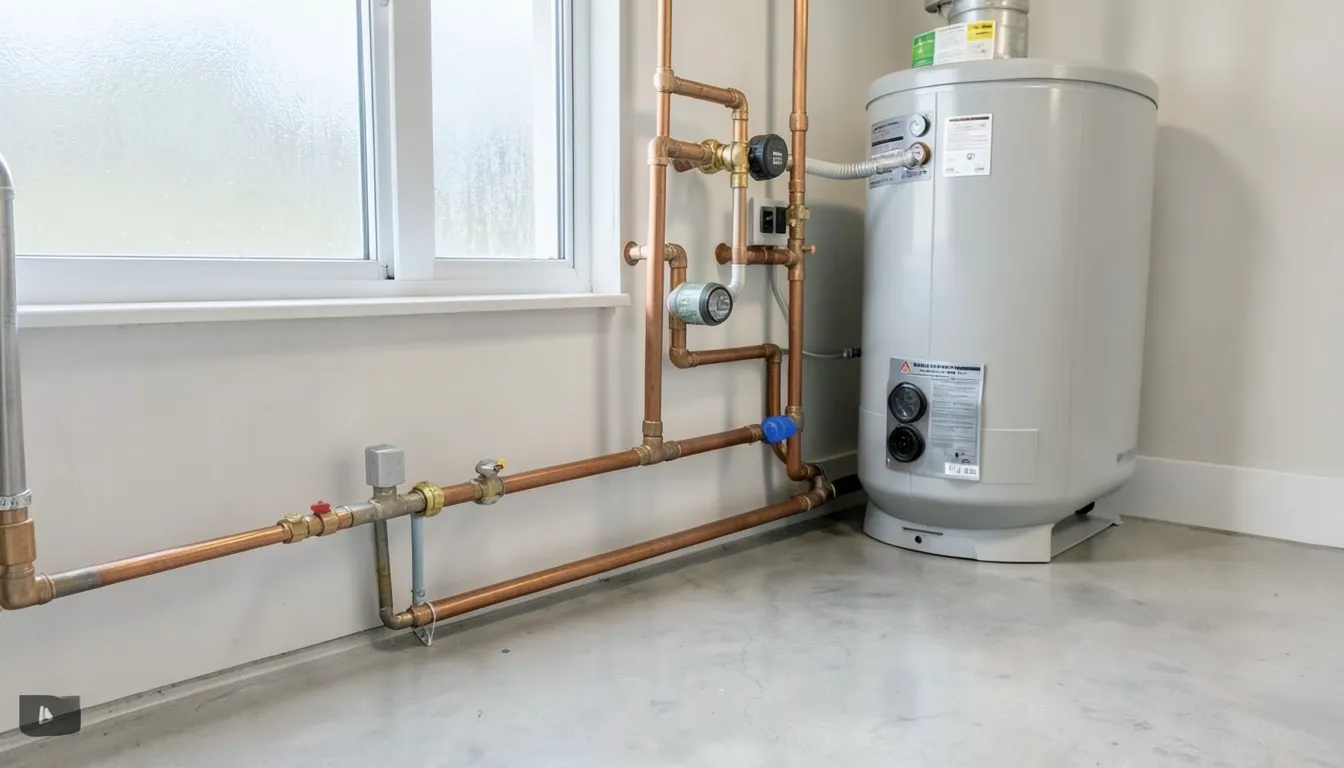
8–14 GPG shortens water heater service life to 8–11 years in Spokane and drives rolling maintenance demand at aerators, shower cartridges, and heat exchanger ports. Annual flushing prevents premature failure; skipped maintenance cycles push units toward early replacement. Scale-related calls represent a significant share of the annual service workload here.
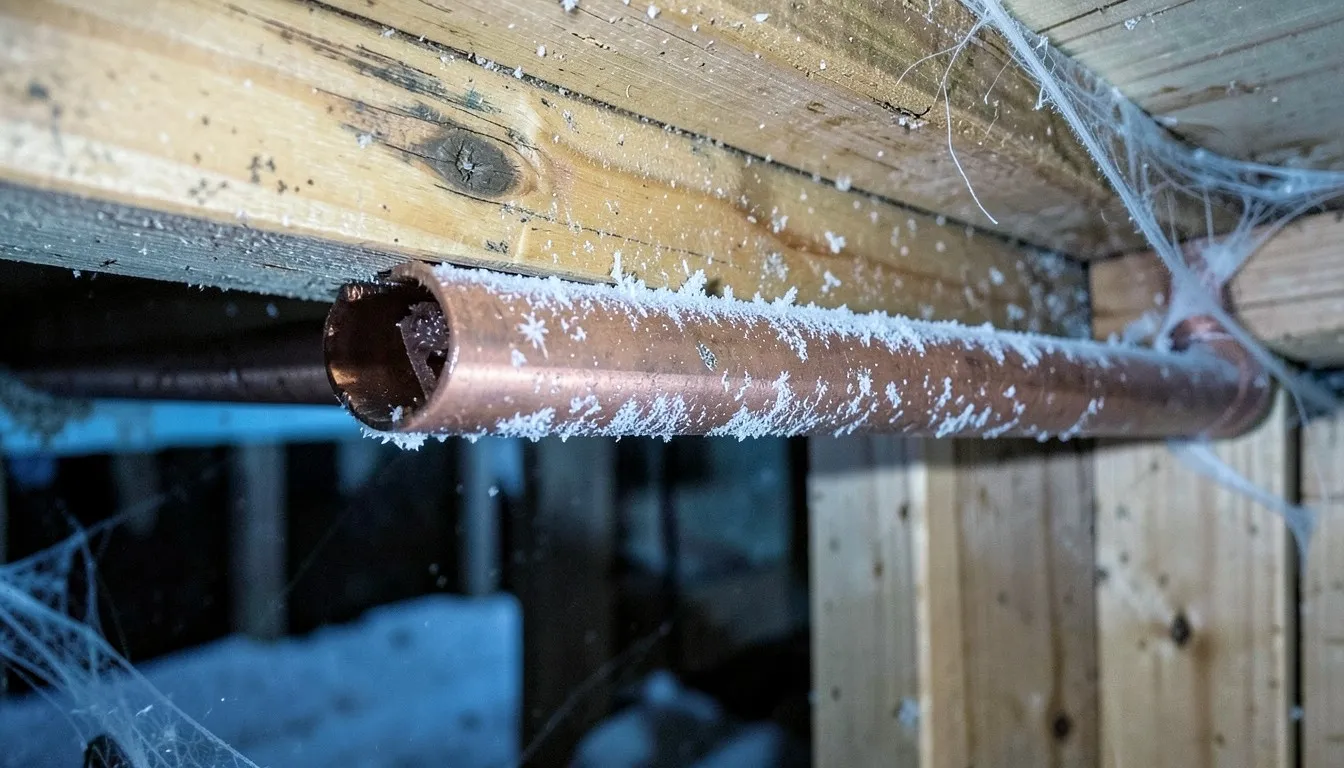
The primary surge in Spokane runs January–March, with a secondary wave at the spring thaw — when pipes that held through the freeze rupture as pressure is restored above 32°F. Scheduling competition peaks exactly when emergency calls are highest. Homeowners who wait for visible damage compete for the same limited plumber slots at the worst possible time.
Active damage in Spokane — how is it contained, assessed and restored?
Submit your Spokane address and describe the active damage — flooding, failed shutoff, burst or frozen line. AlertPlumber marks the request as priority and a WA-licensed plumber confirms receipt within 15 minutes, without routing through a national call center.
The plumber arrives with a confirmed ETA, locates the nearest shutoff, and maps the damage boundary — affected lines, access points, material condition. You receive a verbal assessment of what requires immediate containment and what can wait until the full repair scope is confirmed.
You approve a written containment and repair scope before any work begins. Temporary isolation is priced separately from full restoration. No phase proceeds without your explicit sign-off.
Water Heater Repair cost calculator — Spokane
Pre-filled for water heater repair in Spokane. Adjust the ZIP for a neighboring area, or change the service to compare. Calculator pulls from the city's scraped permit-fee + state plumber-density data.
Water Heater Repair emergency in Spokane?
Every hour without a repair increases structural risk and remediation cost. A verified plumber calls back with an ETA and a written estimate before any work begins.
What else do people ask about water heater repair in Spokane?
How much does water heater repair cost in Spokane, WA?
Water heater repair in Spokane typically runs $185-$485 for a thermostat, element, or T&P valve swap and $325-$685 for an anode rod, dip tube, or gas valve replacement. Full water heater replacement runs $1,485-$2,950 for a standard 40-50 gallon tank installed, $3,250-$5,950 for tankless. Pricing reflects the City of Spokane $48 plumbing permit floor plus the labor profile for basement installs that dominate the Spokane housing stock.
How fast can a Spokane plumber arrive for a failed water heater?
Most Spokane-area plumbers in the AlertPlumber network respond within 1-3 hours during business hours and 2-4 hours overnight. Spokane County holds the highest concentration of Washington L&I-credentialed plumbers east of the Cascades (~9,800 active statewide). Winter response is steady — the 131 freeze days per year mean crews are accustomed to no-hot-water calls being genuine emergencies, especially in pre-1960 Audubon-Downriver and West Central craftsman housing.
Do I need a permit to replace a water heater in Spokane?
Yes for any water heater replacement. City of Spokane Permitting charges $48 for the plumbing permit, and gas water heaters additionally require a mechanical permit at the same fee. Inspection is required after install — the inspector checks T&P discharge routing, seismic strapping, expansion tank installation, and combustion venting on gas units. The state-credentialed plumber pulls the permit and schedules inspection.
How does Spokane water hardness affect water heater life?
The City of Spokane Water Department draws from the Rathdrum Prairie sole-source aquifer at 8 grains per gallon — moderately hard. That mineral content drives meaningful sediment accumulation in tank bottoms over 6-10 years. Expect 1-2 inches of sediment buildup by year 5 in an unmaintained 40-gallon tank, which insulates the burner from the water column and reduces efficiency. Annual flushing extends tank life by 2-4 years.
How often should I replace the anode rod in a Spokane water heater?
Anode rods in Spokane tanks typically last 4-6 years before full sacrificial consumption — faster than soft-water markets, slower than the hardest Midwest aquifer cities. The 8 gpg moderately hard Rathdrum mineral profile is the controlling variable. A magnesium anode is standard but generates a sulfur smell if your tank has been sitting; aluminum-zinc is the better choice for Spokane tanks experiencing odor. Anode replacement runs $185-$325 installed and is the single highest-leverage maintenance step for water heater longevity.
Will a Spokane basement water heater survive a hard freeze?
Yes if the basement stays above 50F, which is typical for full-basement Spokane housing. NCEI climate normals show Spokane with roughly 131 freeze days per year — four times Seattle's count — and the NWS Spokane forecast office issues sub-zero advisories several times per winter. The risk is the supply line entering the basement (shallow exterior runs in pre-code housing) freezing, not the tank itself. Pipe insulation on the supply within 6 feet of the entry point is recommended for any Audubon-Downriver or Hillyard housing built before 1970.
Tank or tankless for a Spokane install?
Both work but the calculation differs from west of the Cascades. Tankless gas units excel in homes with consistent gas service and basement install proximity to vent terminations — common in Browne's Addition and South Hill mansion stock. Tank units (typical 40-50 gallon) are the practical default for Audubon-Downriver and Hillyard craftsman housing with smaller mechanical rooms. The 8 gpg Rathdrum mineral profile creates more sediment risk for tankless heat exchangers than for tanks — annual descaling is non-negotiable on Spokane tankless installs.
What is the typical Spokane water heater install location?
Spokane's pre-1980 housing — Browne's Addition Queen Annes, South Hill craftsman, Audubon-Downriver tudors, Hillyard / Logan railroad-era — is overwhelmingly full-basement construction. Water heaters install in the basement near the gas meter or electrical panel. Post-1990 Spokane Valley and Kendall Yards infill more often runs slab-on-grade with garage installs. Basement installs allow gravity drain on the T&P valve and easy access for the annual flush. Garage installs require pan-and-drain detail per code.
Will Washington homeowners insurance cover a Spokane water heater failure?
Standard Washington homeowners policies typically cover water damage from a tank rupture but exclude the tank itself — the appliance is considered maintenance. Sudden-and-accidental coverage applies; long-term seepage from a slow tank leak is generally excluded. A burst tank in a Spokane basement can flood the lower level fast — documentation of the failure mode strengthens the claim. Confirm with your carrier before authorizing teardown.
Are AlertPlumber-matched water heater technicians state-credentialed in Spokane?
Yes. Every plumber matched through AlertPlumber in Spokane holds an active Washington L&I plumber certificate (PL01 or PL02). Gas water heater work additionally requires the technician to hold the gas-piping specialty endorsement. AlertPlumber verifies both. Ask the matched technician about prior Spokane installs in housing stock similar to yours.
How often should I flush a Spokane water heater?
Annually for tanks fed by the Rathdrum aquifer at 8 gpg moderately hard. Flushing removes the 1-2 inches of sediment that accumulate each year and extends tank life by 2-4 years. The matched plumber can perform a full flush plus anode check for $185-$285. Homeowners can drain-flush themselves, but most Spokane tanks 8+ years old have a fused drain valve that requires plumber service to open without breaking the brass fitting.
What does Spokane water cost, and does that affect water heater operating cost?
The City of Spokane Water Department rate runs roughly $2.18 per 1,000 gallons — among the lower municipal rates in the Pacific Northwest. The mineral profile (8 gpg) drives sediment, which insulates the burner and reduces efficiency by 10-25% over 5 years. Annual flushing actually has positive ROI on natural gas heat — the lower combustion efficiency cost exceeds the flush service cost within 18 months.
What ZIP codes around Spokane does AlertPlumber cover for water heater work?
AlertPlumber covers all Spokane ZIP codes (992xx prefix covering downtown through South Hill, Hillyard, Logan, Audubon-Downriver, Browne's Addition, West Central, and Kendall Yards) plus the broader Inland Northwest corridor — Spokane Valley, Liberty Lake, Airway Heights, Cheney, Deer Park, and Mead. Water heater service-area calls inside the City of Spokane Water Department footprint and outlying county jurisdictions all route through the same intake form per Census population data showing roughly 230,160 city residents.
Sixty seconds from now, a plumber can be working your problem.
Call and talk to dispatch, or put your number in the form below — a licensed Washington plumber calls you back about the water heater repair and gives a written estimate by phone.
Need a water heater repair callback in Spokane?
In a meeting, with the kids, or just prefer not to hold? Drop your ZIP and number below. AlertPlumber routes your request to a verified plumber in your area — they’ll call you back directly.
- 1 Submit your info. ZIP, phone, and what kind of work you need.
- 2 AlertPlumber matches you with a verified plumber serving your area.
- 3 The plumber calls you back with a written estimate, no obligation.
Water Heater Repair in Spokane — fast response
Acute plumbing failures cannot wait. AlertPlumber has verified Washington plumbers available for water heater repair in Spokane — call now or submit the form above for rapid callback.