24/7 Emergency Β· Freeze zone Β· Des Moines

Emergency Hydro Jetting in Des Moines, Iowa

Camera first, quote second β€” know exactly what's wrong in your Des Moines home before you approve a dollar.

24/7 dispatch Β· Licensed IA plumbers (888) 530-4445 Talk to a licensed local plumber β€” answers in under 60 seconds
214,133 Des Moines residents
42 in Frost line
64 yrs Median home age
Written estimate before work starts No obligation until you approve
Des Moines, IA β€” what affects cost Cost depends on line diameter, clog severity, access point location, and whether camera inspection is included in the scope. 214,133 residents Β· median home age 64 years (98%).
Local data

Local plumbing data for Des Moines, IA

License board Iowa Plumbing & Mechanical Systems Board / Master Plumber License board
Active plumbers (state) Iowa DIAL public license search Active plumbers (state)
City permit fee $77.25 (residential alteration); $206 (new dwelling) City permit fee
Residential permits 2024 Des Moines–West Des Moines MSA BPS via FRED Residential permits 2024
Water hardness (gpg) ~16 gpg (270+ ppm; very hard) Water hardness (gpg)
Lead service line inventory ~8,117 confirmed lead + ~47,285 unknown of ~100,000 services Lead service line inventory
Annual freeze days ~128 days/yr ≀ 32Β°F Annual freeze days
Frost depth 42 in Frost depth
Sewer coverage ~98% (WRA serves DSM + 17 metro members) Sewer coverage
Water rate $5.35/1k gal (Tier 1, eff 1/1/2026) Water rate

Seeing these conditions at your place in Des Moines? A state-licensed plumber can confirm it over the phone β€” free, no obligation.

Local infrastructure

What are the pipe conditions in Des Moines, IA?

01
// Service profile Β· Des Moines

Hydro-jetting in Des Moines clears what drain snaking leaves behind: scale buildup from hard water, grease layers coating pipe walls, and root tendrils that regrow from fragments left by a cable machine. The process uses 3,000–4,000 PSI water pressure through a rotating nozzle that scrubs the pipe wall β€” not just punches through the blockage. A camera scope before jetting confirms the pipe can withstand high pressure and identifies any structural defects that jetting would worsen. AlertPlumber connects you with an Iowa-licensed plumber who scopes before jetting as a standard practice.

64YRS
// Pipe stock

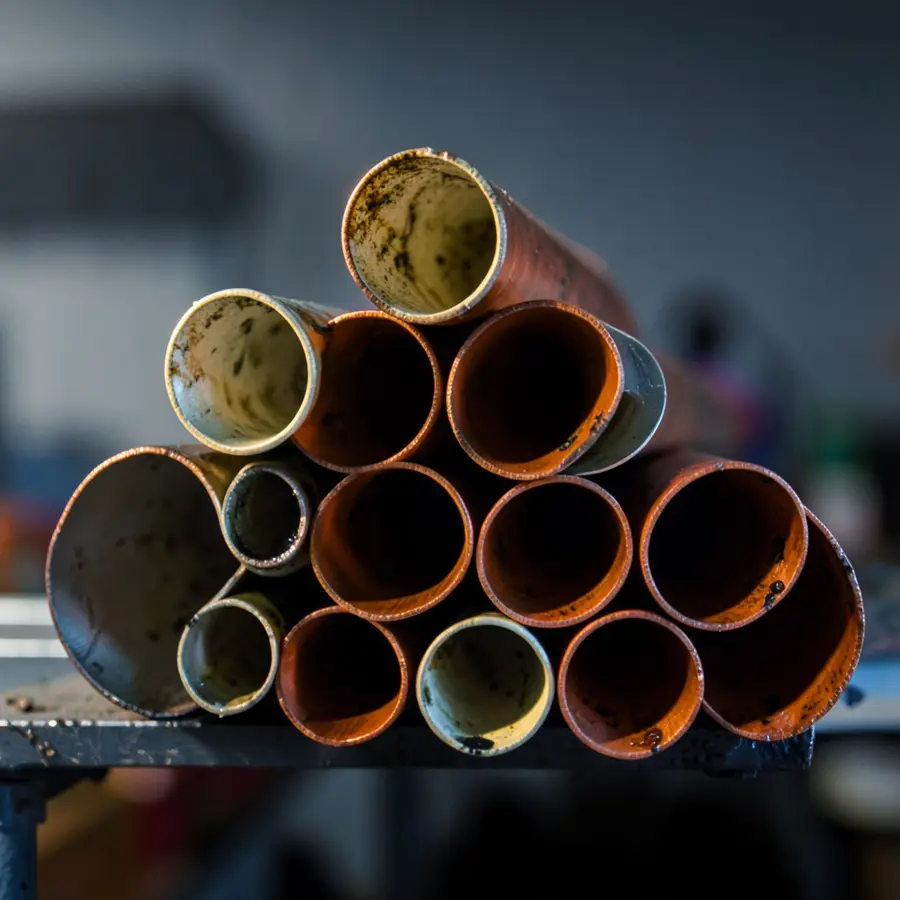
Des Moines's housing stock spans multiple construction eras β€” median home age 64 years β€” meaning pipe materials and failure modes vary significantly by neighborhood and building vintage. An inspection-led approach that confirms pipe material before recommending a service path is standard practice for mixed housing profiles.

2–3YRS
// Water quality

Very hard water in Des Moines is a primary driver of accelerated appliance failure: water heater anode rods exhaust in 2–3 years instead of 6–8, scale deposits at fixture connections form within months of installation, and tankless heat exchangers accumulate mineral buildup that can reduce lifespan by half without regular descaling. A softener or whole-house conditioner is strongly recommended alongside any appliance service call.

04
// Freeze risk

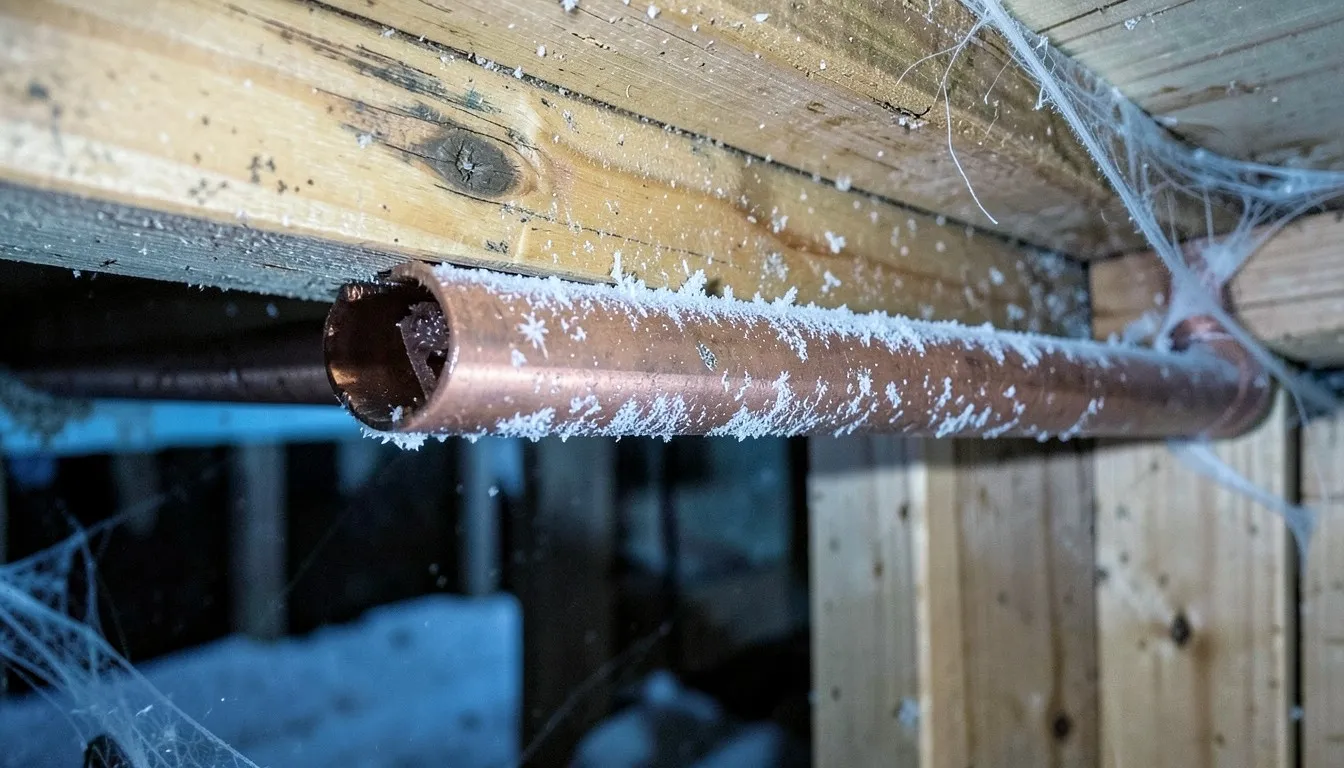
Frost line depth in Des Moines means supply lines and outdoor plumbing must be installed below the freeze threshold β€” typically 42 in β€” to prevent pipe burst during cold events. Exterior hose bibs, irrigation shutoffs, and any exposed pipe runs are the most common winterization service points in freeze-risk markets.
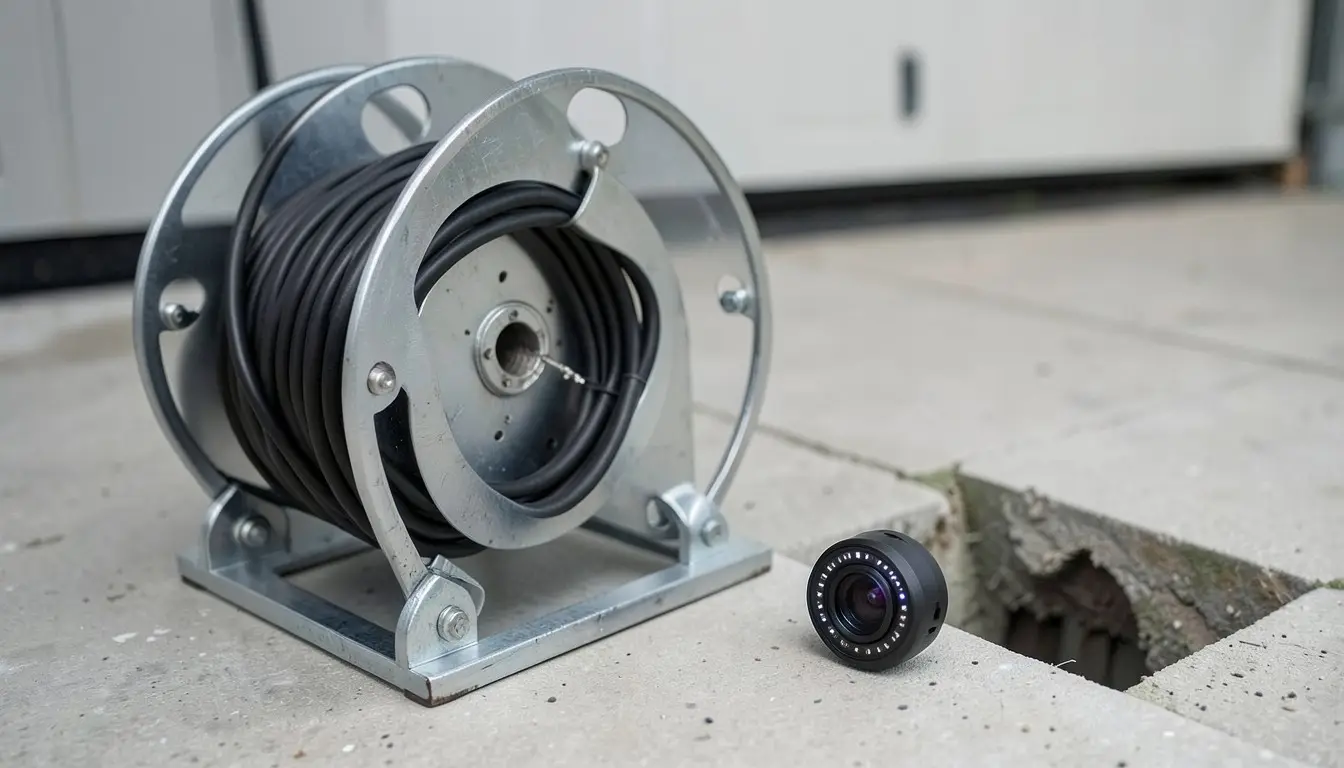
Hydro Jetting β€” representative field conditions
Median home age
64 yrs
Frost line
42 in
● Field-verified · Des Moines (888) 530-4445

A licensed IA plumber reads these conditions the moment you describe the symptom.

Local conditions

What shapes plumbing demand in Des Moines, IA?
45–70 yr copper service cycle
Postwar-era housing

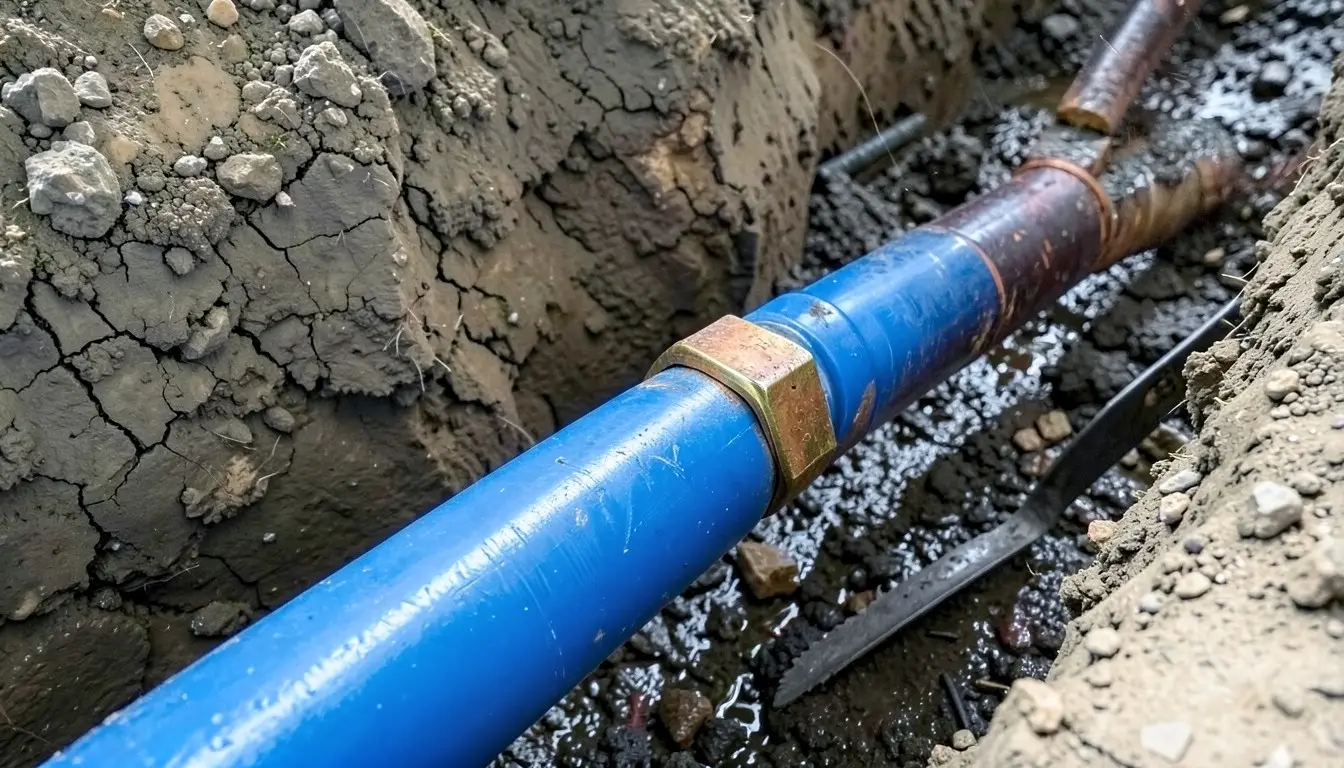
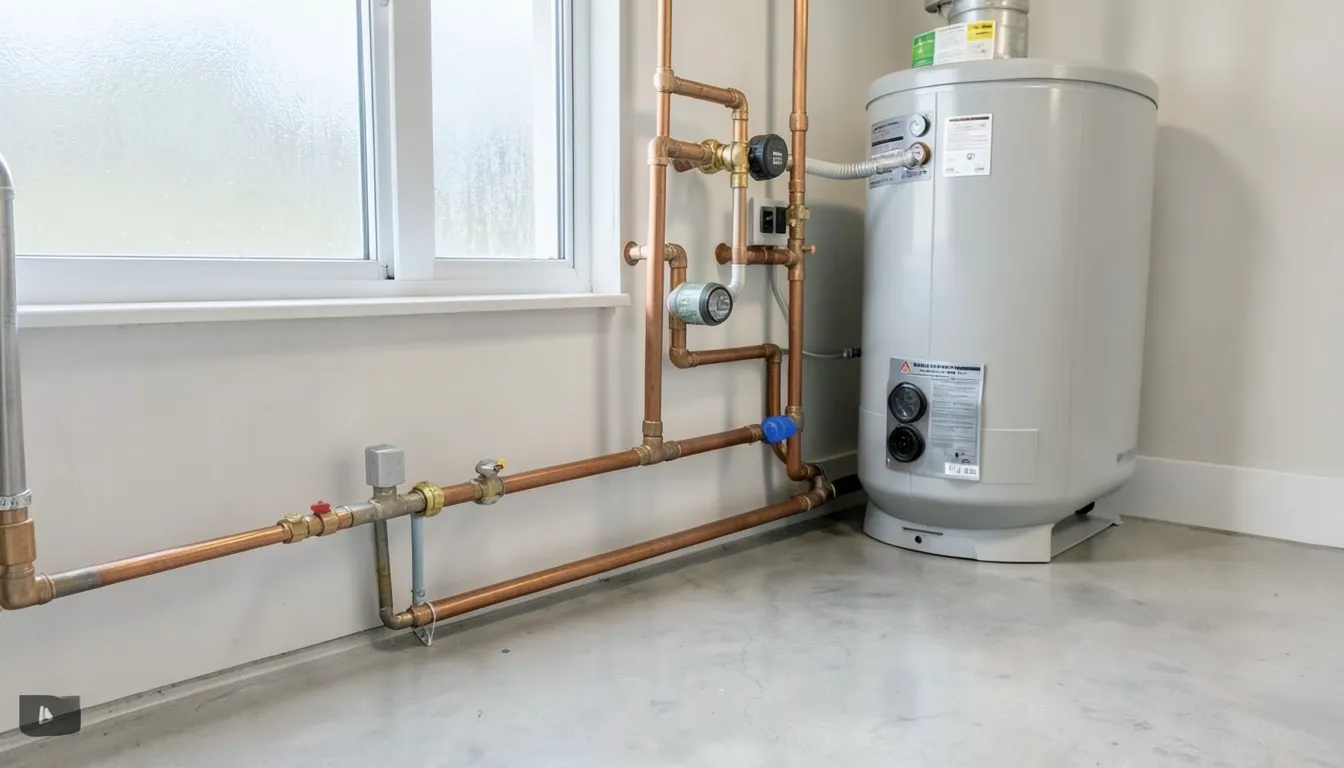
1950s–70s copper supply is now 50–70 years into its service cycle in Des Moines. Thermal fatigue at fittings and slab-on-grade access complexity β€” common in Sun Belt construction β€” make repair vs. replacement a live decision on most jobs. This housing cohort is the active primary replacement wave in this market.
15–20+ grains/gallon
Very hard water

At 15–20+ GPG, calcium scale forces compressed equipment cycles in Des Moines: tank heaters average 6–9 years vs. the 10–12-year national benchmark, and tankless units require annual descaling. Anode rods calcify within 12–18 months. Most plumbers here assess heater age against the local scale timeline β€” not the manufacturer's service life.

60+ days below freezing/yr
High freeze-risk season

The primary surge in Des Moines runs January–March, with a secondary wave at the spring thaw β€” when pipes that held through the freeze rupture as pressure is restored above 32Β°F. Scheduling competition peaks exactly when emergency calls are highest. Homeowners who wait for visible damage compete for the same limited plumber slots at the worst possible time.

Diagnostic process

Why diagnose before repairing in Des Moines?

01 Submit a diagnostic request

Describe the symptom β€” not the repair. AlertPlumber routes to an IA-licensed plumber trained in diagnostics. The site visit uses camera tracing, acoustic detection, or hydrostatic pressure testing β€” matched to the reported failure type.

02 Findings delivered in writing

The plumber delivers a written diagnostic report: confirmed failure location, available repair methods, and tradeoffs β€” disruption level, material durability, long-term cost, and whether a Des Moines building permit applies to the selected method.

03 Repair method authorized

You select the repair path. The Iowa-licensed plumber proceeds on the authorized method with a fixed scope and price. Where required, the permit application to Des Moines is handled by the contractor.

Estimate

Hydro Jetting cost calculator — Des Moines

Pre-filled for hydro jetting in Des Moines. Adjust the ZIP for a neighboring area, or change the service to compare. Calculator pulls from the city's scraped permit-fee + state plumber-density data.
Click Estimate to calculate cost for your ZIP.
Emergency line Β· Des Moines

Hydro Jetting in Des Moines β€” the longer it runs, the more it costs.

Slow failures compound: soft pipe walls, root penetration, mineral buildup. A verified plumber calls back with a scope-first estimate before anything is dug up.

FAQs Β· Hydro Jetting in Des Moines

Hydro Jetting in Des Moines β€” frequently asked

Why is hydro-jetting the right call for a Sherman Hill 1880s clay sewer lateral?
Sherman Hill is a designated Des Moines historic district of 1880s through 1900s Victorian and Queen Anne homes, and most of those original sewer laterals are 4-inch or 6-inch vitrified clay tile in 3-foot bell sections. After 130+ years, the bells have shifted slightly, roots have wedged into the mortar joints, and the bottom of each section carries a slick of decomposed grease and biofilm. Mechanical cabling cuts the roots but leaves the residue. undefined jets the line at 3,500 to 4,000 psi with a rotating root-cutter nozzle, scours the interior wall back to clay, and follows with a camera so the homeowner can see whether the structural clay is sound enough for lining or needs spot replacement before WRA combined-sewer winter loads return.
How does South of Grand mansion brick stack work change a jetting job?
The South of Grand mansion district along Grand Avenue features early 20th century homes of 4,000 to 8,000+ square feet with original 4-inch cast-iron stacks tied into brick or clay tile building drains in the basement. Some of the older mansions still carry sections of original brick sewer running to the curb. Brick sewer geometry is fragile, full-pressure jetting at 4,000 psi can dislodge a mortar joint. undefined cameras first, drops pressure to 2,000 to 2,500 psi for any brick or shifted-clay section, and uses a forward-firing nozzle rather than a 360-degree spinner where the structural integrity is in question. We stage cleanouts at the basement and at the curb so the entire run gets touched without overloading any single fitting.
Why do East Village mill-era buildings need a different jetting approach?
East Village downtown lofts and rehab buildings were typically warehouses, mills, and small commercial structures from the late 1800s through the 1920s, converted in the 2000s and 2010s. The drain layout is a hybrid: new PVC branches in the residential units, original cast-iron or clay building drains in the basement, and original brick or clay laterals to the WRA combined-sewer main. Jetting these buildings means honoring three different pressure tolerances on one job. undefined jets the new PVC at 3,500 to 4,000 psi, drops to 2,500 to 3,000 psi at the cast-iron transition, and goes to 1,500 to 2,000 psi on any unlined brick lateral section identified on camera. Documenting that profile in writing matters because WRA ordinance places debris-discharge responsibility on the property owner.
Does Raccoon River alluvium settling actually affect jetting?
Yes. Neighborhoods near the Raccoon River and Des Moines River floodplain, parts of Beaverdale north of Hickman, lower Highland Park, and the river-adjacent strip near East Village, sit on alluvial soils that settle differentially. Over 60 to 100 years, that settling creates bellies in the sewer lateral, low spots that pond water and collect solids no matter how often you cable. undefined cameras to map every belly before jetting, because a high-pressure jet pushed through a 2-foot belly just stirs the standing water and resettles the debris 20 feet downstream. We jet from below the belly upward when possible and recommend trenchless point repair for any belly that holds more than 3 inches of standing water at idle.
What pressure does DMWW 16 grain-per-gallon scale require to remove?
DMWW's 16 grains per gallon very hard water deposits calcium and magnesium carbonate scale on the interior of every horizontal drain line in the city. In cast-iron kitchen branches that scale combines with soap and grease into a hard sticky layer that mechanical cabling barely scratches. Removing it cleanly requires 3,500 to 4,000 psi at the nozzle with a warthog or chain-flail head and at least 12 gpm flow to carry debris out. Lower-flow trailer jetters at 8 gpm cannot evacuate the loosened scale fast enough on a 75-foot lateral run. undefined runs 4,000 psi at 18 gpm on standard residential jobs in Beaverdale, Drake, Highland Park, and South of Grand, which restores the original interior diameter rather than just punching a channel through the scale.
Can hydro-jetting damage a 1920s Beaverdale brick bungalow cast-iron stack?
It can if pressure is not matched to pipe condition. Beaverdale's 1920s and 1930s brick bungalows almost universally have original cast-iron stacks that have channeled along the bottom and corroded along the lead-and-oakum joints. undefined pulls a pre-jet camera survey on every pre-1950 Des Moines home and rates each section: solid cast iron tolerates 4,000 psi without issue; channeled but intact cast iron handles 2,500 to 3,000 psi safely; cast iron with visible joint compromise gets cabled instead. We do not jet a stack we have not seen on camera, and we document the survey so the homeowner has a record of pipe condition independent of the jetting work itself.
How does the 42-inch frost depth affect winter jetting in Polk County?
Polk County requires sewer laterals buried at 42 inches minimum because Des Moines averages around 128 freeze days. That depth means the lateral itself stays workable year round, but cleanout caps, exterior access points, and any above-grade traps freeze solid in January and February. undefined jets through the basement interior cleanout in winter rather than excavating a frozen exterior access, and we warm the cap and threads with a propane torch and warming blanket before breaking the seal. We do not schedule cold-weather jetting from a frozen-over exterior cleanout because the resulting water freezes inside the access pipe and creates a worse access problem than the original blockage.
Will jetting actually clear roots in a Drake-area clay lateral?
For root intrusion in a clay sewer lateral around the Drake University campus, 1920s through 1950s housing where parkway maples and elms have followed moisture into the bell joints, hydro-jetting with a rotating root cutter at 4,000 psi shears roots cleanly at the joint and flushes the cuttings to the WRA combined-sewer main. Cabling alone leaves a stubble of roots that regrows within 6 months. undefined jets, cameras to confirm, and recommends either annual maintenance jetting or a chemical root foam follow-up depending on how aggressive the root mass is. For severe cases with structural clay damage, trenchless cured-in-place lining is usually cheaper over 10 years than annual jetting plus eventual collapse.
What does jetting cost on a typical Des Moines mainline?
undefined prices residential jetting by access point and line length, not by the hour. A standard 50 to 75-foot mainline jetting from an interior basement cleanout, with camera follow-up and a written line-condition report, prices in a defined range that we quote on the phone after a short triage on the symptoms. Permit-pulled work, when jetting reveals a section that requires actual repair, falls under the City of Des Moines schedule of $77.25 for a residential alteration permit for repair scope or $206 for a new dwelling. We confirm the price in writing before any nozzle enters the line.
How often should a Sherman Hill or Beaverdale homeowner schedule jetting?
For a Sherman Hill 1880s Victorian or a Beaverdale 1920s brick bungalow on original clay lateral and cast-iron interior, undefined recommends a full mainline jetting every 36 to 60 months as a maintenance baseline, with annual camera inspection in between. Homes with documented root intrusion or a documented kitchen-branch scale problem move to a 24-month jetting cycle. Homes that have been lined or replaced with PVC mainline extend to 60 to 84 months. The Iowa Plumbing & Mechanical Systems Board's credentialing rules require us to document the recommendation and the homeowner's choice in the work order, so there is a clean paper trail year over year.
Why jet a kitchen branch separately rather than just hitting the mainline?
Kitchen branches in older Des Moines homes, especially Beaverdale, Waveland Park, Highland Park, and Drake-area 1920s through 1950s housing, almost always run 1.5 inch galvanized into a cast-iron stack. The galvanized branch carries the worst combination of FOG (fats, oils, and grease) plus the DMWW 16 gpg calcium-stearate film. Jetting the 4-inch mainline does not reach the 1.5 inch branch, and a clogged branch backs up regardless of how clean the main is. undefined uses a small-line mini-jetter for kitchen branches at lower pressure and flow matched to the branch diameter, then jets the mainline separately. This is the only sequence that actually solves a slow-kitchen complaint in a 95-year-old Des Moines home.
Does WRA have any rules about discharging jetting debris into the combined sewer?
The Wastewater Reclamation Authority serves Des Moines and surrounding member communities through a combined-sewer system in the older neighborhoods. WRA ordinance places responsibility for grease, sand, and debris discharges on the property owner and prohibits releases that would impair the treatment plant. For residential jetting, that means we contain large grease and root mass debris at the cleanout rather than pushing it directly into the main. undefined uses a debris-catching bag or screen at the basement cleanout on heavy-grease kitchen lines, removes the bulk debris for disposal, and only flushes the cleaning water and fine particulates downstream. We document the disposal on the invoice so the homeowner has a record if WRA ever audits a property's discharge history.
Can you jet through the Iowa Statehouse limestone district older homes?
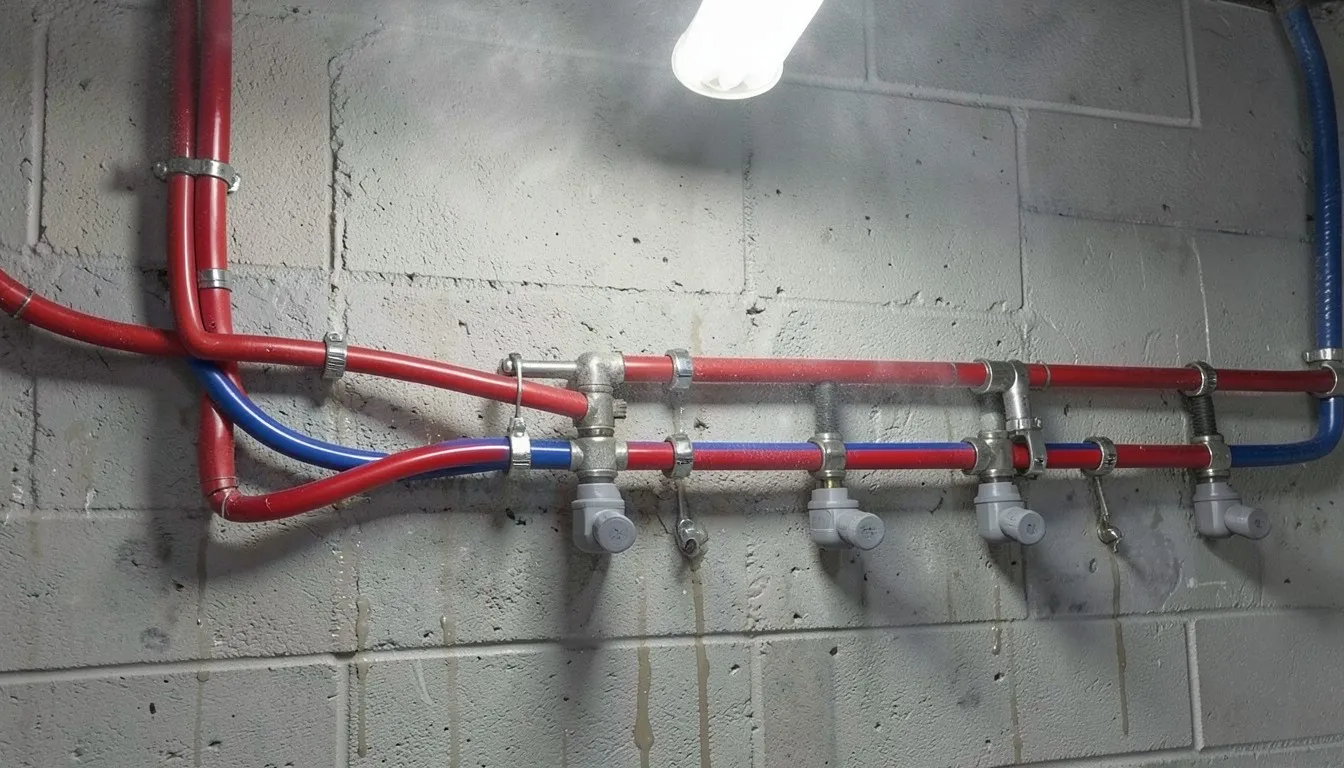
The neighborhoods east of the Iowa Statehouse on the limestone bluff, parts of Capitol East and the older blocks running toward the river, contain 1880s through 1910s stock with mixed cast-iron stacks, clay tile laterals, and occasional original brick sewer segments. undefined cameras every line in this area before jetting because the housing inventory varies block by block. We have seen original brick sewers in serviceable condition next to clay laterals that collapsed 20 years ago, and adjusting jet pressure to the actual pipe in front of the camera is the only safe approach. For brick segments confirmed structurally sound, 1,500 to 2,000 psi with a forward-firing nozzle cleans without disturbing the original mortar. For collapsed or shifted clay, jetting is not the answer and we quote excavation or trenchless replacement instead.
One last thing Β· Des Moines, IA

The fix gets cheaper the sooner a plumber sees it.

Degradation problems compound quietly. Call now, or use the form below and a licensed Iowa plumber calls you back with a no-obligation estimate for the hydro jetting.
Des Moines callback

Request a hydro jetting callback in Des Moines

In a meeting, with the kids, or just prefer not to hold? Drop your ZIP and number below. AlertPlumber routes your request to a verified plumber in your area — they’ll call you back directly.

  1. 1 Submit your info. ZIP, phone, and what kind of work you need.
  2. 2 AlertPlumber matches you with a verified plumber serving your area.
  3. 3 The plumber calls you back with a written estimate, no obligation.
Your info isn’t sold to third parties TCPA-compliant consent · opt-out anytime
Dispatch request · 30 seconds Verified plumbers on call
How urgent?

Disclaimer: AlertPlumber is a referral service and is not a licensed contractor. All work is performed by independently-vetted contractors routed through the partner network. AlertPlumber does not perform, supervise, or guarantee any work.

or skip the form
Call (888) 530-4445 24/7 line · talk to a plumber sooner
Catch it before it compounds

Hydro Jetting in Des Moines β€” catch it early

Degradation-driven failures worsen over time and cost more to fix the longer they run. A verified IA plumber in Des Moines diagnoses your specific condition and provides a written scope before any work begins.

Call (888) 530-4445 Request Callback