24/7 Emergency Β· Freeze zone Β· Des Moines

Emergency Leak Detection in Des Moines, Iowa

Camera first, quote second β€” know exactly what's wrong in your Des Moines home before you approve a dollar.

24/7 dispatch Β· Licensed IA plumbers (888) 530-4445 Talk to a licensed local plumber β€” answers in under 60 seconds
214,133 Des Moines residents
42 in Frost line
64 yrs Median home age
Written estimate before work starts No obligation until you approve
Des Moines, IA β€” what affects cost Cost depends on leak type (water vs. gas), property size, and whether acoustic, thermal, or tracer gas detection methods are required. 214,133 residents Β· median home age 64 years (98%).
Local data

Local plumbing data for Des Moines, IA

License board Iowa Plumbing & Mechanical Systems Board / Master Plumber License board
Active plumbers (state) Iowa DIAL public license search Active plumbers (state)
City permit fee $77.25 (residential alteration); $206 (new dwelling) City permit fee
Residential permits 2024 Des Moines–West Des Moines MSA BPS via FRED Residential permits 2024
Water hardness (gpg) ~16 gpg (270+ ppm; very hard) Water hardness (gpg)
Lead service line inventory ~8,117 confirmed lead + ~47,285 unknown of ~100,000 services Lead service line inventory
Annual freeze days ~128 days/yr ≀ 32Β°F Annual freeze days
Frost depth 42 in Frost depth
Sewer coverage ~98% (WRA serves DSM + 17 metro members) Sewer coverage
Water rate $5.35/1k gal (Tier 1, eff 1/1/2026) Water rate

Seeing these conditions at your place in Des Moines? A state-licensed plumber can confirm it over the phone β€” free, no obligation.

Local infrastructure

What are the pipe conditions in Des Moines, IA?

01
// Service profile Β· Des Moines

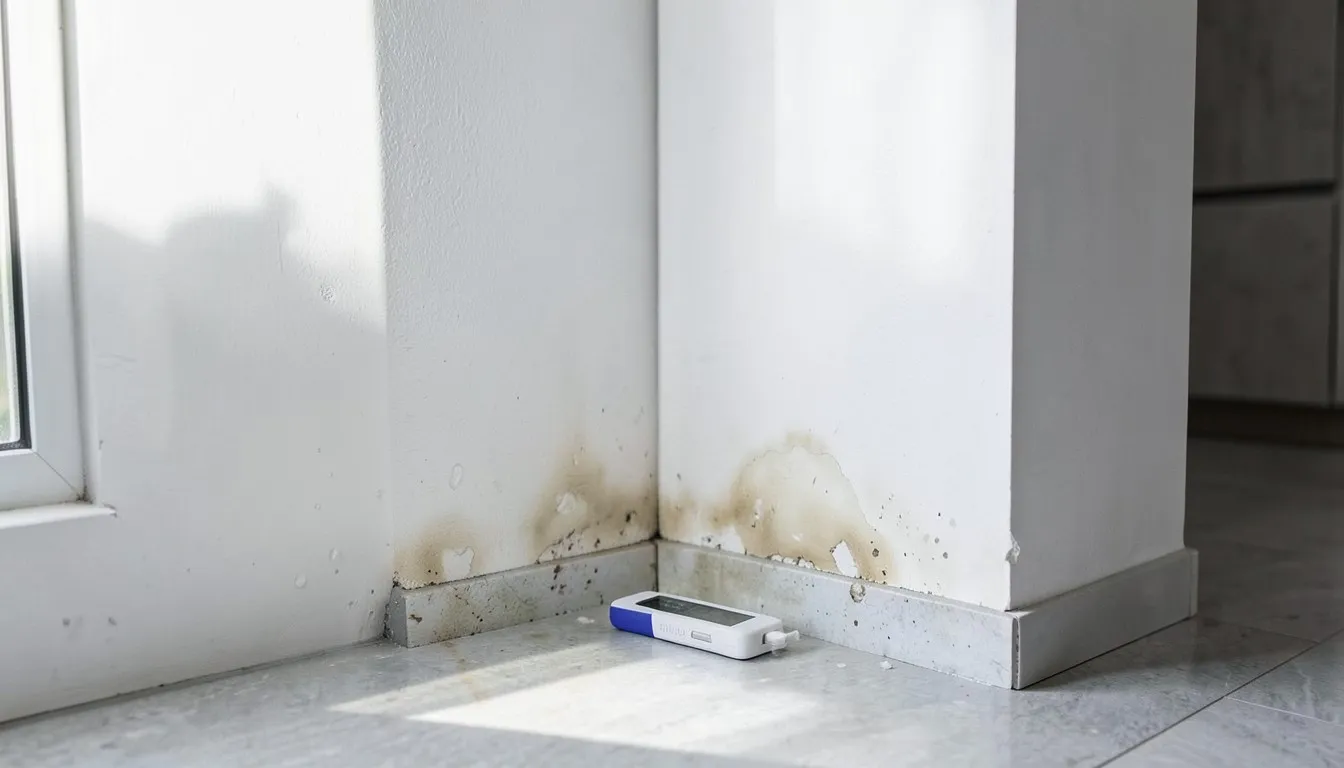
Non-invasive leak detection uses acoustic amplification, thermal imaging, and pressure isolation to locate water loss in supply lines and drain systems without opening walls or floors. Des Moines homes with galvanized or older copper supply runs face the highest pinhole leak incidence β€” a slow leak inside a wall cavity can cause mold and structural damage for months before becoming visible. A professional leak detection prevents unnecessary demolition by confirming the exact break location before any drywall is cut. AlertPlumber connects you with an Iowa-licensed plumber who locates first and opens second.

64YRS
// Pipe stock

Des Moines's housing stock spans multiple construction eras β€” median home age 64 years β€” meaning pipe materials and failure modes vary significantly by neighborhood and building vintage. An inspection-led approach that confirms pipe material before recommending a service path is standard practice for mixed housing profiles.

2–3YRS
// Water quality

Very hard water in Des Moines is a primary driver of accelerated appliance failure: water heater anode rods exhaust in 2–3 years instead of 6–8, scale deposits at fixture connections form within months of installation, and tankless heat exchangers accumulate mineral buildup that can reduce lifespan by half without regular descaling. A softener or whole-house conditioner is strongly recommended alongside any appliance service call.

04
// Freeze risk

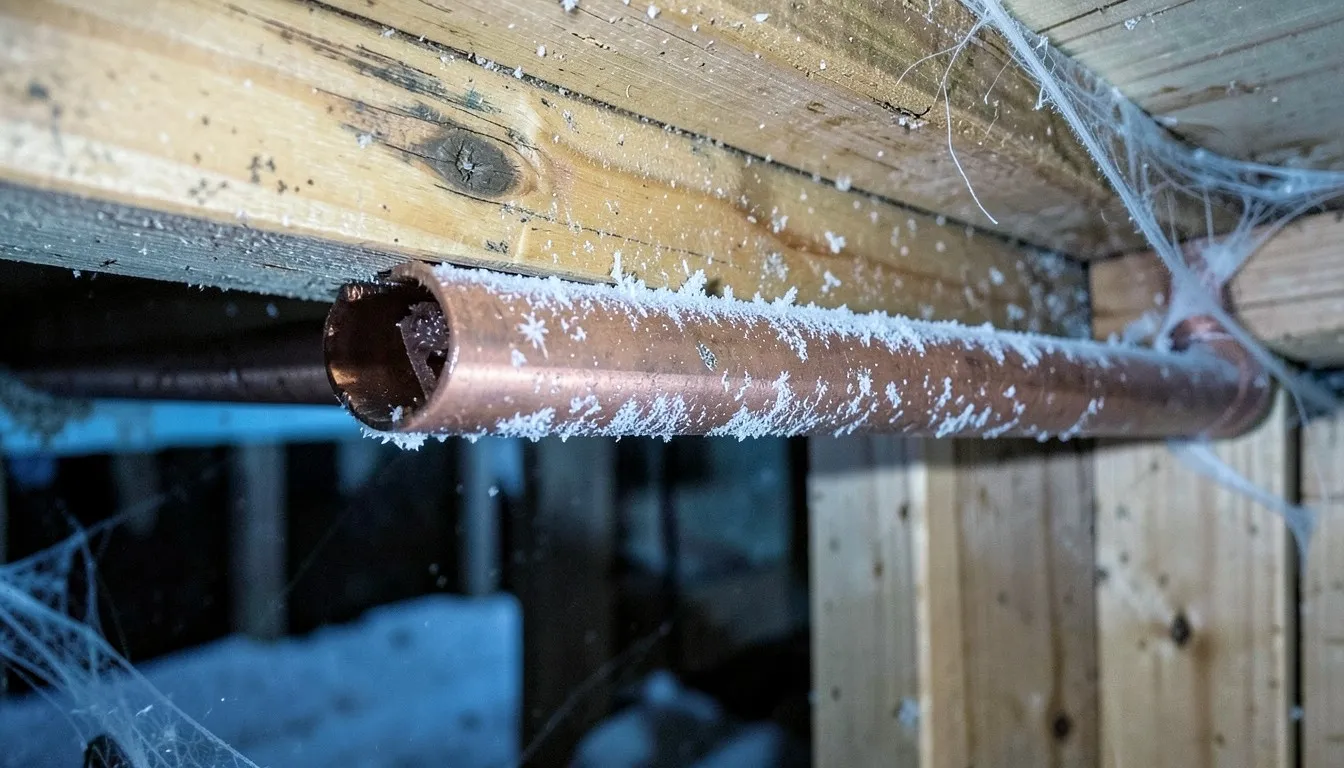
Frost line depth in Des Moines means supply lines and outdoor plumbing must be installed below the freeze threshold β€” typically 42 in β€” to prevent pipe burst during cold events. Exterior hose bibs, irrigation shutoffs, and any exposed pipe runs are the most common winterization service points in freeze-risk markets.
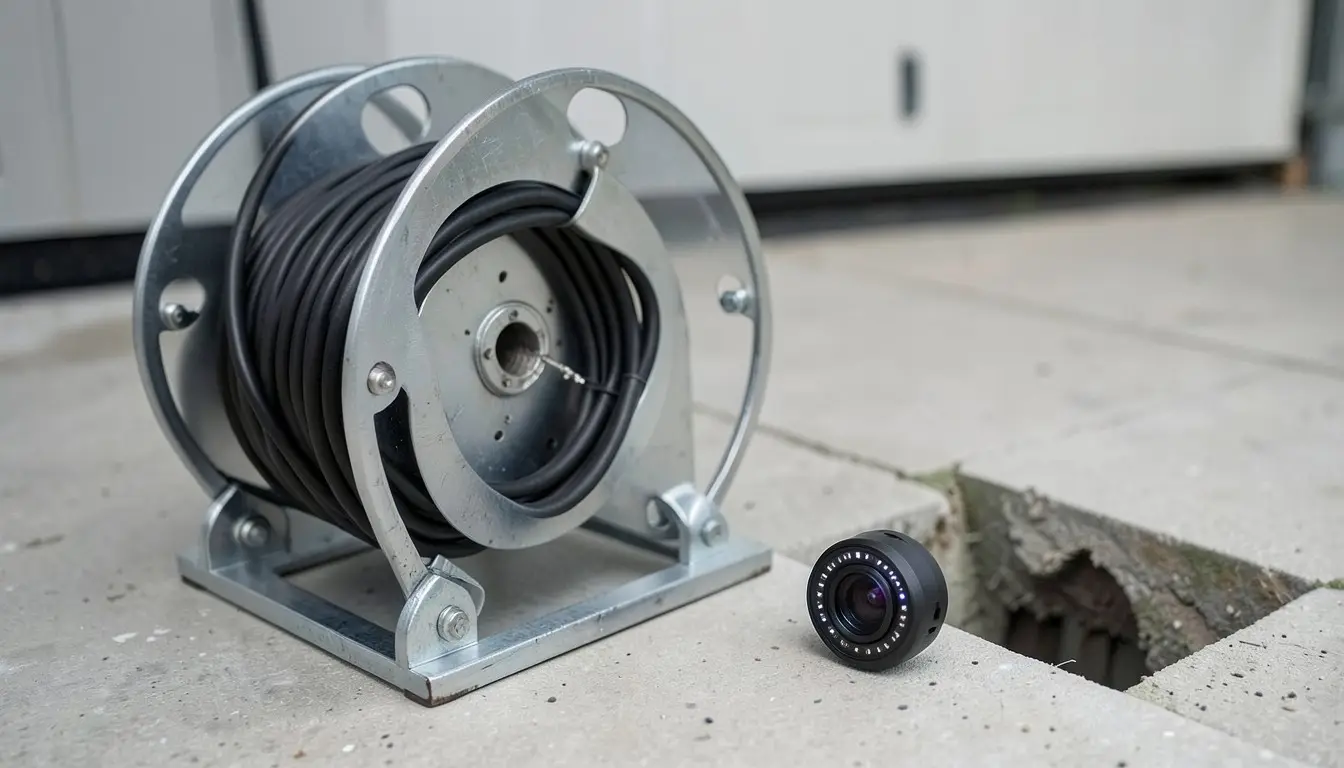
Leak Detection β€” representative field conditions
Median home age
64 yrs
Frost line
42 in
● Field-verified · Des Moines (888) 530-4445

A licensed IA plumber reads these conditions the moment you describe the symptom.

Local conditions

What shapes plumbing demand in Des Moines, IA?
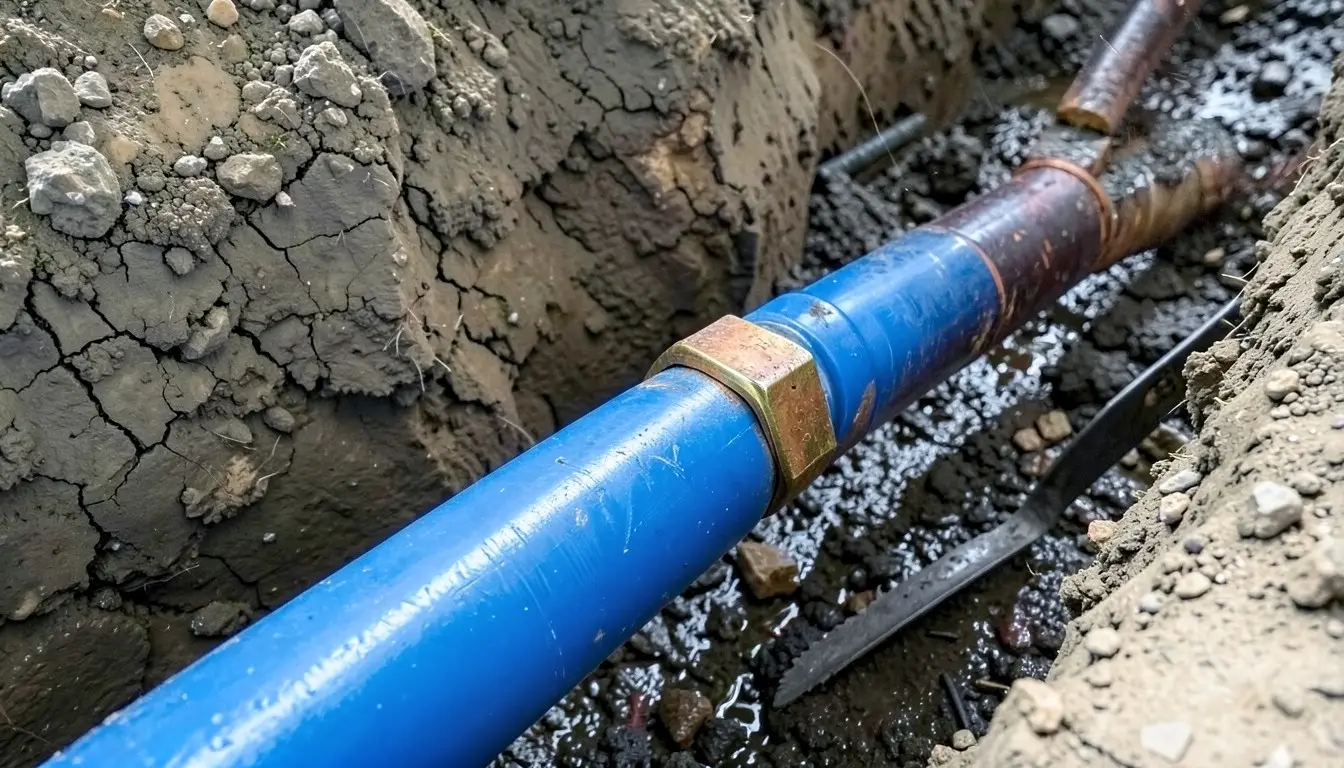
45–70 yr copper service cycle
Postwar-era housing

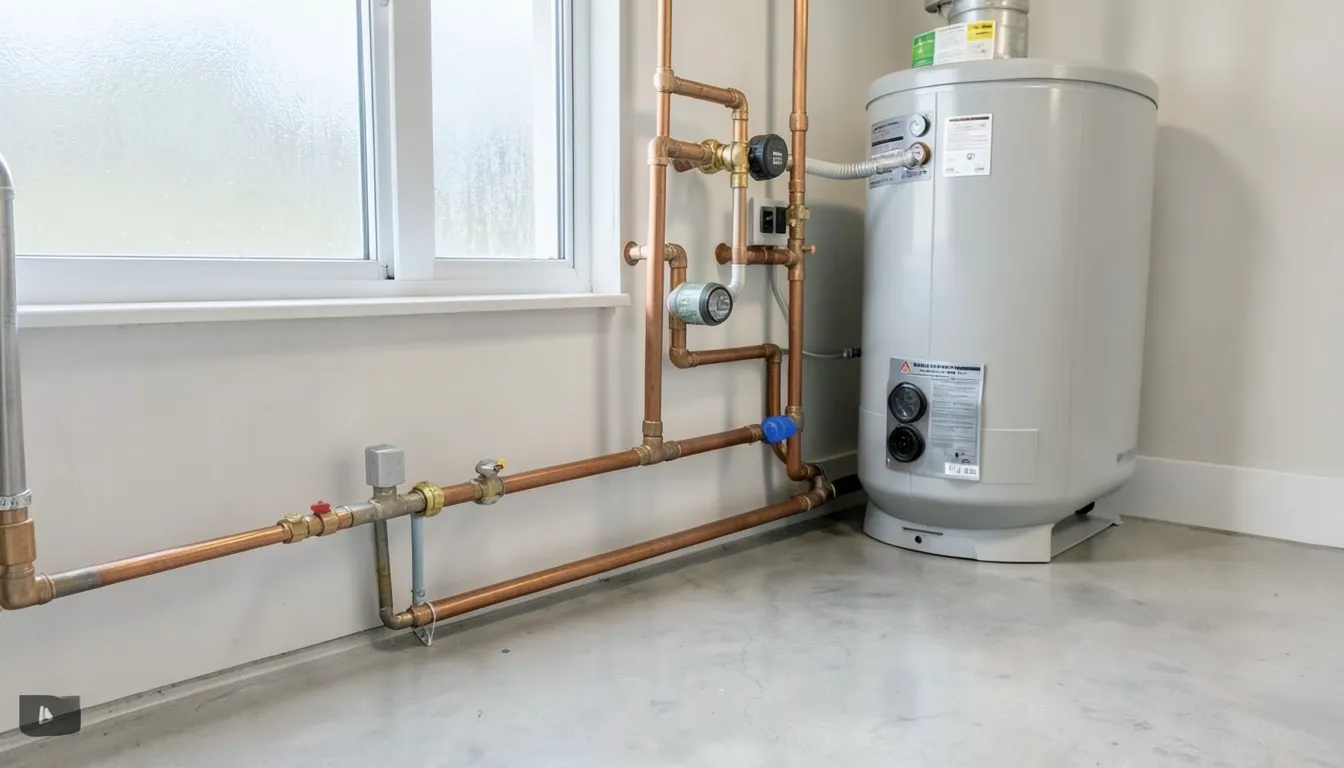
1950s–70s copper supply is now 50–70 years into its service cycle in Des Moines. Thermal fatigue at fittings and slab-on-grade access complexity β€” common in Sun Belt construction β€” make repair vs. replacement a live decision on most jobs. This housing cohort is the active primary replacement wave in this market.
15–20+ grains/gallon
Very hard water

At 15–20+ GPG, calcium scale forces compressed equipment cycles in Des Moines: tank heaters average 6–9 years vs. the 10–12-year national benchmark, and tankless units require annual descaling. Anode rods calcify within 12–18 months. Most plumbers here assess heater age against the local scale timeline β€” not the manufacturer's service life.

60+ days below freezing/yr
High freeze-risk season

The primary surge in Des Moines runs January–March, with a secondary wave at the spring thaw β€” when pipes that held through the freeze rupture as pressure is restored above 32Β°F. Scheduling competition peaks exactly when emergency calls are highest. Homeowners who wait for visible damage compete for the same limited plumber slots at the worst possible time.

Diagnostic process

Why diagnose before repairing in Des Moines?

01 Submit a diagnostic request

Describe the symptom β€” not the repair. AlertPlumber routes to an IA-licensed plumber trained in diagnostics. The site visit uses camera tracing, acoustic detection, or hydrostatic pressure testing β€” matched to the reported failure type.

02 Findings delivered in writing

The plumber delivers a written diagnostic report: confirmed failure location, available repair methods, and tradeoffs β€” disruption level, material durability, long-term cost, and whether a Des Moines building permit applies to the selected method.

03 Repair method authorized

You select the repair path. The Iowa-licensed plumber proceeds on the authorized method with a fixed scope and price. Where required, the permit application to Des Moines is handled by the contractor.

Estimate

Leak Detection cost calculator — Des Moines

Pre-filled for leak detection in Des Moines. Adjust the ZIP for a neighboring area, or change the service to compare. Calculator pulls from the city's scraped permit-fee + state plumber-density data.

Click Estimate to calculate cost for your ZIP.
Emergency line Β· Des Moines

Leak Detection in Des Moines β€” the longer it runs, the more it costs.

Slow failures compound: soft pipe walls, root penetration, mineral buildup. A verified plumber calls back with a scope-first estimate before anything is dug up.

FAQs Β· Leak Detection in Des Moines

Leak Detection in Des Moines β€” frequently asked

Why are South of Grand mansions especially prone to copper pinhole leaks?
The South of Grand mansion district along Grand Avenue features early 20th century homes with original or mid-century-replaced copper supply lines feeding three and four-story bathroom stacks. DMWW's 16 grains per gallon very hard water from the Raccoon River and Des Moines River sources carries a high mineral load that, combined with the moderate chloride content and dissolved oxygen, slowly pits Type M copper from the inside. South of Grand homes also tend to have long vertical copper runs in old plaster walls where slow weeping goes undetected for years. undefined starts with acoustic correlation at the meter and at each stack, isolates by floor, and uses thermal imaging through plaster only after acoustic narrows the location to within a 6-foot wall section.
How do you find a leak in a Beaverdale brick bungalow crawlspace?
Beaverdale's 1920s and 1930s brick bungalows typically have a partial basement plus a crawlspace under a kitchen or sunroom addition, often added in the 1950s through 1970s. Supply lines in those crawlspaces are a mix of original galvanized, mid-century copper repipes, and modern PEX patches, and the dirt floor absorbs minor seepage without leaving a stain. undefined pressure-isolates the supply, uses an acoustic listening disc on each accessible fitting, and runs a moisture meter on the joists above each suspected drip. For supply leaks in inaccessible sections under the kitchen slab, we run a non-invasive ultrasonic survey through the floor before we cut any tile or hardwood, because the wrong cut location costs more than the leak repair.
Does the 42-inch frost depth affect where leaks tend to form on Des Moines water service lines?
Polk County requires service lines buried at 42 inches minimum against the 128-day freeze season, but many older homes in Beaverdale, Highland Park, and Drake have original service lines that were buried shallower under historical code, sometimes 30 to 36 inches. Those shallow sections are the first to develop pinhole or fitting leaks because frost-heave cycles flex the pipe slightly each winter. undefined starts an outside-service investigation by depth-probing the line with a ground-penetrating radar pass to identify shallow zones, then uses correlation acoustic detection between the meter and the house entry. Iowa Plumbing & Mechanical Systems Board Master Plumber rules require us to log probe depths so the homeowner has a record for any future repair or replacement.
How does the DMWW lead-service-line inventory affect leak detection on older homes?
DMWW has identified approximately 8,117 confirmed lead service lines plus roughly 47,285 unknown-material lines out of about 100,000 total service connections, and the utility maintains a homeowner-accessible service-line lookup. When undefined investigates a suspected service-line leak on a pre-1960 home in Sherman Hill, Highland Park, or older Beaverdale, we check the lookup first because a confirmed lead line changes the repair conversation entirely, replacement under the federal Lead and Copper Rule revisions takes priority over patching a leak on a line that needs to come out anyway. We notify the homeowner of the LSL status before any excavation is quoted.
What does a slab leak look like on a Waveland Park 1950s ranch addition?
Many Waveland Park homes started as 1910s through 1930s craftsman bungalows with later 1950s and 1960s slab additions for a family room, kitchen expansion, or attached garage conversion. Those slabs often have post-tension copper supply runs to a kitchen or bath addition. A slab leak there shows up as warm spots on tile or hardwood, an unexplained jump in DMWW water usage, or a faint hiss audible only when the rest of the house is silent. undefined uses thermal imaging across the slab, an acoustic ground microphone at suspect zones, and a tracer-gas injection only after acoustic locates the leak to within a 3-foot circle. We do not cut concrete based on guesswork in this neighborhood, the slab additions hide HVAC and electrical runs the original blueprints rarely document.
Can you find a leak behind original Sherman Hill plaster without tearing it open?
Yes, and we have to on Sherman Hill homes because the plaster is part of the historic district designation and any unnecessary destructive entry requires careful restoration. undefined works leak detection in Sherman Hill with non-invasive tools first: thermal imaging that picks up the temperature differential of an active hot-water leak through plaster, acoustic correlation that pinpoints to within 12 inches on a pressurized supply line, and moisture mapping that traces a slow leak from the visible stain back to the source. Only after non-invasive narrows the location to a single stud bay do we cut a small inspection window. A 4 by 4 inch inspection cut patches cleanly into 100-year-old plaster, a 12-foot exploratory cut does not.
Why does the Iowa Statehouse limestone district have unusual leak patterns?
Older neighborhoods near the Iowa Statehouse east of the river sit on a mix of limestone bedrock and shallow alluvial fill from the Des Moines River. Service lines in this district often run through fill that settles unevenly over decades, creating shear stress at fittings near the curb stop and at the house entry. undefined sees a recurring failure pattern in this area: the leak is at the meter pit or just inside the foundation wall, not in the middle of the run, because the fittings are where the stress concentrates. We start any leak detection in this district at both ends of the service line and work toward the middle, which usually saves the homeowner an unnecessary mid-run excavation.
How do you locate a leak under a Drake University rental kitchen floor?
Drake-area 1920s through 1950s rentals typically have a kitchen on a slab or partial-slab addition over the original basement. Tenants notice damp baseboard or a swelling cabinet kick plate weeks after the actual leak starts. undefined treats Drake rental calls as urgent because the leak has often been weeping into the subfloor for some time, and we lead with a moisture-meter map of the entire kitchen floor to identify the wettest point. Then thermal imaging during a controlled hot-water draw at the kitchen tap shows whether the leak is on the hot side or the cold side. Landlords appreciate the written moisture map because it becomes part of the property file for any later tenant turnover.
What does leak detection cost in Des Moines?
undefined prices leak detection as a flat diagnostic with the expectation of a single arrival, not as an open-ended hourly investigation. A standard interior leak detection visit, acoustic correlation plus thermal imaging on accessible runs, prices in a defined range we quote on the phone after triage. Underground service line investigation, with depth probing and exterior correlation, prices separately. Permit-pulled repair scope, when detection identifies a fitting or section that needs actual work, falls under the City of Des Moines schedule of $77.25 for a residential alteration permit. The diagnostic fee is credited toward repair when the same crew completes the work.
How do I tell whether the leak is on DMWW's side or my side?
The dividing line in Des Moines is the curb stop at the property line. DMWW owns and maintains the line from the water main to the curb stop; the homeowner owns from the curb stop to the house. If the DMWW meter is spinning with all interior fixtures off, the leak is on the homeowner side of the curb stop. undefined runs a meter-isolation test as the first step on any suspected service-line leak: we shut the main valve at the house, watch the meter for 15 minutes, then open the main and shut individual fixtures to localize. If the meter spins with the house main shut, we recommend the homeowner contact DMWW directly because the leak is on the utility side. The DMWW service line lookup documents the ownership split for each address.
Does DMWW's water rate make a small leak expensive in Des Moines?
Yes. DMWW Tier 1 residential pricing is approximately $5.35 per 1,000 gallons, so a small continuous leak adds up. A pinhole in a copper supply line at South of Grand that drips at 1 gallon per hour wastes 720 gallons a month, roughly $3.85 in water plus equivalent sewer-and-WRA wastewater charges, plus moisture damage to plaster and framing that compounds over months or years. undefined treats any unexplained 24-hour meter movement as worth investigating, the diagnostic fee is generally less than the cumulative damage of a 6-month undetected leak in finished space.
How fast can you find a leak in a finished Highland Park basement?
Highland Park's 1920s working-class homes on the north side typically have a finished or semi-finished basement with drywall over original cast-iron and copper supply runs. Active leaks behind that drywall show up as a stain, a musty smell, or a dropping water-heater reservoir. undefined arrives with thermal imaging, acoustic listening, and a moisture meter, and in most cases narrows the leak to a single wall section within 60 to 90 minutes of arrival. We cut a single 4 by 4 inch inspection window in the lowest moisture-reading drywall and verify visually before any larger access. Finished-basement leak detection rewards patience on the diagnostic side because a wrong cut means drywall, paint, baseboard, and trim restoration.
When should I worry that a slow leak is actually a slab issue versus a wall issue?
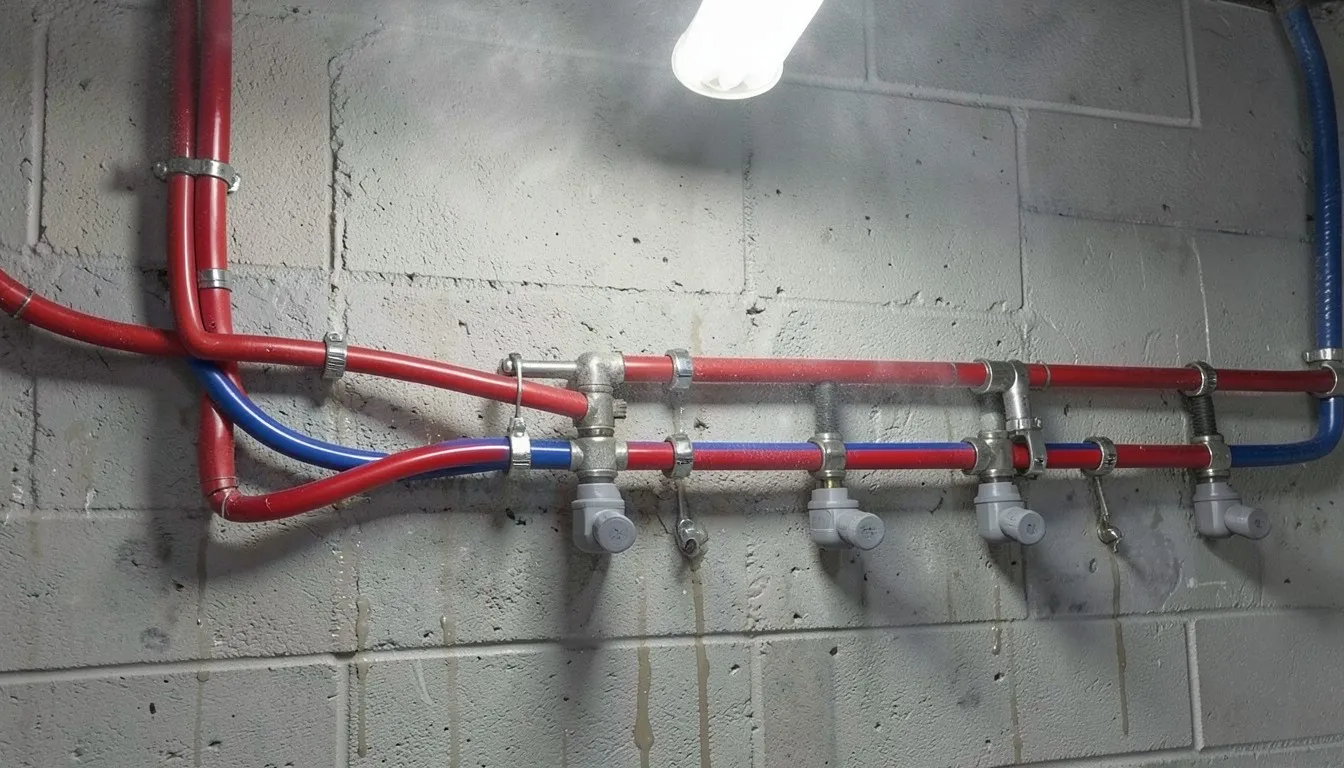
In Des Moines housing, slab leaks are less common than wall and crawlspace leaks because most pre-1970 housing is basement-over-grade rather than slab-on-grade. The exceptions are postwar ranches in West Des Moines suburbs, Waveland Park additions, and East Village loft conversions where new construction is on a slab. A slab leak shows three signature symptoms: an unexplained warm spot on tile or hardwood, audible hiss when the house is silent, or DMWW meter movement with all fixtures off. undefined runs a quick slab-leak screen, thermal imaging plus listening disc, on any of those symptoms before we look elsewhere. For wall and crawlspace leaks, the symptoms are usually a stain, a dripping sound localized to one room, or a dropping pressure reading at a specific fixture.
One last thing Β· Des Moines, IA

The fix gets cheaper the sooner a plumber sees it.

Degradation problems compound quietly. Call now, or use the form below and a licensed Iowa plumber calls you back with a no-obligation estimate for the leak detection.

Des Moines callback

Request a leak detection callback in Des Moines

In a meeting, with the kids, or just prefer not to hold? Drop your ZIP and number below. AlertPlumber routes your request to a verified plumber in your area — they’ll call you back directly.

  1. 1 Submit your info. ZIP, phone, and what kind of work you need.
  2. 2 AlertPlumber matches you with a verified plumber serving your area.
  3. 3 The plumber calls you back with a written estimate, no obligation.
Your info isn’t sold to third parties TCPA-compliant consent · opt-out anytime
Dispatch request · 30 seconds Verified plumbers on call
How urgent?

Disclaimer: AlertPlumber is a referral service and is not a licensed contractor. All work is performed by independently-vetted contractors routed through the partner network. AlertPlumber does not perform, supervise, or guarantee any work.

or skip the form
Call (888) 530-4445 24/7 line · talk to a plumber sooner
Catch it before it compounds

Leak Detection in Des Moines β€” catch it early

Degradation-driven failures worsen over time and cost more to fix the longer they run. A verified IA plumber in Des Moines diagnoses your specific condition and provides a written scope before any work begins.

Call (888) 530-4445 Request Callback