24/7 Emergency Β· Freeze zone Β· Des Moines

Emergency Water Heater Repair in Des Moines, Iowa

Active water damage compounds by the hour β€” a licensed IA plumber is on call for Des Moines right now.

24/7 dispatch Β· Licensed IA plumbers (888) 530-4445 Talk to a licensed local plumber β€” answers in under 60 seconds
214,133 Des Moines residents
42 in Frost line
64 yrs Median home age
Written estimate before work starts No obligation until you approve
Des Moines, IA β€” what affects cost Cost depends on heater type (gas vs. electric), which component failed, and whether repair or replacement is the right call given the unit's age. 214,133 residents Β· median home age 64 years (98%).
Local data

Local plumbing data for Des Moines, IA

License board Iowa Plumbing & Mechanical Systems Board / Master Plumber License board
Active plumbers (state) Iowa DIAL public license search Active plumbers (state)
City permit fee $77.25 (residential alteration); $206 (new dwelling) City permit fee
Residential permits 2024 Des Moines–West Des Moines MSA BPS via FRED Residential permits 2024
Water hardness (gpg) ~16 gpg (270+ ppm; very hard) Water hardness (gpg)
Lead service line inventory ~8,117 confirmed lead + ~47,285 unknown of ~100,000 services Lead service line inventory
Annual freeze days ~128 days/yr ≀ 32Β°F Annual freeze days
Frost depth 42 in Frost depth
Sewer coverage ~98% (WRA serves DSM + 17 metro members) Sewer coverage
Water rate $5.35/1k gal (Tier 1, eff 1/1/2026) Water rate

Seeing these conditions at your place in Des Moines? A state-licensed plumber can confirm it over the phone β€” free, no obligation.

Local infrastructure

What are the pipe conditions in Des Moines, IA?

10YRS
// Service profile Β· Des Moines

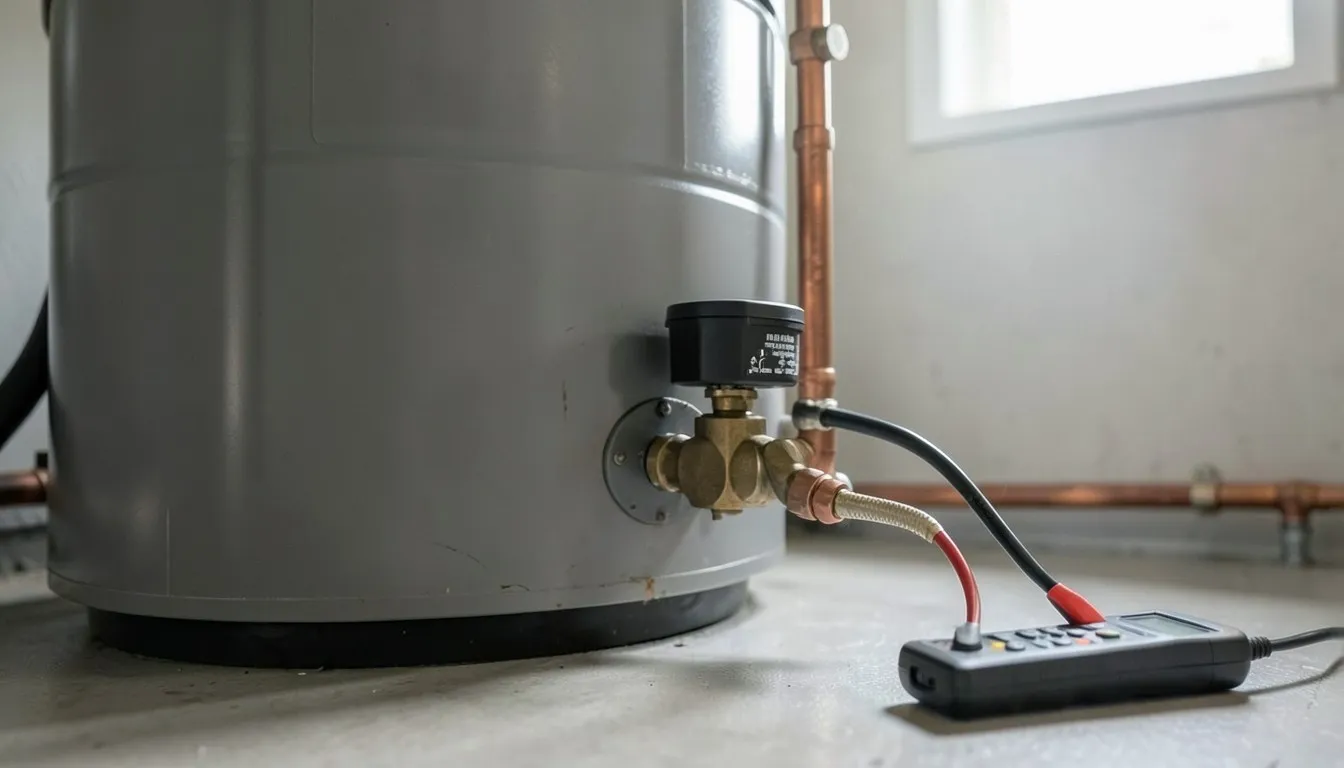
Water heater repair in Des Moines starts with isolating the failure mode: a unit producing no hot water usually has a failed heating element or thermostat (electric) or a pilot or gas valve issue (gas); a unit leaking at the base has a failed tank β€” a repair is not possible and replacement is immediate. Sediment flushing and anode rod replacement extend the life of units under 10 years significantly; units over 12 years are typically beyond economic repair. AlertPlumber routes your request to an Iowa-licensed plumber who diagnoses before recommending repair vs. replacement. Freeze events and frost-depth requirements add pipe insulation, exterior faucet winterization, and burst-risk assessment to service calls in this climate.

64YRS
// Pipe stock

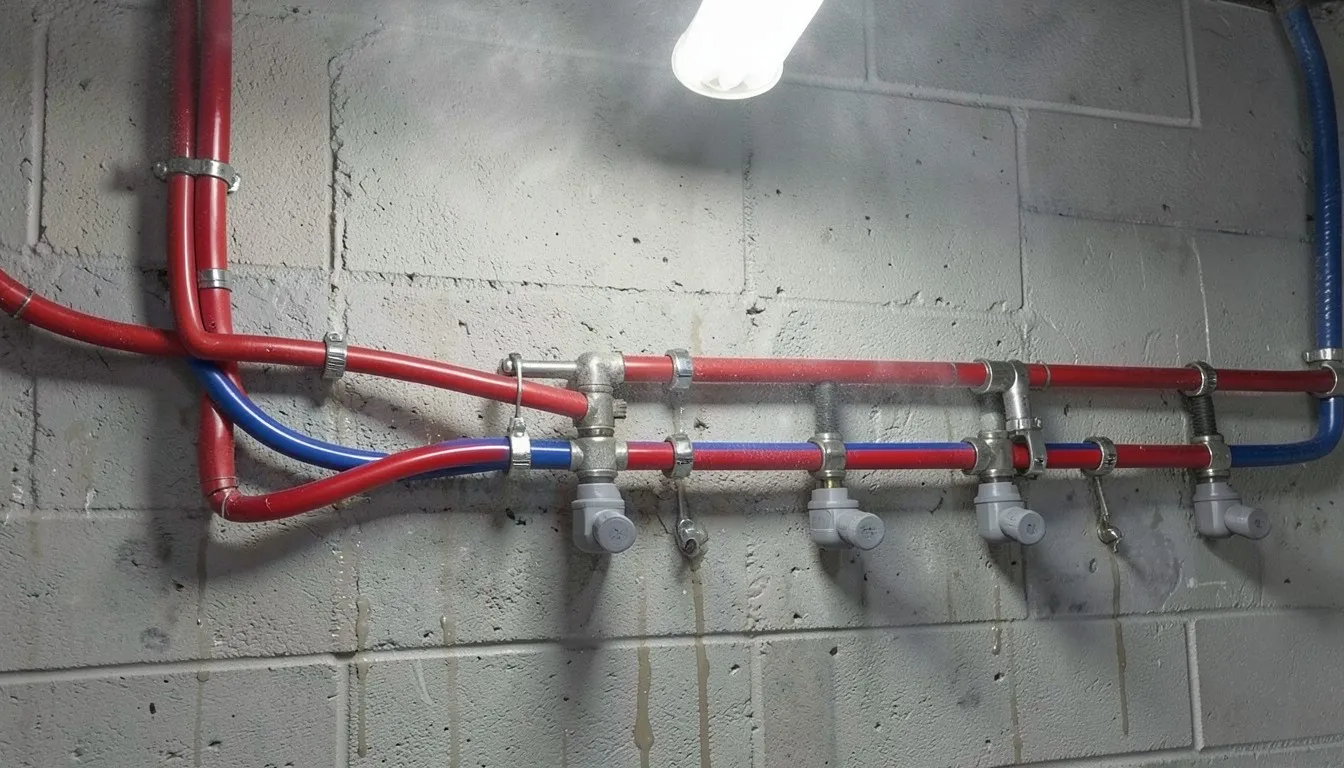
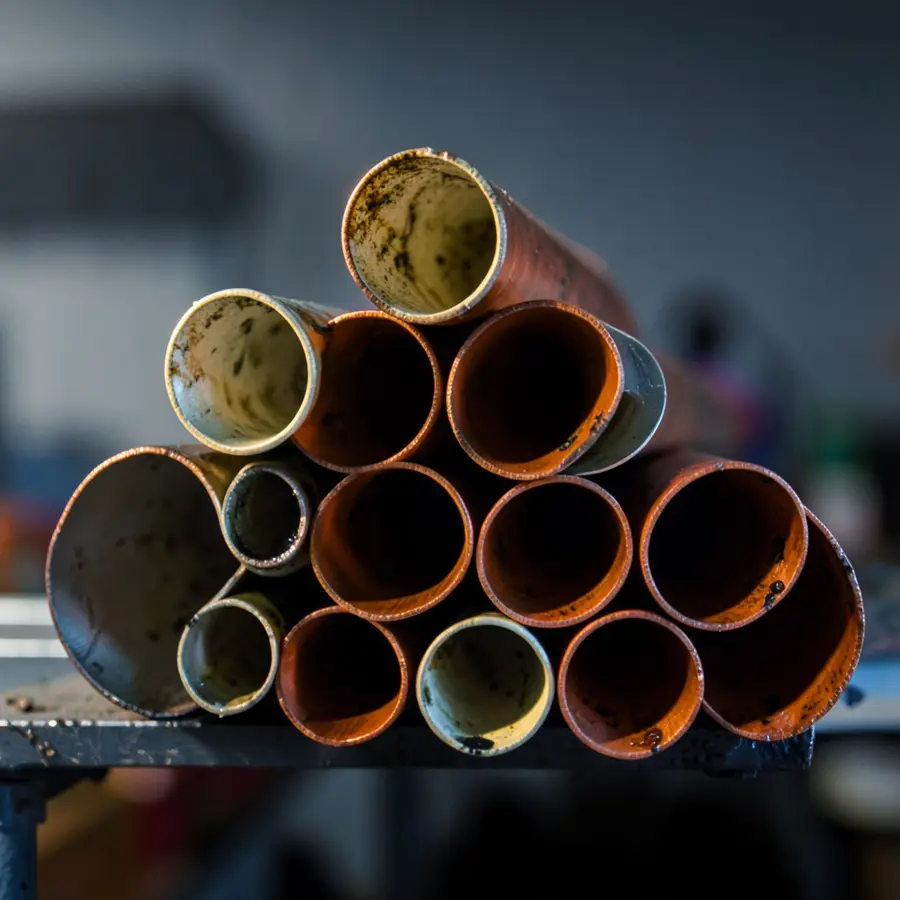
Des Moines's housing stock spans multiple construction eras β€” median home age 64 years β€” meaning pipe materials and failure modes vary significantly by neighborhood and building vintage. An inspection-led approach that confirms pipe material before recommending a service path is standard practice for mixed housing profiles.

2–3YRS
// Water quality

Very hard water in Des Moines is a primary driver of accelerated appliance failure: water heater anode rods exhaust in 2–3 years instead of 6–8, scale deposits at fixture connections form within months of installation, and tankless heat exchangers accumulate mineral buildup that can reduce lifespan by half without regular descaling. A softener or whole-house conditioner is strongly recommended alongside any appliance service call.

04
// Freeze risk

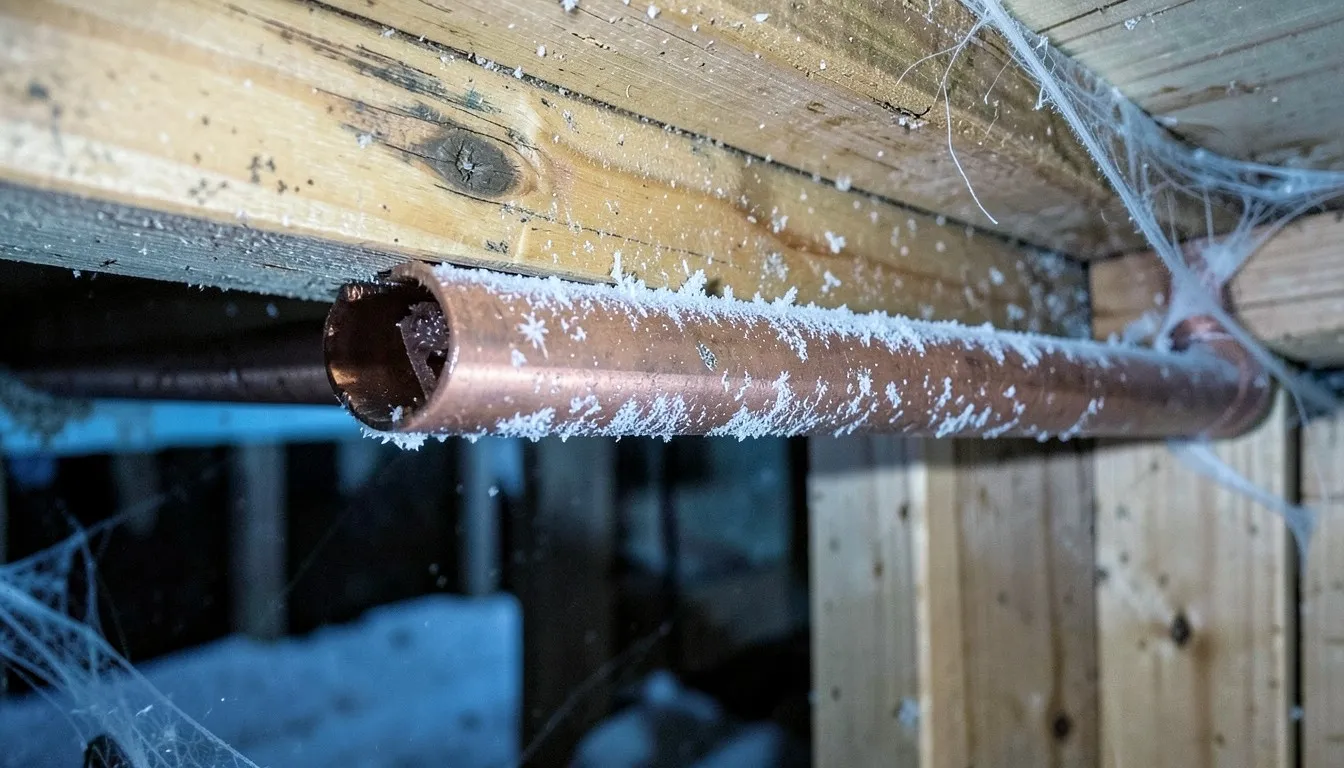
Frost line depth in Des Moines means supply lines and outdoor plumbing must be installed below the freeze threshold β€” typically 42 in β€” to prevent pipe burst during cold events. Exterior hose bibs, irrigation shutoffs, and any exposed pipe runs are the most common winterization service points in freeze-risk markets.
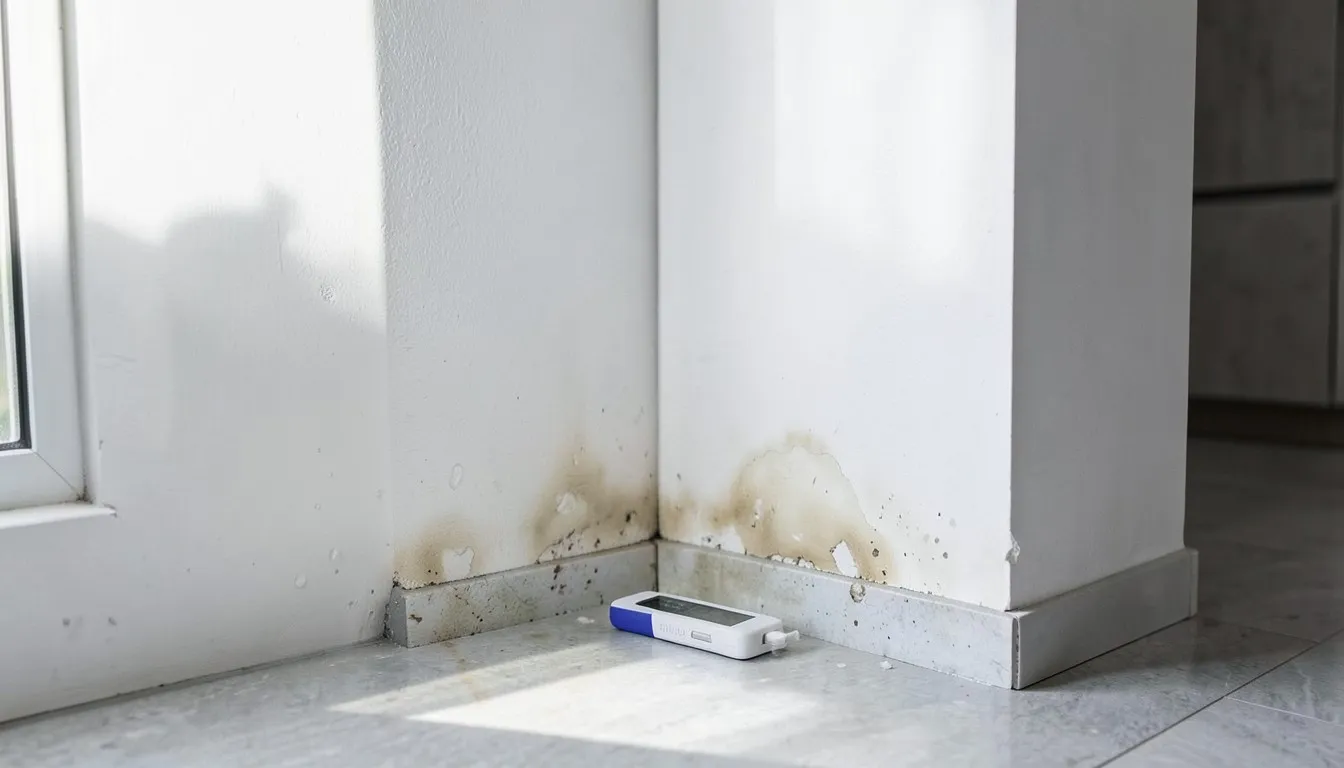
Water Heater Repair β€” representative field conditions
Median home age
64 yrs
Frost line
42 in
● Field-verified · Des Moines (888) 530-4445

A licensed IA plumber reads these conditions the moment you describe the symptom.

Local conditions

What shapes plumbing demand in Des Moines, IA?
45–70 yr copper service cycle
Postwar-era housing

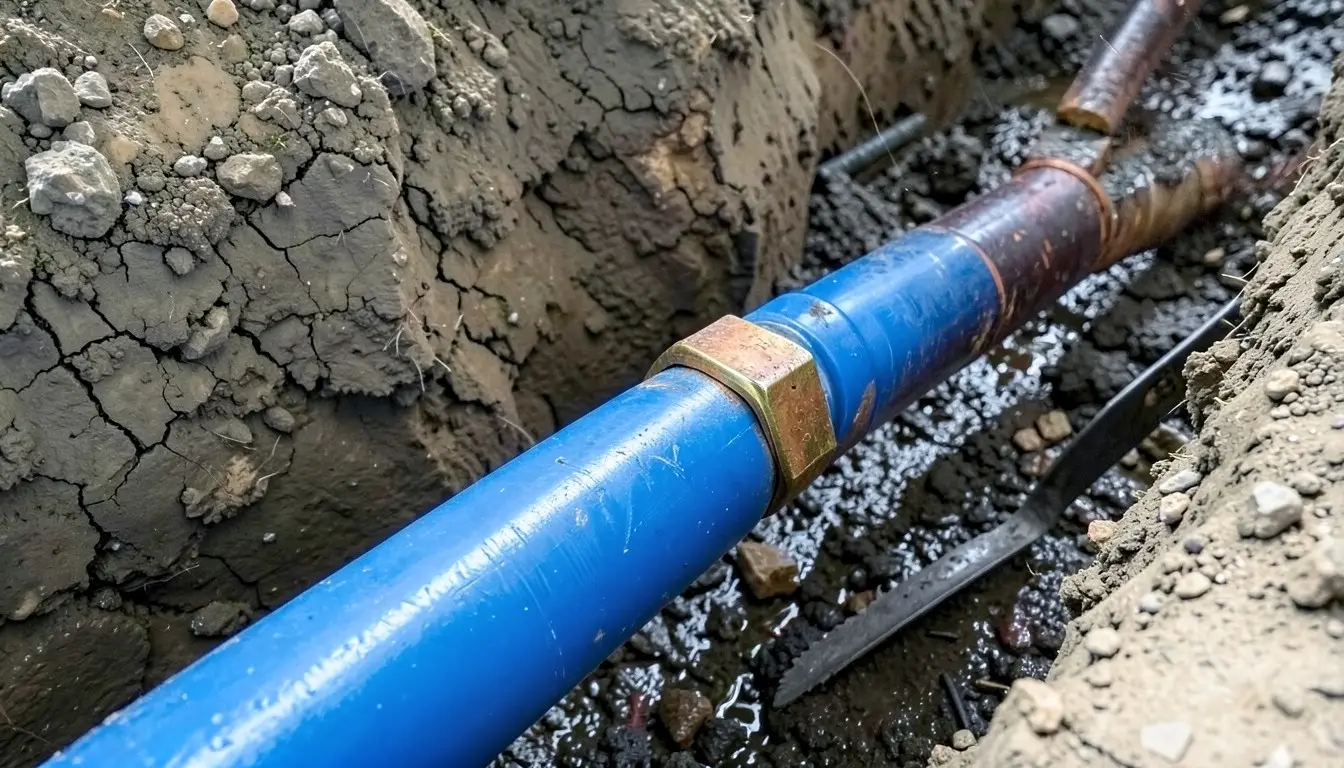
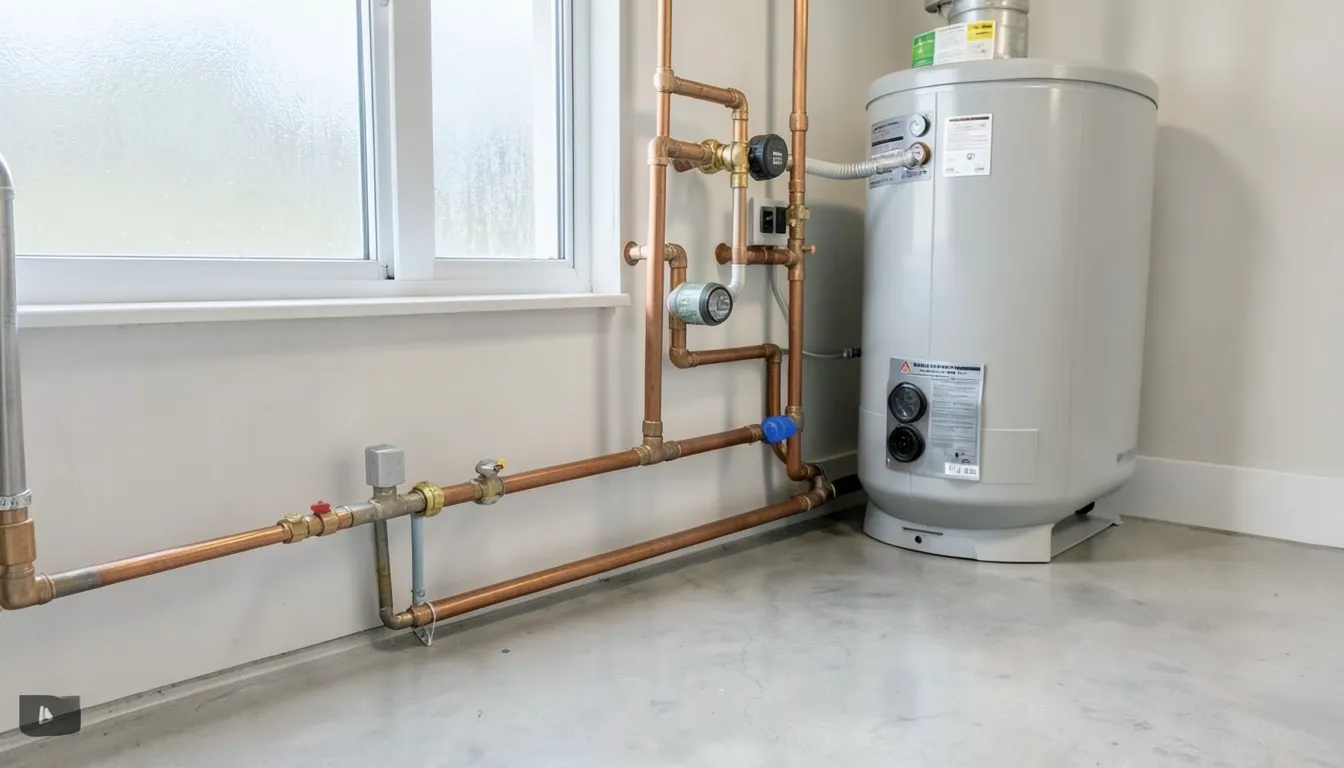
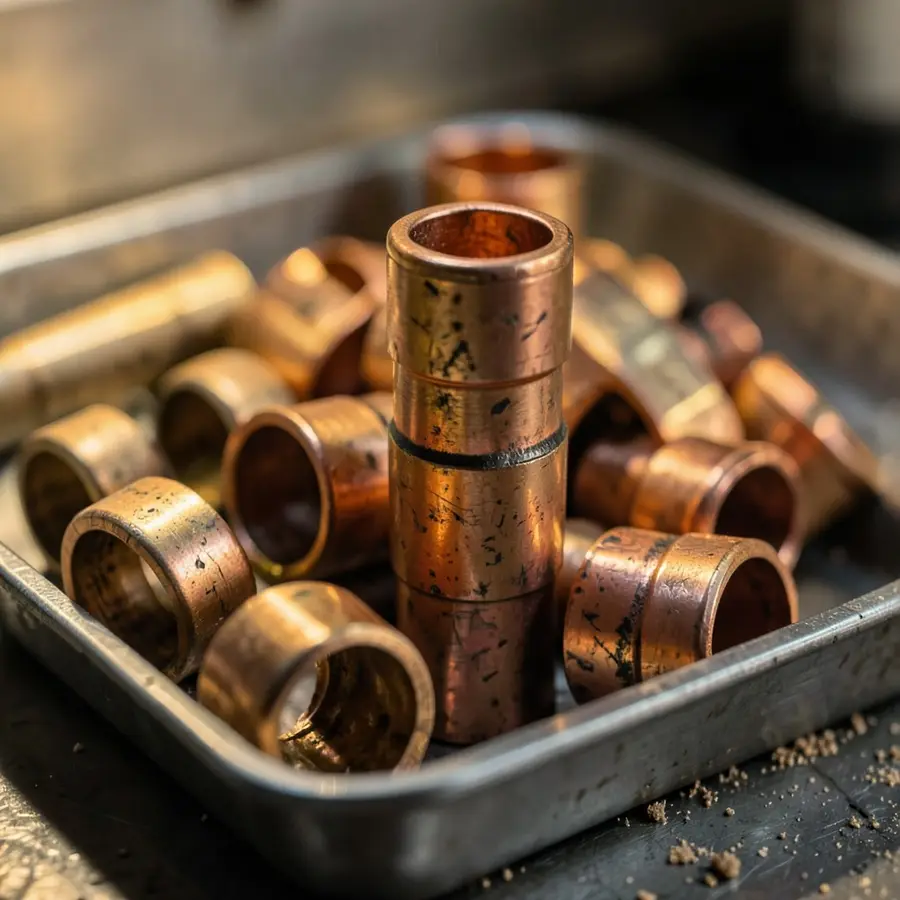
1950s–70s copper supply is now 50–70 years into its service cycle in Des Moines. Thermal fatigue at fittings and slab-on-grade access complexity β€” common in Sun Belt construction β€” make repair vs. replacement a live decision on most jobs. This housing cohort is the active primary replacement wave in this market.
15–20+ grains/gallon
Very hard water

At 15–20+ GPG, calcium scale forces compressed equipment cycles in Des Moines: tank heaters average 6–9 years vs. the 10–12-year national benchmark, and tankless units require annual descaling. Anode rods calcify within 12–18 months. Most plumbers here assess heater age against the local scale timeline β€” not the manufacturer's service life.

60+ days below freezing/yr
High freeze-risk season

The primary surge in Des Moines runs January–March, with a secondary wave at the spring thaw β€” when pipes that held through the freeze rupture as pressure is restored above 32Β°F. Scheduling competition peaks exactly when emergency calls are highest. Homeowners who wait for visible damage compete for the same limited plumber slots at the worst possible time.

Emergency response

Active damage in Des Moines β€” how is it contained, assessed and restored?

01 Flag the emergency

Submit your Des Moines address and describe the active damage β€” flooding, failed shutoff, burst or frozen line. AlertPlumber marks the request as priority and an IA-licensed plumber confirms receipt within 15 minutes, without routing through a national call center.

02 Containment and boundary assessment

The plumber arrives with a confirmed ETA, locates the nearest shutoff, and maps the damage boundary β€” affected lines, access points, material condition. You receive a verbal assessment of what requires immediate containment and what can wait until the full repair scope is confirmed.

03 Damage-control scope approved

You approve a written containment and repair scope before any work begins. Temporary isolation is priced separately from full restoration. No phase proceeds without your explicit sign-off.

Estimate

Water Heater Repair cost calculator — Des Moines

Pre-filled for water heater repair in Des Moines. Adjust the ZIP for a neighboring area, or change the service to compare. Calculator pulls from the city's scraped permit-fee + state plumber-density data.
Click Estimate to calculate cost for your ZIP.
Emergency line Β· Des Moines

Water Heater Repair emergency in Des Moines?

Every hour without a repair increases structural risk and remediation cost. A verified plumber calls back with an ETA and a written estimate before any work begins.

FAQs Β· Water Heater Repair in Des Moines

Water Heater Repair in Des Moines β€” frequently asked

Why do water heaters fail so quickly in Des Moines?
DMWW delivers water at 16 grains per gallon from the Raccoon River and Des Moines River sources, which exceeds the USGS very hard threshold of 10.5 gpg by a significant margin. The carbonate load comes from the Iowa Statehouse limestone-distilled regional groundwater profile that feeds both source rivers. Mineral scale accumulates on heating elements and tank floors at roughly two to three times the rate of soft-water markets, reducing efficiency by 15 to 25 percent within the first three years and shortening tank life. A standard 40-gallon tank that lasts 10 to 12 years in a soft-water city typically reaches end-of-life in 5 to 7 years in Des Moines without aggressive scale management.
How does the 128-day freeze season affect water-heater installation in Des Moines basements?
Des Moines averages around 128 freeze days per year, and almost every Des Moines home built before 1980 has the water heater in a full or partial basement rather than in a garage or utility closet. The basement placement is the local standard because it keeps the unit, the cold-water supply line, and the gas line all well above frost depth. undefined works the basement-standard installation efficiently because we have done thousands of them in Beaverdale, Highland Park, Drake, and Sherman Hill, the bench height, vent routing, and combustion-air spec are all well-defined. The complication on basement installs is moving the old tank up a steep narrow stairway in 1920s housing, which is part of the labor estimate.
Should I install a water softener with my new water heater in Des Moines?
For most Des Moines homes, yes. The DMWW 16 gpg hardness is the single biggest driver of premature water heater failure across the city. A whole-home water softener reduces hardness reaching the tank from 16 gpg to under 1 gpg, which roughly doubles the operational service life of the new tank and improves the efficiency of every gas burner cycle. undefined quotes the softener separately from the water heater so the homeowner can decide, but we recommend it on every replacement, the combined cost over 15 years is significantly lower than replacing two tanks over the same period. Iowa Plumbing & Mechanical Systems Board licensing rules require a backflow preventer on softener installations.
What permits does Des Moines require for water heater replacement?
Water heater replacement requires a plumbing permit through City of Des Moines Development Services because it involves potable water connections and, for gas units, a gas line connection. The current schedule sets a $77.25 residential alteration permit fee. undefined pulls the permit in our name on the homeowner's behalf and schedules the required final inspection. Iowa Plumbing & Mechanical Systems Board credentialing requires the permit to carry the credentialed plumber's name, and inspection sign-off becomes part of the property record. Homeowners attempting a self-install can pull the permit themselves, but the inspector applies the same code requirements either way.
Tankless or storage tank for a Des Moines home?
For most Des Moines single-family homes on DMWW's 16 gpg water, undefined recommends a high-efficiency storage tank rather than a tankless unit, with a few exceptions. The reason is hard-water scale: tankless heat exchangers concentrate scale at the heat-transfer surface and require annual or semiannual descaling that adds labor cost across the unit's life. Tankless makes sense in three Des Moines scenarios: a 4+ bathroom South of Grand mansion with simultaneous demand, an East Village loft with limited mechanical space, or a home with a robust water softener that brings hardness below 3 gpg. For a Beaverdale, Highland Park, Drake, or Waveland Park single-family on standard 2-bath demand, a 40 or 50 gallon storage tank is usually the better economic answer.
How often should I drain and flush a water heater in Des Moines?
undefined recommends annual draining and flushing for any storage water heater in a Des Moines home that does not have a water softener. The 16 gpg hardness deposits roughly 1 to 2 inches of sediment in the tank bottom per year, which insulates the burner or lower element from the water above it, reducing efficiency and accelerating tank corrosion. Annual flush is a 30-minute maintenance procedure that extends tank life by 1 to 2 years. Homes with a softener can flush every 24 to 36 months instead. We offer flush service as a scheduled maintenance call, and many homeowners pair it with annual furnace service in the fall.
Why does my Beaverdale water heater make popping or rumbling noise?
Popping and rumbling from a Beaverdale 1920s home water heater almost always means sediment buildup in the tank bottom. The DMWW 16 gpg hardness has deposited calcium and magnesium carbonate sediment over the years, and as the burner heats water trapped under that sediment layer, steam pockets form and collapse, creating the characteristic popping or rumble. undefined addresses this with a full drain and flush, then assesses tank age. On a tank older than 7 years with severe sediment, replacement is usually the better economic answer because the corrosion under the sediment layer has likely already compromised the tank floor. We share a written inspection report so the decision is based on actual condition, not guesswork.
What does water heater repair cost in Des Moines?
undefined prices water heater work by the actual repair scope. Thermostat or element replacement on an electric tank, anode rod replacement, gas valve replacement, and tank replacement each have defined price ranges we quote on the phone after a few diagnostic questions. Tank replacement on a standard 40 or 50 gallon gas unit includes the unit, permit, haul-away, and required code upgrades (expansion tank, sediment trap, and any venting changes required by current Iowa code). Permit-pulled scope falls under the City of Des Moines schedule of $77.25 for a residential alteration permit. We confirm the price in writing before any tank is disconnected.
How does a Sherman Hill historic district install differ from a Beaverdale standard install?
Sherman Hill is a designated Des Moines historic district, and water heater installation in those 1880s through 1900s Victorian basements involves several complications a standard Beaverdale install does not. First, basement ceiling height is often low and ductwork is exposed, which constrains tank size and vent routing. Second, the original gas line is sometimes black iron from the 1920s that needs replacement to handle a modern high-input water heater. Third, the exterior vent termination must respect the historic district facade. undefined quotes Sherman Hill installs with these factors built into the estimate, and we coordinate with Development Services on any vent or facade penetration that touches the historic district envelope.
What size water heater does a typical Des Moines home need?
For a 2-bathroom single-family home in Beaverdale, Highland Park, Drake, or Waveland Park, a 40 or 50 gallon storage tank covers normal household demand. A 3-bathroom home or a home with a soaker tub typically needs 50 to 75 gallons. A 4+ bathroom South of Grand mansion or a multi-unit East Village loft conversion needs either a 75 gallon high-recovery tank, two tanks in parallel, or a properly sized tankless unit with a softener. undefined sizes based on first-hour rating and peak-hour demand, not just tank capacity, because a 50-gallon high-recovery unit can outperform a 75-gallon standard-recovery unit for some demand profiles. We size in writing so the homeowner sees the math.
How do you handle a leaking tank in a finished Highland Park basement?
A leaking tank in a finished Highland Park basement is an urgent call because every gallon that leaks damages the finished space. undefined arrives within our standard response window, isolates the cold-water supply and the gas, drains the tank into the floor drain or via a pump-out hose, and assesses whether the leak is at a fitting (repairable) or through the tank wall (replacement). For a through-wall leak in a tank older than 6 years, replacement is the only durable answer, the corrosion that opened one hole is opening others. We protect the finished flooring with drop cloths and absorbent pads during the swap and document any pre-existing damage in writing on arrival.
Will a heat pump water heater work in a Des Moines basement?
Heat pump (hybrid) water heaters work well in Des Moines basements provided the basement meets the minimum unconditioned air-volume requirement, typically 700 to 1,000 cubic feet depending on the unit. Most full basements in Beaverdale, Highland Park, and South of Grand exceed that easily. Heat pump units use roughly 60 to 70 percent less electricity than a standard electric resistance tank and qualify for federal and utility rebates. The tradeoff is that they cool and dehumidify the basement during operation, which is a benefit in summer and a drawback in winter for a basement that is already cool. undefined sizes and locates these units carefully and works through MidAmerican Energy rebate paperwork as part of the install.
How long should a properly maintained water heater last in Des Moines?
On the DMWW 16 gpg unsoftened water profile, a standard storage water heater typically lasts 5 to 7 years before sediment and corrosion catch up with it. With annual draining and flushing, that extends to 7 to 9 years. With a properly sized whole-home water softener, the same tank typically reaches 12 to 15 years. undefined tracks tank age across our service base and shares the data with homeowners, the difference between a 5-year and a 12-year tank life pays for the softener many times over, and the comfort improvement to skin, laundry, and dishwasher performance is a separate benefit. Iowa Plumbing & Mechanical Systems Board credentialing requires us to recommend the longer-life solution when the data supports it.
Dispatch Β· Des Moines, IA

Sixty seconds from now, a plumber can be working your problem.

Call and talk to dispatch, or put your number in the form below β€” a licensed Iowa plumber calls you back about the water heater repair and gives a written estimate by phone.
Des Moines callback

Request a water heater repair callback in Des Moines

In a meeting, with the kids, or just prefer not to hold? Drop your ZIP and number below. AlertPlumber routes your request to a verified plumber in your area — they’ll call you back directly.

  1. 1 Submit your info. ZIP, phone, and what kind of work you need.
  2. 2 AlertPlumber matches you with a verified plumber serving your area.
  3. 3 The plumber calls you back with a written estimate, no obligation.
Your info isn’t sold to third parties TCPA-compliant consent · opt-out anytime
Dispatch request · 30 seconds Verified plumbers on call
How urgent?

Disclaimer: AlertPlumber is a referral service and is not a licensed contractor. All work is performed by independently-vetted contractors routed through the partner network. AlertPlumber does not perform, supervise, or guarantee any work.

or skip the form
Call (888) 530-4445 24/7 line · talk to a plumber sooner
When you need it most

Water Heater Repair in Des Moines β€” fast response

Acute plumbing failures cannot wait. AlertPlumber has verified Iowa plumbers available for water heater repair in Des Moines β€” call now or submit the form above for rapid callback.

Call (888) 530-4445 Request Callback