
24/7 Emergency · Freeze zone · Des Moines

Emergency Sewer Line Repair in Des Moines, Iowa

Sewer Line Repair in Des Moines, Iowa repairs broken or root-invaded sewer lines via spot repair, lining, or trenchless methods. Local conditions in Des Moines: a 42 in frost line and a median home age of 64 years.

Camera first, quote second — know exactly what's wrong in your Des Moines home before you approve a dollar.

24/7 call line · Independent licensed IA plumbers (888) 530-4445 Talk to a licensed local plumber — answers in under 60 seconds
214,133 Des Moines residents
42 in Frost line
64 yrs Median home age
Ask for a written estimate first No obligation until you approve
Des Moines, IA — what affects cost Cost depends on damage extent, pipe material, repair method (spot repair, CIPP lining, or excavation), and local permit requirements. 214,133 residents · median home age 64 years (98%). Price ranges: sewer line repair cost guide →

Is sewer line repair in Des Moines, IA the right job?

Backups or sewage in the yard may point to a damaged sewer line that needs a section repaired.
Sewer Line Replacement in Des Moines
Sewer backups keep returning and the existing line is too damaged for a section repair, so the line needs replacement.
Pipe Camera Inspection in Des Moines
Drains keep backing up and the cause is unclear, so a camera inspection can help show a blockage or damage inside the pipe.
Hydro Jetting in Des Moines
Grease, sludge, or heavy buildup keeps blocking an otherwise sound drain or sewer pipe, and high-pressure water jetting may clear it.
Drain Cleaning in Des Moines
A sink, tub, or drain is slow or blocked, and the blockage needs clearing.
Who to call

Who do I call for a sewer line problem in Des Moines?

A plumber who does sewer line work. It is urgent when sewage backs up into a floor drain, tub or toilet in your Des Moines home, or several fixtures back up at once. Ask whether they camera-inspect the line before quoting a repair or a replacement.

Sewer Line Repair: what the job involves →

Local data

What does the local plumbing data show for Des Moines, IA?

License board Iowa Plumbing & Mechanical Systems Board / Master Plumber License board
Active plumbers (state) Iowa DIAL public license search Active plumbers (state)
City permit fee City fee schedule City permit fee
Residential permits 2024 Des Moines–West Des Moines MSA BPS via FRED Residential permits 2024
Water hardness (gpg) ~16 gpg (270+ ppm; very hard) Water hardness (gpg)
Lead service line inventory ~8,117 confirmed lead + ~47,285 unknown of ~100,000 services Lead service line inventory
Annual freeze days ~128 days/yr ≤ 32°F Annual freeze days
Frost depth 42 in Frost depth
Sewer coverage ~98% (WRA serves DSM + 17 metro members) Sewer coverage
Water rate Metered rate Water rate

Seeing these conditions at your place in Des Moines? Describe them on the call to a state-licensed local plumber — free, no obligation.

Local infrastructure

What are the pipe conditions in Des Moines, IA?

01
// Service profile · Des Moines

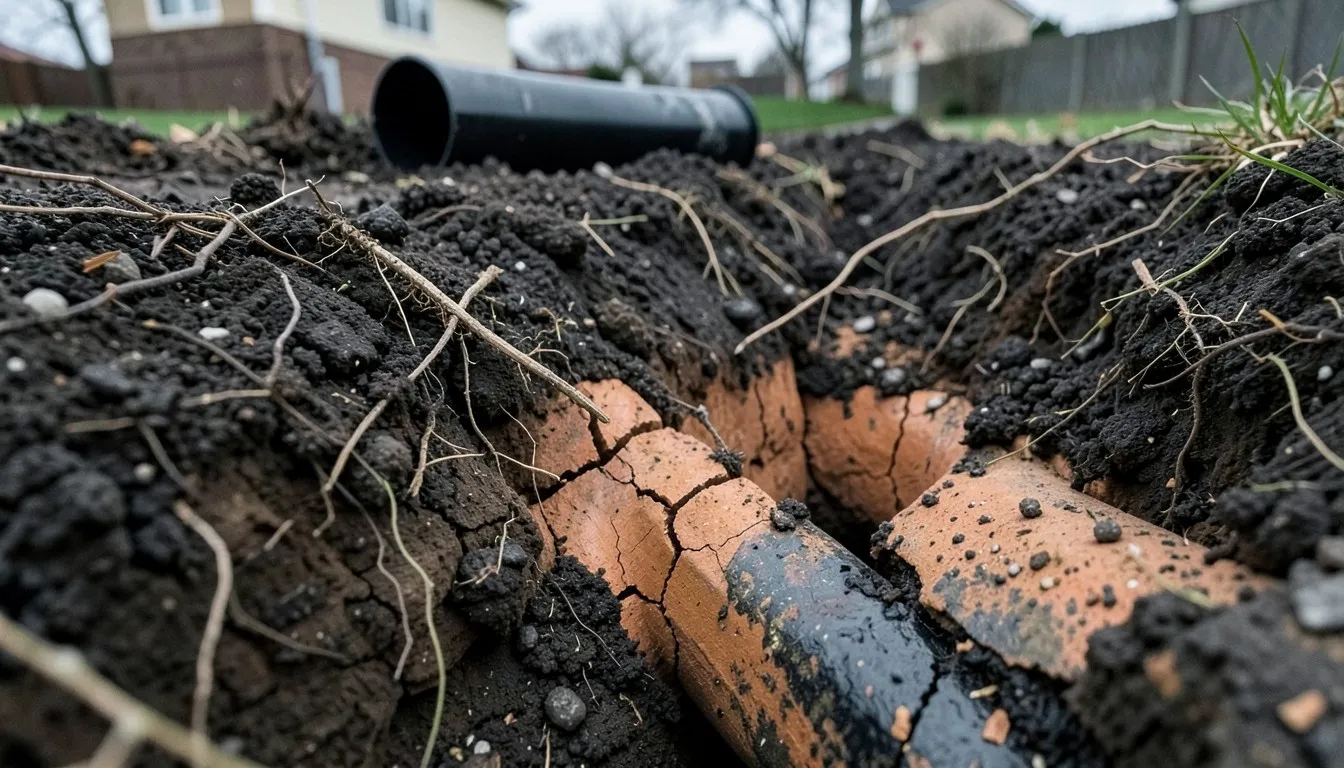
Sewer line failures in Des Moines follow predictable patterns by pipe material and installation era: clay tile joints separate and admit root intrusion; Orangeburg pipe (1940s–1960s) compresses under soil load; cast iron corrodes at horizontal runs where standing water accelerates deterioration. A camera scope before excavation is critical — it confirms whether a spot repair is viable or whether replacement of the full lateral is the smarter investment. AlertPlumber routes your call to an independent Iowa-licensed plumber — ask for the camera scope before they quote the repair. Freeze events and frost-depth requirements add pipe insulation, exterior faucet winterization, and burst-risk assessment to service calls in this climate.

64YRS
// Pipe stock

Des Moines's housing stock spans multiple construction eras — median home age 64 years — meaning pipe materials and failure modes vary significantly by neighborhood and building vintage. An inspection-led approach that confirms pipe material before recommending a service path is standard practice for mixed housing profiles. Homes of other eras in Des Moines may have galvanized pipe, copper pipe or polybutylene supply lines instead; ask the plumber which your home has.

2–3YRS
// Water quality

Very hard water in Des Moines is a primary driver of accelerated appliance failure: water heater anode rods exhaust in 2–3 years instead of 6–8, scale deposits at fixture connections form within months of installation, and tankless heat exchangers accumulate mineral buildup that can reduce lifespan by half without regular descaling. A softener or whole-house conditioner is strongly recommended alongside any appliance service call.

04
// Freeze risk

Frost line depth in Des Moines means supply lines and outdoor plumbing must be installed below the freeze threshold — typically 42 in — to prevent pipe burst during cold events. Exterior hose bibs, irrigation shutoffs, and any exposed pipe runs are the most common winterization service points in freeze-risk markets.
Sewer Line Repair — representative field conditions
Median home age
64 yrs
Frost line
42 in

Census housing age, Des Moines city, Iowa: median year built 1961; 49% of homes built before 1960, 70.3% before 1980. Source: U.S. Census Bureau, ACS 2020–2024 5-year estimates, tables B25034 and B25035, read 2026-09-30.

● Local data · Des Moines (888) 530-4445

Mention these conditions when you describe the symptom to the IA plumber you reach.

Local conditions

What shapes plumbing demand in Des Moines, IA?
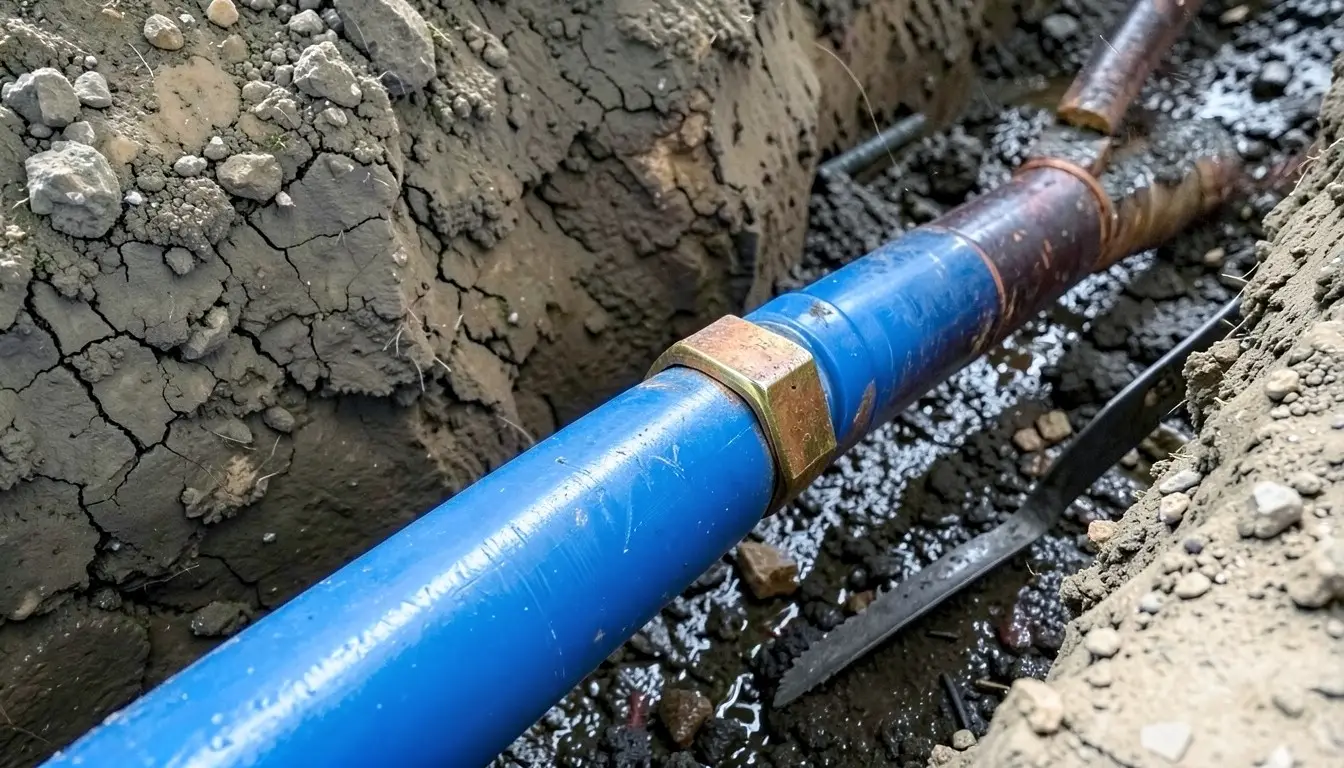
45–70 yr copper service cycle
Postwar-era housing

1950s–70s copper supply is now 50–70 years into its service cycle in Des Moines. Thermal fatigue at fittings and slab-on-grade access complexity — common in Sun Belt construction — make repair vs. replacement a live decision on most jobs. This housing cohort is the active primary replacement wave in this market.
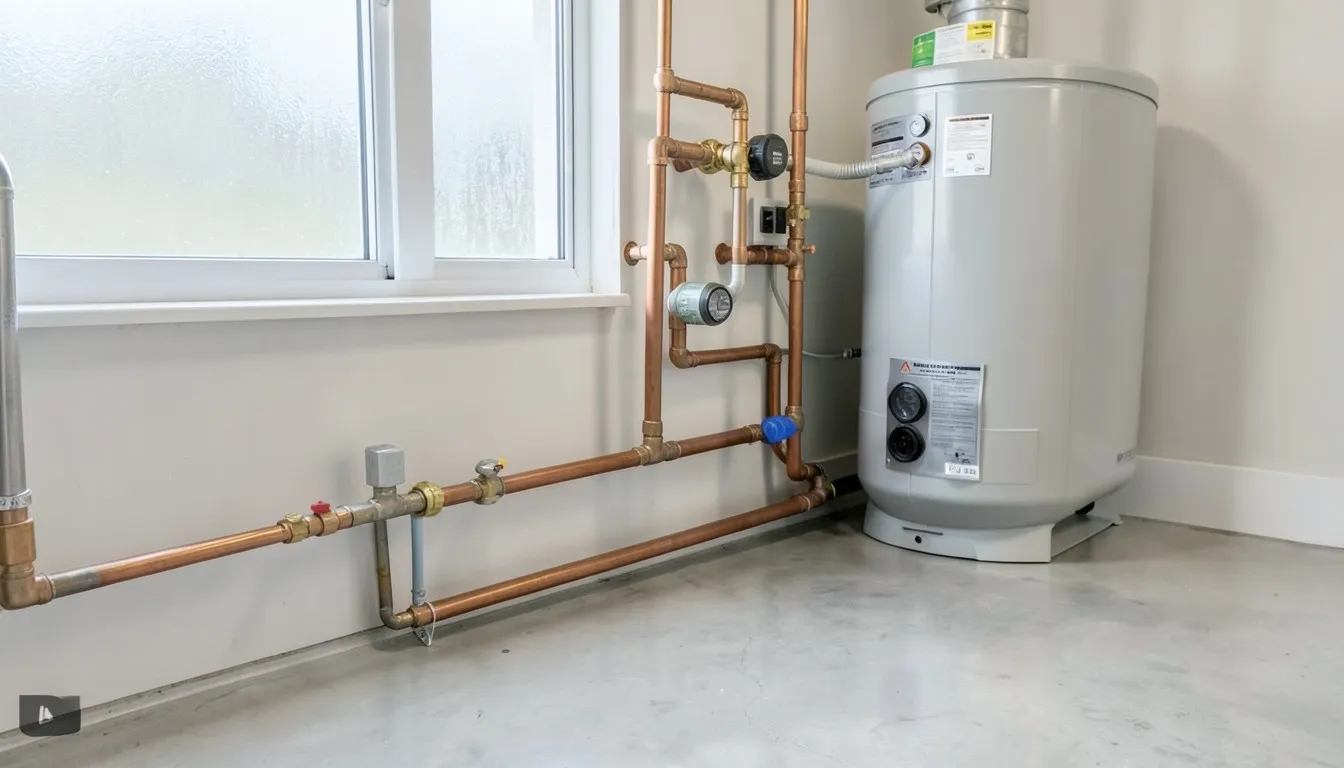
15–20+ grains/gallon
Very hard water

At 15–20+ GPG, calcium scale forces compressed equipment cycles in Des Moines: tank heaters average 6–9 years vs. the 10–12-year national benchmark, and tankless units require annual descaling. Anode rods calcify within 12–18 months. Most plumbers here assess heater age against the local scale timeline — not the manufacturer's service life.
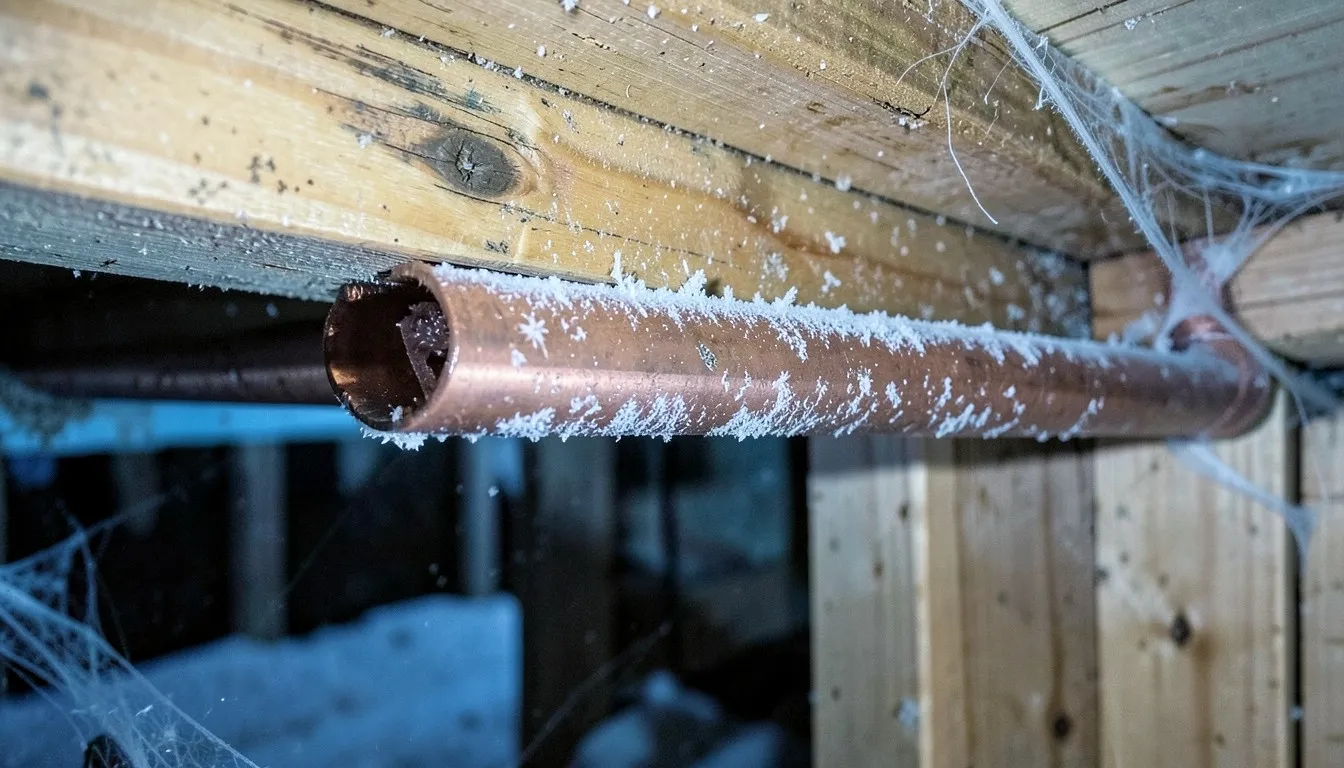
60+ days below freezing/yr
High freeze-risk season

The primary surge in Des Moines runs January–March, with a secondary wave at the spring thaw — when pipes that held through the freeze rupture as pressure is restored above 32°F. Scheduling competition peaks exactly when emergency calls are highest. Homeowners who wait for visible damage compete for the same limited plumber slots at the worst possible time.

Diagnostic process

Why diagnose before repairing in Des Moines?

01 Submit a diagnostic request

Describe the symptom — not the repair. AlertPlumber routes the call to an independent IA-licensed plumber in its partner's network — ask whether the site visit will use camera tracing, acoustic detection, or hydrostatic pressure testing matched to the reported failure type.

02 Findings delivered in writing

Ask the plumber for a written diagnostic report: confirmed failure location, available repair methods, and tradeoffs — disruption level, material durability, long-term cost, and whether a Des Moines building permit applies to the selected method.

03 Repair method authorized

You select the repair path. Ask for a fixed scope and price on the authorized method before the Iowa-licensed plumber proceeds and, where required, who files the permit application to Des Moines.

Estimate

Sewer Line Repair cost calculator — Des Moines

Pre-filled for sewer line repair in Des Moines. Adjust the ZIP for a neighboring area, or change the service to compare. Calculator pulls from the city's scraped permit-fee + state plumber-density data.
Emergency line · Des Moines

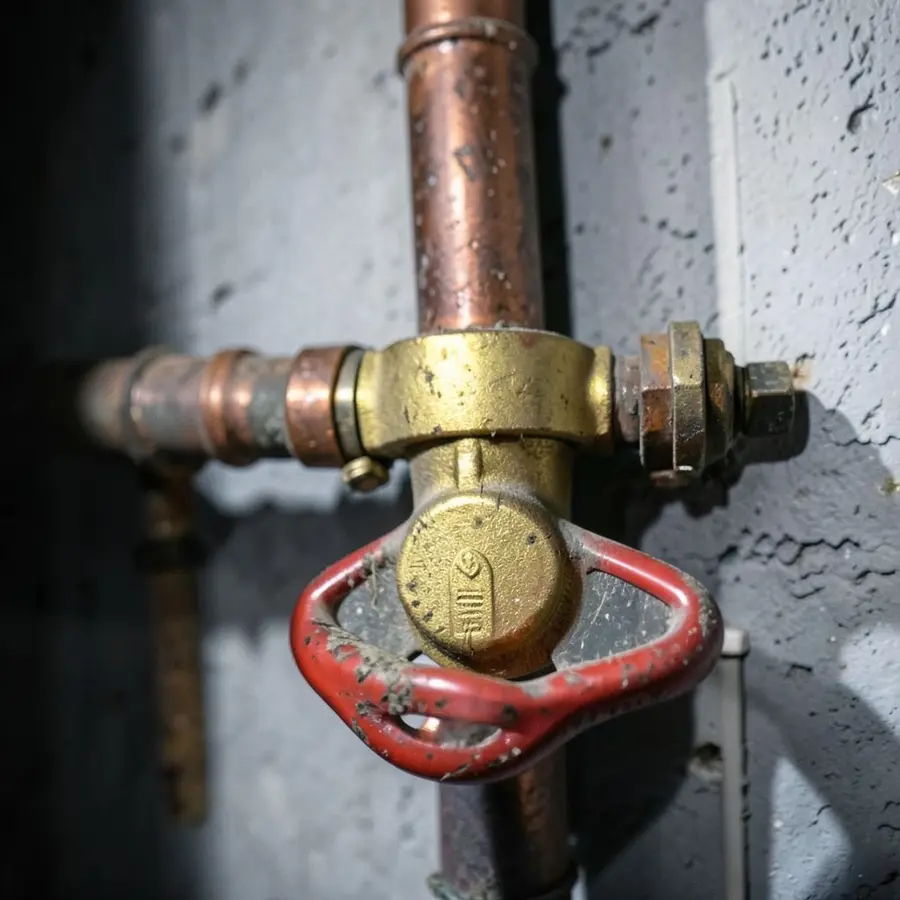
Sewer Line Repair in Des Moines — the longer it runs, the more it costs.

Slow failures compound: soft pipe walls, root penetration, mineral buildup. Ask the plumber you reach for a scope-first estimate before anything is dug up.

FAQs · Sewer Line Repair in Des Moines

What else do people ask about sewer line repair in Des Moines?

Why do Sherman Hill 1880s clay laterals collapse so often in Des Moines?
Sherman Hill is a designated Des Moines historic district of 1880s through 1900s Victorian homes, and almost every original sewer lateral in that district is 4-inch or 6-inch vitrified clay tile in 3-foot bell-and-spigot sections held together with mortar joints. After 130+ years, the mortar has decomposed at most joints, root systems from mature silver maples and elms in the parkway have wedged the bells apart, and freeze-thaw cycles at the 42-inch burial depth have flexed the bottom of each section. The failure mode is usually a collapsed bell where shifting soil has dropped the section out of line. undefined cameras to map every shifted bell and quotes either spot excavation repair, full trenchless replacement, or cured-in-place lining depending on the percentage of compromised joints.
What does a typical Beaverdale 1920s lateral repair look like?
Beaverdale 1920s and 1930s brick bungalows sit on a northwest grid with 4-inch clay tile laterals running approximately 30 to 60 feet from the house to the WRA combined-sewer main in the street. The most common failure is a single broken bell or a root mass at one joint, not a full-line collapse. undefined confirms the location with a camera and a sonde locator, marks the surface, and excavates a single 5 by 5 foot pit at the failure point. The plumber replaces the 3-foot clay section with a SDR-26 PVC section and clay-to-PVC transition couplings, restore the trench with crushed-stone bedding to 42-inch frost depth, and compact in lifts. The whole job is usually one day on site plus next-day backfill and surface restoration.
Why does WRA combined-sewer service change how we approach lateral repair?
The Wastewater Reclamation Authority operates a combined-sewer system in older Des Moines neighborhoods, meaning storm runoff and sanitary flow share the same buried infrastructure. During heavy rain events, the combined main can run nearly full, and any compromised lateral becomes a backflow point into basements in Sherman Hill, Highland Park, and the older parts of Drake. WRA ordinance requires that lateral repairs include a properly seated cleanout and a sealed connection at the main tap. undefined confirms the cleanout meets WRA spec on every repair and recommends a backwater valve for any home that has seen a combined-sewer backup, because preventing the next backflow is usually cheaper than cleaning up the last one.
Does the 42-inch burial requirement add real cost to Des Moines sewer work?
Yes. Polk County code requires sewer laterals buried to at least 42 inches because Des Moines averages around 128 freeze days. That depth is substantially deeper than the 18 to 24 inches required in southern markets and forces every excavation into shored or sloped-side trench work for worker safety. undefined budgets for the shoring, the additional spoil pile, and the larger surface restoration footprint when we quote a spot repair, the trench is roughly 18 inches wider at the surface than it is at the lateral itself because of the side slope. Customers comparing Des Moines pricing to Sun Belt markets often miss this, the cost difference is mostly the depth requirement, not labor rate.
Can trenchless lining work on a Sherman Hill clay sewer?
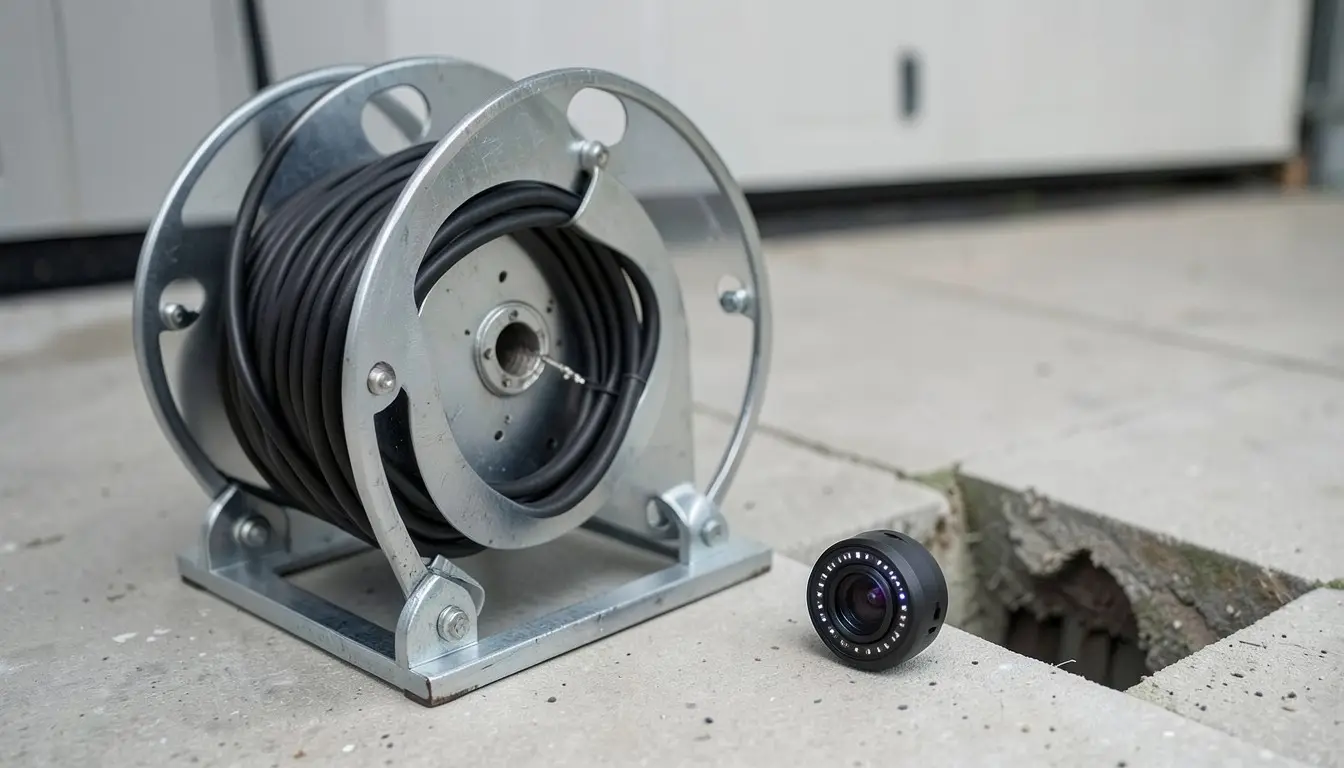
Cured-in-place pipe (CIPP) lining works in Sherman Hill clay laterals when the existing pipe still has structural integrity, the bells are aligned within tolerance, and the line is not severely offset or fully collapsed. undefined cameras to grade the condition first: a clay lateral with intact bell geometry and root intrusion through joints lines beautifully and gives a 50-year service life; a clay lateral with significant offset or a collapsed section needs spot replacement first, then can be lined as a finishing pass. We never quote lining without the camera grading, and we share the camera footage with the homeowner so the choice between lining and replacement is informed by what is actually in the ground.
How does Raccoon River alluvium affect sewer lateral repair near the river?
Homes near the Raccoon River and Des Moines River floodplain, parts of lower Beaverdale, Highland Park bottoms, and the river-adjacent strip near East Village, sit on alluvial soils that settle differentially over decades. That settling creates bellies in clay sewer laterals where the line dips below grade and ponds standing water and solids. Spot repair on a belly does not solve the problem because the surrounding soil keeps settling. undefined addresses river-adjacent lateral work with a longer excavation than a typical bell repair, re-beds the entire belly section in compacted crushed stone to provide stable support, and uses SDR-26 PVC for the replacement which tolerates minor future settlement better than the original clay.
What permits does Des Moines require for sewer lateral repair?
The City of Des Moines Development Services Department issues residential plumbing permits, and lateral repair requires a permit because it involves drainage piping outside the building envelope. The current schedule sets an alteration permit fee for repair scope and the scheduled fee for a new dwelling. WRA also requires notification when work touches the tap at the main. undefined pulls all permits in our name on the homeowner's behalf, schedules the required inspection before backfill, and provides the signed inspection card to the homeowner as part of the closeout package. Iowa Plumbing & Mechanical Systems Board Master Plumber rules require the credentialed plumber's name on the permit.

Permit fee ranges: permit fee estimator.

Why is South of Grand mansion sewer work different from a standard Beaverdale repair?
South of Grand mansions along Grand Avenue are 4,000 to 8,000+ square foot homes from the early 20th century, and many have lateral runs 80 to 140 feet from the house to the main because of the deep setback from Grand Avenue. The laterals are typically 6-inch clay tile rather than the standard 4-inch, and some homes have two or more separate laterals serving different wings of the house. undefined approaches mansion-district work with full camera mapping of each lateral, locator-marked surface stakeout, and a written plan for which sections are spot-repaired versus replaced. We respect the mature landscaping and original masonry walks by hand-excavating any section within 15 feet of a heritage tree or stone feature.
How long does a Des Moines sewer lateral replacement actually take?
A standard 4-inch clay lateral replacement on a Beaverdale or Highland Park 30 to 60-foot run, full open-cut excavation, new SDR-26 PVC pipe, new cleanout, and tap connection, takes 2 to 3 days on site plus surface restoration over the following week. A trenchless pipe-burst replacement on the same run is usually 1 day on site because excavation is limited to two access pits. A trenchless CIPP lining of a structurally sound clay lateral is typically 1 day including the cure time. undefined schedules the WRA tap inspection and the City of Des Moines plumbing inspection so the homeowner does not have to coordinate municipal visits, and we leave the trench backfilled and the surface seeded or sodded before final invoice.
Will my sewer repair affect Drake University area street parking and access?
Drake-area excavation between Forest Avenue and University Avenue can affect on-street parking and pedestrian routes if the lateral exits the curb under a public sidewalk or street. undefined pulls a right-of-way work permit from the City of Des Moines when the excavation crosses public property, posts the required no-parking signs 24 hours in advance, and coordinates with the resident on driveway access during the dig. We work with university-area landlords on tenant notification because Drake rentals are typically occupied year-round and excavation noise affects multiple tenants. The actual disruption is usually 2 to 3 days per repair, not a week, because we mobilize with a single mini-excavator rather than a full-size machine.
What does sewer lateral repair cost in Des Moines?
undefined prices sewer lateral repair by linear footage and method, not by the hour. A typical Beaverdale or Highland Park spot repair on a single broken bell, with permit and inspection included, prices in a defined range we quote on the phone after camera footage from a recent jetting visit. A full open-cut lateral replacement of a 30 to 60 foot run prices higher. Trenchless pipe-burst replacement and trenchless CIPP lining each have their own price brackets driven by line length. Permit fees for residential alteration scope are a scope-based price in the current schedule. We confirm the price in writing before any excavator touches the yard.

Price ranges: sewer line repair cost guide.

How do you protect heritage trees in Sherman Hill during sewer excavation?
Sherman Hill's tree-lined streets are part of the historic district's character, and the silver maples and oaks in the parkway are often 80 to 120 years old. undefined uses an air-spade or hand excavation within the critical root zone (defined as 1.5 feet of radius per inch of trunk diameter at breast height) of any heritage tree near the lateral run. We avoid mechanical excavation in the root zone entirely, even if it means a slower repair. The tradeoff is real: a 100-year-old tree adds significant value to a Sherman Hill property and a careless mini-excavator can damage feeder roots enough to kill the tree over 2 to 3 years. Slower hand work for half a day saves the tree.
Does Des Moines have any rules about lateral cleanouts on older homes?
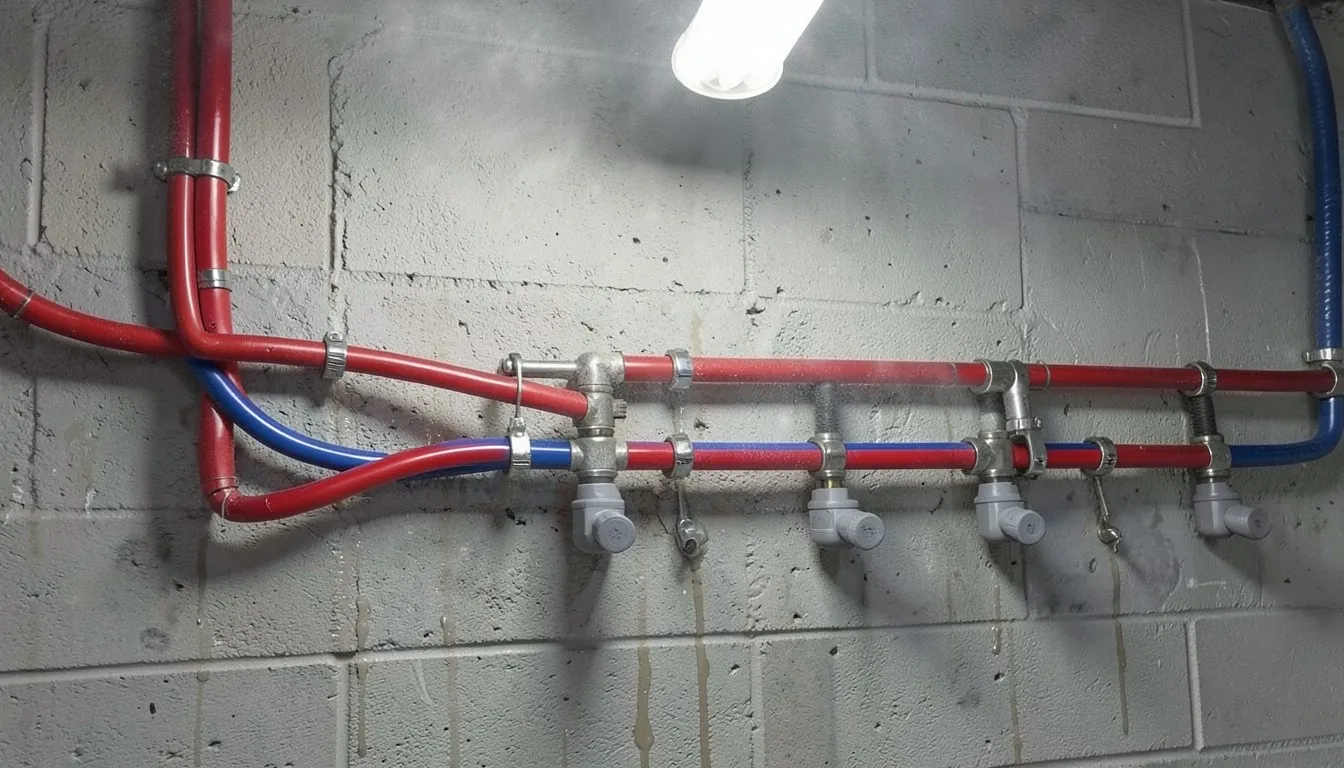
The Iowa Plumbing Code, enforced through the City of Des Moines Development Services and the Iowa Plumbing & Mechanical Systems Board, requires a properly installed and accessible cleanout on every residential sewer lateral. Older Sherman Hill, Highland Park, and Beaverdale homes often have either no exterior cleanout at all or a buried cleanout that has been paved over by a later driveway or patio. undefined includes a new code-compliant cleanout in every lateral repair quote because it is required and because future maintenance jetting and camera work cannot be done safely without one. We mark the cleanout location on a record drawing for the homeowner's files so it is not lost again in the next renovation.
One last thing · Des Moines, IA

The fix gets cheaper the sooner a plumber sees it.

Degradation problems compound quietly. Call now, or use the form below to reach an independent Iowa plumber, and ask for an estimate for the sewer line repair — you are under no obligation.
Des Moines callback

Need a sewer line repair callback in Des Moines?

In a meeting, with the kids, or just prefer not to call? Drop your ZIP and number below. AlertPlumber sends your request to our routing partner — if a participating plumber serves your area, they may call you back directly. For anything urgent, call the number on this page.

  1. 1 Submit your info. ZIP, phone, and what kind of work you need.
  2. 2 AlertPlumber passes it on to our routing partner for your area.
  3. 3 If a participating plumber serves your area, they may call you back. Ask for a written estimate before work starts.
Your request is sent to our routing partner, which pays us for requests it accepts · opt out Consent terms · opt out anytime
Referral request · about 30 seconds Free · no obligation
How urgent?

Disclaimer: AlertPlumber is a referral service and is not a licensed contractor. All work is performed by independent contractors reached through our routing partner. AlertPlumber does not perform, supervise, or guarantee any work.

or skip the form
Call (888) 530-4445 24/7 line · free referral line
Catch it before it compounds

Sewer Line Repair in Des Moines — catch it early

Degradation-driven failures worsen over time and cost more to fix the longer they run. Ask the independent IA plumber you reach in Des Moines to diagnose your specific condition and put the scope in writing before any work begins.

Call (888) 530-4445 Request Callback