
Emergency Water Heater Repair in Charleston, West Virginia
Active water damage compounds by the hour — a licensed WV plumber is on call for Charleston right now.
Local plumbing data for Charleston, WV
Seeing these conditions at your place in Charleston? A state-licensed plumber can confirm it over the phone — free, no obligation.
What are the pipe conditions in Charleston, WV?
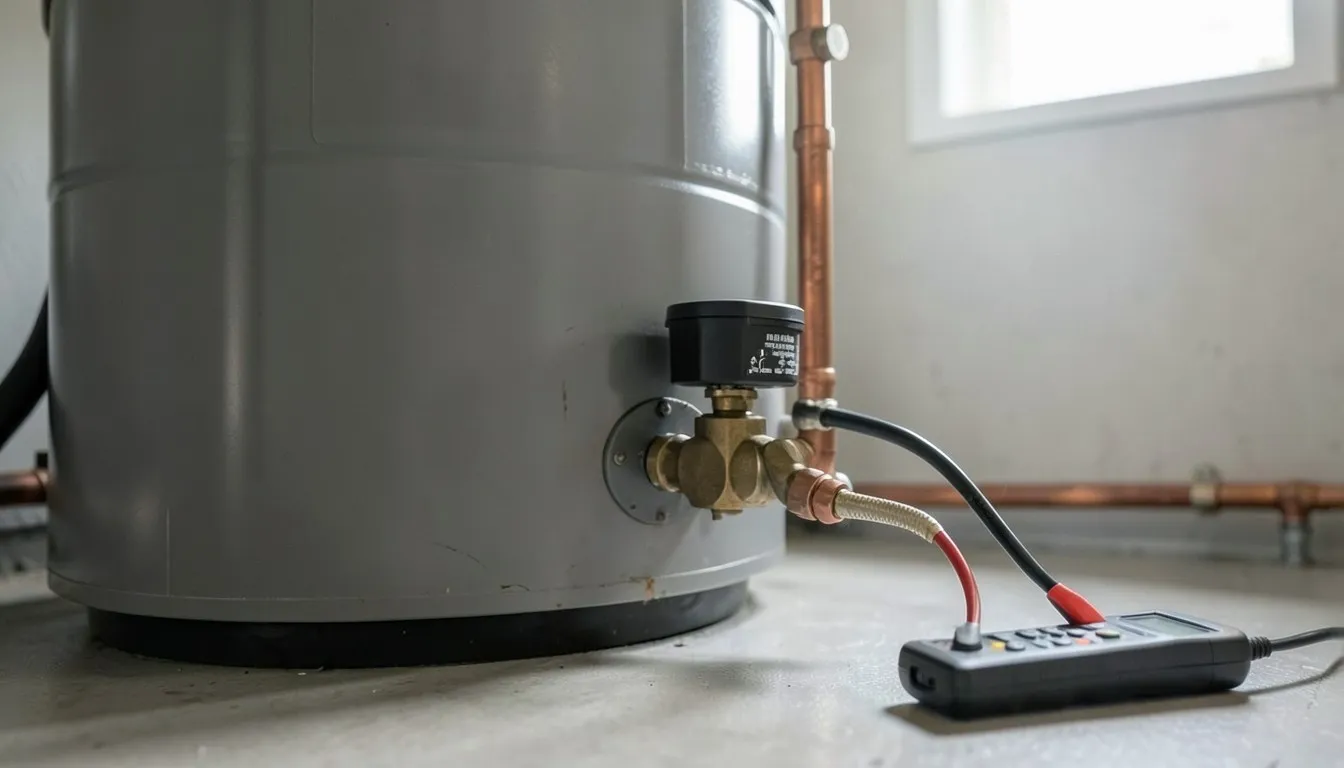
Water heater repair in Charleston starts with isolating the failure mode: a unit producing no hot water usually has a failed heating element or thermostat (electric) or a pilot or gas valve issue (gas); a unit leaking at the base has a failed tank — a repair is not possible and replacement is immediate. Sediment flushing and anode rod replacement extend the life of units under 10 years significantly; units over 12 years are typically beyond economic repair. AlertPlumber routes your request to a West Virginia-licensed plumber who diagnoses before recommending repair vs. replacement. Freeze events and frost-depth requirements add pipe insulation, exterior faucet winterization, and burst-risk assessment to service calls in this climate.
Charleston's water utility maintains an active lead service line (LSL) replacement program. With a median home age of 71 years, a portion of the housing stock may still have lead service laterals connecting the water main to interior supply — a consideration during any work near the service entry point. A licensed plumber can confirm whether supply-side work requires utility coordination.
Hard water in Charleston accelerates scale buildup inside water heater tanks, on heating elements, and at fixture connections. Sediment accumulation in tank heaters reduces efficiency and shortens element life; visible deposits at aerators and showerheads are an early indicator. A licensed plumber can assess whether a water softener or conditioner is appropriate for the home's service configuration.
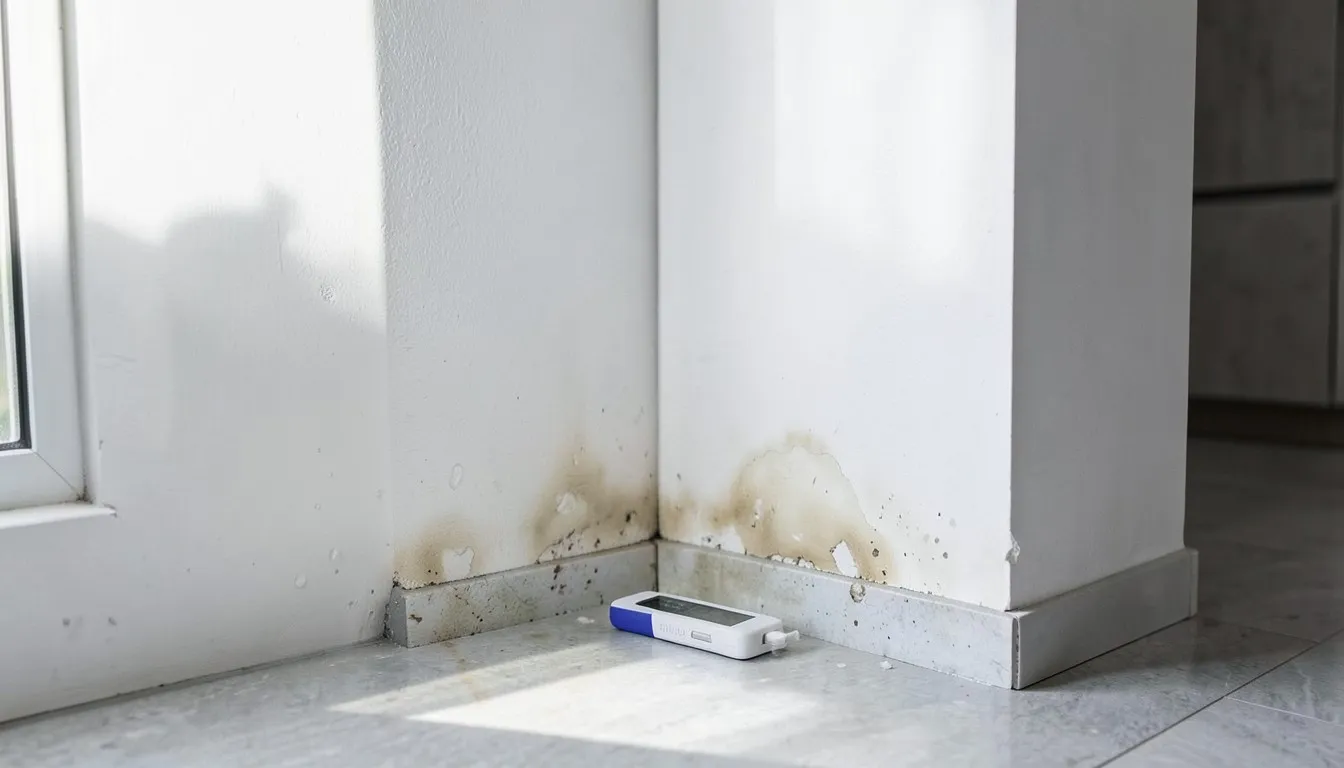
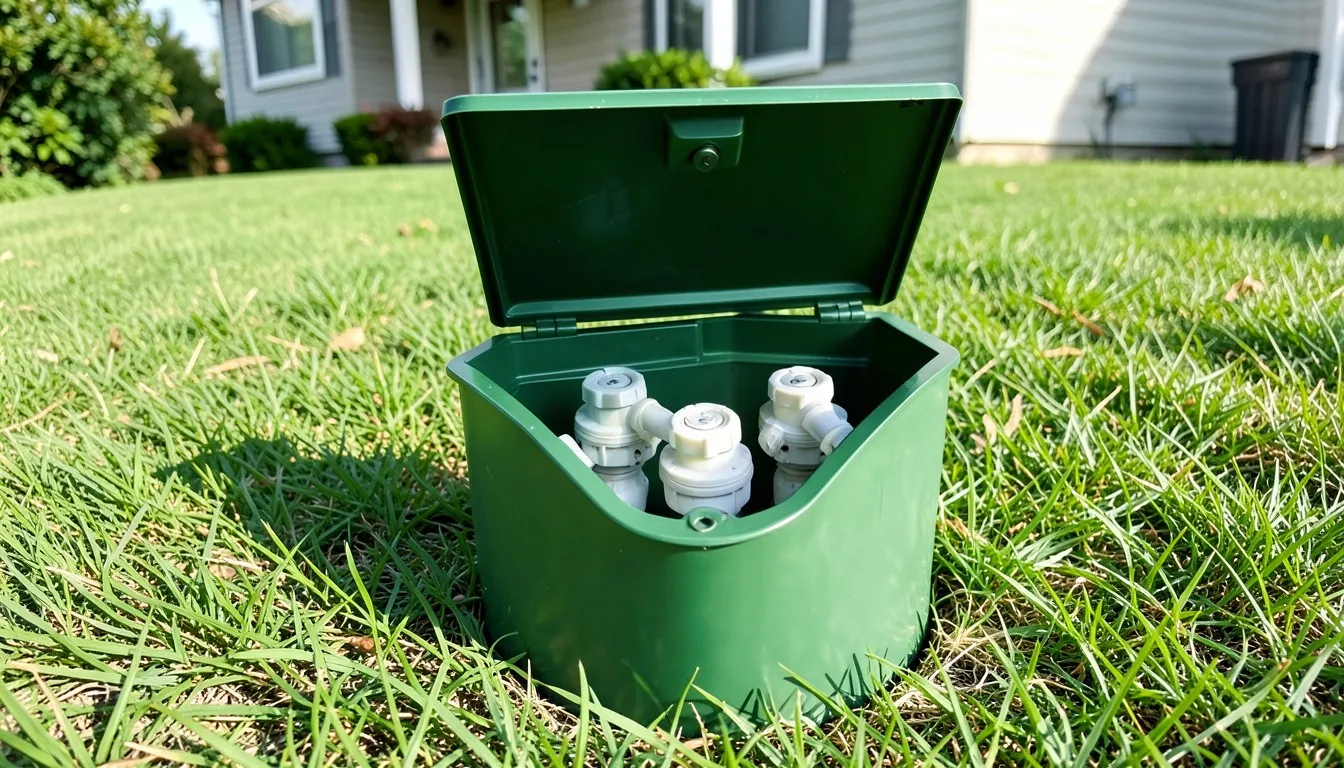
Frost line depth in Charleston means supply lines and outdoor plumbing must be installed below the freeze threshold — typically 28 — to prevent pipe burst during cold events. Exterior hose bibs, irrigation shutoffs, and any exposed pipe runs are the most common winterization service points in freeze-risk markets.
- Median home age
- 71 yrs
- Water hardness
- 7 gpg
- Frost line
- 28 in.
- Permit
- $50
A licensed WV plumber reads these conditions the moment you describe the symptom.
What shapes plumbing demand in Charleston, WV?
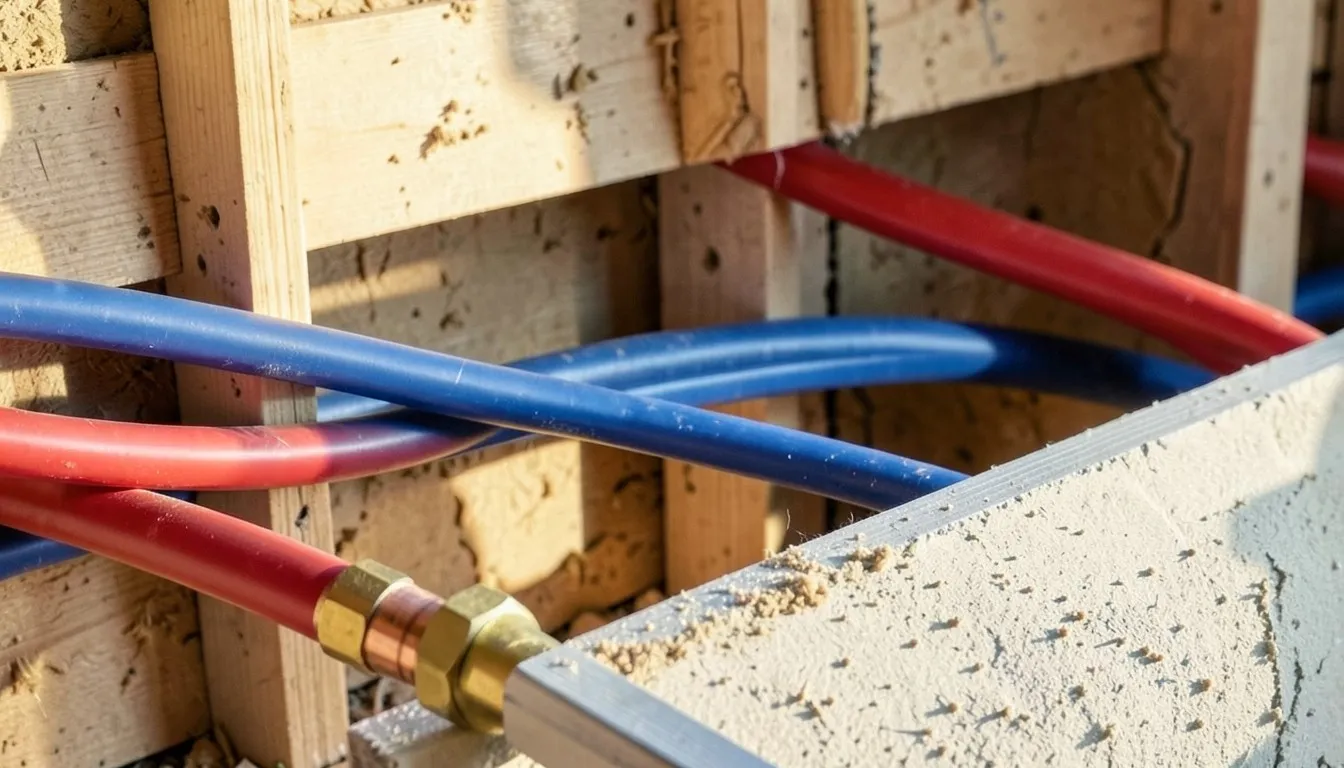
Galvanized supply lines and cast iron drain systems from the 1880s–1940s are past their 40–70-year design life across much of Charleston. Interior rust scale progressively narrows pipe bore. Plumbers here routinely scope supply lines before quoting any repair — the underlying pipe condition often makes full replacement more cost-effective than patching.
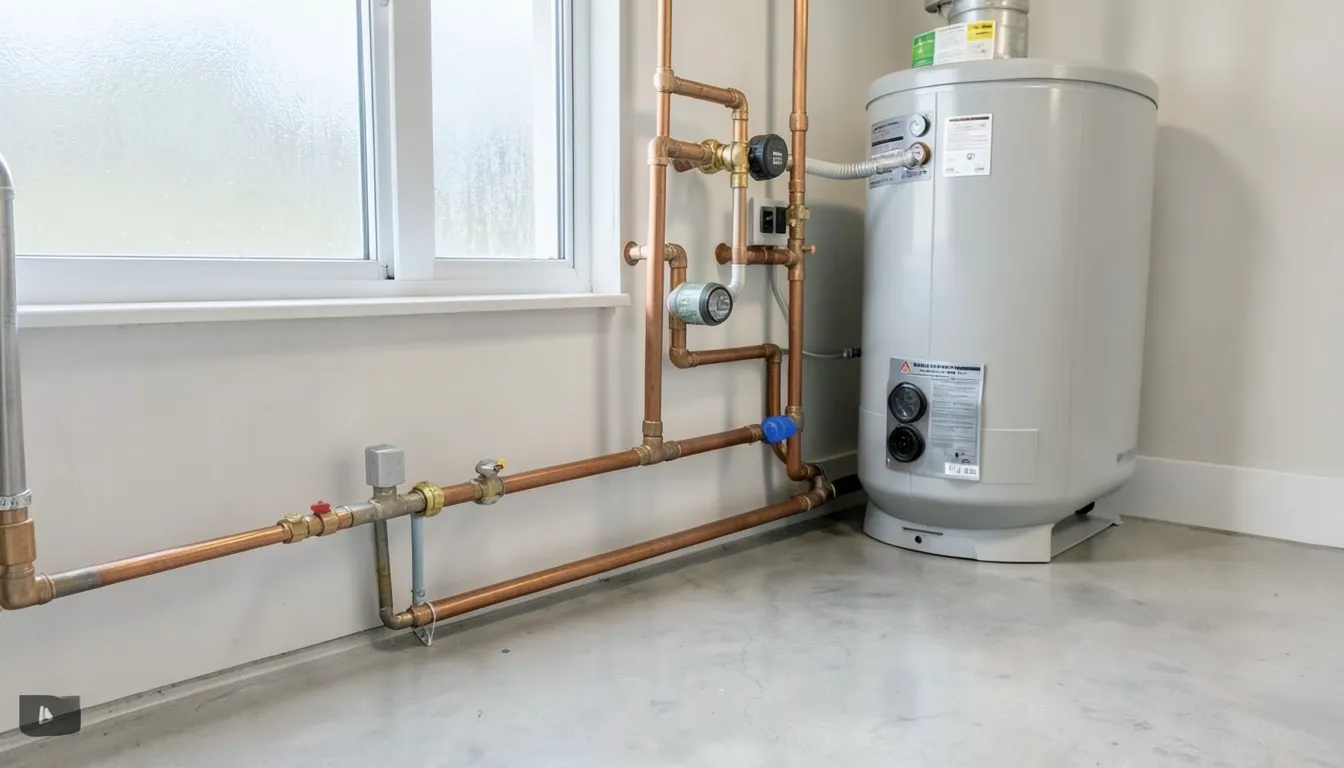
8–14 GPG shortens water heater service life to 8–11 years in Charleston and drives rolling maintenance demand at aerators, shower cartridges, and heat exchanger ports. Annual flushing prevents premature failure; skipped maintenance cycles push units toward early replacement. Scale-related calls represent a significant share of the annual service workload here.
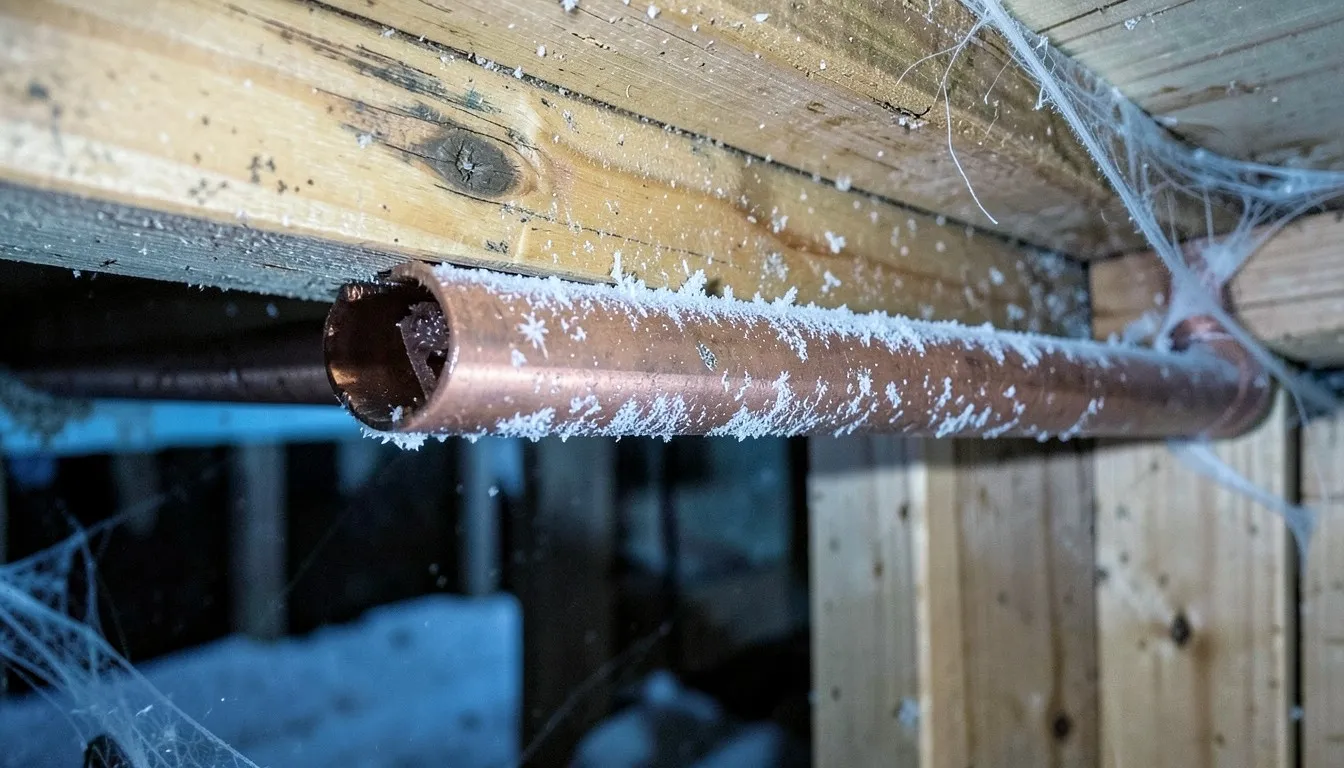
The primary surge in Charleston runs January–March, with a secondary wave at the spring thaw — when pipes that held through the freeze rupture as pressure is restored above 32°F. Scheduling competition peaks exactly when emergency calls are highest. Homeowners who wait for visible damage compete for the same limited plumber slots at the worst possible time.
Active damage in Charleston — how is it contained, assessed and restored?
Submit your Charleston address and describe the active damage — flooding, failed shutoff, burst or frozen line. AlertPlumber marks the request as priority and a WV-licensed plumber confirms receipt within 15 minutes, without routing through a national call center.
The plumber arrives with a confirmed ETA, locates the nearest shutoff, and maps the damage boundary — affected lines, access points, material condition. You receive a verbal assessment of what requires immediate containment and what can wait until the full repair scope is confirmed.
You approve a written containment and repair scope before any work begins. Temporary isolation is priced separately from full restoration. No phase proceeds without your explicit sign-off.
Water Heater Repair cost calculator — Charleston
Pre-filled for water heater repair in Charleston. Adjust the ZIP for a neighboring area, or change the service to compare. Calculator pulls from the city's scraped permit-fee + state plumber-density data.
Water Heater Repair emergency in Charleston?
Every hour without a repair increases structural risk and remediation cost. A verified plumber calls back with an ETA and a written estimate before any work begins.
Water Heater Repair in Charleston — frequently asked
How much does water heater repair cost in Charleston, WV?
Water heater repair in 47,215-population Charleston typically runs $185–$485 for thermostat or heating-element replacement on an electric tank, $285–$685 for gas-valve or thermocouple service on a gas tank, and $385–$825 for a full anode-rod replacement plus tank flush on a unit showing scale buildup. Full water heater replacement runs $1,400–$2,400 for a 40–50 gallon standard tank, $1,800–$3,200 for a high-efficiency hybrid heat-pump unit, and $3,400–$5,800 for a tankless gas unit including any gas-line upsizing and venting work. The $50 City of Charleston Building Inspection plumbing permit applies on every replacement and on any gas-valve service. AlertPlumber routes to a WV state-credentialed plumber who provides a written estimate before truck-roll.
Does the Kanawha Valley 7-grain water hardness affect water heater life?
Yes, moderately. West Virginia American Water's Charleston District delivers roughly 7 grains-per-gallon moderate-hardness water from the Elk and Kanawha Rivers (USGS Water Hardness Reference). At 7 gpg the calcium carbonate scale layer that builds on the bottom of a tank water heater and across the heating elements isn't the 18-gpg Florida-aquifer pathology that destroys elements in 4–5 years — but it does steadily reduce efficiency and shorten anode-rod life. Expected anode life on a Charleston tank running 7-grain Kanawha Valley supply is roughly 4–6 years; expected tank life with annual flush plus on-time anode replacement runs 12–15 years for standard glass-lined steel. Skipping the flush typically takes 3–4 years off that.
Why does the $10.84-per-1000-gallon Charleston water rate amplify efficiency math?
Charleston's residential water rate of roughly $10.84 per 1,000 gallons is meaningfully higher than the national municipal average and substantially higher than other WV markets, which changes the payback math on water-heater efficiency upgrades. A high-recovery efficient gas tank or hybrid heat-pump unit that cuts hot-water consumption by 15–20% through reduced standby loss and faster recovery saves a Charleston household roughly $120–$220 per year on the water-bill side alone, on top of the energy savings. Combined with 105 freeze-day-driven cold-inlet temperatures (which require more BTUs or kWh to heat the tap target) and the basement-install standard (which adds standby loss through the basement air envelope), the Charleston efficiency case for hybrid heat-pump or condensing tankless is stronger than in lower-rate markets. The matched plumber runs the lower-cost-over-10-years comparison on the callback request.
Do 105 freeze days a year change water heater sizing in Charleston?
Yes. The Kanawha Valley pulls 105 freeze days per year with 28-inch frost depth (NOAA NCEI Charleston, WV climate normals; NOAA NWS Charleston RLX), and inlet water temperatures in January–February run 38–44°F at the basement supply. That's a 78–82°F temperature rise to reach a 120°F tap target, versus a 55–65°F rise in Sunbelt markets. The practical implication: a 40-gallon tank that comfortably serves a 3-person Charleston household in July may run short in January because the recovery rate is computed at warm-season inlet temperatures. The matched WV DOL-credentialed plumber sizes the replacement against the worst-case January inlet, not the nameplate average, which is why 50-gallon tanks are the default residential standard in Charleston.
Why is basement install the standard for Charleston water heaters?
Charleston housing stock — East End mansion-district pre-1900 brick rowhomes, West Side early-1900s working-class housing, Kanawha City 1920s–40s bungalows, Edgewood interwar craftsman, South Hills mid-century — is overwhelmingly basement or hillside-crawlspace construction, not slab-on-grade. The standard mechanical-room location is the basement near the heating plant, which simplifies venting (existing chimney or sidewall vent path), gas-line access (existing branch from the meter), and condensate drainage on high-efficiency units (existing floor drain or sump). The trade-off is standby loss to the cool basement air envelope — typically 8–12% on a standard tank — which is one reason hybrid heat-pump units make strong efficiency sense in Charleston, since they pull heat from that same basement air the tank is currently losing it to.
Are AlertPlumber-matched water heater plumbers verified in West Virginia?
The partner network requires every plumber routed through AlertPlumber in Charleston to maintain active West Virginia state-credentialed status through the West Virginia Division of Labor — Plumber Licensing, which lists roughly 3,800 active WV DOL plumbers statewide. Gas water heater work additionally requires gas-fitting credentialing under WV DOL — the matched plumber confirms gas credentials on the callback for any gas-valve, thermocouple, or vent-piping service. Homeowners are encouraged to confirm credentials with the state board directly via the link above before authorizing any work.
Does Charleston require a permit for water heater replacement?
Yes. Every water heater replacement crosses into permit-required scope under IPC § 504 as adopted by West Virginia, and the $50 City of Charleston Building Inspection plumbing permit applies. Gas replacements additionally require a mechanical permit and gas-line pressure-test inspection. Tankless installations typically require gas-line upsize from 1/2-inch or 3/4-inch to 1-inch supply, which adds permit and pipe-fitting cost. The matched WV-credentialed plumber pulls the permit on your behalf and folds the $50 fee plus any gas-line work into the written quote. Charleston issued 1,420 residential permits across all trades in 2024.
Will my West Virginia homeowners insurance cover water heater damage?
Standard West Virginia HO-3 policies typically cover sudden-and-accidental water damage from a tank failure (drywall, flooring, contents) subject to deductible, but they do NOT cover the cost of the failed water heater itself or its replacement — that's the homeowner's expense unless you carry a Service Line and Equipment Breakdown endorsement. Gradual leak damage discovered after months of slow seepage is typically denied; document any tank discoloration, drip-pan presence, or weep-tube discharge immediately so the cause-of-loss timeline supports a sudden-event claim. The matched plumber's written cause-of-loss plus dated invoice satisfies carrier requirements. Submit within 30 days of damage discovery.
How often should a Charleston homeowner flush the tank?
Annually for any standard glass-lined steel tank running on West Virginia American Water's Charleston District 7-grain supply. The flush procedure: turn off the heating source (electric breaker or gas valve), connect a hose to the drain valve, run the tank dry through the hose into a floor drain or sump, briefly open the cold supply to scour the sediment layer off the bottom of the tank, close the drain and refill. On a basement-installed tank with a nearby floor drain the procedure runs 45–60 minutes including refill and re-light. Skipping the annual flush on a Kanawha Valley 7-gpg supply takes roughly 3–4 years off tank life. The matched plumber performs the flush as part of any service visit and confirms tank condition on the way out.
When should I replace vs repair a Charleston water heater?
Replace when: the tank is 12+ years old (anywhere past expected life for 7-gpg Kanawha Valley supply), there's visible rust at the tank base or weeping from the tank bottom, the unit has failed twice in 24 months, or the household's hot-water demand has grown beyond the existing tank's recovery rate (added bath, hot tub, growing family). Repair when: the unit is under 8 years old, the failure is a single component (thermocouple, gas valve, lower element, T&P valve), the tank itself scopes clean on visual inspection, and there's no rust signature. The matched WV DOL-credentialed plumber provides the lower-cost-over-10-years comparison on the callback so the decision isn't just sticker price — operating cost, $10.84/1000-gallon water rate, and basement-loss math all factor in.
Tankless vs hybrid heat-pump vs standard tank — which is right for Charleston?
Standard 50-gallon gas tank ($1,400–$2,400 installed): right for 1–4 person households on existing gas service with a working chimney vent, lowest upfront cost, 10–12 year expected life on annual-flush maintenance. Hybrid heat-pump electric ($1,800–$3,200 installed): right for 2–5 person households with a basement install where the heat pump pulls heat from the conditioned basement air envelope, 60–70% lower operating energy than electric resistance, strong payback against the $10.84/1000-gallon water rate plus electric heating costs, 12–15 year expected life. Tankless condensing gas ($3,400–$5,800 installed including gas upsize): right for 4+ person households with high simultaneous demand, near-infinite hot-water supply, 20+ year expected life, but requires 1-inch gas supply and sidewall PVC venting. The matched plumber runs the household-size and existing-service math on the callback.
What ZIP codes does AlertPlumber cover for water heater work in the Kanawha Valley?
AlertPlumber covers all City of Charleston ZIP codes (253xx prefix covering downtown, the East End mansion district, West Side along Washington Street West, Kanawha City across the Kanawha River, South Hills hillside neighborhoods, and Edgewood along the Elk River bluff) plus surrounding Kanawha County communities — South Charleston, Dunbar, St. Albans, Nitro, and Cross Lanes. The intake form handles 47,215-resident Charleston proper plus the broader Kanawha Valley state-capital corridor as a single service-area dispatch. U.S. Census Bureau — Charleston, WV.
Sixty seconds from now, a plumber can be working your problem.
Call and talk to dispatch, or put your number in the form below — a licensed West Virginia plumber calls you back about the water heater repair and gives a written estimate by phone.
Request a water heater repair callback in Charleston
In a meeting, with the kids, or just prefer not to hold? Drop your ZIP and number below. AlertPlumber routes your request to a verified plumber in your area — they’ll call you back directly.
- 1 Submit your info. ZIP, phone, and what kind of work you need.
- 2 AlertPlumber matches you with a verified plumber serving your area.
- 3 The plumber calls you back with a written estimate, no obligation.
Water Heater Repair in Charleston — fast response
Acute plumbing failures cannot wait. AlertPlumber has verified West Virginia plumbers available for water heater repair in Charleston — call now or submit the form above for rapid callback.