
Emergency Slab Leak Repair in Detroit, Michigan
Slab Leak Repair in Detroit, Michigan detects and repairs leaks in pipes beneath the concrete slab foundation. Local conditions in Detroit: a 42 in frost line and a median home age of 77 years.
Camera first, quote second — know exactly what's wrong in your Detroit home before you approve a dollar.
What does the local plumbing data show for Detroit, MI?
Seeing these conditions at your place in Detroit? A state-licensed plumber can confirm it over the phone — free, no obligation.
What are the pipe conditions in Detroit, MI?
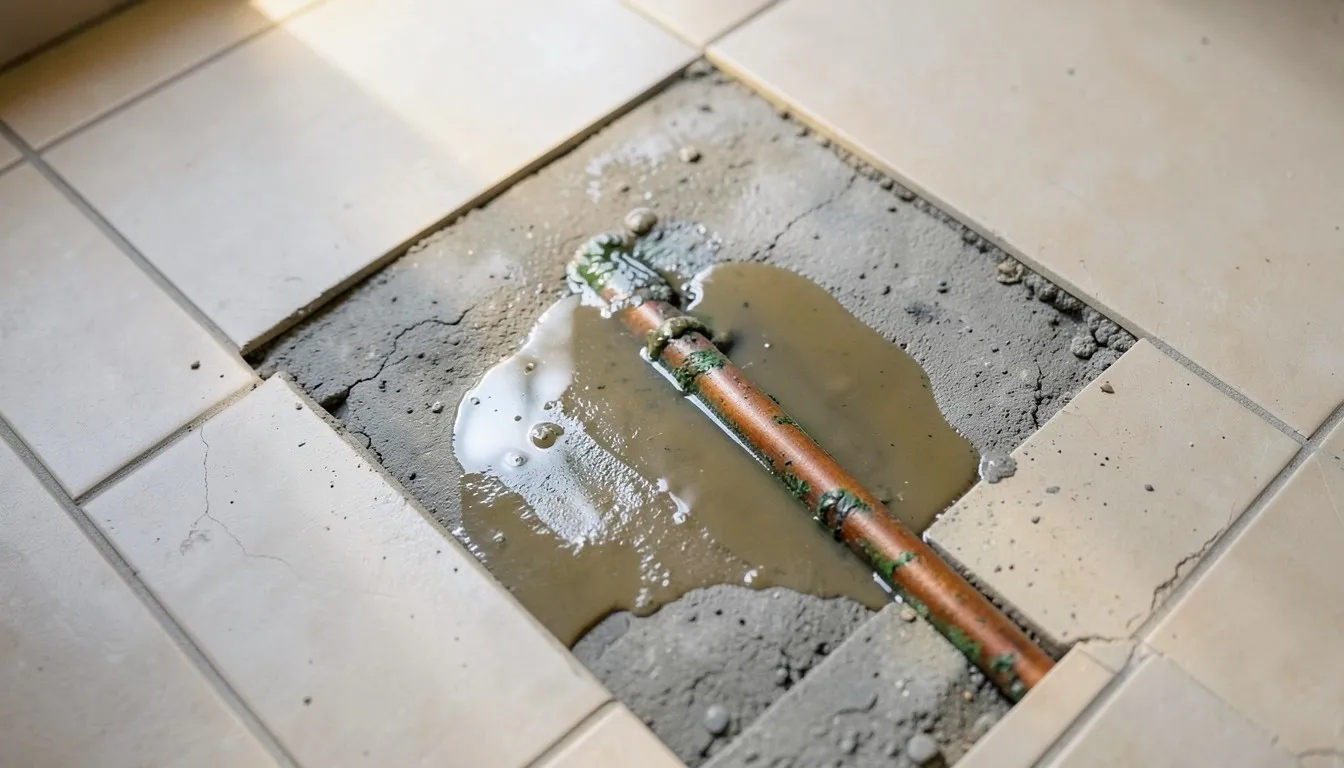
Slab leaks form when copper supply lines embedded in the concrete foundation develop pinholes from electrochemical corrosion, high-velocity water erosion, or slab movement. Detroit homes built during the 1960s–1980s on post-tensioned slabs face the highest slab-leak risk — copper installed at original construction is approaching or past the 50-year corrosion window. Early signs include warm or wet spots on the floor, unexplained water bill spikes, and the sound of running water when all fixtures are closed. AlertPlumber routes your request to a Michigan-licensed plumber for acoustic leak location before any slab cutting begins.
Pre-war housing in Detroit — median home age 77 years — commonly carries galvanized steel supply lines installed before the copper era. Galvanized pipe corrodes from the inside out: internal oxidation gradually narrows bore diameter, reduces water pressure, and eventually results in pinhole failure at corroded sections. Inspection confirms whether scale and corrosion warrant section replacement or full repipe.
Frost line depth in Detroit means supply lines and outdoor plumbing must be installed below the freeze threshold — typically 42 in — to prevent pipe burst during cold events. Exterior hose bibs, irrigation shutoffs, and any exposed pipe runs are the most common winterization service points in freeze-risk markets.
- Median home age
- 77 yrs
- Frost line
- 42 in
A licensed MI plumber reads these conditions the moment you describe the symptom.
What local infrastructure shapes Slab Leak Repair in Detroit?
Detroit's slab construction is limited to the post-WWII suburban expansion — the 1950s-60s ranch tracts in Warrendale, Rosedale Park, Palmer Park, and Dearborn-adjacent neighborhoods. The city core's dominant housing type — 1890s-1920s bungalows, two-flats, and four-squares in Hamtramck, Lincoln Park, and River Rouge — sits on basement foundations where below-slab copper leak patterns are structurally rare. For the slab cohort, Michigan glacial till soils combined with a 42-inch frost depth produce the heave cycles that stress below-slab copper joints.
Lake Huron source water at 6 GPG is moderately hard, delivering chemistry that is not the primary corrosion driver. Copper-in-slab failures in the post-war suburban tracts follow a mechanical mechanism — microcrack propagation at joints driven by frost heave and ground pressure — rather than the scale-accelerated failure pattern of high-hardness markets. The distinction matters because repair method selection for frost-driven failures favors rerouting over epoxy injection in most cases.
Michigan LARA State Plumbing Board licensing applies, with an $80 minimum residential permit. The 140-day annual freeze season is the longest among major Great Lakes metros, and the 42-inch frost line creates substantial soil pressure cycling on below-grade slab elements. Detroit Water and Sewerage Department is actively replacing 80,000 lead service lines (15,800+ completed through 2026) — active line replacement work in affected neighborhoods may affect scheduling windows for concurrent slab-leak investigations.
What shapes plumbing demand in Detroit, MI?
Galvanized supply lines and cast iron drain systems from the 1880s–1940s are past their 40–70-year design life across much of Detroit. Interior rust scale progressively narrows pipe bore. Plumbers here routinely scope supply lines before quoting any repair — the underlying pipe condition often makes full replacement more cost-effective than patching.
4–7 GPG produces gradual scale that stays manageable with standard maintenance intervals in Detroit — annual flushing, cartridge cleaning every 1–2 years. Equipment runs near design lifespan. The primary water quality driver here is preventive maintenance rather than emergency replacement, which distributes service demand more evenly across the calendar.
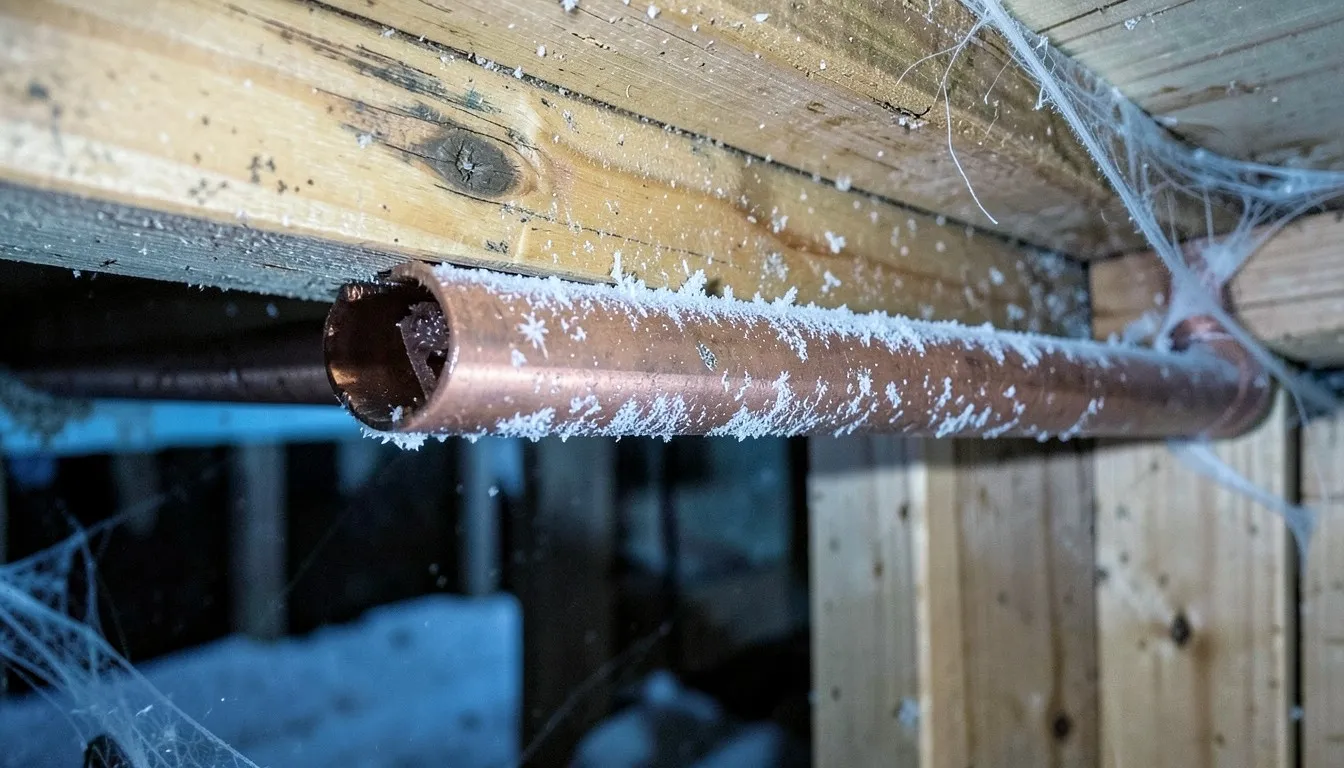
The primary surge in Detroit runs January–March, with a secondary wave at the spring thaw — when pipes that held through the freeze rupture as pressure is restored above 32°F. Scheduling competition peaks exactly when emergency calls are highest. Homeowners who wait for visible damage compete for the same limited plumber slots at the worst possible time.
Why diagnose before repairing in Detroit?
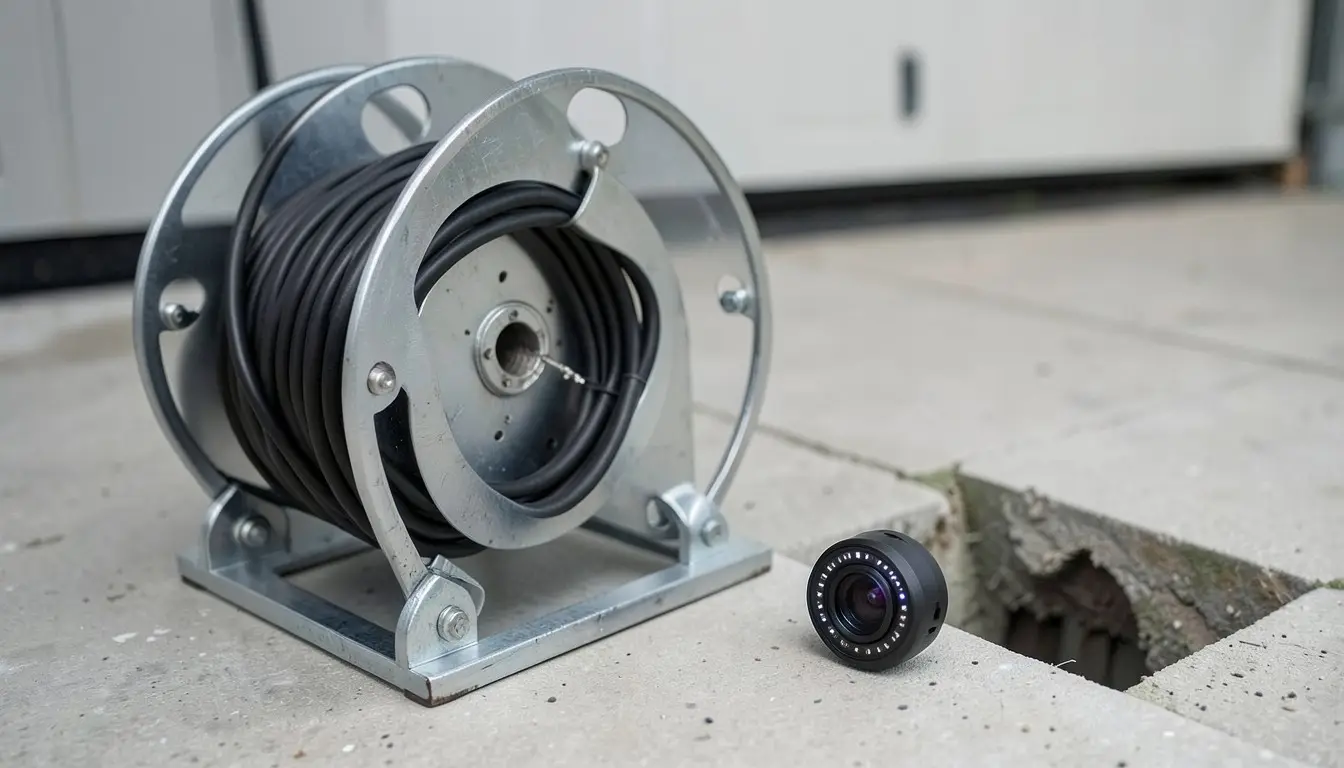
Describe the symptom — not the repair. AlertPlumber routes to an MI-licensed plumber trained in diagnostics. The site visit uses camera tracing, acoustic detection, or hydrostatic pressure testing — matched to the reported failure type.
The plumber delivers a written diagnostic report: confirmed failure location, available repair methods, and tradeoffs — disruption level, material durability, long-term cost, and whether a Detroit building permit applies to the selected method.
You select the repair path. The Michigan-licensed plumber proceeds on the authorized method with a fixed scope and price. Where required, the permit application to Detroit is handled by the contractor.
Slab Leak Repair cost calculator — Detroit
Pre-filled for slab leak repair in Detroit. Adjust the ZIP for a neighboring area, or change the service to compare. Calculator pulls from the city's scraped permit-fee + state plumber-density data.

Slab Leak Repair emergency in Detroit?
Every hour without a repair increases structural risk and remediation cost. A verified plumber calls back with an ETA and a written estimate before any work begins.
What else do people ask about slab leak repair in Detroit?
How much does slab leak repair cost in Detroit, MI?
Slab leak repair in Detroit typically runs $1,950-$4,650 for spot repair via slab break-and-patch and $4,950-$9,850 for full re-route through the attic or wall to bypass a failed copper run. Pricing reflects the City of Detroit BSEED $80 residential plumbing permit minimum plus saw-cut concrete patch labor common in Lafayette Park 1956 Mies-era construction and East English Village mid-century slab housing.
Why do Lafayette Park 1956 Mies modernist buildings get slab leaks?
Lafayette Park's Mies van der Rohe townhouses (1956+ construction) use slab-on-grade with original Type L or M copper supply piping embedded in or directly under the concrete. After 65-70 years, that copper has reached the end of its service life. Pitting corrosion at low points and friction wear where copper crosses rebar both produce pinhole leaks. The Mies-era radiant in-slab heating in some units adds another generation of embedded piping subject to similar failure.
How does Saginaw clay glacial-till soil affect Detroit slab leaks?
Saginaw clay glacial-till soil — the dominant soil type across the Detroit area — expands and contracts seasonally with moisture changes. That differential settling shifts slab foundations slightly, stressing rigid copper supply runs embedded in or below the slab. Decades of seasonal cycling produces friction-wear leaks where copper rubs against rebar, conduit, or aggregate. Saginaw clay also retains moisture, so a slab leak's water often doesn't surface quickly — adding to detection difficulty.
Does Detroit's moderately hard water cause slab leaks?
Detroit's GLWA Lake Huron supply at ~6 grains per gallon is only moderately hard. Mineral scale buildup is not aggressive here — copper supply lines typically last 50-70 years rather than failing at 30-40 years like they would on aggressive soft water. However, the moderate alkalinity does allow gradual pitting corrosion at low points and at any flux-residue spot from the original soldered joints. That's the dominant Detroit slab leak mechanism.
What slab construction is common in East English Village?
East English Village proper (1920s Tudors) uses primarily crawlspace construction, but the surrounding East side post-WWII infill (1945-1965 ranch and bungalow stock) is largely slab-on-grade. Those mid-century slabs commonly run original copper supply lines either embedded in concrete or laid in the gravel base just below. After 60+ years, both configurations produce slab leaks. Re-route through the attic is often cheaper than break-and-patch for these single-story slabs.
How do you find a slab leak in a Detroit home?
The Michigan-verified plumber uses acoustic listening to localize sound through the slab, thermal imaging to detect the warm zone from a hot-water leak, and pressure isolation (shut hot at the heater, watch the pressure gauge) to confirm whether the leak is hot-side or cold-side. Detroit's moderate water table can mask thermal contrast from a cold-side leak, so acoustic and pressure-isolation are usually primary, thermal confirmatory.
Is re-route or break-and-patch better for a Detroit slab leak?
For a single confirmed pinhole at a known location: break-and-patch (typically $1,950-$3,250). For multiple suspected leaks or copper installed pre-1970 across the whole slab: full re-route through attic or wall ($4,950-$9,850) avoids future slab breaks. Lafayette Park townhouse owners with original copper often choose full re-route because additional leaks within 5 years are statistically likely. The verified plumber walks through both options.
Does Detroit's frost line affect slab leak repair?
Indirectly. Detroit's 42-inch frost penetration doesn't reach the interior of a heated slab home, so embedded supply piping isn't subject to freeze damage. But seasonal frost heave at the slab edge produces small slab movement that adds to long-term friction wear on embedded copper. Re-route piping that runs through the attic also needs proper insulation to avoid winter freezing in unconditioned space — a real concern given Detroit's ~140 days per year below freezing.
Will DWSD's high water rate help me notice a slab leak faster?
Yes. DWSD's 2024-2025 Block 1 rate of $5.69 per 1,000 gallons plus drainage charge means a small slab leak (0.5-1 gpm) adds roughly $25-$50 per month to the bill. Compare month-over-month bills with no usage changes; an unexplained $30+ jump warrants a meter-base test (read meter with all fixtures off; check 1 hour later for movement).
Will my homeowners insurance cover a Detroit slab leak?
Standard Michigan policies generally cover the water damage from a sudden slab leak (drywall, flooring, contents) subject to deductible, but specifically exclude the repair of the leak itself and the slab break-and-patch. Some policies have access-cost coverage that pays for opening the slab if the leak is otherwise covered — read the policy. Documented detection with thermal and acoustic readings supports the claim.
How long does Detroit slab leak repair take?
Spot break-and-patch: 1 day for plumbing plus 1-2 days for concrete cure if the patch is exposed. Full re-route through attic: 1-2 days plumbing plus minor drywall patching. Lafayette Park townhouse units with shared walls require neighbor coordination and HOA approval, which extends total project time even though the plumbing work itself is fast.
Are AlertPlumber-matched Detroit slab leak crews Michigan-licensed?
Yes. Every plumber matched through AlertPlumber in Detroit holds an active Michigan plumbing license issued by the LARA State Plumbing Board (~12,830 statewide). License verification happens against the state database.
Can I use PEX for a Detroit slab leak re-route?
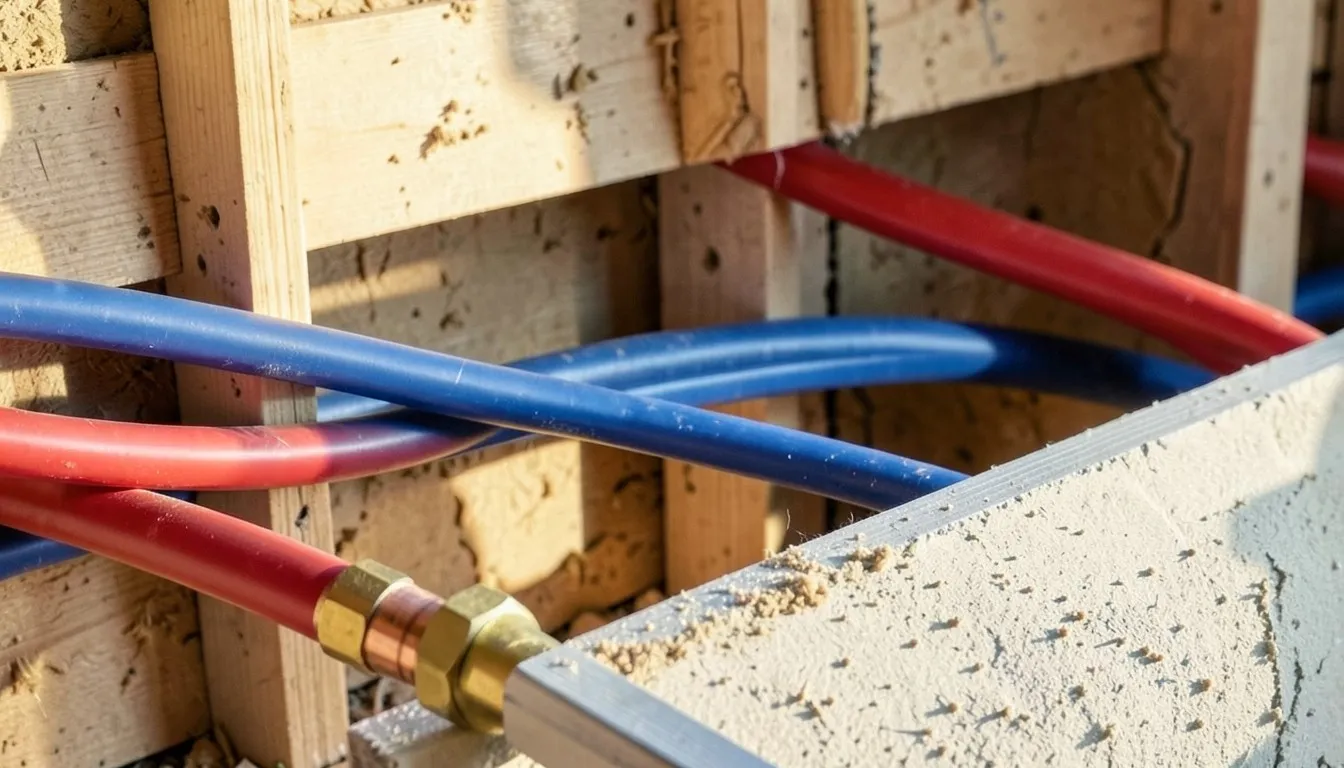
Yes. Michigan plumbing code permits PEX for residential potable supply, and re-routing a failed copper slab run with PEX through the attic or wall cavity is standard practice. PEX is more freeze-tolerant than copper (a meaningful advantage in Detroit's 140-freeze-day climate), easier to route around joists, and avoids the soldered-joint failure mode that plagues original copper. Cost is generally lower than copper repipe.
Sixty seconds from now, a plumber can be working your problem.
Call and talk to dispatch, or put your number in the form below — a licensed Michigan plumber calls you back about the slab leak repair and gives a written estimate by phone.

Need a slab leak repair callback in Detroit?
In a meeting, with the kids, or just prefer not to hold? Drop your ZIP and number below. AlertPlumber routes your request to a verified plumber in your area — they’ll call you back directly.
- 1 Submit your info. ZIP, phone, and what kind of work you need.
- 2 AlertPlumber matches you with a verified plumber serving your area.
- 3 The plumber calls you back with a written estimate, no obligation.
Slab Leak Repair in Detroit — fast response
Acute plumbing failures cannot wait. AlertPlumber has verified Michigan plumbers available for slab leak repair in Detroit — call now or submit the form above for rapid callback.