
Emergency Drain Cleaning in Detroit, Michigan
Drain Cleaning in Detroit, Michigan clears clogged drains, slow drains, and backed-up sinks fast. Local conditions in Detroit: a 42 in frost line and a median home age of 77 years.
Active water damage compounds by the hour — a licensed MI plumber is on call for Detroit right now.
What does the local plumbing data show for Detroit, MI?
Seeing these conditions at your place in Detroit? A state-licensed plumber can confirm it over the phone — free, no obligation.
What are the pipe conditions in Detroit, MI?
Drain cleaning in Detroit addresses two distinct problems: immediate blockage clearance (snake or jet, same day) and the underlying condition causing recurring clogs (root intrusion, scale buildup, pipe belly, or grease accumulation requiring treatment beyond a single service call). The right approach depends on the root cause — a cable machine clears the blockage without revealing what caused it; a camera scope adds $100–$200 but determines whether the drain will re-block in weeks or hold for years. AlertPlumber routes your request to a Michigan-licensed plumber who provides both options upfront. Freeze events and frost-depth requirements add pipe insulation, exterior faucet winterization, and burst-risk assessment to service calls in this climate.
Pre-war housing in Detroit — median home age 77 years — commonly carries galvanized steel supply lines installed before the copper era. Galvanized pipe corrodes from the inside out: internal oxidation gradually narrows bore diameter, reduces water pressure, and eventually results in pinhole failure at corroded sections. Inspection confirms whether scale and corrosion warrant section replacement or full repipe.
Frost line depth in Detroit means supply lines and outdoor plumbing must be installed below the freeze threshold — typically 42 in — to prevent pipe burst during cold events. Exterior hose bibs, irrigation shutoffs, and any exposed pipe runs are the most common winterization service points in freeze-risk markets.
- Median home age
- 77 yrs
- Frost line
- 42 in
A licensed MI plumber reads these conditions the moment you describe the symptom.
What local infrastructure shapes Drain Cleaning in Detroit?
Great Lakes Compact water drawn from Lake Huron arrives at Detroit meters at 6 grains per gallon — moderate hardness that produces partial mineral-grease interaction in drain lines. Grease accumulations are firmer than soft-water deposits but do not calcify fully; the combination with galvanized drain pipe interiors creates a particularly adhesive deposit environment. Galvanized steel drain lines develop interior zinc-oxide corrosion that creates a rough, pitted surface — that texture retains grease and hair-soap deposits significantly faster than PVC or intact cast iron, producing flow restriction that recurs quickly after cable service.
A 77-year median home age places most of the residential stock in the pre-1950 construction window where galvanized steel was standard for drain lines. Detroit neighborhoods — from Indian Village to Mexicantown — carry original galvanized stacks with bore-narrowing interior corrosion in 70-plus-year installations. With 140 freeze days per year, basement floor drains see heavy seasonal use in galvanized branch lines, and clay tile laterals add root-intrusion risk at joint seams.
Building Safety Engineering requires no permit for drain cleaning through a cleanout. Drain line modifications or repair work require a permit at $80 through the city permit office. The Great Lakes Water Authority serves all properties through the combined sewer. Hydro-jetting at 1,500–2,500 PSI is appropriate for moderate-hardness grease deposits; galvanized lines require camera assessment first because advanced corrosion creates thin-wall sections that may not withstand sustained jetting.
What shapes plumbing demand in Detroit, MI?
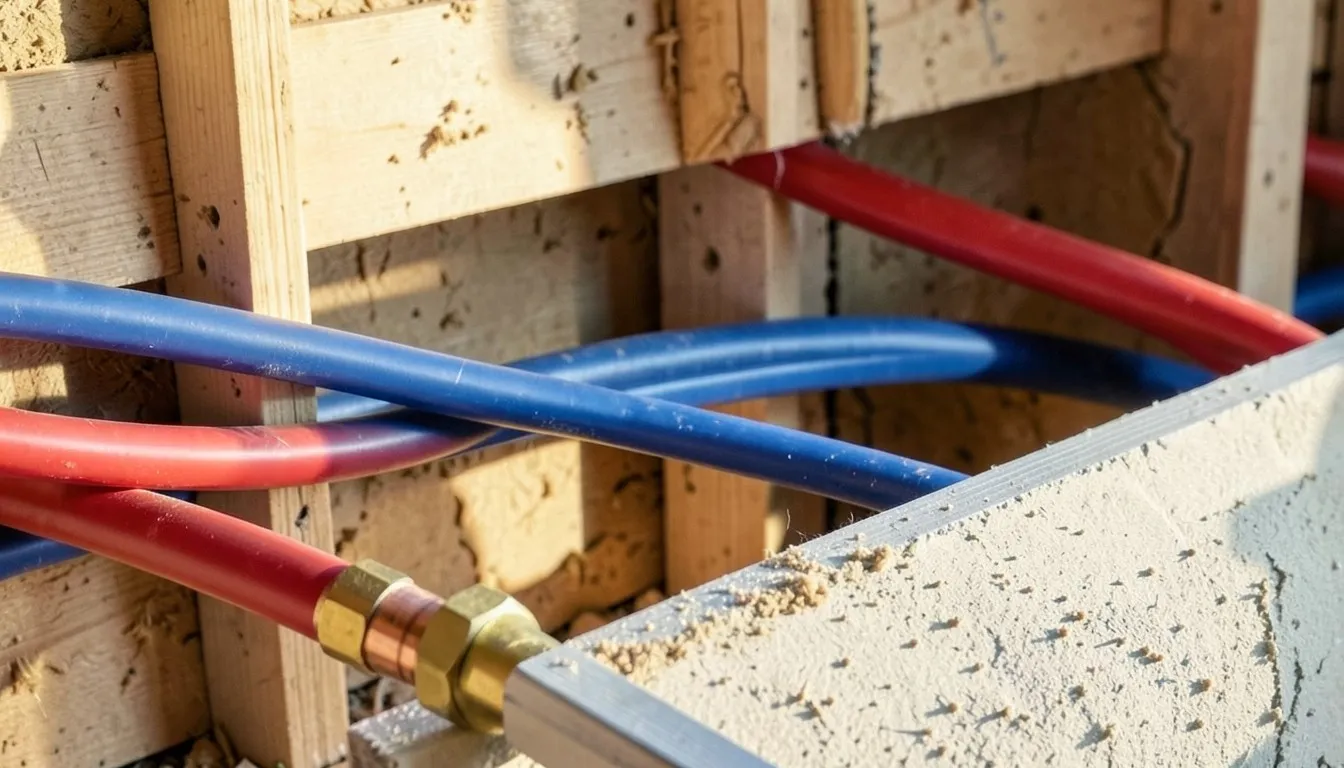
Galvanized supply lines and cast iron drain systems from the 1880s–1940s are past their 40–70-year design life across much of Detroit. Interior rust scale progressively narrows pipe bore. Plumbers here routinely scope supply lines before quoting any repair — the underlying pipe condition often makes full replacement more cost-effective than patching.
4–7 GPG produces gradual scale that stays manageable with standard maintenance intervals in Detroit — annual flushing, cartridge cleaning every 1–2 years. Equipment runs near design lifespan. The primary water quality driver here is preventive maintenance rather than emergency replacement, which distributes service demand more evenly across the calendar.
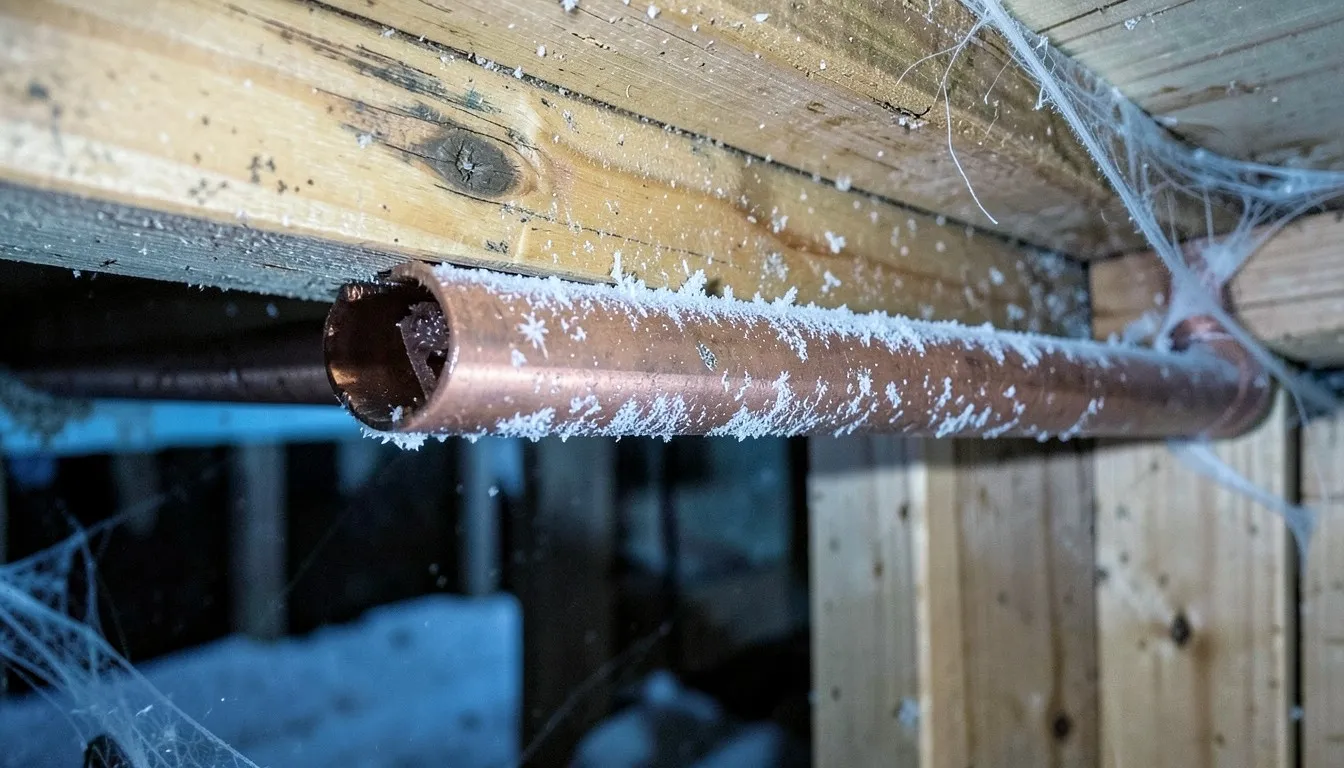
The primary surge in Detroit runs January–March, with a secondary wave at the spring thaw — when pipes that held through the freeze rupture as pressure is restored above 32°F. Scheduling competition peaks exactly when emergency calls are highest. Homeowners who wait for visible damage compete for the same limited plumber slots at the worst possible time.
Active damage in Detroit — how is it contained, assessed and restored?
Submit your Detroit address and describe the active damage — flooding, failed shutoff, burst or frozen line. AlertPlumber marks the request as priority and an MI-licensed plumber confirms receipt within 15 minutes, without routing through a national call center.
The plumber arrives with a confirmed ETA, locates the nearest shutoff, and maps the damage boundary — affected lines, access points, material condition. You receive a verbal assessment of what requires immediate containment and what can wait until the full repair scope is confirmed.
You approve a written containment and repair scope before any work begins. Temporary isolation is priced separately from full restoration. No phase proceeds without your explicit sign-off.
Drain Cleaning cost calculator — Detroit
Pre-filled for drain cleaning in Detroit. Adjust the ZIP for a neighboring area, or change the service to compare. Calculator pulls from the city's scraped permit-fee + state plumber-density data.
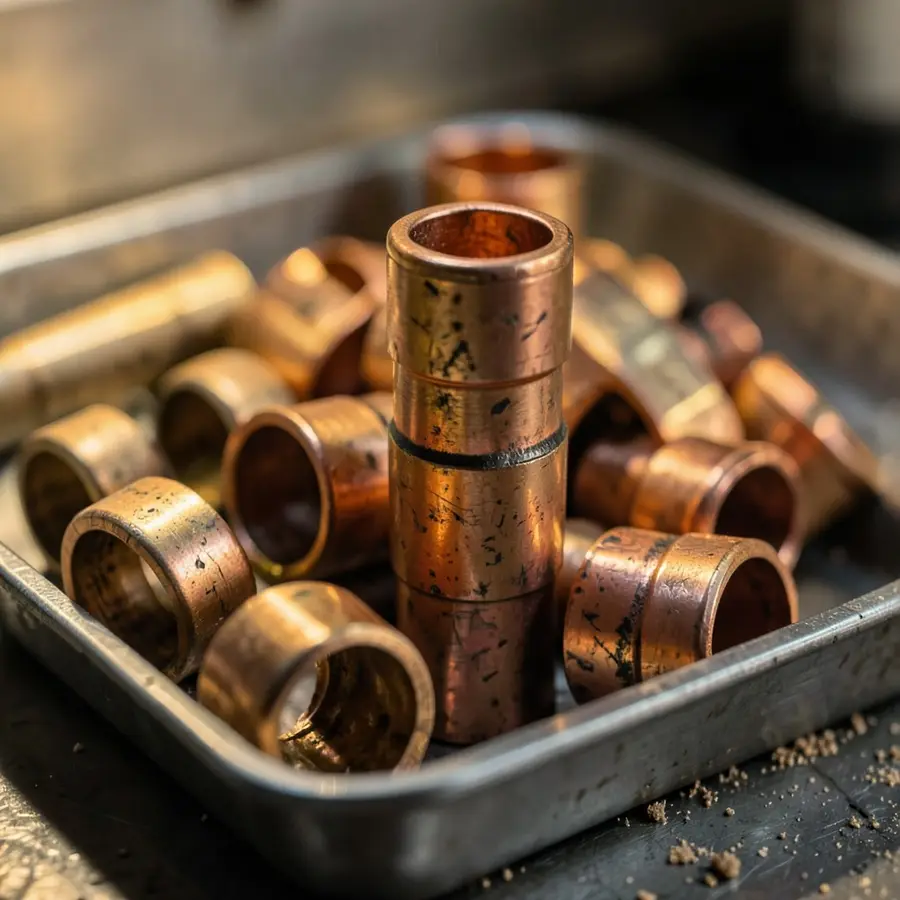
Drain Cleaning in Detroit — the longer it runs, the more it costs.
Slow failures compound: soft pipe walls, root penetration, mineral buildup. A verified plumber calls back with a scope-first estimate before anything is dug up.
What else do people ask about drain cleaning in Detroit?
How much does drain cleaning cost in Detroit, MI?
Drain cleaning in Detroit typically runs $195-$365 for a single fixture and $295-$615 for a main-line clog needing power snaking or hydro jetting in a Boston-Edison or Indian Village home. Pricing reflects the City of Detroit BSEED $80 minimum residential plumbing permit plus the labor premium for working through 1910s cast-iron stacks in pre-WWI mansion stock. Rosedale Park and East English Village 1920s Tudors with original lateral runs also push the upper end.
How fast can a Detroit-area plumber arrive for a drain emergency?
Most Detroit-area plumbers in the AlertPlumber network respond within 1-3 hours during business hours and 2-4 hours overnight. Crew density in Midtown and Downtown means faster dispatch than outer Rosedale Park or Palmer Woods on the NW side. The Michigan-verified plumber confirms exact ETA when they call back.
Do I need a permit for drain cleaning in Detroit?
No permit is required for routine fixture-side snaking. A permit IS required when work involves replacing pipe, repairing a sewer lateral, or opening walls to access a Boston-Edison cast-iron stack. The City of Detroit BSEED construction fee schedule sets the $80 residential plumbing minimum, and the verified plumber pulls the permit on your behalf.
What causes most drain clogs in Boston-Edison and Indian Village mansions?
The dominant cause in Detroit pre-WWI mansion stock is internal cast-iron scale combined with grease and soap buildup in original 1905-1925 waste lines. Henry Ford-era Boston-Edison homes still run their original cast-iron drain stacks where decades of corrosion have narrowed the bore. Corktown's 1880s housing — Detroit's oldest neighborhood — often shows galvanized branch lines with severe zinc-scale buildup that snaking alone struggles to clear.
Does Lake Huron soft water from GLWA cause Detroit drain scale?
Detroit Water and Sewerage Department (DWSD) delivers Lake Huron source water through the Great Lakes Water Authority (GLWA) system, and at roughly 6 grains per gallon the supply is only moderately hard — far softer than Phoenix or San Antonio. That means mineral scale inside drain lines is NOT the primary clog driver here. Soft-water sediment can deposit at low-flow elbows in long Rosedale lateral runs, but cast-iron rust and grease dominate by a wide margin.
Will my Detroit homeowners insurance cover drain cleaning?
Standard Michigan homeowners policies typically do NOT cover routine drain cleaning, but they may cover water damage caused by a clog-driven backup, subject to your deductible. Sewer-backup endorsements are sold separately and strongly recommended in Detroit given DWSD's ~35% combined sewer system with active combined sewer overflow (CSO) events during heavy rain. Confirm with your carrier before assuming coverage.
Should I pour chemical drain cleaner down a Boston-Edison cast-iron line first?
Most Detroit-area plumbers recommend AGAINST chemical drain cleaners on aging Boston-Edison cast-iron stacks. The corrosive chemistry accelerates rust-scale flaking, damages lead-and-oakum joints common in 1910s-era Detroit plumbing, and rarely clears a true clog. Mechanical snaking or moderate-PSI jetting is faster and far less risky for the pipe.
Snake or hydro jet — which does my Detroit cast-iron drain need?
Snaking handles a single localized clog. For Detroit cast-iron stacks in Indian Village or Boston-Edison with decades of rust and grease scale, hydro jetting at moderate pressure (1,500-2,500 PSI, not full 4,000 PSI) scours the pipe interior without breaking brittle joints. Jetting on Detroit cast-iron typically runs $385-$795 and is the right call for any line that has clogged twice in 12 months.
How often should Detroit homeowners get drains professionally cleaned?
For Detroit homes with original cast-iron drains (median home age 77 years, ~1948 build) or known root intrusion through Corktown or Rosedale Park clay laterals, a professional inspection every 12-18 months is reasonable. Soft GLWA Lake Huron supply does not drive mineral scale, so the issue is internal pipe corrosion and root mass rather than calcium deposition.
Why do Corktown 1880s galvanized branch lines clog so often?
Corktown — Detroit's 1834-founded Irish neighborhood and oldest surviving district — has substantial 1880s-1900s housing where original galvanized steel branch waste lines remain in service. Internal zinc-and-iron oxidation has narrowed the bore to as little as 1/4 inch effective diameter in 1.5-inch nominal pipe. Snaking clears the immediate blockage but galvanized at that age usually needs sectional replacement, not just cleaning.
What does a Rosedale Park 1920s lateral typically need?
Rosedale Park's 1916+ Tudor and Colonial housing stock generally runs vitrified clay laterals from the foundation to the DWSD main. Common findings during camera inspection are oak and maple root intrusion at every joint (10-foot intervals) plus offset joints where Saginaw clay glacial-till soil has shifted laterally over a century. Snaking restores flow short-term; hydro jetting with a root-cutter head is the durable fix.
Are AlertPlumber-matched plumbers actually verified in Michigan?
Yes. Every plumber matched through AlertPlumber in Detroit holds an active Michigan plumbing license issued by the LARA State Plumbing Board (~12,830 statewide licenses). AlertPlumber verifies licenses against the state database, not just at signup.
What ZIP codes around Detroit does AlertPlumber cover?
AlertPlumber covers all Detroit ZIP codes (482xx prefixes covering Corktown through Indian Village and the NW side neighborhoods) plus the inner-ring Wayne County communities — Hamtramck, Highland Park, Dearborn, Grosse Pointe Park, Ferndale, Royal Oak, Southfield, and Warren. DWSD-area calls and Greater Detroit suburban routing both work through the same intake form.
Does the DWSD drainage charge affect what I pay for drain work?
The DWSD drainage charge is a separate monthly line item based on impervious surface area on your parcel, not a per-service plumbing fee, so it does NOT change the price of a single drain-cleaning visit. It does mean Detroit homeowners are already paying for stormwater capacity, which is part of why minimizing combined-sewer load through well-maintained interior drains matters during heavy rain events.
Will drain cleaning solve a Boston-Edison basement backup during heavy rain?
Possibly not. Boston-Edison and other older Detroit neighborhoods sit on the DWSD combined sewer system, where sanitary and storm flows share the same main. During intense rain the main can surcharge and push back into basement floor drains regardless of how clean your interior lines are. Drain cleaning addresses interior blockage; a backwater valve installed at the lateral is the actual defense against CSO backflow.
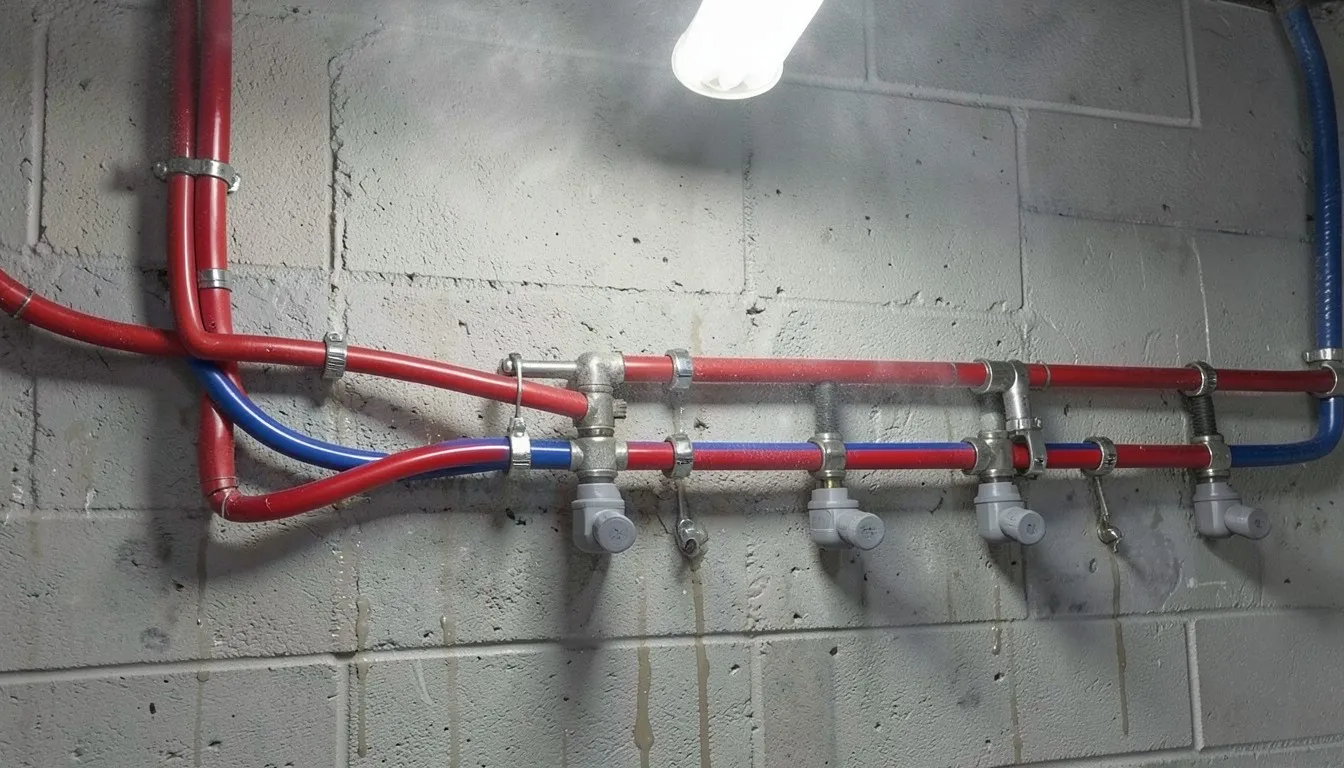
The fix gets cheaper the sooner a plumber sees it.
Degradation problems compound quietly. Call now, or use the form below and a licensed Michigan plumber calls you back with a no-obligation estimate for the drain cleaning.
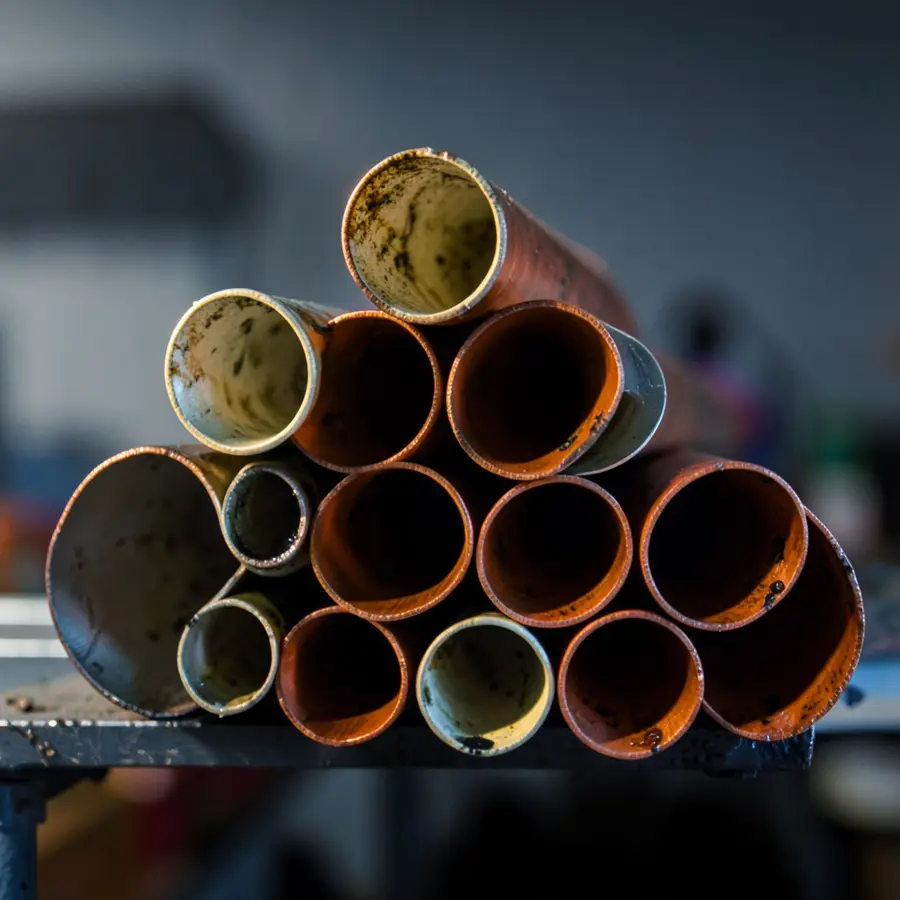
Need a drain cleaning callback in Detroit?
In a meeting, with the kids, or just prefer not to hold? Drop your ZIP and number below. AlertPlumber routes your request to a verified plumber in your area — they’ll call you back directly.
- 1 Submit your info. ZIP, phone, and what kind of work you need.
- 2 AlertPlumber matches you with a verified plumber serving your area.
- 3 The plumber calls you back with a written estimate, no obligation.
Drain Cleaning in Detroit — catch it early
Degradation-driven failures worsen over time and cost more to fix the longer they run. A verified MI plumber in Detroit diagnoses your specific condition and provides a written scope before any work begins.