
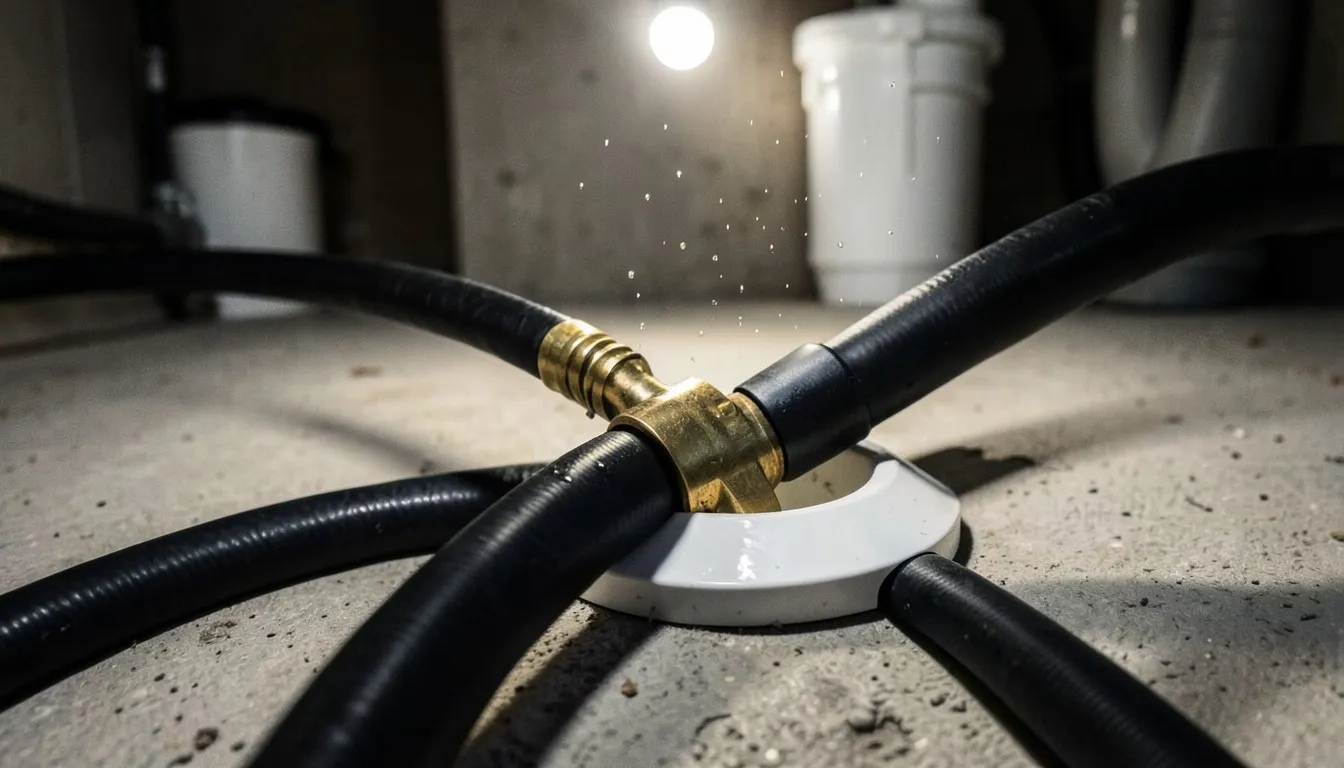
Emergency Hydro Jetting in Philadelphia, Pennsylvania
Hydro Jetting in Philadelphia, Pennsylvania is high-pressure water jetting to clear severe clogs and grease in main lines. Local conditions in Philadelphia: water measured at 5, a 30 frost line and a median home age of 78 years.
Camera first, quote second — know exactly what's wrong in your Philadelphia home before you approve a dollar.
What does the local plumbing data show for Philadelphia, PA?
Seeing these conditions at your place in Philadelphia? Describe them on the call to a state-licensed local plumber — free, no obligation.
What are the pipe conditions in Philadelphia, PA?
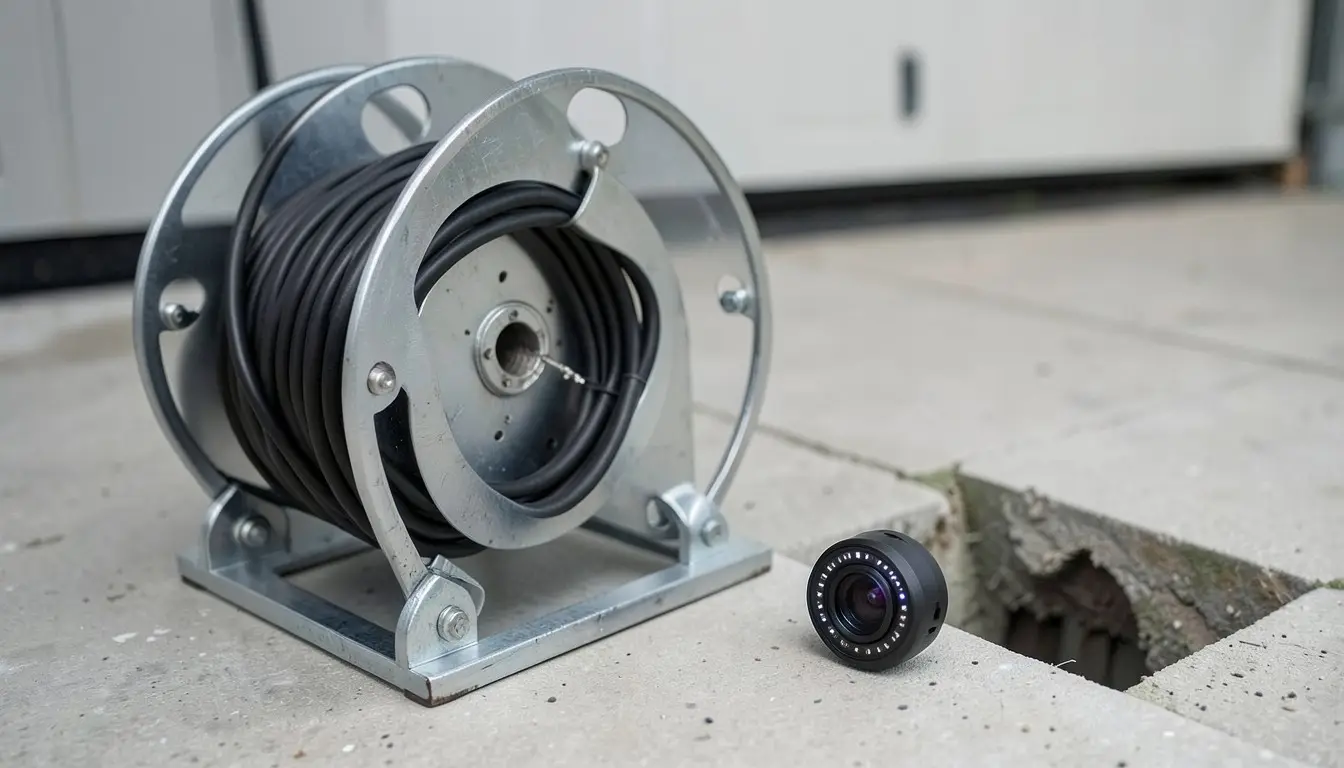
Hydro-jetting in Philadelphia clears what drain snaking leaves behind: scale buildup from hard water, grease layers coating pipe walls, and root tendrils that regrow from fragments left by a cable machine. The process uses 3,000–4,000 PSI water pressure through a rotating nozzle that scrubs the pipe wall — not just punches through the blockage. A camera scope before jetting confirms the pipe can withstand high pressure and identifies any structural defects that jetting would worsen. AlertPlumber connects your call with an independent Pennsylvania-licensed plumber — ask them to scope the line before jetting.
Philadelphia's water utility maintains an active lead service line (LSL) replacement program. With a median home age of 78 years, a portion of the housing stock may still have lead service laterals connecting the water main to interior supply — a consideration during any work near the service entry point. Ask a licensed plumber to confirm whether supply-side work requires utility coordination. Homes of other eras in Philadelphia may have galvanized pipe, copper pipe or polybutylene supply lines instead; ask the plumber which your home has.
Frost line depth in Philadelphia means supply lines and outdoor plumbing must be installed below the freeze threshold — typically 30 — to prevent pipe burst during cold events. Exterior hose bibs, irrigation shutoffs, and any exposed pipe runs are the most common winterization service points in freeze-risk markets.
- Median home age
- 78 yrs
- Water hardness
- 5 gpg
- Frost line
- 30 in.
- Permit
- City fee schedule
Census housing age, Philadelphia city, Pennsylvania: median year built 1949; 64.9% of homes built before 1960, 83.3% before 1980. Source: U.S. Census Bureau, ACS 2020–2024 5-year estimates, tables B25034 and B25035, read 2026-09-30.
Mention these conditions when you describe the symptom to the PA plumber you reach.
What local infrastructure shapes Hydro Jetting in Philadelphia?
Row house stock built across multiple pre-war decades at a 78-year median home age carries vitrified clay and early cast-iron laterals that route from dense residential blocks to the Philadelphia Water Department collection system. Root intrusion at clay joint separations is systematic in older neighborhoods where street trees and foundation plantings have decades of access to lateral seam gaps. Moderate Schuylkill and Delaware source water at 5 grains per gallon contributes light mineral scale inside cast-iron stacks that layers over grease deposits at horizontal transitions in high-occupancy rowhouses.
PWD operates a combined sewer system across older city sections, which requires utility coordination scheduling for mainline lateral jetting to prevent downstream surcharging during wet-weather periods. Camera inspection before high-pressure jetting is essential on clay — the 30-inch frost depth drives soil movement at lateral depths near the foundation, which can displace clay joints over time. Intact clay with confirmed joint condition tolerates 2,000–3,000 PSI; fragile sections or those with visible joint displacement require reduced pressure and careful nozzle selection.
Philadelphia L&I permits for sewer lateral work run the scheduled fee. Combined sewer areas require PWD coordination for mainline line access. Interior drain cleaning through an existing cleanout does not require a permit. Many pre-war Philadelphia rowhouses have limited cleanout access — only a basement floor drain or a single stack cleanout — which may require a scope expansion to add accessible cleanout infrastructure before jetting equipment can reach the lateral. Permit fee ranges: permit fee estimator.
What shapes plumbing demand in Philadelphia, PA?
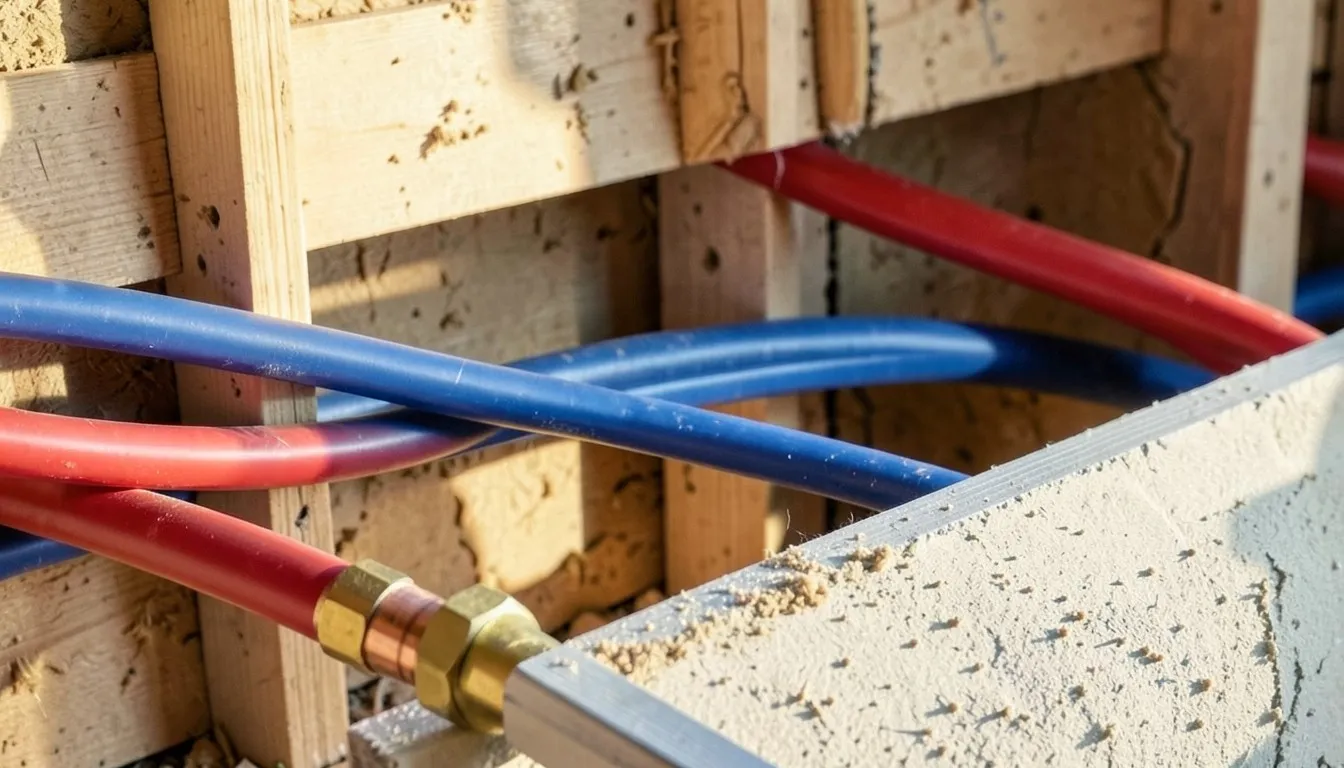
Galvanized supply lines and cast iron drain systems from the 1880s–1940s are past their 40–70-year design life across much of Philadelphia. Interior rust scale progressively narrows pipe bore. Plumbers here routinely scope supply lines before quoting any repair — the underlying pipe condition often makes full replacement more cost-effective than patching.
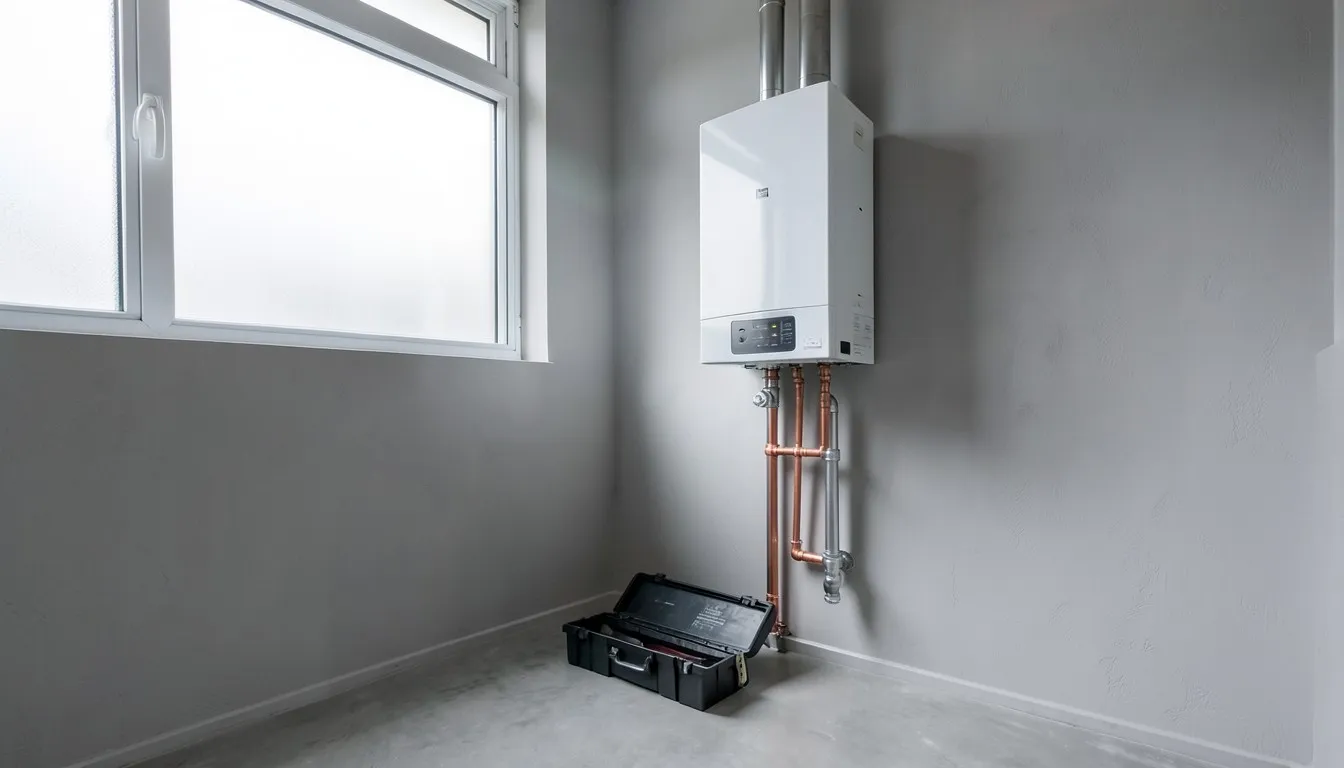
4–7 GPG produces gradual scale that stays manageable with standard maintenance intervals in Philadelphia — annual flushing, cartridge cleaning every 1–2 years. Equipment runs near design lifespan. The primary water quality driver here is preventive maintenance rather than emergency replacement, which distributes service demand more evenly across the calendar.
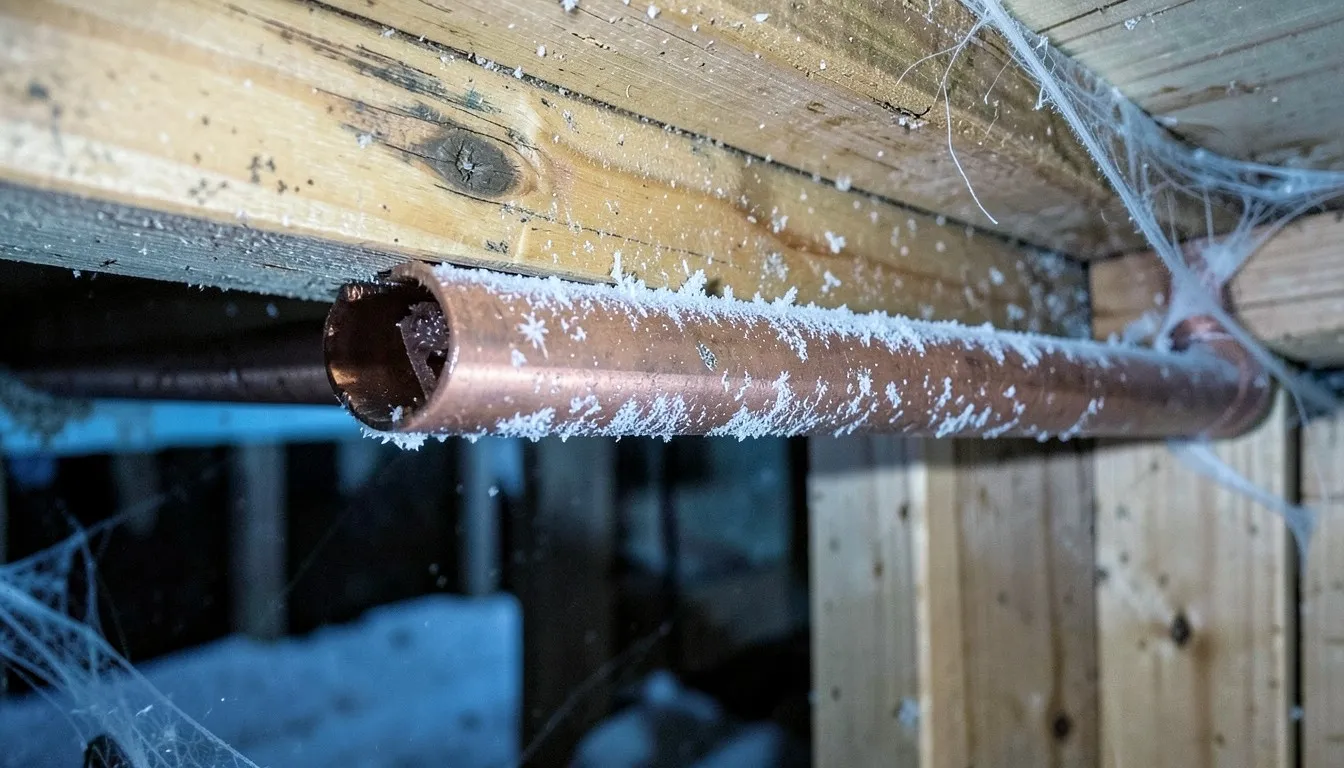
The primary surge in Philadelphia runs January–March, with a secondary wave at the spring thaw — when pipes that held through the freeze rupture as pressure is restored above 32°F. Scheduling competition peaks exactly when emergency calls are highest. Homeowners who wait for visible damage compete for the same limited plumber slots at the worst possible time.
Why diagnose before repairing in Philadelphia?
Describe the symptom — not the repair. AlertPlumber routes the call to an independent PA-licensed plumber in its partner's network — ask whether the site visit will use camera tracing, acoustic detection, or hydrostatic pressure testing matched to the reported failure type.
Ask the plumber for a written diagnostic report: confirmed failure location, available repair methods, and tradeoffs — disruption level, material durability, long-term cost, and whether a Philadelphia building permit applies to the selected method.
You select the repair path. Ask for a fixed scope and price on the authorized method before the Pennsylvania-licensed plumber proceeds and, where required, who files the permit application to Philadelphia.
Hydro Jetting cost calculator — Philadelphia
Pre-filled for hydro jetting in Philadelphia. Adjust the ZIP for a neighboring area, or change the service to compare. Calculator pulls from the city's scraped permit-fee + state plumber-density data.
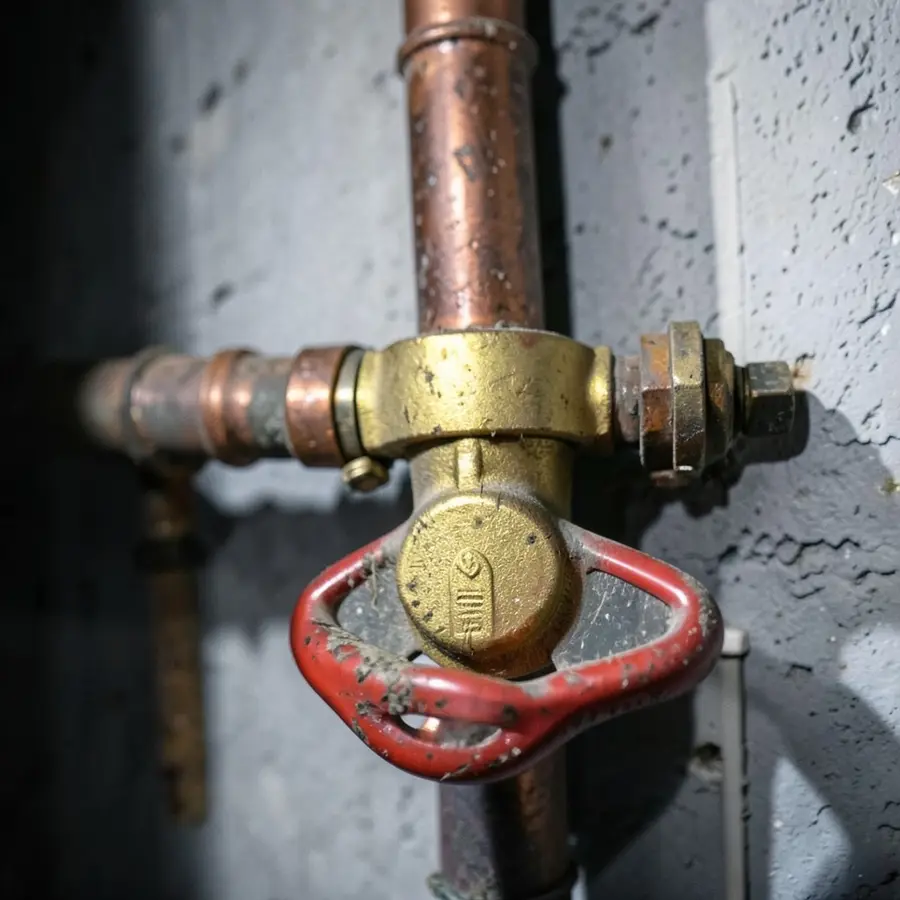
Hydro Jetting in Philadelphia — the longer it runs, the more it costs.
Slow failures compound: soft pipe walls, root penetration, mineral buildup. Ask the plumber you reach for a scope-first estimate before anything is dug up.
What else do people ask about hydro jetting in Philadelphia?
How much does hydro jetting cost per linear foot in Philadelphia?
Hydro jetting in Philadelphia averages a scope-based price for a residential 4-inch lateral, which works out to a scope-based price for the typical 50-80 foot Society Hill or South Philly rowhouse run from cleanout to PWD curb tap. Add a separate charge for the mandatory pre-jet camera scope — non-negotiable on any home pre-dating 1900, and the colonial-era stock between Pine Street and Spruce Street routinely returns laterals laid in the 1850s-1880s with original 1700s vitrified clay segments still in service. The City of Philadelphia Department of Licenses and Inspections (L&I) plumbing permit fee per L&I, 2024 does NOT apply because the IPC classifies jetting as maintenance, not construction, per IPC § 707. Cleanout access work — common on Old City rowhouses where the lateral predates modern two-way fittings — adds first time. Price ranges: hydro jetting cost guide.
What symptoms tell a Philadelphia homeowner the lateral needs jetting now?
Five symptoms map to the failure mode. (1) Multiple drains gurgle at once — basement floor drain bubbles when you flush the second-floor toilet in a Northern Liberties rowhouse: the main lateral stack to the PWD tap is restricted. (2) Slow kitchen drains across the whole stack — a Fishtown 1900s rowhouse with original cast-iron drops 25-35% diameter to FOG buildup over 80 years. (3) Sewer odor in the basement laundry of a Mt. Airy 1920s mansion — joint-separated clay under an oak canopy is the classic root-intrusion fingerprint. (4) Backups during heavy rain — PWD's combined sewer system surcharges during summer thunderstorms and pushes flow back up partially-blocked Society Hill laterals. (5) Recurring clogs that snake-only fixes for 60-90 days then return — scale or grease the cable can't clear. Camera-scope first to confirm the lateral can take 1,500-2,200 PSI before jetting on any pre-1900 stock.
Why does Philadelphia housing stock need hydro jetting more than newer cities?
Philadelphia is the oldest large American housing market — older than Baltimore's Federal Hill, older than any colonial-era city in the country. Society Hill, Old City, and parts of Queen Village still contain occupied rowhouses built between 1700 and 1790 — actual Revolutionary-era structures with original 4-inch vitrified clay or wood-stave laterals retrofitted to the city sewer when PWD took over private cesspools in the 1850s. South Philly, Fishtown, and Northern Liberties layer 1890s-1920s clay over the 1700s grid. Mt. Airy and Chestnut Hill 1920s-30s mansions sit under 80-year-old red oak and silver maple canopies that drive root intrusion at every clay joint. The South Street and East Passyunk Avenue restaurant corridor pushes commercial-grade FOG into shared rowhouse laterals. Layer in 7-9 gpg moderate water hardness from the Schuylkill River and Delaware River basin — PWD's two source watersheds per Philadelphia Water Department, 2024 — and you get the slow scale buildup that makes 5-10 year preventive jetting standard practice on the 80-year median Philly home.
How does root cutting work under Mt. Airy and Chestnut Hill oak canopies?
The matched plumber lowers a chain-tipped or rotating-blade root nozzle through the cleanout, jets the lateral at 2,200-2,800 PSI on Mt. Airy 1920s-30s clay (which is younger and thicker-walled than Society Hill colonial clay, so it tolerates higher pressure), and the spinning carbide blades shred the root mass at the joint. Debris flushes downstream to the PWD curb tap. Mt. Airy and Chestnut Hill silver maples and red oaks have aggressive lateral root systems that find every separated clay joint within 8-12 feet of the trunk — a 75-year-old oak in front of a 1928 stone twin will re-infiltrate the same joint every 18-30 months. Per NASSCO PACP standards, root cuts are documented at footage marks so the next 24-month cycle targets the same joints. Permanent fix is CIPP lining or trenchless pipe burst replacement — covered in the sewer line repair guide.
What PSI is right for jetting a Society Hill 1700s clay lateral?
1,500-2,200 PSI at 4-7 GPM is the ceiling for any Society Hill, Old City, or Queen Village lateral that scope-confirms as original colonial-era vitrified clay or wood-stave conversion. That's lower than the 1,800-2,500 PSI window used in Baltimore Federal Hill 200-year stock and substantially lower than the 3,500-4,000 PSI standard for post-1970 PVC. Why: 1700s clay was hand-thrown, fired at lower temperatures than 19th-century vitrified clay, and 250+ years in saturated Schuylkill River alluvial soil leaves wall thickness compromised in unpredictable ways. Wood-stave laterals — used in early-1800s Philadelphia retrofits — disintegrate above 1,800 PSI. Northeast Philly and Mayfair 1950s-70s clay-PVC mixed stock tolerates the standard 2,800-3,500 PSI residential range. Mt. Airy 1920s-30s clay handles 2,200-2,800 PSI. The matched plumber sets pump pressure based on what the camera scope confirms about pipe age, joint condition, and wall thickness — never default to maximum on a Philly colonial lateral.
How often should a Philadelphia rowhouse jet preventively?
Cadence is driven by neighborhood vintage and tree proximity. A Society Hill or Old City pre-1850 rowhouse with original clay: every 2-4 years if scope confirms the pipe can still take 1,500-2,200 PSI, otherwise CIPP-line first then jet annually. South Philly or Fishtown 1900s rowhouse with mid-life cast iron: every 4-6 years. Mt. Airy or Chestnut Hill 1920s-30s under oak canopy: every 18-30 months — root regrowth dictates the cycle. Northeast Philly or Mayfair 1950s-70s: every 6-10 years. Center City restaurant lateral on South Street, East Passyunk, or Old City: every 9-15 months because of FOG load. Post-2000 PVC anywhere in the city: reactive only. The 80-year median Philadelphia home with mixed-vintage neighborhood pressure puts most owner-occupied stock on a 4-7 year preventive cadence.
Does a PA HO-3 sewer endorsement cover Philadelphia jetting?
A standard Pennsylvania HO-3 homeowner policy excludes service-line backups by default. The optional water/sewer backup endorsement — added to the PA HO-3 — covers cleanup of damage caused by a backed-up sewer line, but it does NOT cover the jetting service itself or the lateral repair upstream of the city tap. PWD owns and maintains the sewer main in the street; the homeowner owns the lateral from the foundation to the property line connection per PWD service line policy. Per Pennsylvania Insurance Department, 2024, ask your carrier for two specific endorsements: water/sewer backup (interior cleanup) and service line coverage (lateral repair to the curb). Society Hill and Old City colonial-era lateral repairs run a scope-based price — service line coverage is the difference between an annoying surprise and a financial event. Price ranges: hydro jetting cost guide.
How long does a Philadelphia jetting visit actually take?
Standard residential jetting on a 50-80 foot rowhouse lateral runs 90 minutes to 3 hours total: 20-30 minutes to set up the rig, locate the cleanout, and run the pre-jet camera scope; 45-90 minutes for the jet pass at the PSI the camera supports (1,500-2,200 on Society Hill colonial clay, 2,800-3,500 on Northeast Philly mid-century, 3,500-4,000 on post-2000 PVC); 20-30 minutes for the post-jet scope and footage marker documentation. Old City and Society Hill rowhouses where the cleanout sits below sidewalk grade or behind a 18th-century stone foundation add 30-60 minutes. Mt. Airy and Chestnut Hill twins with detached cleanout access usually run shorter. Restaurant laterals on South Street or East Passyunk with grease-trap interaction run 4-6 hours because the trap has to be pumped first.
What permit and credential does a Philadelphia plumber need?
The plumber needs a Master Plumber license registered with the City of Philadelphia Department of Licenses and Inspections (L&I) per Philadelphia L&I plumbing licensing, plus active Pennsylvania state credentialing through the PA Department of Labor & Industry Uniform Construction Code program. Hydro jetting itself requires no separate permit because L&I classifies it as maintenance — but any lateral repair, replacement, or CIPP lining the camera scope flags DOES trigger the L&I plumbing permit and an inspection. PWD has separate authority over the curb-tap connection and combined sewer overflow (CSO) compliance per EPA NPDES CSO program. Verify the matched plumber's L&I license number before authorizing any repair scope identified by the jetting visit. Permit fee ranges: permit fee estimator.
How do I check the license of plumbers in Philadelphia?
The partner network requires every plumber routed through AlertPlumber for hydro jetting in Philadelphia to maintain active Pennsylvania state-credentialed status plus City of Philadelphia L&I Master Plumber registration. Per PA Dept of Labor & Industry, 2024, hydro jetting requires specialty equipment plus operator training because high-pressure water cutting is an OSHA-recognized fluid-injection hazard. Camera-scope-first is the verified workflow on any Society Hill or Old City pre-1850 lateral — the matched plumber refuses to jet colonial clay above 2,200 PSI without scope confirmation. Local context. Society Hill, Old City, and Queen Village 1700s-1850s rowhouses with original vitrified clay or wood-stave laterals dominate the colonial core. South Philly, Fishtown, and Northern Liberties layer 1890s-1920s clay. Mt. Airy and Chestnut Hill 1920s oak-canopy mansions drive root-cut work. Northeast Philly and Mayfair 1950s-70s tract clay-PVC mixed runs the standard residential PSI range. South Street, East Passyunk, and Old City restaurant grease push commercial FOG into shared rowhouse laterals. 1,576,251 Philadelphia residents, 80-year median home age, 92 freeze days/yr, 7-9 gpg moderate Schuylkill/Delaware basin water, and PWD combined sewer overflow regulatory framing per EPA NPDES weight the work toward camera-first colonial-clay descaling and oak-canopy root cuts on the lower end of the residential PSI spectrum.
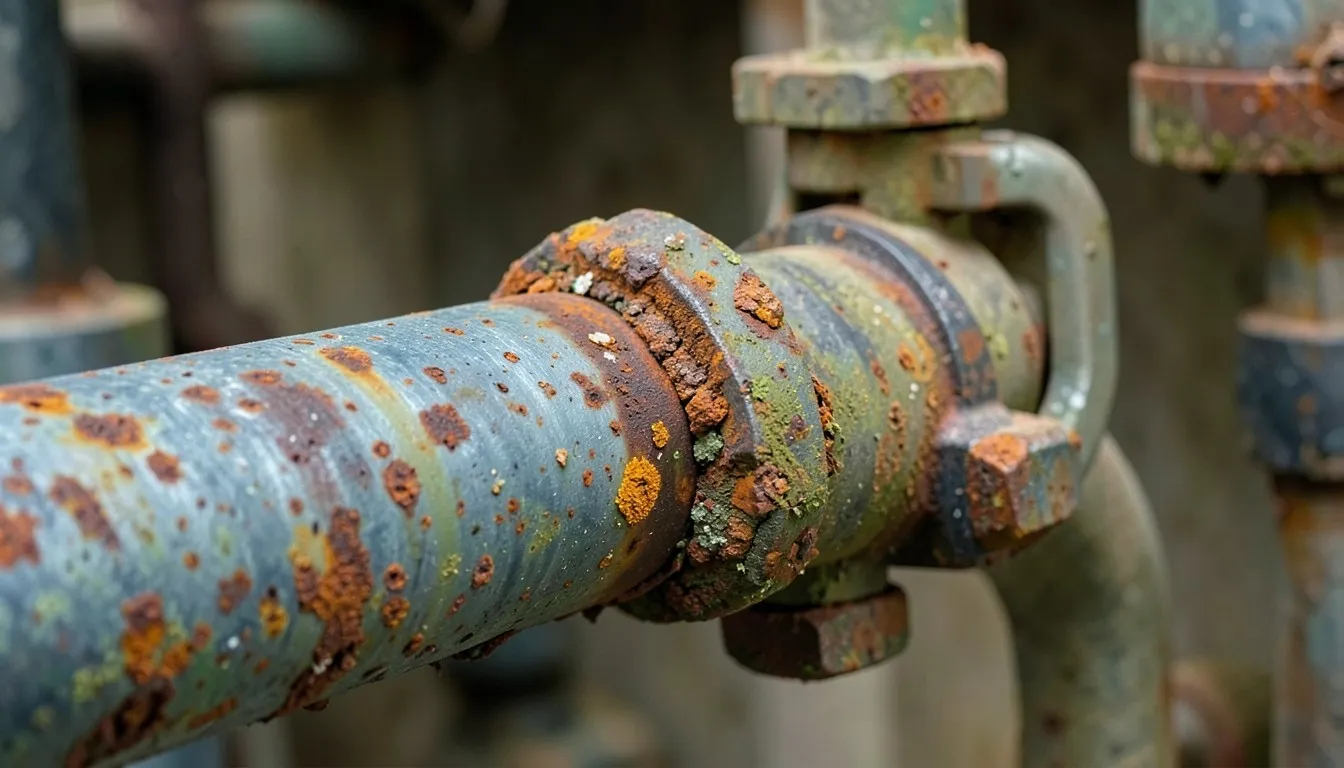
The fix gets cheaper the sooner a plumber sees it.
Degradation problems compound quietly. Call now, or use the form below to reach an independent Pennsylvania plumber, and ask for an estimate for the hydro jetting — you are under no obligation.
Need a hydro jetting callback in Philadelphia?
In a meeting, with the kids, or just prefer not to call? Drop your ZIP and number below. AlertPlumber sends your request to our routing partner — if a participating plumber serves your area, they may call you back directly. For anything urgent, call the number on this page.
- 1 Submit your info. ZIP, phone, and what kind of work you need.
- 2 AlertPlumber passes it on to our routing partner for your area.
- 3 If a participating plumber serves your area, they may call you back. Ask for a written estimate before work starts.
Hydro Jetting in Philadelphia — catch it early
Degradation-driven failures worsen over time and cost more to fix the longer they run. Ask the independent PA plumber you reach in Philadelphia to diagnose your specific condition and put the scope in writing before any work begins.