
Emergency Sewer Line Repair in San Francisco, California
Sewer Line Repair in San Francisco, California repairs broken or root-invaded sewer lines via spot repair, lining, or trenchless methods. Local conditions in San Francisco: water measured at 1.0, a 0 frost line and a median home age of 86 years.
Camera first, quote second — know exactly what's wrong in your San Francisco home before you approve a dollar.
What does the local plumbing data show for San Francisco, CA?
Seeing these conditions at your place in San Francisco? A state-licensed plumber can confirm it over the phone — free, no obligation.
What are the pipe conditions in San Francisco, CA?
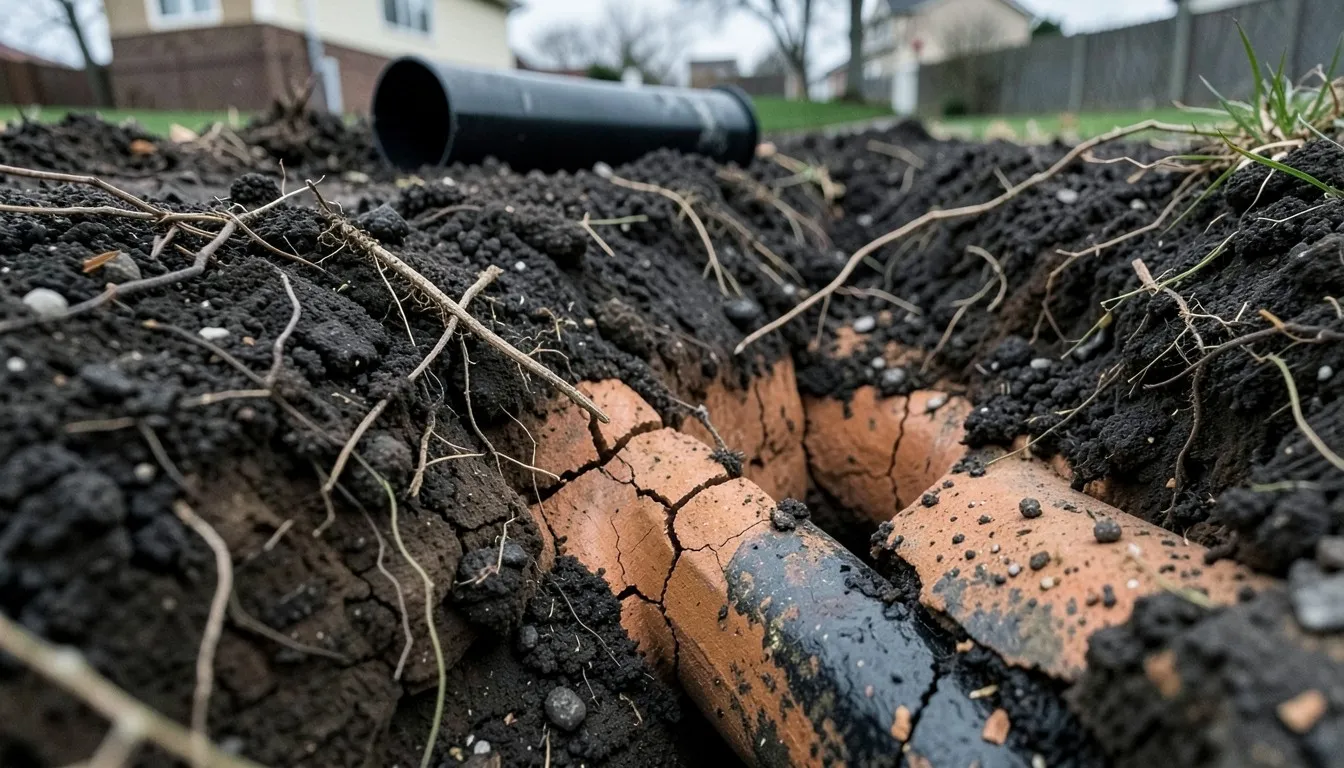
Sewer line failures in San Francisco follow predictable patterns by pipe material and installation era: clay tile joints separate and admit root intrusion; Orangeburg pipe (1940s–1960s) compresses under soil load; cast iron corrodes at horizontal runs where standing water accelerates deterioration. A camera scope before excavation is critical — it confirms whether a spot repair is viable or whether replacement of the full lateral is the smarter investment. AlertPlumber routes your request to a California-licensed plumber who completes the scope before quoting the repair.
Pre-war housing in San Francisco — median home age 86 years — commonly carries galvanized steel supply lines installed before the copper era. Galvanized pipe corrodes from the inside out: internal oxidation gradually narrows bore diameter, reduces water pressure, and eventually results in pinhole failure at corroded sections. Inspection confirms whether scale and corrosion warrant section replacement or full repipe.
- Median home age
- 86 yrs
- Water hardness
- 1.0 gpg
- Frost line
- 0 in.
- Permit
- $285
A licensed CA plumber reads these conditions the moment you describe the symptom.
What local infrastructure shapes Sewer Line Repair in San Francisco?
At 86 years median housing age, San Francisco's residential lateral stock is predominantly clay tile and cast iron installed during the Edwardian and Depression-era construction waves that built out the Mission, Richmond, Sunset, and Excelsior districts. Pre-1906 earthquake construction in Nob Hill and Pacific Heights used lead-jointed cast iron laterals in some instances, though most of the surviving stock dates from post-earthquake reconstruction.
San Francisco's subsurface geology is highly variable: Franciscan mélange serpentinite and chert under the hills, Bay Mud fill in the Mission District and SOMA, and sand dunes fill in the Sunset and Richmond. The Bay Mud fill areas are particularly problematic — the soft, compressible marine sediments that were used to reclaim waterfront land settle continuously under load, creating grade reversal sections and joint displacement in clay tile laterals installed before the settlement stabilized.
San Francisco Public Utilities Commission requires permits for all lateral work, with fees at $285 — among the highest in the country for residential scope. SFPUC's Sewer System Improvement Program has been upgrading trunk mains across the city, and lateral work scheduled in active SSIP corridors may benefit from combined trench coordination. CIPP lining is viable where camera inspection confirms bore integrity and deflection within NASSCO criteria; cast iron corrosion in pre-war stock can thin pipe walls below minimum liner-host requirements, defaulting those sections to pipe bursting or open-cut replacement.
What shapes plumbing demand in San Francisco, CA?
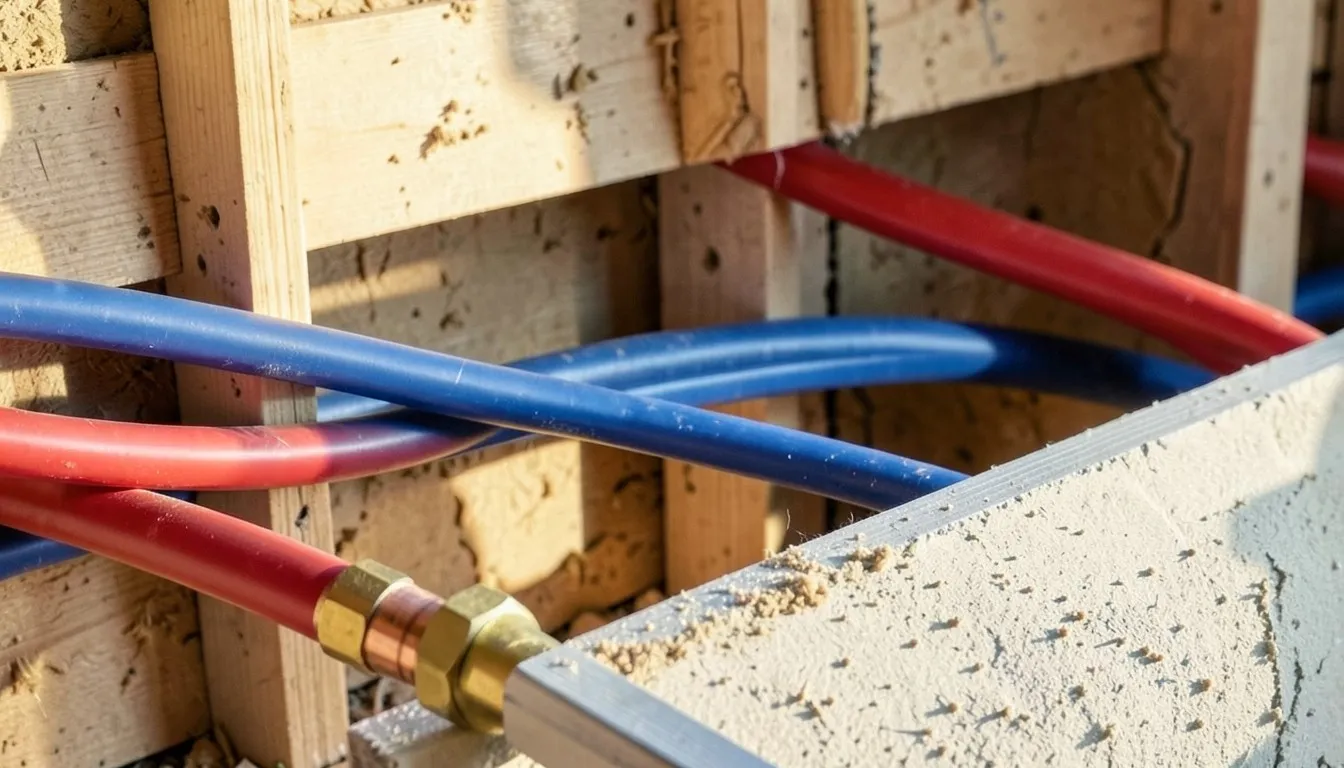
Galvanized supply lines and cast iron drain systems from the 1880s–1940s are past their 40–70-year design life across much of San Francisco. Interior rust scale progressively narrows pipe bore. Plumbers here routinely scope supply lines before quoting any repair — the underlying pipe condition often makes full replacement more cost-effective than patching.
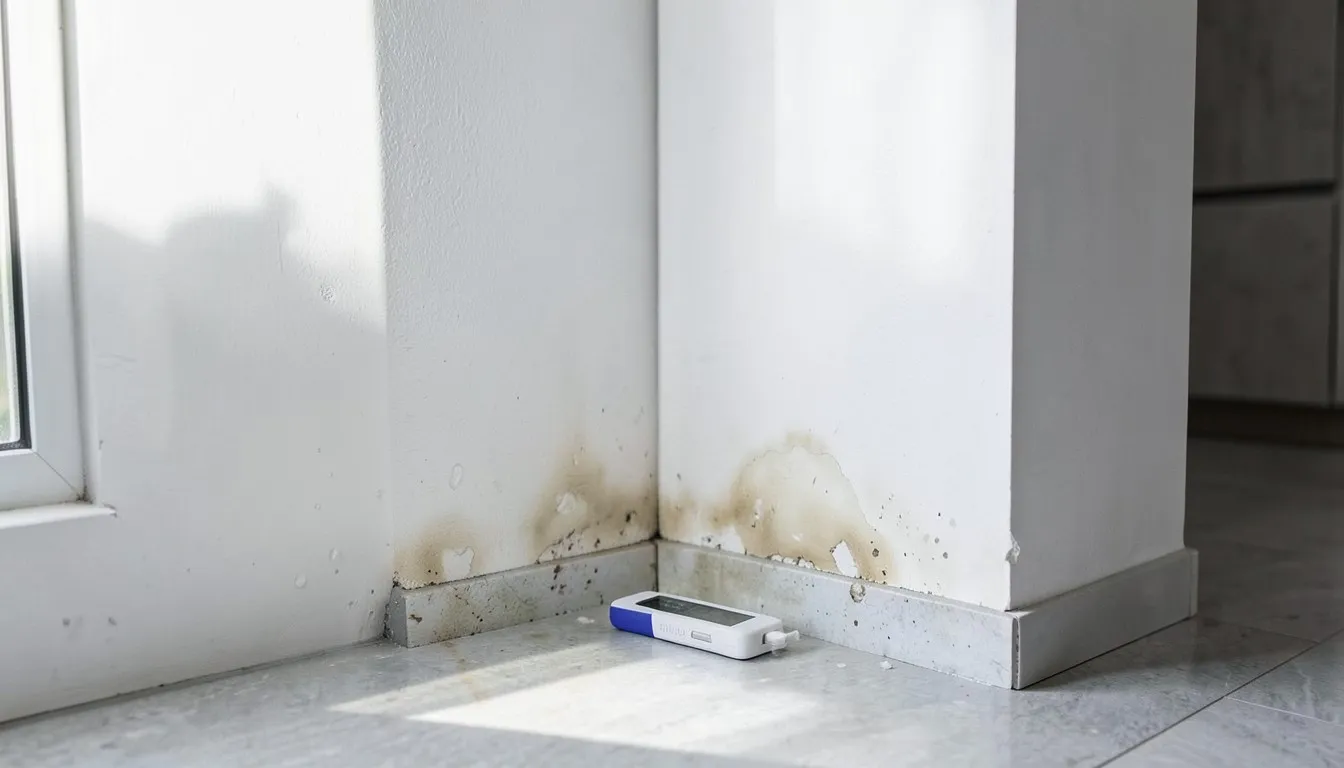
Soft, slightly acidic water in San Francisco is corrosive to copper pipe and solder joints — the opposite failure pattern from hard-water markets. Pinhole failure at fittings and elbows is the dominant non-emergency repair category. Anode rods also deplete faster in soft water, shortening effective tank life without timely replacement.
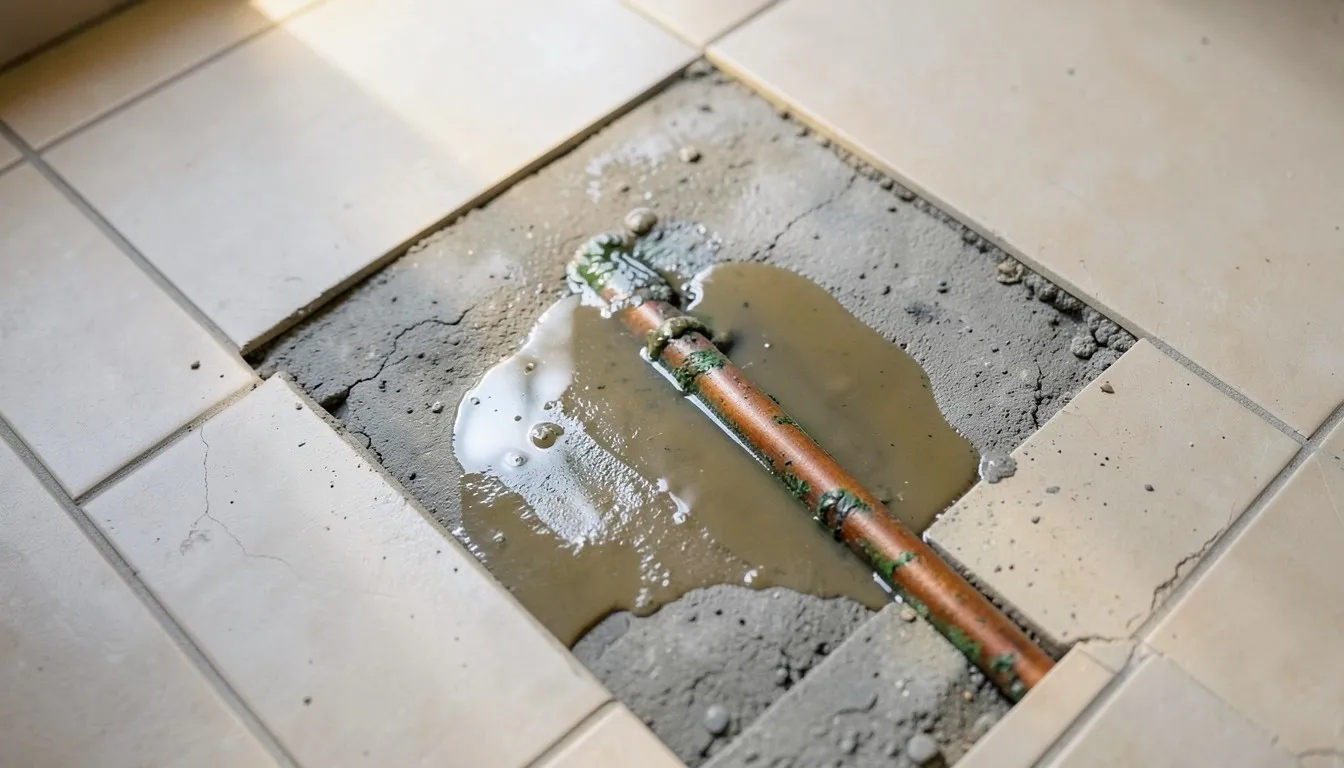
Summer heat above 95–115°F in San Francisco keeps sediment in suspension inside tank water heaters — accelerating element failure instead of allowing sediment to settle and flush. Attic-mounted supply lines face diurnal thermal stress year-round. Root intrusion concentrates around irrigated landscaping rather than distributing evenly across the full sewer lateral path.
Why diagnose before repairing in San Francisco?
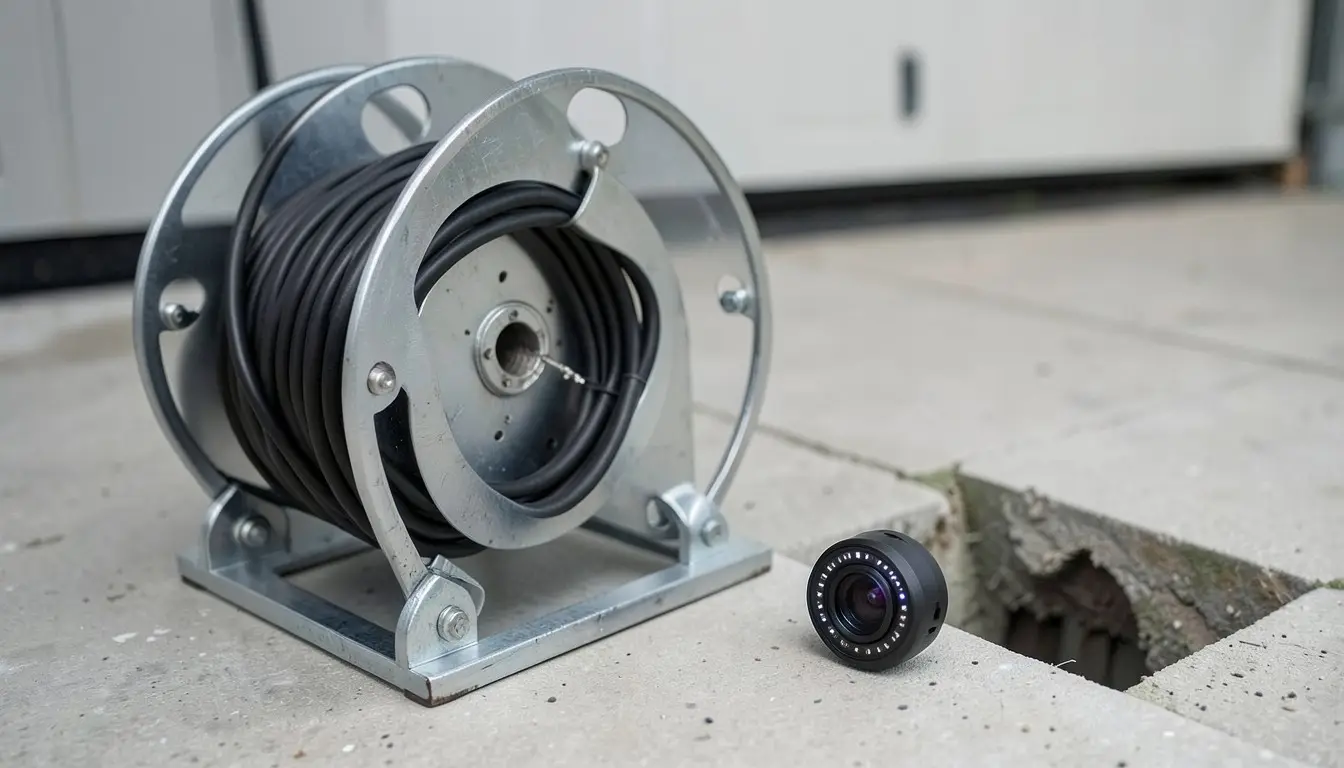
Describe the symptom — not the repair. AlertPlumber routes to a CA-licensed plumber trained in diagnostics. The site visit uses camera tracing, acoustic detection, or hydrostatic pressure testing — matched to the reported failure type.
The plumber delivers a written diagnostic report: confirmed failure location, available repair methods, and tradeoffs — disruption level, material durability, long-term cost, and whether a San Francisco building permit applies to the selected method.
You select the repair path. The California-licensed plumber proceeds on the authorized method with a fixed scope and price. Where required, the permit application to San Francisco is handled by the contractor.
Sewer Line Repair cost calculator — San Francisco
Pre-filled for sewer line repair in San Francisco. Adjust the ZIP for a neighboring area, or change the service to compare. Calculator pulls from the city's scraped permit-fee + state plumber-density data.
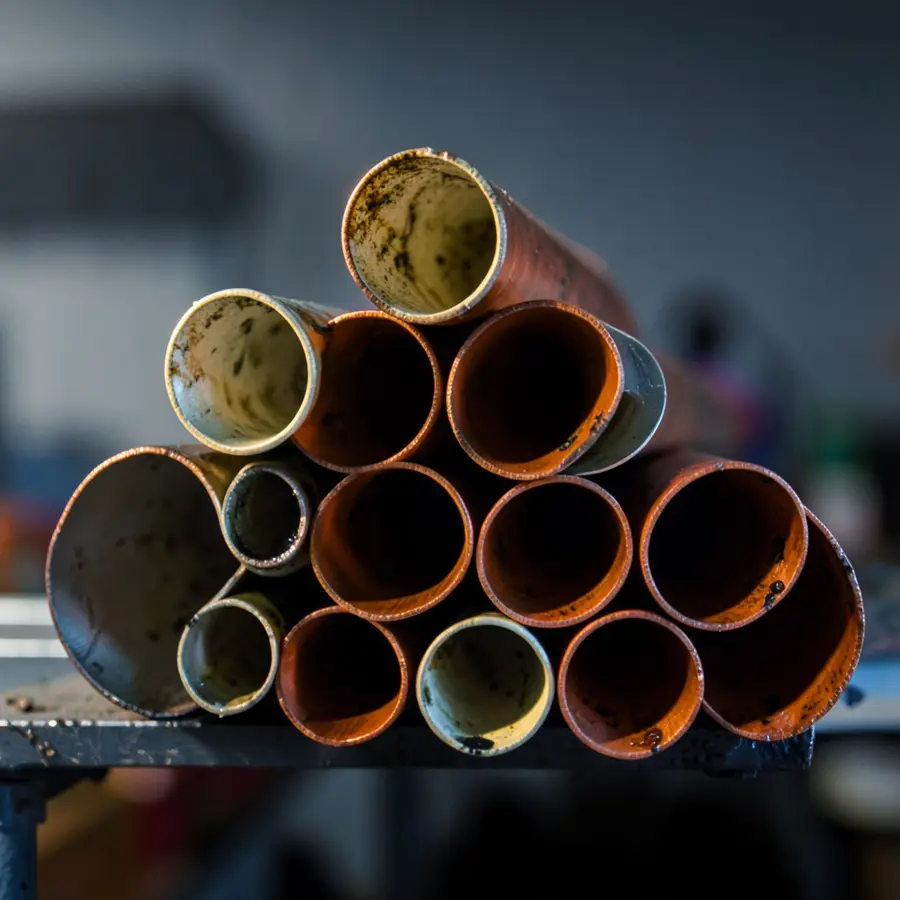
Sewer Line Repair in San Francisco — the longer it runs, the more it costs.
Slow failures compound: soft pipe walls, root penetration, mineral buildup. A verified plumber calls back with a scope-first estimate before anything is dug up.
What else do people ask about sewer line repair in San Francisco?
How much does sewer line repair cost in San Francisco?
San Francisco sewer line costs depend on method: $1,800–$4,500 for spot repair (excavate one section, splice in new PVC), $5,500–$12,500 for CIPP trenchless lining, and $7,500–$18,000 for full lateral replacement (trenched or pipe-bursting). Frost line at 0 inches drives excavation depth in San Francisco. The $285 city permit fee applies to any open-trench work. The pre-job camera scope ($150–$350) determines which method matches your specific lateral condition.
How long does sewer line repair take in San Francisco?
Spot repair: 1 day typical in San Francisco, longer if access is under driveway or hardscape. CIPP trenchless lining: 1–2 days plus 24 hours cure. Full trenched replacement: 3–5 days for a 50-ft lateral on a typical San Francisco lot. Pipe bursting: 2 days. San Francisco permits + inspections add 24–48 hours of scheduling overhead. The matched plumber confirms the access plan during the pre-job camera scope so you know what to expect before excavation starts.
What permit do I need for sewer line repair in San Francisco?
Sewer lateral work in San Francisco requires a city plumbing permit ($285) issued by the local building department per California adoption of the International Plumbing Code Chapter 7. The state-credentialed California plumber pulls the permit on your behalf. 811 (USA Dig Safety) must be called 48–72 hours before any excavation regardless of permit status — this is a federal requirement, not optional. San Francisco permit fee is $285; the city follows California-adopted IPC Chapter 7 lateral standards and requires the California-credentialed plumber to call 811 (USA Dig Safety) 48–72 hours before excavation. Frost line at 0 inches drives excavation depth.
Trenchless vs full excavation — which works in San Francisco?
Trenchless (CIPP lining or pipe bursting) works when the host pipe is structurally sound enough to accept the liner or burster — verified by camera scope. San Francisco laterals from 86+-year-old homes are mixed: clay tile (CIPP-friendly until severely cracked), cast iron (lining works, bursting only if metal is intact), or Orangeburg 1948–1972 (NEITHER works — full replacement only). The pre-job camera tells you which path applies; a plumber who quotes a method without scoping the line first is guessing.
How do I know my San Francisco sewer line is failing?
The diagnostic symptoms in San Francisco:
- Multiple drains slow at once — single-fixture clog goes downstream into a lateral problem
- Sewer smell in yard or basement after rain
- Recurring clogs that snake-clear but return within months
- Sinkholes or dips in lawn over the lateral path
- Backed-up floor drains in basement
Will California homeowners insurance cover San Francisco sewer line repair?
Standard California HO-3 policies do NOT cover sewer line replacement (treated as maintenance/wear-and-tear), but they typically cover sewage backup damage to the home (mold, drywall, flooring) IF you have a sewer-backup endorsement. San Francisco homes built 86+ years ago should add this endorsement — typical cost $50–$120/year for $5,000–$10,000 coverage. Document the failure with the plumber's camera footage + invoice for the strongest claim case.
What's the most common cause of sewer line failure in San Francisco?
Pre-1906-earthquake + post-fire reconstruction housing stock with 100-year-old galvanized + cast-iron systems drives constant repipe demand. Coastal salt-air corrosion, soft Hetch Hetchy water (1 gpg), seismic-strap requirements. No freeze risk. The pathology that drives most San Francisco sewer failures: tree-root intrusion at clay-lateral joints (heaviest in mature neighborhoods with established trees), bellied sections from soil settlement, cast-iron channeling along the bottom of the pipe in homes 50+ years old, and Orangeburg pipe collapse in pre-1972 construction. The pre-job camera scope identifies which is driving your failure so the matched plumber picks the right repair method. For San Francisco properties at 808,437 population on the San Francisco Public Utilities Commission system, sewer-backup insurance endorsements are increasingly important — California HO-3 standard policies don't cover sewer line repair (treated as maintenance), but DO cover backup damage with the rider.
Are AlertPlumber-matched plumbers verified for sewer work in CA?
The partner network requires every plumber routed through AlertPlumber for sewer work in San Francisco to maintain active California state-credentialed status. CA CSLB, 2024 Q4 lists 19,840 active CSLB C-36 statewide. California sewer work requires the higher-tier credential because sewer lateral repair affects shared infrastructure beyond the homeowner's property line. Verify any specific plumber via the state board lookup before authorizing excavation.
Do I need to call 811 before sewer work in San Francisco?
Yes — federally mandatory. 811 (USA Dig Safety) provides no-charge utility-locate marking 48–72 hours before any excavation in San Francisco. The matched plumber can submit the 811 ticket on your behalf, but the homeowner is the legal account holder and is liable for damages to unmarked utility lines. California state law adds additional notification requirements for shared private utilities (gas, fiber, irrigation) that 811 doesn't cover — confirm with the plumber during the pre-job walkthrough.
How long should the new sewer line last in San Francisco?
PVC schedule 40 sewer pipe (the standard for San Francisco new installations): 100-year design life per Plastic Pipe Institute. HDPE pipe-burst replacement: 50–100 years. CIPP epoxy liners: 50+ years per NASSCO standards. The bigger driver of San Francisco lateral lifespan is INSTALLATION quality — proper bedding sand, correct slope (1/4 inch per foot per IPC), and joint integrity matter more than pipe material. Insist on photos of the bedding before backfill. Local context. Pre-1906-earthquake + post-fire reconstruction housing stock with 100-year-old galvanized + cast-iron systems drives constant repipe demand. Coastal salt-air corrosion, soft Hetch Hetchy water (1 gpg), seismic-strap requirements. No freeze risk. 808,437 San Francisco residents and 86-year median home age put many laterals squarely in the 50–100 year clay/cast-iron failure window. Frost line at 0 inches drives San Francisco excavation depth requirements above national norms.
The fix gets cheaper the sooner a plumber sees it.
Degradation problems compound quietly. Call now, or use the form below and a licensed California plumber calls you back with a no-obligation estimate for the sewer line repair.
Need a sewer line repair callback in San Francisco?
In a meeting, with the kids, or just prefer not to hold? Drop your ZIP and number below. AlertPlumber routes your request to a verified plumber in your area — they’ll call you back directly.
- 1 Submit your info. ZIP, phone, and what kind of work you need.
- 2 AlertPlumber matches you with a verified plumber serving your area.
- 3 The plumber calls you back with a written estimate, no obligation.
Sewer Line Repair in San Francisco — catch it early
Degradation-driven failures worsen over time and cost more to fix the longer they run. A verified CA plumber in San Francisco diagnoses your specific condition and provides a written scope before any work begins.