
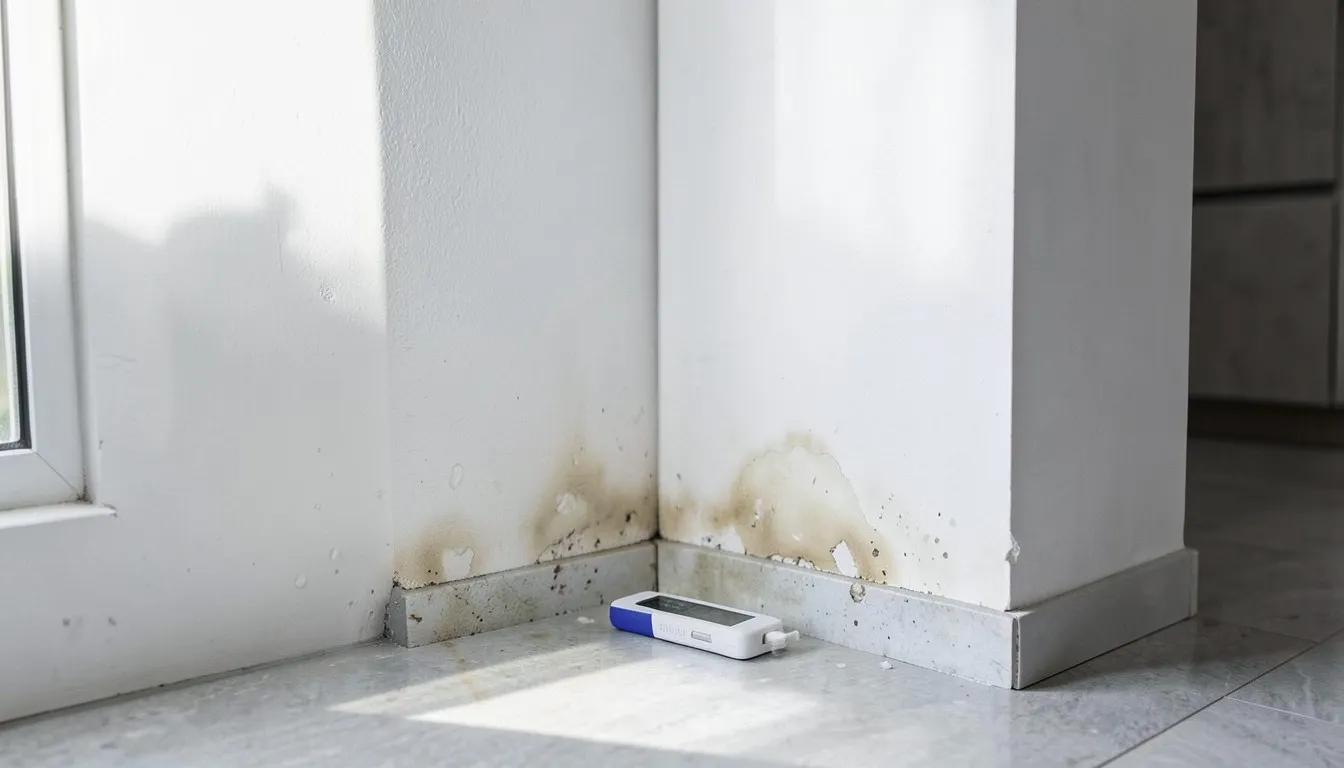
Emergency Leak Detection in Cleveland, Ohio
Leak Detection in Cleveland, Ohio locates hidden water and gas leaks using acoustic and thermal equipment. Local conditions in Cleveland: water measured at 6, a 42 frost line and a median home age of 78 years.
Camera first, quote second — know exactly what's wrong in your Cleveland home before you approve a dollar.
Who do I call for a hidden leak in Cleveland?
A plumber who offers leak detection. Ask what method they use (acoustic, thermal imaging or a pressure test) and whether finding the leak and repairing it are quoted separately. A hidden leak becomes urgent in a Cleveland home when water is visible on a ceiling, wall or floor.
What does the local plumbing data show for Cleveland, OH?
Seeing these conditions at your place in Cleveland? Describe them on the call to a state-licensed local plumber — free, no obligation.
What are the pipe conditions in Cleveland, OH?
Non-invasive leak detection uses acoustic amplification, thermal imaging, and pressure isolation to locate water loss in supply lines and drain systems without opening walls or floors. Cleveland homes with galvanized or older copper supply runs face the highest pinhole leak incidence — a slow leak inside a wall cavity can cause mold and structural damage for months before becoming visible. A professional leak detection prevents unnecessary demolition by confirming the exact break location before any drywall is cut. AlertPlumber connects your call with an independent Ohio-licensed plumber — ask them to locate first and open second.
Cleveland's water utility maintains an active lead service line (LSL) replacement program. With a median home age of 78 years, a portion of the housing stock may still have lead service laterals connecting the water main to interior supply — a consideration during any work near the service entry point. Ask a licensed plumber to confirm whether supply-side work requires utility coordination. Homes of other eras in Cleveland may have galvanized pipe, copper pipe or polybutylene supply lines instead; ask the plumber which your home has.
Frost line depth in Cleveland means supply lines and outdoor plumbing must be installed below the freeze threshold — typically 42 — to prevent pipe burst during cold events. Exterior hose bibs, irrigation shutoffs, and any exposed pipe runs are the most common winterization service points in freeze-risk markets.
- Median home age
- 78 yrs
- Water hardness
- 6 gpg
- Frost line
- 42 in.
- Lead lines
- Active replacement
- Permit
- City fee schedule
Census housing age, Cleveland city, Ohio: median year built 1941; 71.2% of homes built before 1960, 85.1% before 1980. Source: U.S. Census Bureau, ACS 2020–2024 5-year estimates, tables B25034 and B25035, read 2026-09-30.
Mention these conditions when you describe the symptom to the OH plumber you reach.
What local infrastructure shapes Leak Detection in Cleveland?
Pre-war housing averaging 78 years of age here contains more than 240,000 confirmed lead service lines — one of the largest inventories in the country relative to city size — alongside original galvanized interior supply runs in properties built before mid-century material transitions. Cleveland Water supply at approximately 6 grains per gallon is moderately hard, softening somewhat through the treatment process but retaining enough hardness to drive scale formation at galvanized-copper transition fittings.
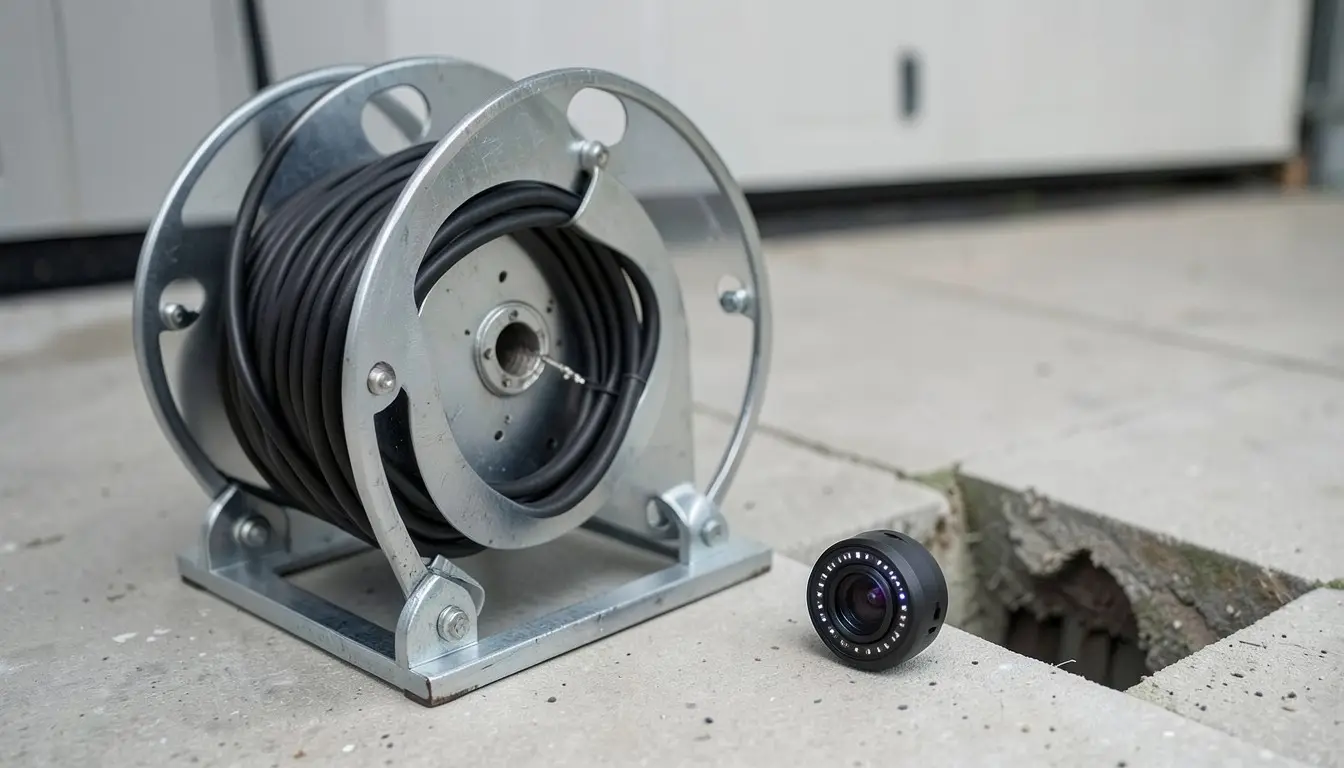
Tracer gas scanning covers the complete supply route in pre-war mixed-material properties when a pressure drop cannot be localized by accessible inspection alone. A 42-inch frost line depth here means basement-entry service connections experience significant seasonal stress, and clay-heavy Cuyahoga Valley soils shift with freeze-thaw cycles in ways that add mechanical load on corroded lead and galvanized joints. Camera inspection of accessible galvanized sections establishes whether bore constriction alone explains pressure-drop symptoms before destructive testing of wall cavities is authorized.
Cleveland's permit fee covers detection and repair work before wall or floor surfaces are closed. Ohio EPA lead service line replacement program eligibility should be verified before repair scope is finalized on pre-1951 properties, since confirmed lead connections may qualify for replacement cost assistance. Post-repair pressure testing is required before permit closure, and Cleveland Division of Water coordinates service-side shutoff for any work extending to the meter connection. Permit fee ranges: permit fee estimator.
What shapes plumbing demand in Cleveland, OH?
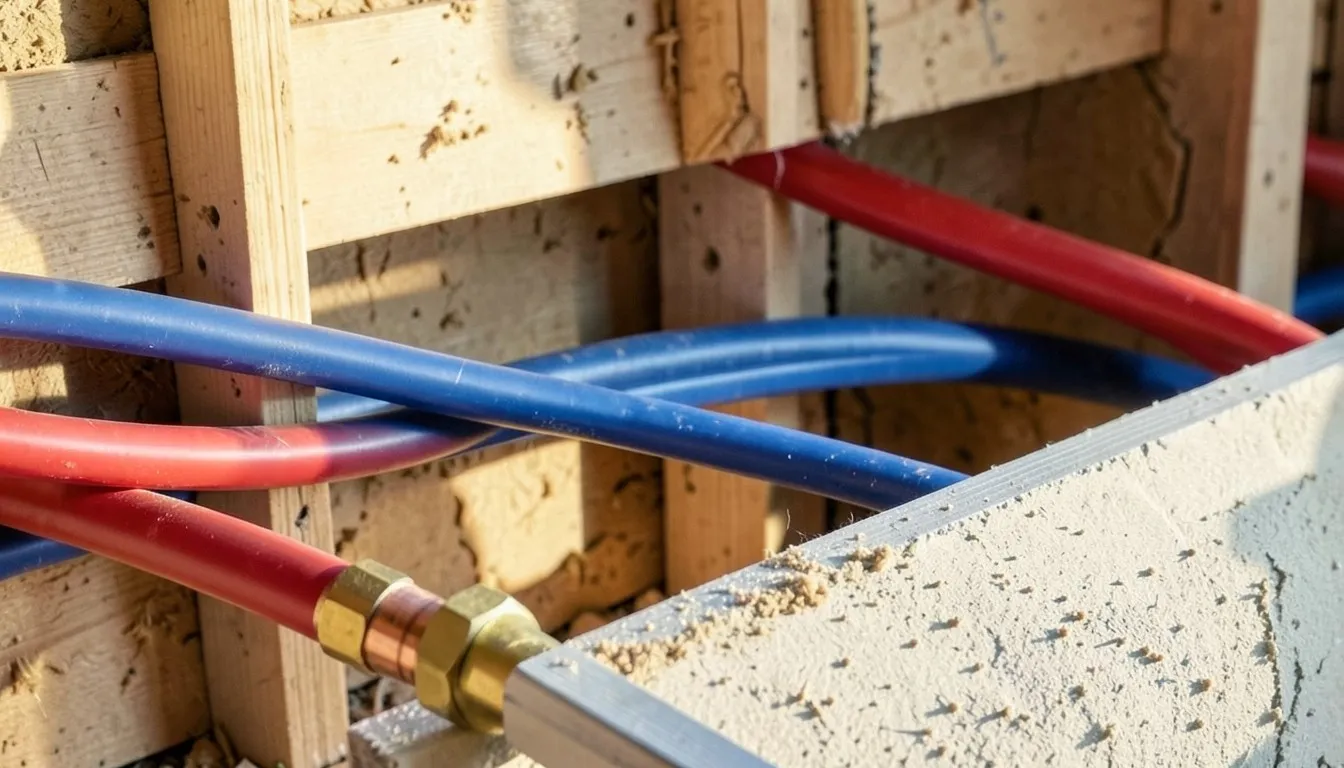
Galvanized supply lines and cast iron drain systems from the 1880s–1940s are past their 40–70-year design life across much of Cleveland. Interior rust scale progressively narrows pipe bore. Plumbers here routinely scope supply lines before quoting any repair — the underlying pipe condition often makes full replacement more cost-effective than patching.
4–7 GPG produces gradual scale that stays manageable with standard maintenance intervals in Cleveland — annual flushing, cartridge cleaning every 1–2 years. Equipment runs near design lifespan. The primary water quality driver here is preventive maintenance rather than emergency replacement, which distributes service demand more evenly across the calendar.
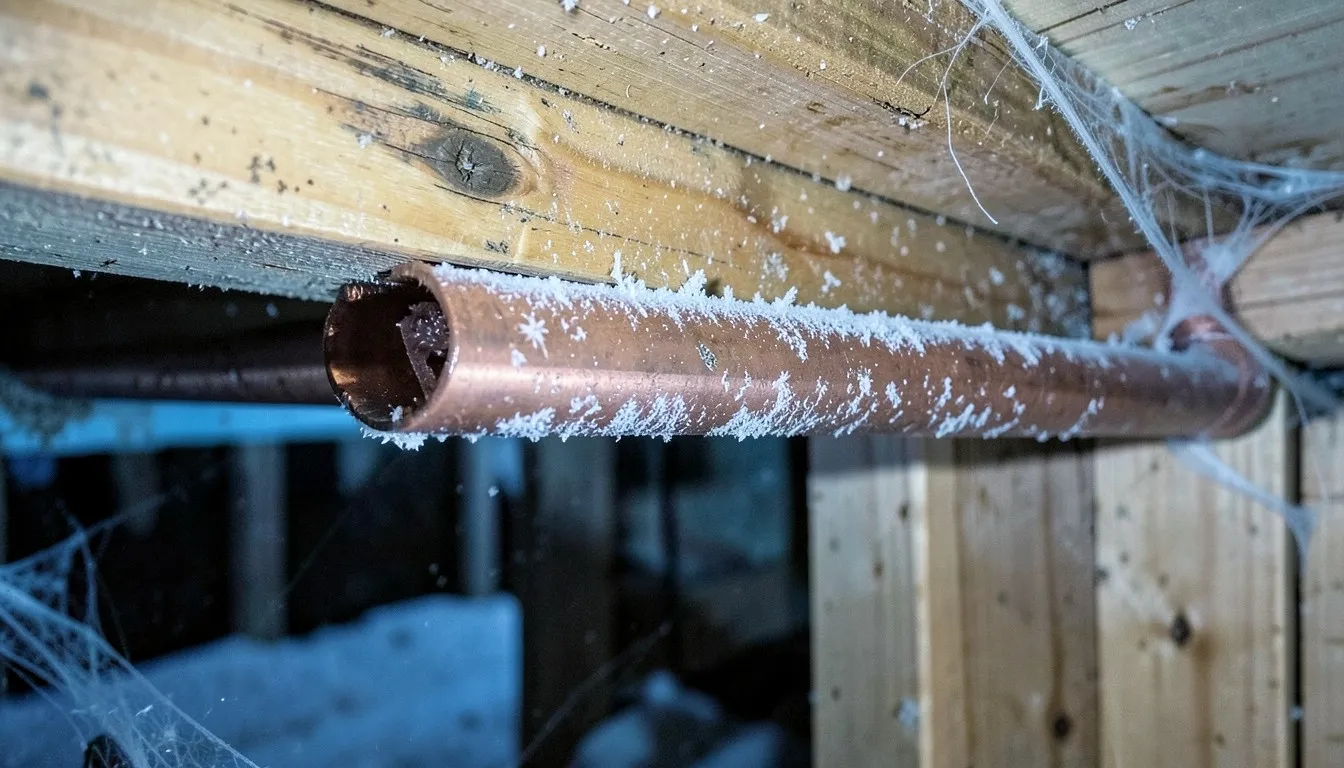
The primary surge in Cleveland runs January–March, with a secondary wave at the spring thaw — when pipes that held through the freeze rupture as pressure is restored above 32°F. Scheduling competition peaks exactly when emergency calls are highest. Homeowners who wait for visible damage compete for the same limited plumber slots at the worst possible time.
Why diagnose before repairing in Cleveland?
Describe the symptom — not the repair. AlertPlumber routes the call to an independent OH-licensed plumber in its partner's network — ask whether the site visit will use camera tracing, acoustic detection, or hydrostatic pressure testing matched to the reported failure type.
Ask the plumber for a written diagnostic report: confirmed failure location, available repair methods, and tradeoffs — disruption level, material durability, long-term cost, and whether a Cleveland building permit applies to the selected method.
You select the repair path. Ask for a fixed scope and price on the authorized method before the Ohio-licensed plumber proceeds and, where required, who files the permit application to Cleveland.
Leak Detection cost calculator — Cleveland
Pre-filled for leak detection in Cleveland. Adjust the ZIP for a neighboring area, or change the service to compare. Calculator pulls from the city's scraped permit-fee + state plumber-density data.
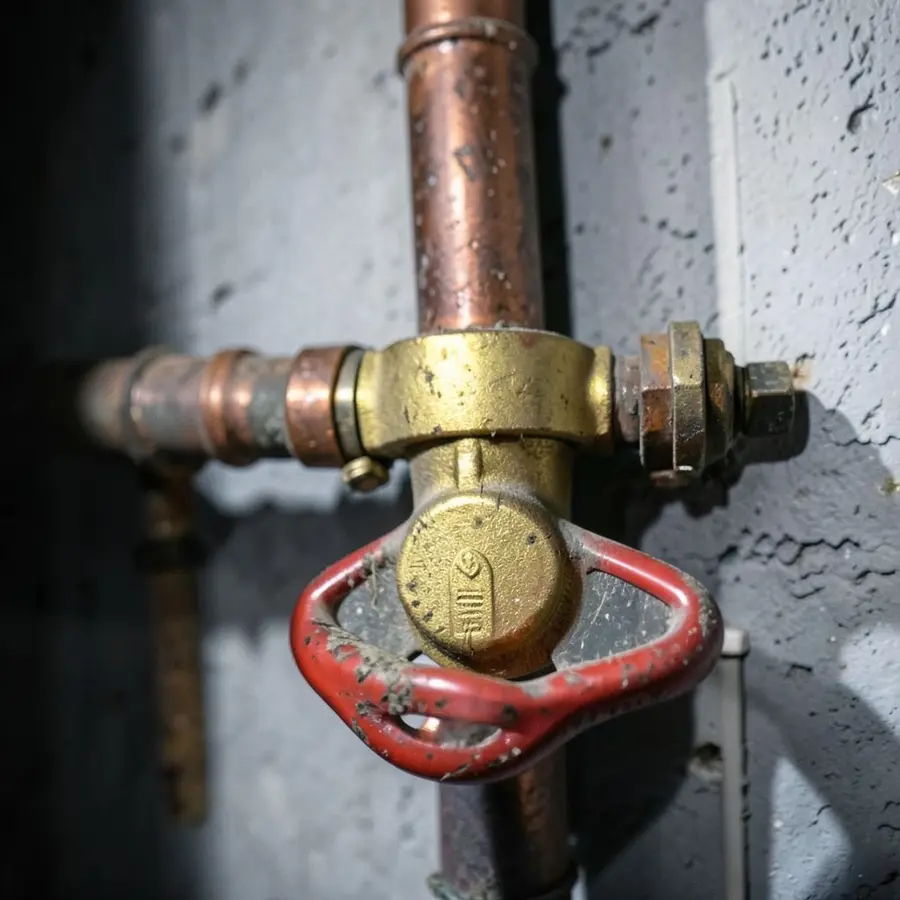
Leak Detection in Cleveland — the longer it runs, the more it costs.
Slow failures compound: soft pipe walls, root penetration, mineral buildup. Ask the plumber you reach for a scope-first estimate before anything is dug up.
What else do people ask about leak detection in Cleveland?
How much does professional leak detection cost in Cleveland?
A non-destructive detection workup in Cleveland runs flat, billed before any repair quote. The price reflects the city's pre-1940 housing stock complexity — Tremont, Ohio City, Slavic Village, and the older sections of Cleveland Heights and South Euclid carry brick exteriors with plaster-and-lath interior walls that complicate FLIR through-wall reads. The fee covers acoustic listening on the supply riser and any cast-iron stack, moisture-mapping of plaster ceilings below a suspected branch, FLIR thermal scan along rim joists and slab perimeters, and a static pressure-isolation test on the supply manifold. The detection fee is typically credited toward the repair when you book the same plumber. The City of Cleveland Building & Housing plumbing-repair permit at a scope-based price + inspection per Cleveland B&H 2024 is filed separately if the leak requires invasive work. AlertPlumber routes the call to one of approximately 9,480 OH OCILB credentialed plumbers and the matched plumber confirms the detection-fee number on the callback. Price ranges: leak detection cost guide.
What are the warning signs of a hidden leak in older-stock vs suburban Cleveland?
Cleveland's symptom profile splits sharply by housing era. Pre-1940 stock (Tremont, Ohio City, Slavic Village, University Circle row houses, parts of Lakewood): water staining on plaster ceilings under second-floor branches, "tide line" discoloration on lath-and-plaster walls, musty basement smell after a January cold snap (post-thaw rim-joist drip), frost visible on a basement rim joist during a Lake Erie polar-vortex event. 1950s-1980s suburban tract (Cleveland Heights newer sections, South Euclid, outer-belt subdivisions): warm spot on a slab kitchen floor, hairline grout cracks on a tile floor over a slab branch, water-heater pan drip in an attached garage. Across both: a 20%+ jump on the combined Cleveland Water + Cleveland sewer bill at the a scope-based price/kgal rate without an occupancy or appliance change is the most reliable trigger. With 130+ freeze days a year per NOAA NWS Cleveland, the leak is often a January or February burst that does not show until the March thaw. Price ranges: leak detection cost guide.
Which detection methods work best in Cleveland's plaster-and-lath housing?
For the pre-1940 brick + plaster-and-lath stock that dominates Tremont, Ohio City, and University Circle the priority is acoustic over thermal. FLIR cameras struggle to read through 100-year-old brick exterior plus interior plaster, lath, and any horsehair backing — the wall assembly insulates and diffuses thermal signal before the camera sees it. The Cleveland workflow runs in this order: (1) close-quarters acoustic with ground-microphone and headphones at the supply riser and any vertical cast-iron stack, (2) moisture-mapping of plaster ceilings directly below the suspect branch, (3) borescope through a 1-inch wall opening to confirm the drip path before opening more, (4) static pressure-isolation test on the supply side. For 1950s+ suburban slab-on-grade homes in South Euclid or outer-belt subdivisions, FLIR moves to first-line because the thermal pathway through 4-inch slab is direct. Cleveland's 240,000+ Cleveland Water LSL inventory means many older homes have lead or partially-replaced service lines on the buried side — the detection plumber notes this on the report because it shapes the repair scope.
Will Ohio homeowners insurance cover Cleveland leak detection and lead-line damage?
Ohio HO-3 policies cover detection invoices plus tear-out access when the leak qualifies as "sudden and accidental" — a January freeze-burst on a rim-joist supply line is paid; a slow weep on a 1920s galvanized branch that has been seeping for two years generally is not. The repair of the failed pipe itself is treated as wear-and-tear and excluded under standard language. Frozen-pipe damage is paid only if you maintained interior heat above the policy minimum (typically 55F) — a vacant Slavic Village property with the heat off voids that coverage. The Cleveland LSL angle adds a wrinkle: damage from a buried lead service line failure in the right-of-way is typically a Cleveland Water responsibility, not the homeowner's, while damage from a lead or galvanized line on the customer side of the curb stop is yours. Submit the matched plumber's written report with the moisture-map, FLIR images, and meter-reading data — verbal diagnosis alone is routinely denied. Price ranges: leak detection cost guide.
Why does the Cleveland Water + sewer bill spike when there is a hidden leak?
Cleveland Water bills the water side and the City of Cleveland sewer side on a combined statement, similar in structure to JEA in Jacksonville though it is a different utility — water, wastewater, and stormwater line items appear together. A pinhole on a 1/2-inch supply line at 55-65 psi street pressure releases 80-180 gallons per day. Across a Cleveland billing cycle that adds 2,400-5,400 gallons — at the a scope-based price/kgal water rate plus matching sewer charge that is priced by scope in extra water + an additional sewer charge tracking metered consumption. The combined-bill structure roughly doubles the dollar impact compared with a city that bills sewer flat, so a 20%+ spike on either line is the threshold for ordering detection. The leak does not have to surface for the meter to record it — the buried lateral or under-slab branch can be saturating soil for weeks before symptoms appear inside. Price ranges: leak detection cost guide.
Can a Cleveland homeowner narrow down a leak in an older brick home before booking?
You can confirm a leak exists. Locate the Cleveland Water meter (typically basement near the curb-side wall, sometimes a sidewalk vault on older Tremont and Ohio City lots), shut every fixture and appliance, and watch the low-flow indicator on the meter face for 10-15 minutes — any motion confirms water is moving somewhere. On a cold winter morning you can also feel the rim joist by hand: a wet or icy patch above the band joist points to a freeze-burst on the supply branch above. What you cannot do without calibrated equipment is differentiate a supply-side pinhole from condensation on a 1925 cast-iron stack, separate a rim-joist drip from snowmelt infiltration through the brick veneer, or read a slab-side leak through 4 inches of concrete. Consumer-grade IR thermometers and rental moisture meters do not have the resolution. The narrow lots in Tremont and Ohio City also limit exterior detection access — that is workflow context for the matched plumber, not a DIY diagnostic step.
Why is January through March the Cleveland detection-call backlog?
Lake Erie lake-effect winter drives a concentrated freeze-burst detection backlog from January through March. Cleveland averages 130+ freeze days a year per NOAA NWS Cleveland, with the deepest cold typically arriving in the second and third weeks of January when polar-vortex outflow combines with lake-effect moisture. The pathology is consistent: uninsulated supply branches running along the band joist of a pre-WWII basement freeze, expand, and rupture during the overnight low; the actual water release waits for the daytime thaw, which can be 24-72 hours later for the burst itself and several more days before the drip migrates to a visible surface. The same detection backlog hits laterals on the buried service-line side, especially where the line crosses the 42-inch frost line at shallower depth than current code (48-inch cover) requires. A detection call placed in early February is competing with hundreds of other Cleveland homeowners on the same plumber rosters, so the matched-plumber callback ETA stretches relative to a non-winter call.
Does FLIR work better on a Cleveland slab in cold weather?
Counterintuitively, yes — for slab-on-grade Cleveland homes (1950s+ suburban tract in South Euclid, Cleveland Heights newer sections, outer-belt subdivisions) the strongest FLIR contrast of the year is a January or February scan. The thermal math: a 10F-zero ambient slab perimeter against a 65F interior creates a steep temperature gradient, so a hot-line pinhole leaking 120F supply water shows as a sharp warm anomaly against the cold ambient slab. In summer the under-slab soil sits closer to ambient interior temperature and the contrast collapses. For pre-1940 brick + plaster-and-lath walls in Tremont, Ohio City, and University Circle, FLIR is still secondary — even in cold ambient the wall assembly diffuses thermal signal before the camera reads it, which is why acoustic listening leads in older Cleveland stock. The matched plumber chooses sequence based on era and slab vs basement-foundation profile.
Is a system-wide pressure test worth it on a Cleveland home with one leak?
For pre-1940 Cleveland housing stock with original galvanized supply or partial-replacement copper, a static pressure test is highly informative. The fee runs the scheduled fee and the test holds 80 psi for 15 minutes per isolated section (hot, cold, irrigation if present, exterior hose-bib branches). Cleveland plumbers routinely find that a 1920s Tremont row house with one confirmed leak has 2-4 additional weak points on the same supply riser. The test data informs whether you spot-repair (lower-cost per leak) or commit to a copper or PEX repipe (depending on the building footprint). Cleveland's 240,000+ LSL inventory adds a second pressure-test variable: many older homes had a partial pipe-system swap during a recent lead-line replacement, leaving a mixed-material supply system where the new section holds pressure but the legacy galvanized branches do not — the pressure test isolates which side fails. The B&H permit at the scheduled fee + inspection applies only to the actual repair, not the test itself. Price ranges: leak detection cost guide.
How do I check the license of plumbers in Cleveland?
The partner network requires every plumber routed through AlertPlumber for Cleveland leak detection to maintain active OH OCILB credentialing. Ohio OCILB, 2024 lists 9,480 active credentialed plumbers statewide; the Cleveland-metro subset works a distinctive housing-stock profile that combines 1946 median build year, pre-1940 brick + plaster-and-lath in core neighborhoods, 1950s+ slab-on-grade in outer-belt suburbs, 6-7 gpg moderately soft Lake Erie source water, and 240,000+ Cleveland Water LSL inventory on the buried side. AlertPlumber routes the call to one independent plumber on the first dial — the network covers Tremont, Ohio City, Slavic Village, University Circle, Lakewood, Cleveland Heights, and South Euclid through to the outer-belt suburbs. The matched plumber gives an exact ETA on the callback, which depends on time of day, current call-out load (especially during the January-March freeze-burst backlog), and whether the address is inside the city limits or out into Cuyahoga County. AlertPlumber does not quote arrival times; ask the plumber who takes the call for an arrival window.
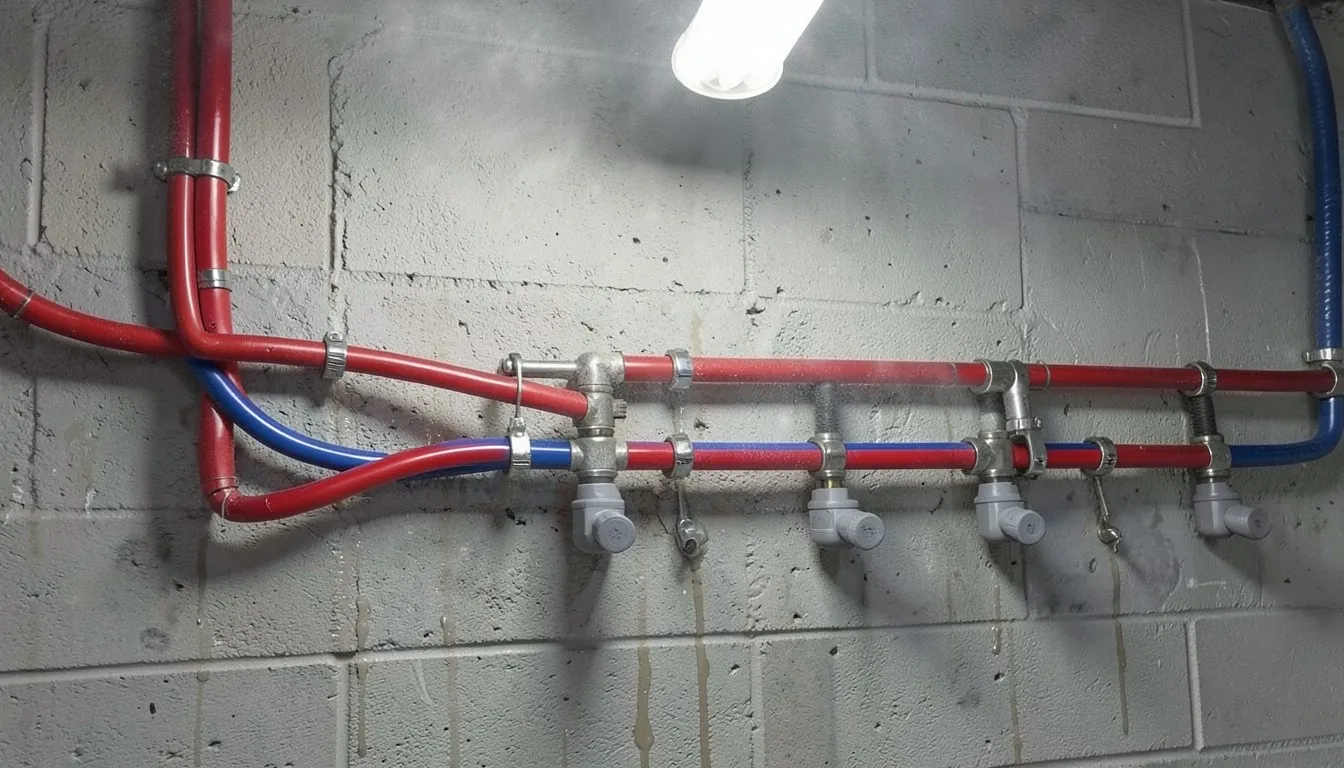
The fix gets cheaper the sooner a plumber sees it.
Degradation problems compound quietly. Call now, or use the form below to reach an independent Ohio plumber, and ask for an estimate for the leak detection — you are under no obligation.
Need a leak detection callback in Cleveland?
In a meeting, with the kids, or just prefer not to call? Drop your ZIP and number below. AlertPlumber sends your request to our routing partner — if a participating plumber serves your area, they may call you back directly. For anything urgent, call the number on this page.
- 1 Submit your info. ZIP, phone, and what kind of work you need.
- 2 AlertPlumber passes it on to our routing partner for your area.
- 3 If a participating plumber serves your area, they may call you back. Ask for a written estimate before work starts.
Leak Detection in Cleveland — catch it early
Degradation-driven failures worsen over time and cost more to fix the longer they run. Ask the independent OH plumber you reach in Cleveland to diagnose your specific condition and put the scope in writing before any work begins.