
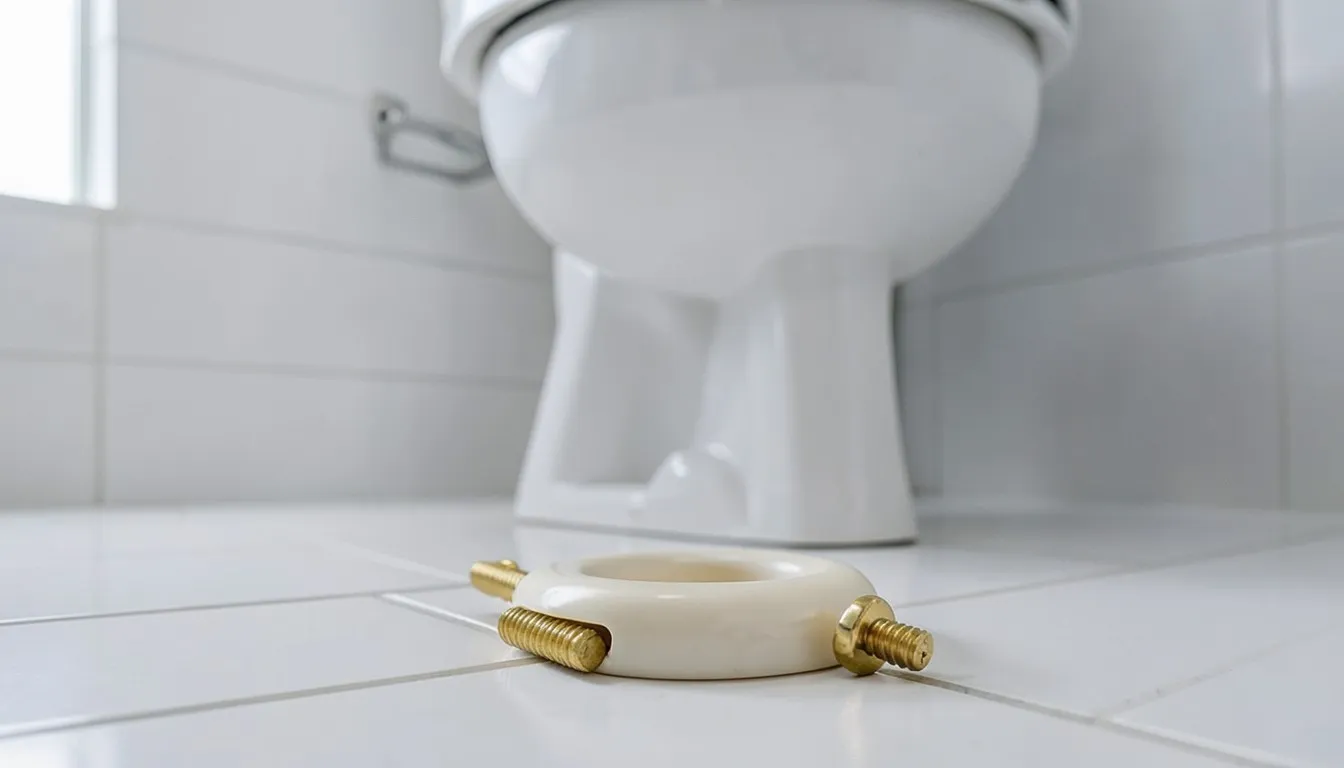
Emergency Toilet Repair in Cleveland, Ohio
Toilet Repair in Cleveland, Ohio fixes leaking, running, clogged, or unstable toilets. Local conditions in Cleveland: water measured at 6, a 42 frost line and a median home age of 78 years.
Book it this week — a licensed OH plumber quotes it by phone before anyone rolls a truck.
What does the local plumbing data show for Cleveland, OH?
Seeing these conditions at your place in Cleveland? A state-licensed plumber can confirm it over the phone — free, no obligation.
What are the pipe conditions in Cleveland, OH?
Toilet repairs in Cleveland range from a running toilet losing 200 gallons per day through a worn flapper (a $15 part, 20-minute repair) to a toilet rocking on a failed wax seal (water damage to the subfloor is the next consequence). The most common repair category — flapper, fill valve, or flush handle replacement — is straightforward; a toilet that rocks or shows floor staining at the base needs flange and wax seal inspection before the leak path reaches the subfloor. AlertPlumber connects you with an Ohio-licensed plumber for an accurate diagnosis before any parts are ordered.
Cleveland's water utility maintains an active lead service line (LSL) replacement program. With a median home age of 78 years, a portion of the housing stock may still have lead service laterals connecting the water main to interior supply — a consideration during any work near the service entry point. A licensed plumber can confirm whether supply-side work requires utility coordination.
Frost line depth in Cleveland means supply lines and outdoor plumbing must be installed below the freeze threshold — typically 42 — to prevent pipe burst during cold events. Exterior hose bibs, irrigation shutoffs, and any exposed pipe runs are the most common winterization service points in freeze-risk markets.
- Median home age
- 78 yrs
- Water hardness
- 6 gpg
- Frost line
- 42 in.
- Permit
- $95
A licensed OH plumber reads these conditions the moment you describe the symptom.
What local infrastructure shapes Toilet Repair in Cleveland?
Cleveland Water draws from Lake Erie and delivers at approximately 6 grains per gallon — moderate hardness. Flapper deterioration from mineral contact occurs at a moderate pace, and flush valve seats develop light scaling over 8–12 years rather than the 3–5 year cycle seen in very-hard markets. Fill valve diaphragm wear is the more typical first failure, presenting as a slow-fill or intermittent-run condition before scale deposits become the primary issue.
A 78-year median home age means a large share of Cleveland's housing stock predates 1960 — bungalows, doubles, and brick flats across Tremont, Old Brooklyn, and Detroit-Shoreway with original cast iron floor flanges and potentially non-standard rough-in dimensions. Lead service line counts exceed 240,000 city-wide, making Cleveland one of the most significant lead-pipe markets in the country. Any supply-side toilet repair — angle-stop valve replacement, supply line swap, or wall fitting access — in pre-1986 structures warrants treatment as a potential lead-contact scenario.
Cleveland's Division of Building and Housing requires a plumbing permit for toilet replacement; repair work on existing fixtures does not require a permit. Permit fees start at $95. Northeast Ohio Regional Sewer District serves 100% of city properties. Ohio plumbing code mandates 1.28 gpf for replacement toilets; Cleveland Public Utilities has not operated a residential toilet rebate program in recent program cycles, though Northeast Ohio conservation programs periodically offer incentives through regional water authority partnerships.
What shapes plumbing demand in Cleveland, OH?
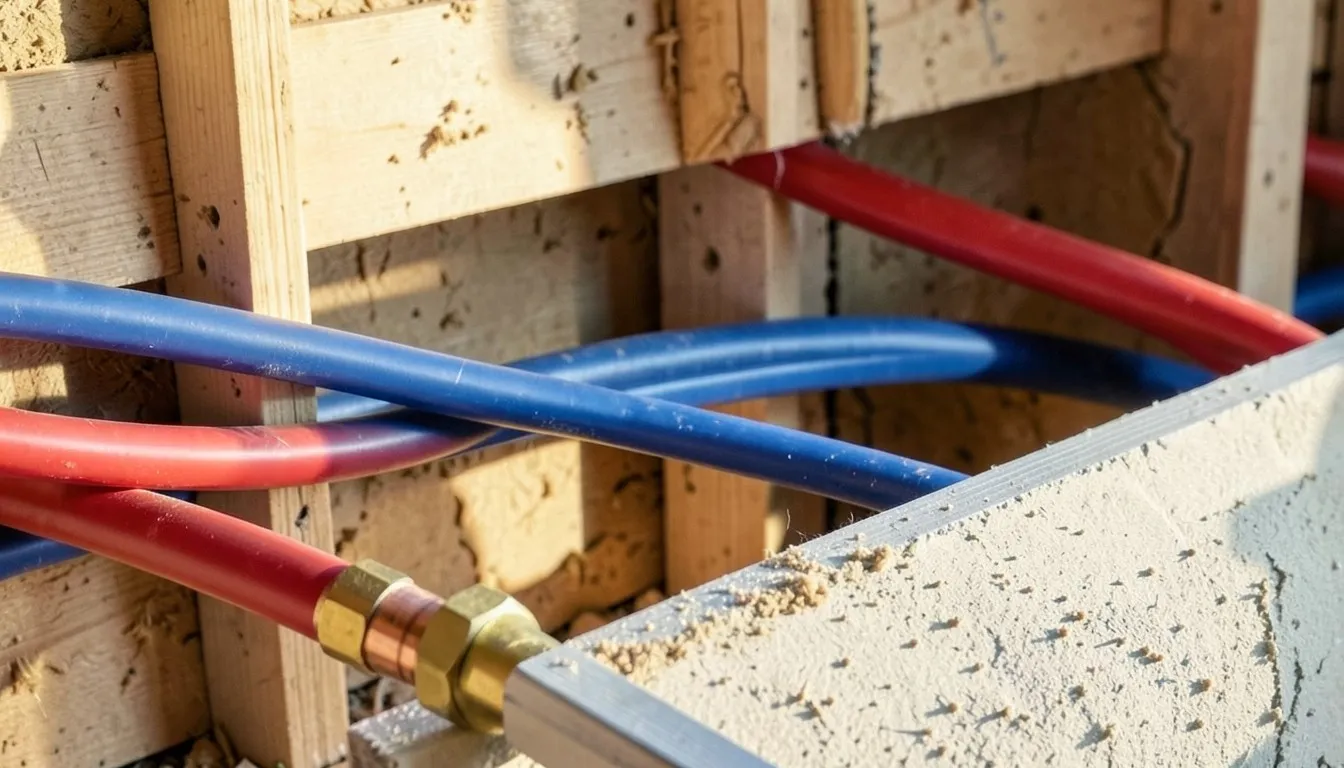
Galvanized supply lines and cast iron drain systems from the 1880s–1940s are past their 40–70-year design life across much of Cleveland. Interior rust scale progressively narrows pipe bore. Plumbers here routinely scope supply lines before quoting any repair — the underlying pipe condition often makes full replacement more cost-effective than patching.
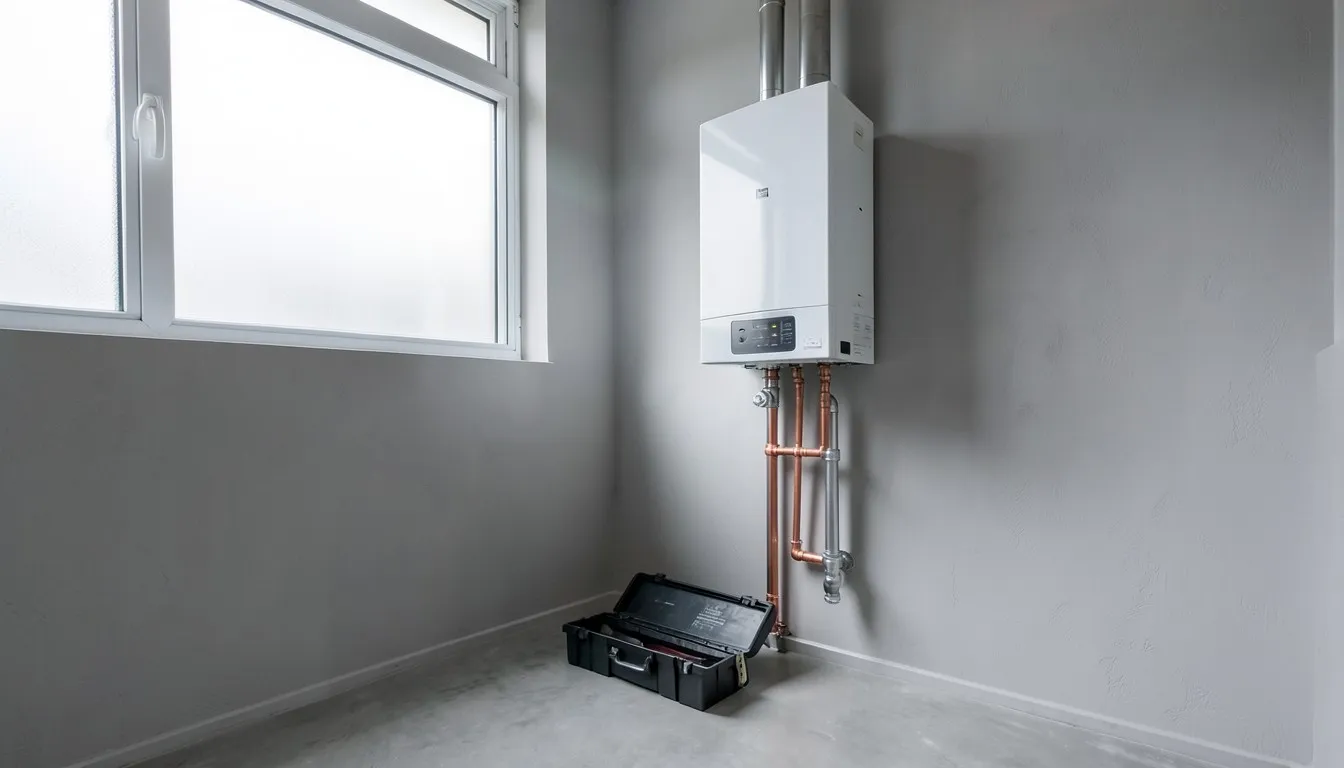
4–7 GPG produces gradual scale that stays manageable with standard maintenance intervals in Cleveland — annual flushing, cartridge cleaning every 1–2 years. Equipment runs near design lifespan. The primary water quality driver here is preventive maintenance rather than emergency replacement, which distributes service demand more evenly across the calendar.
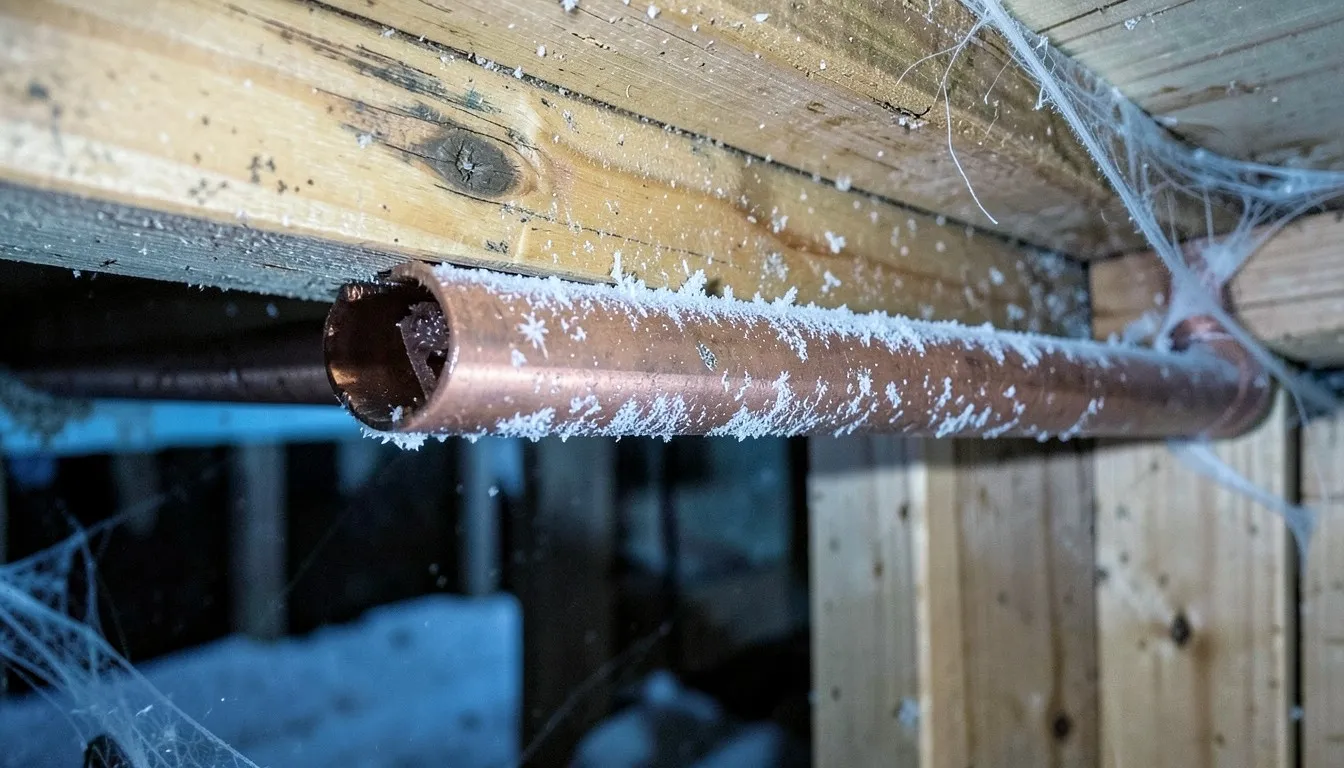
The primary surge in Cleveland runs January–March, with a secondary wave at the spring thaw — when pipes that held through the freeze rupture as pressure is restored above 32°F. Scheduling competition peaks exactly when emergency calls are highest. Homeowners who wait for visible damage compete for the same limited plumber slots at the worst possible time.
Why does a Cleveland plumber estimate first and commit second?
Submit the service type and your Cleveland address. A Ohio-licensed plumber reviews the description and schedules a site visit — typically within 24–48 hours. There is no financial commitment or obligation at this stage.
At the appointment, the plumber inspects the installation point, confirms the project approach, and delivers a written estimate: fixed price, material breakdown, and project timeline for Cleveland. Review it at your pace before deciding.
Once you approve the estimate, the plumber coordinates the start date. Required permits for Cleveland are pulled before the job starts. A final walkthrough after completion confirms every item in the agreed scope was delivered.
Toilet Repair cost calculator — Cleveland
Pre-filled for toilet repair in Cleveland. Adjust the ZIP for a neighboring area, or change the service to compare. Calculator pulls from the city's scraped permit-fee + state plumber-density data.
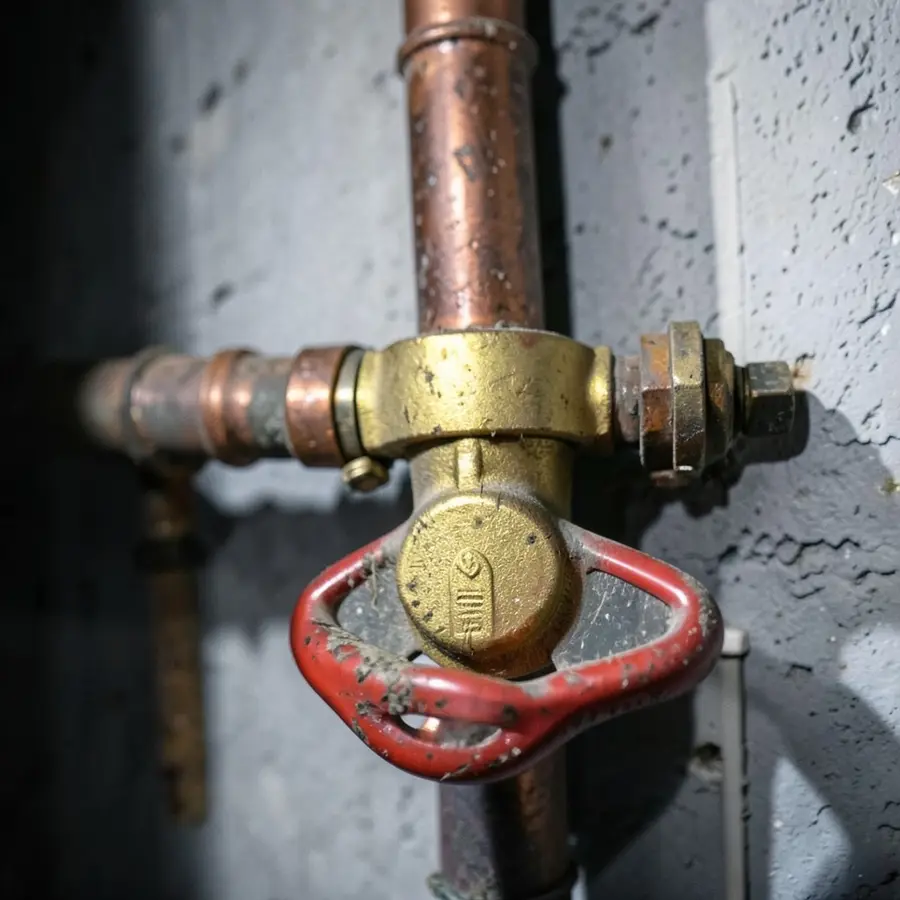
Toilet Repair in Cleveland — the longer it runs, the more it costs.
Slow failures compound: soft pipe walls, root penetration, mineral buildup. A verified plumber calls back with a scope-first estimate before anything is dug up.
What else do people ask about toilet repair in Cleveland?
How much does toilet repair cost in Cleveland, OH?
Toilet repair in Cleveland typically runs $143–$570 (national $150–$600 adjusted roughly 5% below national average). A flapper or fill-valve swap is at the low end ($100–200 including labor); a wax ring replacement with toilet removal/reset is in the $200–400 range; a cracked flange repair or floor drain repair sits at the high end. Most toilet repairs complete in under two hours.
What's making my Cleveland toilet run constantly?
A constantly running toilet almost always has one of three causes: a worn flapper that doesn't seal (water runs from tank to bowl), a float set too high (water overflows the fill tube into the overflow pipe), or a failed fill valve that won't shut off. The hissing sound indicates the overflow; a gurgling sound indicates the flapper. Both waste 200+ gallons/day — significant on a Cleveland water bill. DIY flapper replacement costs $5 and takes 10 minutes; if that doesn't fix it, the fill valve needs replacement ($100–200 with labor).
My Cleveland toilet rocks back and forth — what does that mean?
A rocking toilet is almost always a failed wax ring — the seal between the toilet horn and the floor flange. Once the wax seal fails, every flush can leak sewer gas or water under the subfloor. Pull the toilet to inspect: if the flange is flush with the floor and in good condition, a new wax ring ($30 material + 1–2 hrs labor) fixes it. If the flange is rusted, cracked, or below floor level (common in Cleveland's 70-year-old housing stock after flooring additions), plan for a flange repair or extension ring on top of the wax work.
What is phantom flushing and why is my Cleveland toilet doing it?
Phantom flushing — the toilet briefly refills on its own with nobody nearby — is caused by a leaking flapper allowing water to slowly seep from the tank into the bowl until the float drops low enough to trigger a refill. Test it: put a few drops of food coloring in the tank. If color appears in the bowl within 15 minutes without flushing, the flapper is leaking. Flapper replacement resolves it in most cases; if it recurs quickly, the flush valve seat is worn and needs a full flush-valve kit.
Are there low-flow toilet requirements in Cleveland?
Ohio follows the federal 1.6 gpf maximum on toilet replacements, though many Cleveland utilities offer rebates for upgrading to WaterSense 1.28 gpf models. Ask the matched plumber about current Cleveland utility rebate programs when pricing a replacement.
Are there special concerns with toilet flanges in older Cleveland homes?
Cleveland's 70-year median home age means many flanges are cast iron — durable but prone to rust and breakage at the ring face. After multiple floor replacements over decades, flanges can also end up recessed below finished floor level, which requires a spacer ring stack on top of the wax ring to restore the seal height. A plumber should always inspect the flange before setting the new wax seal.
When should I repair vs replace a toilet in Cleveland?
Repair if: the fixture is under 15 years old, not cracked, and the problem is a single component (flapper, fill valve, wax ring). Replace if: the bowl or tank is visibly cracked, the toilet is a pre-1994 model using 3.5–5 gpf (replacement pays back in water savings in 2–4 years), or repairs have been performed three or more times in 18 months. A new toilet runs $300–$800 for a quality unit installed in Cleveland — the matched plumber brings a catalog of options.
Can I fix a running toilet myself or do I need a plumber in Cleveland?
A flapper swap is genuinely DIY-friendly: turn off the supply valve behind the toilet, flush to empty the tank, unhook the old flapper and snap in the new one ($5–$15 at any hardware store). A fill-valve replacement is also DIY-possible with a $20 kit and 30 minutes. Call a plumber for: toilet removal (wax ring), flange repair, supply-line sweat connections in older homes, or if the toilet is rocking (possible subfloor damage needs assessment).
How fast can a plumber come out for toilet repair in Cleveland?
Toilet repair is scheduled (not emergency) work, so most AlertPlumber-matched plumbers in Cleveland book within 1–2 business days. If the toilet is your home's only bathroom and it's completely non-functional, call the emergency line — most crews prioritize single-bathroom households. Repairs typically take under 2 hours, so a morning appointment restores your bathroom by early afternoon.
Are AlertPlumber-matched toilet repair plumbers verified in OH?
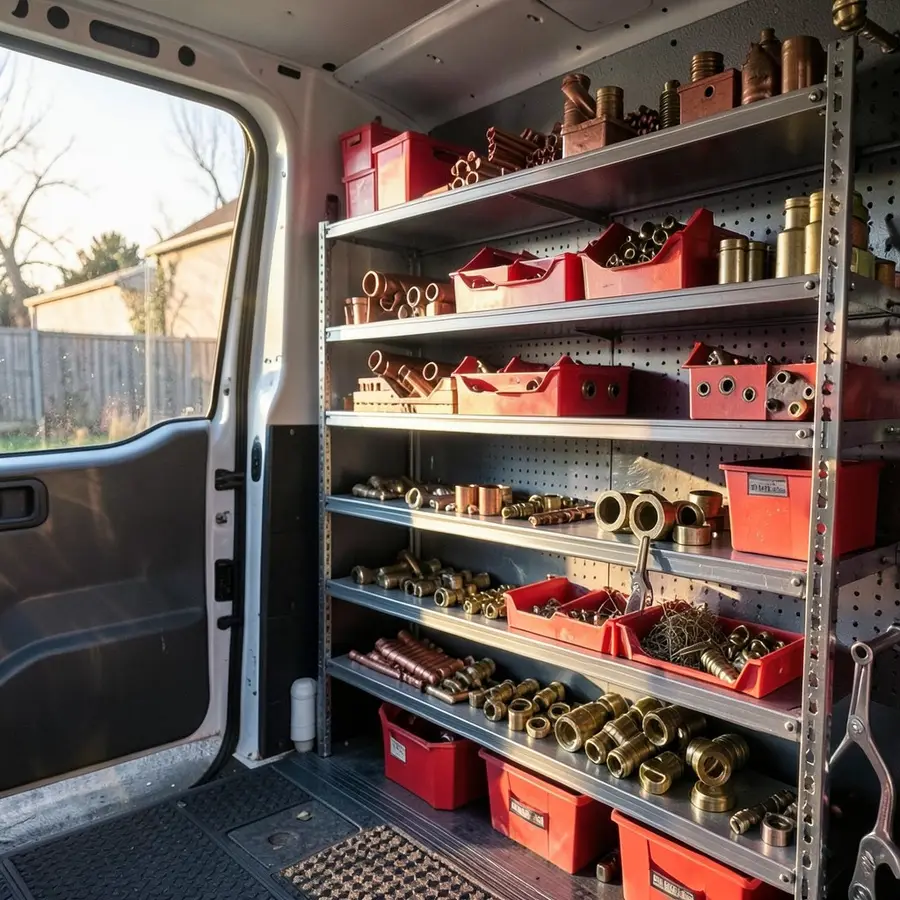
Yes. Every plumber matched through AlertPlumber for toilet repair in Cleveland holds an active OH COS license. Most toilet repairs complete on the first visit — the matched plumber stocks common flapper kits, fill valves, and wax ring sets in the service vehicle.
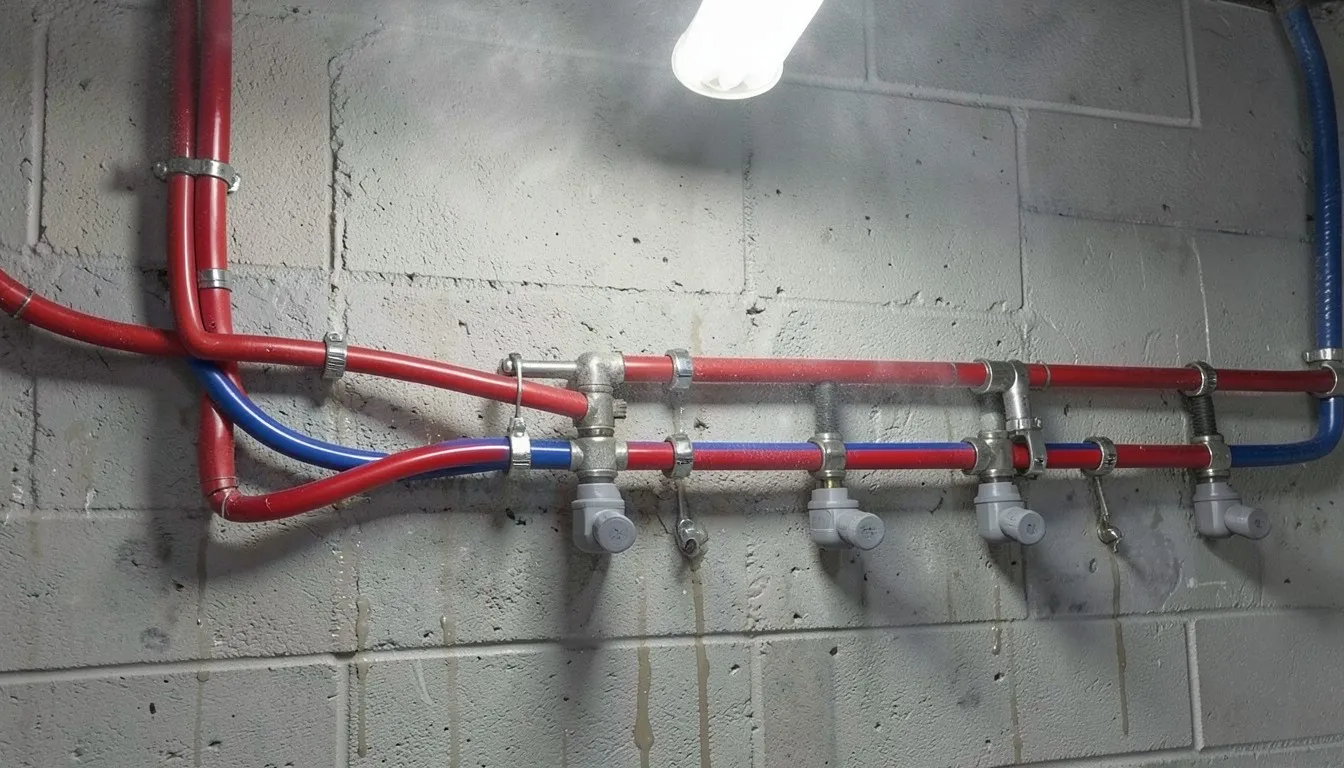
The fix gets cheaper the sooner a plumber sees it.
Degradation problems compound quietly. Call now, or use the form below and a licensed Ohio plumber calls you back with a no-obligation estimate for the toilet repair.
Need a toilet repair callback in Cleveland?
In a meeting, with the kids, or just prefer not to hold? Drop your ZIP and number below. AlertPlumber routes your request to a verified plumber in your area — they’ll call you back directly.
- 1 Submit your info. ZIP, phone, and what kind of work you need.
- 2 AlertPlumber matches you with a verified plumber serving your area.
- 3 The plumber calls you back with a written estimate, no obligation.
Toilet Repair in Cleveland — catch it early
Degradation-driven failures worsen over time and cost more to fix the longer they run. A verified OH plumber in Cleveland diagnoses your specific condition and provides a written scope before any work begins.