
Emergency Sewer Line Repair in Cleveland, Ohio
Sewer Line Repair in Cleveland, Ohio repairs broken or root-invaded sewer lines via spot repair, lining, or trenchless methods. Local conditions in Cleveland: water measured at 6, a 42 frost line and a median home age of 78 years.
Camera first, quote second — know exactly what's wrong in your Cleveland home before you approve a dollar.
What does the local plumbing data show for Cleveland, OH?
Seeing these conditions at your place in Cleveland? A state-licensed plumber can confirm it over the phone — free, no obligation.
What are the pipe conditions in Cleveland, OH?
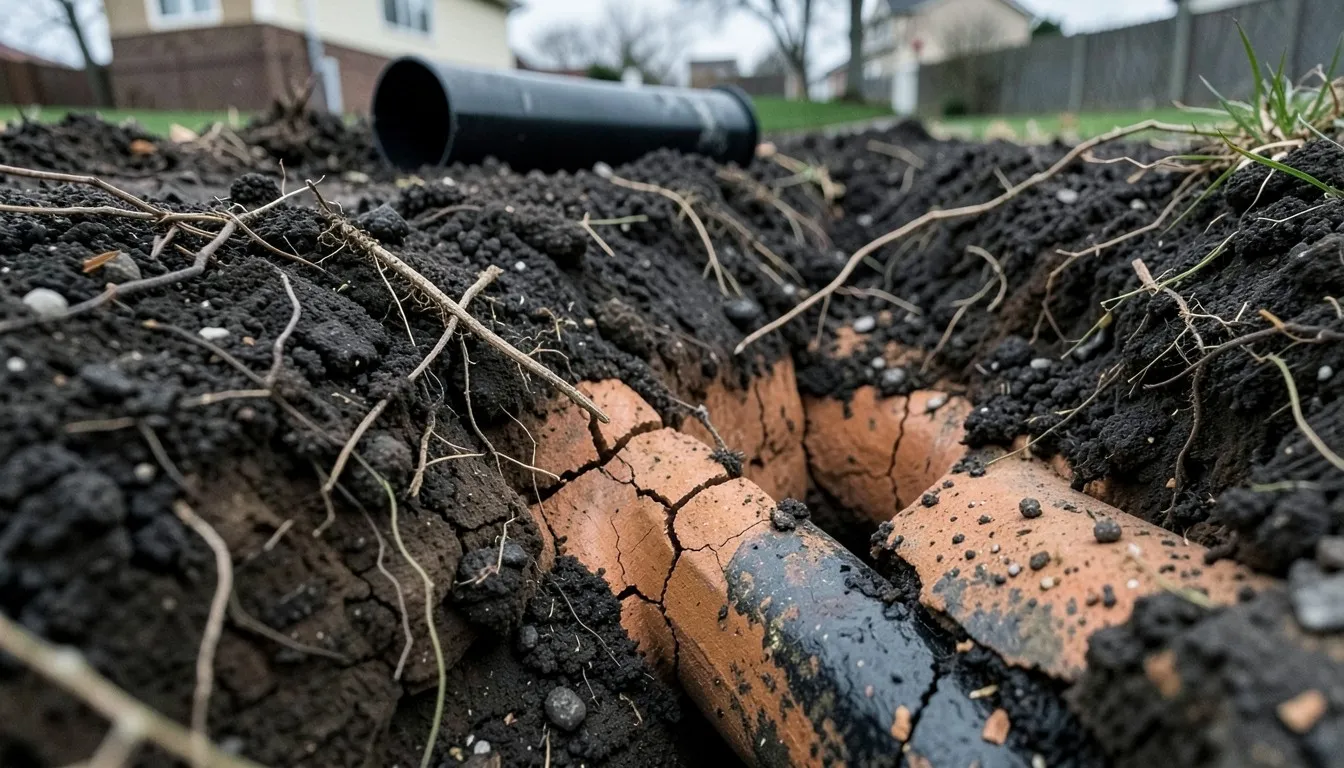
Sewer line failures in Cleveland follow predictable patterns by pipe material and installation era: clay tile joints separate and admit root intrusion; Orangeburg pipe (1940s–1960s) compresses under soil load; cast iron corrodes at horizontal runs where standing water accelerates deterioration. A camera scope before excavation is critical — it confirms whether a spot repair is viable or whether replacement of the full lateral is the smarter investment. AlertPlumber routes your request to an Ohio-licensed plumber who completes the scope before quoting the repair. Freeze events and frost-depth requirements add pipe insulation, exterior faucet winterization, and burst-risk assessment to service calls in this climate.
Cleveland's water utility maintains an active lead service line (LSL) replacement program. With a median home age of 78 years, a portion of the housing stock may still have lead service laterals connecting the water main to interior supply — a consideration during any work near the service entry point. A licensed plumber can confirm whether supply-side work requires utility coordination.
Frost line depth in Cleveland means supply lines and outdoor plumbing must be installed below the freeze threshold — typically 42 — to prevent pipe burst during cold events. Exterior hose bibs, irrigation shutoffs, and any exposed pipe runs are the most common winterization service points in freeze-risk markets.
- Median home age
- 78 yrs
- Water hardness
- 6 gpg
- Frost line
- 42 in.
- Permit
- $95
A licensed OH plumber reads these conditions the moment you describe the symptom.
What local infrastructure shapes Sewer Line Repair in Cleveland?
At 78 years median housing age, Cleveland's residential lateral stock is predominantly clay tile installed during the 1920s and 1930s Cuyahoga Valley urban expansion. Orangeburg pipe is present in postwar construction through the early 1960s across Slavic Village, Collinwood, and West Park, where the laminated product has delaminated and collapsed in many runs. Cast iron laterals in pre-1920 housing on the near West and East Sides carry decades of tuberculation from the Lake Erie supply, reducing effective bore diameter and creating chronic slow-drain conditions before complete blockage occurs.
Northeast Ohio's lacustrine clay soils — the same lake-bottom deposits that challenge foundation systems throughout the region — expand and contract with freeze-thaw cycling through the 42-inch frost depth. Annual ground movement displaces clay tile joints and creates belly sections in cast iron runs that have shifted off their original grade. Ash and maple root systems in the city's older residential corridors exploit displaced joints aggressively, and NEORSD's combined sewer infrastructure means storm-event surcharging routinely pressurizes already-compromised laterals.
The Northeast Ohio Regional Sewer District requires permits for lateral work intersecting the public right-of-way, with fees at $95. Cleveland's active LSL replacement initiative has excavated street sections across multiple neighborhoods — coordinating lateral camera inspection with scheduled LSL work can combine both scopes in a single open-cut mobilization. CIPP lining is viable where clay tile bore diameter is confirmed intact by camera inspection meeting NASSCO criteria; Orangeburg and completely collapsed clay tile sections require open-cut replacement to 42-inch frost-protection depth minimum.
What shapes plumbing demand in Cleveland, OH?
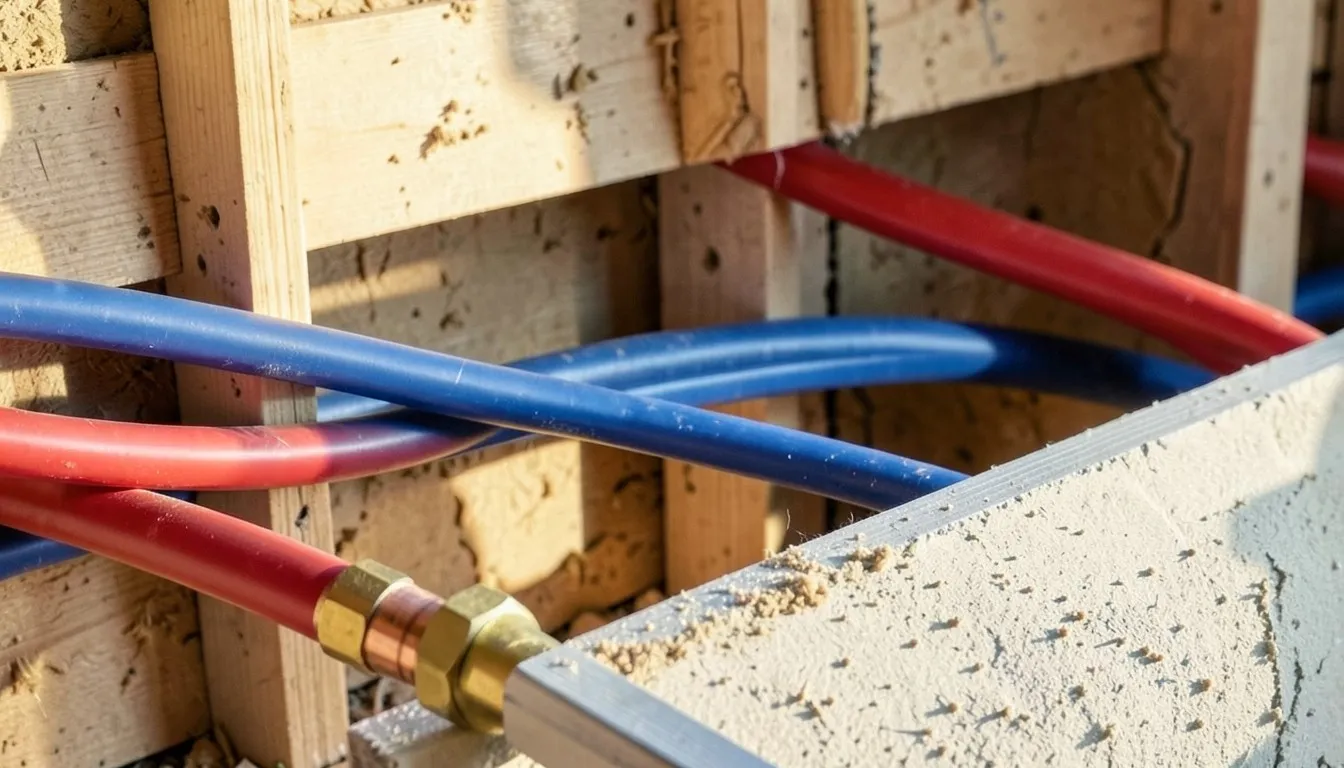
Galvanized supply lines and cast iron drain systems from the 1880s–1940s are past their 40–70-year design life across much of Cleveland. Interior rust scale progressively narrows pipe bore. Plumbers here routinely scope supply lines before quoting any repair — the underlying pipe condition often makes full replacement more cost-effective than patching.
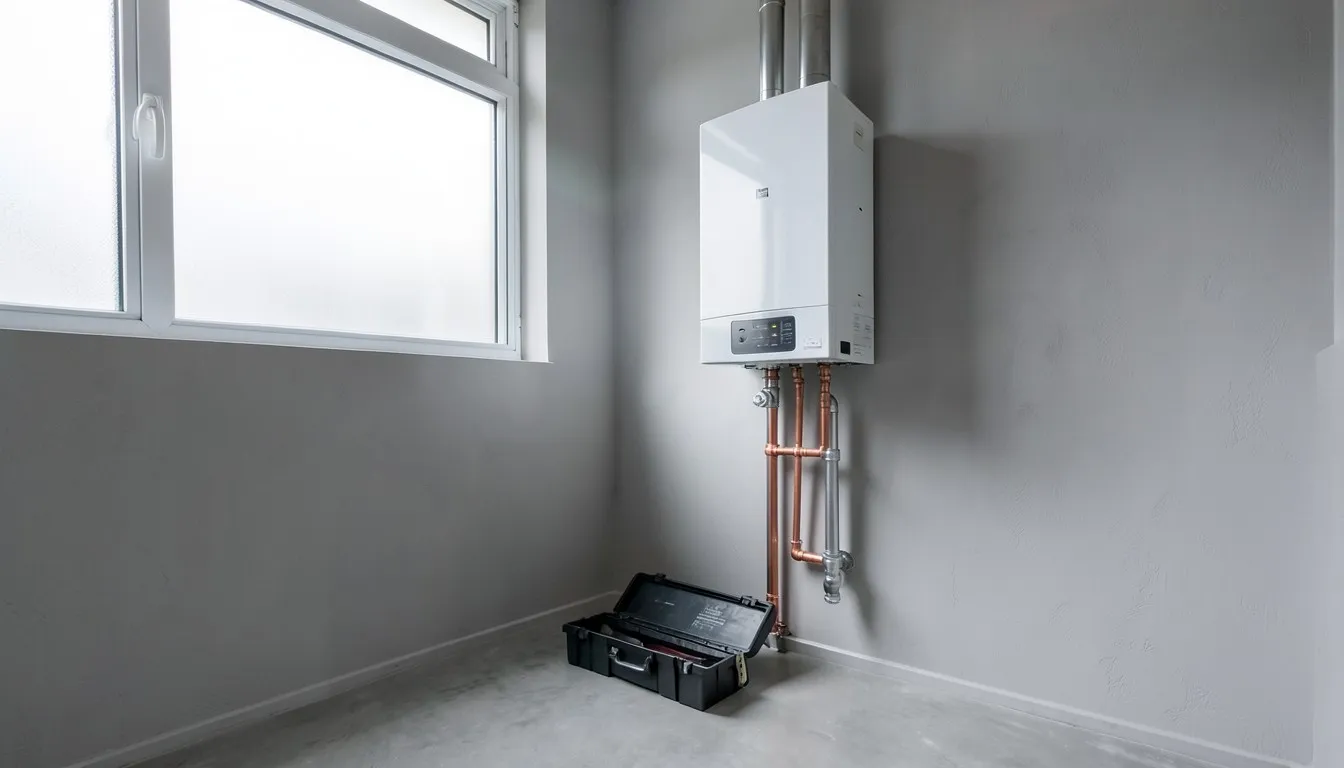
4–7 GPG produces gradual scale that stays manageable with standard maintenance intervals in Cleveland — annual flushing, cartridge cleaning every 1–2 years. Equipment runs near design lifespan. The primary water quality driver here is preventive maintenance rather than emergency replacement, which distributes service demand more evenly across the calendar.
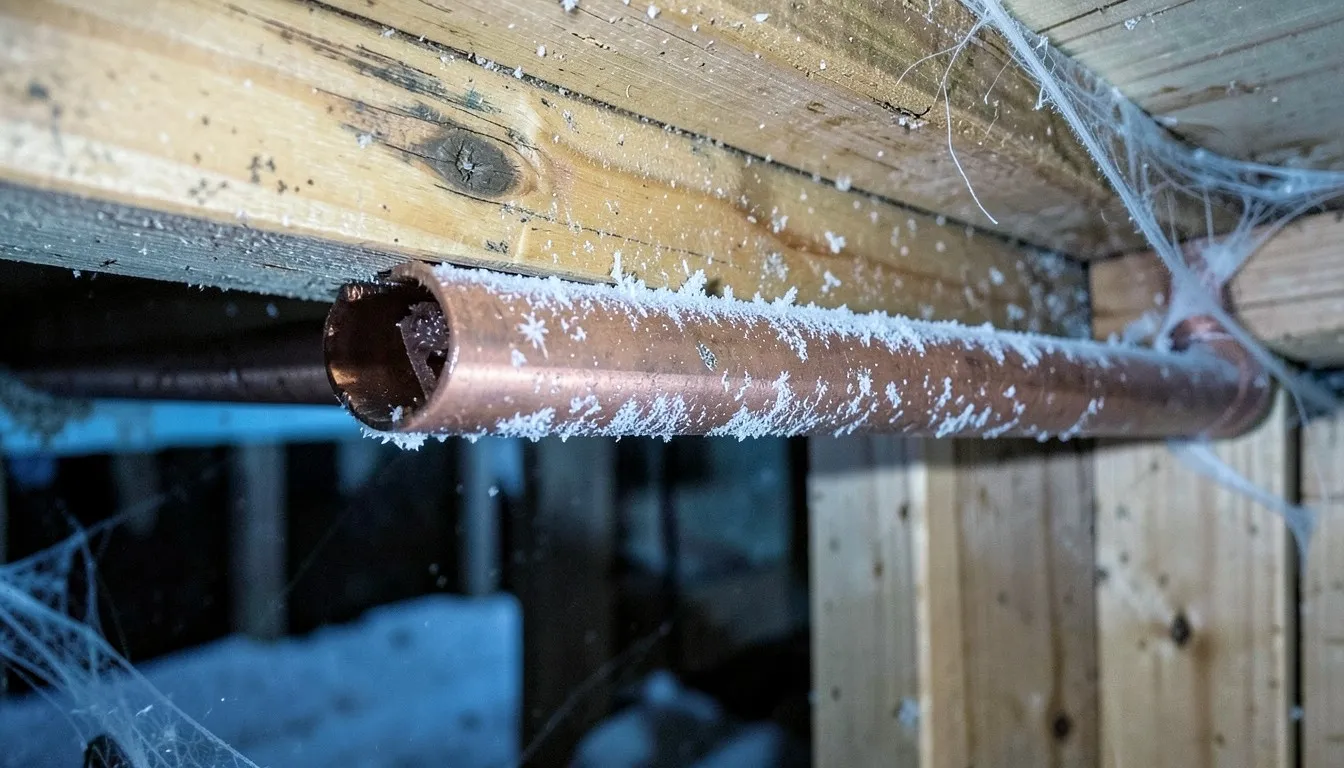
The primary surge in Cleveland runs January–March, with a secondary wave at the spring thaw — when pipes that held through the freeze rupture as pressure is restored above 32°F. Scheduling competition peaks exactly when emergency calls are highest. Homeowners who wait for visible damage compete for the same limited plumber slots at the worst possible time.
Why diagnose before repairing in Cleveland?
Describe the symptom — not the repair. AlertPlumber routes to an OH-licensed plumber trained in diagnostics. The site visit uses camera tracing, acoustic detection, or hydrostatic pressure testing — matched to the reported failure type.
The plumber delivers a written diagnostic report: confirmed failure location, available repair methods, and tradeoffs — disruption level, material durability, long-term cost, and whether a Cleveland building permit applies to the selected method.
You select the repair path. The Ohio-licensed plumber proceeds on the authorized method with a fixed scope and price. Where required, the permit application to Cleveland is handled by the contractor.
Sewer Line Repair cost calculator — Cleveland
Pre-filled for sewer line repair in Cleveland. Adjust the ZIP for a neighboring area, or change the service to compare. Calculator pulls from the city's scraped permit-fee + state plumber-density data.
Sewer Line Repair in Cleveland — the longer it runs, the more it costs.
Slow failures compound: soft pipe walls, root penetration, mineral buildup. A verified plumber calls back with a scope-first estimate before anything is dug up.
What else do people ask about sewer line repair in Cleveland?
How much does sewer line repair cost in Cleveland?
Cleveland sewer line repair pricing tracks the age and fragility of your lateral more than any other variable. Spot repair on a 1920s vitrified-clay lateral runs $2,400–$5,200 in Tremont, Ohio City, or Slavic Village — the higher floor reflects the careful hand-excavation around 100+ year-old clay-tile joints that shatter under standard backhoe technique. CIPP cured-in-place lining: $5,800–$13,500 for a 50–80 foot lateral; the per-foot premium over flat-soil markets covers the camera-scope verification that the host clay tile can hold liner pressure without blow-out at corroded joints. Full open-trench lateral replacement in PVC schedule 40: $8,500–$22,000 on Cleveland Heights, Shaker Heights, or Lakewood lots where mature oak/maple/elm root mass adds $1,500–$3,500 of root-removal labor over baseline. The $95 Cleveland Building & Housing permit is fixed; the camera scope ($175–$400) is non-negotiable on any pre-1940 lateral because the verified AlertPlumber-matched plumber needs to confirm whether it's vitrified clay or pre-vitrified clay tile before quoting method.
How do I know my Cleveland sewer lateral is failing?
The Cleveland-specific symptom pattern that points at lateral failure rather than a fixture clog:
- Recurring backups during heavy Lake Erie storm cells — combined-sewer-overflow surcharge from NEORSD mainlines pushes back into compromised laterals first
- Sinkholes or soft spots in the lawn over the lateral path after spring thaw — clay tile that cracked under winter frost-heave is leaking soil into the pipe
- Sewer odor in basement after Lake-effect snow events — shallow-buried lateral sections fractured by freeze-thaw at the 42-inch frost line
- Multiple drains slow simultaneously in a Tremont, Ohio City, or Slavic Village home built 1900–1925 — the pre-vitrified clay tile era is at the end of its design life
- Visible root mass on a closet-auger pull from a Cleveland Heights or Shaker Heights home with mature oak/maple/elm
Why is sewer work in Cleveland different from other cities?
Four Cleveland-specific factors drive sewer lateral pathology differently than warmer or younger US markets. (1) 100+ year-old clay tile dominance. Tremont, Ohio City, and Slavic Village laterals from 1900–1920 are often pre-vitrified clay tile — a more porous, more fragile predecessor to the vitrified clay used 1920s–1960s. Standard pipe-bursting forces shatter pre-vitrified tile rather than expanding it. (2) Eastern hardwood root canopy. Cleveland Heights, Shaker Heights, Lakewood, and University Circle have 80–120 year-old oak, maple, and elm whose taproot systems track lateral joints aggressively — heavier root pressure than Pacific Coast eucalyptus or Sun Belt mesquite. (3) Lake-effect freeze cycles. 130+ freeze days plus the lake-moisture amplifier mean shallow-buried lateral sections experience freeze-thaw stress that Ohio inland laterals don't. (4) East Fourth Street, Tremont, and Ohio City restaurant grease. Mixed-use blocks where residential laterals tie into shared mainlines downstream of commercial kitchens see grease buildup the verified AlertPlumber-matched plumber accounts for in cleanout placement.
Open trench vs trenchless on fragile Cleveland clay tile — which works?
This is the single highest-stakes question on a pre-1940 Cleveland lateral, and it must be answered AFTER the camera scope, not before. Pipe-bursting on pre-vitrified clay tile (1900–1920 Tremont/Ohio City/Slavic Village) usually fails — the tile shatters under bursting head pressure rather than expanding outward, leaving fragments in the soil column that snag the new HDPE pull. CIPP cured-in-place lining works on intact vitrified clay (1920s–1960s) at 2,500–3,200 PSI install pressure — lower than the 3,500–4,000 PSI used on robust cast iron, higher than the 1,800–2,500 PSI floor for severely degraded host pipe. The verified plumber confirms tile classification on camera before committing to method. Open-trench replacement is the safer call when: (a) the camera shows shattered or missing pipe wall on multiple segments, (b) bellied sections from clay-soil settlement need re-grading, (c) the lateral runs under a Cleveland Heights or Shaker Heights mature root system that needs root-pruning anyway, or (d) the homeowner wants to install a working cleanout at the property line that the original 1900s build never had.
Will Ohio HO-3 insurance cover Cleveland sewer line repair?
Standard Ohio HO-3 policies treat sewer lateral replacement as homeowner maintenance — NOT covered. What IS often covered with the right endorsement: sewage backup damage to the interior (drywall, flooring, finished basement) when a Lake Erie storm cell triggers NEORSD combined-sewer-overflow surcharge into your lateral. The sewer-line endorsement (also called "service line coverage") typically runs $40–$120/year for $10,000–$20,000 coverage and is strongly recommended for any Cleveland home built before 1970. NEORSD consent decree context matters here: the regional sewer district operates under federal EPA NPDES consent-decree obligations to reduce CSO discharges into the Lake Erie watershed, which means the public-side mainline is being upgraded on a published schedule but your private-side lateral is your responsibility. Document failures with the verified plumber's camera footage and dated invoices — Ohio claim adjusters routinely deny undocumented sewer claims.
How long does sewer work take in Cleveland — does winter change the timeline?
Yes, Lake-effect winter materially changes Cleveland excavation timelines and the verified AlertPlumber-matched plumber will tell you so during scheduling. Spot repair, summer/fall: 1 day on a Lakewood or University Circle lot with clear access. Spot repair, December–March: 1.5–2.5 days because frozen ground above the 42-inch frost line requires ground-thaw blankets or steam before the backhoe gets purchase. CIPP lining: 1–2 days plus 18–24 hours resin cure (cure times extend in cold ambient temperatures — winter installs may need heated cure). Full open-trench replacement on a 60-foot Cleveland Heights lateral: 4–6 days summer, 6–9 days winter. Pipe-bursting on intact vitrified clay: 2–3 days. Cleveland Building & Housing permit issuance plus inspection scheduling adds 24–72 hours and sometimes longer in February when inspector schedules compress around the freeze backlog. The matched plumber confirms the access plan, ground-thaw need, and inspection window during the pre-job camera scope.
What permit and credential does Cleveland sewer work require?
Two non-negotiables. (1) Cleveland Building & Housing permit: $95 fee for sewer lateral repair or replacement, issued by Cleveland B&H per Ohio adoption of International Plumbing Code Chapter 7. The verified plumber pulls the permit; you sign as the property owner of record. (2) Ohio OCILB credential: sewer lateral work crossing the property line requires an Ohio-credentialed plumber under the state Construction Industry Licensing Board. Ohio Department of Commerce, Industrial Compliance publishes 9,480 active OCILB plumbers statewide as the verifiable lookup pool. (3) 811 utility locate: federally mandatory under the USA Dig Safety program, 48–72 hours before any excavation. Cleveland Water + Cleveland Sewer combined-billing accounts mean the matched plumber may also need to coordinate with Cleveland Water Department for any service-line tie-in adjacent to the sewer lateral excavation footprint.
What's the lateral-pipe age tipping point in Cleveland?
Three Cleveland eras with different failure profiles. 1880s–1910s (pre-vitrified clay tile): Tremont, Ohio City, Slavic Village original-stock laterals are now 110–145 years old — past any reasonable design life. The pre-vitrified material is more porous than later clay and absorbs moisture, accelerating freeze-thaw fracture. Plan for replacement, not lining. 1920s–1950s (vitrified clay tile): Cleveland Heights, Shaker Heights, Lakewood, and University Circle housing stock — 70–105 years old, at the end of clay-tile design life but often still structurally lineable with CIPP if the camera shows intact pipe wall. 1960s–1970s (cast iron, late vitrified clay, early Orangeburg in some West Side stock): 50–65 years old. Cast iron channels along the bottom from sulfuric corrosion; Orangeburg (bituminous fiber) deforms and collapses — Orangeburg is replacement-only. Post-1980 PVC: still inside design life, root intrusion at glued joints is the typical failure mode. The verified plumber identifies your era on camera before quoting method — guessing from build year alone misses the mid-century material mixing common across Cleveland renovations.
Why does the camera scope come first on Cleveland laterals?
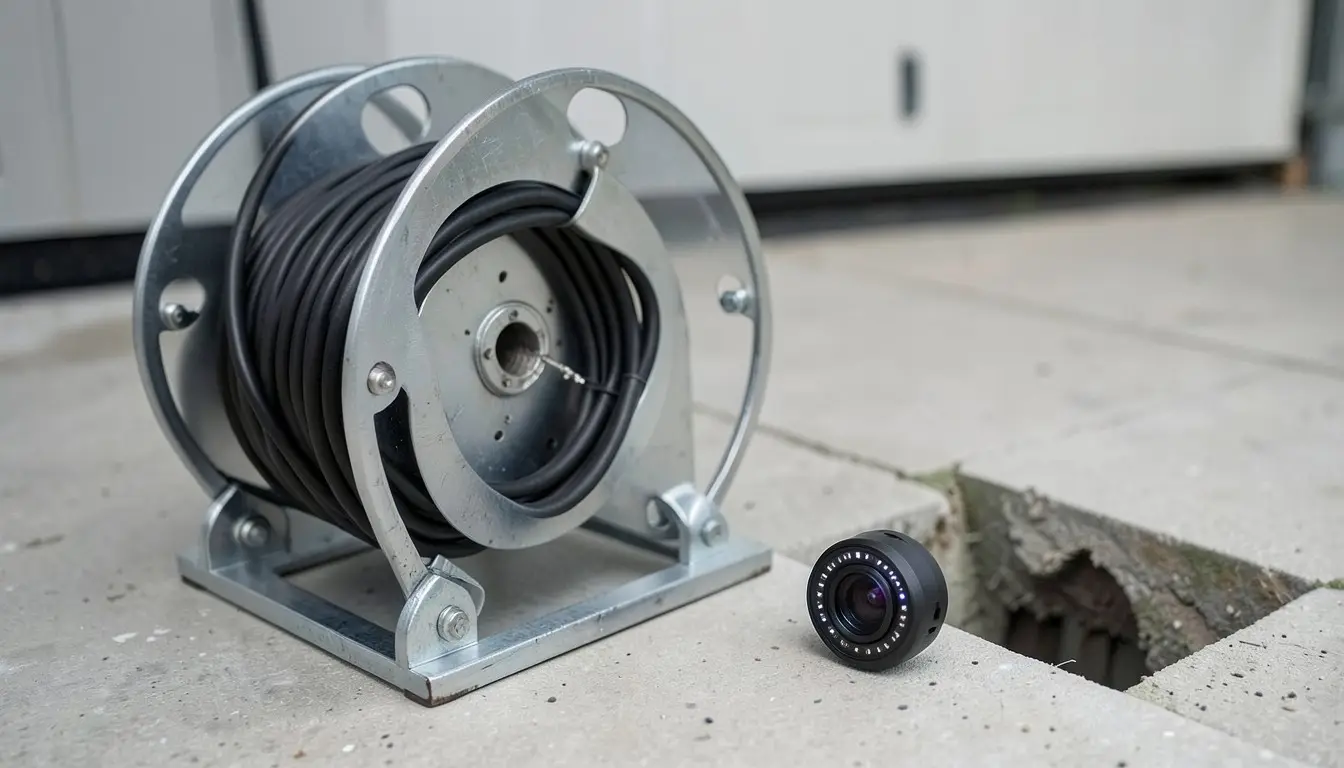
Because Cleveland lateral failure pathology is too varied to quote blind. The $175–$400 pre-job camera scope answers questions that drive method selection and final price: (1) What era is the pipe? Pre-vitrified clay tile (1900–1920), vitrified clay tile (1920s–1960s), cast iron, Orangeburg, or PVC each have different repair-method windows. (2) Where exactly is the failure? A single root intrusion at 38 feet is a $2,400 spot dig; cumulative joint failure across a 60-foot run is a full lateral replacement. (3) Is the slope still correct? Cleveland clay-soil settlement bellies laterals; CIPP and pipe-bursting do NOT correct slope, only open-trench does. (4) Where does it cross under hardscape? Driveways, patios, and Cleveland Heights stone walls add cost the verified plumber needs to see before quoting. (5) Is there a working cleanout? Many pre-1940 Cleveland laterals were installed without a property-line cleanout — adding one mid-job changes the scope. Quoting before scoping is guessing; the matched plumber scopes first as a matter of professional standard.
When is full replacement the right call vs CIPP lining in Cleveland?
Decision matrix the verified Cleveland plumber walks through with the camera footage in hand. CIPP cured-in-place lining wins when: host pipe is intact vitrified clay (1920s–1960s) or sound cast iron, joint offsets under ~10% of pipe diameter, no belly or sag in slope, and the failure mode is root intrusion or hairline cracking. CIPP per ASTM F1216 with NASSCO-rated resin gives 50-year design life at 2,500–3,200 PSI install pressure on Cleveland clay — lower than the 3,500–4,000 PSI used on robust modern pipe, higher than the 1,800–2,500 PSI floor used on severely degraded host. Pipe-bursting wins when: host is intact cast iron or sound vitrified clay, the soil column on a Lakewood or University Circle lot can absorb burster expansion without disturbing adjacent foundations, and a working upstream cleanout exists. Full open-trench replacement is required when: (a) pre-vitrified clay tile (1900–1920 Tremont/Ohio City/Slavic Village) shows shattered segments — bursting will fragment it further, (b) Orangeburg is present, (c) the slope is bellied from clay-soil settlement, (d) Cleveland Heights or Shaker Heights mature oak/maple/elm root mass needs pruning anyway, or (e) the line crosses recently-poured hardscape where the next failure would mean tearing up new work. AlertPlumber routes a verified Ohio OCILB plumber who scopes the line on camera before quoting any method — that order matters in Cleveland's mixed-era housing stock more than in newer markets.
The fix gets cheaper the sooner a plumber sees it.
Degradation problems compound quietly. Call now, or use the form below and a licensed Ohio plumber calls you back with a no-obligation estimate for the sewer line repair.
Need a sewer line repair callback in Cleveland?
In a meeting, with the kids, or just prefer not to hold? Drop your ZIP and number below. AlertPlumber routes your request to a verified plumber in your area — they’ll call you back directly.
- 1 Submit your info. ZIP, phone, and what kind of work you need.
- 2 AlertPlumber matches you with a verified plumber serving your area.
- 3 The plumber calls you back with a written estimate, no obligation.
Sewer Line Repair in Cleveland — catch it early
Degradation-driven failures worsen over time and cost more to fix the longer they run. A verified OH plumber in Cleveland diagnoses your specific condition and provides a written scope before any work begins.