
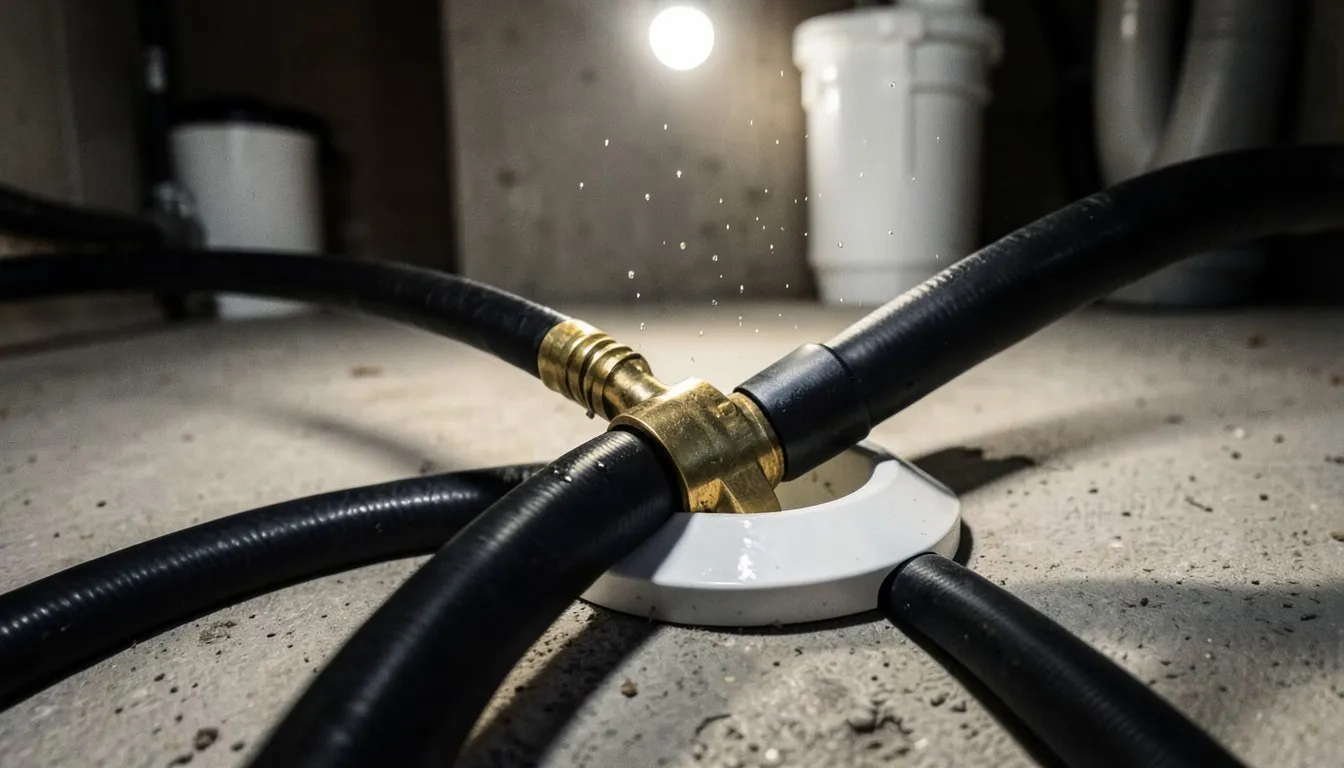
Emergency Hydro Jetting in St. Joseph, Missouri
Hydro Jetting in St. Joseph, Missouri is high-pressure water jetting to clear severe clogs and grease in main lines. Local conditions in St. Joseph: water measured at 13 gpg, a 18 in frost line and a median home age of 70 years.
Camera first, quote second — know exactly what's wrong in your St. Joseph home before you approve a dollar.
Is hydro jetting in St. Joseph, MO the right job?
- Sewer Line Repair in St. Joseph
- Backups or sewage in the yard may point to a damaged sewer line that needs a section repaired.
- Sewer Line Replacement in St. Joseph
- Sewer backups keep returning and the existing line is too damaged for a section repair, so the line needs replacement.
- Pipe Camera Inspection in St. Joseph
- Drains keep backing up and the cause is unclear, so a camera inspection can help show a blockage or damage inside the pipe.
- Drain Cleaning in St. Joseph
- A sink, tub, or drain is slow or blocked, and the blockage needs clearing.
What does the local plumbing data show for St. Joseph, MO?
Seeing these conditions at your place in St. Joseph? Describe them on the call to a state-licensed local plumber — free, no obligation.
What are the pipe conditions in St. Joseph, MO?
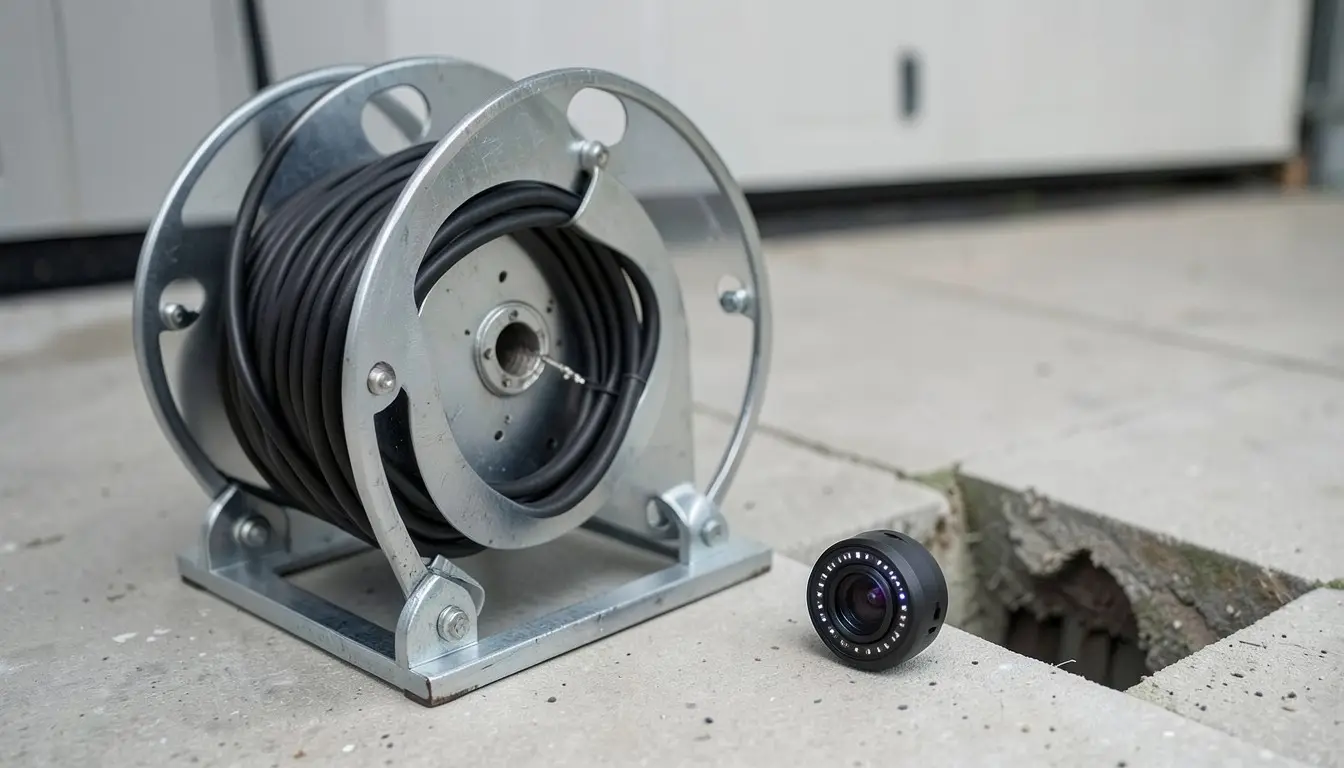
Hydro-jetting in St. Joseph clears what drain snaking leaves behind: scale buildup from hard water, grease layers coating pipe walls, and root tendrils that regrow from fragments left by a cable machine. The process uses 3,000–4,000 PSI water pressure through a rotating nozzle that scrubs the pipe wall — not just punches through the blockage. A camera scope before jetting confirms the pipe can withstand high pressure and identifies any structural defects that jetting would worsen. AlertPlumber connects your call with an independent Missouri-licensed plumber — ask them to scope the line before jetting.
Pre-war housing in St. Joseph — median home age 70 years — may still carry galvanized steel supply lines installed before the copper era. Galvanized pipe corrodes from the inside out: internal oxidation gradually narrows bore diameter, reduces water pressure, and eventually results in pinhole failure at corroded sections. Inspection confirms whether scale and corrosion warrant section replacement or full repipe. Homes of other eras in St. Joseph may have copper pipe or polybutylene supply lines instead; ask the plumber which your home has.
Very hard water in St. Joseph is a primary driver of accelerated appliance failure: water heater anode rods exhaust in 2–3 years instead of 6–8, scale deposits at fixture connections form within months of installation, and tankless heat exchangers accumulate mineral buildup that can reduce lifespan by half without regular descaling. A softener or whole-house conditioner is strongly recommended alongside any appliance service call.
Frost line depth in St. Joseph means supply lines and outdoor plumbing must be installed below the freeze threshold — typically 18 in — to prevent pipe burst during cold events. Exterior hose bibs, irrigation shutoffs, and any exposed pipe runs are the most common winterization service points in freeze-risk markets.
- Median home age
- 70 yrs
- Water hardness
- 13 gpg
- Frost line
- 18 in
- Permit
- City fee schedule
Census housing age, St. Joseph city, Missouri: median year built 1962; 47.6% of homes built before 1960, 73.9% before 1980. Source: U.S. Census Bureau, ACS 2020–2024 5-year estimates, tables B25034 and B25035, read 2026-09-30.
Mention these conditions when you describe the symptom to the MO plumber you reach.
What shapes plumbing demand in St. Joseph, MO?
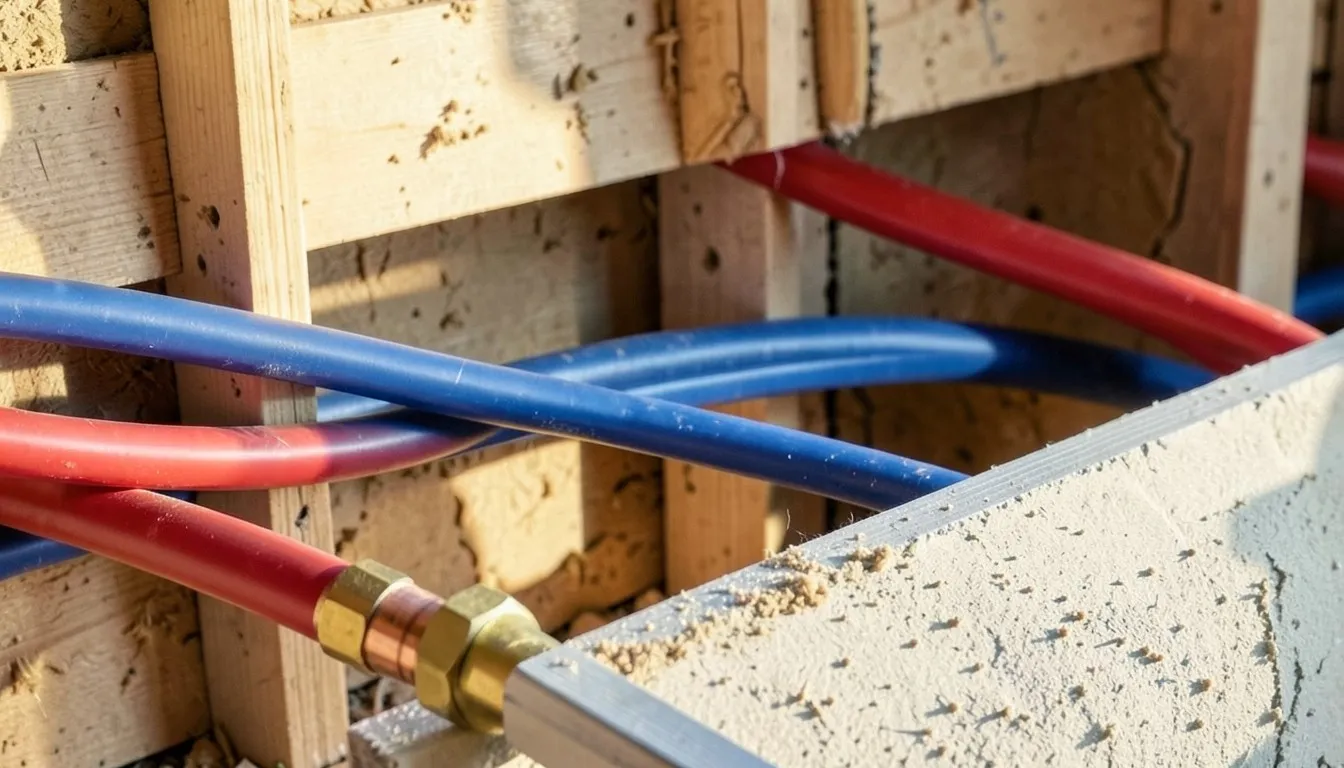
Galvanized supply lines and cast iron drain systems from the 1880s–1940s are past their 40–70-year design life across much of St. Joseph. Interior rust scale progressively narrows pipe bore. Plumbers here routinely scope supply lines before quoting any repair — the underlying pipe condition often makes full replacement more cost-effective than patching.
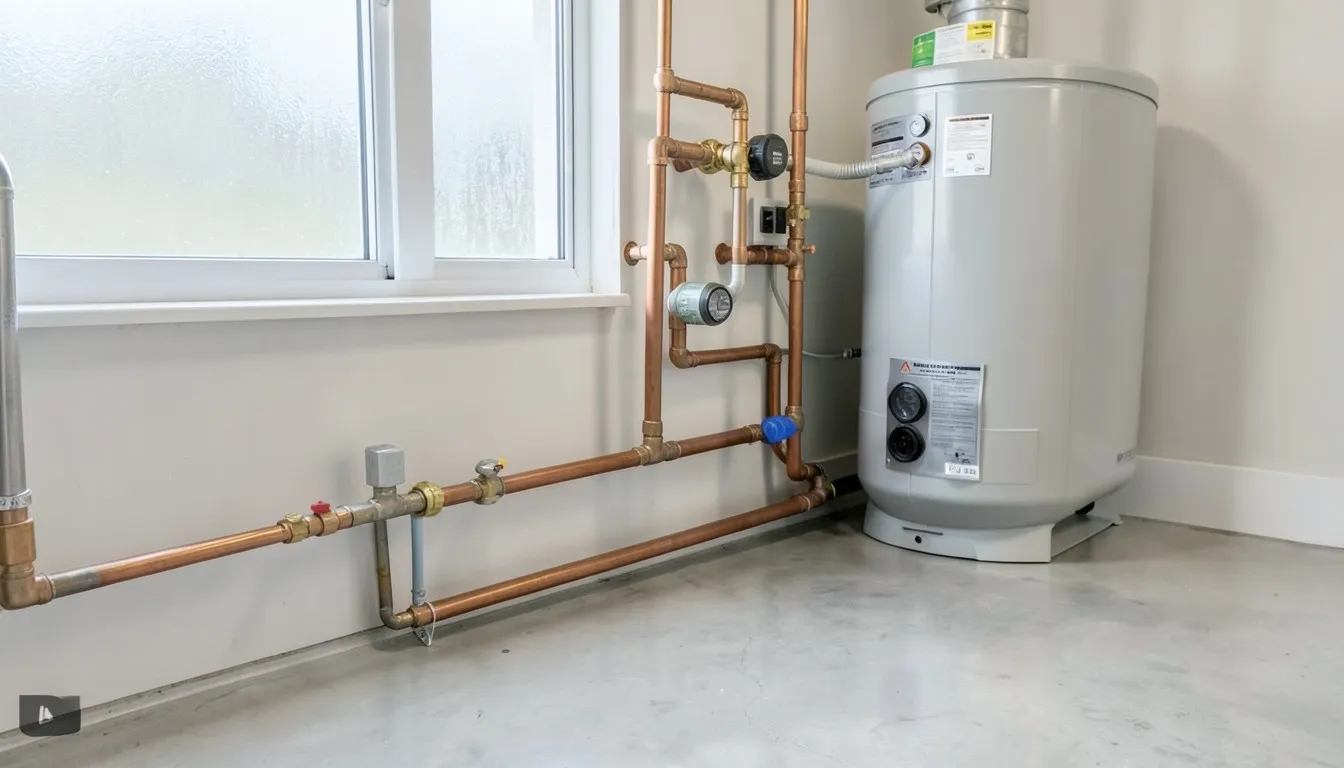
At 15–20+ GPG, calcium scale forces compressed equipment cycles in St. Joseph: tank heaters average 6–9 years vs. the 10–12-year national benchmark, and tankless units require annual descaling. Anode rods calcify within 12–18 months. Most plumbers here assess heater age against the local scale timeline — not the manufacturer's service life.
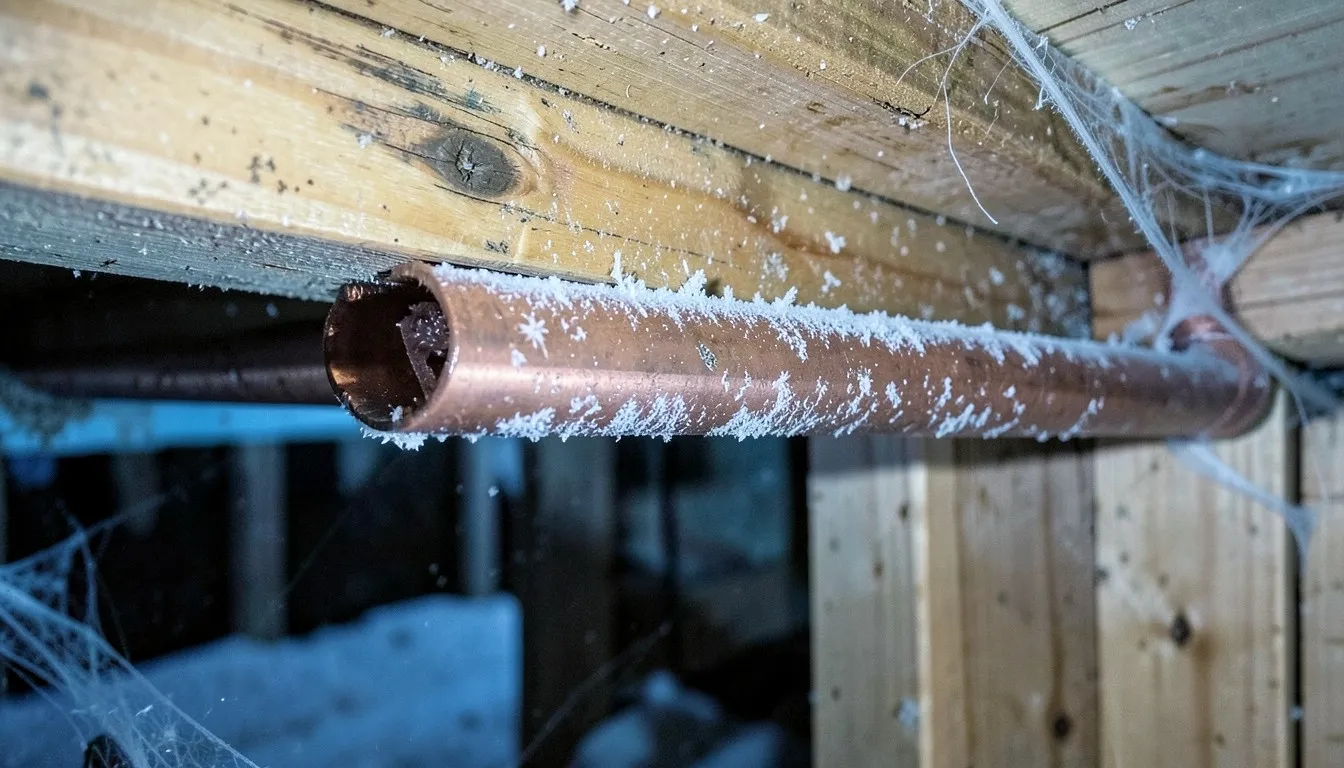
The primary surge in St. Joseph runs January–March, with a secondary wave at the spring thaw — when pipes that held through the freeze rupture as pressure is restored above 32°F. Scheduling competition peaks exactly when emergency calls are highest. Homeowners who wait for visible damage compete for the same limited plumber slots at the worst possible time.
Why diagnose before repairing in St. Joseph?
Describe the symptom — not the repair. AlertPlumber routes the call to an independent MO-licensed plumber in its partner's network — ask whether the site visit will use camera tracing, acoustic detection, or hydrostatic pressure testing matched to the reported failure type.
Ask the plumber for a written diagnostic report: confirmed failure location, available repair methods, and tradeoffs — disruption level, material durability, long-term cost, and whether a St. Joseph building permit applies to the selected method.
You select the repair path. Ask for a fixed scope and price on the authorized method before the Missouri-licensed plumber proceeds and, where required, who files the permit application to St. Joseph.
Hydro Jetting cost calculator — St. Joseph
Pre-filled for hydro jetting in St. Joseph. Adjust the ZIP for a neighboring area, or change the service to compare. Calculator pulls from the city's scraped permit-fee + state plumber-density data.
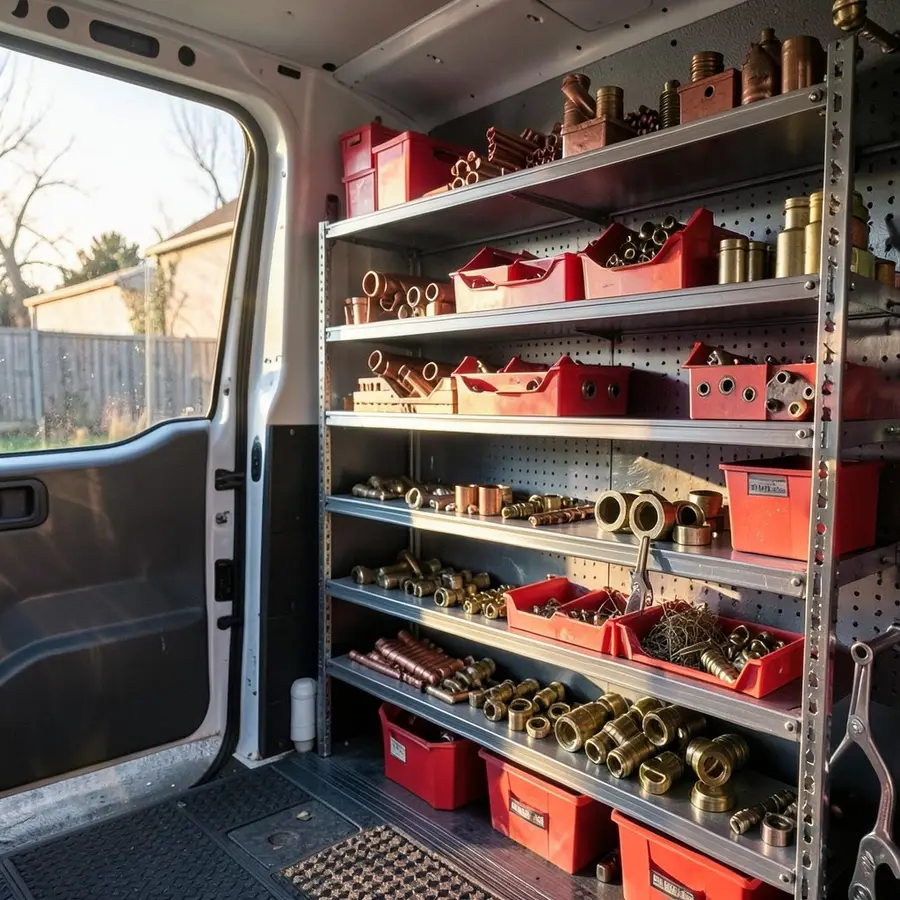
Hydro Jetting in St. Joseph — the longer it runs, the more it costs.
Slow failures compound: soft pipe walls, root penetration, mineral buildup. Ask the plumber you reach for a scope-first estimate before anything is dug up.
What else do people ask about hydro jetting in St. Joseph?
How much does hydro jetting cost in St. Joseph, MO?
Hydro jetting in St. Joseph typically runs roughly 12% below the national average for a residential drain line. Main sewer-line jetting with a camera inspection runs a scope-based price. Price ranges: hydro jetting cost guide.
When should I hydro jet instead of snake a St. Joseph drain?
Snake for: a single, localized clog within 15 feet of the access point and first-time backup. Hydro jet when: the line has clogged twice in 12 months, camera shows grease or scale coating the full bore, or root mass has been confirmed. St. Joseph's 13 gpg hard water leaves mineral deposits in drain lines — jetting is the only method that removes established scale.
Is hydro jetting safe for St. Joseph pipes?
St. Joseph's 70-year median home age means 1880s-1920s lead/cast-iron pipe is common. Professional crews run a camera FIRST and use reduced pressure on pipe older than 40 years.
Should a St. Joseph plumber camera the line before hydro jetting?
Always — a pre-jetting camera inspection (often bundled with the jetting quote) determines pipe material and wall condition, clog type, and whether jetting is safe or whether damaged sections need repair first. Price ranges: hydro jetting cost guide.
Can hydro jetting remove tree roots from St. Joseph sewer lines?
Yes — root-cutting jetting nozzles shred root masses and flush the debris downstream. Jetting clears the immediate blockage but doesn't stop root regrowth — roots return to the same joint in 12–24 months. The long-term fix is trenchless CIPP lining or spot replacement of the affected joint.
How often do St. Joseph homes need hydro jetting?
Homes in St. Joseph with 1880s-1920s lead/cast-iron drain lines typically benefit from jetting every 18–24 months if root intrusion or scale is confirmed.
Is hydro jetting safe for septic systems in St. Joseph?
Most St. Joseph residential properties connect to the municipal sewer system. Confirm at the cleanout access if your connection type is uncertain.
Can I use a residential pressure washer for hydro jetting in St. Joseph?
No — a consumer pressure washer uses 1–4 GPM, insufficient to flush debris through a 4" drain pipe. Professional hydro jetting equipment uses 10–18 GPM at controlled pressure with specialized nozzles engineered for drain pipe diameters.
Does hydro jetting require a permit in St. Joseph?
Hydro jetting of existing drain lines doesn't require a permit — it's a cleaning service. A permit IS required if jetting reveals damage requiring pipe repair. The MO DPR permit is pulled by the matched plumber after the camera documents the need. Permit fee ranges: permit fee estimator.
How do I check the license of hydro jetting crews in MO?
Yes. Every crew reached through AlertPlumber for hydro jetting in St. Joseph holds an active MO DPR license, and ask whether they carry camera-equipped jetting equipment. Camera-before-jetting is the standard on every visit.
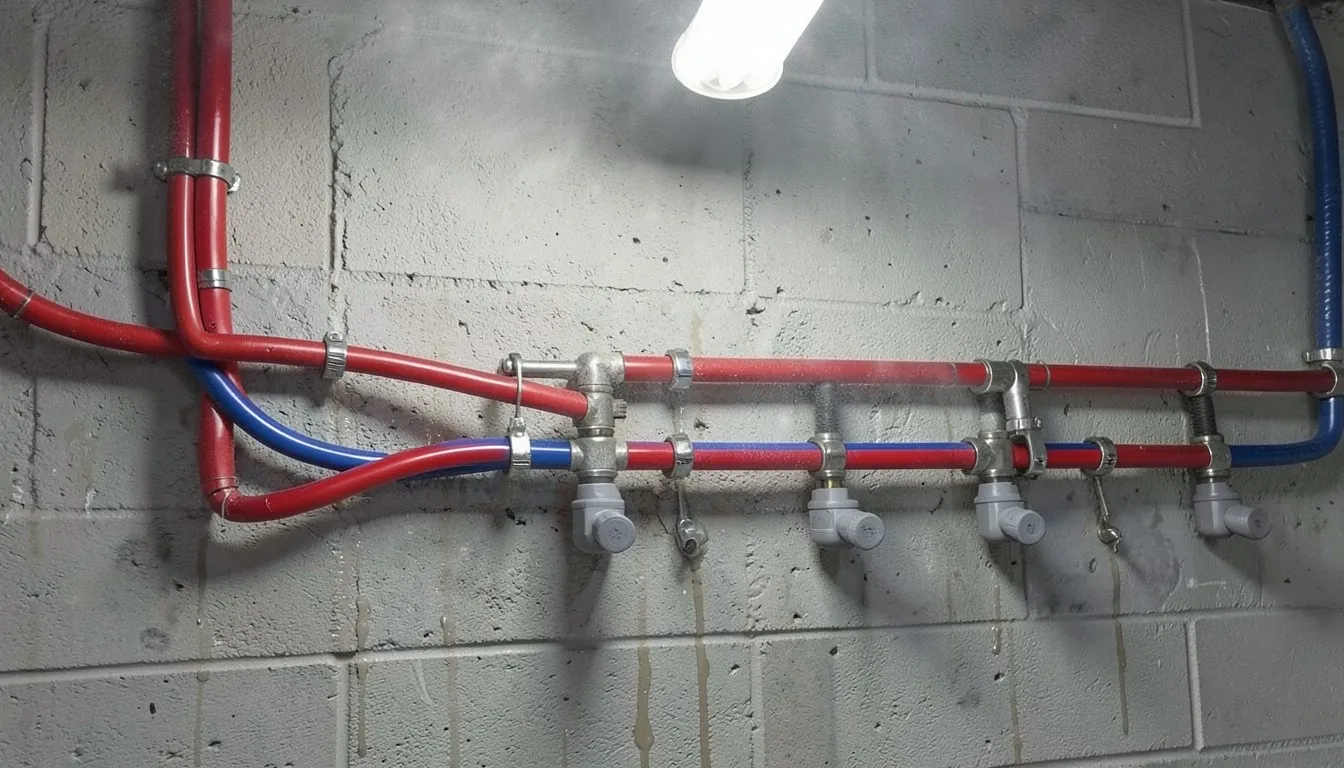
The fix gets cheaper the sooner a plumber sees it.
Degradation problems compound quietly. Call now, or use the form below to reach an independent Missouri plumber, and ask for an estimate for the hydro jetting — you are under no obligation.
Need a hydro jetting callback in St. Joseph?
In a meeting, with the kids, or just prefer not to call? Drop your ZIP and number below. AlertPlumber sends your request to our routing partner — if a participating plumber serves your area, they may call you back directly. For anything urgent, call the number on this page.
- 1 Submit your info. ZIP, phone, and what kind of work you need.
- 2 AlertPlumber passes it on to our routing partner for your area.
- 3 If a participating plumber serves your area, they may call you back. Ask for a written estimate before work starts.
Hydro Jetting in St. Joseph — catch it early
Degradation-driven failures worsen over time and cost more to fix the longer they run. Ask the independent MO plumber you reach in St. Joseph to diagnose your specific condition and put the scope in writing before any work begins.