
Emergency Drain Cleaning in Columbus, Ohio
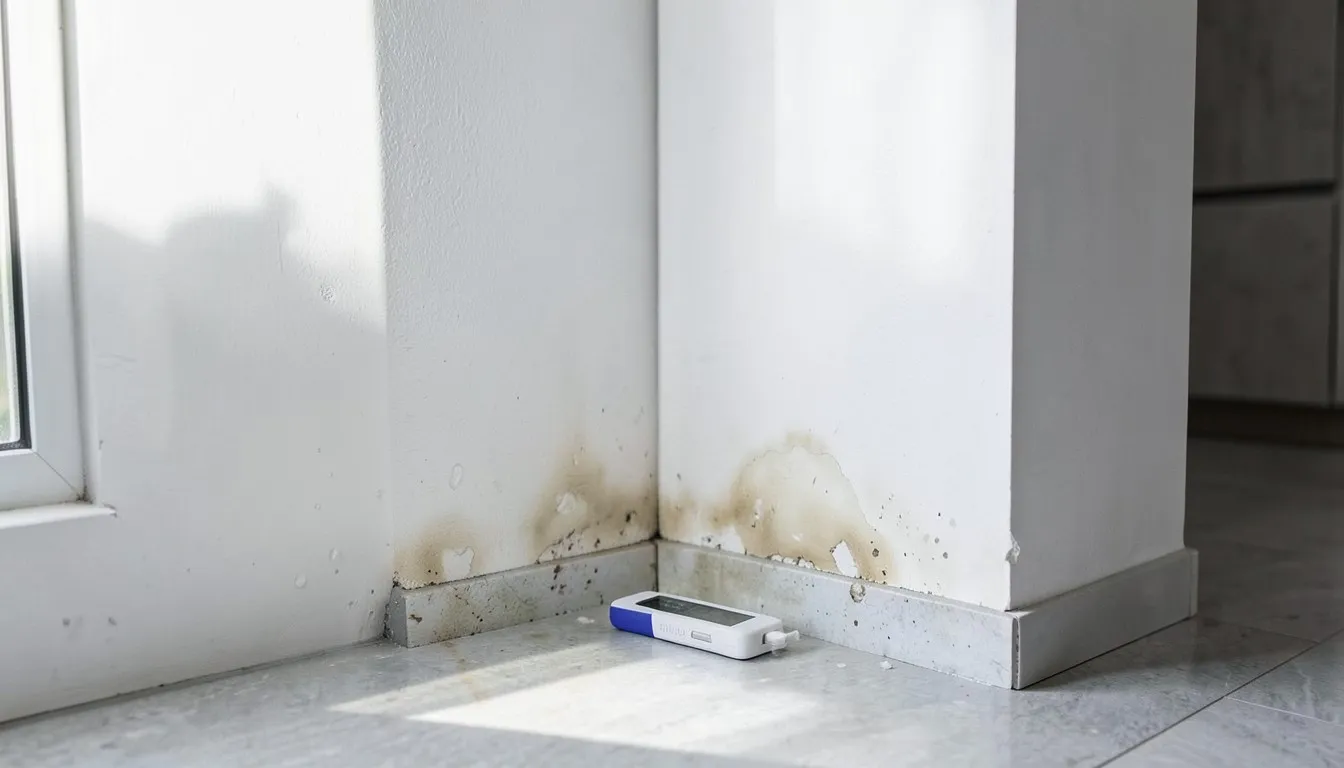
Active water damage compounds by the hour — a licensed OH plumber is on call for Columbus right now.
Local plumbing data for Columbus, OH
Seeing these conditions at your place in Columbus? A state-licensed plumber can confirm it over the phone — free, no obligation.
Pipe conditions in Columbus, OH
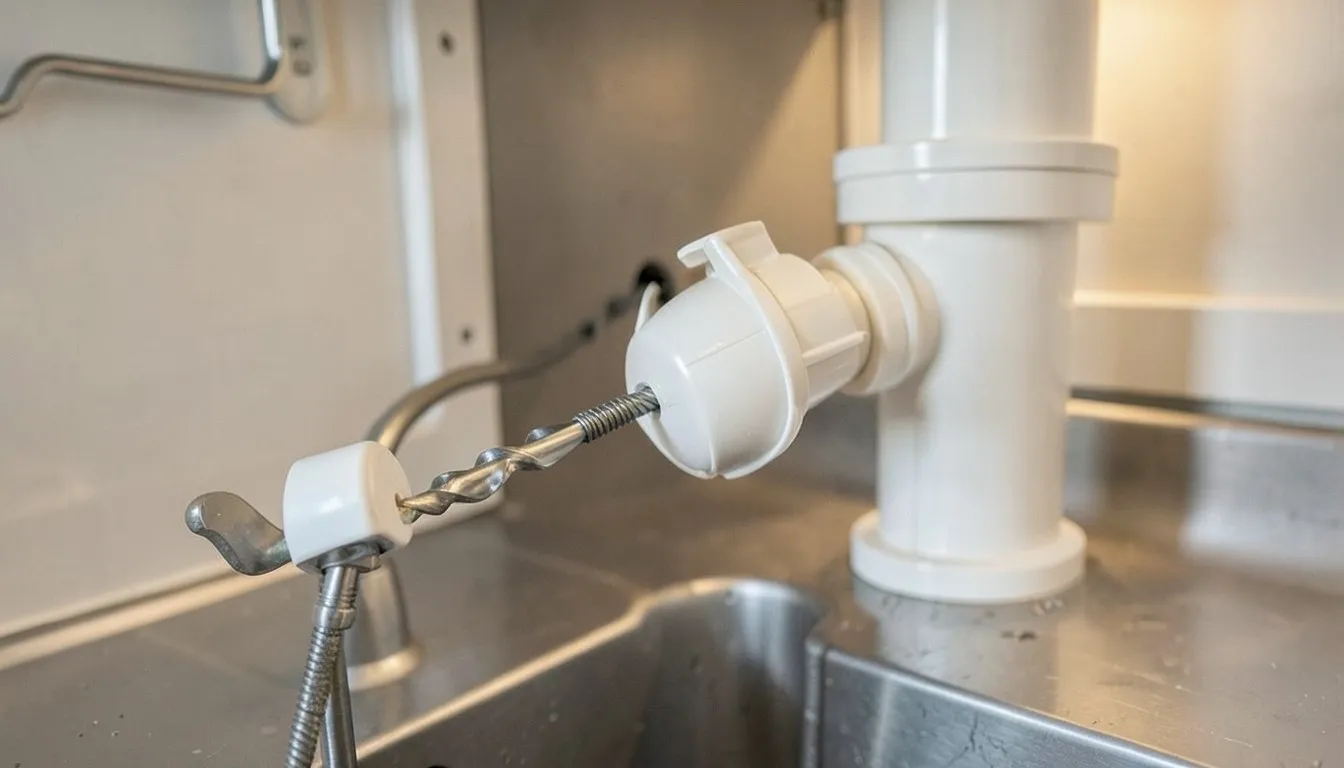
Drain cleaning in Columbus addresses two distinct problems: immediate blockage clearance (snake or jet, same day) and the underlying condition causing recurring clogs (root intrusion, scale buildup, pipe belly, or grease accumulation requiring treatment beyond a single service call). The right approach depends on the root cause — a cable machine clears the blockage without revealing what caused it; a camera scope adds $100–$200 but determines whether the drain will re-block in weeks or hold for years. AlertPlumber routes your request to an Ohio-licensed plumber who provides both options upfront. Freeze events and frost-depth requirements add pipe insulation, exterior faucet winterization, and burst-risk assessment to service calls in this climate.
Columbus's housing stock spans multiple construction eras — median home age 49 years — meaning pipe materials and failure modes vary significantly by neighborhood and building vintage. An inspection-led approach that confirms pipe material before recommending a service path is standard practice for mixed housing profiles.
Hard water in Columbus accelerates scale buildup inside water heater tanks, on heating elements, and at fixture connections. Sediment accumulation in tank heaters reduces efficiency and shortens element life; visible deposits at aerators and showerheads are an early indicator. A licensed plumber can assess whether a water softener or conditioner is appropriate for the home's service configuration.
Frost line depth in Columbus means supply lines and outdoor plumbing must be installed below the freeze threshold — typically 32 — to prevent pipe burst during cold events. Exterior hose bibs, irrigation shutoffs, and any exposed pipe runs are the most common winterization service points in freeze-risk markets.
- Median home age
- 49 yrs
- Water hardness
- 8 gpg
- Frost line
- 32 in.
- Permit
- $125
A licensed OH plumber reads these conditions the moment you describe the symptom.
Drain Cleaning in Columbus: Local Infrastructure Context
Columbus Division of Water sources from the Scioto and Olentangy river systems, delivering at roughly 8 grains per gallon citywide. Hard-water mineral content interacts with kitchen grease in drain lines to form partial soap-scum deposits at horizontal runs and low-slope transitions — firmer than soft-water grease buildup and less responsive to enzyme treatments alone. Basement floor drains in the post-war ranch and split-level housing stock see periodic sediment accumulation from utility space drainage, compounded by the mineral content contributing to trap body deposits.
Post-war construction with a 49-year median home age spans both cast iron and early PVC drain era housing. Homes built between 1950 and 1975 carry cast iron stacks with developing corrosion pitting; homes built from the mid-1970s forward use ABS or Schedule 40 PVC drain systems. The mixed-material risk profile reflects renovation history in neighborhoods like German Village and Clintonville, where cast iron stacks remain but PVC branches were added for bathroom additions or kitchen updates. Those transitions at cast iron-to-PVC connections are common debris accumulation points.
Building and Zoning requires no permit for drain cleaning through existing cleanout access. Drain line modification or cleanout installation requires a permit at $125 through Columbus permit services. The Division of Sewerage and Drainage serves approximately 97% of properties. Hydro-jetting at 2,000–3,500 PSI clears hard-water grease accumulations in PVC and intact cast iron; pre-jetting camera review is standard before applying pressure to cast iron stacks in homes exceeding 50 years.
What shapes plumbing demand in Columbus, OH
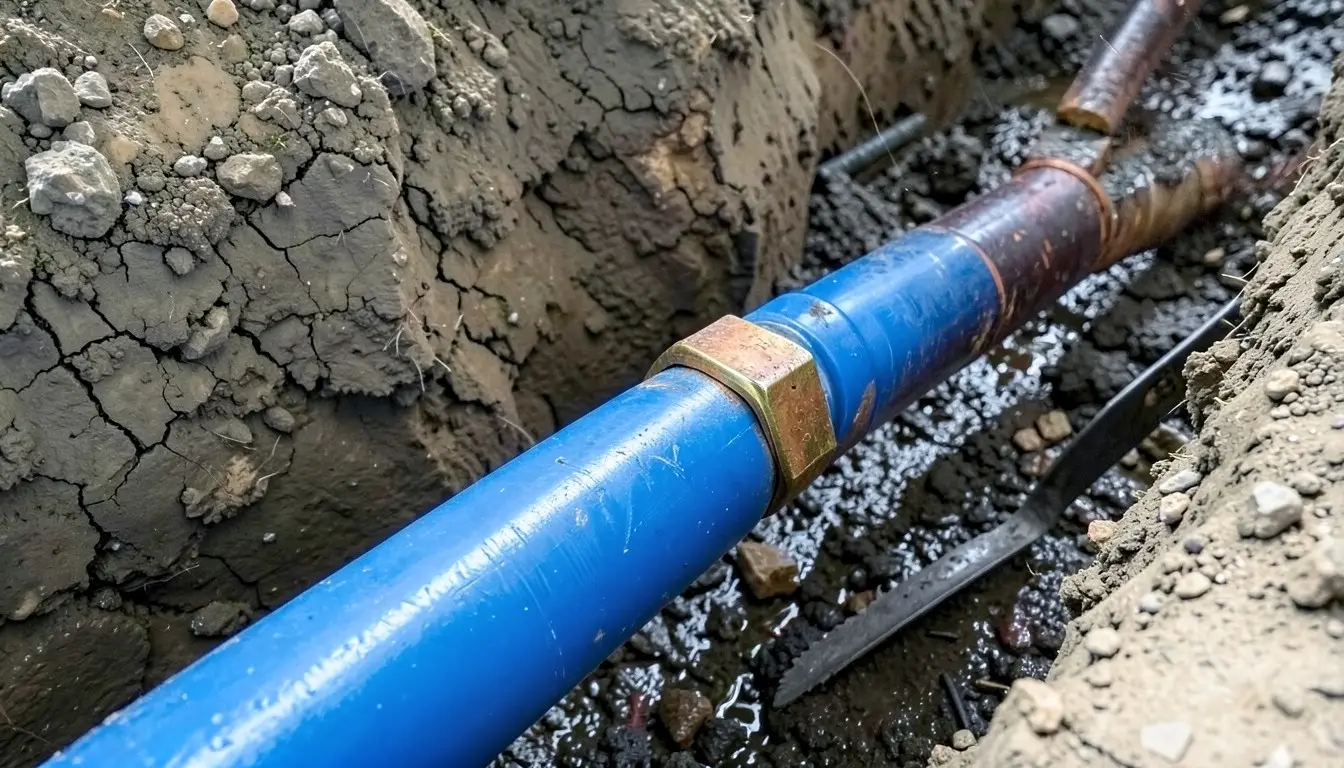
1950s–70s copper supply is now 50–70 years into its service cycle in Columbus. Thermal fatigue at fittings and slab-on-grade access complexity — common in Sun Belt construction — make repair vs. replacement a live decision on most jobs. This housing cohort is the active primary replacement wave in this market.
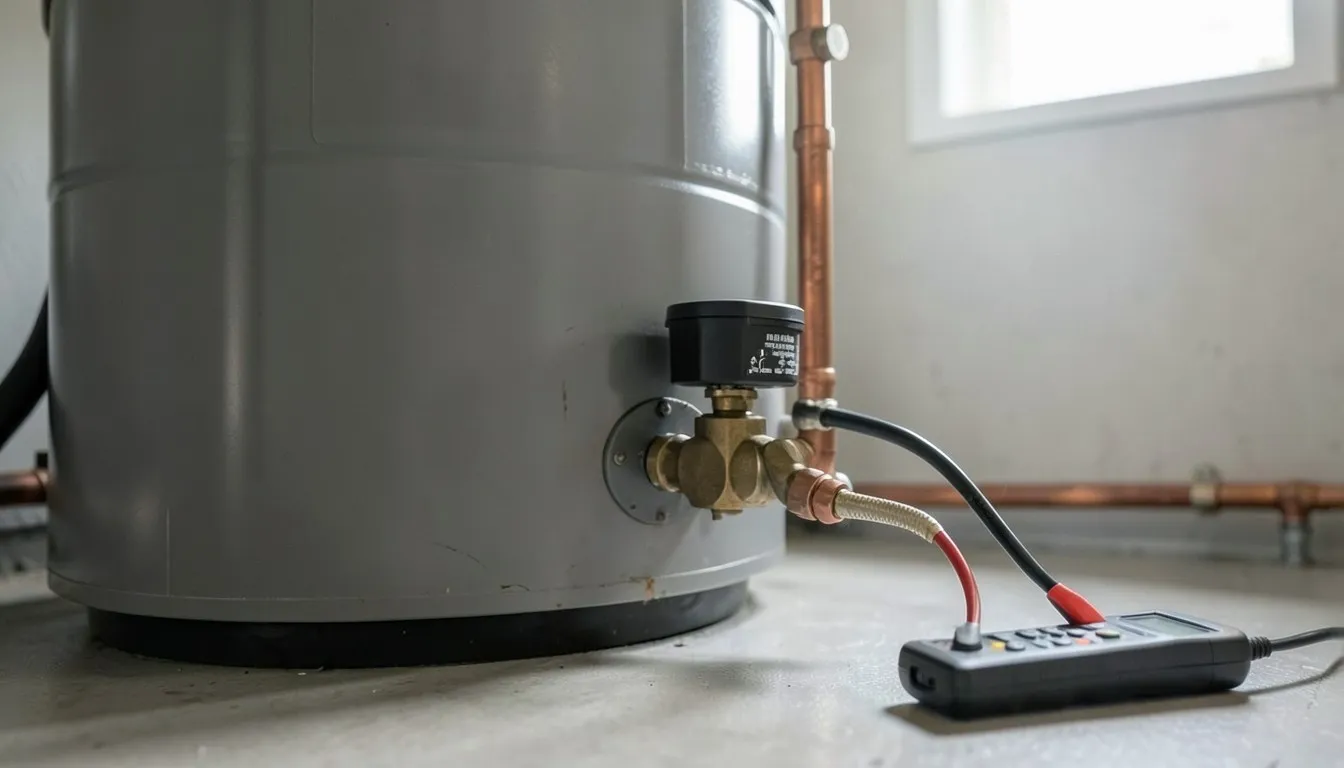
8–14 GPG shortens water heater service life to 8–11 years in Columbus and drives rolling maintenance demand at aerators, shower cartridges, and heat exchanger ports. Annual flushing prevents premature failure; skipped maintenance cycles push units toward early replacement. Scale-related calls represent a significant share of the annual service workload here.

The primary surge in Columbus runs January–March, with a secondary wave at the spring thaw — when pipes that held through the freeze rupture as pressure is restored above 32°F. Scheduling competition peaks exactly when emergency calls are highest. Homeowners who wait for visible damage compete for the same limited plumber slots at the worst possible time.
Active damage in Columbus: contain, assess, restore
Submit your Columbus address and describe the active damage — flooding, failed shutoff, burst or frozen line. AlertPlumber marks the request as priority and an OH-licensed plumber confirms receipt within 15 minutes, without routing through a national call center.
The plumber arrives with a confirmed ETA, locates the nearest shutoff, and maps the damage boundary — affected lines, access points, material condition. You receive a verbal assessment of what requires immediate containment and what can wait until the full repair scope is confirmed.
You approve a written containment and repair scope before any work begins. Temporary isolation is priced separately from full restoration. No phase proceeds without your explicit sign-off.
Drain Cleaning cost calculator — Columbus
Pre-filled for drain cleaning in Columbus. Adjust the ZIP for a neighboring area, or change the service to compare. Calculator pulls from the city's scraped permit-fee + state plumber-density data.
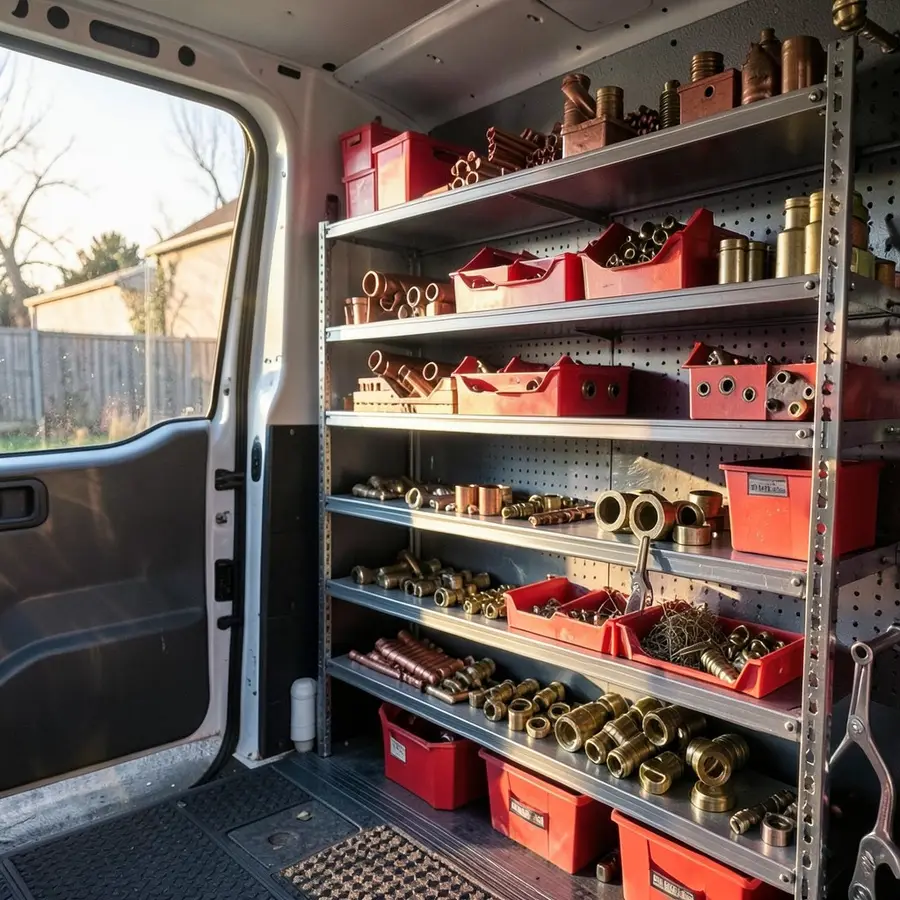
Drain Cleaning in Columbus — the longer it runs, the more it costs.
Slow failures compound: soft pipe walls, root penetration, mineral buildup. A verified plumber calls back with a scope-first estimate before anything is dug up.
Drain Cleaning in Columbus — frequently asked
What does drain cleaning actually cost per fixture in Columbus?
Columbus drain cleaning prices on a per-fixture basis. A bathroom-sink or tub-drain pull-and-cable runs $145–$245 since the trap arm is short and the plumber works from the P-trap. Kitchen-sink branch cabling runs $185–$325 because OSU-corridor and Easton-area kitchens layer grease over the 8 gpg Olentangy/Scioto scale, requiring a 3/8" cable run 25–40 ft to the stack. Toilet auger (closet auger or 6 ft snake) runs $165–$285. Mainline cabling through an exterior cleanout runs $325–$585 for a German Village 1920s cast-iron stack vs $285–$485 for an Upper Arlington 1955 ranch — the older Clintonville/Short North homes lack accessible cleanouts and add $85–$165 of access labor. Camera-scope diagnostic adds $185–$285 if the cable hits something it can't break through. The $125 Columbus DBZS permit doesn't apply to straight cable work since drain cleaning is permit-exempt maintenance under IPC § 707. AlertPlumber routes to a verified OH OCILB plumber who quotes per-fixture before dispatching — not by the hour.
How do I tell which drain symptom is which in Columbus?
Slow single fixture (one sink draining sluggishly) means a localized branch clog — hair, soap scum, or kitchen grease in the trap arm or first 10 ft of branch. Gurgle from an adjacent fixture when you flush (toilet flushed, tub drain bubbles) means the clog has moved past the branch into the stack and the system is pulling air through the wrong vent. Multiple fixtures on the same floor backing up simultaneously means the horizontal branch line is blocked. All fixtures backing up plus the lowest drain (basement floor drain, basement shower) showing sewage means the mainline lateral to the Columbus DPU sewer connection is obstructed — that's the call where the plumber brings the sectional cable machine plus locator. German Village basement floor drains burping when the upstairs toilet flushes is a textbook 1920s cast-iron stack scale + lateral root combo. The matched plumber asks which symptom you're seeing on the callback to load the right truck.
Why do Columbus drains clog the way they do?
Four overlapping pathologies. (1) German Village / Clintonville / Short North 1920s-40s cast-iron stacks. Tubercle scale on the inside of the stack reduces the effective diameter of a nominal 4" pipe to 2.5–3" and grabs every passing solid. (2) 8 gpg Olentangy + Scioto blend. Per USGS hardness classification that's moderate, but layered with kitchen FOG it forms a calcium-soap concretion that mechanical augers chip through but don't fully clear. (3) OSU corridor + Easton commercial grease. High Street, Short North, and Old North restaurant FOG migrates into shared laterals at the property line and resurfaces as recurring residential mainline backups in adjacent blocks. (4) 110 freeze days. Continental winter rim-joist freezes on basement laundry standpipes and unheated crawlspace branches push thaw-water through partially clogged lines, converting slow drains into full backups Dec–Mar. The pre-job NASSCO PACP-format camera scope identifies which pathology is driving your call.
Cabling, hydro-jet, or scope first — how does the plumber decide for a Columbus drain?
Decision tree the matched plumber follows on a Columbus call. Cable first for any acute single-fixture clog or a first-time mainline backup where the homeowner hasn't seen a pattern — 3/8" cable for branches, 5/8" or 3/4" sectional for the mainline. Cabling clears 70–80% of Columbus residential calls outright. Camera scope when (a) the cable goes in clean but the drain still backs up, (b) the homeowner has had three or more clearings on the same line in 18 months, or (c) the mainline is a German Village 1920s cast-iron and the plumber wants to document scale severity before quoting replacement. Hydro-jet only after the scope confirms grease, scale, or root mass that cable can't fully evacuate — typical for OSU-corridor kitchen branches and Easton-area properties downstream of restaurant grease, plus mature neighborhood clay-lateral root cuts. Jetting a deteriorated cast-iron stack without scoping first is how plumbers blow holes in 1925 pipe — Columbus's 1973 median build means a meaningful share of housing predates that risk threshold.
Will my Ohio HO-3 cover the drain backup damage?
Standard Ohio HO-3 policies exclude the drain cleaning labor itself but typically cover the water-damage consequences (drywall, flooring, baseboard, finished basement contents) when a clog-driven backup originates inside the dwelling — if you carry the optional sewer/drain backup endorsement. The endorsement is sold separately in Ohio and is not automatic. For German Village, Clintonville, or Short North homes with 1920s-40s cast-iron stacks, and for any Columbus property with a finished basement near the Olentangy or Scioto floodplain, the rider is the difference between a $850 cable bill and a $14k restoration bill. To document a claim: keep the plumber's invoice itemizing cable footage and clog cause, save the camera-scope MP4 if a scope was run, and photograph the water line on drywall before remediation. Submit within the 14–30 day window your carrier requires. Routine maintenance cabling on a chronically clogged line is denied as preventable — claim only when the backup itself caused the damage.
How long is a Columbus drain cleaning plumber actually on site?
Realistic time-on-site by job. Bathroom-sink or tub-branch cable: 35–55 minutes including setup, pull-and-cable, and cleanup. Kitchen-sink branch through OSU-corridor or Easton-area grease: 55–85 minutes because the cable has to make two or three passes to fully evacuate the FOG/scale concretion. Toilet auger: 25–45 minutes. Mainline cable through an exterior two-way cleanout on a Hilliard, Dublin, or Westerville 1990s+ PVC build: 60–90 minutes. Mainline cable on a German Village or Clintonville 1925 cast-iron with no exterior cleanout (plumber pulls a basement floor-drain trap or accesses via the stack cleanout): 95–145 minutes — the access work alone adds 30–45 minutes. Camera scope after cabling: add 35–55 minutes. Hydro-jet of a confirmed grease-loaded mainline: 90–150 minutes. The 110 freeze-day December–March window stretches every job by 15–25 minutes since plumbers chip frost off basement cleanout caps before opening them.
Do German Village 1920s, Upper Arlington 1955, and Hilliard 1995 homes clog differently?
Yes — three distinct Columbus drain profiles. German Village / Clintonville / Short North 1920s-40s. 4" cast-iron stack with lead-and-oakum hub joints, lead bend at the toilet flange, galvanized branches feeding a tar-coated cast-iron mainline that exits to a clay tile lateral. Tubercle scale, hub-joint root intrusion, and 1920s undersized 1.5" sink branches that grab every kitchen rinse define the clog set. Upper Arlington / Bexley / Worthington 1950s-70s post-war ranch. Cast-iron stack but with no-hub bands replacing oakum on later builds, copper or galvanized branches, cast-iron mainline to clay or early Orangeburg lateral. The dominant clog is mid-stack scale plus the failing Orangeburg laterals on 1955–1968 Bexley/Worthington vintages — those laterals are at end-of-life and present as recurring mainline backups. Hilliard / Dublin / Westerville 1990s+ PVC. Schedule 40 PVC stack and mainline, PVC lateral to the DPU sewer. These homes don't scale and they don't root much — when they clog, it's almost always FOG accumulation in the kitchen branch or a flushed-wipes/feminine-product mainline catch. Cable clears 90%+ of Hilliard PVC mainlines on the first pass.
Does Columbus require a permit for drain cleaning, and what credentials apply?
Drain cleaning by mechanical cable, auger, or hydro-jet is permit-exempt maintenance in Columbus. The $125 Columbus DBZS plumbing permit attaches only when scope crosses into replacement — pulling a section of failed cast-iron stack in German Village, replacing a 1955 Bexley Orangeburg lateral, adding a new cleanout to bring an older Clintonville build into IPC § 708 compliance, or repiping a kitchen branch. The verified plumber pulls that permit through the Columbus Department of Building and Zoning Services and itemizes the fee on the written quote. Credentials run through the state board: Ohio OCILB lists 9,480 active credentialed plumbing contractors statewide. AlertPlumber doesn't independently verify each plumber per call — confirm credential status on the state board lookup before authorizing any work beyond cabling.
When does a Columbus branch clog escalate into a mainline call?
Watch for the escalation signals. Branch clog stays branch when only one fixture is affected, no other drain gurgles, and the basement floor drain is bone dry. Cable the trap arm and you're done. Escalation to mainline when (a) you flush an upstairs toilet and the basement floor drain bubbles or backs up, (b) running the kitchen sink causes the basement laundry standpipe to drain slowly, (c) two or more fixtures on different branches are simultaneously slow, or (d) sewage appears at the lowest fixture in the house regardless of which upstream fixture you used. That's a mainline obstruction between the building and the Columbus DPU sewer connection at the curb. The plumber switches from the 3/8" branch cable machine to a 5/8" or 3/4" sectional or drum machine and runs the mainline through the cleanout. In German Village and Clintonville homes without an accessible exterior cleanout, the plumber accesses through the basement stack cleanout or pulls a toilet — that's why mainline calls run 95–145 minutes vs 60–90 in Hilliard PVC builds.
When should I cable it myself vs call a Columbus plumber?
DIY makes sense for: hair clogs in a bathroom-sink trap (unscrew the P-trap, clean by hand, $0), a pop-up stopper full of soap scum (lift, clean, reinstall), and a single toilet clog cleared with a flange plunger or $25 closet auger. Call the verified plumber when: (1) a 25 ft drugstore hand-snake won't clear it — anything beyond that needs a powered cable and a pro who can read where the obstruction sits, (2) two or more fixtures are slow simultaneously (mainline territory, see prior question), (3) the basement floor drain backs up under any condition, (4) you live in a German Village, Clintonville, or Short North 1920s-40s home — chemical drain cleaners eat tubercle-scaled cast-iron and lead-oakum joints, and aggressive DIY cabling can punch through deteriorated pipe wall, (5) you've cleared the same drain twice in 90 days (chronic clog needs a scope, not another cable pass), or (6) it's December–March during the 110-freeze-day window and your basement laundry standpipe is backing up — that's a thaw-water-plus-clog combination that needs a thermal assessment alongside the cabling. EPA Safer Choice enzymatic maintenance products are the only DIY chemicals safe for older Columbus pipe.
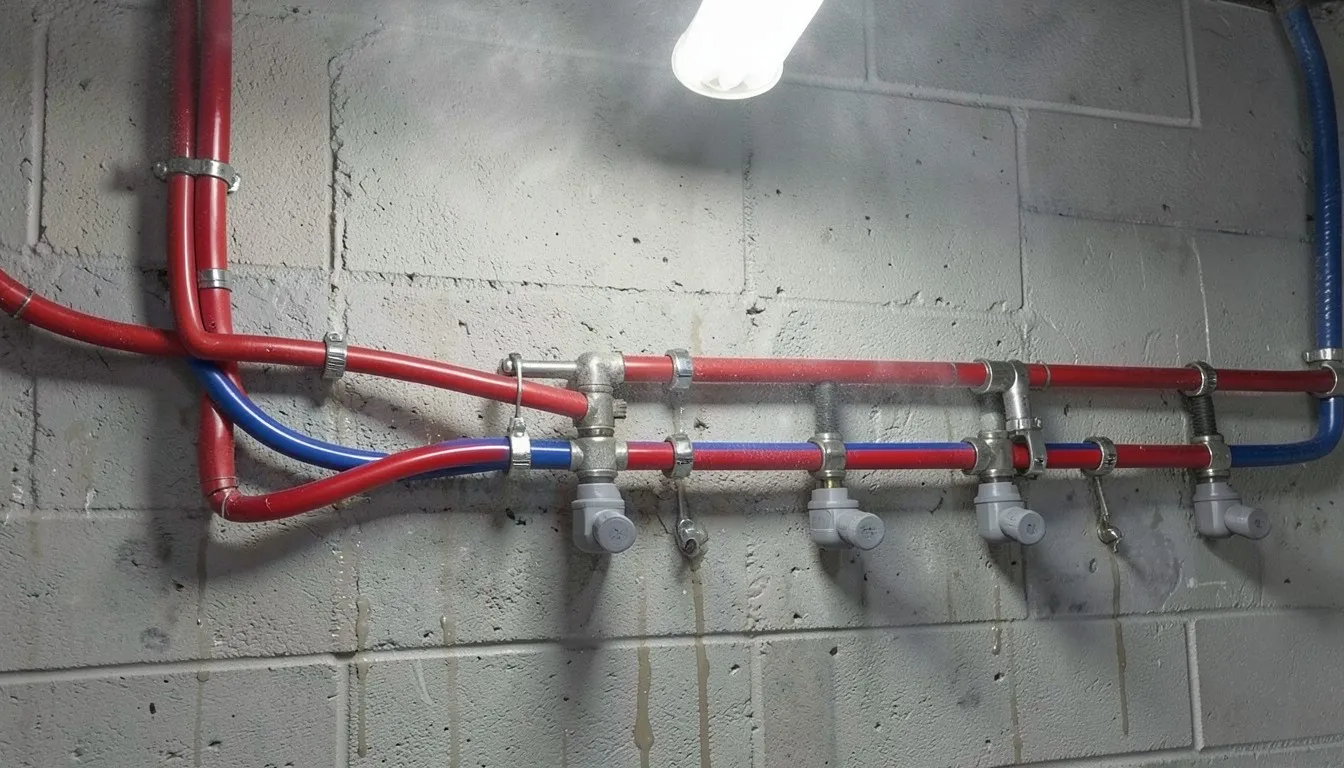
The fix gets cheaper the sooner a plumber sees it.
Degradation problems compound quietly. Call now, or use the form below and a licensed Ohio plumber calls you back with a no-obligation estimate for the drain cleaning.
Request a drain cleaning callback in Columbus
In a meeting, with the kids, or just prefer not to hold? Drop your ZIP and number below. AlertPlumber routes your request to a verified plumber in your area — they’ll call you back directly.
- 1 Submit your info. ZIP, phone, and what kind of work you need.
- 2 AlertPlumber matches you with a verified plumber serving your area.
- 3 The plumber calls you back with a written estimate, no obligation.
Drain Cleaning in Columbus — catch it early
Degradation-driven failures worsen over time and cost more to fix the longer they run. A verified OH plumber in Columbus diagnoses your specific condition and provides a written scope before any work begins.