
Standpipe
A vertical pipe that provides an indirect drain connection for washing machines and other appliances — preventing dirty water from siphoning back into the appliance.
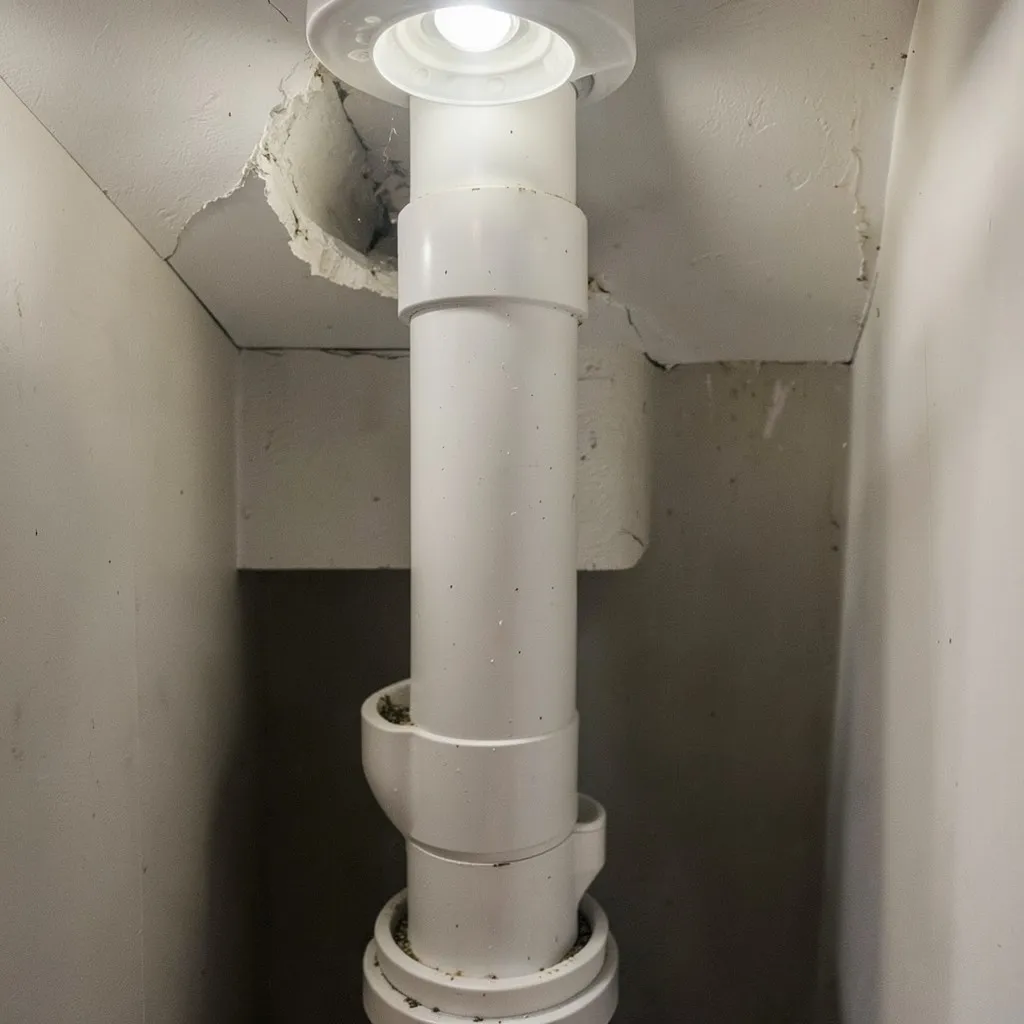
A standpipe is a vertical drain receptor — typically a 2-inch pipe extending 18–42 inches above the trap — that provides an indirect (air-gap) connection between an appliance and the drain system. Washing machines are the most common application: the washer's flexible drain hose hooks over the standpipe opening and drains into it. This air gap prevents dirty drain water from being siphoned back into the machine.
Why do standpipes matter?
Without a standpipe, connecting a washing machine directly to a drain pipe creates a submerged connection that allows drain water (and sewer gas) to be pulled back into the machine by vacuum pressure when water drains rapidly. The standpipe's open top provides both an air gap (backflow prevention) and a vent for the fixture trap below.
What are the IPC requirements for a standpipe?
- Minimum 2-inch diameter for washing machine standpipes
- Minimum height: 18 inches above the trap weir
- Maximum height: 42 inches above the trap weir (so the washer hose can reach without excessive length)
- The drain hose should slip loosely into the standpipe — not sealed — to maintain the air gap
- The standpipe must be vented either individually or via a wet vent
What other applications do standpipes have?
In commercial buildings, fire standpipes are completely different systems — vertical water mains inside stairwells used by firefighters. In residential plumbing, standpipes also appear at utility sinks, mop sinks, and condensate drain lines from HVAC equipment. Condensate standpipes are typically 1¼–1½ inch and drain air handler condensate indirectly into a floor drain.
What are common standpipe problems?
Standpipe clogs are usually caused by lint from washing machine drains. Unlike a sink p-trap, the trap under a standpipe is typically under the floor and can be difficult to access. Hydrojetting is the most effective way to clear a standpipe and its downstream drain.
Researching the term is one thing — hiring for it is another. See drain cleaning services for scope, timelines, and what drives the price, or call (888) 530-4445 for a no-cost estimate.
For the full picture — materials, process, timelines and what drives the cost — read Drain Cleaning: The Complete Guide.
What related terms should you know?
What sources back this up?
Need a verified plumber for drain cleaning?
AlertPlumber matches you with a licensed plumber for drain cleaning. Written estimate before any work begins.