
Plunger
A hand tool that uses suction and hydraulic pressure to dislodge drain clogs. The cup plunger works on sinks and tubs; the flange plunger is designed specifically for toilets.
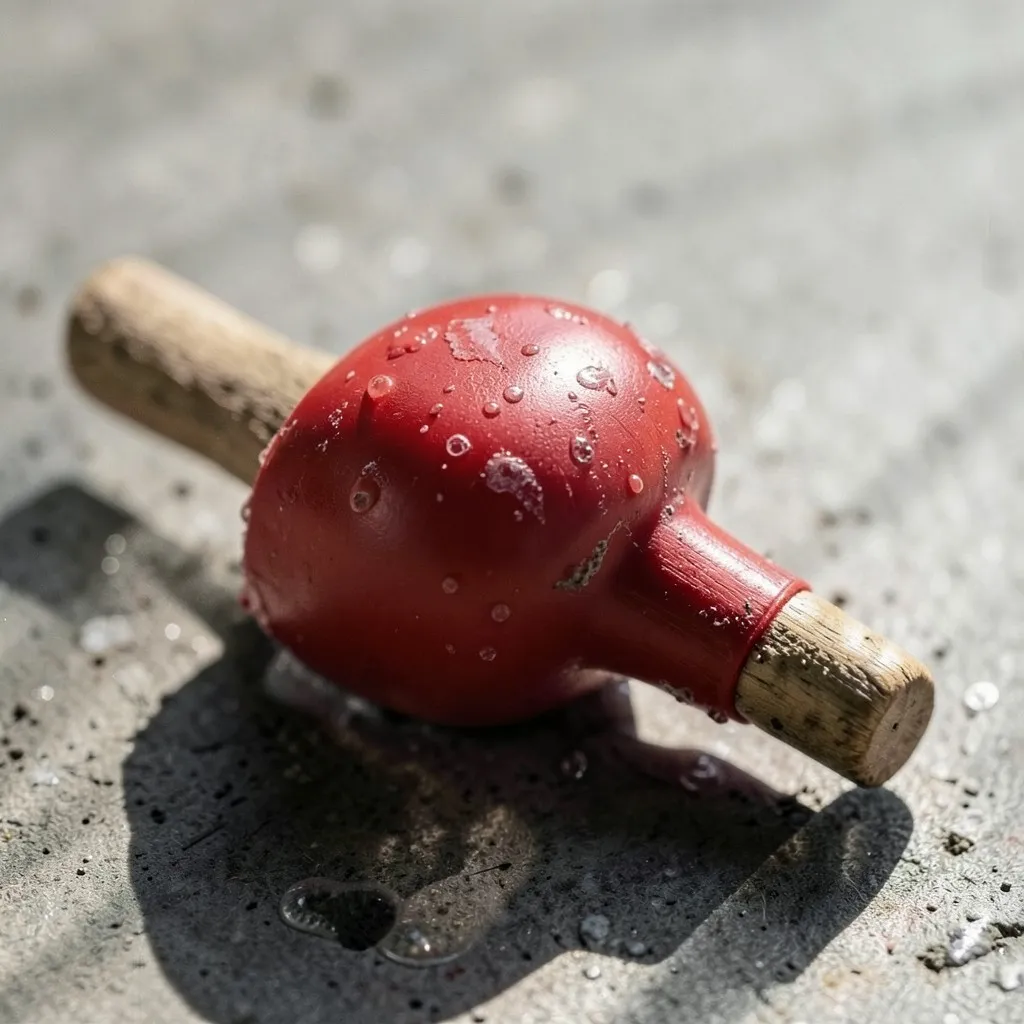
A plunger is the first-line tool for clearing minor drain clogs — a rubber cup attached to a wooden or plastic handle that creates alternating pressure and suction when pumped over a drain opening. When used correctly, the hydraulic force dislodges soft blockages near the drain without chemicals or tools.
What types of plungers are there?
- Cup plunger (flat-bottom): a simple rubber hemisphere — the classic red plunger. Designed for flat drain surfaces (sinks, tubs, shower floors). The flat cup seals against a flat surface and creates effective pressure. NOT ideal for toilets.
- Flange plunger (toilet plunger): a cup plunger with an extended rubber flap (the flange) that folds out from the cup. The flange seats inside the toilet drain opening, creating a much better seal than a flat cup against the curved toilet trap. Always use a flange plunger on toilets.
- Accordion (bellows) plunger: a hard plastic or rubber accordion design that generates more force per stroke than a standard cup. Good for stubborn clogs but harder to control.
How do you plunge correctly?
- Fill the sink or tub with enough water to cover the cup — plunging without water pushes air, not hydraulic pressure.
- Block the overflow opening (the hole near the rim of a sink) with a wet rag — this prevents pressure from escaping through the overflow instead of pushing through the clog.
- Position the cup over the drain and press down firmly to create an initial seal (pushing air out).
- Pump vigorously — 10–15 firm up-and-down strokes — maintaining the seal throughout.
- On the final stroke, pull the plunger up sharply to break the seal and create suction.
- Check the drain. Repeat 3–4 times if the first round doesn't clear it.
When won't plunging work?
Plunging is effective for soft, nearby clogs within the trap or a few feet into the drain. It won't clear: hard objects (toy, toothpaste cap), clogs deep in the drain line, tree roots in the sewer lateral, or clogs caused by structural issues. If 3–4 attempts don't improve drainage, move to a drain snake.
Researching the term is one thing — hiring for it is another. See drain cleaning services for scope, timelines, and what drives the price, or call (888) 530-4445 to talk to a local plumber about the job.
For the full picture — materials, process, timelines and what drives the cost — read Drain Cleaning: The Complete Guide.
What related terms should you know?
What sources back this up?
Need a plumber for drain cleaning?
Calls are connected to independent licensed local plumbers in our partner's network for drain cleaning. Ask for the license number and a written estimate before any work begins.