
Emergency Toilet Repair in Columbia, Missouri
Toilet Repair in Columbia, Missouri fixes leaking, running, clogged, or unstable toilets. Local conditions in Columbia: water measured at 15 gpg, a 20 in frost line and a median home age of 40 years.
Book it this week — ask the independent MO plumber you reach for a quote by phone before anyone comes out.
Is toilet repair in Columbia, MO the right job?
- Toilet Installation in Columbia
- A cracked or worn-out toilet needs replacement, or a toilet is being added in a new location.
Who do I call for a broken toilet in Columbia?
A plumber. A toilet that overflows, will not stop running into the bowl, or leaks at the base is the urgent kind; if it is the only toilet in your Columbia home, say so on the call.
What does the local plumbing data show for Columbia, MO?
Seeing these conditions at your place in Columbia? Describe them on the call to a state-licensed local plumber — free, no obligation.
What are the pipe conditions in Columbia, MO?
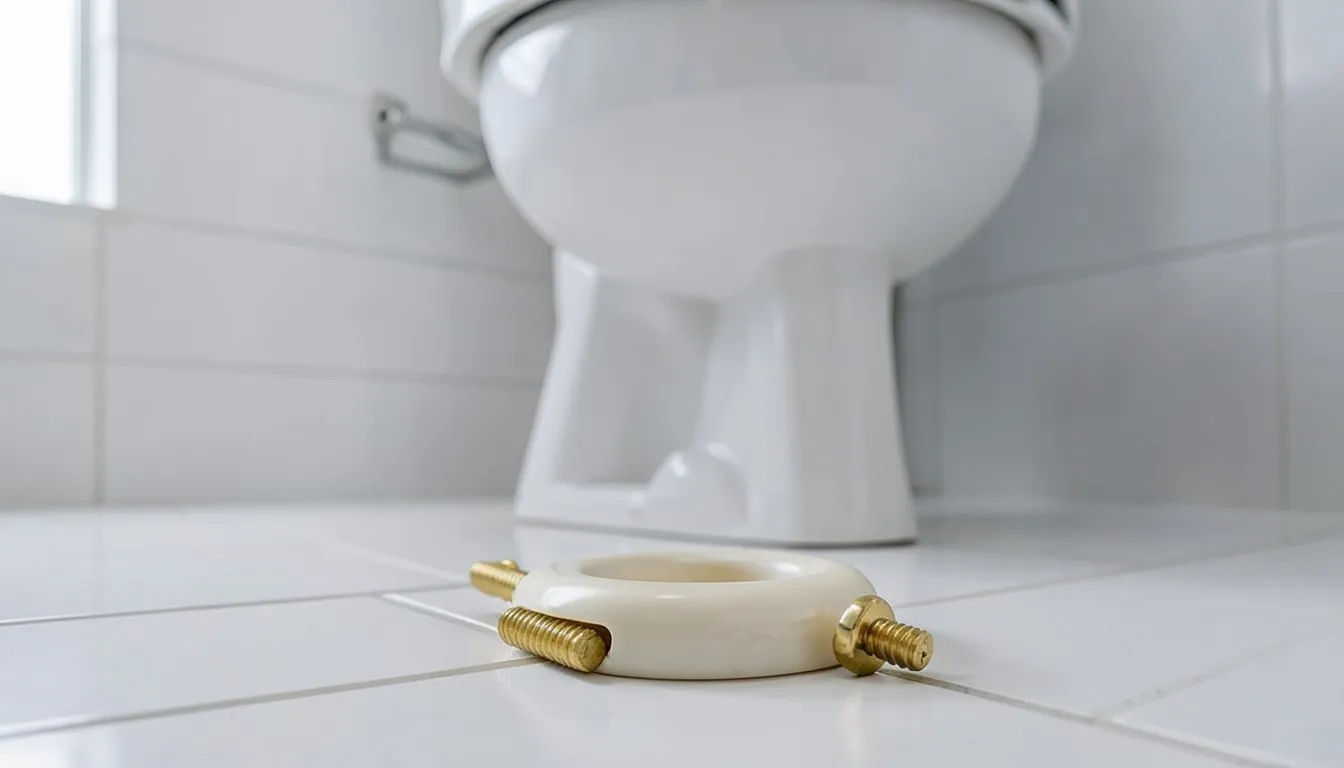
Toilet repairs in Columbia range from a running toilet losing 200 gallons per day through a worn flapper (an inexpensive part, 20-minute repair) to a toilet rocking on a failed wax seal (water damage to the subfloor is the next consequence). The most common repair category — flapper, fill valve, or flush handle replacement — is straightforward; a toilet that rocks or shows floor staining at the base needs flange and wax seal inspection before the leak path reaches the subfloor. AlertPlumber connects your call with an independent Missouri-licensed plumber — ask for an accurate diagnosis before any parts are ordered.
Columbia's housing stock spans multiple construction eras — median home age 40 years — meaning pipe materials and failure modes vary significantly by neighborhood and building vintage. An inspection-led approach that confirms pipe material before recommending a service path is standard practice for mixed housing profiles. Homes of other eras in Columbia may have galvanized pipe, copper pipe or polybutylene supply lines instead; ask the plumber which your home has.
Very hard water in Columbia is a primary driver of accelerated appliance failure: water heater anode rods exhaust in 2–3 years instead of 6–8, scale deposits at fixture connections form within months of installation, and tankless heat exchangers accumulate mineral buildup that can reduce lifespan by half without regular descaling. A softener or whole-house conditioner is strongly recommended alongside any appliance service call.
Frost line depth in Columbia means supply lines and outdoor plumbing must be installed below the freeze threshold — typically 20 in — to prevent pipe burst during cold events. Exterior hose bibs, irrigation shutoffs, and any exposed pipe runs are the most common winterization service points in freeze-risk markets.
- Median home age
- 40 yrs
- Water hardness
- 15 gpg
- Frost line
- 20 in
- Permit
- City fee schedule
Census housing age, Columbia city, Missouri: median year built 1993; 11.4% of homes built before 1960, 31.8% before 1980. Source: U.S. Census Bureau, ACS 2020–2024 5-year estimates, tables B25034 and B25035, read 2026-09-30.
Mention these conditions when you describe the symptom to the MO plumber you reach.
What shapes plumbing demand in Columbia, MO?
CPVC becomes brittle in the 20–35-year range and snaps under thermal stress or incompatible pipe dopes. Early PEX fittings (pre-2010) may develop chloramine compatibility issues at 15–25 years. The 1980s–1990s housing stock in Columbia is entering its first wave of material-driven service calls — not from neglect, but from normal service-life progression.
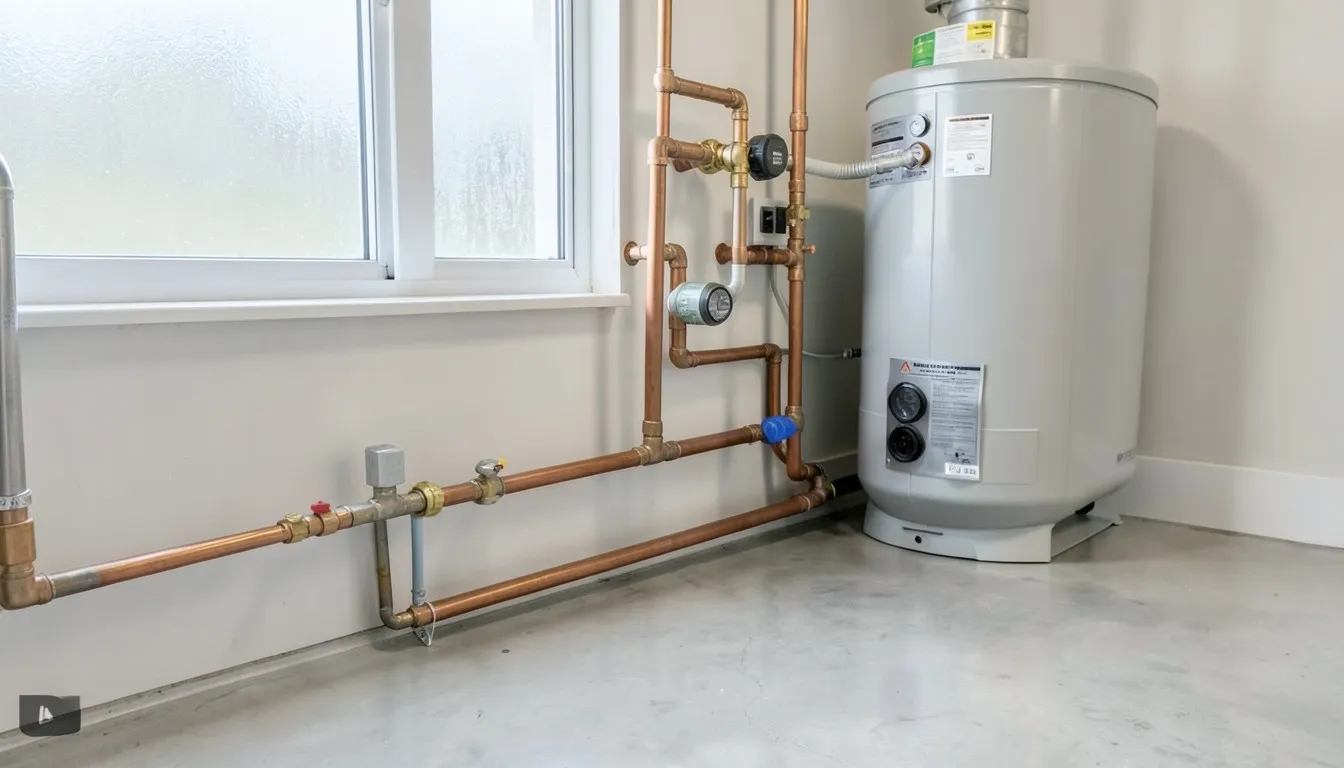
At 15–20+ GPG, calcium scale forces compressed equipment cycles in Columbia: tank heaters average 6–9 years vs. the 10–12-year national benchmark, and tankless units require annual descaling. Anode rods calcify within 12–18 months. Most plumbers here assess heater age against the local scale timeline — not the manufacturer's service life.
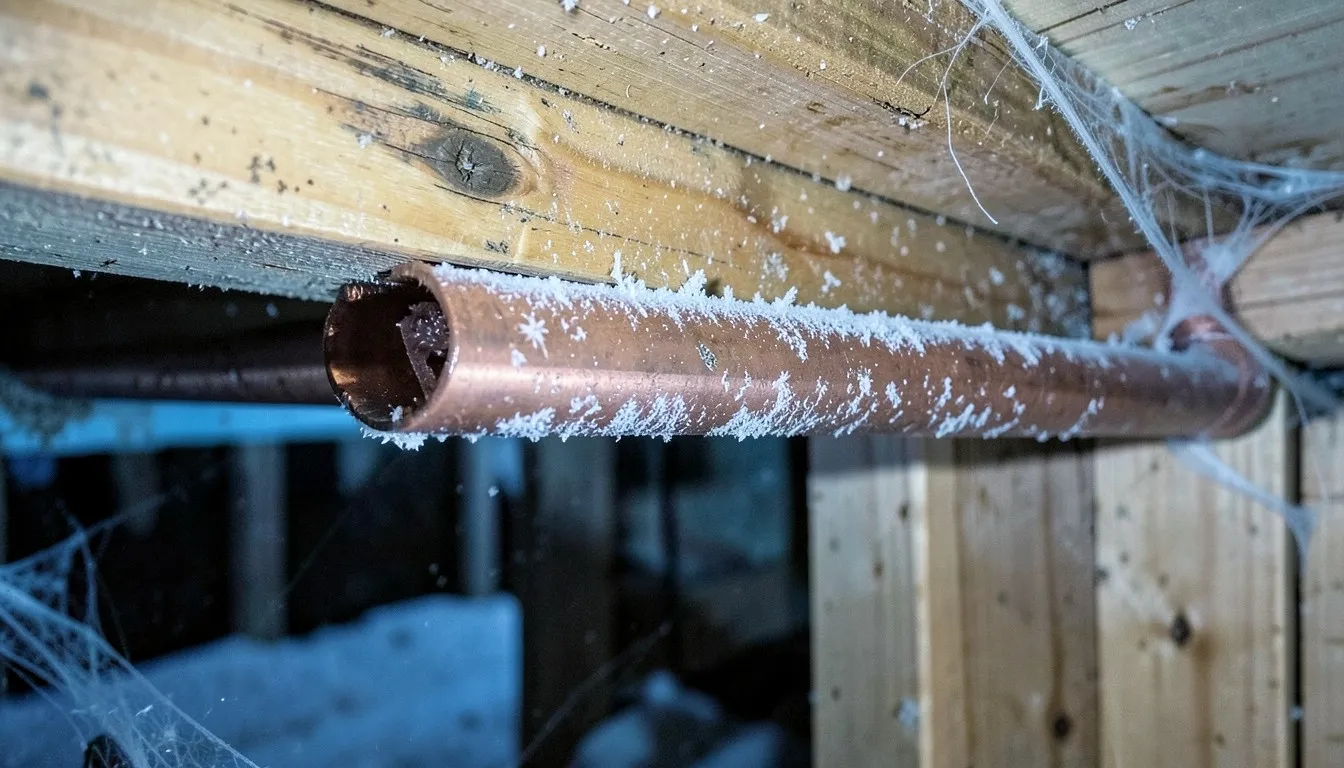
The primary surge in Columbia runs January–March, with a secondary wave at the spring thaw — when pipes that held through the freeze rupture as pressure is restored above 32°F. Scheduling competition peaks exactly when emergency calls are highest. Homeowners who wait for visible damage compete for the same limited plumber slots at the worst possible time.
Why does a Columbia plumber estimate first and commit second?
Submit the service type and your Columbia address. The request goes to an independent Missouri plumber in our partner's network — ask when a site visit can be scheduled. There is no financial commitment or obligation at this stage.
At the appointment, ask the plumber to inspect the installation point, confirm the project approach, and put the estimate in writing: fixed price, material breakdown, and project timeline for Columbia. Review it at your pace before deciding.
Once you approve the estimate, agree the start date. Ask that required permits for Columbia are pulled before the job starts, and for a final walkthrough confirming every item in the agreed scope was delivered.
Toilet Repair cost calculator — Columbia
Pre-filled for toilet repair in Columbia. Adjust the ZIP for a neighboring area, or change the service to compare. Calculator pulls from the city's scraped permit-fee + state plumber-density data.
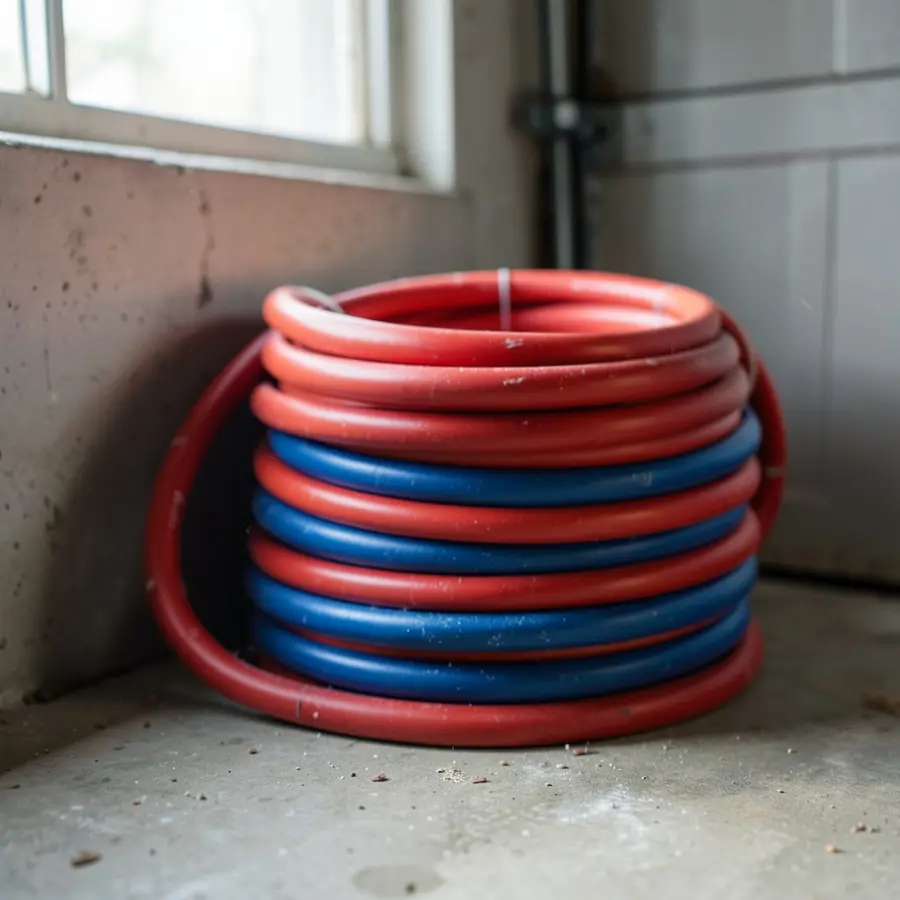
Toilet Repair in Columbia — the longer it runs, the more it costs.
Slow failures compound: soft pipe walls, root penetration, mineral buildup. Ask the plumber you reach for a scope-first estimate before anything is dug up.
What else do people ask about toilet repair in Columbia?
How much does toilet repair cost in Columbia, MO?
Toilet repair in Columbia typically runs roughly 10% below the national average. A flapper or fill-valve swap lands at a scope-based price in labor; a wax ring replacement runs a scope-based price; a cracked flange repair sits at the high end of the range once the toilet has to come off entirely. Columbia's city plumbing permit fee applies when the job touches the flange or the drain line beneath it — a straight flapper or fill-valve swap doesn't trigger a permit. Ask the plumber up front whether the described symptom is likely to need a permit pulled, since that changes both timeline and total cost. Price ranges: toilet repair cost guide.
Why does my toilet at a Mizzou-area rental in Columbia keep running?
University-district housing near the MU campus turns over tenants often, and a running toilet in that stock usually traces to one of two things: a worn flapper that no longer seals, or a float set too high so the tank overflows into the overflow tube. Either one lets water bypass the shutoff and waste 200+ gallons a day, which shows up fast on a water bill split among roommates. Swapping a flapper is inexpensive in parts and takes roughly 10 minutes once the water is shut off at the supply valve. If the tank still won't stop refilling after that, the fill valve itself has failed and needs replacement, a scope-based price including labor. Price ranges: toilet repair cost guide.
My toilet in a Benton-Stephens or Old Southwest home rocks — what's going on?
Columbia's Benton-Stephens and Old Southwest neighborhoods carry a lot of 1880s–1940s housing stock, and a rocking toilet in a home that age almost always points to a failed wax ring at the base rather than a loose bolt. Once that seal breaks down, water can seep under the subfloor with every flush, and the risk grows the longer the toilet keeps rocking. The fix is pulling the toilet off the flange, inspecting the flange itself for cracks or corrosion, and resetting a fresh wax ring before bolting the bowl back down. Plan on roughly 1–2 hours of labor if the flange underneath turns out to still be sound and doesn't need its own repair.
What is phantom flushing and why does it happen on Columbia's water?
Phantom flushing is when the toilet refills on its own with nobody touching the handle — a leaking flapper is letting tank water seep into the bowl slowly until the float senses the drop and triggers a short refill cycle. Columbia's water runs moderately hard at roughly 15 gpg, and over years that mineral content can leave buildup on the flapper seat that keeps the rubber from closing flush against the valve seat. A simple test: drop food coloring into the tank and wait; color showing up in the bowl within about 15 minutes without anyone flushing confirms a leaking flapper rather than a fill-valve problem.
Are there low-flow toilet requirements in Columbia?
Missouri follows the federal 1.6 gpf maximum on any new toilet installation or replacement, rather than setting a stricter state-level standard the way some other states do. City of Columbia Water and Light has offered rebates in the past for homeowners upgrading to 1.28 gpf WaterSense-certified models, which use noticeably less water per flush than an older 3.5–5 gpf toilet without sacrificing flush performance. Rebate availability and amounts shift from year to year, so it's worth checking directly with the utility before buying a replacement toilet rather than assuming a rebate will apply automatically at checkout.
Should I worry about galvanized supply lines feeding an old Columbia toilet?
Columbia's median home age runs around 40 years, and the older pockets closest to the Mizzou campus — including parts of Benton-Stephens and Old Southwest — still carry original galvanized supply piping that has aged well past its practical service life. A toilet fed by a corroding galvanized line can show reduced fill pressure at the tank or occasional discolored water even when every part inside the toilet itself is functioning normally. If a flapper or fill-valve swap doesn't resolve a slow-fill complaint, that's worth flagging to the plumber as a possible supply-line issue rather than assuming the toilet hardware needs another round of parts.
Repair vs replace a Columbia toilet?
Repair makes sense if the toilet is under 15 years old, isn't cracked, and the problem is a single-component failure like a flapper or fill valve. Replacement is the better call if the bowl or tank is visibly cracked, it's a pre-1994 model still using 3.5–5 gpf per flush, or it's needed three or more repairs in the past 18 months. Columbia averages about 65 freeze days a year with a 20-inch frost depth, and a tank cracked during a hard winter cold snap — often from a supply line freezing near an exterior wall — is a straightforward replace call rather than a repair. A new toilet runs a scope-based price installed in Columbia. Price ranges: toilet repair cost guide.
DIY or plumber for toilet repair in Columbia?
DIY-feasible jobs include a flapper swap — shut off the supply, flush to drain the tank, snap in the new flapper, a scope-based price and 10 minutes — and fill-valve replacement, roughly an inexpensive kit and 30 minutes of work. Call a plumber instead for toilet removal tied to a wax ring reset, flange repair on the older Benton-Stephens and Old Southwest housing stock where the flange itself may be original, or any toilet that's rocking, since that can signal subfloor damage a homeowner can't safely diagnose without pulling the fixture. Getting the flange wrong on a DIY attempt tends to cost more to fix than calling in the first place. Price ranges: toilet repair cost guide.
How fast can a plumber come for toilet repair in Columbia?
Toilet repair is scheduled work, not an emergency call-out. Most AlertPlumber-matched plumbers in Columbia book an appointment within 1–2 business days of the call, including crews who regularly work the campus-area rental stock near Mizzou and know what to expect from that housing vintage. A single-bathroom home should mention that when booking, since plumbers generally prioritize the only working toilet in a house over a second-bathroom repair where a workaround exists — call the emergency line to flag that urgency directly. Once on-site, the repair itself typically wraps up in under 2 hours for the common failure points.
How do I check the license of toilet repair plumbers in MO?
Every plumber reached through AlertPlumber for toilet repair in Columbia holds an active Missouri Division of Professional Registration plumbing credential, checked before the match is made. Trucks working the Columbia area typically stock flapper kits, fill valves, and wax ring sets as standard inventory, along with flange hardware suited to the city's older galvanized-era housing near the Mizzou campus, so a standard flapper, fill-valve, or wax-ring call usually closes in a single visit rather than requiring a parts run mid-appointment. Call-out also flags the university-district rental stock ahead of time so the crew arrives with the right flange hardware on the truck.
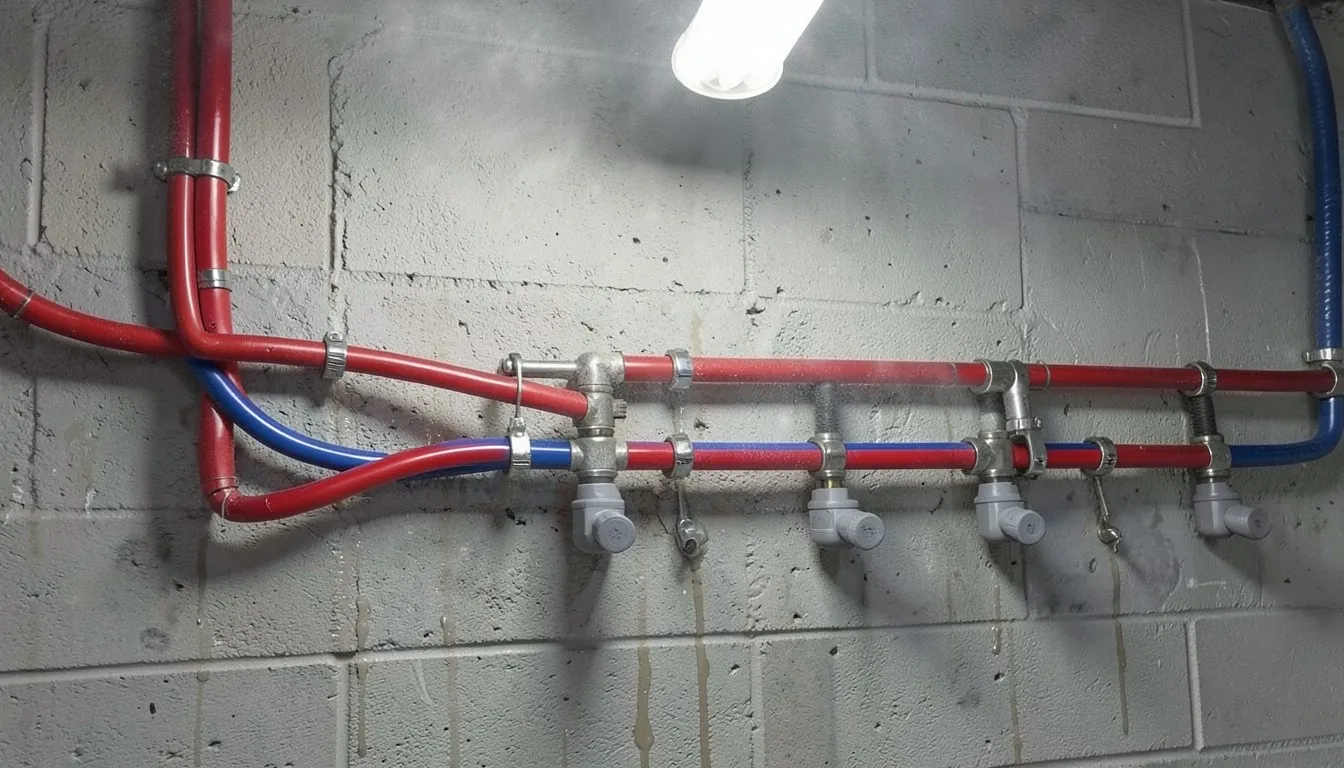
The fix gets cheaper the sooner a plumber sees it.
Degradation problems compound quietly. Call now, or use the form below to reach an independent Missouri plumber, and ask for an estimate for the toilet repair — you are under no obligation.
Need a toilet repair callback in Columbia?
In a meeting, with the kids, or just prefer not to call? Drop your ZIP and number below. AlertPlumber sends your request to our routing partner — if a participating plumber serves your area, they may call you back directly. For anything urgent, call the number on this page.
- 1 Submit your info. ZIP, phone, and what kind of work you need.
- 2 AlertPlumber passes it on to our routing partner for your area.
- 3 If a participating plumber serves your area, they may call you back. Ask for a written estimate before work starts.
Toilet Repair in Columbia — catch it early
Degradation-driven failures worsen over time and cost more to fix the longer they run. Ask the independent MO plumber you reach in Columbia to diagnose your specific condition and put the scope in writing before any work begins.