
Emergency Slab Leak Repair in Columbia, Missouri
Slab Leak Repair in Columbia, Missouri detects and repairs leaks in pipes beneath the concrete slab foundation. Local conditions in Columbia: water measured at 15 gpg, a 20 in frost line and a median home age of 40 years.
Camera first, quote second — know exactly what's wrong in your Columbia home before you approve a dollar.
What does the local plumbing data show for Columbia, MO?
Seeing these conditions at your place in Columbia? A state-licensed plumber can confirm it over the phone — free, no obligation.
What are the pipe conditions in Columbia, MO?
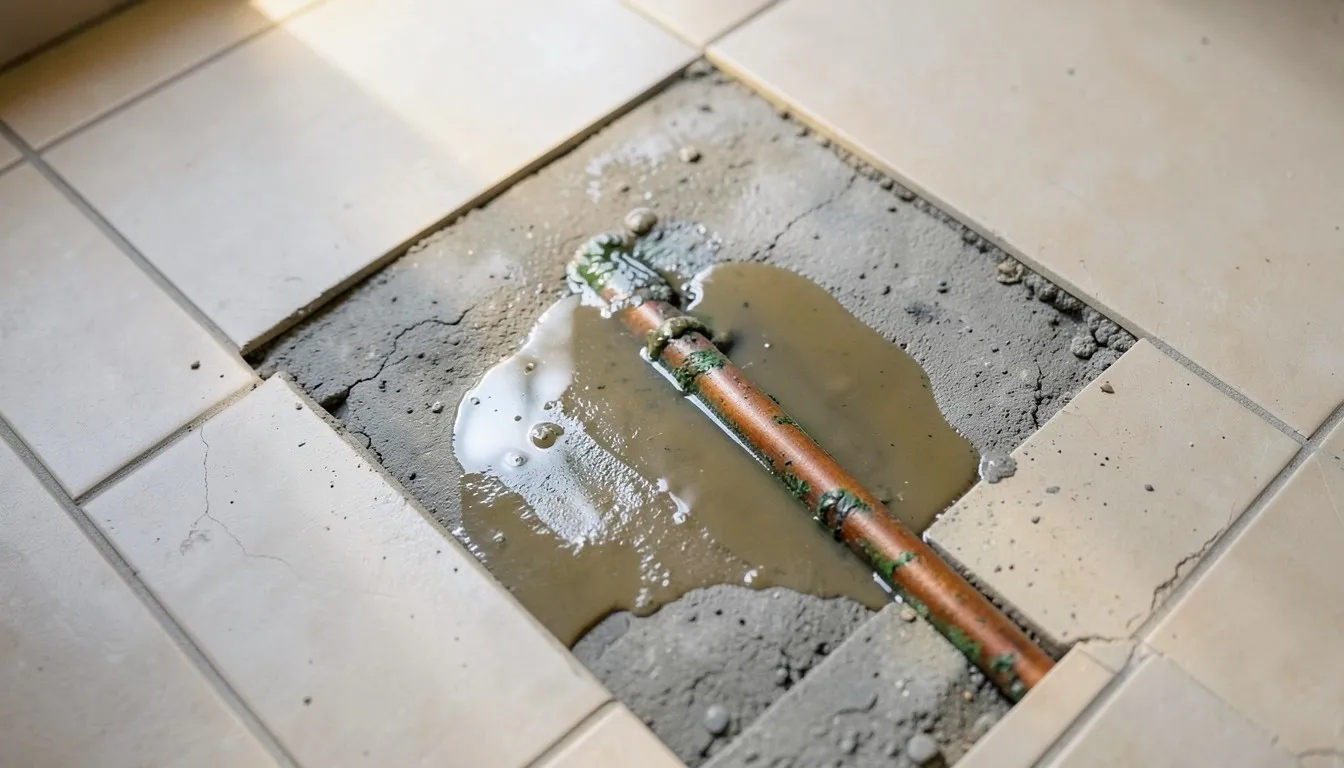
Slab leaks form when copper supply lines embedded in the concrete foundation develop pinholes from electrochemical corrosion, high-velocity water erosion, or slab movement. Columbia homes built during the 1960s–1980s on post-tensioned slabs face the highest slab-leak risk — copper installed at original construction is approaching or past the 50-year corrosion window. Early signs include warm or wet spots on the floor, unexplained water bill spikes, and the sound of running water when all fixtures are closed. AlertPlumber routes your request to a Missouri-licensed plumber for acoustic leak location before any slab cutting begins.
Columbia's housing stock spans multiple construction eras — median home age 40 years — meaning pipe materials and failure modes vary significantly by neighborhood and building vintage. An inspection-led approach that confirms pipe material before recommending a service path is standard practice for mixed housing profiles.
Very hard water in Columbia is a primary driver of accelerated appliance failure: water heater anode rods exhaust in 2–3 years instead of 6–8, scale deposits at fixture connections form within months of installation, and tankless heat exchangers accumulate mineral buildup that can reduce lifespan by half without regular descaling. A softener or whole-house conditioner is strongly recommended alongside any appliance service call.
Frost line depth in Columbia means supply lines and outdoor plumbing must be installed below the freeze threshold — typically 20 in — to prevent pipe burst during cold events. Exterior hose bibs, irrigation shutoffs, and any exposed pipe runs are the most common winterization service points in freeze-risk markets.
- Median home age
- 40 yrs
- Water hardness
- 15 gpg
- Frost line
- 20 in
- Permit
- $120
A licensed MO plumber reads these conditions the moment you describe the symptom.
What shapes plumbing demand in Columbia, MO?
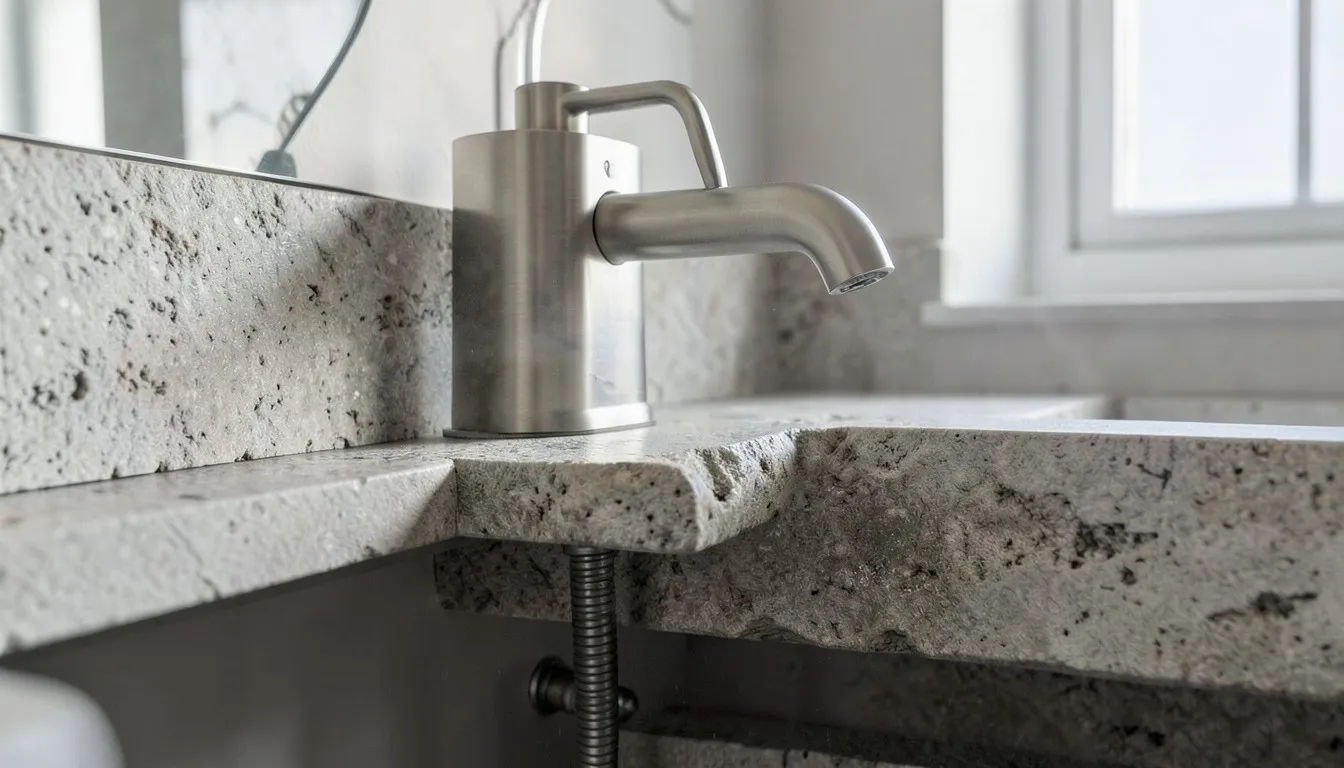
CPVC becomes brittle in the 20–35-year range and snaps under thermal stress or incompatible pipe dopes. Early PEX fittings (pre-2010) may develop chloramine compatibility issues at 15–25 years. The 1980s–1990s housing stock in Columbia is entering its first wave of material-driven service calls — not from neglect, but from normal service-life progression.
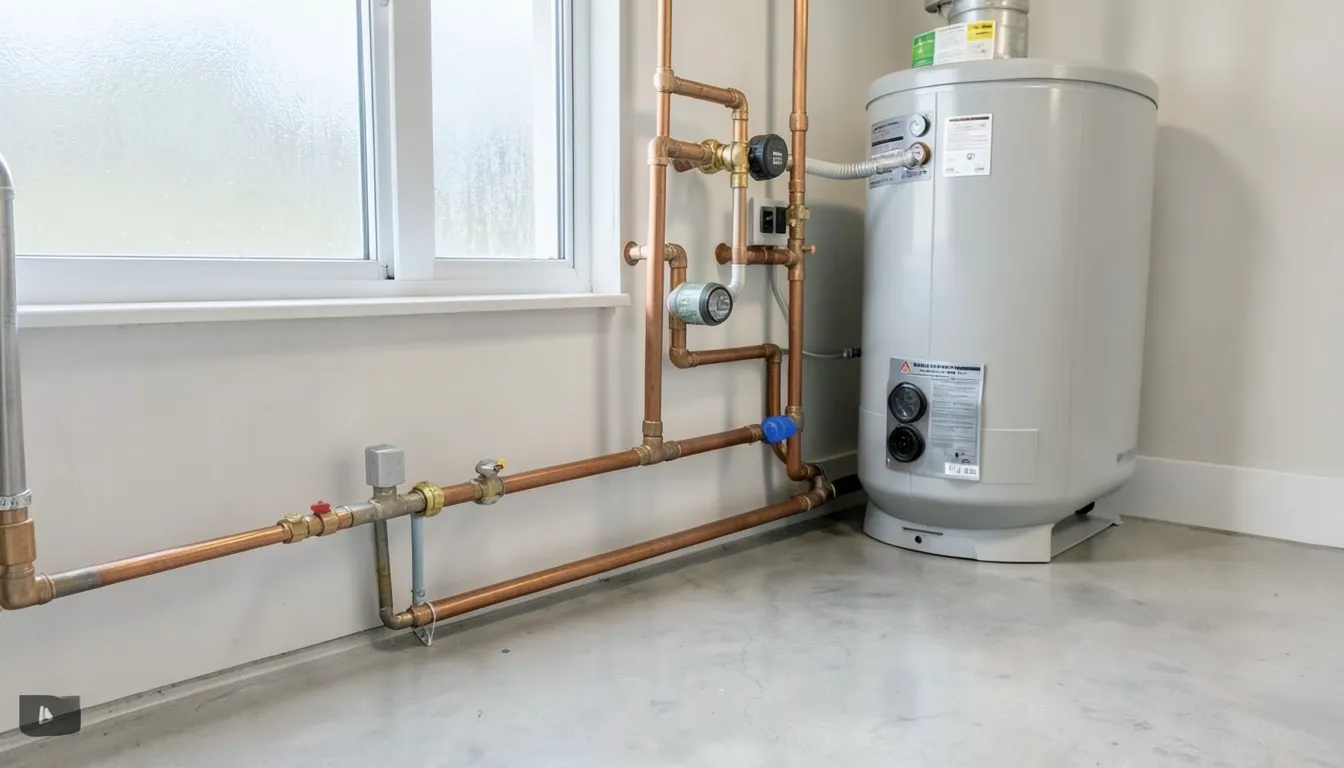
At 15–20+ GPG, calcium scale forces compressed equipment cycles in Columbia: tank heaters average 6–9 years vs. the 10–12-year national benchmark, and tankless units require annual descaling. Anode rods calcify within 12–18 months. Most plumbers here assess heater age against the local scale timeline — not the manufacturer's service life.
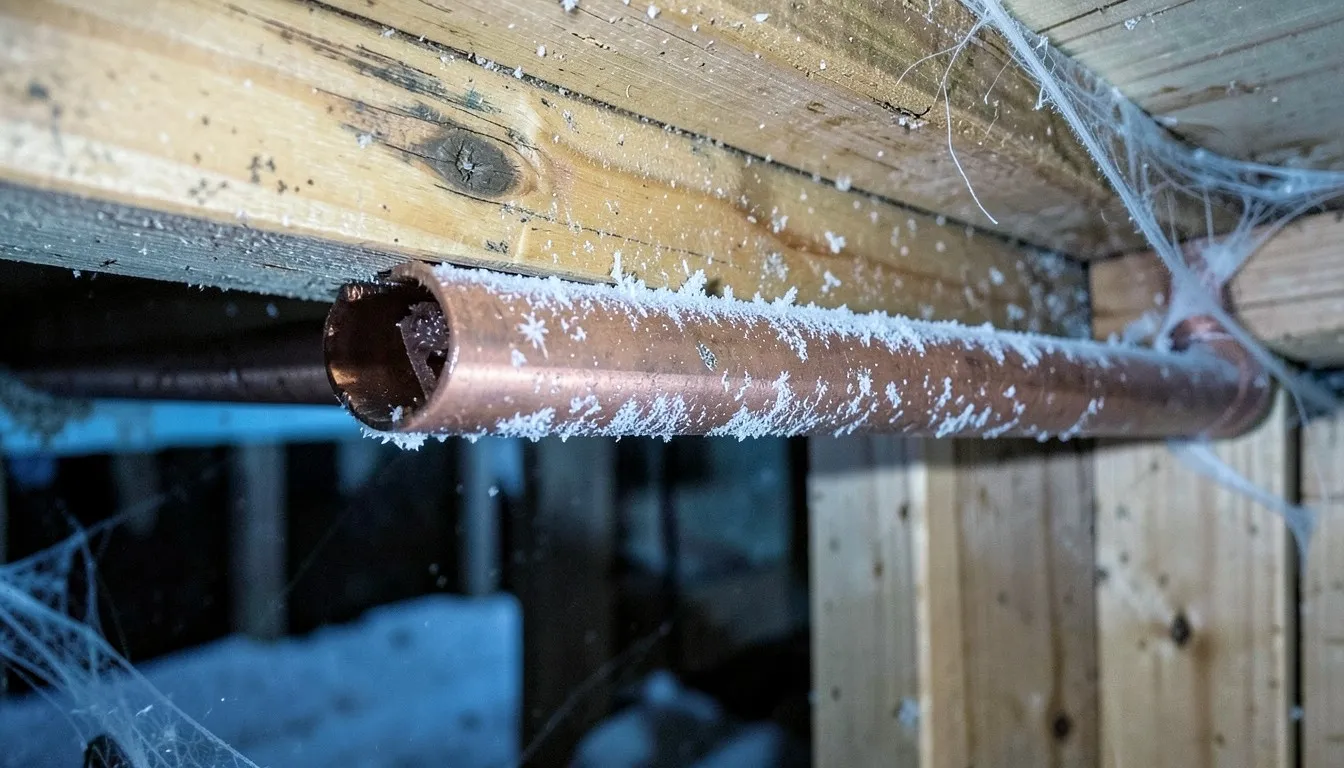
The primary surge in Columbia runs January–March, with a secondary wave at the spring thaw — when pipes that held through the freeze rupture as pressure is restored above 32°F. Scheduling competition peaks exactly when emergency calls are highest. Homeowners who wait for visible damage compete for the same limited plumber slots at the worst possible time.
Why diagnose before repairing in Columbia?
Describe the symptom — not the repair. AlertPlumber routes to an MO-licensed plumber trained in diagnostics. The site visit uses camera tracing, acoustic detection, or hydrostatic pressure testing — matched to the reported failure type.
The plumber delivers a written diagnostic report: confirmed failure location, available repair methods, and tradeoffs — disruption level, material durability, long-term cost, and whether a Columbia building permit applies to the selected method.
You select the repair path. The Missouri-licensed plumber proceeds on the authorized method with a fixed scope and price. Where required, the permit application to Columbia is handled by the contractor.
Slab Leak Repair cost calculator — Columbia
Pre-filled for slab leak repair in Columbia. Adjust the ZIP for a neighboring area, or change the service to compare. Calculator pulls from the city's scraped permit-fee + state plumber-density data.

Slab Leak Repair emergency in Columbia?
Every hour without a repair increases structural risk and remediation cost. A verified plumber calls back with an ETA and a written estimate before any work begins.
What else do people ask about slab leak repair in Columbia?
What's the total cost range for a slab leak in Columbia, MO?
Detection plus spot repair together run $450–$3,600 in the Columbia metro, against a national range of $500–$4,000 — roughly 10% lower here. The repair method drives most of the spread: an above-slab reroute for a copper pinhole runs $720–$2,250, a concrete core-drill-and-repair at the leak point runs $900–$3,150, and a full repipe that removes the slab-embedded run entirely runs $4,050–$16,200. Insurance frequently covers part of this — the access and resulting damage specifically — which the coverage question below breaks down.
How does a plumber find a leak buried under concrete?
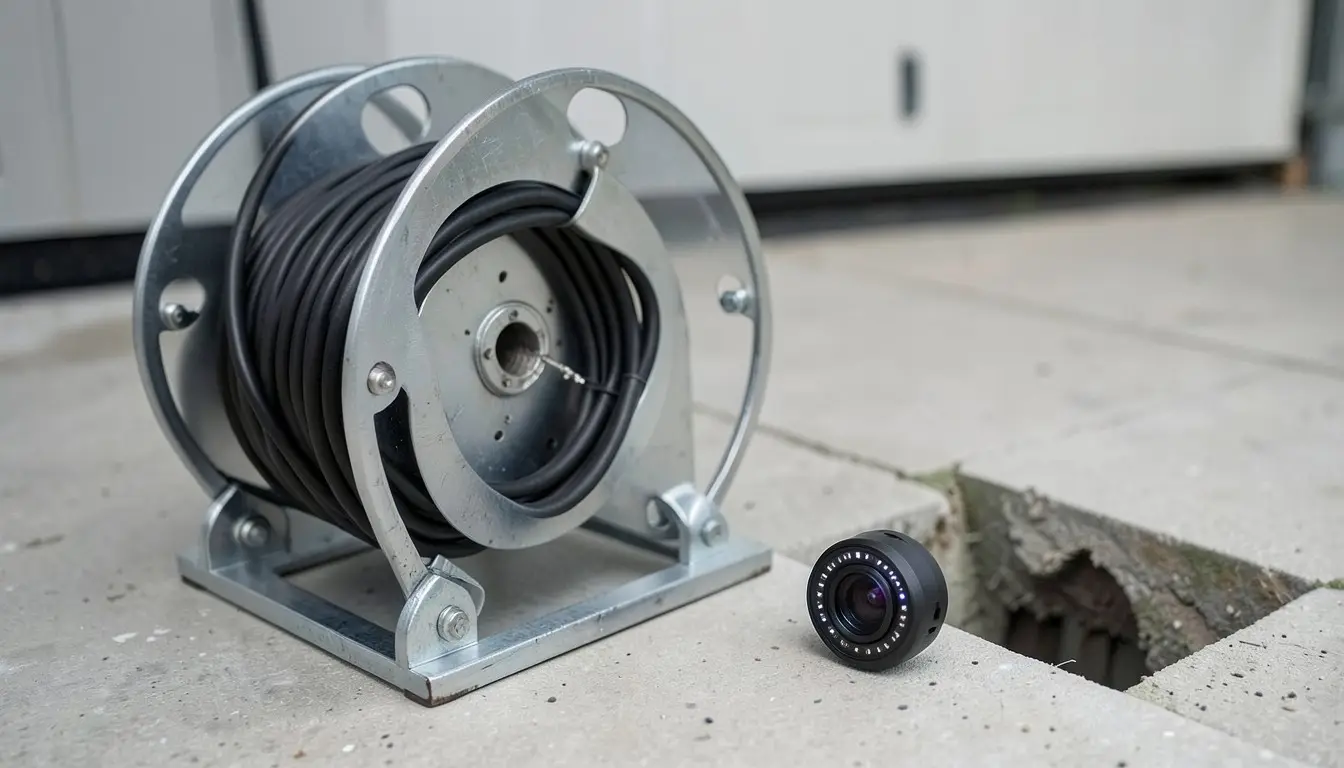
Three tools work together: acoustic equipment amplifies the sound a leak makes traveling through the concrete itself, a thermal camera maps heat differentials on the floor surface where warm water is escaping, and tracer gas — a nitrogen-helium blend pushed through the suspect line — catches cold-water leaks that produce no heat signature for the camera to read. Combined, these typically narrow the leak to within 6–12 inches of its actual point, tight enough to justify a single core drill instead of a long exploratory trench. Detection runs $250–$450 in Columbia and is quoted separately from whatever repair follows.
What's actually causing slab leaks in Columbia homes?
Columbia's 15 gpg hard water is the dominant driver — scale builds up on the inner walls of copper pipe, narrows the effective diameter, and creates the kind of micro-turbulence that accelerates pinhole formation from the inside out, which is exactly the pattern hard-water markets see disproportionately. Layered on top of that, Boone County's clay-rich ground shifts with the seasons, and that movement puts steady, low-grade stress on the supply-line connections embedded in the slab, weakening joints well before any single event actually causes a leak.
Core drill or tunnel — how does the plumber actually reach a slab leak?
Core drilling — cutting a 4–8 inch hole straight through the concrete at the leak point — is the fastest, least disruptive option, and it's what gets used when the leak sits under open floor with no tile, hardwood, or structural element in the way. Tunneling, hand-digging a path under the slab from the crawlspace side, comes into play when drilling would damage finished flooring or the leak sits under something load-bearing. Above-slab reroute — running an entirely new line through the walls and ceiling instead of through the slab — is the most invasive option but the only one that permanently retires the embedded pipe, which makes it the right call for a home showing widespread corrosion across its 1980s-2000s clay and PVC supply lines rather than just one isolated pinhole.
Is a permit actually required for slab leak repair?
Yes, in every case — any pipe repair, reroute, or repipe in Columbia needs a Missouri Division of Professional Registration plumbing permit ($120 minimum), which brings a rough-in inspection before the concrete gets poured back and a final inspection once fixtures are reconnected. The matched plumber pulls that permit and lines up both inspections directly, so there's no separate city errand on your end.
Will my homeowners policy actually pay for any of this?
Partially, in most cases. Standard Missouri homeowners policies typically cover the access side — cutting and patching the concrete — along with the resulting water damage, but they stop short of covering the failed pipe itself. In practice that means the policy may pick up jackhammering, drywall, flooring restoration, and mold remediation, while the actual pipe repair bill lands on you unless a service-line endorsement is already on the policy. Call your carrier the moment you suspect a slab leak and photograph everything before work starts — that documentation is what protects the claim.
From first visit to finished repair, how long does this take?
Detection alone takes 2–4 hours. Core-drill access plus the spot repair itself typically wraps in 4–8 hours, often same-day for a single, well-located leak. A full reroute stretches to 1–2 days. After core drilling, the concrete patch needs 24–48 hours to cure before it can take foot traffic again. Flooring restoration — tile, hardwood — is a separate trade entirely and usually runs 1–2 weeks on its own. Water service itself is typically back on within 24 hours of the plumber's first visit, well before the cosmetic work is finished.
Should I worry about mold after a slab leak?
Yes, especially if the leak went unnoticed for any length of time. A slow leak that's been running under the radar for weeks can saturate framing, wall cavities, and flooring with enough standing moisture to start mold growth in as little as 24–48 hours once conditions are right, and Missouri's seasonal humidity doesn't slow that process down. After the pipe is fixed, professional moisture mapping and structural drying — commercial dehumidifiers and air movers, not a box fan — are worth doing before anything gets closed back up. A moisture reading above 16% in exposed wood framing is the threshold that signals real risk rather than residual dampness.
Can the plumber tell whether it's the hot or cold line leaking before opening anything?
Usually, yes, and it changes the repair approach. A hot-side leak typically produces a warm or damp spot on the floor and reads clearly on thermal imaging, which makes it the easier of the two to pinpoint. A cold-side leak is more often found acoustically or with tracer gas instead, and it tends to show up more in older Columbia housing where the cold supply runs beneath the slab at lower pressure but higher volume than the hot side. Hot-side failures usually trace back to pinhole corrosion in the copper; cold-side failures more often turn out to be a joint or fitting connection that gave way.
Are AlertPlumber-matched slab leak specialists actually verified in Missouri?
Yes — every plumber AlertPlumber matches for slab leak work in the Columbia metro holds an active Missouri Division of Professional Registration license and carries acoustic and thermal detection equipment as part of the standard service vehicle setup. Camera footage and a written scope-of-work estimate come before any concrete gets cut, not after.
Sixty seconds from now, a plumber can be working your problem.
Call and talk to dispatch, or put your number in the form below — a licensed Missouri plumber calls you back about the slab leak repair and gives a written estimate by phone.
Need a slab leak repair callback in Columbia?
In a meeting, with the kids, or just prefer not to hold? Drop your ZIP and number below. AlertPlumber routes your request to a verified plumber in your area — they’ll call you back directly.
- 1 Submit your info. ZIP, phone, and what kind of work you need.
- 2 AlertPlumber matches you with a verified plumber serving your area.
- 3 The plumber calls you back with a written estimate, no obligation.
Slab Leak Repair in Columbia — fast response
Acute plumbing failures cannot wait. AlertPlumber has verified Missouri plumbers available for slab leak repair in Columbia — call now or submit the form above for rapid callback.