
Emergency Slab Leak Repair in Little Rock, Arkansas
Camera first, quote second — know exactly what's wrong in your Little Rock home before you approve a dollar.
Local plumbing data for Little Rock, AR
Seeing these conditions at your place in Little Rock? A state-licensed plumber can confirm it over the phone — free, no obligation.
Pipe conditions in Little Rock, AR
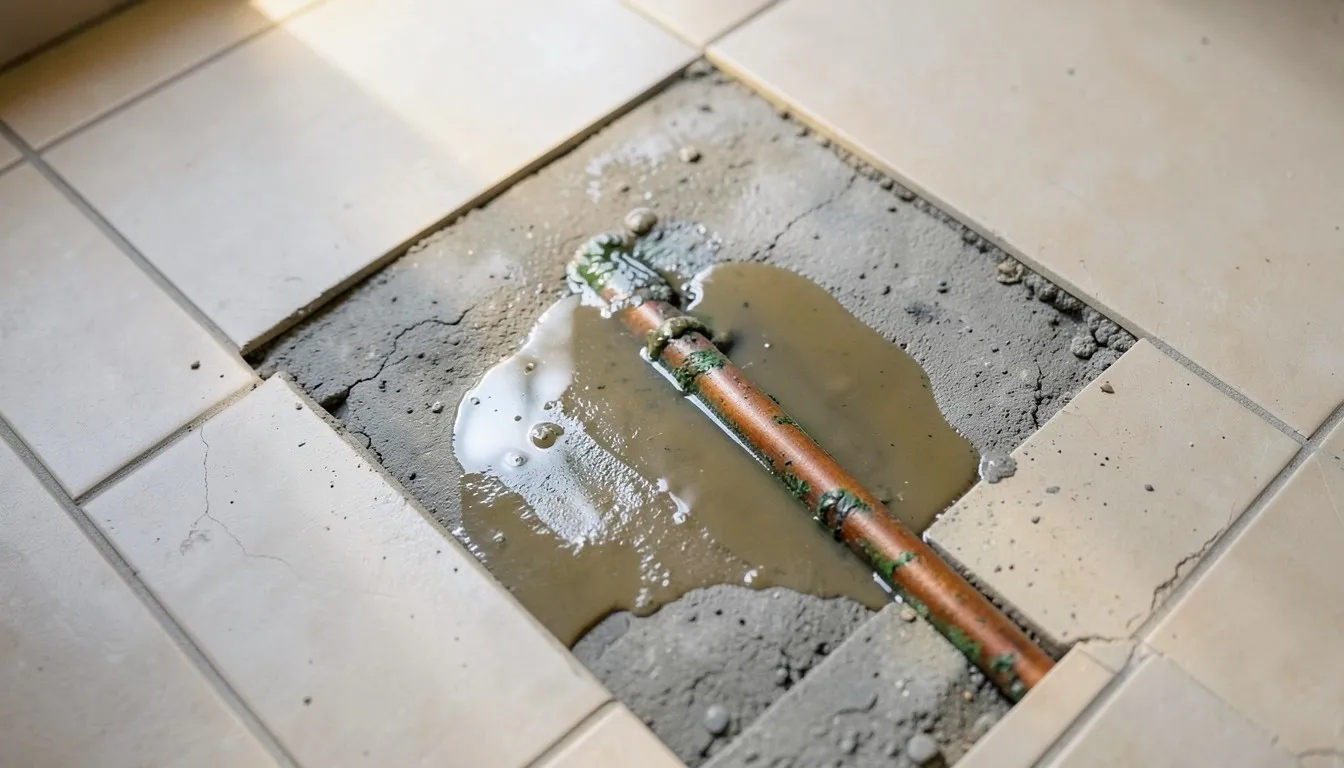
Slab leaks form when copper supply lines embedded in the concrete foundation develop pinholes from electrochemical corrosion, high-velocity water erosion, or slab movement. Little Rock homes built during the 1960s–1980s on post-tensioned slabs face the highest slab-leak risk — copper installed at original construction is approaching or past the 50-year corrosion window. Early signs include warm or wet spots on the floor, unexplained water bill spikes, and the sound of running water when all fixtures are closed. AlertPlumber routes your request to an Arkansas-licensed plumber for acoustic leak location before any slab cutting begins.
Little Rock's housing stock spans multiple construction eras — median home age 47 years — meaning pipe materials and failure modes vary significantly by neighborhood and building vintage. An inspection-led approach that confirms pipe material before recommending a service path is standard practice for mixed housing profiles.
- Median home age
- 47 yrs
- Frost line
- 12 in (AR Plumbing Code 305.4)
A licensed AR plumber reads these conditions the moment you describe the symptom.
What shapes plumbing demand in Little Rock, AR
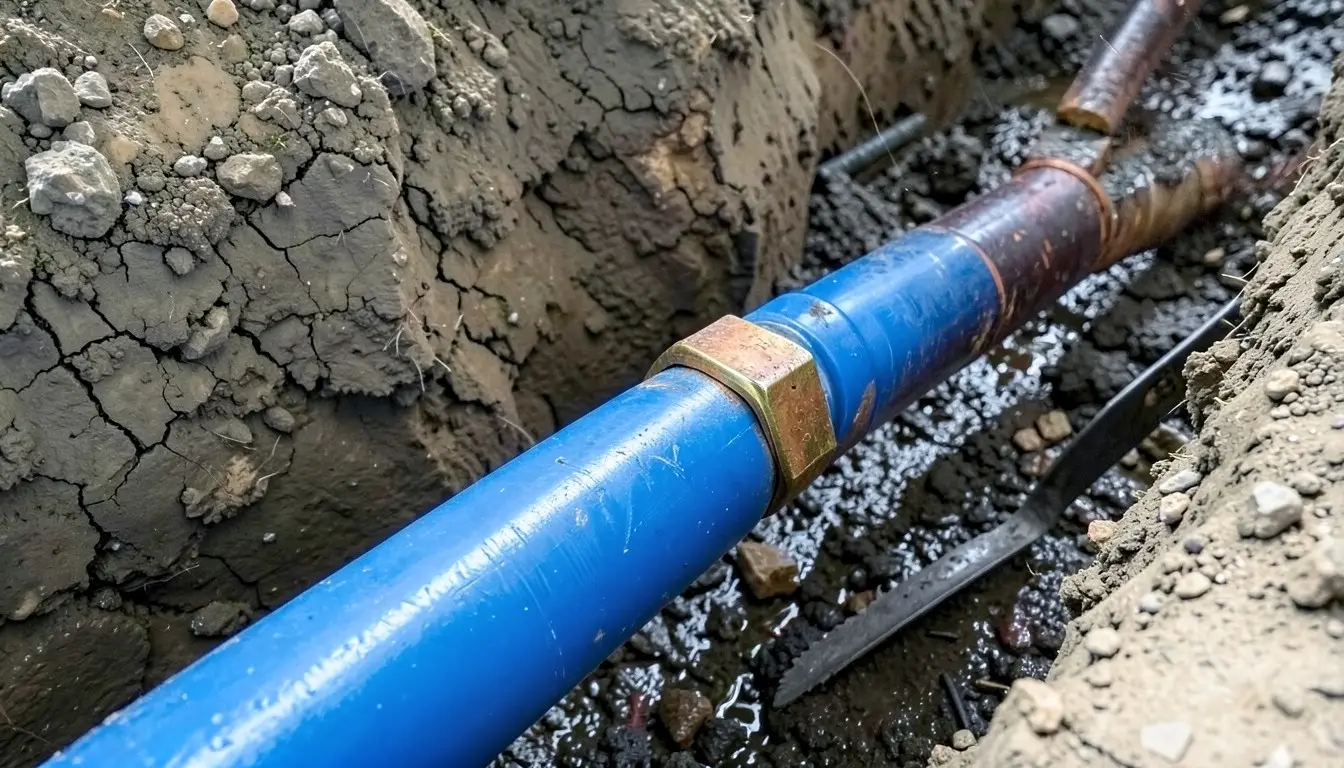
1950s–70s copper supply is now 50–70 years into its service cycle in Little Rock. Thermal fatigue at fittings and slab-on-grade access complexity — common in Sun Belt construction — make repair vs. replacement a live decision on most jobs. This housing cohort is the active primary replacement wave in this market.
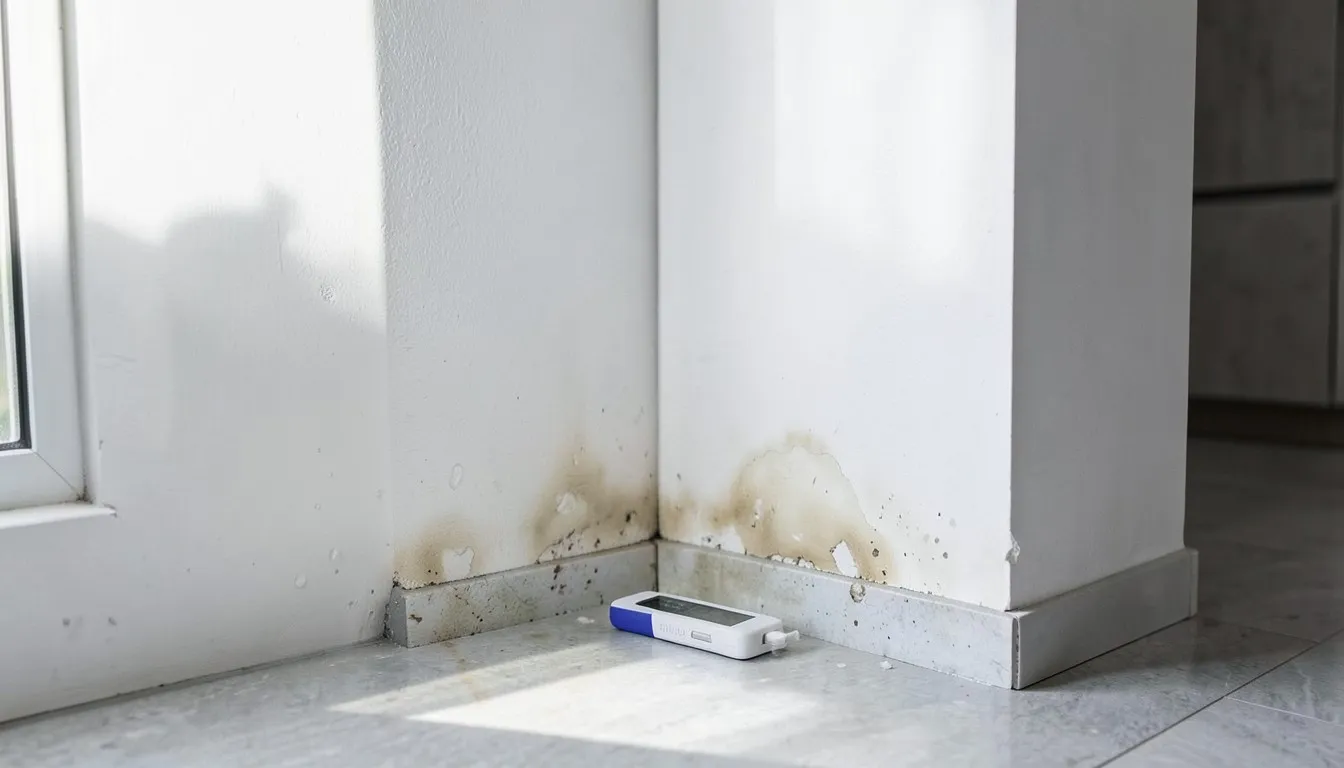
Soft, slightly acidic water in Little Rock is corrosive to copper pipe and solder joints — the opposite failure pattern from hard-water markets. Pinhole failure at fittings and elbows is the dominant non-emergency repair category. Anode rods also deplete faster in soft water, shortening effective tank life without timely replacement.
Summer heat above 95–115°F in Little Rock keeps sediment in suspension inside tank water heaters — accelerating element failure instead of allowing sediment to settle and flush. Attic-mounted supply lines face diurnal thermal stress year-round. Root intrusion concentrates around irrigated landscaping rather than distributing evenly across the full sewer lateral path.
Little Rock: diagnose first, repair second
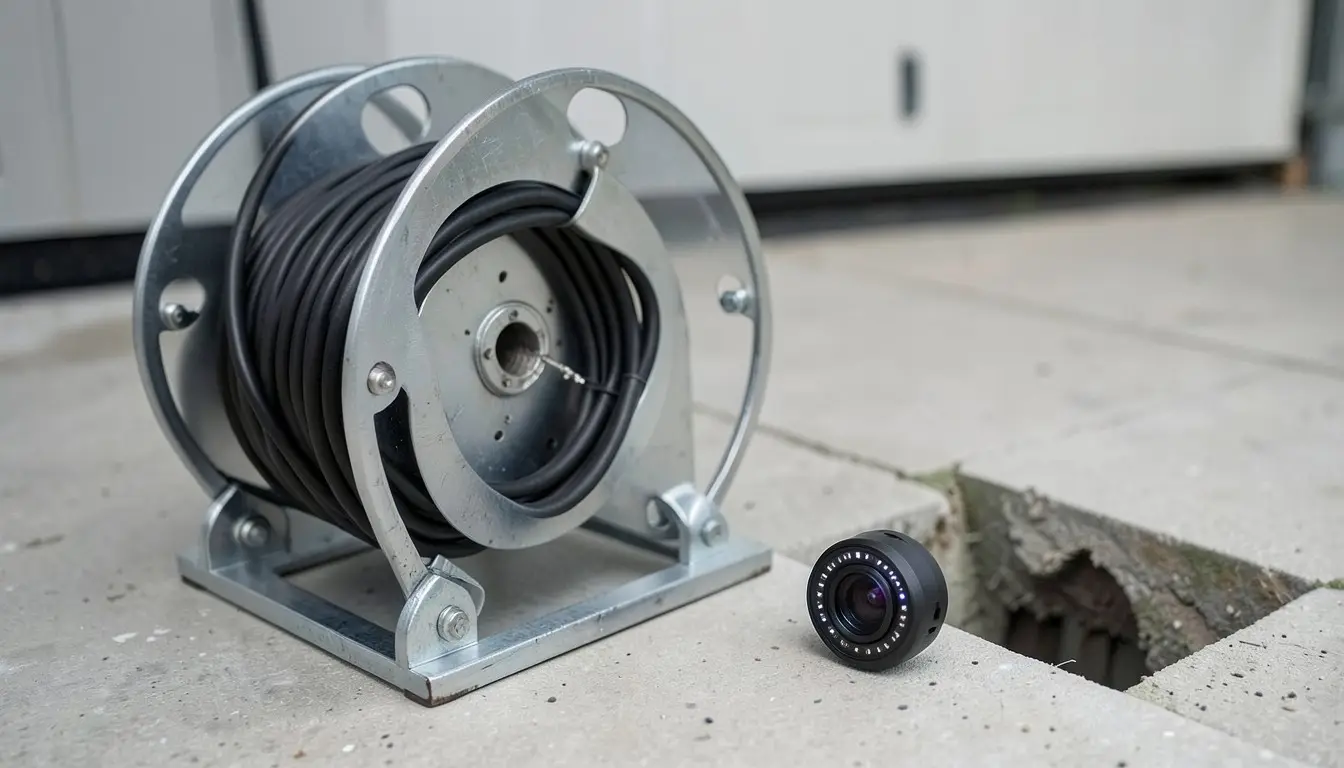
Describe the symptom — not the repair. AlertPlumber routes to an AR-licensed plumber trained in diagnostics. The site visit uses camera tracing, acoustic detection, or hydrostatic pressure testing — matched to the reported failure type.
The plumber delivers a written diagnostic report: confirmed failure location, available repair methods, and tradeoffs — disruption level, material durability, long-term cost, and whether a Little Rock building permit applies to the selected method.
You select the repair path. The Arkansas-licensed plumber proceeds on the authorized method with a fixed scope and price. Where required, the permit application to Little Rock is handled by the contractor.
Slab Leak Repair cost calculator — Little Rock
Pre-filled for slab leak repair in Little Rock. Adjust the ZIP for a neighboring area, or change the service to compare. Calculator pulls from the city's scraped permit-fee + state plumber-density data.

Slab Leak Repair emergency in Little Rock?
Every hour without a repair increases structural risk and remediation cost. A verified plumber calls back with an ETA and a written estimate before any work begins.
Slab Leak Repair in Little Rock — frequently asked
What does slab leak repair cost in Little Rock, AR?
Slab leak repair in Little Rock typically runs $1,395-$3,495 for a single-spot concrete-cut and supply-line repair and $3,895-$8,995 for a full repipe overhead through the attic when multiple slab leaks point to systemic copper failure. Pricing reflects the City of Little Rock Planning & Development permit baseline of $50 plus $6 per fixture, plus the labor for concrete cutting and slab patching in Chenal Valley 1990s+ post-tension or Riverdale 1950s monolithic pours.
Why do Chenal Valley 1990s slab homes develop slab leaks?
Chenal Valley's 1990s+ master-planned West Little Rock subdivisions sit on slab-on-grade construction over Pierre Shale expansive clay. The clay swells and shrinks each season at the Fall Line where Mississippi Delta meets Ouachita Mountain foothills, flexing the slab by fractions of an inch. Copper supply lines embedded in the original pour develop point-flex fatigue at elbows and tees, opening pinhole leaks. The 30+ year mark is when most Chenal Valley slab homes start producing leak calls.
How do Riverdale ranch-house slab leaks differ from Chenal Valley?
Riverdale 1950s ranch homes sit on older monolithic slab pours directly over the Arkansas River floodplain alluvium. Copper supply embedded in 70-year-old slabs has been corroded internally by Lake Maumelle soft water for decades — pinholes appear at elbows and tees independent of seasonal slab movement. Riverdale slab leaks are typically pure copper-aging failures, while Chenal Valley leaks are slab-flex fatigue failures. The repair approach is similar; the failure mechanism is different.
Does Lake Maumelle soft water cause slab-leak pinholes in Little Rock?
Lake Maumelle delivers very soft water at 1.0-1.7 grains per gallon (Central Arkansas Water). Soft water is mildly aggressive toward copper unless the utility maintains a controlled pH and alkalinity. CAW does pH-adjust at the Jackson Reservoir treatment plant, which slows but does not eliminate interior copper pitting. Over 30-70 years, even pH-adjusted soft water can produce wormhole pinholes — the mild rather than severe pattern. This is mild copper behavior compared with truly aggressive hard-water markets.
How does Pierre Shale expansive clay drive Little Rock foundation movement?
Pierre Shale is highly expansive — Plasticity Index well above the cut-off for stable foundation soils. At the Fall Line, where the alluvial Mississippi Delta sediments meet the Ouachita Mountain foothills, this clay swells when wet (typical April-May rainy season) and shrinks when dry (typical July-September). A Chenal Valley slab moves seasonally, and embedded copper supply lines flex at every elbow. After enough cycles, a pinhole opens at the elbow. This is why Little Rock slab-leak repair often pairs with a full overhead repipe.
What does a Little Rock slab leak detection visit involve?
The Arkansas-verified plumber starts with a pressure test at the meter to confirm the loss rate, then runs an acoustic correlator across the slab listening for the leak signature. Thermal imaging picks up warm spots on hot supply lines under the slab. Once the leak is localized to within 6-12 inches, the tech marks the slab and confirms with you whether to proceed with a spot repair (concrete cut, copper splice, patch) or reroute the entire affected line overhead through the attic.
Spot repair vs full overhead repipe for a Little Rock slab leak?
Spot repair at $1,395-$3,495 is the right call for a first slab leak with no history of others. For a Chenal Valley or Riverdale home that has produced two or more slab leaks in 18 months, the failure pattern points systemic, and a full overhead repipe ($3,895-$8,995) routes new PEX or copper through the attic and walls instead of through the slab. The new lines never see Pierre Shale flex or slab-trapped pH conditions, so the failure cycle resets.
Does Little Rock require a permit for slab leak repair?
Yes. Any slab cutting and supply-line repair requires a City of Little Rock plumbing permit through Planning & Development at $50 minimum plus $6 per fixture. Plumbing is overseen by the Arkansas Department of Health Plumbing & Natural Gas Section. The verified plumber pulls the permit and coordinates the post-repair inspection.
Will my Arkansas homeowners insurance cover a Little Rock slab leak?
Most Arkansas homeowners policies DO cover the cost of detecting a sudden and accidental slab leak plus the resulting water damage (flooring tear-out, drying, restoration). The slab leak repair itself — the supply-line work — is usually covered. The slab concrete cut and patch is also usually covered. What is typically NOT covered: long-term seepage, repair of any pre-existing damage, or repipe upgrades. Document the discovery date and call the carrier before authorizing.
How long does a Little Rock slab leak repair take?
A single-spot Chenal Valley slab repair takes 4-8 hours from arrival to patched slab — most of that is acoustic localization and concrete patch cure time. A Riverdale full overhead repipe runs 2-4 days depending on how many fixtures are involved and how much drywall access is needed in the wall runs. The matched plumber gives a firm schedule after the leak-detection pass confirms the scope.
What ZIP codes around Little Rock does AlertPlumber cover for slab leak repair?
AlertPlumber covers all Little Rock ZIPs (722xx prefix covering downtown, Quapaw Quarter, MacArthur Park, Hillcrest, Pulaski Heights, Riverdale, and Chenal Valley) plus North Little Rock, Sherwood, Maumelle, Jacksonville, Cabot, Benton, and Bryant. Per U.S. Census Bureau, Little Rock population is 202,591 with median home age of 47 years (1978 build).
Are AlertPlumber-matched slab-leak plumbers actually verified in Arkansas?
Yes. Every slab-leak plumber matched through AlertPlumber in Little Rock holds an active master plumbing license issued by the Arkansas Department of Health Plumbing & Natural Gas Section. AlertPlumber verifies credentials against the state database. Slab-leak-specific acoustic correlator certification is checked separately and confirmed on the callback.
Sixty seconds from now, a plumber can be working your problem.
Call and talk to dispatch, or put your number in the form below — a licensed Arkansas plumber calls you back about the slab leak repair and gives a written estimate by phone.
Request a slab leak repair callback in Little Rock
In a meeting, with the kids, or just prefer not to hold? Drop your ZIP and number below. AlertPlumber routes your request to a verified plumber in your area — they’ll call you back directly.
- 1 Submit your info. ZIP, phone, and what kind of work you need.
- 2 AlertPlumber matches you with a verified plumber serving your area.
- 3 The plumber calls you back with a written estimate, no obligation.
Slab Leak Repair in Little Rock — fast response
Acute plumbing failures cannot wait. AlertPlumber has verified Arkansas plumbers available for slab leak repair in Little Rock — call now or submit the form above for rapid callback.