
Emergency Leak Detection in Little Rock, Arkansas
Camera first, quote second — know exactly what's wrong in your Little Rock home before you approve a dollar.
Local plumbing data for Little Rock, AR
Seeing these conditions at your place in Little Rock? A state-licensed plumber can confirm it over the phone — free, no obligation.
Pipe conditions in Little Rock, AR
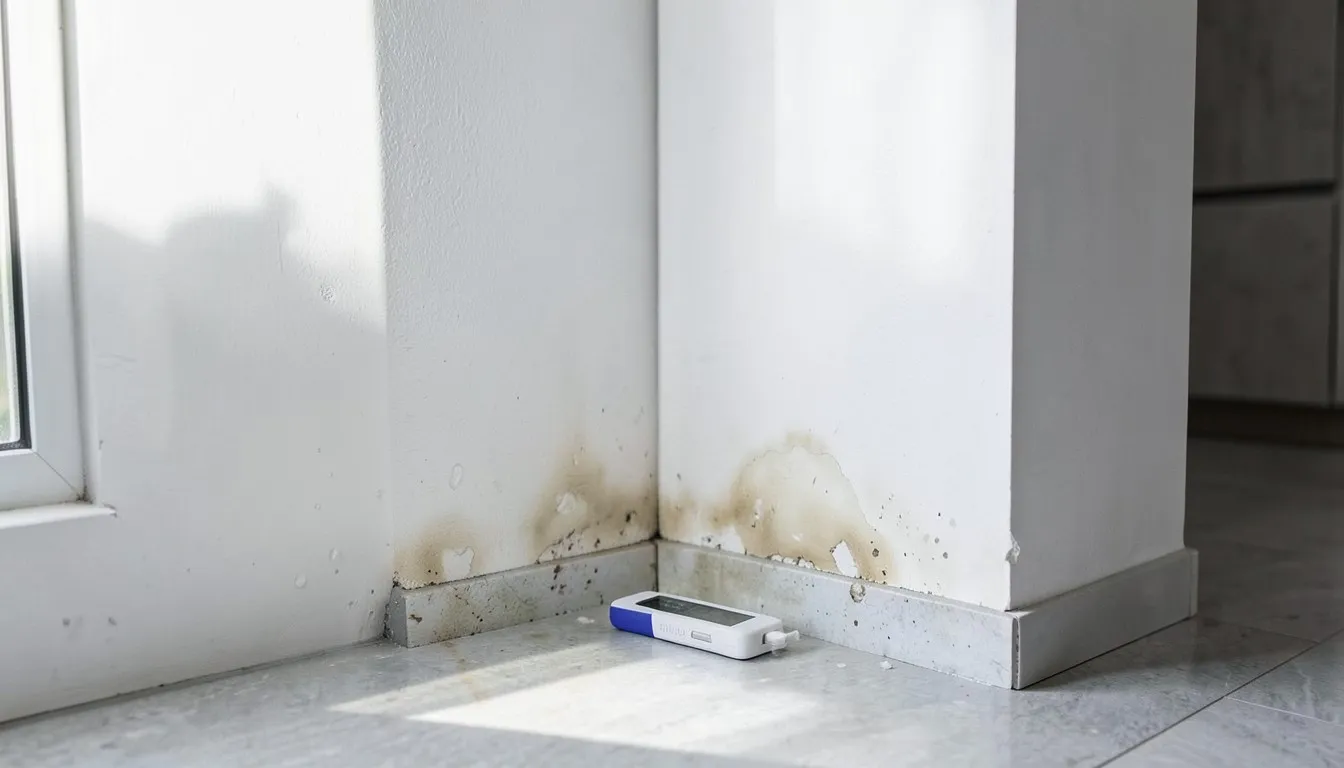
Non-invasive leak detection uses acoustic amplification, thermal imaging, and pressure isolation to locate water loss in supply lines and drain systems without opening walls or floors. Little Rock homes with galvanized or older copper supply runs face the highest pinhole leak incidence — a slow leak inside a wall cavity can cause mold and structural damage for months before becoming visible. A professional leak detection prevents unnecessary demolition by confirming the exact break location before any drywall is cut. AlertPlumber connects you with an Arkansas-licensed plumber who locates first and opens second.
Little Rock's housing stock spans multiple construction eras — median home age 47 years — meaning pipe materials and failure modes vary significantly by neighborhood and building vintage. An inspection-led approach that confirms pipe material before recommending a service path is standard practice for mixed housing profiles.
- Median home age
- 47 yrs
- Frost line
- 12 in (AR Plumbing Code 305.4)
A licensed AR plumber reads these conditions the moment you describe the symptom.
What shapes plumbing demand in Little Rock, AR
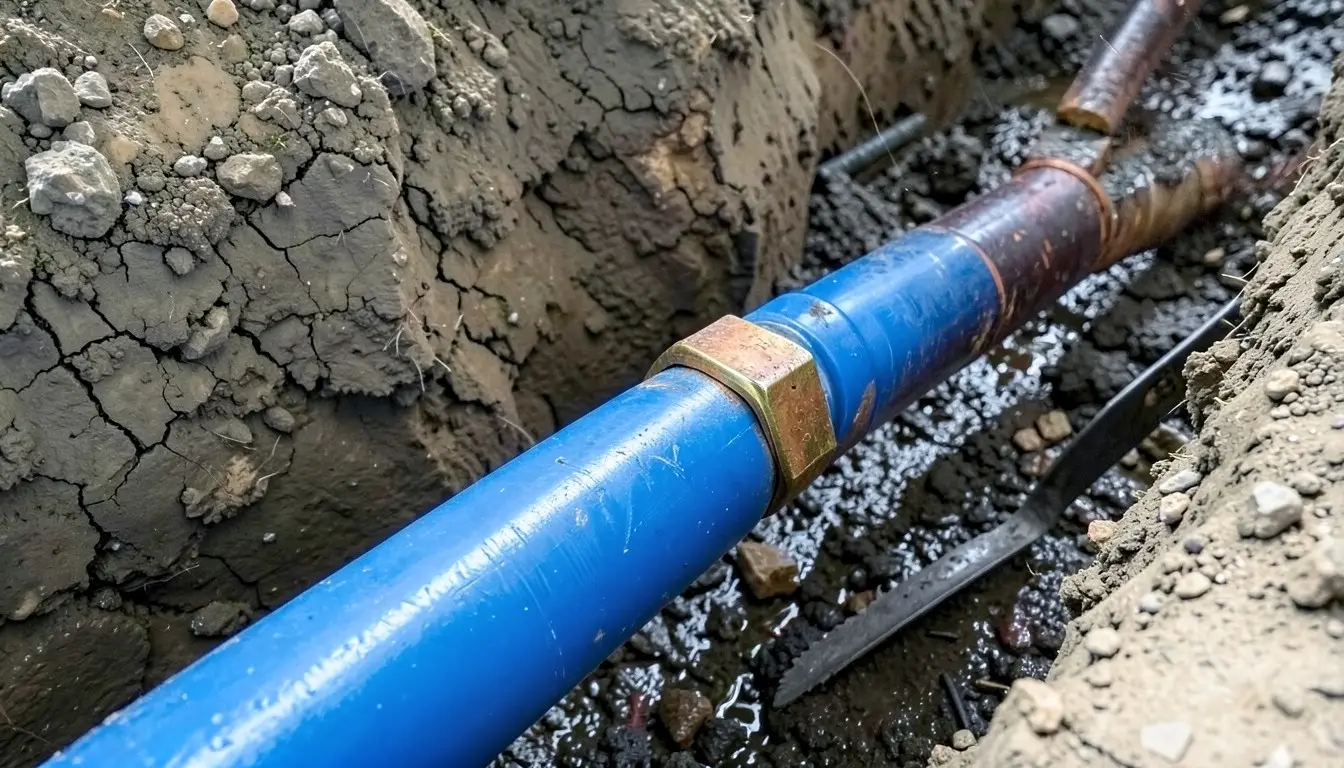
1950s–70s copper supply is now 50–70 years into its service cycle in Little Rock. Thermal fatigue at fittings and slab-on-grade access complexity — common in Sun Belt construction — make repair vs. replacement a live decision on most jobs. This housing cohort is the active primary replacement wave in this market.
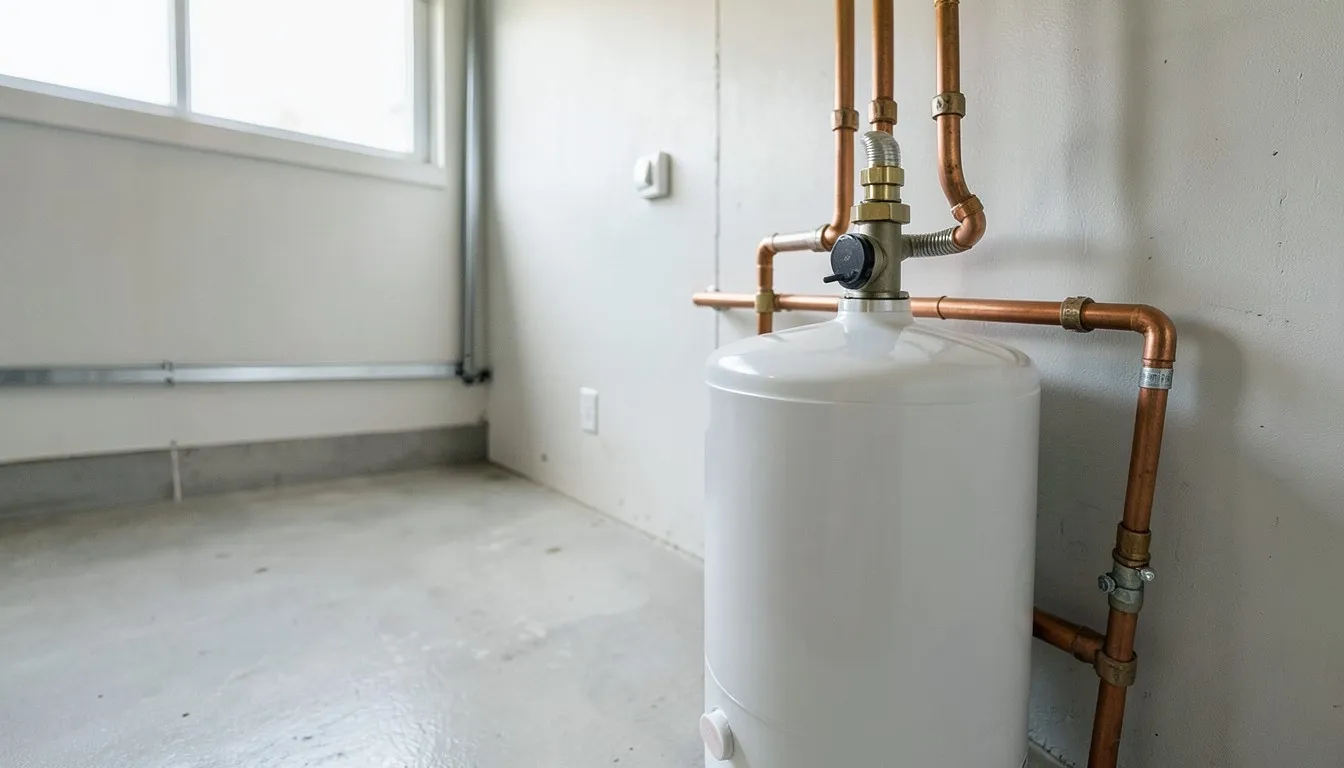
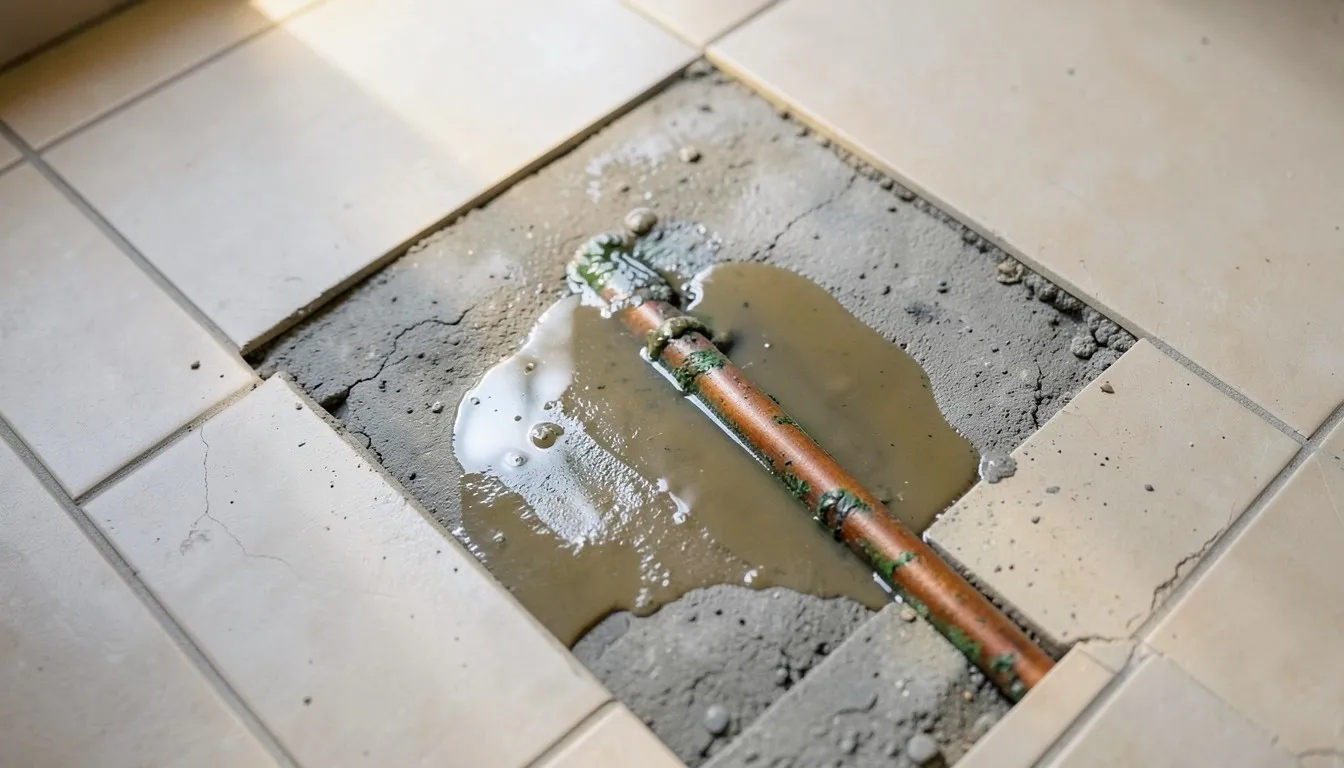
Soft, slightly acidic water in Little Rock is corrosive to copper pipe and solder joints — the opposite failure pattern from hard-water markets. Pinhole failure at fittings and elbows is the dominant non-emergency repair category. Anode rods also deplete faster in soft water, shortening effective tank life without timely replacement.
Summer heat above 95–115°F in Little Rock keeps sediment in suspension inside tank water heaters — accelerating element failure instead of allowing sediment to settle and flush. Attic-mounted supply lines face diurnal thermal stress year-round. Root intrusion concentrates around irrigated landscaping rather than distributing evenly across the full sewer lateral path.
Little Rock: diagnose first, repair second
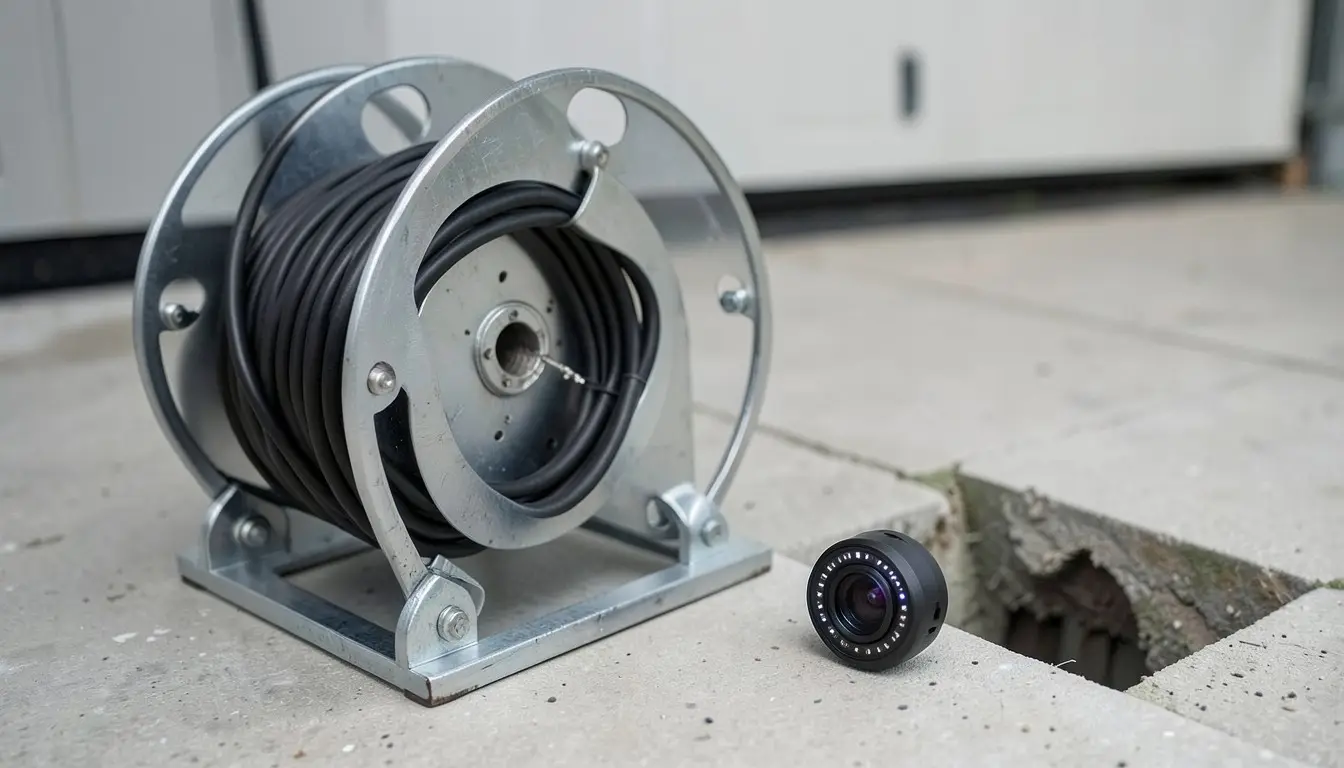
Describe the symptom — not the repair. AlertPlumber routes to an AR-licensed plumber trained in diagnostics. The site visit uses camera tracing, acoustic detection, or hydrostatic pressure testing — matched to the reported failure type.
The plumber delivers a written diagnostic report: confirmed failure location, available repair methods, and tradeoffs — disruption level, material durability, long-term cost, and whether a Little Rock building permit applies to the selected method.
You select the repair path. The Arkansas-licensed plumber proceeds on the authorized method with a fixed scope and price. Where required, the permit application to Little Rock is handled by the contractor.
Leak Detection cost calculator — Little Rock
Pre-filled for leak detection in Little Rock. Adjust the ZIP for a neighboring area, or change the service to compare. Calculator pulls from the city's scraped permit-fee + state plumber-density data.

Leak Detection in Little Rock — the longer it runs, the more it costs.
Slow failures compound: soft pipe walls, root penetration, mineral buildup. A verified plumber calls back with a scope-first estimate before anything is dug up.
Leak Detection in Little Rock — frequently asked
What does leak detection cost in Little Rock, AR?
Leak detection in Little Rock typically runs $245-$525 for a non-invasive acoustic or thermal-imaging scan and $385-$795 when a slab leak in Chenal Valley or Riverdale requires correlator work and pressure isolation. Pricing reflects the City of Little Rock Planning & Development permit baseline of $50 plus $6 per fixture for any subsequent repair, plus the labor premium for crawlspace work under Hillcrest Kavanaugh-Boulevard bungalows.
How does a Little Rock leak-detection visit work without tearing up the house?
The Arkansas-verified leak-detection tech starts with a pressure test at the main isolation valve to confirm the loss rate, then runs an acoustic correlator along the suspected line. For a Heights Tudor copper pinhole behind plaster, a parabolic listening disc localizes the hiss to within 6-12 inches of wall surface. For a Chenal Valley slab leak, ground-penetrating microphones plus thermal imaging across the slab pinpoint the line before any concrete is opened.
Why do Heights Tudor copper pipes develop pinhole leaks in Little Rock?
Pulaski Heights 1920s-30s Tudor and Colonial stock was largely re-piped in mid-century copper. Little Rock's very soft Lake Maumelle water (1.0-1.7 grains per gallon per Central Arkansas Water) is mildly aggressive toward copper at low pH unless CAW pH-adjusts at the treatment plant — and over 50-60 years, even adjusted soft water can produce wormhole pitting from inside. The result is a pinhole at a copper elbow rather than a uniform corrosion pattern.
What does a Hillcrest crawlspace leak inspection look like?
Hillcrest's early-1900s craftsman bungalows along Kavanaugh Boulevard sit on shallow pier-and-curtainwall crawlspaces. The leak tech enters through the rear access, traces the supply mains with a thermal camera looking for cold spots on hot copper or warm spots on cold copper, and runs acoustic verification at each suspected joint. Crawlspace humidity from the Arkansas River corridor accelerates condensation, so the tech also rules out condensation-mimic leaks before calling a true active leak.
Why do Riverdale ranch-house slab leaks appear at flow elbows specifically?
Riverdale 1950s ranch homes sit on slabs poured directly over the Arkansas River floodplain alluvium. The copper supply lines embedded in the slab pour are unprotected against the soft, slightly aggressive Lake Maumelle water on the inside AND against alkali-leaching from the concrete on the outside. Elbows concentrate flow turbulence and become the failure point first. Leak detection focuses correlator passes at the kitchen and bath supply elbows.
How does Little Rock's 12-inch frost depth affect leak detection?
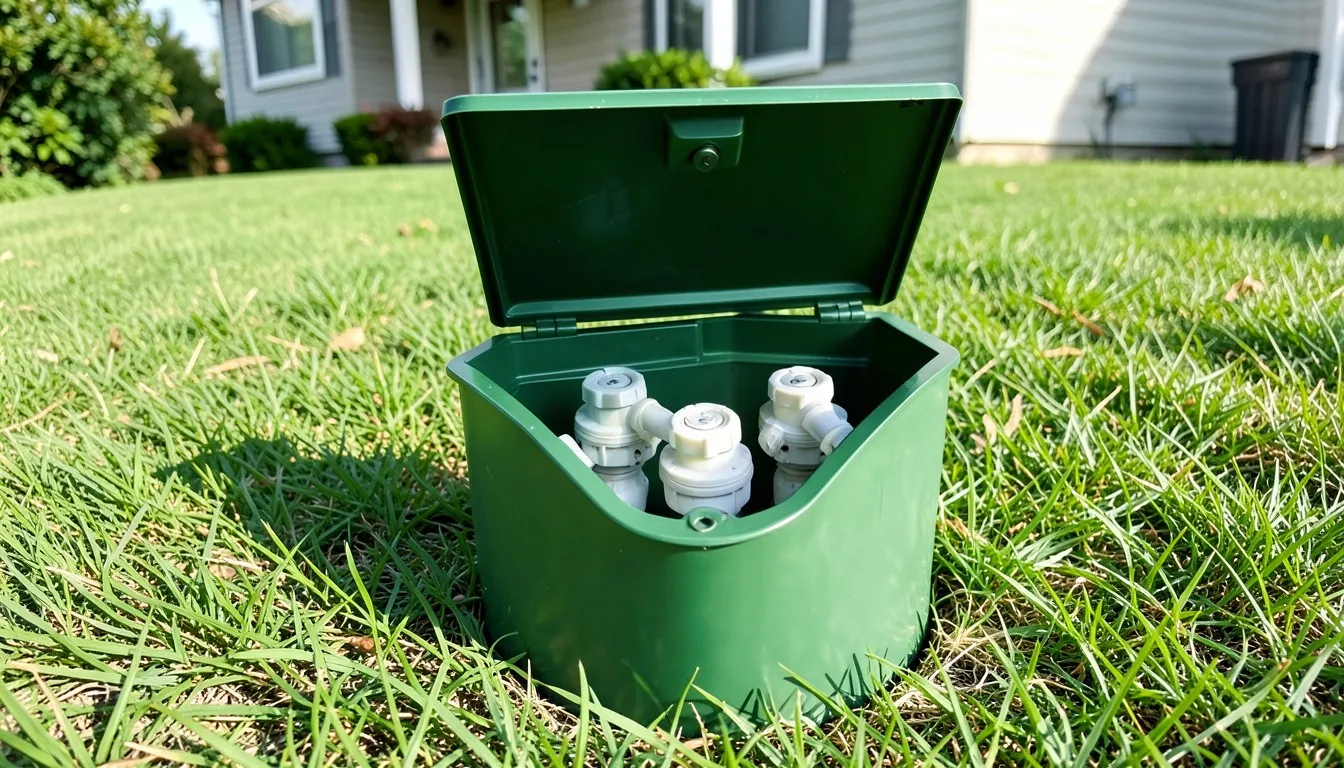
The Arkansas Plumbing Code 305.4 minimum cover is 12 inches — shallow compared with northern markets. That means exterior supply-line breaks freeze and surface within a few feet of the meter rather than 4-5 feet down. A Little Rock leak tech checks the meter box first for standing water and the yard for soft spots near the buried service line before going inside. The 52 freeze days per NWS Little Rock are usually shallow rather than deep events.
Are Little Rock service lines a lead-pipe risk like older Northeast cities?
No. Central Arkansas Water has no known lead in its distribution mains per the CAW Lead Service Line Inventory. A small number of pre-1986 homes in MacArthur Park or Quapaw Quarter may have legacy lead pigtails or lead solder at copper joints — these show up as galvanic-corrosion leak patterns, not the lead-contamination story you read about in older Northeastern cities.
How accurate is acoustic leak detection on Little Rock plumbing?
Acoustic correlation accuracy in a Quapaw Quarter Victorian with sound copper supply averages within 6-12 inches of the actual break. Accuracy drops on plaster-and-lath wall assemblies common in Heights Tudors (because plaster damps the sound signature) and improves on the open PVC supply lines of Chenal Valley 1990s+ stock. The matched tech tells you the localization confidence band before any wall work begins.
Will my Arkansas homeowners policy cover Little Rock leak detection?
Most Arkansas homeowners policies DO cover the cost of leak detection and access damage IF the leak is sudden and accidental. The leak repair itself and any resulting water-damage remediation are typically also covered, but a long-term seepage leak (one that has been wetting a wall for months) is usually excluded. Document the discovery date and call your carrier before authorizing repair.
How long does Little Rock leak detection take from arrival to pinpoint?
A typical residential leak-detection visit runs 90 minutes to 3 hours. A clear Heights Tudor pinhole behind drywall pinpoints in about an hour. A Chenal Valley slab leak with multiple plausible runs can take 2-3 hours of correlator and thermal-imaging passes. A Hillcrest crawlspace pinpoint depends on access — a tight 24-inch crawl height adds time.
What ZIP codes around Little Rock does AlertPlumber cover for leak detection?
AlertPlumber covers all Little Rock ZIPs (722xx prefix covering downtown, Quapaw Quarter, MacArthur Park, Hillcrest, Pulaski Heights, Riverdale, and Chenal Valley) plus North Little Rock, Sherwood, Maumelle, Jacksonville, Cabot, Benton, and Bryant. Central Arkansas Water and Pulaski County suburban routing both work through the same intake form. Per U.S. Census Bureau, Little Rock population is 202,591.
Are AlertPlumber-matched leak detection plumbers actually verified in Arkansas?
Yes. Every leak-detection technician matched through AlertPlumber in Little Rock holds an active plumbing license issued by the Arkansas Department of Health Plumbing & Natural Gas Section. AlertPlumber verifies credentials against the state database. Leak-detection-specific acoustic correlator certification is checked separately and confirmed on the callback.
Will the same plumber who finds the Little Rock leak also fix it?
Yes in most cases. The matched Arkansas plumber writes a separate quote line for the detection work and a second line for the repair, then completes both in one visit if you authorize. For a Heights Tudor copper pinhole this means one truck roll instead of two. For a Chenal Valley slab break that requires concrete cutting, the detection-only quote includes a written diagram so a separate slab-repair specialist could in theory be brought in — but most Little Rock customers prefer to authorize the full job on first visit.
The fix gets cheaper the sooner a plumber sees it.
Degradation problems compound quietly. Call now, or use the form below and a licensed Arkansas plumber calls you back with a no-obligation estimate for the leak detection.

Request a leak detection callback in Little Rock
In a meeting, with the kids, or just prefer not to hold? Drop your ZIP and number below. AlertPlumber routes your request to a verified plumber in your area — they’ll call you back directly.
- 1 Submit your info. ZIP, phone, and what kind of work you need.
- 2 AlertPlumber matches you with a verified plumber serving your area.
- 3 The plumber calls you back with a written estimate, no obligation.
Leak Detection in Little Rock — catch it early
Degradation-driven failures worsen over time and cost more to fix the longer they run. A verified AR plumber in Little Rock diagnoses your specific condition and provides a written scope before any work begins.