
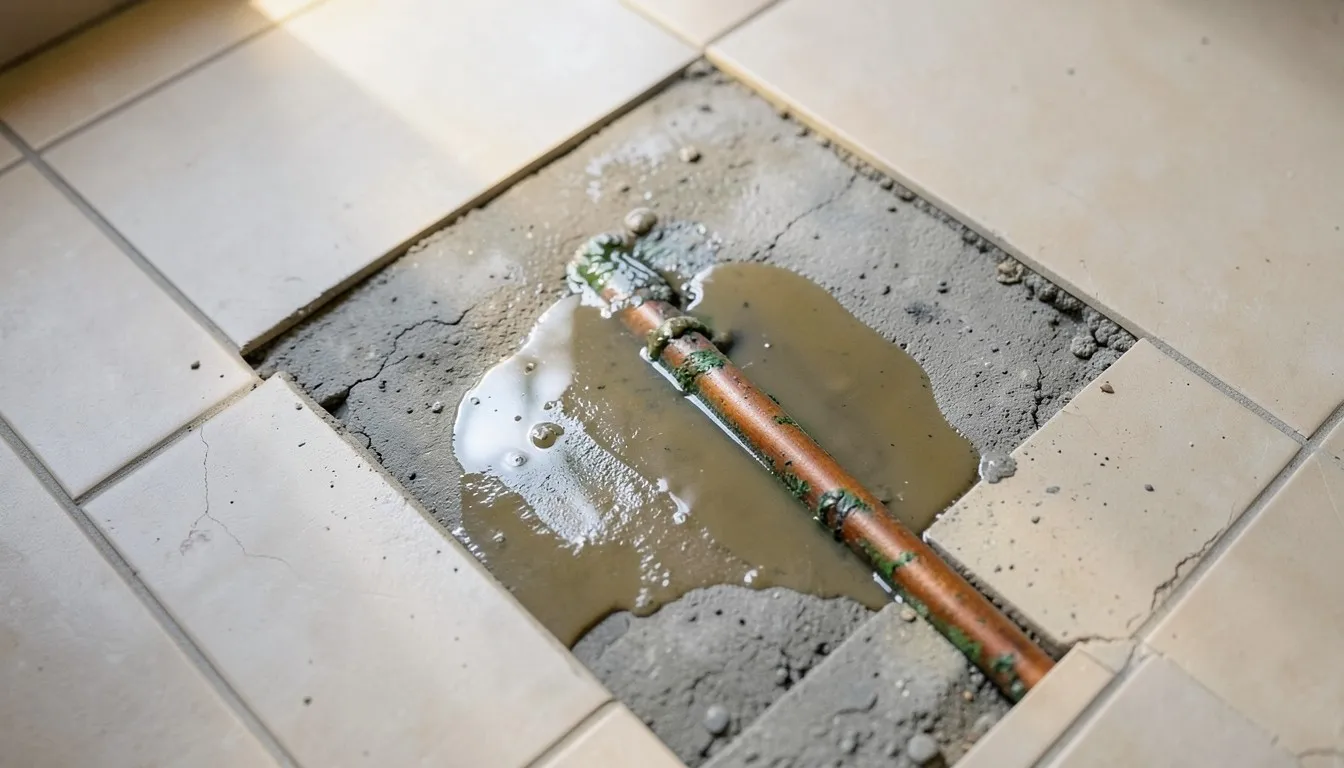
Emergency Slab Leak Repair in Kansas City, Kansas
Slab Leak Repair in Kansas City, Kansas detects and repairs leaks in pipes beneath the concrete slab foundation. Local conditions in Kansas City: a 28 in. frost line and a median home age of 65 years.
Camera first, quote second — know exactly what's wrong in your Kansas City home before you approve a dollar.
Is slab leak repair in Kansas City, KS the right job?
- Burst Pipe Repair in Kansas City
- Water is spraying or leaking from a visibly split pipe, and the damaged section needs repair.
- Frozen Pipe Repair in Kansas City
- A tap has stopped flowing in freezing weather, and a frozen pipe needs to be checked and thawed.
- Water Line Repair in Kansas City
- Low pressure or water pooling between the meter and the house may point to an incoming water line that needs repair.
- Leak Detection in Kansas City
- Water is disappearing, a meter keeps moving with taps off, or damp spots keep returning, and the leak's location is unclear.
Who do I call for a slab leak in Kansas City?
A plumber who does leak detection and slab leak repair. In Kansas City, as anywhere, ask whether they locate the leak with detection equipment before any concrete is opened. It is urgent when water is coming up through the floor or the leak is near electrical outlets or appliances.
What does the local plumbing data show for Kansas City, KS?
Seeing these conditions at your place in Kansas City? Describe them on the call to a state-licensed local plumber — free, no obligation.
What are the pipe conditions in Kansas City, KS?
Slab leaks form when copper supply lines embedded in the concrete foundation develop pinholes from electrochemical corrosion, high-velocity water erosion, or slab movement. Kansas City homes built during the 1960s–1980s on post-tensioned slabs face the highest slab-leak risk — copper installed at original construction is approaching or past the 50-year corrosion window. Early signs include warm or wet spots on the floor, unexplained water bill spikes, and the sound of running water when all fixtures are closed. AlertPlumber routes your call to an independent Kansas-licensed plumber — ask for acoustic leak location before any slab cutting begins.
Kansas City's housing stock spans multiple construction eras — median home age 65 years — meaning pipe materials and failure modes vary significantly by neighborhood and building vintage. An inspection-led approach that confirms pipe material before recommending a service path is standard practice for mixed housing profiles. Homes of other eras in Kansas City may have galvanized pipe, copper pipe or polybutylene supply lines instead; ask the plumber which your home has.
Very hard water in Kansas City is a primary driver of accelerated appliance failure: water heater anode rods exhaust in 2–3 years instead of 6–8, scale deposits at fixture connections form within months of installation, and tankless heat exchangers accumulate mineral buildup that can reduce lifespan by half without regular descaling. A softener or whole-house conditioner is strongly recommended alongside any appliance service call.
Frost line depth in Kansas City means supply lines and outdoor plumbing must be installed below the freeze threshold — typically 28 in. — to prevent pipe burst during cold events. Exterior hose bibs, irrigation shutoffs, and any exposed pipe runs are the most common winterization service points in freeze-risk markets.
- Median home age
- 65 yrs
- Frost line
- 28 in.
Census housing age, Kansas City city, Kansas: median year built 1961; 48.1% of homes built before 1960, 75.7% before 1980. Source: U.S. Census Bureau, ACS 2020–2024 5-year estimates, tables B25034 and B25035, read 2026-09-30.
Mention these conditions when you describe the symptom to the KS plumber you reach.
What shapes plumbing demand in Kansas City, KS?
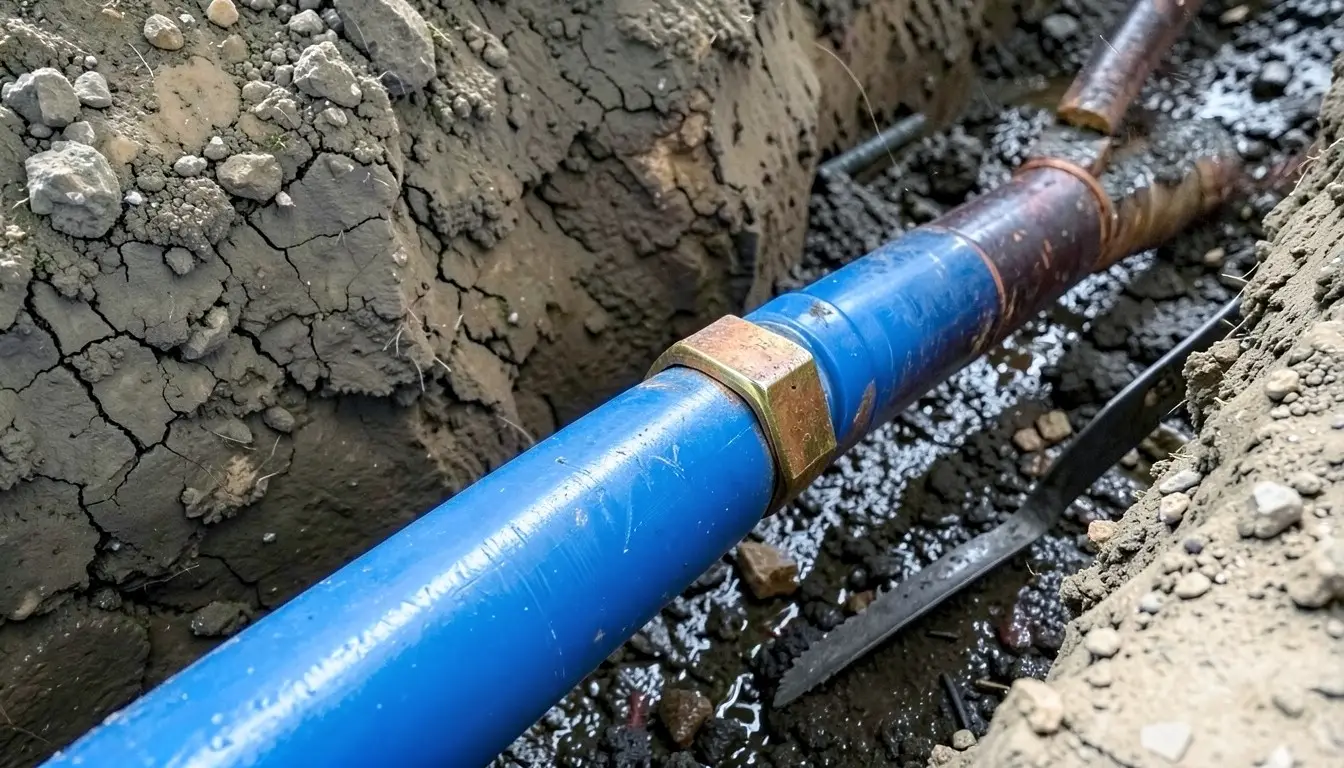
1950s–70s copper supply is now 50–70 years into its service cycle in Kansas City. Thermal fatigue at fittings and slab-on-grade access complexity — common in Sun Belt construction — make repair vs. replacement a live decision on most jobs. This housing cohort is the active primary replacement wave in this market.
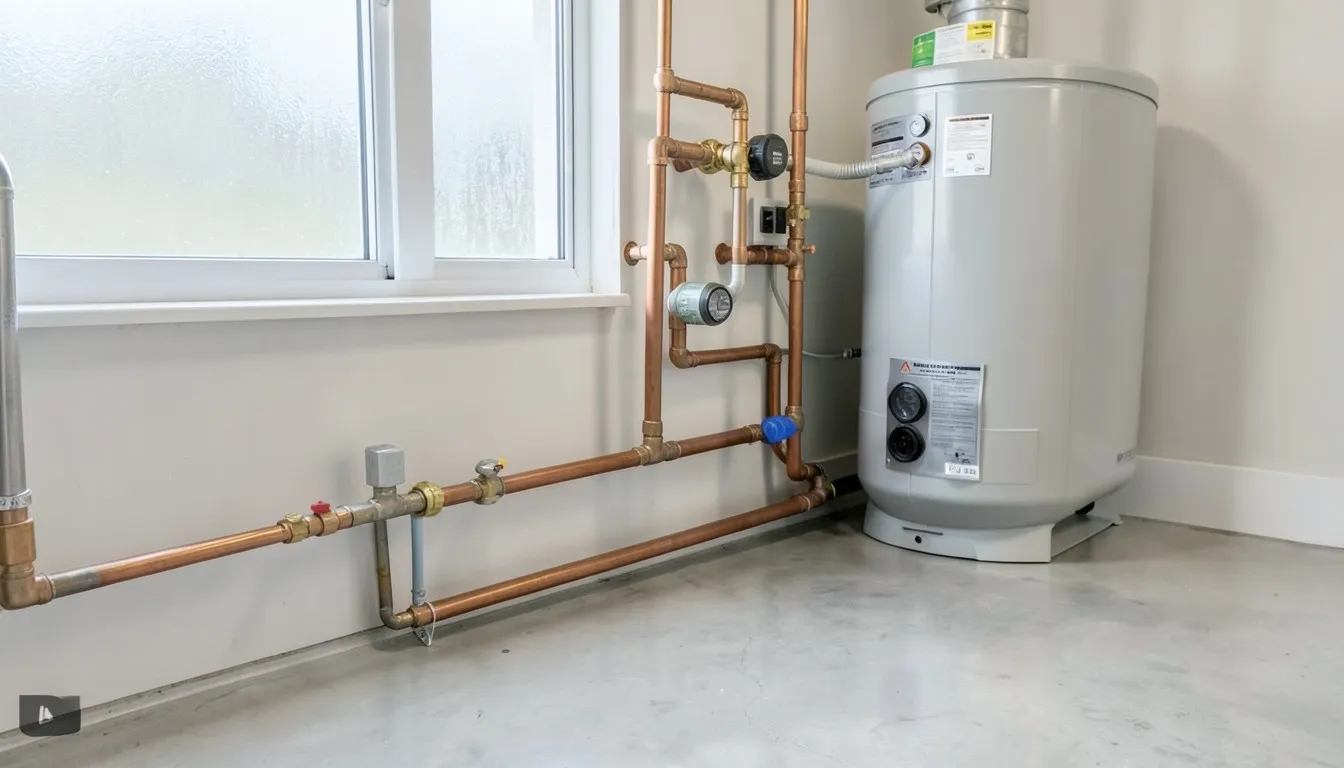
At 15–20+ GPG, calcium scale forces compressed equipment cycles in Kansas City: tank heaters average 6–9 years vs. the 10–12-year national benchmark, and tankless units require annual descaling. Anode rods calcify within 12–18 months. Most plumbers here assess heater age against the local scale timeline — not the manufacturer's service life.
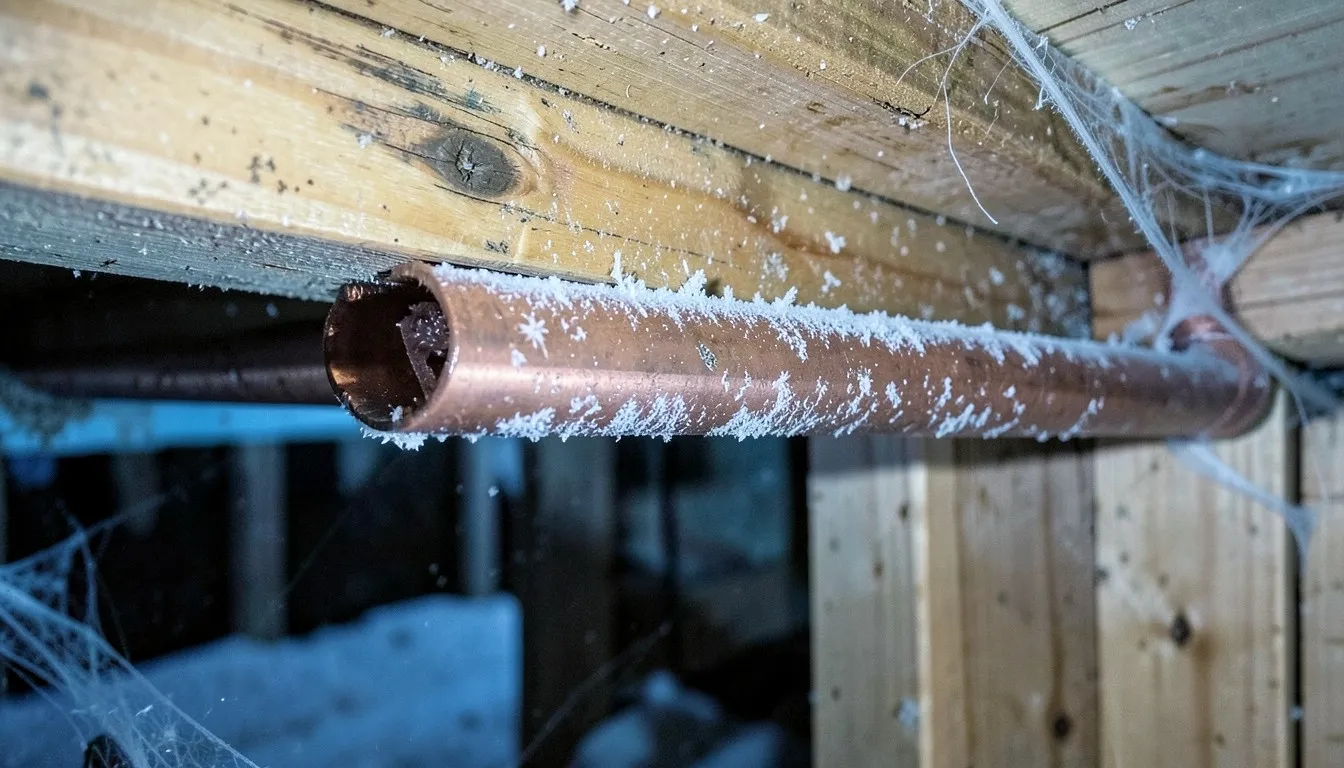
The primary surge in Kansas City runs January–March, with a secondary wave at the spring thaw — when pipes that held through the freeze rupture as pressure is restored above 32°F. Scheduling competition peaks exactly when emergency calls are highest. Homeowners who wait for visible damage compete for the same limited plumber slots at the worst possible time.
Why diagnose before repairing in Kansas City?
Describe the symptom — not the repair. AlertPlumber routes the call to an independent KS-licensed plumber in its partner's network — ask whether the site visit will use camera tracing, acoustic detection, or hydrostatic pressure testing matched to the reported failure type.
Ask the plumber for a written diagnostic report: confirmed failure location, available repair methods, and tradeoffs — disruption level, material durability, long-term cost, and whether a Kansas City building permit applies to the selected method.
You select the repair path. Ask for a fixed scope and price on the authorized method before the Kansas-licensed plumber proceeds and, where required, who files the permit application to Kansas City.
Slab Leak Repair cost calculator — Kansas City
Pre-filled for slab leak repair in Kansas City. Adjust the ZIP for a neighboring area, or change the service to compare. Calculator pulls from the city's scraped permit-fee + state plumber-density data.
Slab Leak Repair emergency in Kansas City?
Every hour without a repair increases structural risk and remediation cost. Calls connect to independent local plumbers in our partner's network — ask for an arrival time and a written estimate.
What else do people ask about slab leak repair in Kansas City?
How is a slab leak detected without tearing up the entire floor?
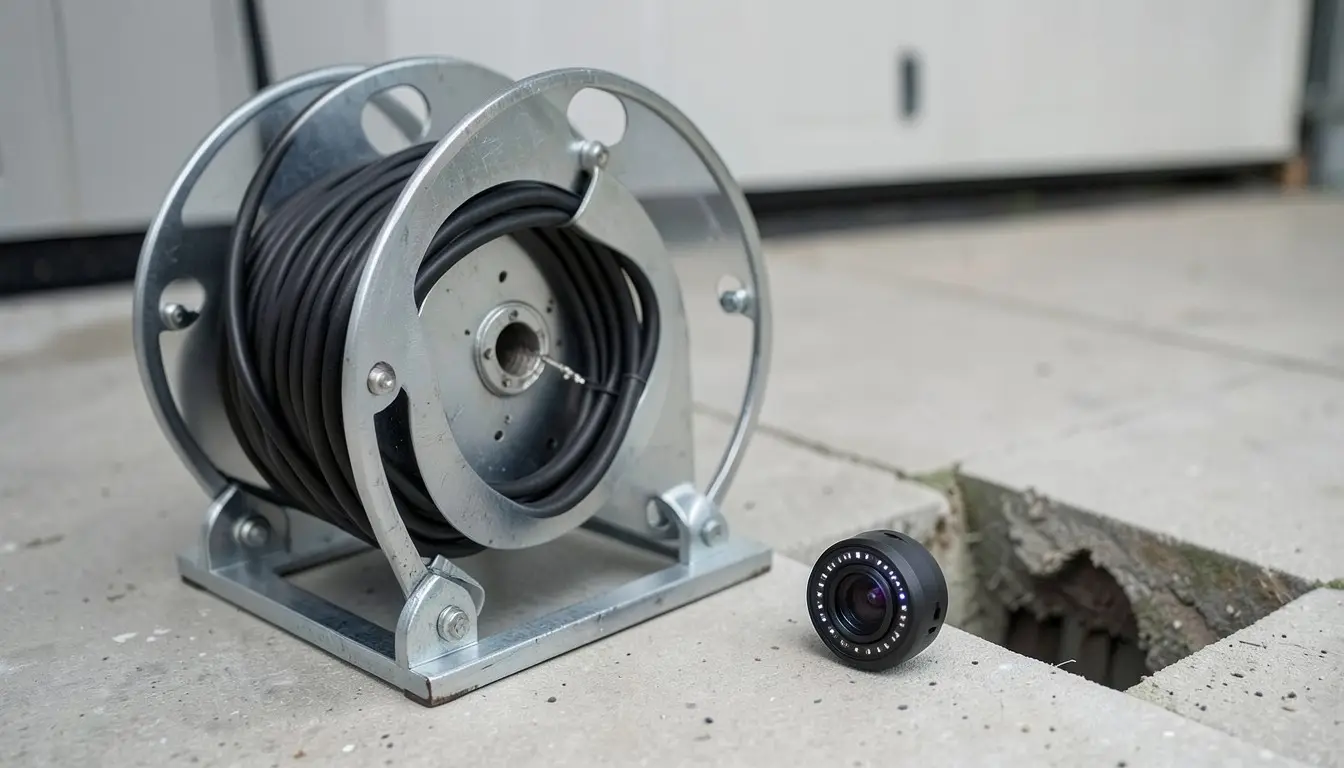
Acoustic leak detection presses sensitive microphones against the slab surface to listen for the unique frequency of water escaping under pressure. Electronic detection measures electrical resistivity changes in the concrete over a wet pipe. Thermal imaging identifies surface temperature differentials where a hot-water or cold-water leak transfers through the slab. Helium tracer gas — the most precise method — fills the pipe under low pressure and sniffs for escape points above the surface. The plumber chooses based on pipe type, slab thickness, and floor covering.
What causes slab leaks in residential homes?
Hard-water chemistry attacks copper pipe from the outside — mineral deposits concentrate corrosive chemistry at the pipe-slab contact point, forming pinhole leaks over years. Soft water attacks copper from the inside via aggressive dissolved CO₂. Seismic ground movement and soil settlement crack both copper and PEX-A pipes under the slab. High-velocity water hammer in high-pressure supply lines fatigues pipe walls over time. The geography determines which mechanism dominates: hard-water slab leaks are most common in Phoenix, Las Vegas, and parts of southern California and Texas.
Should I do a slab reroute or open the slab for a spot repair?
Spot repair opens a targeted 2–4 square foot section of slab, replaces the failed pipe section, and patches the concrete — a scope-based price. A full reroute runs entirely new pipe through walls and ceiling, bypassing all under-slab plumbing permanently — a scope-based price. Rerouting costs more upfront but eliminates future slab leak risk in aging copper. For homes with pre-1980 copper under the slab in a hard-water market, rerouting is often the better long-term investment: one reroute is typically less expensive than 3–4 future spot repairs. Price ranges: slab leak repair cost guide.
How does a slab leak show up in a Kansas City home before it becomes obvious?
Early signs include: unexplained water bill increases of 15–25% without a usage change, carpet or hardwood that feels warm or damp in one localized area (hot-water leak), persistent mildew smell in a ground-floor room, and a water meter that continues turning 30 minutes after all fixtures are shut off. Tile grout line discoloration and small foundation cracks are later-stage indicators. The earlier the detection, the lower the remediation cost — moisture behind the slab can reach structural wood framing and drywall within weeks of a significant leak.
Does homeowners insurance cover slab leak repair?
The resulting damage (damaged flooring, wet drywall, mold remediation) is typically covered under the "sudden and accidental" clause in standard HO-3 policies, subject to your deductible. The pipe repair itself is almost never covered — it's considered maintenance. Long-running undetected leaks may be denied as gradual deterioration if the insurer argues you should have noticed earlier. Document when you first observed symptoms and call a plumber promptly — a prompt service call creates a record that the leak was addressed immediately.
How does Kansas City's water hardness (14–17 gpg) affect slab leak repair?
Kansas City water hardness of 14–17 gpg is in the hard range, where scale builds up quickly inside water heaters, tankless units, and pipes. A whole-home water softener pays for itself through extended appliance life in this hardness range. Tankless water heaters in this market need descaling every 18–24 months to maintain warranty compliance and efficiency.
How does Kansas City's median home age (65 years) affect slab leak repair pricing?
Census data (American Community Survey) puts Kansas City's median home age at 65 years. Age alone does not tell you what pipes a particular home has. Older homes may still have galvanized pipe, cast-iron drains or Orangeburg sewer laterals; homes built from the late 1970s to the mid-1990s may have polybutylene supply lines; and many homes of every age have been partly or fully repiped with copper pipe or PEX since. Ask the plumber what pipe materials your home has and whether they change the scope or the price of the job — a pipe material check is a reasonable part of a diagnostic visit.
What's the seasonal plumbing risk profile for slab leak repair in Kansas City?
Wyandotte County's urban core immediately west of the Missouri state line, served by Kansas City Kansas Unified Government Utilities drawing from the Kansas and Missouri rivers at 14–17 gpg. The 1890s–1940s urban grid near the Fairfax Industrial District has the oldest housing stock in the KC metro, with galvanized supply and lead service lines in the oldest blocks under municipal replacement. Aging sewer infrastructure in the low-lying Missouri River bottomland creates root-intrusion and infiltration-driven drain service demand. Understanding the local call pattern helps set realistic expectations for plumber availability and response time during peak periods — during high-demand weeks, advance scheduling is advisable for non-emergency work.
What affects the cost of slab leak repair in Kansas City, KS?
Slab thickness and aggregate hardness, detection method (acoustic vs. tracer gas), and whether the repair uses direct slab access or a wall-reroute are the main cost branches. Tunneling under the foundation avoids interior finish damage but adds significant labor. Repair method is selected after leak location is confirmed and slab composition is assessed. Ask the plumber for a written estimate covering price, scope, and permit requirements before any work begins.
How do I check a plumber's license in Kansas?
AlertPlumber does not license, vet or employ plumbers; calls are connected to independent local plumbers in our partner's network. Before work begins, ask the plumber for their Kansas license number and look it up on the Kansas licensing board's public database — it shows current standing, including any recent disciplinary actions, renewals, or lapses. Bonding, liability-coverage and continuing-education rules vary by state; ask for proof of insurance as well.
Does AlertPlumber charge a fee for connecting me with a plumber in Kansas City?
AlertPlumber does not charge homeowners. AlertPlumber is paid a referral fee by its routing partner for qualifying calls — it is not an added charge to you. Ask the plumber for a written price before any work begins; if the quote doesn't fit your situation, you can decline at any point.
One call puts your problem in front of a local plumber.
Call the number, or put your number in the form below — the request goes to an independent Kansas plumber in our partner's network; ask about the slab leak repair and for a written estimate.
Need a slab leak repair callback in Kansas City?
In a meeting, with the kids, or just prefer not to call? Drop your ZIP and number below. AlertPlumber sends your request to our routing partner — if a participating plumber serves your area, they may call you back directly. For anything urgent, call the number on this page.
- 1 Submit your info. ZIP, phone, and what kind of work you need.
- 2 AlertPlumber passes it on to our routing partner for your area.
- 3 If a participating plumber serves your area, they may call you back. Ask for a written estimate before work starts.
Slab Leak Repair in Kansas City — when to call
Acute plumbing failures cannot wait. AlertPlumber routes calls about slab leak repair in Kansas City to independent Kansas plumbers in our partner's network — call now or submit the form above for a callback.