
Emergency Sewer Line Repair in Indianapolis, Indiana
Camera first, quote second — know exactly what's wrong in your Indianapolis home before you approve a dollar.
Local plumbing data for Indianapolis, IN
Seeing these conditions at your place in Indianapolis? A state-licensed plumber can confirm it over the phone — free, no obligation.
What are the pipe conditions in Indianapolis, IN?
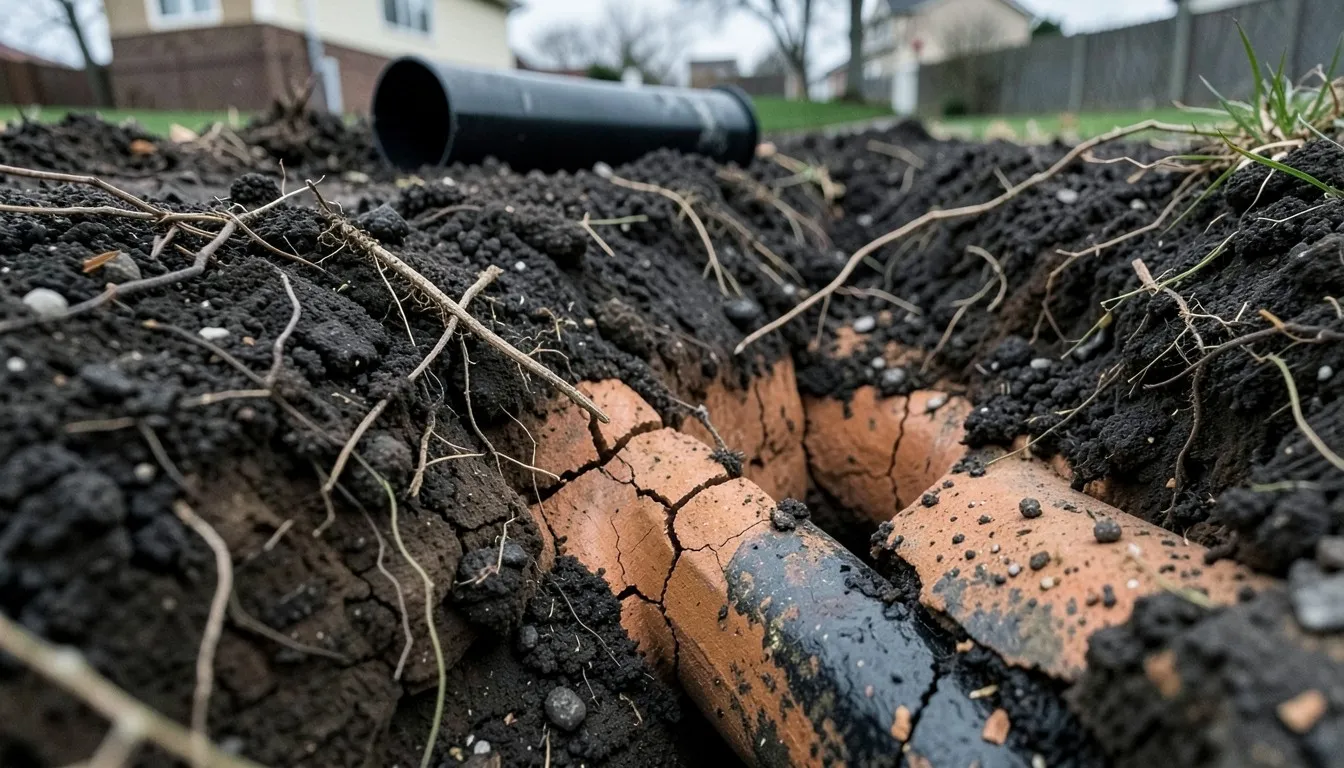
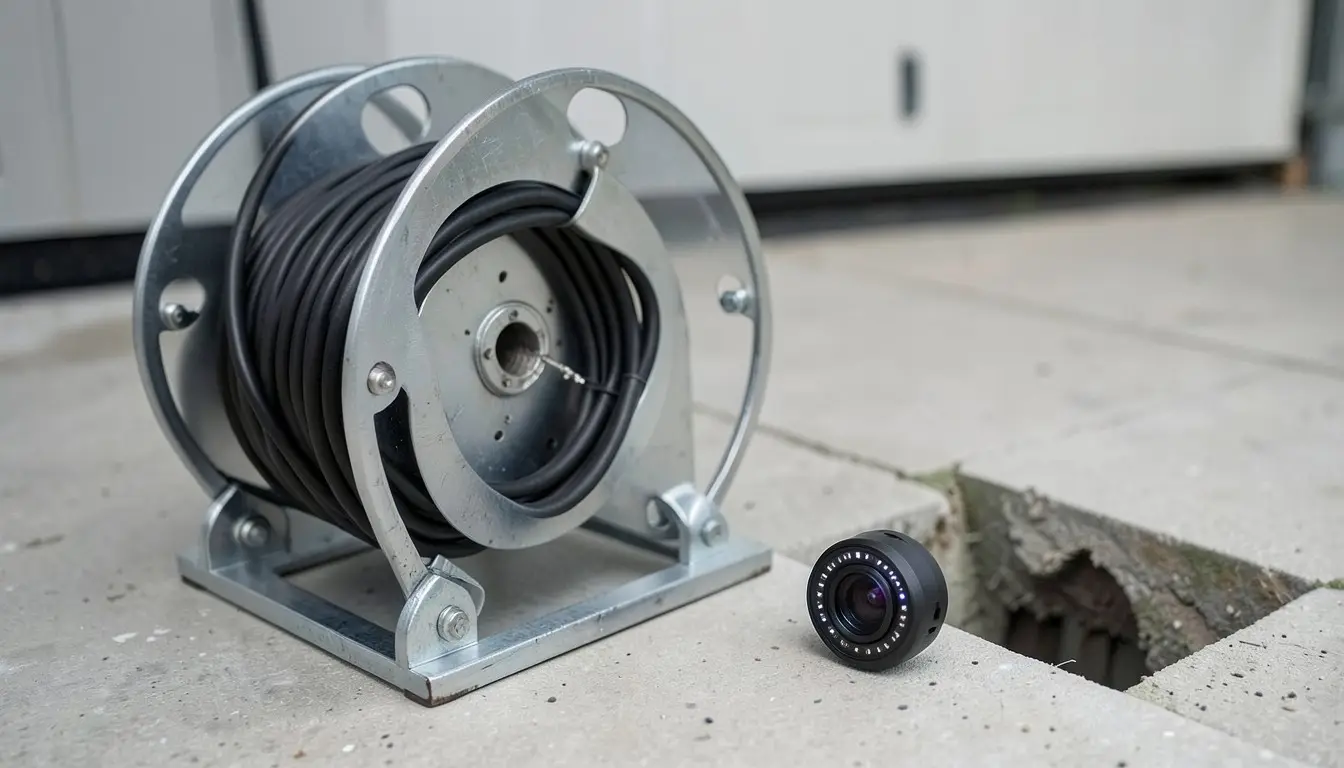
Sewer line failures in Indianapolis follow predictable patterns by pipe material and installation era: clay tile joints separate and admit root intrusion; Orangeburg pipe (1940s–1960s) compresses under soil load; cast iron corrodes at horizontal runs where standing water accelerates deterioration. A camera scope before excavation is critical — it confirms whether a spot repair is viable or whether replacement of the full lateral is the smarter investment. AlertPlumber routes your request to an Indiana-licensed plumber who completes the scope before quoting the repair. Freeze events and frost-depth requirements add pipe insulation, exterior faucet winterization, and burst-risk assessment to service calls in this climate.
Indianapolis's housing stock spans multiple construction eras — median home age 54 years — meaning pipe materials and failure modes vary significantly by neighborhood and building vintage. An inspection-led approach that confirms pipe material before recommending a service path is standard practice for mixed housing profiles.
Very hard water in Indianapolis is a primary driver of accelerated appliance failure: water heater anode rods exhaust in 2–3 years instead of 6–8, scale deposits at fixture connections form within months of installation, and tankless heat exchangers accumulate mineral buildup that can reduce lifespan by half without regular descaling. A softener or whole-house conditioner is strongly recommended alongside any appliance service call.
Frost line depth in Indianapolis means supply lines and outdoor plumbing must be installed below the freeze threshold — typically 36 in — to prevent pipe burst during cold events. Exterior hose bibs, irrigation shutoffs, and any exposed pipe runs are the most common winterization service points in freeze-risk markets.
- Median home age
- 54 yrs
- Frost line
- 36 in
A licensed IN plumber reads these conditions the moment you describe the symptom.
What local infrastructure shapes Sewer Line Repair in Indianapolis?
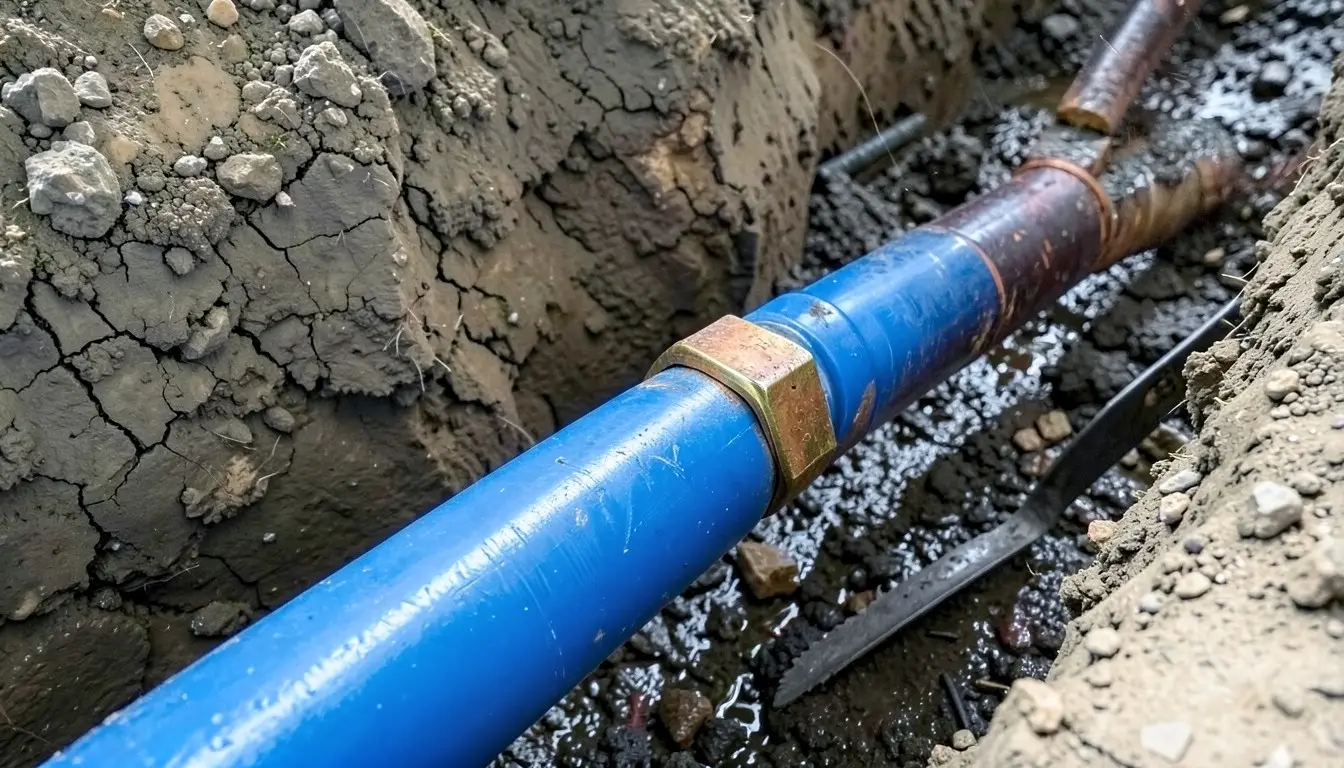
At 54 years median housing age, Indianapolis carries a mixed lateral profile — clay tile in 1940s and 1950s construction across Fountain Square, Irvington, and Broad Ripple, Orangeburg in postwar 1950s through early 1960s stock, and PVC in the suburban build-out through the Unigov consolidation era. Orangeburg pipe across the postwar Marion County stock has delaminated progressively under the 18.7 GPG very-hard supply that deposits carbonate scale inside the deteriorating bore, accelerating closure.
Glacial till and outwash soils of the White River basin contain significant clay fractions supporting freeze-thaw displacement through 110 freeze days at a 36-inch frost line. Joint offset and grade reversal in clay tile runs accumulate from decades of annual frost heave. Elm and silver maple root systems throughout the residential canopy exploit displaced clay tile joints — the resulting root-filled laterals with multiple grade reversals are the most common failure pattern in pre-1970 stock.
Indianapolis DPW requires permits for lateral excavation, with fees at $75. Camera inspection to NASSCO standards is required before CIPP lining authorization — Orangeburg pipe's deformed bore typically fails deflection criteria, routing those sections to pipe bursting or open-cut replacement. Citizens Energy Group's active LSL replacement program excavates street sections across affected neighborhoods; coordinating lateral repair with that work combines both scopes in one trench permit.
What shapes plumbing demand in Indianapolis, IN?
1950s–70s copper supply is now 50–70 years into its service cycle in Indianapolis. Thermal fatigue at fittings and slab-on-grade access complexity — common in Sun Belt construction — make repair vs. replacement a live decision on most jobs. This housing cohort is the active primary replacement wave in this market.
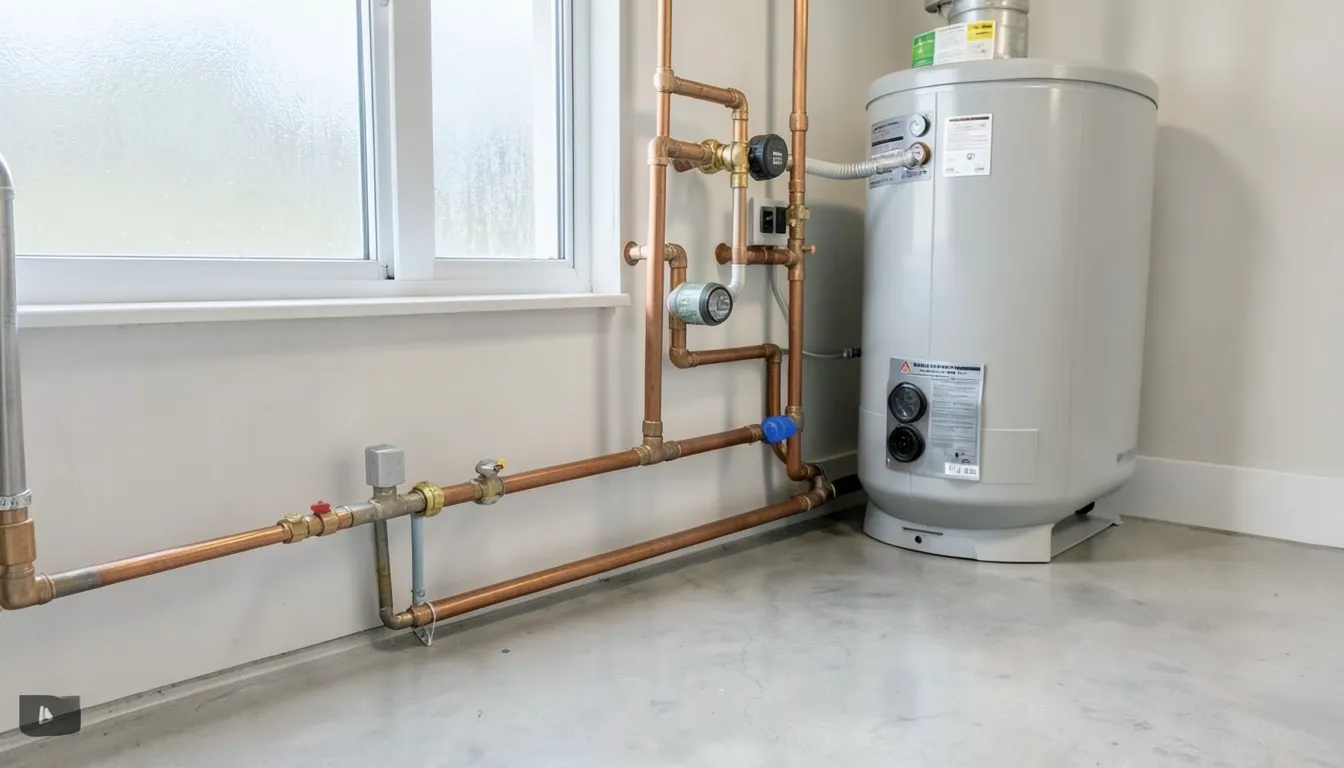
At 15–20+ GPG, calcium scale forces compressed equipment cycles in Indianapolis: tank heaters average 6–9 years vs. the 10–12-year national benchmark, and tankless units require annual descaling. Anode rods calcify within 12–18 months. Most plumbers here assess heater age against the local scale timeline — not the manufacturer's service life.
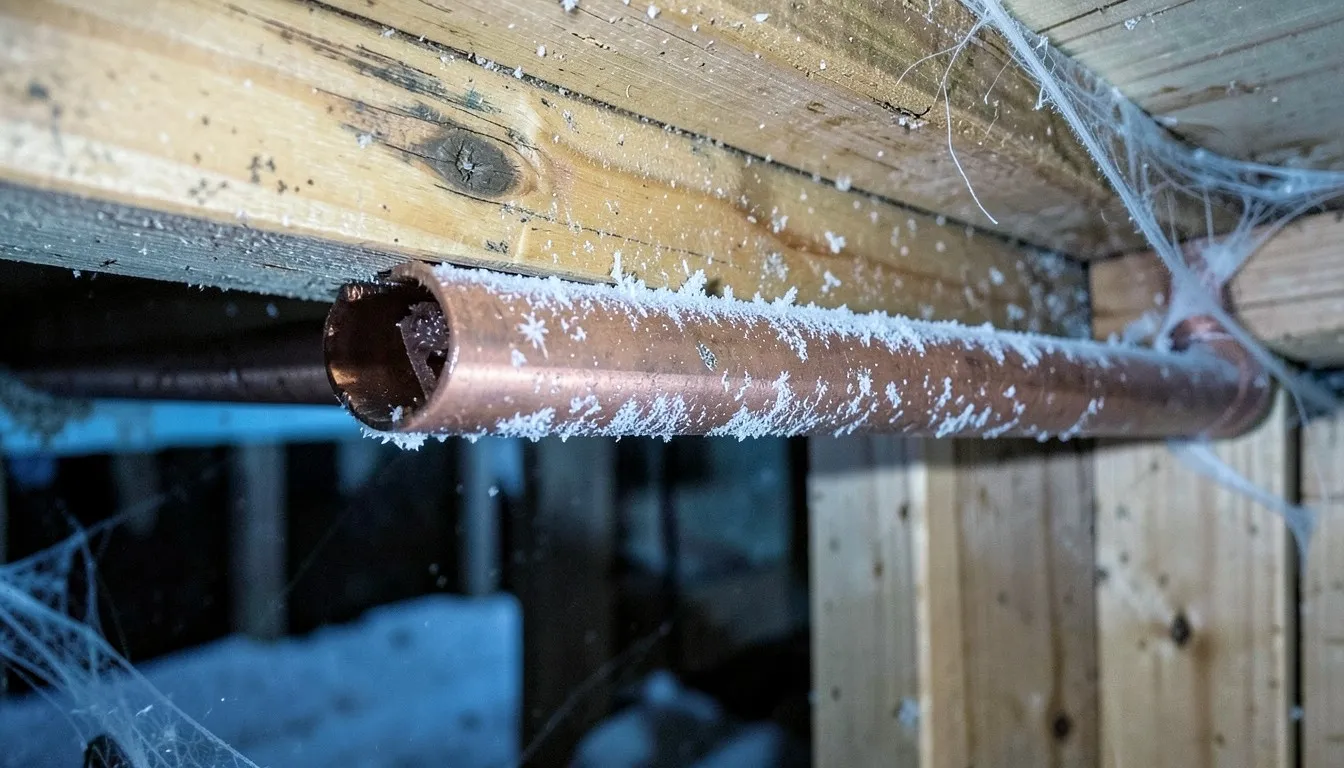
The primary surge in Indianapolis runs January–March, with a secondary wave at the spring thaw — when pipes that held through the freeze rupture as pressure is restored above 32°F. Scheduling competition peaks exactly when emergency calls are highest. Homeowners who wait for visible damage compete for the same limited plumber slots at the worst possible time.
Why diagnose before repairing in Indianapolis?
Describe the symptom — not the repair. AlertPlumber routes to an IN-licensed plumber trained in diagnostics. The site visit uses camera tracing, acoustic detection, or hydrostatic pressure testing — matched to the reported failure type.
The plumber delivers a written diagnostic report: confirmed failure location, available repair methods, and tradeoffs — disruption level, material durability, long-term cost, and whether an Indianapolis building permit applies to the selected method.
You select the repair path. The Indiana-licensed plumber proceeds on the authorized method with a fixed scope and price. Where required, the permit application to Indianapolis is handled by the contractor.
Sewer Line Repair cost calculator — Indianapolis
Pre-filled for sewer line repair in Indianapolis. Adjust the ZIP for a neighboring area, or change the service to compare. Calculator pulls from the city's scraped permit-fee + state plumber-density data.
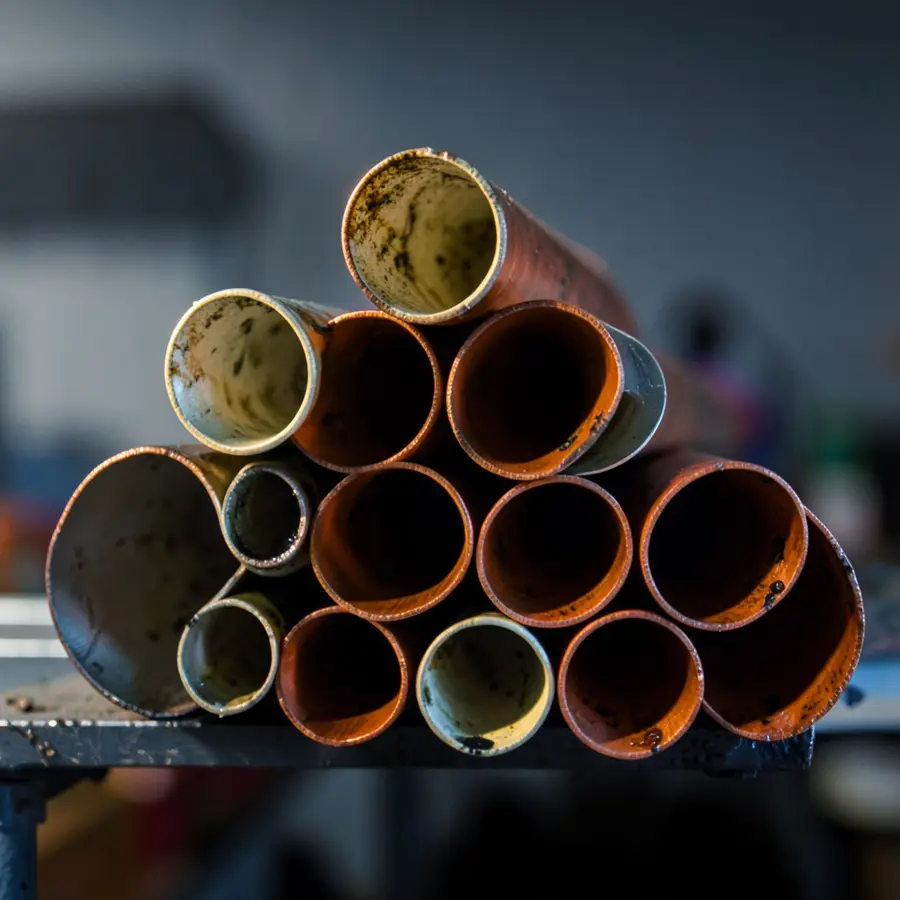
Sewer Line Repair in Indianapolis — the longer it runs, the more it costs.
Slow failures compound: soft pipe walls, root penetration, mineral buildup. A verified plumber calls back with a scope-first estimate before anything is dug up.
Sewer Line Repair in Indianapolis — frequently asked
How much does sewer-line repair cost in Indianapolis, IN?
Indianapolis sewer-line repair prices by scope, length, and access. A spot-repair on a Fountain Square 1880s-1900s vitrified-clay lateral — single 4-foot collapsed bell-and-spigot joint with conventional dig — runs $2,800–$4,650 including the $32 Indy.gov application plus the $75–$150 minor permit (per Indy.gov permit fees). Cured-in-place pipe lining on an Old Northside 1860s–1890s Victorian lateral running 55–95 feet to the Citizens Wastewater Marion County tap runs $7,500–$13,800 depending on diameter (4-inch standard, 6-inch on larger Lockerbie Square homes). Full open-trench replacement at 36-inch code burial through Indiana limestone-karst substrate runs $9,500–$18,500 across 60–110 feet. Pipe-bursting through an intact 4-inch clay host on a Broad Ripple bungalow runs $8,800–$15,400. Pre-work camera scope plus locate runs $295–$485 — required deliverable before any scope quote. AlertPlumber routes the call to an Indiana Plumbing Commission credentialed plumber for a written estimate keyed to your Marion County ZIP.
When does an Indianapolis lateral need full replacement vs spot-repair vs lining?
The camera scope drives the decision. Spot-repair is correct for a single localized failure (one collapsed clay bell, one offset joint, one root-intrusion point) on an otherwise structurally sound Fountain Square lateral. Cured-in-place pipe lining is correct when the host pipe is intact end-to-end but interior degradation is uniform — typical on Old Northside 1880s vitrified-clay or cast-iron stack work where the bore is scaled or root-infiltrated but the wall is still circumferentially complete. Pipe-bursting is correct when the host is partially collapsed but follows a usable corridor — common on 1920s Meridian-Kessler clay laterals. Full open-trench replacement is correct when multiple collapse points stack across the run, when the grade is unrecoverable (Broad Ripple shallow-grade lateral failure), or when the original line sits above 36-inch frost depth and re-burial at code is required. NASSCO Pipeline Assessment Certification standards (per NASSCO Pipeline Assessment) drive the scope quoted to the homeowner.
Why is cured-in-place lining popular on Old Northside Victorian laterals?
Old Northside 1860s–1890s Victorian and Lockerbie Square cobblestone-era stock concentrates three lining-favoring conditions. First, the original 4-inch vitrified-clay or early cast-iron lateral runs 55–110 feet under mature 130+ year landscaping (maple, oak, magnolia) where open-trench would destroy the streetscape. Second, the bell-and-spigot joint count over that run (typically 14–22 joints at 4-foot intervals) makes joint-by-joint spot-repair impractical when root intrusion is system-wide. Third, the lining process — felt sleeve impregnated with epoxy resin, inverted by water or air pressure, cured by ambient or hot-water heating — creates a 4-mm continuous monolithic pipe inside the existing host without lawn damage. Trenchless work also avoids the limestone-karst substrate complications that drive Old Northside open-trench costs upward. Lining a 75-foot Old Northside lateral runs $9,200–$13,800.
Does Indianapolis 36-inch frost depth affect sewer-line replacement scope?
Yes. Indiana plumbing code adopting the IPC requires 36-inch burial for sanitary laterals in Marion County, driven by ~110 freeze days annually and the 36-inch frost depth basis from NWS Indianapolis. A meaningful share of pre-1950 Fountain Square and Old Northside laterals sit at 24–32 inches because the original trench was hand-dug before code uniformity. When the camera scope confirms shallow burial AND the homeowner is paying for replacement, code requires re-bury at 36 inches — that adds $1,200–$2,800 to the open-trench bid because the trench gets deeper, the spoil pile gets bigger, and limestone-karst rock encounters become more frequent. Pipe-bursting and lining preserve the original (shallower) depth and are technically code-compliant as repair, not replacement, which is one reason trenchless gets quoted on shallow lines.
Will Indiana HO-3 homeowners insurance cover Indianapolis lateral replacement?
Standard Indiana HO-3 policies typically do NOT cover the lateral repair or replacement labor itself — that's classified as wear-and-tear infrastructure on the homeowner's side of the Citizens Wastewater Marion County tap. They DO cover sudden-and-accidental water damage from a backup event (basement carpet, drywall, mold remediation) subject to deductible AND only when a sewer-and-drain backup endorsement is attached. Most Indiana carriers (State Farm, Erie, Indiana Farm Bureau, Allstate, Auto-Owners) cap unscheduled sewer-backup riders at $5,000–$25,000. Service-line coverage is sold as a separate rider (typically $40–$95/year, covers $5,000–$15,000 of lateral repair) by some carriers — strongly recommended for pre-1940 Old Northside and Fountain Square stock. Document with the matched plumber's invoice, camera footage, and NASSCO PACP report — Indiana carriers increasingly deny verbal-diagnosis claims. Submit within 30 days of loss.
How long does an Indianapolis sewer-line repair take?
Spot-repair on a Fountain Square clay lateral with conventional dig runs 6–10 hours from setup through backfill and yard restoration. Cured-in-place lining on an Old Northside Victorian 75-foot lateral runs 8–14 hours including pre-clean, camera verification, sleeve preparation, inversion, cure, and post-cure scope. Pipe-bursting through a Meridian-Kessler 90-foot clay host runs 1.5–2.5 days because of pit excavation at both ends. Full open-trench replacement across a Broad Ripple 110-foot run with limestone-karst rock encounters runs 2.5–4 days. Marion County winter ground freeze (mid-December through early March, 36-inch frost depth) effectively halts open-trench work — most laterals frozen at depth get a temporary jet-and-cable bridge until the thaw, with permanent work scheduled March–April. Add 1–3 days for the Indy.gov DBNS inspection.
Old Northside vitrified-clay vs Eagle Creek 1970s PVC — what's different?
Sharply different failure modes and repair paths. Old Northside 1860s–1890s Victorian lateral is 4-inch vitrified-clay with bell-and-spigot joints at 4-foot intervals, 130+ years of root intrusion at joint gaps, oakum-and-cement joint material that has degraded, and likely 24–32 inch shallow burial. Repair paths are lining or open-trench with code-depth re-bury. Eagle Creek and Speedway 1970s+ lateral is 4-inch ABS or early PVC at 36-inch code depth with solvent-welded joints, much lower root-intrusion rate, but susceptible to shallow-grade sag on the 1970s tract grade where settlement has dropped a 6–12 foot midspan section below grade. Repair path is usually pipe-bursting or targeted spot-repair at the sag point. Construction era predicts repair scope more reliably than symptom severity.
Does Indianapolis require a permit for sewer-line repair, and who verifies the plumber?
Yes. Any work touching the sanitary lateral — spot-repair, lining, bursting, or replacement — requires the $32 Indy.gov application plus the $75–$150 minor permit at the Indy.gov Department of Business and Neighborhood Services, and a sub-grade DBNS inspection before backfill on open-trench scope. Citizens Wastewater Marion County coordination is required at the tap connection for any work within 5 feet of the public main. On credentialing, every plumber routed through AlertPlumber in Marion County must hold an active Indiana Plumbing Commission specialty credential — Indiana PLA Plumbing Commission lists roughly 11,620 credentialed plumbers statewide. Homeowners can verify the matched plumber's credential by name through the PLA lookup before authorizing work. Indiana code prohibits unpermitted lateral work above the floor slab and tap-side of the cleanout.
Why does Niagaran reef limestone karst complicate Indianapolis sewer trenching?
Central Indiana sits on Niagaran reef limestone bedrock — fractured carbonate forming the regional aquitard (per USGS water resources). Open-trench sewer work in Marion County frequently hits limestone-karst seam fractures, solution voids, and rubble pockets at 24–48 inch depths — exactly the working depth for 36-inch code re-bury. Trench wall stability is poor where karst seam alignment crosses the cut, requiring shoring, narrower trench geometry, and often rock-saw cutting rather than backhoe excavation. Open-trench replacement across an Old Northside or Fountain Square lot can hit $1,500–$4,200 in rock-handling adders that don't appear on the original bid until the trench is opened. Lining and pipe-bursting avoid most of that exposure, which is why trenchless options are quoted first on confirmed-karst blocks west and south of downtown.
What signs tell me my Indianapolis lateral is actually failing?
Six markers on Marion County housing stock. First, repeated mainline backups at 4–8 week intervals despite cabling and jetting — interior remediation is no longer holding. Second, sewer odor from a basement floor drain after a White River + Fall Creek combined-sewer surcharge event (Citizens Wastewater Marion County has roughly 95% sewer service coverage and combined-sewer overflow events drive surcharge). Third, slow simultaneous drain across multiple fixtures (toilet + tub + laundry standpipe) pointing to mainline restriction past the branch tees. Fourth, lawn-surface depression along the lateral run — common on 1880s Old Northside lots where a collapsed clay bell has eroded surrounding soil. Fifth, recurring tree-root mat on cable retrievals at the same footage marker. Sixth, camera scope showing 30%+ bore obstruction or visible joint offset. Two or more of these markers warrants a scope-driven scope quote (lining vs bursting vs open-trench).
What's the difference between Citizens Wastewater main and my Indianapolis lateral?
Citizens Wastewater Marion County owns and maintains the public sewer main running under the right-of-way and the connection up to the curb-side tap. The homeowner owns and maintains the lateral from the curb tap to the house cleanout — that's the segment where repair, lining, bursting, or replacement scope sits. Citizens Wastewater serves roughly 95% of Indianapolis sewered properties (per Citizens Energy Group service info). The combined-sewer-overflow infrastructure on the White River + Fall Creek basin handles both sanitary and stormwater on older central Indianapolis blocks — surcharge events during heavy rain can backflow into low-elevation basement floor drains on Old Northside and Fountain Square pre-1940 stock. Backwater valve installation at the cleanout (separate $850–$1,650 scope) is recommended for those basins.
What ZIP codes around Indianapolis does AlertPlumber cover for sewer-line repair?
AlertPlumber covers all Marion County Indianapolis ZIP codes (462xx prefix covering downtown through Old Northside, Fountain Square, Meridian-Kessler, Broad Ripple, Irvington, Eagle Creek, and Speedway) plus inner-ring Hamilton, Hendricks, Johnson, Boone, Hancock, Morgan, and Shelby County communities — Carmel, Fishers, Noblesville, Westfield, Greenwood, Plainfield, Avon, Brownsburg, Zionsville, and Greenfield. Citizens Wastewater Marion County service-area addresses and Citizens Energy Group outer-ring properties route through the same intake form. Per U.S. Census Bureau, Indianapolis population is 887,642.
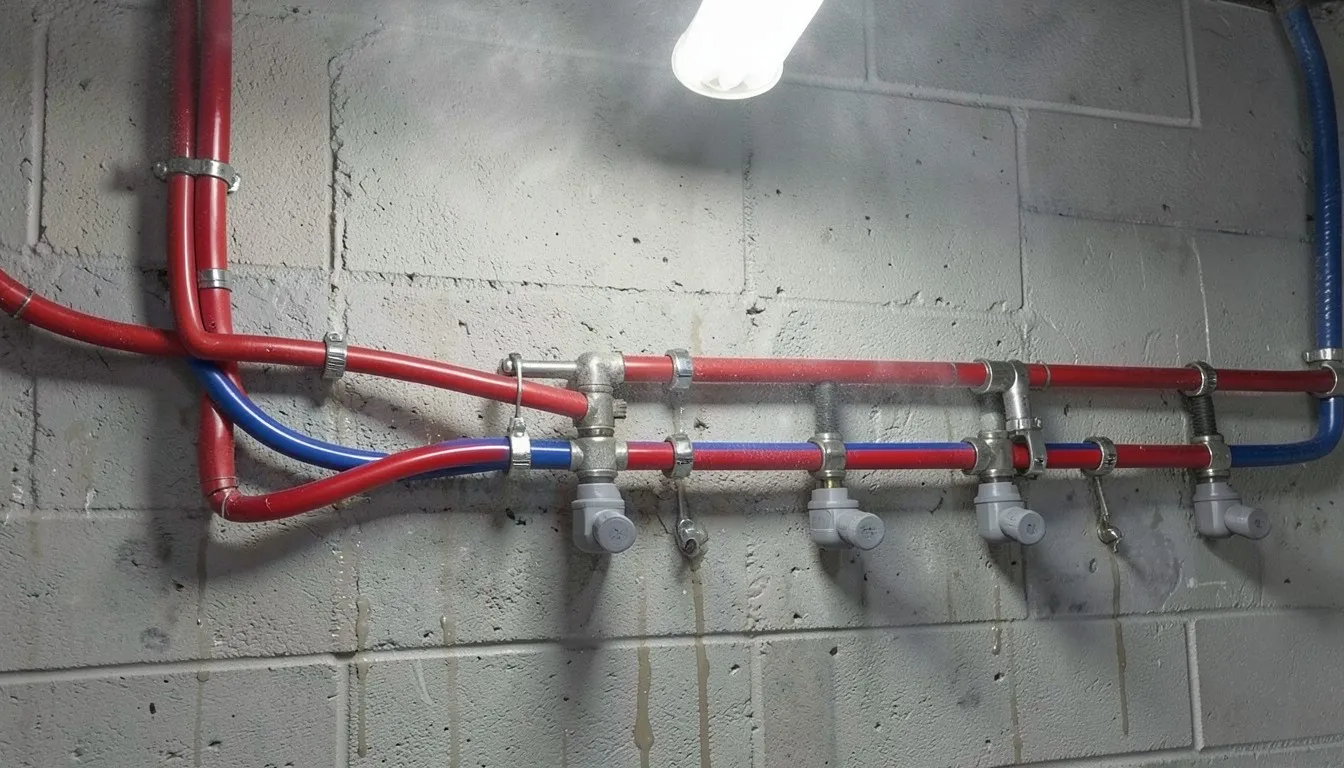
The fix gets cheaper the sooner a plumber sees it.
Degradation problems compound quietly. Call now, or use the form below and a licensed Indiana plumber calls you back with a no-obligation estimate for the sewer line repair.
Request a sewer line repair callback in Indianapolis
In a meeting, with the kids, or just prefer not to hold? Drop your ZIP and number below. AlertPlumber routes your request to a verified plumber in your area — they’ll call you back directly.
- 1 Submit your info. ZIP, phone, and what kind of work you need.
- 2 AlertPlumber matches you with a verified plumber serving your area.
- 3 The plumber calls you back with a written estimate, no obligation.
Sewer Line Repair in Indianapolis — catch it early
Degradation-driven failures worsen over time and cost more to fix the longer they run. A verified IN plumber in Indianapolis diagnoses your specific condition and provides a written scope before any work begins.